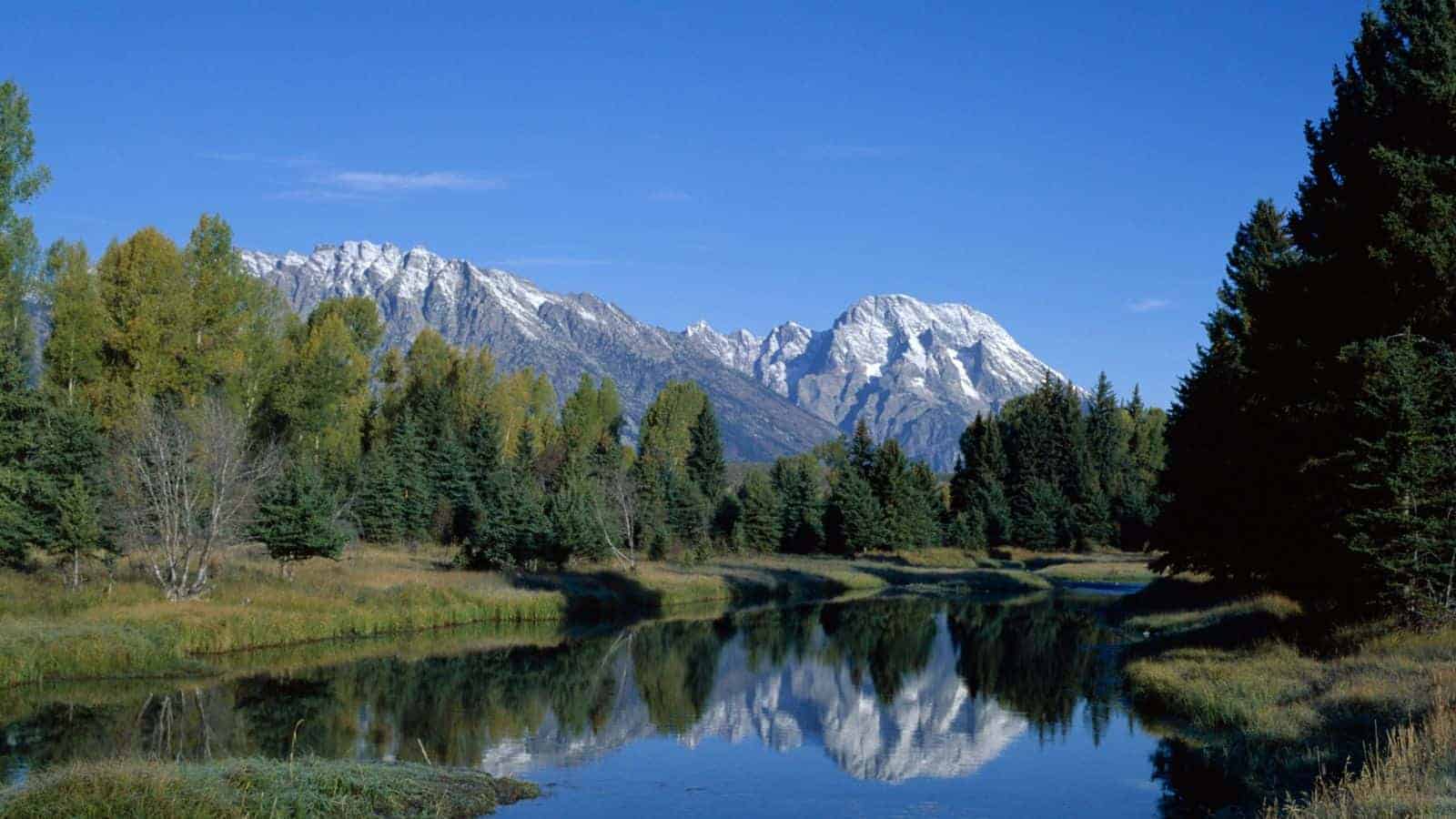
19 Remote U.S. Destinations Where You Can Truly Unplug
Finding a place to disconnect from today’s busy world can be difficult in a world that is so reliant on technology. But after exploring some of the most secluded corners of the country, we’ve uncovered 19 remote U.S. destinations where you can escape the noise, embrace nature, and enjoy the rare luxury of solitude—perfect for a much-needed digital detox.
Big Bend National Park, Texas
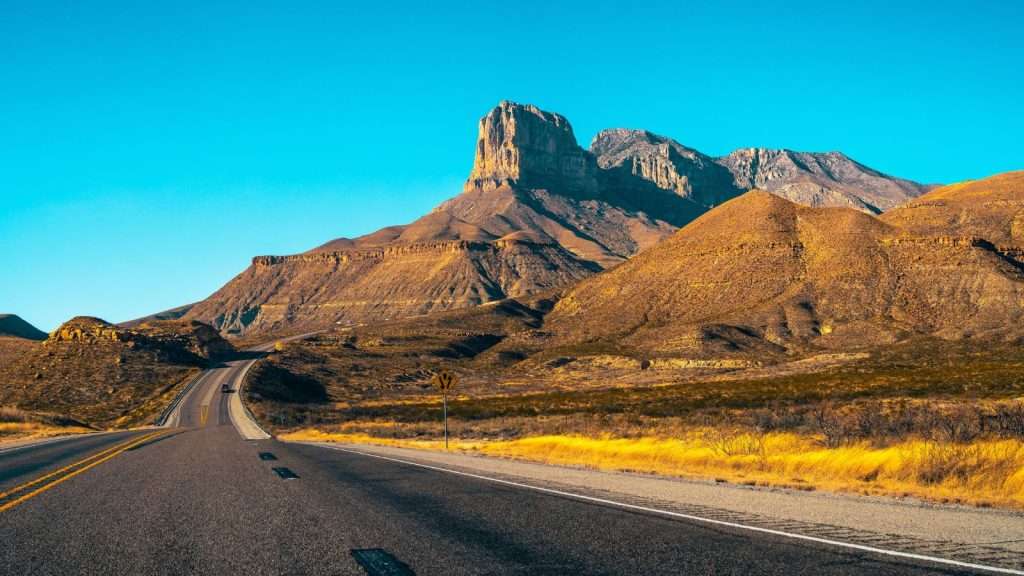
Big Bend National Park is a vast desert landscape located along the Texas-Mexico border. With over 800,000 acres of rugged terrain, scenic canyons and clear night skies, it’s one of the most isolated national parks in the U.S. Cell service is almost non-existent here, making it an ideal spot to disconnect and enjoy hiking, stargazing and the stunning Rio Grande River.
Adirondack Mountains, New York

The Adirondack Mountains in upstate New York offer over six million acres of protected wilderness. With countless lakes, mountains and forests to explore, this region is a paradise for outdoor enthusiasts. Rent a secluded cabin by a lake and spend your days hiking, canoeing, or simply enjoying the tranquility of the forest.
Great Sand Dunes National Park, Colorado
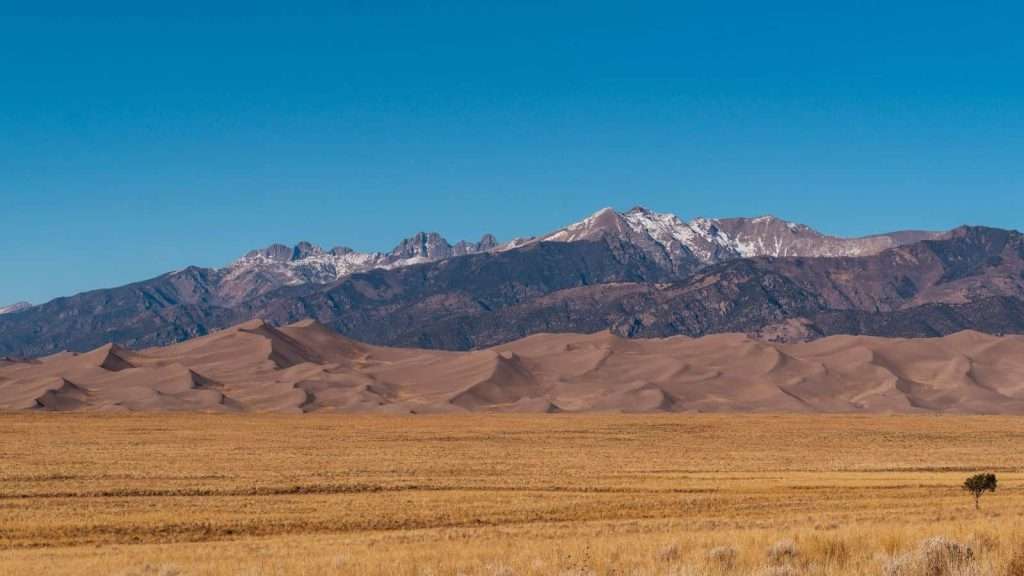
Escape to one of the most surreal landscapes in the U.S. at Great Sand Dunes National Park in Colorado. Home to the tallest sand dunes in North America, this remote park allows visitors to hike, sandboard, or camp under a blanket of stars. With minimal light pollution and limited cell service, it’s the perfect place to unwind.
Isle Royale National Park, Michigan
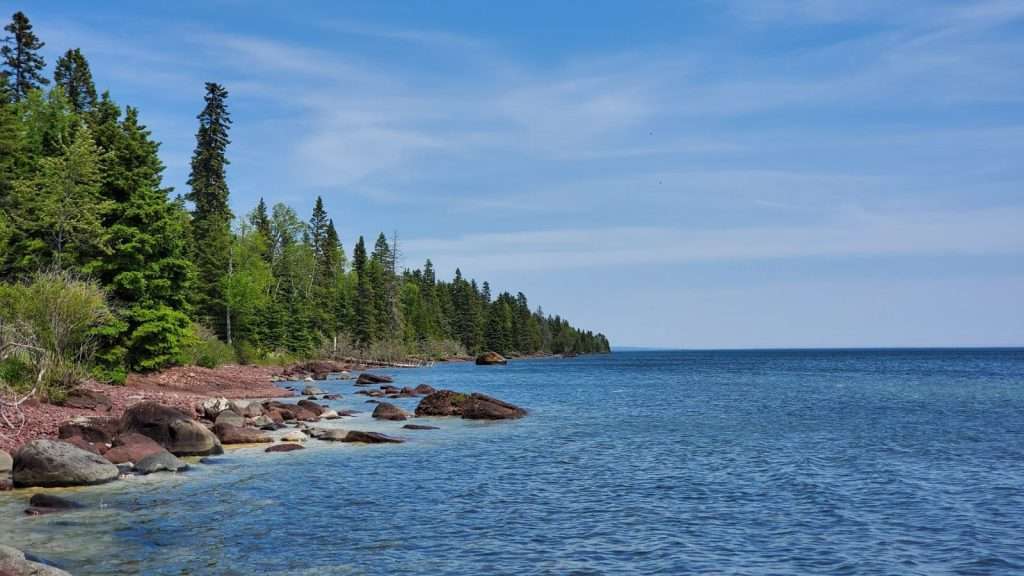
Accessible only by boat or seaplane, Isle Royale National Park in Lake Superior is one of the most remote national parks in the U.S. This rugged island is a haven for backpackers and kayakers, offering solitude amidst pristine wilderness. The island is car-free and free of modern distractions, making it an ideal destination for those seeking true isolation.
Denali National Park, Alaska
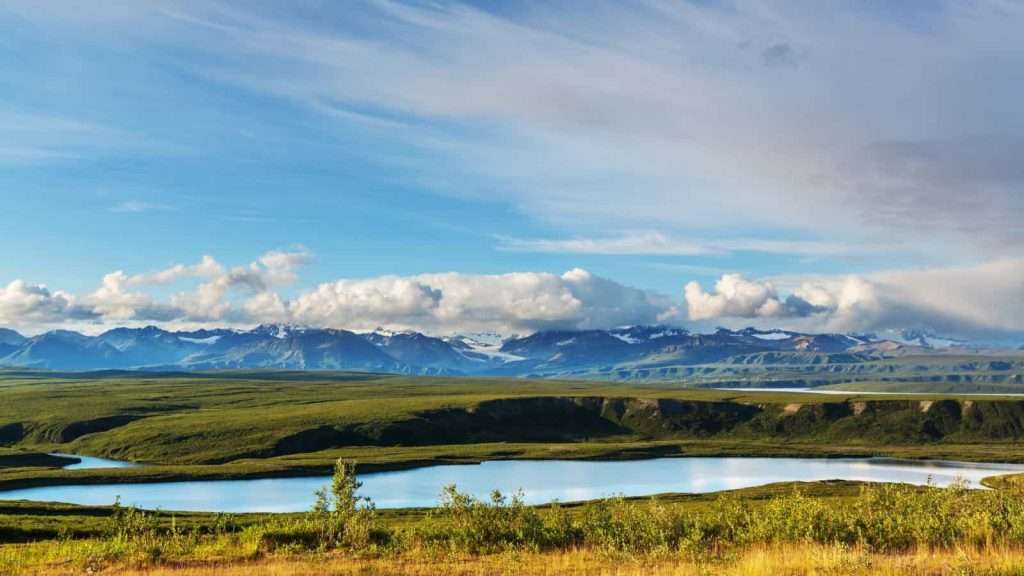
Denali National Park is home to North America’s tallest peak, Denali (formerly known as Mount McKinley). The park’s six million acres of untamed wilderness offer an array of remote adventures, including wildlife viewing, hiking and mountaineering. Cell reception is sparse, allowing visitors to fully immerse themselves in the awe-inspiring Alaskan landscape.
Boundary Waters Canoe Area, Minnesota
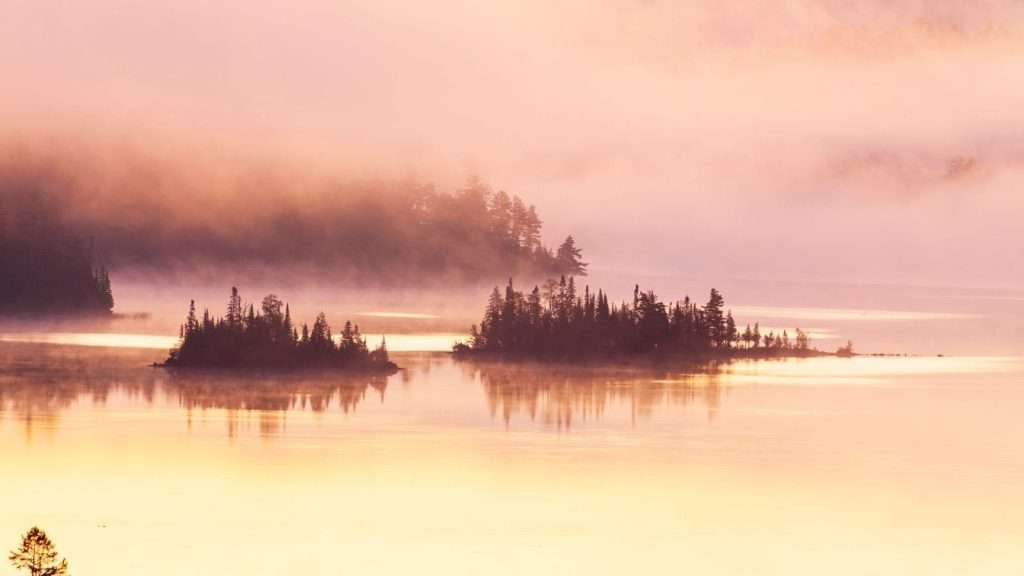
The Boundary Waters Canoe Area Wilderness in northern Minnesota is an outdoor enthusiast’s dream. With more than a million acres of lakes, rivers and forests, this remote destination offers unrivaled opportunities for canoeing, fishing and camping. Without cell service or modern amenities, it’s a place where you can truly disconnect and embrace the stillness and beauty of nature.
Joshua Tree National Park, California

Joshua Tree’s otherworldly desert landscape, characterized by its namesake trees and stunning rock formations, offers solitude and serenity. Whether you are rock climbing, hiking, or camping, the park’s expansive desert will help you unplug from the digital world. The starry nights make it an ideal destination for stargazing.
Mount Desert Island, Maine
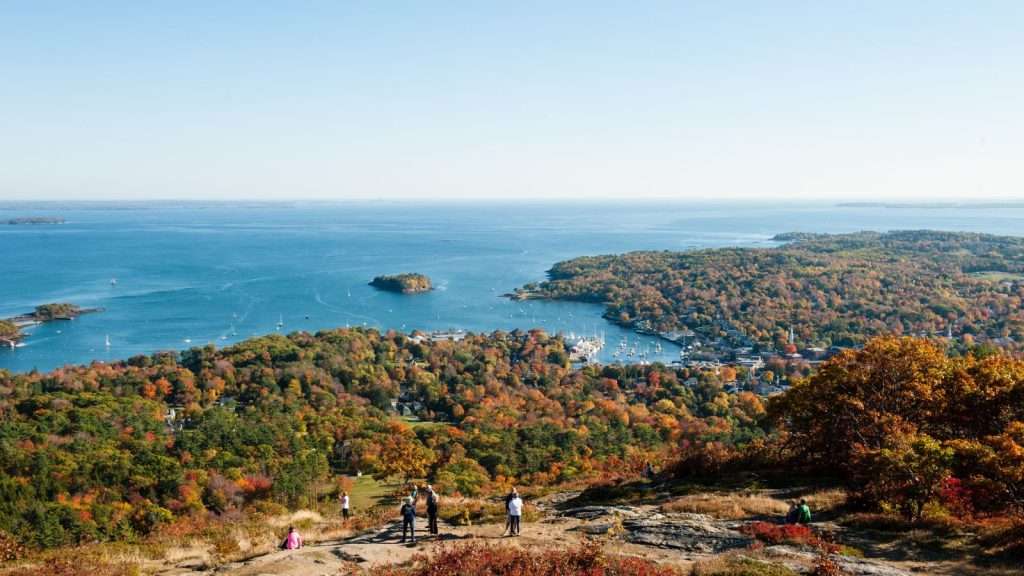
Home to Acadia National Park, Mount Desert Island offers stunning coastal views, rugged cliffs, and serene forests. While Acadia can get busy, venturing to less-trafficked areas of the island, such as quiet coves and hidden beaches—will allow you to find peace and solitude. Many parts of the island have limited connectivity and reception, making it the perfect place for a digital detox.
Havasu Falls, Arizona

Deep within the Grand Canyon lies the remote and stunning Havasu Falls. The turquoise waters and lush greenery surrounding the falls are accessible only by a challenging 10-mile hike or helicopter ride. This sacred land of the Havasupai Tribe offers limited contact with the outside world, giving you the chance to truly unplug and experience nature’s beauty.
Cumberland Island, Georgia
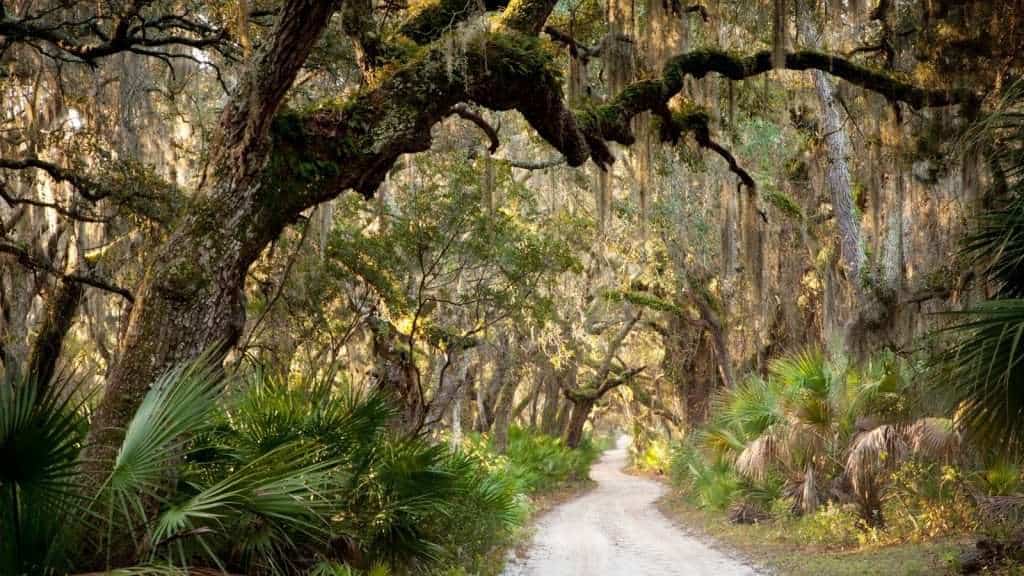
Cumberland Island is Georgia’s largest and most remote barrier island. Accessible only by ferry, this island offers unspoiled beaches, wild horses and historic ruins. With no paved roads, cars, or commercial development, Cumberland Island provides a rare opportunity to experience a peaceful, natural environment without modern distractions.
Redwood National and State Parks, California
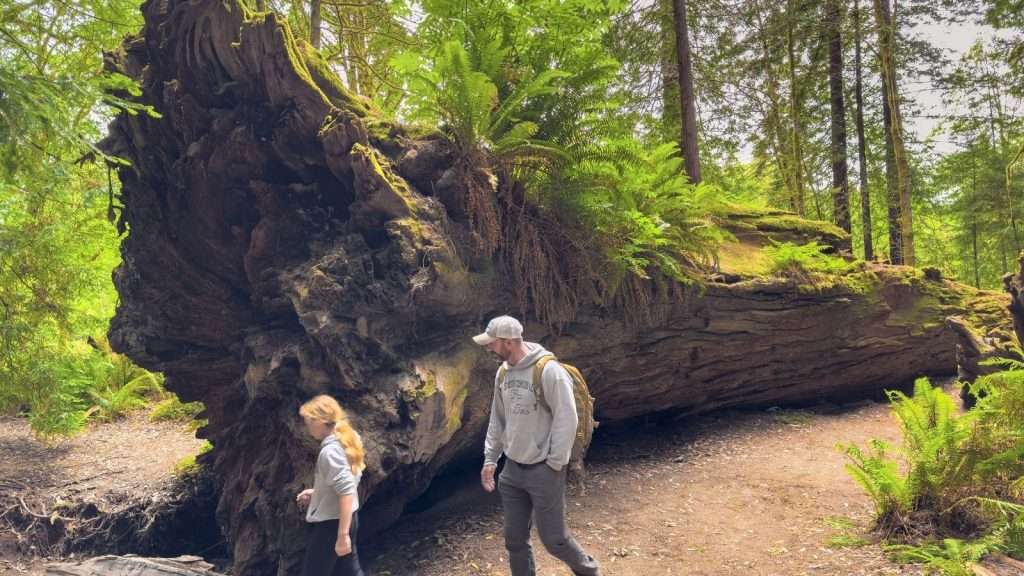
Home to the tallest trees on Earth, the Redwood National and State Parks in northern California offer a tranquil escape into ancient forests. Hiking beneath the towering redwoods, exploring quiet coastal areas and camping among these natural giants allow for a true digital detox as cell service is limited in most areas of the park.
Gila Wilderness, New Mexico
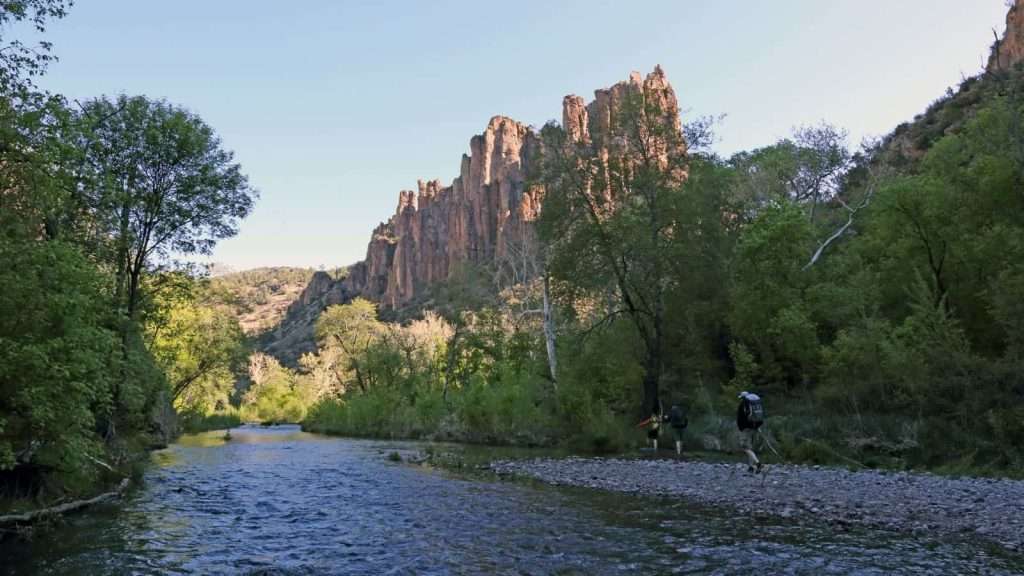
The Gila Wilderness in southwestern New Mexico is one of the oldest designated wilderness areas in the U.S. This remote and rugged region offers dramatic cliffs, canyons and hot springs for those willing to venture off the beaten path. With few visitors and limited connectivity, it’s a perfect place to reconnect with nature and disconnect from technology.
Olympic National Park, Washington
Olympic National Park, with its diverse ecosystems of lush rainforests, alpine mountains, and rugged coastlines, offers one of the most remote and pristine outdoor experiences in the Pacific Northwest. The park’s size and lack of cell service in many areas make it ideal for an unplugged adventure, whether you’re hiking the mountains or walking the deserted beaches.
Bighorn Canyon, Montana/Wyoming

Bighorn Canyon straddles the Montana-Wyoming border and offers vast wilderness, dramatic canyon walls and miles of hiking and boating opportunities. The remote nature of the park, along with its expansive, untouched landscapes, makes it a perfect destination for anyone looking to escape the pressures of modern life and get lost in the wilderness.
Channel Islands National Park, California
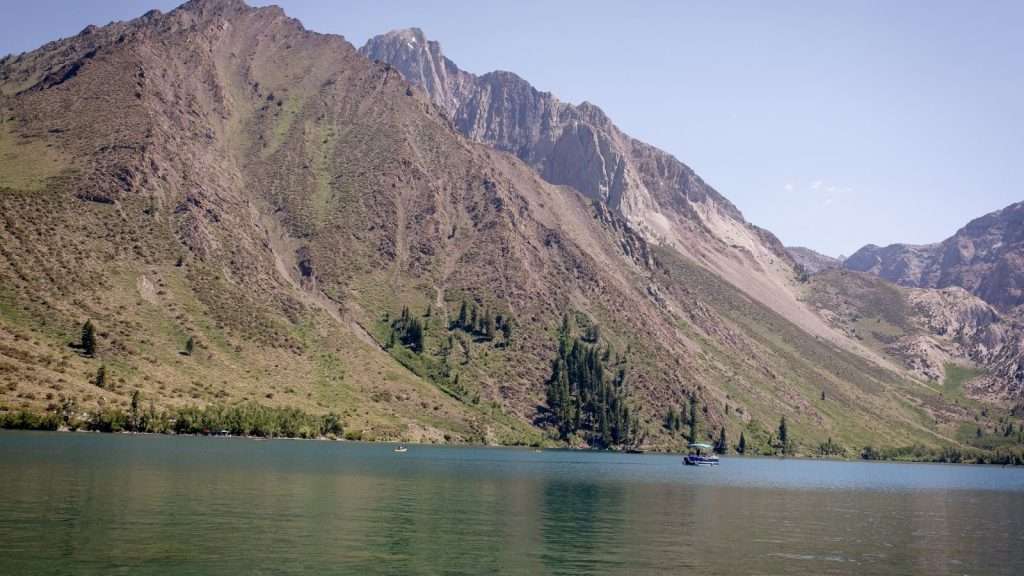
A group of five islands off the coast of Southern California, Channel Islands National Park offers some of the most remote and pristine natural beauty in the region. Accessible only by boat or plane, these islands provide excellent opportunities for hiking, snorkeling, and wildlife viewing. With no cell service and few visitors, it’s an ideal spot to truly disconnect.
Death Valley National Park, California/Nevada
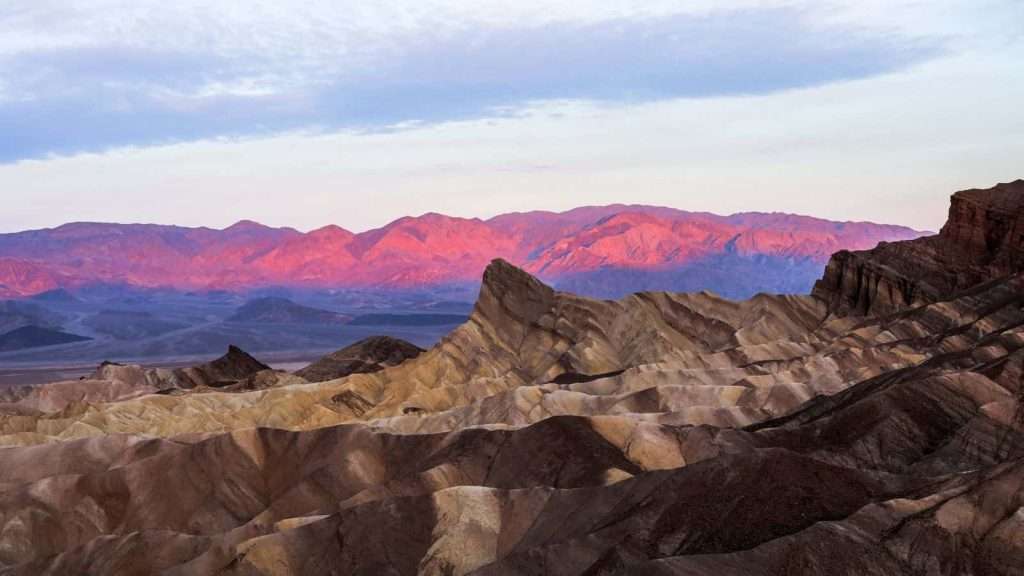
Known for its extreme heat and vast desert landscapes, Death Valley National Park is one of the most remote and desolate places in the U.S. Visitors can experience dramatic sand dunes, salt flats and mountains while enjoying a complete disconnect from the digital world, as cell reception is minimal in most areas.
Glacier Bay National Park, Alaska

Located in southeast Alaska, Glacier Bay National Park is only accessible by boat or plane, offering an isolated wilderness experience amidst glaciers, fjords and towering mountains. This remote park is a sanctuary for wildlife, including whales and bears and offers opportunities for kayaking and hiking in one of the most untouched environments in the U.S.
The Porcupine Mountains, Michigan
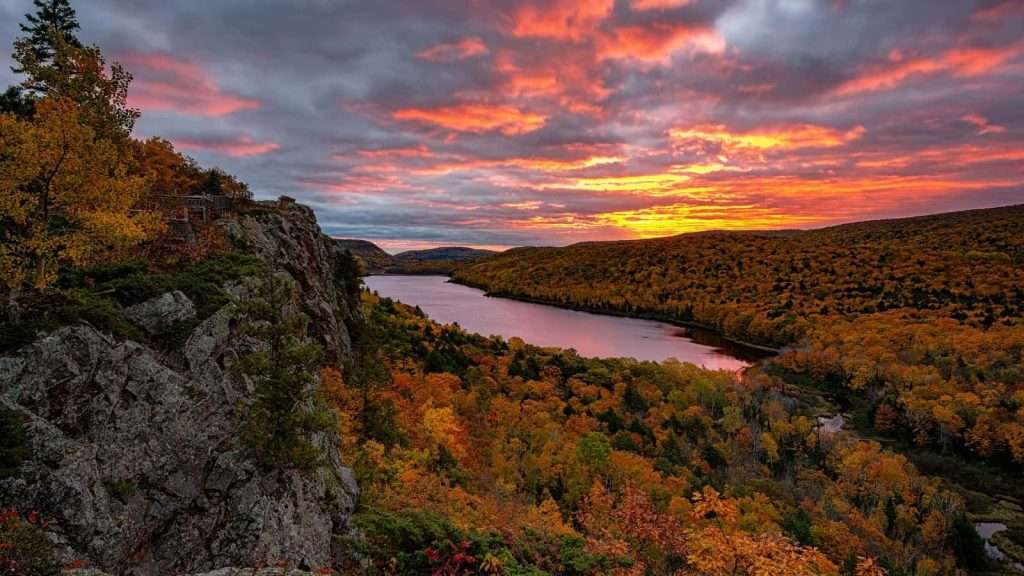
The Porcupine Mountains Wilderness State Park, located in Michigan’s Upper Peninsula, is one of the largest wilderness areas in the Midwest. Its dense forests, waterfalls and remote lakes make it a peaceful retreat for those looking to disconnect. Hiking through these pristine woods and camping along Lake Superior’s shores offer a serene escape from modern life.
Zapata Ranch, Colorado

For those looking for a remote escape with a bit of comfort, Zapata Ranch in Colorado offers a unique experience. Nestled near the Great Sand Dunes, this working bison ranch allows visitors to immerse themselves in nature while enjoying guided horseback rides, nature walks and wildlife viewing. Its remote location ensures that you’ll be far removed from daily distractions.

Deborah Montiero is a seasoned travel writer and contributor to Probe the Globe. With a passion for uncovering hidden gems and sharing immersive travel experiences, Deborah’s work highlights must-visit destinations, insider tips, and practical advice for travelers of all types. Whether exploring bustling cities or remote escapes, her articles are crafted to inspire and inform, making her a trusted voice in the travel community.
Her storytelling weaves together cultural insights, logistical tips, and authentic experiences, making her a valuable resource for readers seeking unforgettable journeys.
When not writing, Deborah is likely researching the latest travel trends or planning her next adventure. Follow her work on Probe the Globe for fresh perspectives and up-to-date travel inspiration.