24 Forgotten Military Forts Across America With Chilling History
American history features dramatic moments of conflict, courage, and survival reflected in its abandoned and hidden defensive sites. Many old fortifications still stand across the United States, offering both chilling stories and unforgettable U.S. travel opportunities. These haunting structures witnessed wars, invasions, and human struggles, making them compelling destinations for historians and adventure seekers. 24 Forgotten Military Forts Across America With Chilling History
Fort Monroe, Virginia
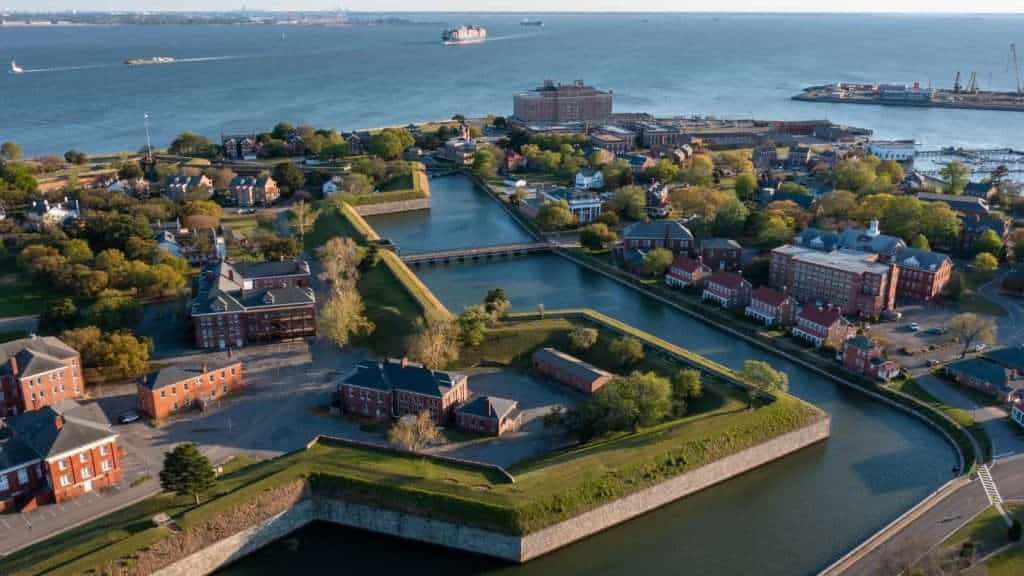
Fort Monroe stands at the entrance of the Chesapeake Bay and served as a vital Union holdout during the Civil War. The fortress played a significant role in the story of self-emancipated enslaved people, who found legal shelter within its walls. Its moats, casemates, and towering bastions create an imposing atmosphere that feels like the past still lingers. Today, visitors explore a site that shaped American freedom and military strategy, making it essential for those interested in U.S. travel destinations with powerful heritage.
Fort Morgan, Alabama
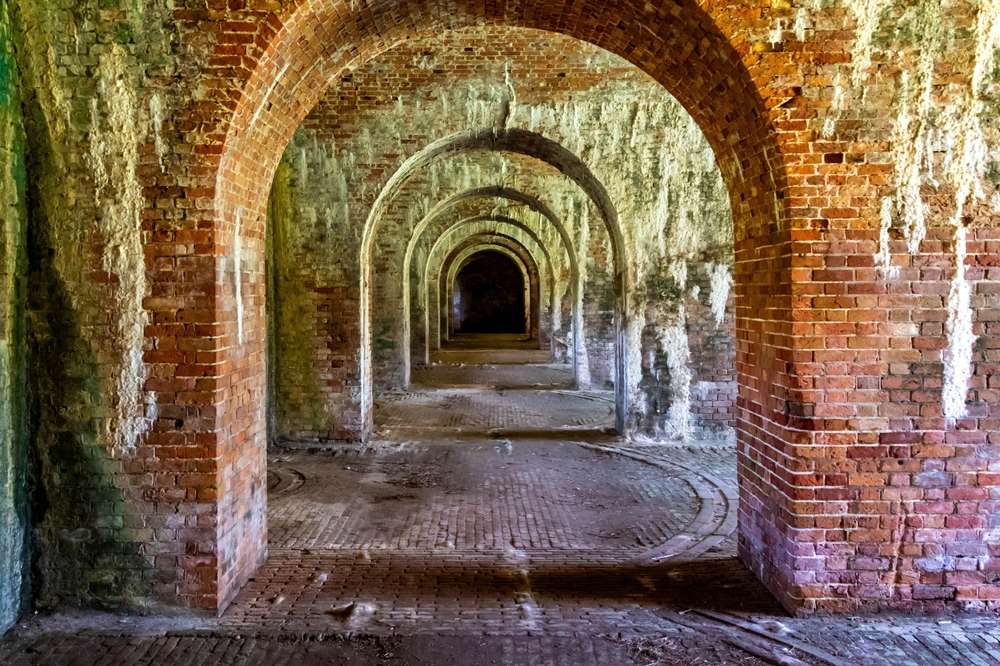
Fort Morgan guards the mouth of Mobile Bay and witnessed the intense 1864 Battle of Mobile Bay during the Civil War. Its heavy brick construction and artillery remains convey the violence that once erupted across its ramparts. Visitors observe dark corridors and weather-worn walls that echo stories of danger and resilience. Modern travelers discover a compelling part of U.S. travel history, where strategic defense once determined control of the Gulf Coast.
Fort Gaines, Alabama
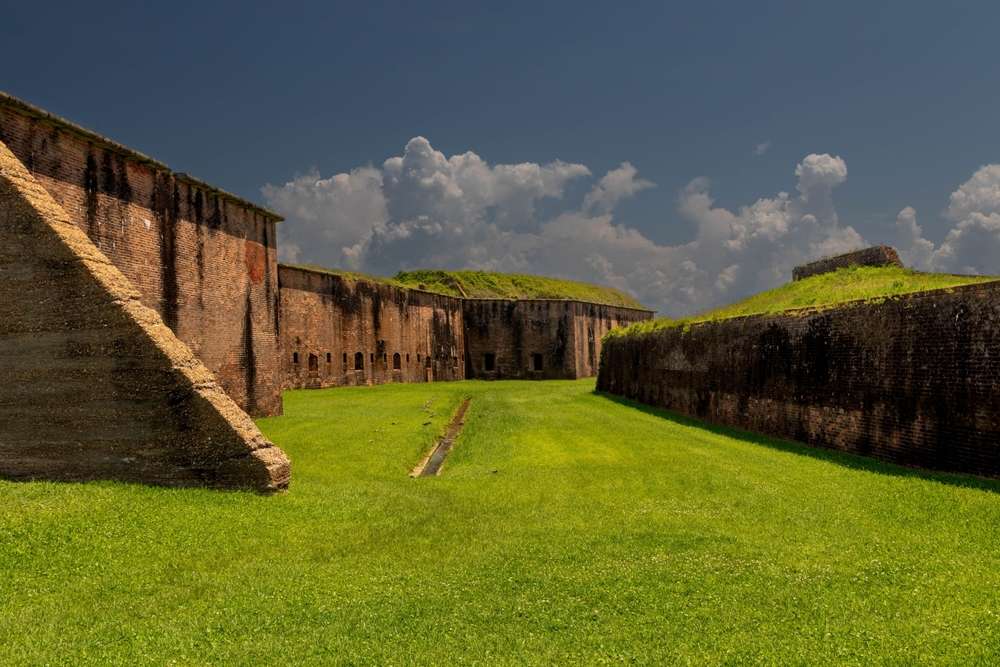
Fort Gaines sits opposite Fort Morgan and played an equally important role in defending Mobile Bay. The old brick fort still exhibits large cannons and underground magazines that remind guests of wartime pressure and anxiety. Interpretive displays and coastal panoramas allow travelers to reflect on how close the area came to destruction. As a haunting U.S. travel site, Fort Gaines stands as a quiet witness to maritime battles of America’s past.
Fort Moultrie, South Carolina

Fort Moultrie on Sullivan’s Island helped defend Charleston Harbor, serving through multiple conflicts from the American Revolution to World War II. Each section of the fort represents a different historical era, creating a unique timeline in one location. The site reflects both national pride and traumatic conflict, including its role during the Civil War bombardment of Charleston. Visitors interested in U.S. travel find a poignant atmosphere where military innovation evolved across centuries.
Fort Pulaski, Georgia

Fort Pulaski near Savannah showcases massive brick architecture scarred by the first major test of rifled artillery. The Union bombardment shattered Confederate defenses and changed military engineering forever. The isolated marsh surroundings and echoing casemates create an eerie environment that encourages reflection on wartime suffering. Travelers exploring U.S. travel routes along the Georgia coast uncover a powerful chapter in American defensive history.
Fort Macon, North Carolina

Fort Macon protected Beaufort Inlet throughout the 19th century and endured a fierce Civil War siege. Restored cannon placements and underground rooms help visitors visualize soldiers’ daily hardships and fears. Waves crash against the seawall, blending natural seaside beauty with lingering memories of conflict. It remains a popular U.S. travel attraction where history and coastal recreation meet in one unforgettable experience.
Fort Delaware, Delaware
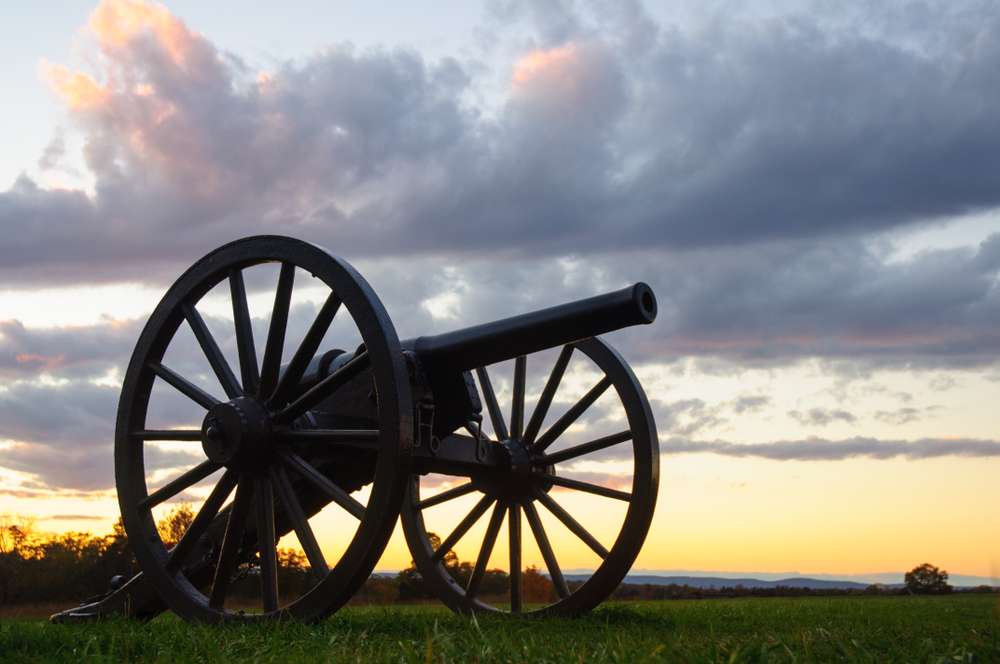
Fort Delaware once imprisoned thousands of Confederate soldiers during the Civil War, resulting in widespread misery and death. Many visitors report mysterious sounds and ghostly encounters within its dark halls and granite walls. The fort’s isolated island location amplifies the unsettling feeling of captivity. Travelers exploring U.S. travel paths through the Mid-Atlantic often include this chilling fortress for both educational and paranormal intrigue.
Fort Knox, Maine
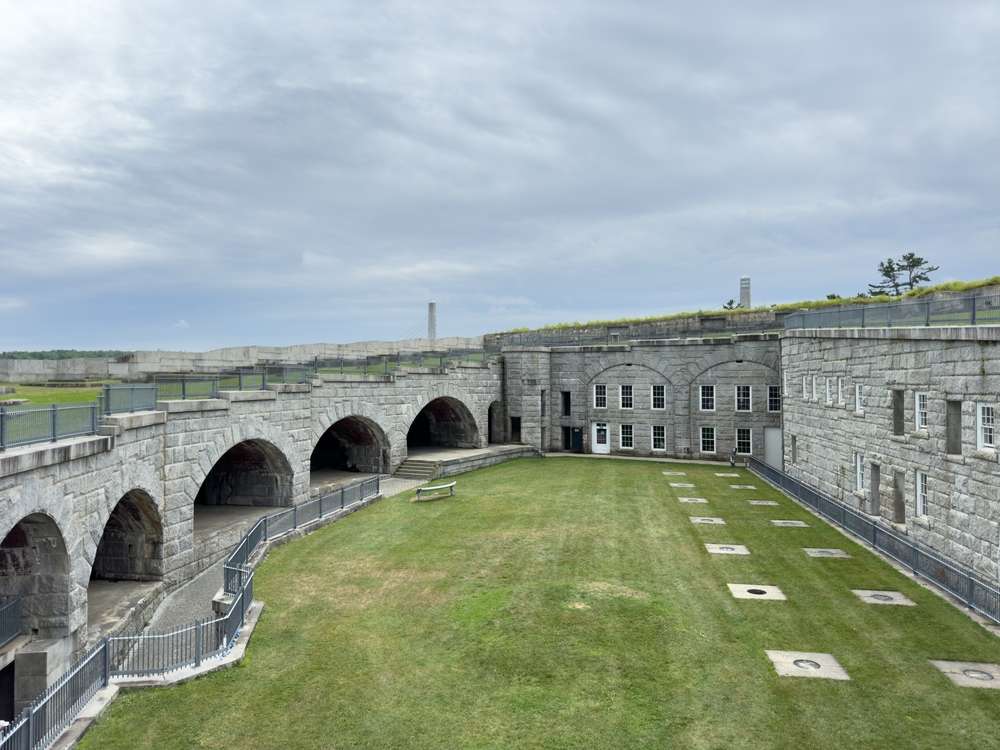
Fort Knox in Maine, not to be confused with the Kentucky bullion depository, stands as a granite fortress with an intimidating design. Built during fears of British invasion, the fort never experienced active battle, yet its corridors and chambers feel heavy with anticipation. Its imposing arches and dim passageways offer an eeriness unmatched by many U.S. travel historical sites. Visitors explore vast stone interiors that hint at the immense effort poured into coastal defense.
Fort Popham, Maine
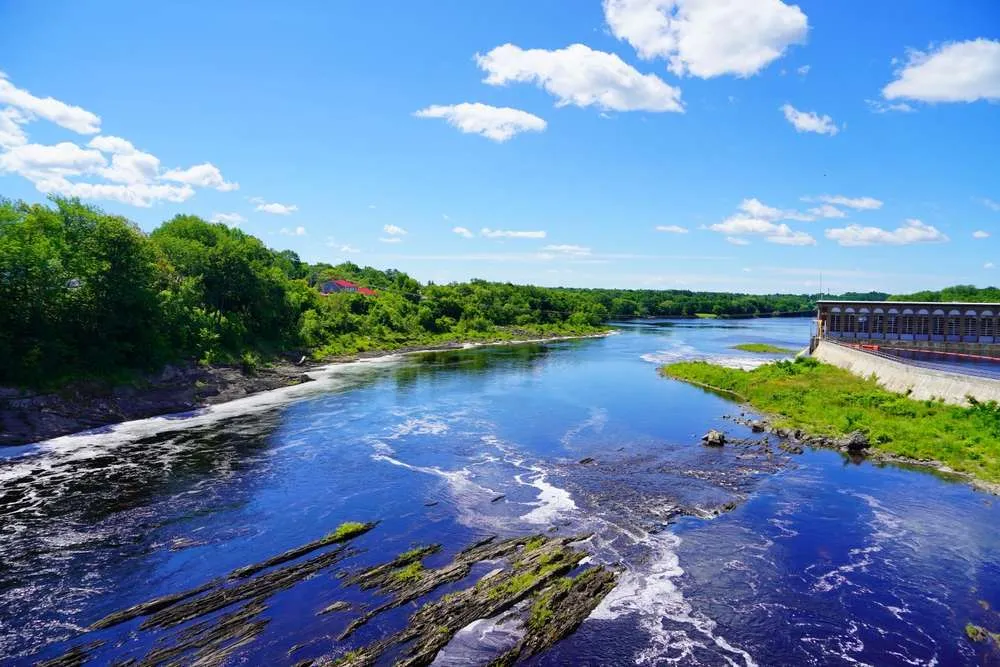
Fort Popham overlooks the mouth of the Kennebec River and was constructed to protect the vital waterway. The incomplete granite structure feels ghostly, as if abandoned mid-preparation for a threat that never materialized. Ocean winds whistle through empty embrasures, creating a somber ambiance. It stands as a haunting U.S. travel location where imagination completes the stories that history left unresolved.
Fort Adams, Rhode Island

Fort Adams in Newport served as a major coastal defense installation and military headquarters for generations. Its elaborate tunnels, parade grounds, and commanding view of Narragansett Bay reflect advanced coastal security strategies of the 19th century. Stories of difficult service conditions and restless spirits persist, drawing curious travelers. The massive fortress remains a striking stop on U.S. travel itineraries focused on military heritage.
Fort Trumbull, Connecticut
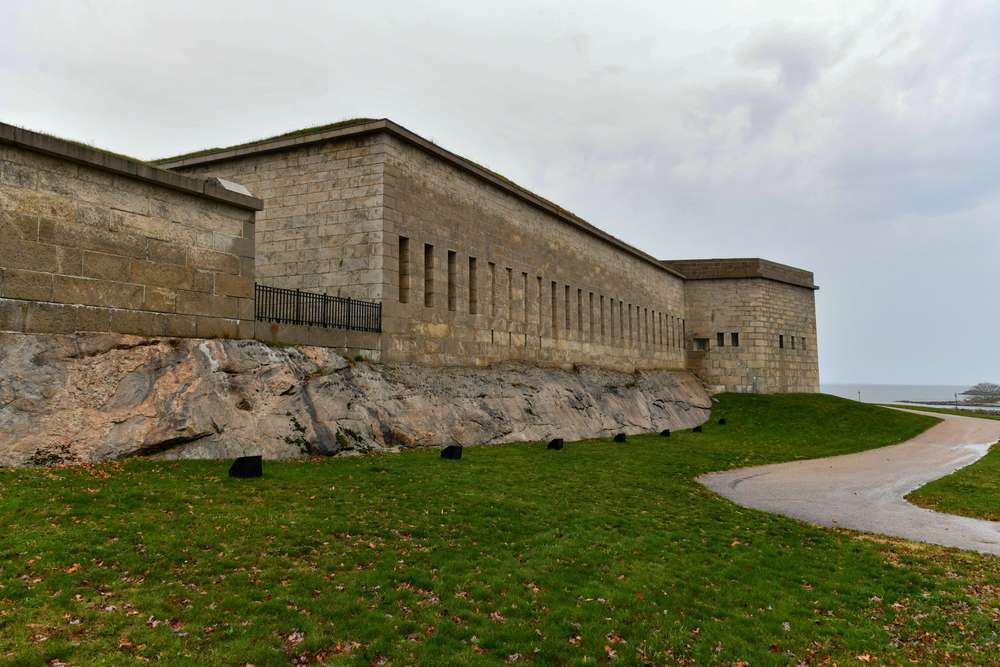
Fort Trumbull protected New London Harbor and has roots in the American Revolution. Its stone walls have witnessed bombardment, reinvention, and decades of national service. Although the fort now welcomes visitors, its empty barracks and artillery sites recall harsh military discipline. As part of U.S. travel along the Atlantic Coast, Fort Trumbull introduces guests to lesser-known yet meaningful defensive locations.
Fort Ticonderoga, New York
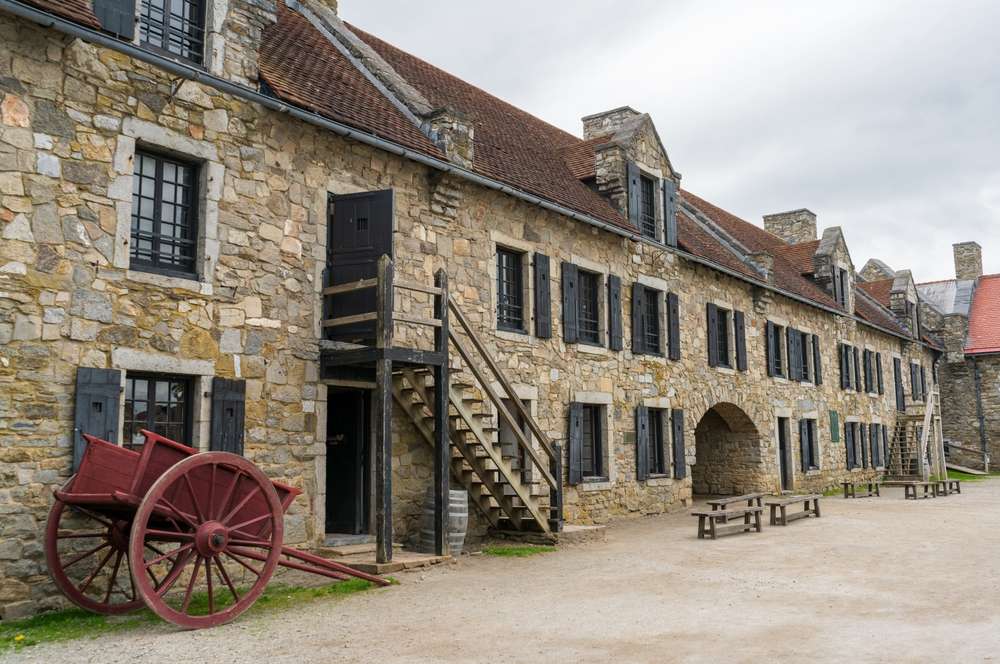
Fort Ticonderoga stands at a critical location between Lake George and Lake Champlain. It changed hands multiple times during the French and Indian War and the American Revolution. The fort’s reconstructed ramparts, museum artifacts, and scenic water views create emotional connections to soldiers who fought desperately for control. This destination enriches U.S. travel experiences with both education and stunning landscape views paired with somber wartime reality.
Fort Ontario, New York

Fort Ontario near Lake Ontario served various military purposes from the French and Indian War to World War II. The site operated as a refugee shelter for Holocaust survivors, adding layers of human complexity beyond combat. Visitors walk through barracks and defensive walls that tell stories of protection, fear, and relief. Its status as a multifaceted U.S. travel heritage site makes it historically invaluable.
Fort Massac, Illinois
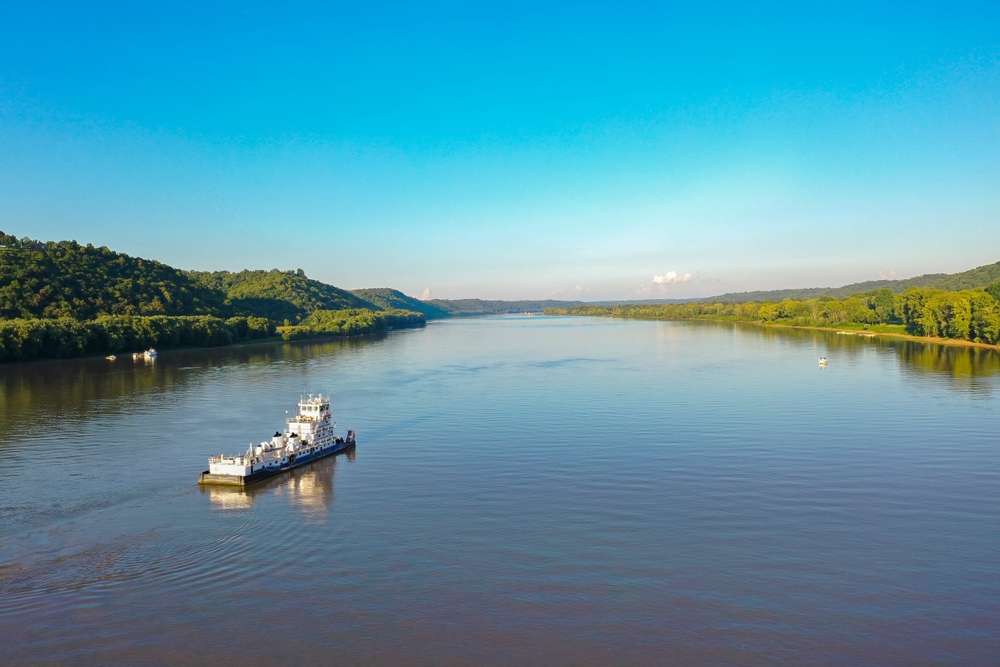
Fort Massac on the Ohio River holds a long record of occupation by French, British, and American forces. Although much of the original fort has disappeared, the reconstructed grounds reflect decades of shifting power. Legends of violence and surveillance contribute to its haunting reputation. Travelers experience an important U.S. travel stop that shaped military direction in the central United States.
Fort Scott, Kansas

Fort Scott played an important role on the frontier and during the tumultuous years of Bleeding Kansas. The restored buildings preserve evidence of a divided nation on the brink of war. Many guests describe a powerful emotional response when considering the fear and loyalty demanded from troops stationed here. It remains a crucial U.S. travel destination for anyone studying the origins of the Civil War.
Fort Laramie, Wyoming
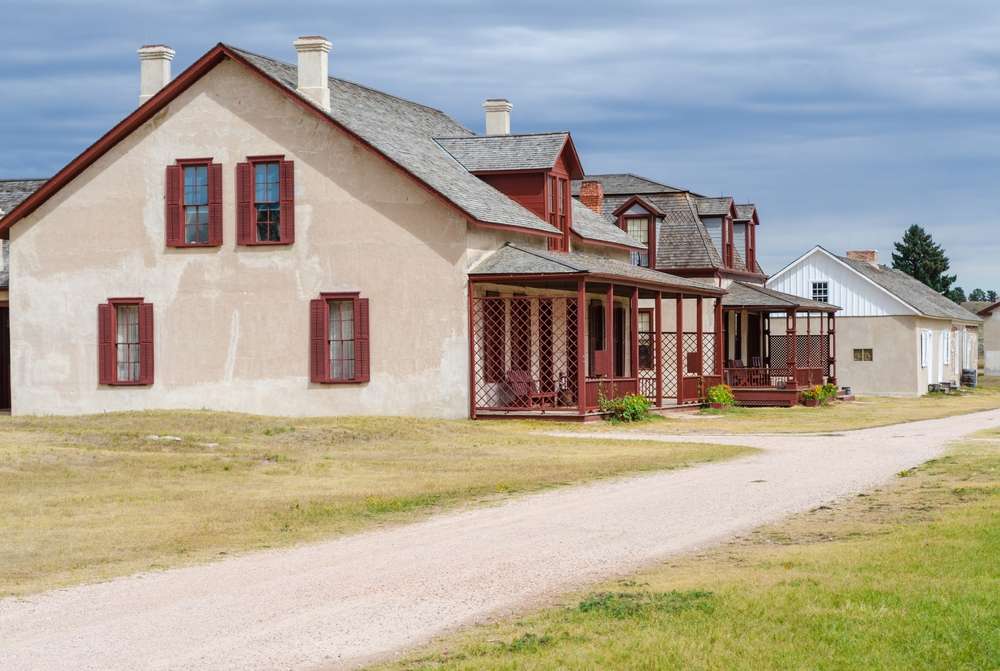
Fort Laramie supported the U.S. military presence during westward expansion and served as a negotiation point with Native American tribes. Its crumbling structures and preserved officers’ quarters reflect moments of diplomacy, trust, and conflict. The site’s atmosphere encourages contemplation about cultural clashes and the hardships of frontier life. U.S. travel through the Northern Plains often includes this fort for its profound historical value.
Fort Union, New Mexico
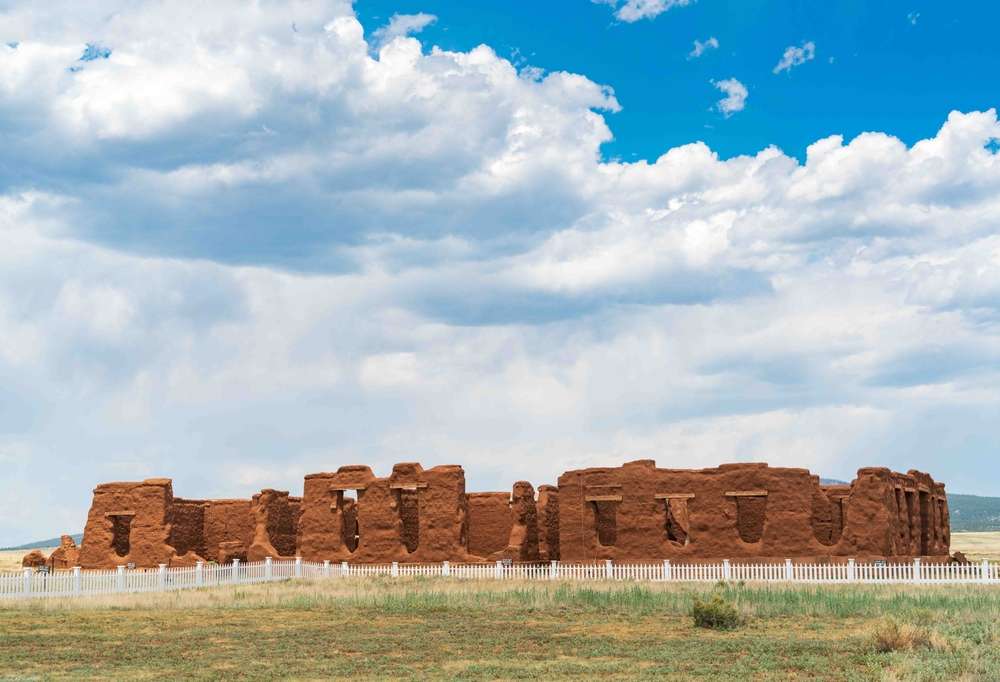
Fort Union once protected the Santa Fe Trail and functioned as a supply hub across the Southwest. The ruins of adobe walls and large warehouses give an impression of the fort’s former scale and importance. Visitors learn about the military’s role in shaping trade routes and territorial control. Anyone exploring U.S. travel destinations across New Mexico encounters an evocative window into 19th-century conflict and expansion.
Fort Davis, Texas
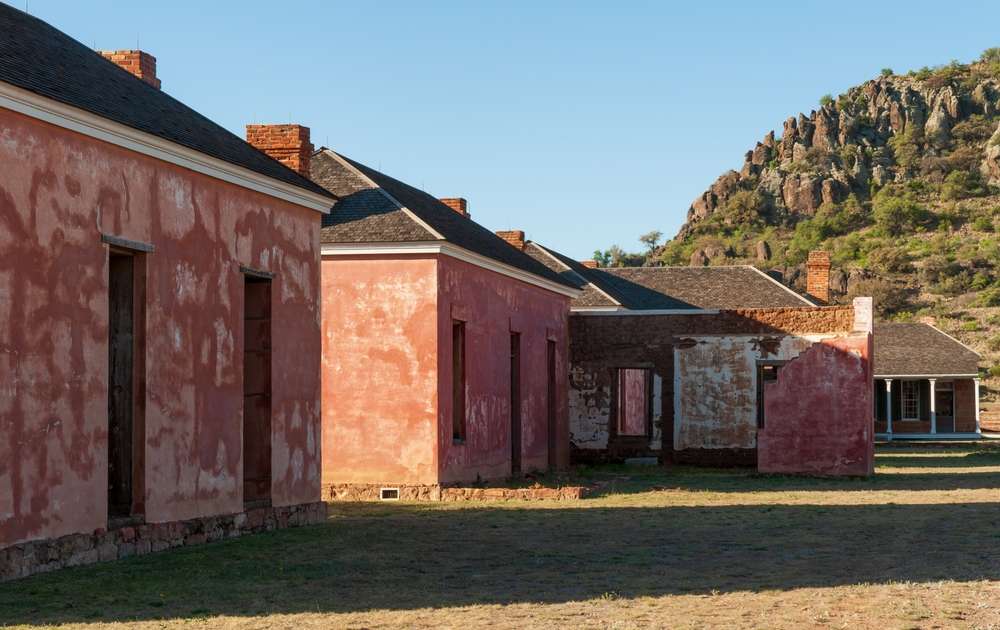
Fort Davis in West Texas defended settlers and mail routes against raids during the frontier era. The desert landscape surrounding it underscores the isolation experienced by the soldiers. Walking among the surviving structures and foundations reveals the strain of life under constant vigilance. This fort gives U.S. travel enthusiasts insight into resilience and hardship in a region considered hostile and remote.
Fort Sam Houston Quadrangle, Texas

Fort Sam Houston remains an active installation, but the historic Quadrangle is accessible and steeped in mysterious tales. Confederate General David Twiggs surrendered the fort early in the Civil War, sparking dramatic consequences. Visitors encounter roaming deer and ancient architecture that create a surreal atmosphere. It stands as a U.S. travel landmark where military legacy blends unexpectedly with pastoral calm.
Fort Clark, Texas

Fort Clark once protected the border region and served as home to the famed Buffalo Soldiers. Some remaining structures stand in quiet testimony to courage and discrimination faced by Black troops defending the nation. Travelers walking the grounds sense stories of both struggle and pride. This U.S. travel site honors unsung contributions to American security.
Fort Bowie, Arizona

Fort Bowie symbolizes the violent struggle between U.S. forces and the Apache people. The ruins, reached by a hiking trail, reveal the endurance required to survive in the rugged Southwest. Interpretive signs provide context for conflicts that altered Native American lives forever. U.S. travel adventurers experience a solemn landscape where two cultures met with devastating consequences.
Fort Point, California
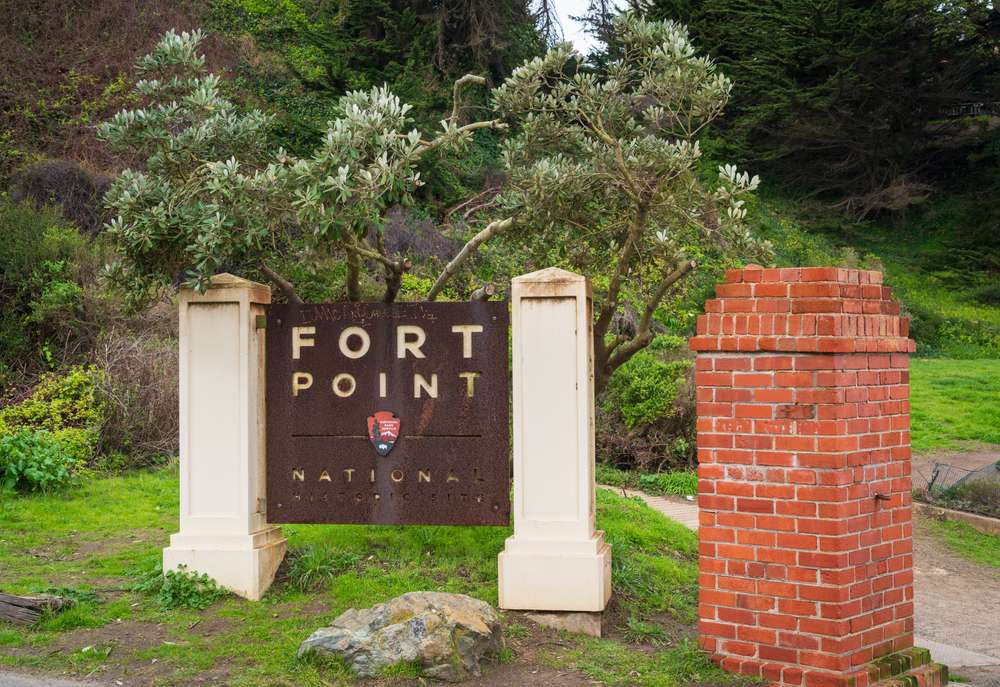
Fort Point stands under the Golden Gate Bridge and once guarded San Francisco Bay. The fog rolling into its brick corridors creates an ominous chill that complements its wartime history. Although it never saw combat, soldiers here trained for threats from sea and air. This fortress remains a dramatic U.S. travel experience offering history paired with iconic Pacific views.
Fort Stevens, Oregon
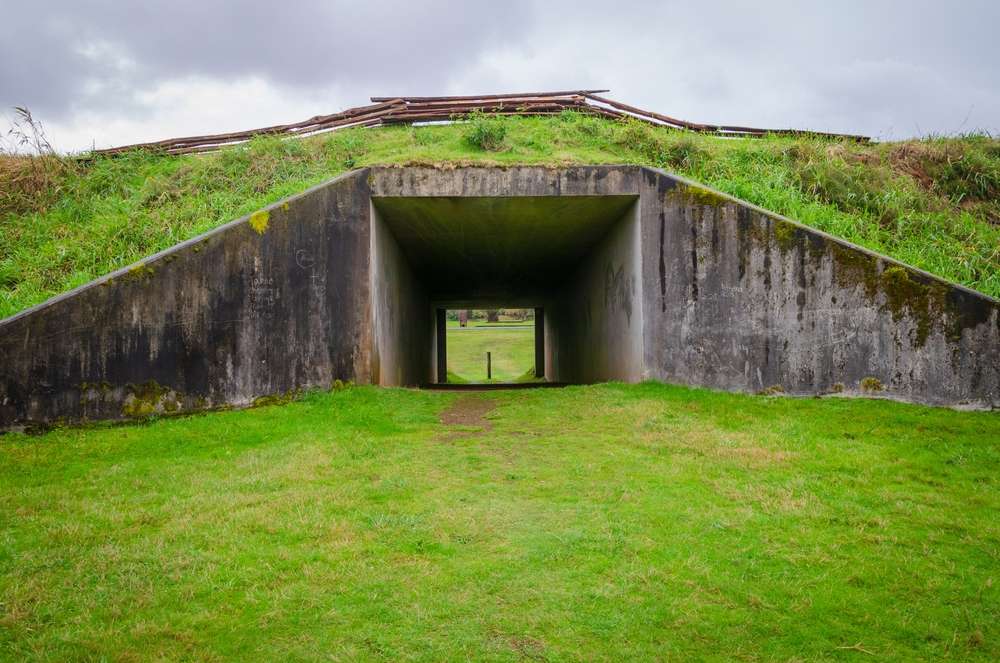
Fort Stevens defended the Columbia River and became the only mainland U.S. fort fired upon by Japanese forces during World War II. The concrete structures and dark battery rooms stimulate the imagination of visitors curious about homeland defense. Coastal winds and surrounding forests contribute to a haunting emotional tone. Travelers exploring U.S. travel through the Pacific Northwest appreciate the chance to stand where global conflict reached American soil.
Fort Worden, Washington
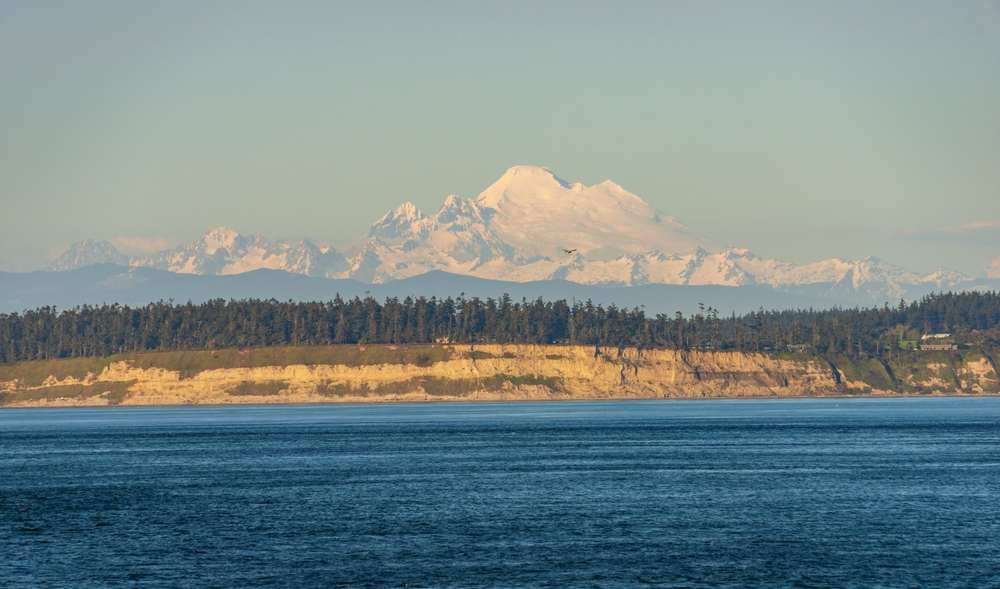
Fort Worden formed part of the “Triangle of Fire” protecting Puget Sound alongside Fort Casey and Fort Flagler. Underground batteries and barracks conjure images of soldiers preparing tirelessly for threats that never arrived. The quiet today contrasts sharply with the anxiety the site once embodied. It remains a meaningful U.S. travel location for those examining Cold War tensions and coastal fortification strategies.

Deborah Montiero is a seasoned travel writer and contributor to Probe the Globe. With a passion for uncovering hidden gems and sharing immersive travel experiences, Deborah’s work highlights must-visit destinations, insider tips, and practical advice for travelers of all types. Whether exploring bustling cities or remote escapes, her articles are crafted to inspire and inform, making her a trusted voice in the travel community.
Her storytelling weaves together cultural insights, logistical tips, and authentic experiences, making her a valuable resource for readers seeking unforgettable journeys.
When not writing, Deborah is likely researching the latest travel trends or planning her next adventure. Follow her work on Probe the Globe for fresh perspectives and up-to-date travel inspiration.