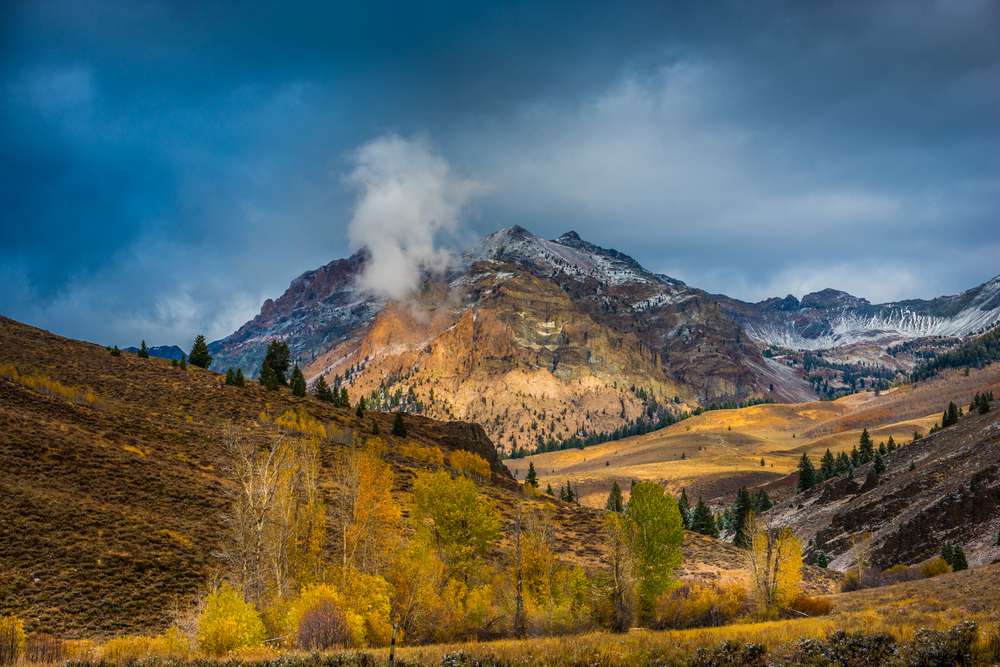
18 American Villages That Feel Like Europe (But Cost Less to Visit)
There’s a certain allure in strolling cobblestone streets, gazing at half-timbered houses, and soaking up the atmosphere of European-style villages. For many travelers, the idea of experiencing that charm without booking a transatlantic flight is a dream. Fortunately, across the United States, there are towns and villages that look and feel like they were plucked straight from the heart of Europe. For those seeking international vibes close to home, here are 18 American villages that feel like Europe (but cost less to visit).
Leavenworth, Washington
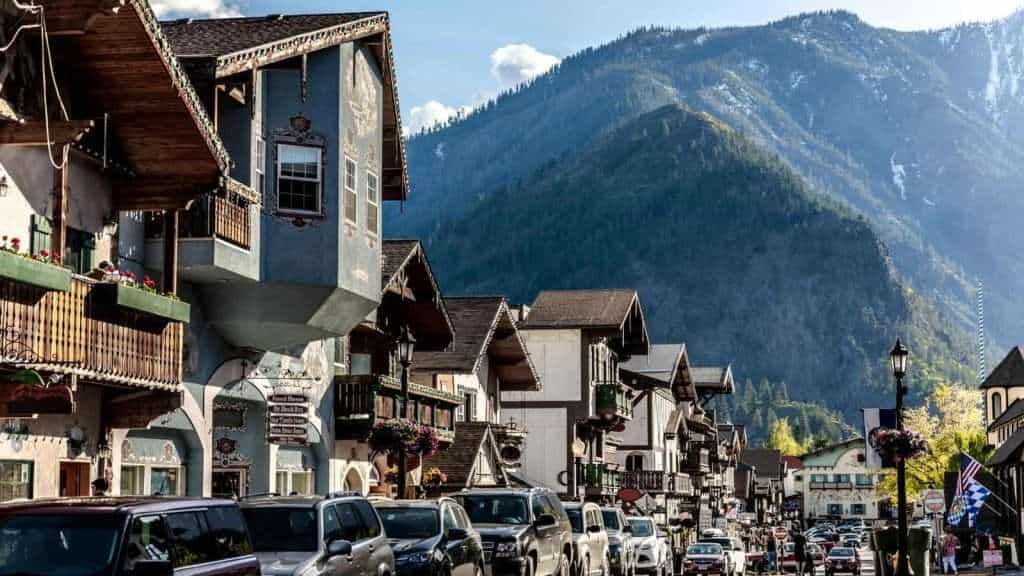
Found in the Cascade Mountains, Leavenworth feels like a Bavarian village transported straight to the Pacific Northwest. Alpine-style architecture, painted murals, and year-round festivals celebrate German culture in lively fashion. The village is famous for its Oktoberfest celebrations, traditional beer gardens, and Christmas lighting festival. Between mountain vistas and bratwurst stands, Leavenworth delivers the feel of southern Germany without the flight to Munich.
Solvang, California
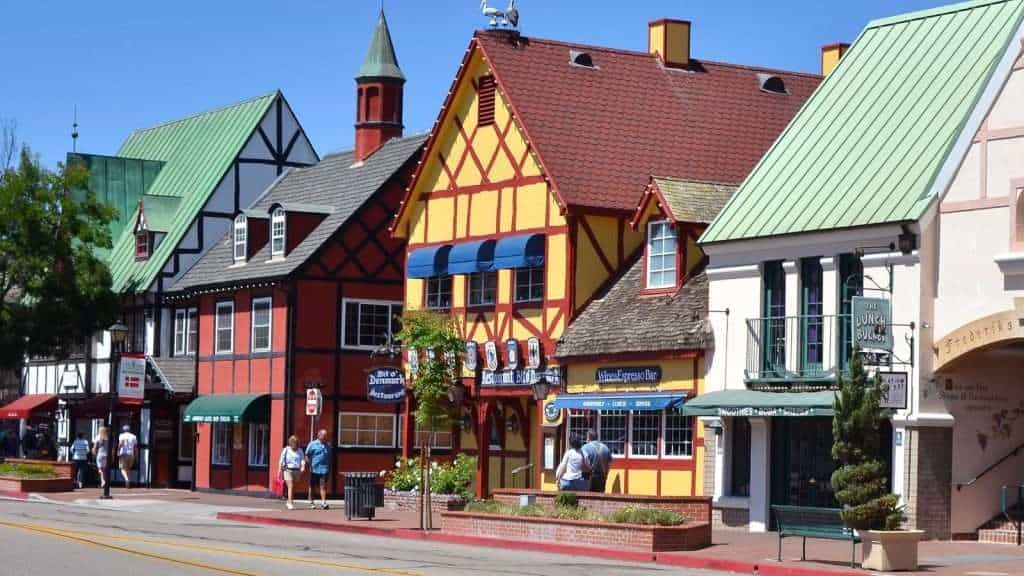
Founded by Danish immigrants in the early 1900s, Solvang is a slice of Denmark in California’s Santa Ynez Valley. The town boasts windmills, half-timbered buildings, and authentic Danish bakeries serving aebleskiver and kringles. Festivals highlight its heritage, and even the local wine country adds a touch of Old World charm. Walking through Solvang feels like wandering the streets of Copenhagen on a sunny day.
Hermann, Missouri
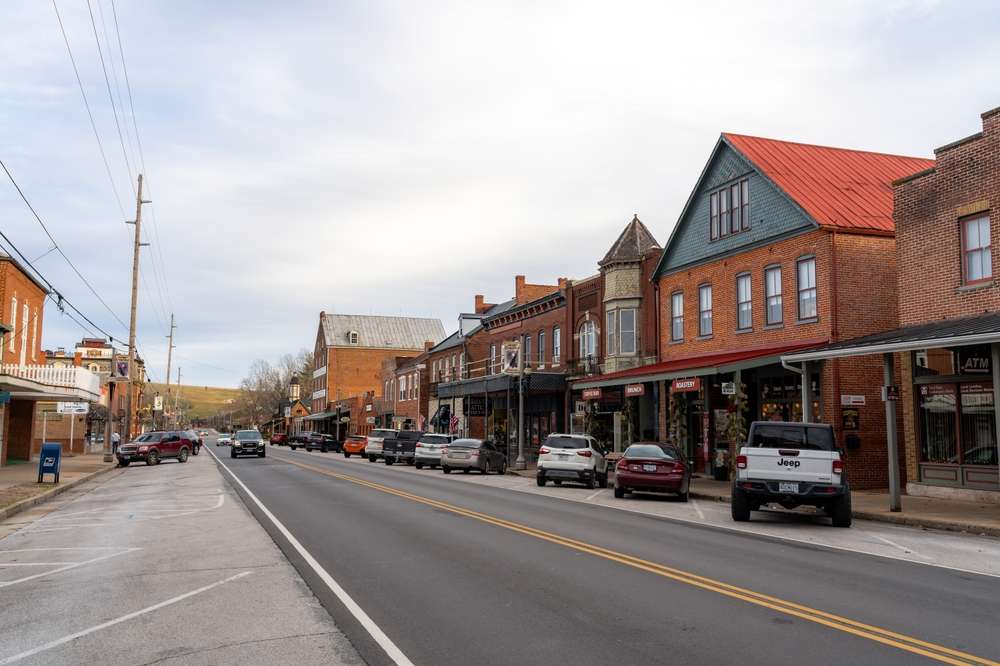
Located along the Missouri River, Hermann was established by German settlers and still holds tight to its European roots. Vineyards and wineries dominate the landscape, echoing Germany’s Rhine Valley. The village hosts festivals such as Maifest and Oktoberfest, complete with folk music and traditional foods. Hermann offers both charm and authenticity, making it a hidden gem for European-style travel in the Midwest.
Frankenmuth, Michigan

Known as “Michigan’s Little Bavaria,” Frankenmuth is brimming with Old World architecture and German traditions. Its streets are filled with Bavarian-style shops, covered bridges, and classic beer halls. The town is home to Bronner’s Christmas Wonderland, the world’s largest Christmas store, which adds to its timeless appeal. A visit here feels like a holiday in Germany without leaving the U.S.
New Glarus, Wisconsin

Dubbed “America’s Little Switzerland,” New Glarus proudly showcases its Swiss roots through architecture, food, and culture. The village features chalet-style buildings, polka festivals, and bakeries filled with Swiss pastries. Cheese-making and beer brewing remain central, with the famous New Glarus Brewing Company drawing visitors year-round. For an authentic Alpine vibe at a fraction of the cost, New Glarus delivers beautifully.
Lindsborg, Kansas
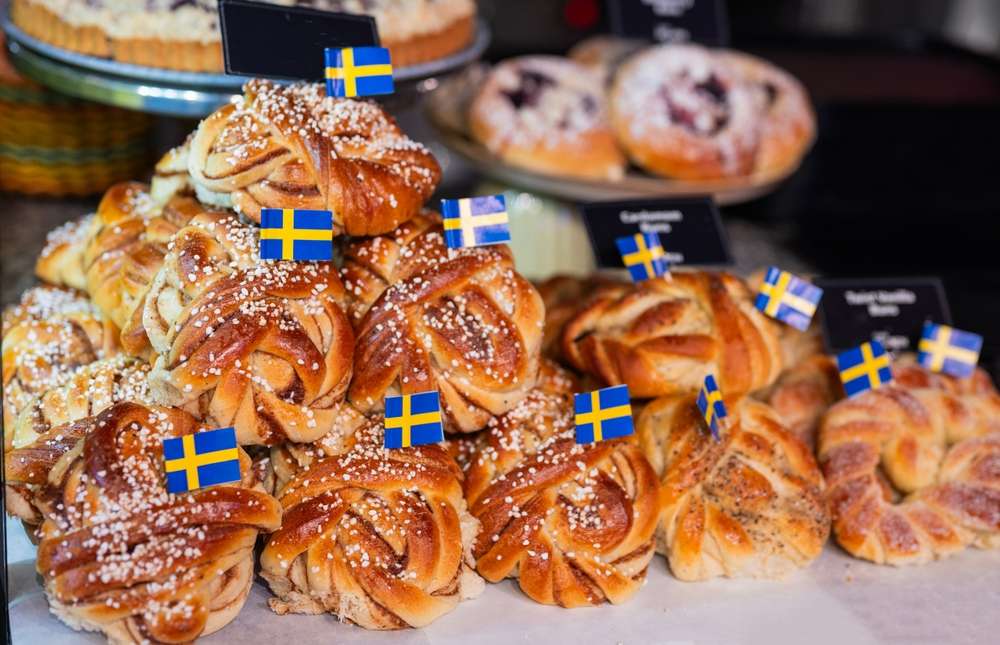
Nicknamed “Little Sweden, USA,” Lindsborg celebrates its Scandinavian heritage with colorful Dala horses, Swedish festivals, and authentic shops. The town hosts Svensk Hyllningsfest, a festival with traditional costumes, music, and cuisine. Red-and-blue-painted architecture and Swedish bakeries enhance the feeling of being overseas. This Kansas town captures the charm of Sweden while remaining deeply rooted in its prairie surroundings.
Vail, Colorado
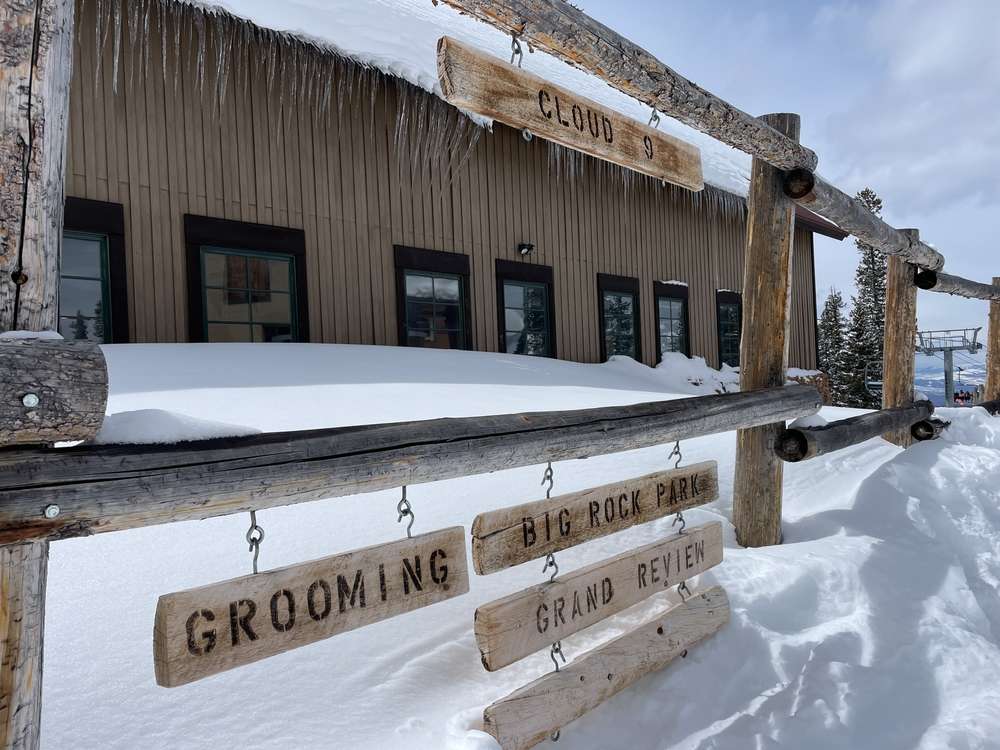
While best known as a ski destination, Vail is designed to resemble an Austrian alpine village. Its cobblestone streets, chalet-style lodges, and flower boxes evoke the European Alps. Après-ski culture thrives here, with cozy cafes and hearty meals that feel right at home in Tyrol. Whether in winter or summer, Vail’s design and atmosphere transport visitors straight to Austria.
Helen, Georgia
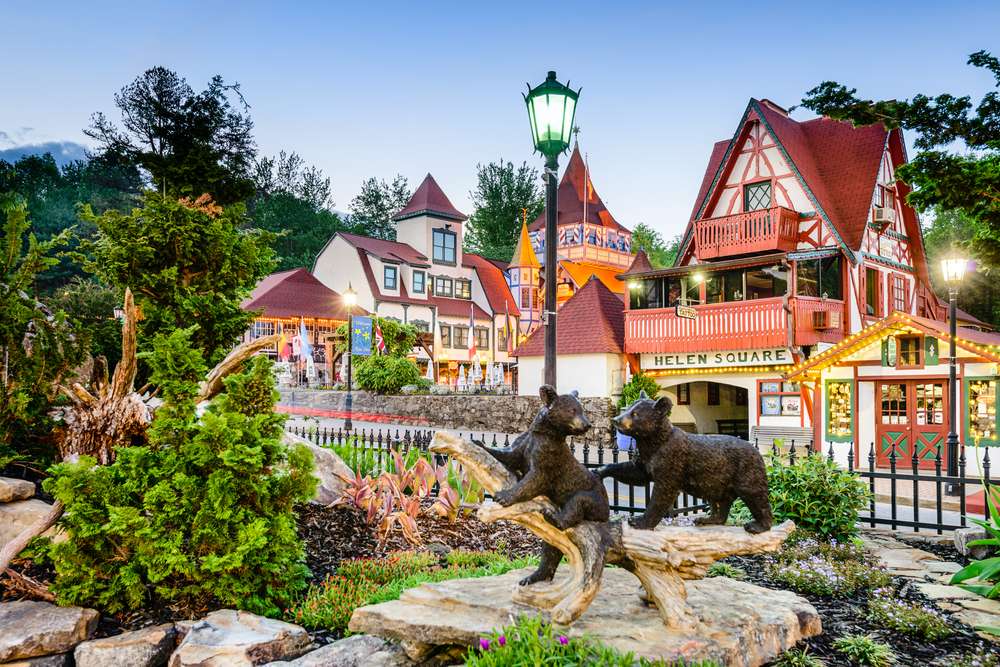
Helen, tucked into the Blue Ridge Mountains, was transformed into a Bavarian-style village in the 1960s. Its cobblestone alleys, timber-framed buildings, and German eateries make it one of the South’s most unique destinations. Oktoberfest celebrations bring an authentic European festival feel to Georgia. Helen offers a delightful escape that feels both whimsical and authentically Old World.
Tarpon Springs, Florida
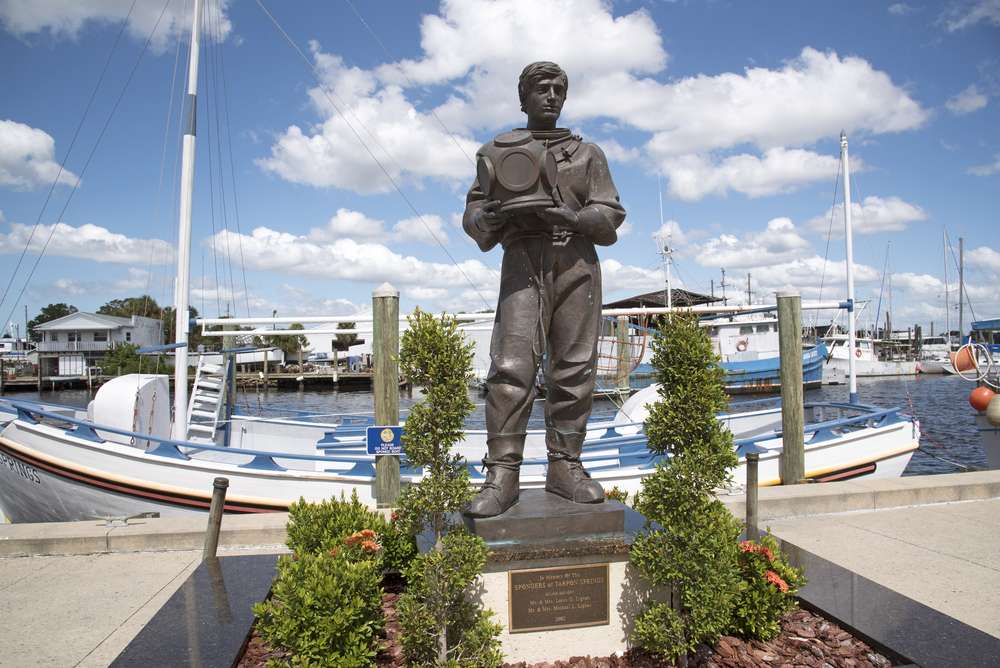
Settled by Greek immigrants, Tarpon Springs has retained its Hellenic roots, making it feel like a Mediterranean village on the Gulf Coast. The Sponge Docks are the heart of the community, lined with Greek restaurants, bakeries, and shops. Festivals like Epiphany Day bring Greek traditions to life with music and dance. Strolling the waterfront with baklava in hand feels like a day in Greece.
St. Augustine, Florida
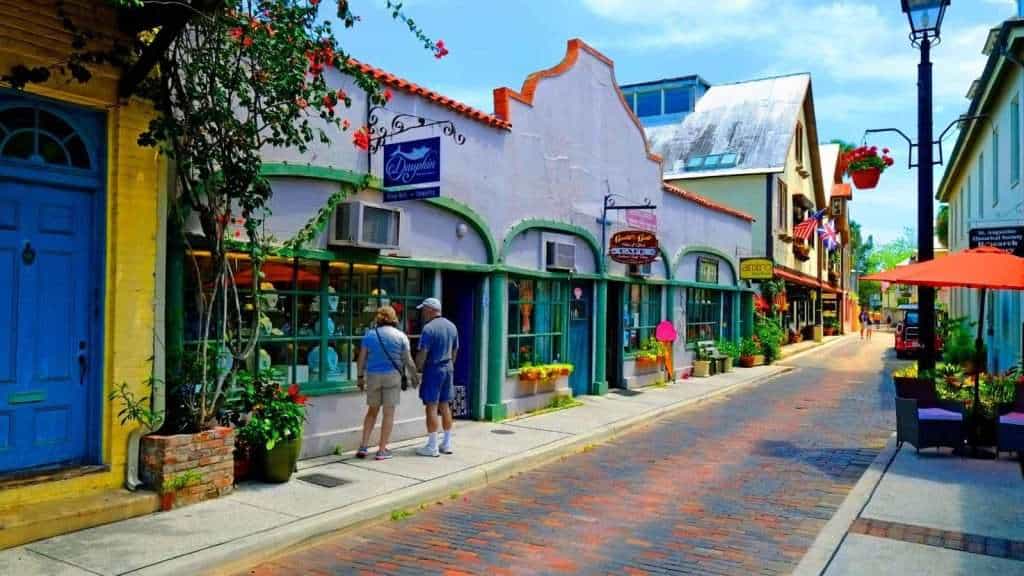
Founded in 1565, St. Augustine is the oldest city in the United States and carries a distinct Spanish colonial flair. Cobblestone streets, old churches, and a centuries-old fortress set the stage for a European atmosphere. Spanish architecture dominates, while tapas restaurants and cultural festivals add to the immersion. A walk through St. Augustine is as close as it gets to Spain without crossing the Atlantic.
Camden, Maine

With its picturesque harbor and historic architecture, Camden evokes the feel of a quaint coastal village in Northern Europe. White church steeples rise above clapboard houses, while sailboats dot the harbor. Its timeless New England charm has parallels to seaside towns in Norway or Denmark. Camden’s blend of maritime heritage and stunning natural beauty creates a distinctly European ambiance.
Pella, Iowa

Founded by Dutch immigrants in the 1840s, Pella is a slice of the Netherlands in America’s heartland. The town is famous for its tulip gardens, windmills, and Dutch-style architecture. The annual Tulip Time Festival fills the streets with traditional costumes, dancing, and Dutch food. Between wooden clogs and canals, Pella captures the spirit of Holland beautifully.
Fredricksburg, Texas
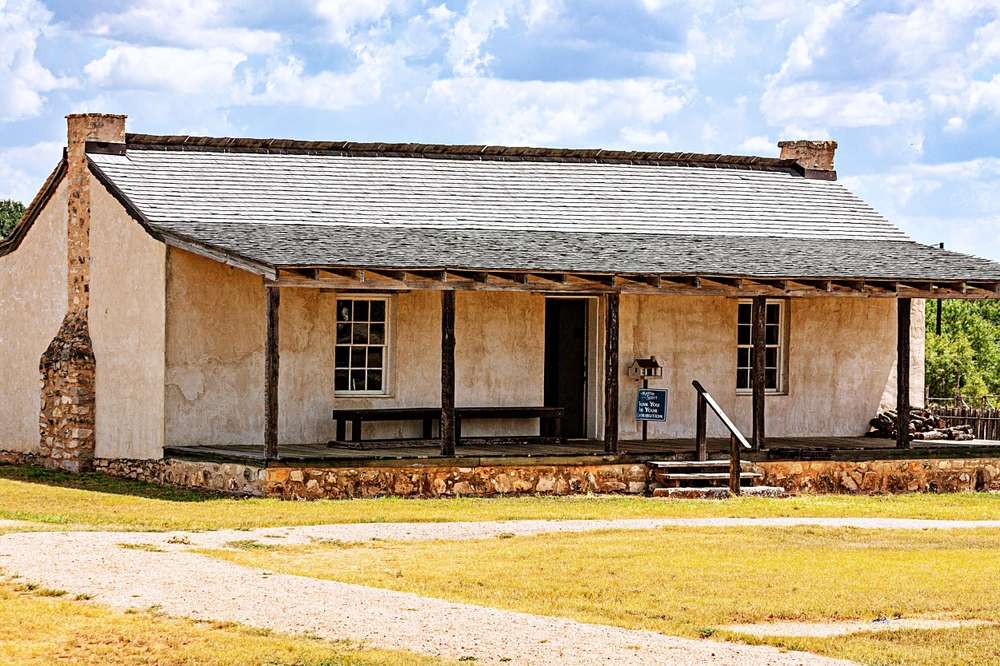
Situated in Texas Hill Country, Fredericksburg reflects its German roots through half-timbered architecture, traditional beer gardens, and cultural festivals. The town is also known for its wineries, reminiscent of Europe’s wine regions. Local celebrations, from Oktoberfest to Christmas markets, bring the European spirit to life. Fredericksburg manages to blend Old World tradition with Texan hospitality in a way that feels timeless.
Ouray, Colorado
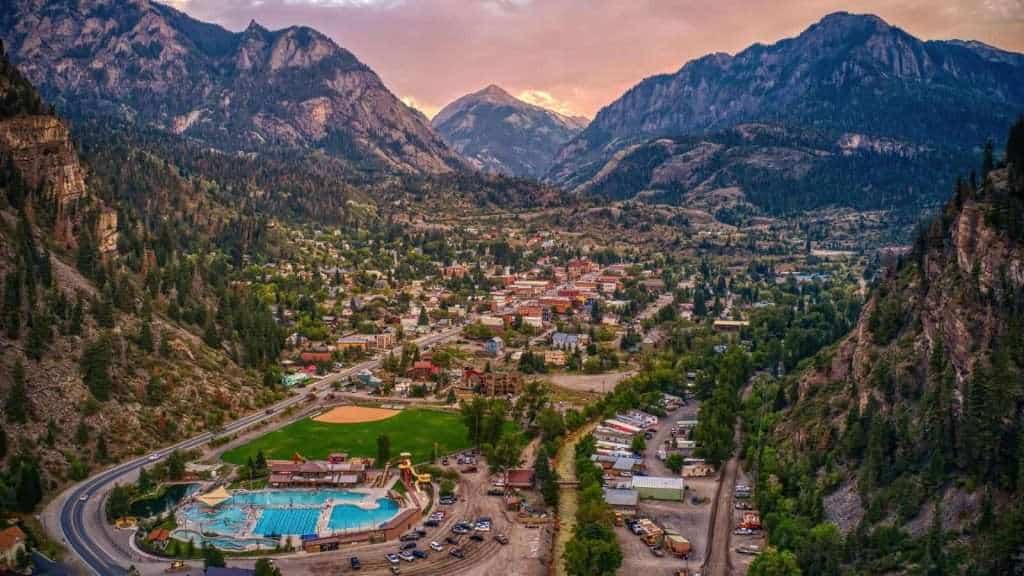
Surrounded by the San Juan Mountains, Ouray is often called the “Switzerland of America.” The alpine scenery alone makes it feel European, with rugged peaks and a cozy mountain village nestled below. Hot springs, Victorian architecture, and outdoor cafés enhance the Old World feel. A trip here evokes the romance of the Alps without the overseas price tag.
Chimayó, New Mexico

Chimayó carries a strong Spanish influence, reflected in its adobe chapels, traditional weaving, and cultural heritage. The town is famous for El Santuario de Chimayó, a historic pilgrimage site with centuries of tradition. Local artisans keep Spanish crafts alive, from weaving to woodcarving. Visiting Chimayó feels like stepping into a Spanish village preserved in the American Southwest.
Galena, Illinois
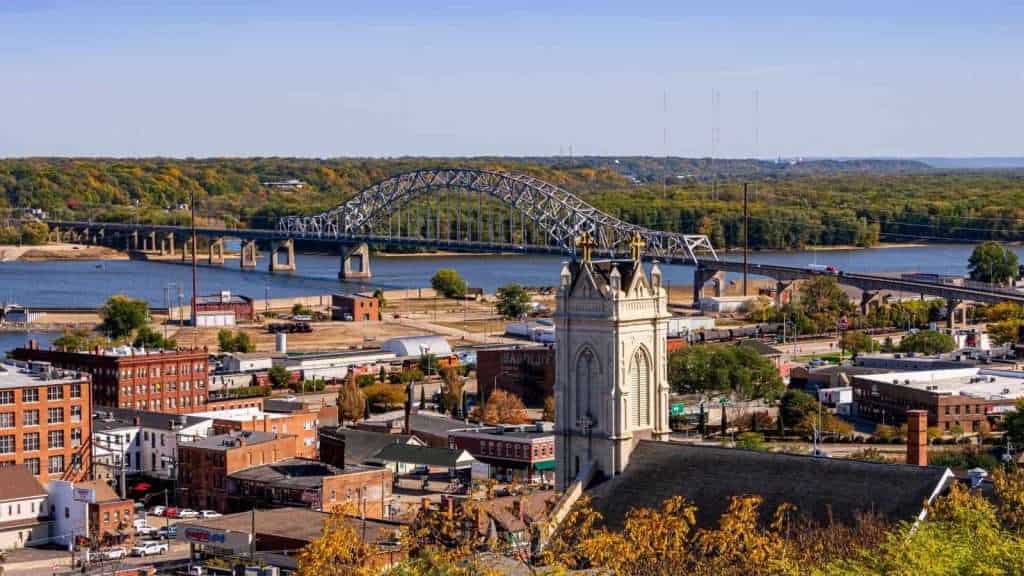
Galena’s 19th-century architecture, cobblestone streets, and hillside views give it a distinctly European ambiance. The town is full of preserved brick buildings, antique shops, and cozy inns that evoke Old World charm. It’s particularly reminiscent of small towns in Belgium or France, with its river views and timeless streetscapes. Galena feels like a historical retreat far removed from modern rush.
Aspen, Colorado
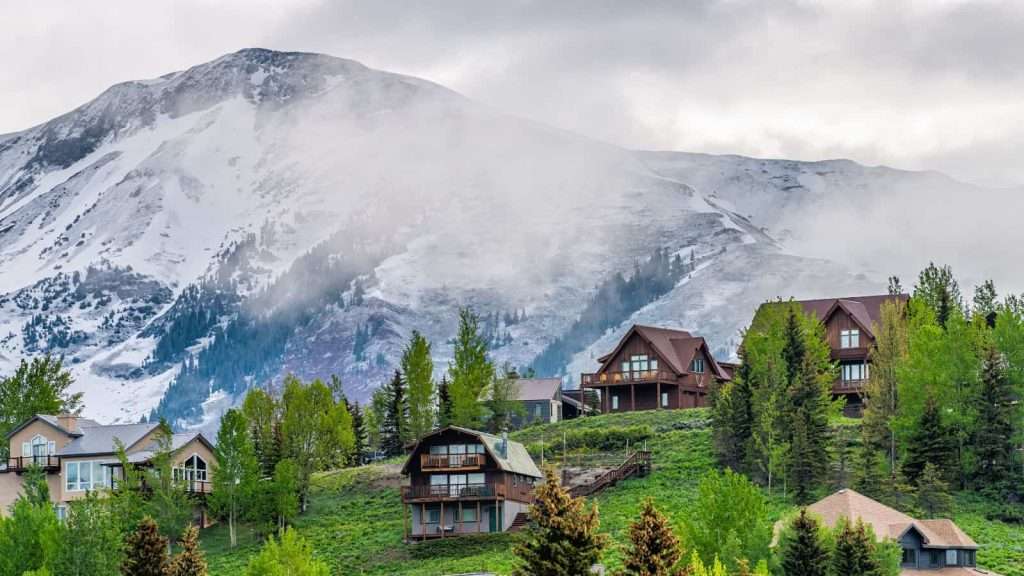
While Aspen is often associated with luxury, its alpine architecture and atmosphere make it feel like an Austrian or Swiss village. The downtown area features chalet-inspired buildings, narrow streets, and high-end shops reminiscent of European ski resorts. In winter, après-ski culture mirrors traditions of the Alps, while summer brings festivals with European flair. Aspen delivers European vibes without leaving the Rockies.
Taos, New Mexico

Taos reflects centuries of Spanish colonial influence, combined with Pueblo heritage. Its adobe buildings, historic plaza, and old churches recall villages of Spain. Local traditions in art, music, and cuisine add to the sense of European cultural immersion. The timeless blend of architecture and atmosphere makes Taos feel like both an ancient and Old World escape.

Deborah Montiero is a seasoned travel writer and contributor to Probe the Globe. With a passion for uncovering hidden gems and sharing immersive travel experiences, Deborah’s work highlights must-visit destinations, insider tips, and practical advice for travelers of all types. Whether exploring bustling cities or remote escapes, her articles are crafted to inspire and inform, making her a trusted voice in the travel community.
Her storytelling weaves together cultural insights, logistical tips, and authentic experiences, making her a valuable resource for readers seeking unforgettable journeys.
When not writing, Deborah is likely researching the latest travel trends or planning her next adventure. Follow her work on Probe the Globe for fresh perspectives and up-to-date travel inspiration.