
20 Must-Visit African Sites That Will Fill You with Wonder
Africa is a continent rich in natural beauty, history and culture with many awe-inspiring sites. From ancient civilizations to breathtaking landscapes, here are 20 must-visit African sites that will fill you with wonder and awe:
Pyramids of Giza, Egypt

The Pyramids of Giza are one of the most iconic landmarks in the world. These ancient structures are almost 4,500 years old and demonstrate the Egyptians’ prowess in engineering. The Great Pyramid of Giza, the largest of the three, is one of the Seven Wonders of the Ancient World and the only one that still exists.
Victoria Falls, Zimbabwe/Zambia

Known as “The Smoke That Thunders,” Victoria Falls is one of the largest and most spectacular waterfalls in the world. The falls, which are located on the border between Zambia and Zimbabwe, plunge more than 100 meters into the Zambezi River, producing a breathtaking mist that is visible for miles around.
Serengeti National Park, Tanzania
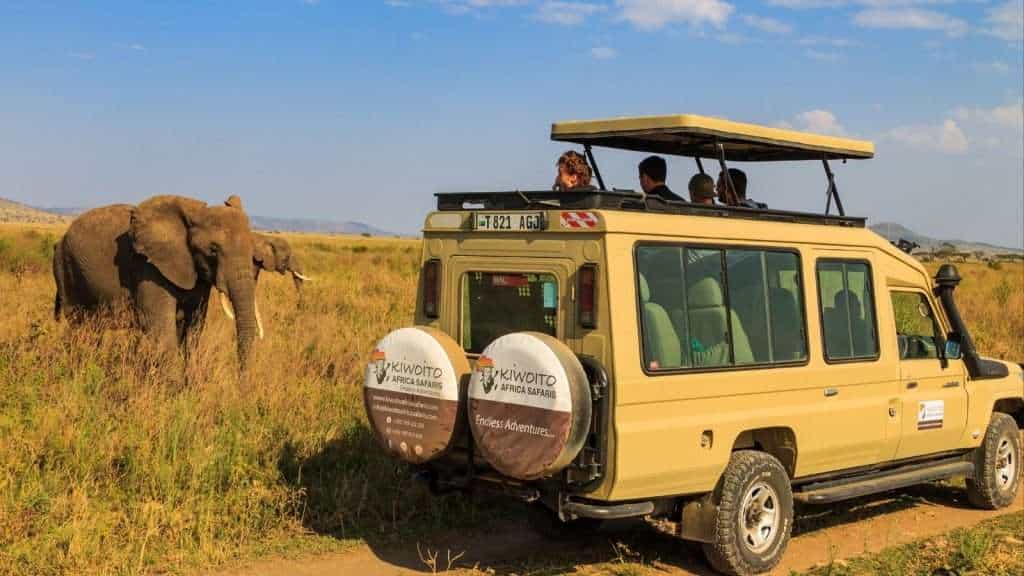
The Serengeti is synonymous with the Great Migration, where millions of wildebeest, zebras, and other animals move across the plains in search of fresh grazing. This natural spectacle, combined with the park’s stunning landscapes and diverse wildlife, makes the Serengeti a must-visit destination.
Table Mountain, South Africa

Table Mountain, with its flat-topped summit, is a symbol of Cape Town and offers breathtaking views of the city and the Atlantic Ocean. Accessible by cable car or a challenging hike, the mountain is home to unique flora and fauna, making it a natural wonder of the world.
Sossusvlei, Namibia

Sossusvlei is famous for its towering red sand dunes which are among the highest in the world. These dunes, located in the Namib Desert, are almost surreal and make up a landscape that is perfect for photography.
Marrakech Medina, Morocco

The medina of Marrakech is a UNESCO World Heritage site, known for its maze-like alleys, vibrant souks and historic architecture. The medina is a sensory overload, with the smells of spices, the sounds of street vendors and the sight of colorful goods creating an unforgettable experience.
Mount Kilimanjaro, Tanzania

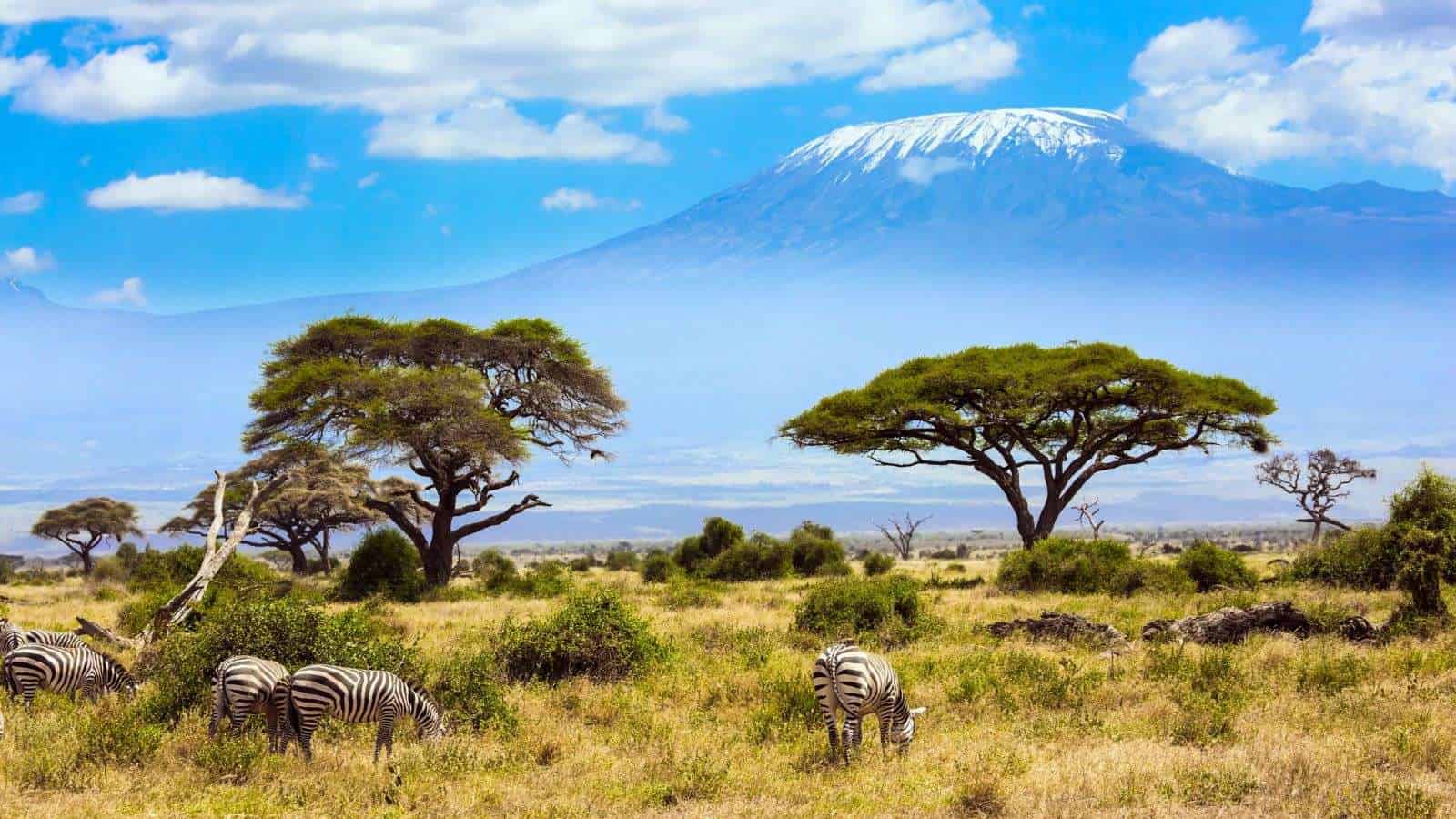
Mount Kilimanjaro is the highest peak in Africa and one of the continent’s most iconic landmarks.At 5,895 meters, this dormant volcano presents hikers with a once-in-a-lifetime experience and the snow-capped peak gives stunning views of the plains below.
Rock-Hewn Churches of Lalibela, Ethiopia
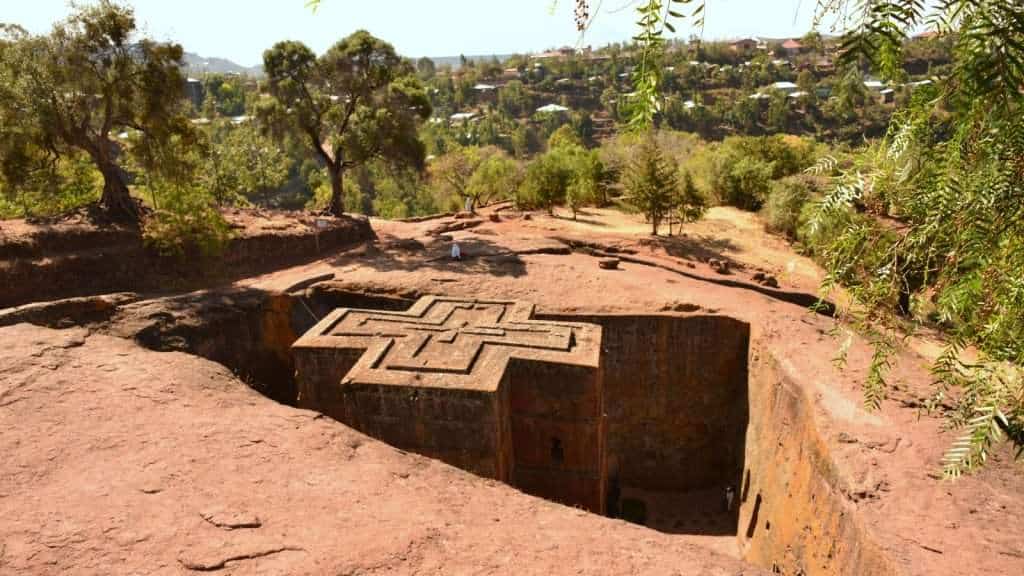
Lalibela is home to 11 medieval churches carved out of solid rock, a feat of engineering and devotion. These UNESCO World Heritage sites, created in the 12th century, are still active places of worship and offer a glimpse into Ethiopia’s rich Christian heritage.
Okavango Delta, Botswana

The Okavango Delta is one of the world’s largest inland deltas and a UNESCO World Heritage site. These vast wetlands are a popular safari location for tourists from all around the world with great chances to spot lions, hippos and elephants, among other impressive wildlife.
Djenné, Mali

Djenné is one of the oldest cities in sub-Saharan Africa and is famous for its mud-brick architecture. The biggest mud building in the world, the Great Mosque of Djenné, is a UNESCO World Heritage site and a magnificent example of Sudano-Sahelian architecture.
Bwindi Impenetrable Forest, Uganda

Bwindi is a UNESCO World Heritage site and one of the best places in the world to see mountain gorillas in their natural habitat. The dense, mist-covered forest is home to half of the world’s remaining mountain gorillas, making it a unique and awe-inspiring destination.
Zanzibar, Tanzania
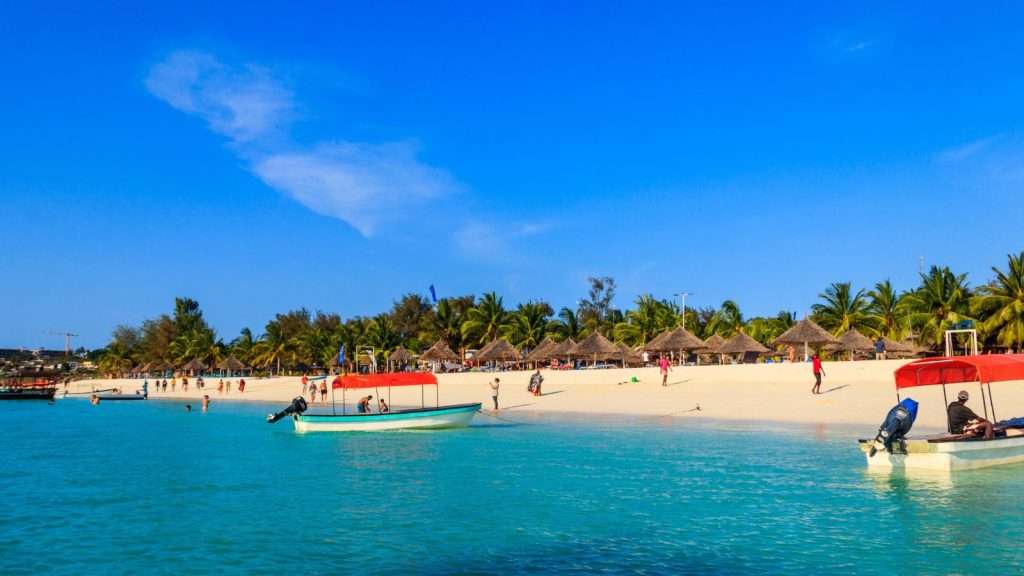
Zanzibar, known as the “Spice Island,” offers a blend of African, Arab and European influences. Its historic Stone Town, a UNESCO World Heritage site, features winding alleys, bustling bazaars and stunning architecture that add to the island’s charm.
Lake Nakuru, Kenya

Lake Nakuru is famous for its large flocks of flamingos that transform the lake’s surface into a sea of pink. The lake is a popular bird-watching destination and for safari tours as it is one of the most breathtaking places in the Great Rift Valley. As well as flamingos, visitors can see lions, rhinos, and other majestic animals native to Africa.
Karnak Temple, Egypt

Karnak Temple, located near Luxor, is one of the largest and most impressive temple complexes in the world. The temple is devoted to the god Amun and is made up of enormous statues, obelisks, columns and hieroglyphics that showcase ancient Egyptian history.
The Drakensberg, South Africa

The Drakensberg, meaning “Dragon Mountains,” is the highest mountain range in Southern Africa. Known for its dramatic cliffs, deep valleys and ancient rock art, the Drakensberg offers stunning landscapes and numerous hiking opportunities.
Sahara Desert, Morocco/Algeria

The Sahara Desert, the largest hot desert in the world, offers endless dunes, ancient caravan routes and star-filled skies. Visitors can explore the desert on camelback, visit oasis towns, and experience the vastness and silence of this incredible landscape.
Gorée Island, Senegal
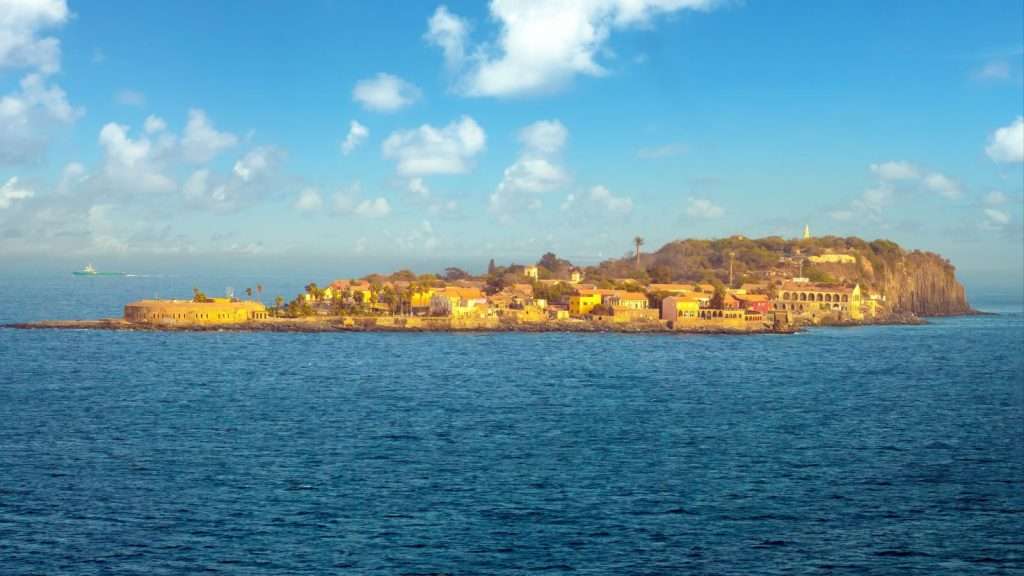
Gorée Island is a UNESCO World Heritage site that played a significant role in the transatlantic slave trade. The island’s House of Slaves and its Door of No Return serve as powerful reminders of this dark chapter in history, while the island itself is now a peaceful and poignant place to visit.
Avenue of the Baobabs, Madagascar
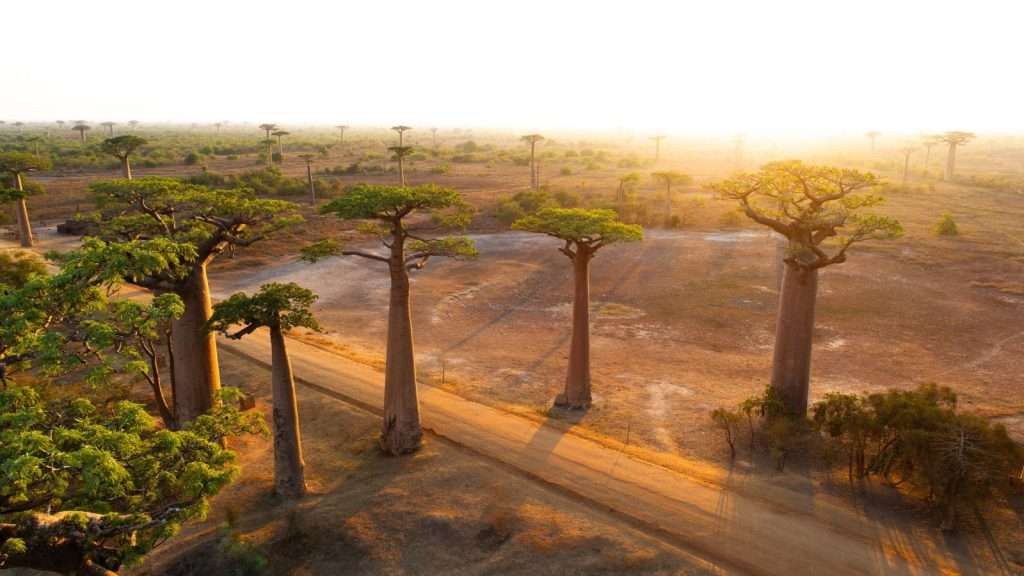
The Avenue of the Baobabs is a striking group of ancient baobab trees lining a dirt road in western Madagascar. These enormous trees, some of which are over 800 years old, produce an unusual and picturesque scene that is genuinely unique.
Simien Mountains National Park, Ethiopia

The Simien Mountains are a UNESCO World Heritage site known for their dramatic landscapes and unique wildlife, including the gelada baboon and the Ethiopian wolf. The park’s jagged peaks, deep valleys and high-altitude plateaus offer some of the most breathtaking scenery in Africa.
Robben Island, South Africa
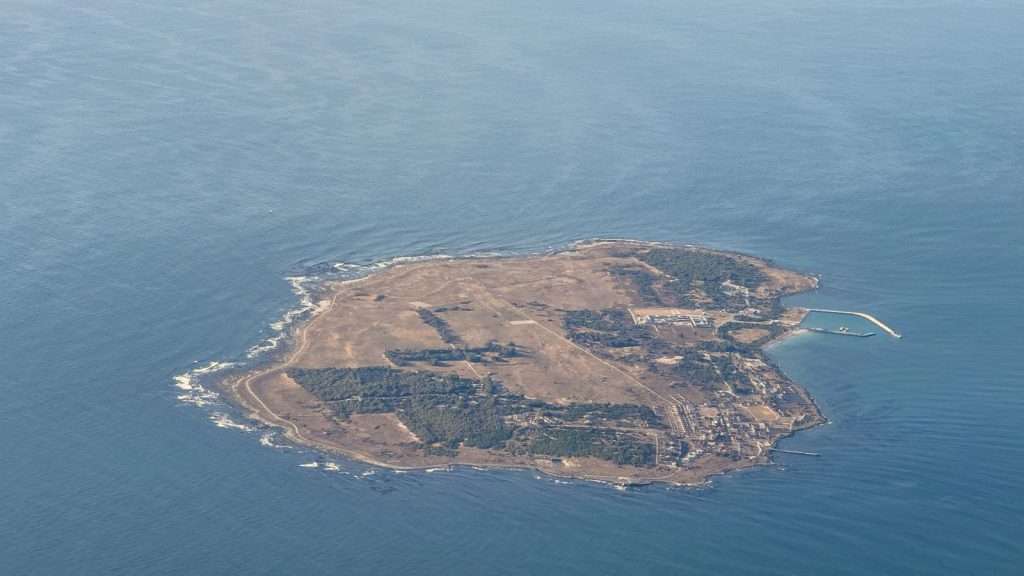
Robben Island is most famous as the place where Nelson Mandela was imprisoned for 18 years. Today, it is a UNESCO World Heritage site and museum that offers a poignant insight into South Africa’s struggle against apartheid. The island is a must-visit location because of its natural beauty and rich history.

Deborah Montiero is a seasoned travel writer and contributor to Probe the Globe. With a passion for uncovering hidden gems and sharing immersive travel experiences, Deborah’s work highlights must-visit destinations, insider tips, and practical advice for travelers of all types. Whether exploring bustling cities or remote escapes, her articles are crafted to inspire and inform, making her a trusted voice in the travel community.
Her storytelling weaves together cultural insights, logistical tips, and authentic experiences, making her a valuable resource for readers seeking unforgettable journeys.
When not writing, Deborah is likely researching the latest travel trends or planning her next adventure. Follow her work on Probe the Globe for fresh perspectives and up-to-date travel inspiration.