25 American Lagoons and Swamps Locals Warn You Not to Explore
Across the United States, lagoons and swamps often appear serene from a distance, their still water reflecting sky and trees in deceptive calm. Locals, however, know these landscapes can be unpredictable, dangerous, and deeply unsettling. From hidden wildlife to unstable ground and sudden changes in conditions, these places carry reputations built on experience rather than myth. For adventurous readers interested in darker corners of U.S. travel, these 25 are the waters people warn you not to explore.
Atchafalaya Basin, Louisiana
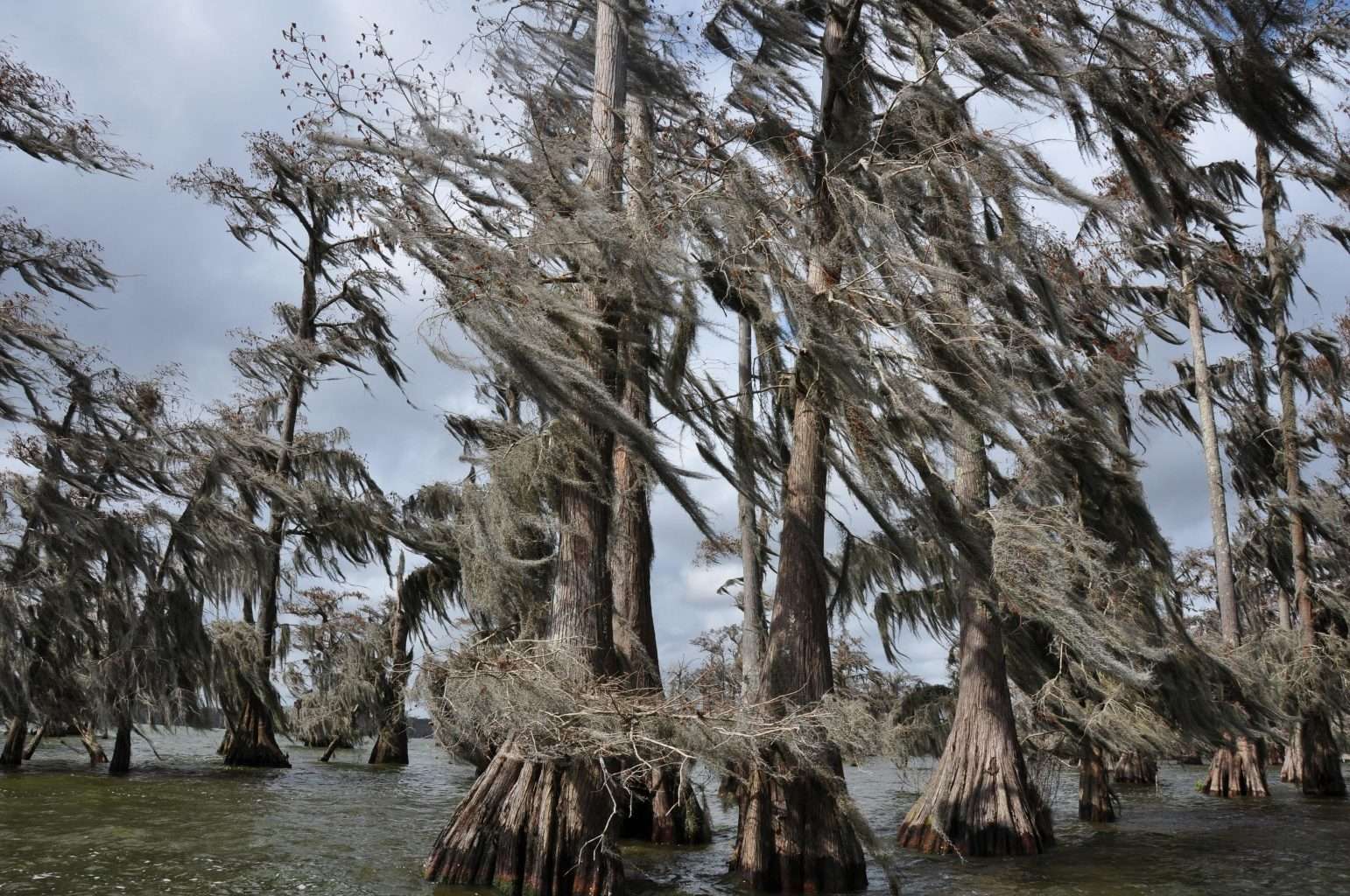
The Atchafalaya Basin is the largest swamp in the United States, and locals treat it with serious caution. Dense vegetation, shifting waterways, and abundant wildlife make navigation extremely difficult. Alligators, snakes, and sudden flooding are common concerns. Even experienced outdoors enthusiasts can become disoriented quickly. For U.S. travel explorers, the basin represents a place where nature dominates completely, and human control feels fragile at best.
Okefenokee Swamp, Georgia
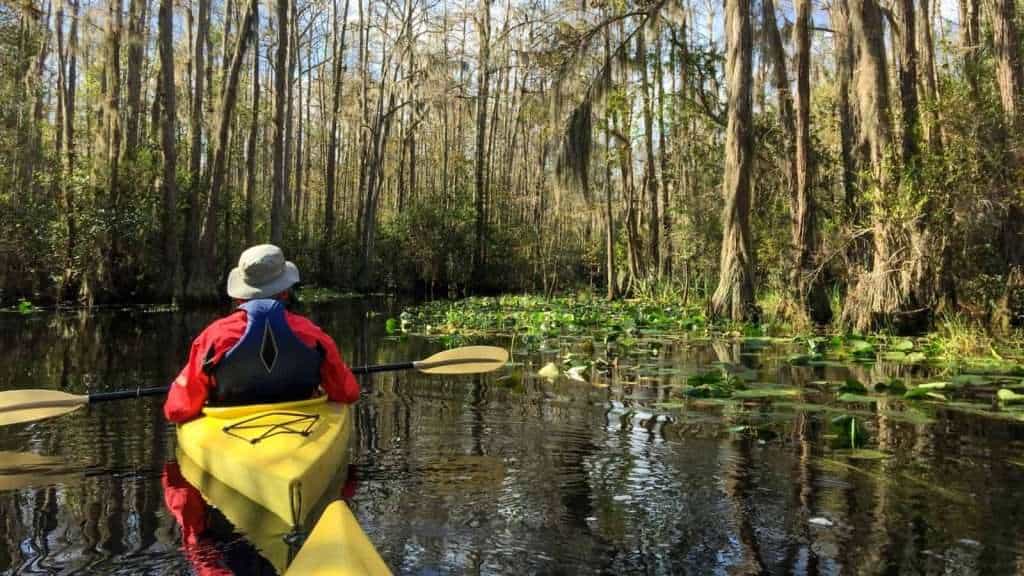
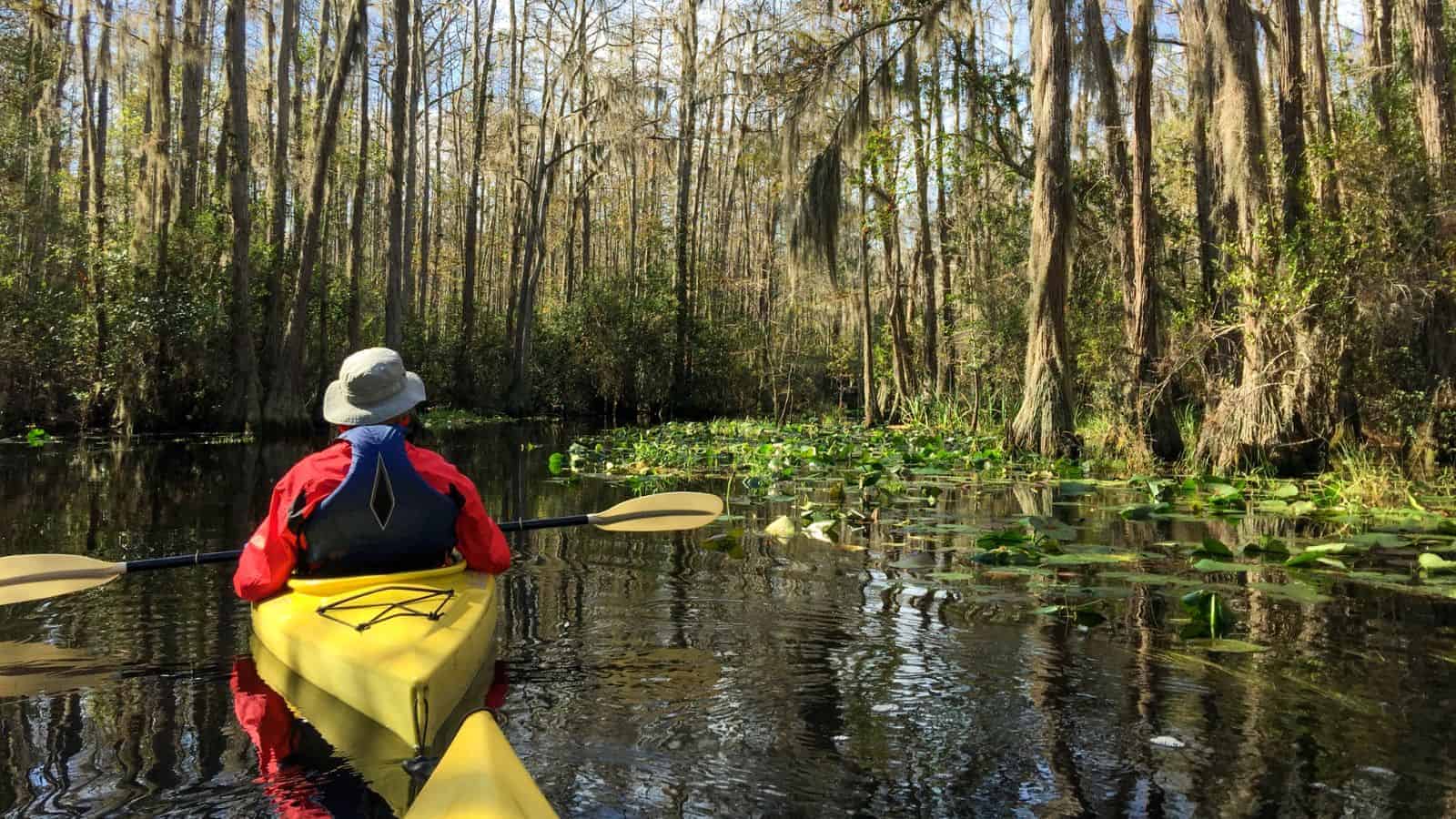
The Okefenokee Swamp appears calm, but locals warn that its still waters hide deep peat beds and dangerous wildlife. Stepping off stable ground can mean sinking unexpectedly. Thick fog frequently limits visibility, increasing the risk of getting lost. U.S. travel visitors are often surprised by how quickly conditions shift, reinforcing why locals recommend extreme caution in this vast, silent swamp.
Honey Island Swamp, Louisiana
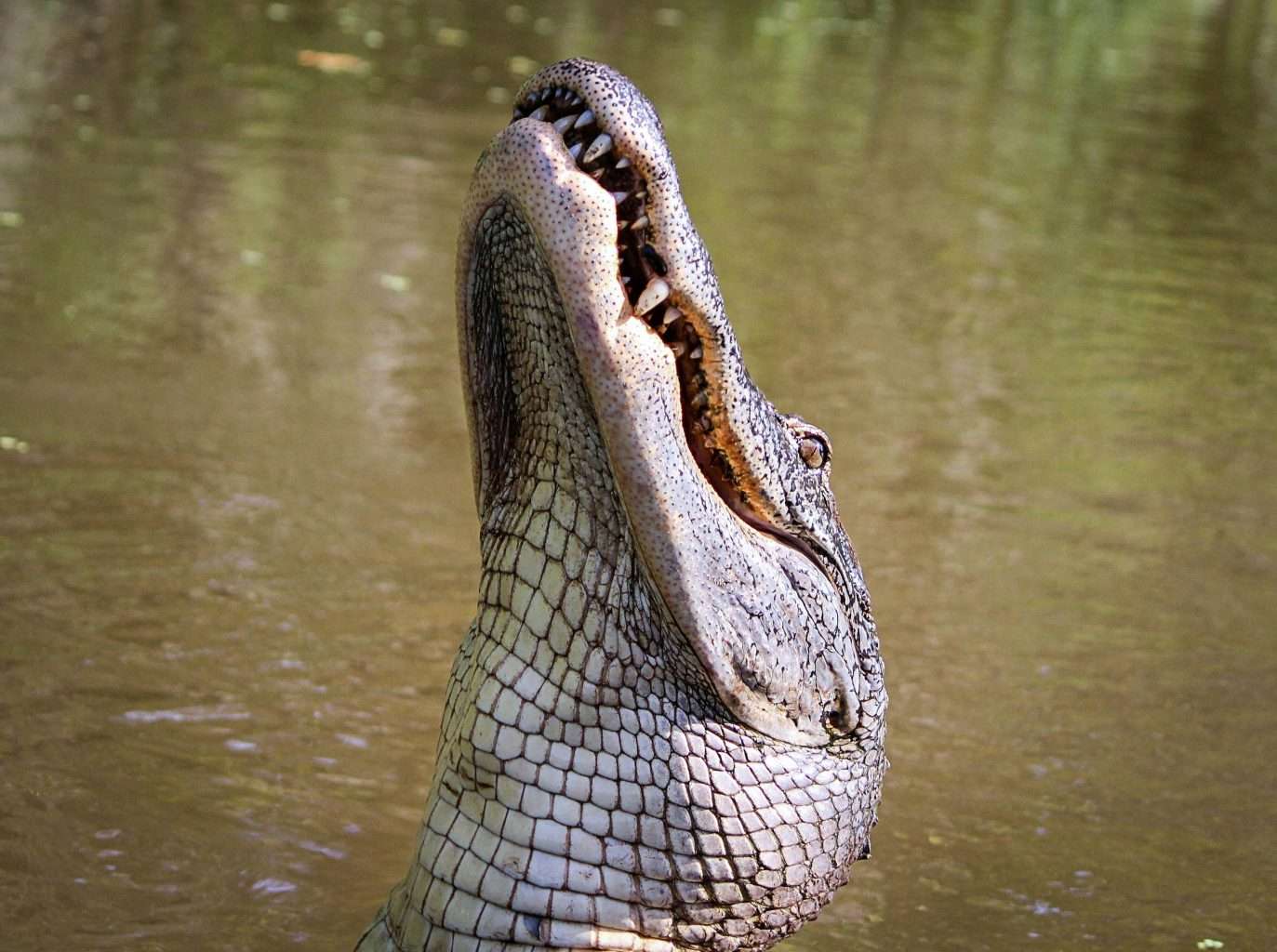
Honey Island Swamp carries a reputation for isolation and unpredictability. Narrow waterways, dense cypress forests, and murky water make navigation difficult even by boat. Locals warn of strong currents beneath calm surfaces and aggressive wildlife. For those exploring offbeat U.S. travel destinations, this swamp feels deliberately unwelcoming, as if it resists intrusion.
Great Dismal Swamp, Virginia and North Carolina
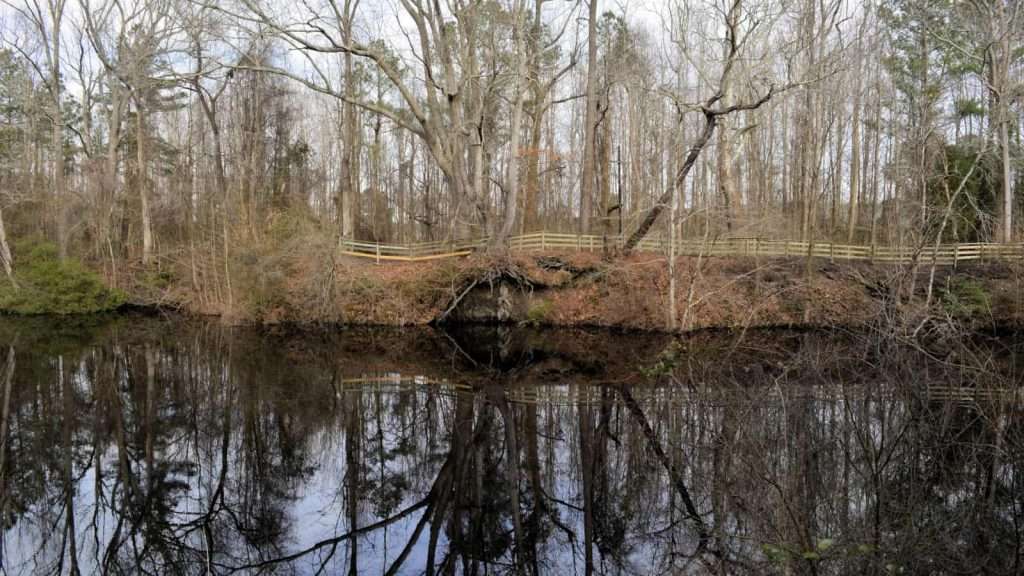
The Great Dismal Swamp earned its name honestly. Thick undergrowth, hidden channels, and unstable terrain create a sense of constant uncertainty. Locals caution that even marked trails can disappear under water after heavy rain. U.S. travel enthusiasts drawn to historic landscapes often find the swamp’s silence unsettling, where getting lost feels alarmingly easy.
Big Cypress Swamp, Florida
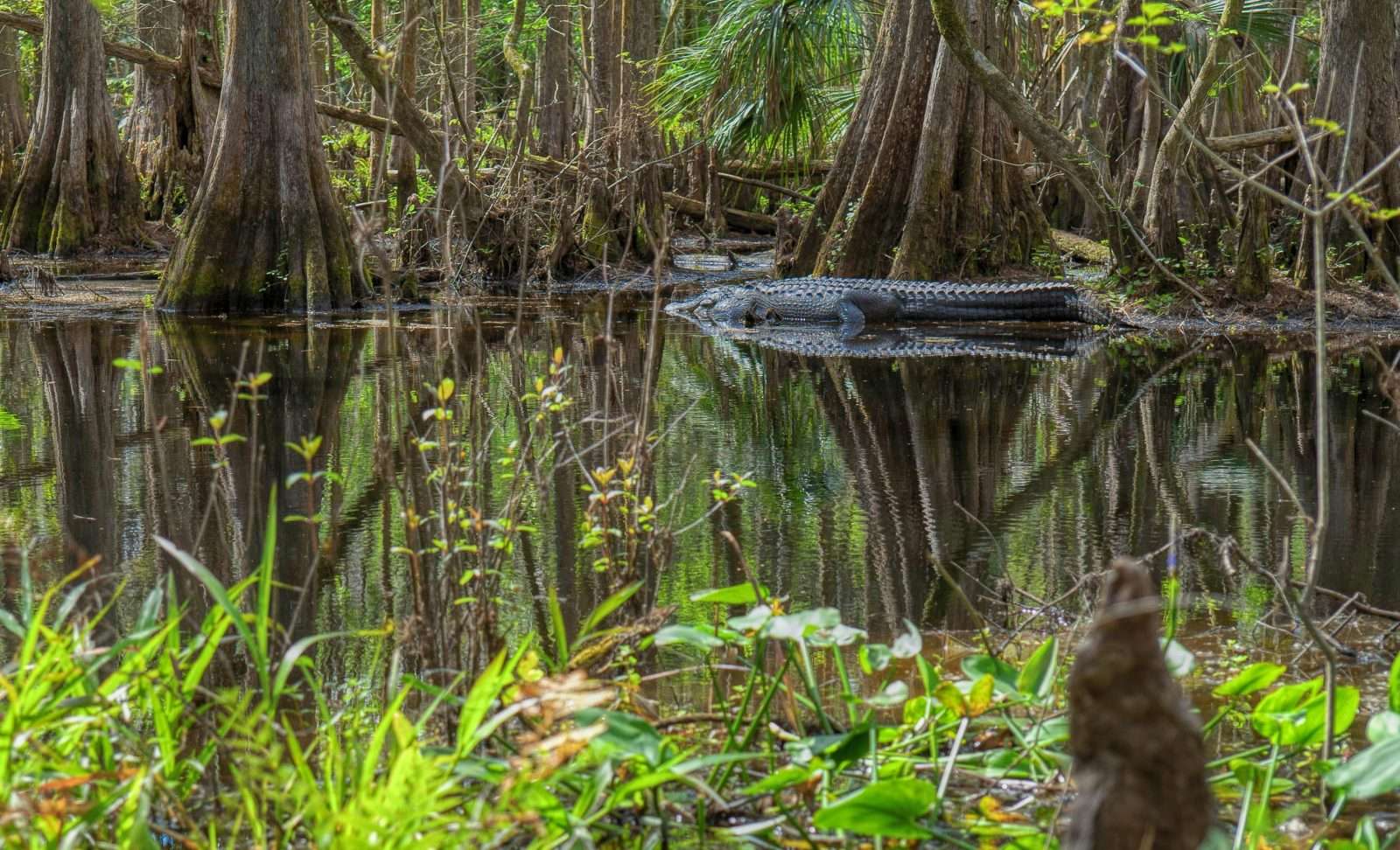
Big Cypress Swamp may look passable during dry seasons, but locals warn conditions can change without warning. Water levels rise quickly, and the terrain becomes nearly impossible to navigate on foot. Wildlife encounters are frequent, and visibility remains limited. For U.S. travel adventurers, Big Cypress represents a place where preparation often falls short.
Caddo Lake, Texas and Louisiana
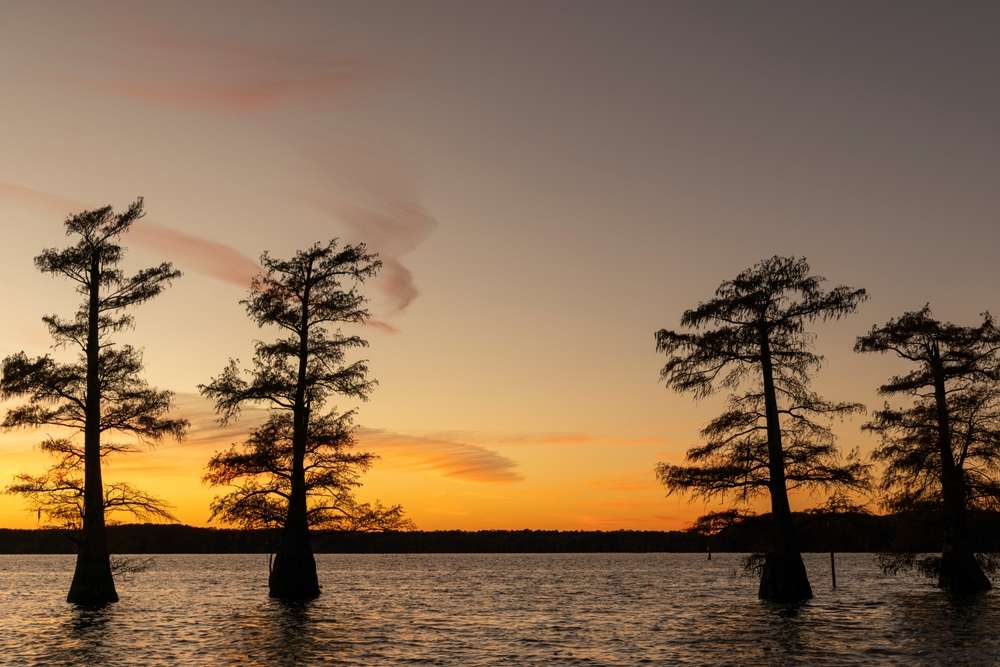
Caddo Lake’s haunting beauty masks its dangers. Spanish moss drapes over trees, creating visual disorientation, while submerged logs hide beneath dark water. Locals warn that boat navigation is risky due to shallow areas and sudden drop-offs. U.S. travel explorers often underestimate how quickly this lagoon-like lake can trap the unprepared.
Skunk Ape Swamp, Florida
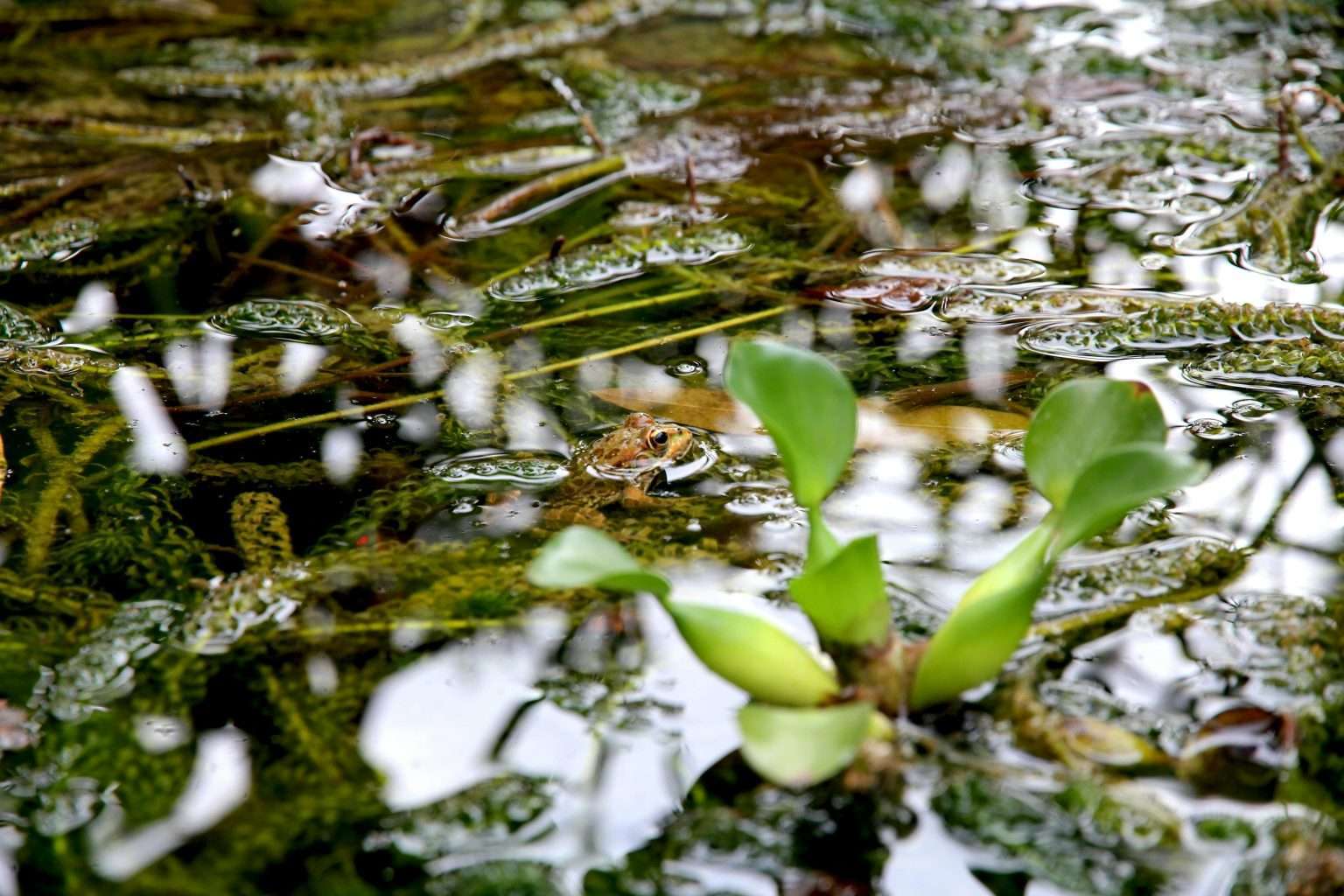
This lesser-known swamp has earned a reputation for more than folklore. Locals cite poor visibility, deep mud, and confusing terrain as primary dangers. Even experienced hikers avoid venturing far without guides. For U.S. travel seekers interested in remote wilderness, this swamp’s warnings are taken seriously by those who live nearby.
Blackwater River Swamp, Florida
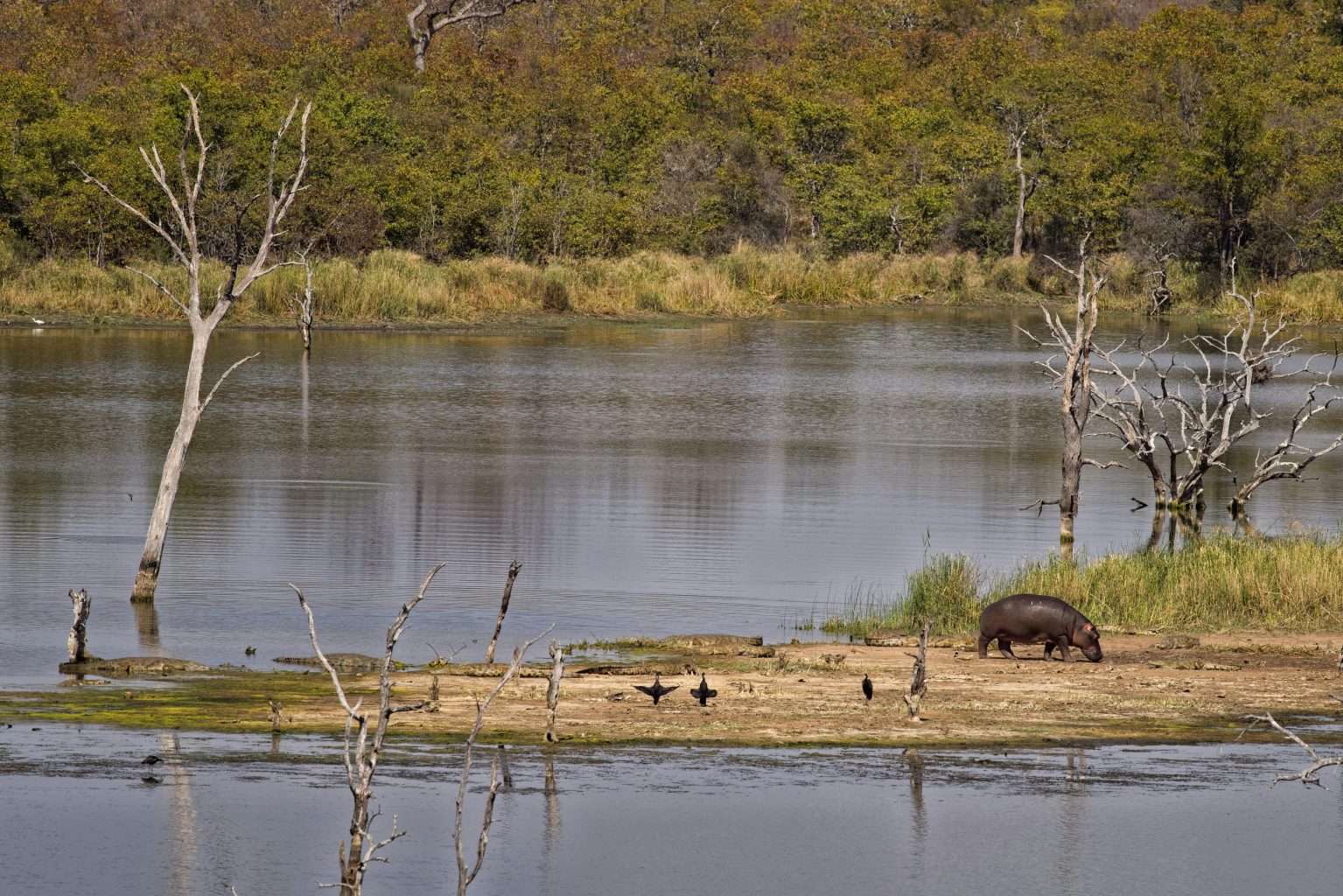
Despite its name, Blackwater River Swamp appears deceptively gentle. The dark water hides sudden depth changes and submerged debris. Locals advise against swimming or wandering off known paths. U.S. travel visitors are often surprised by how quickly calm scenery turns hazardous in this slow-moving but dangerous swamp system.
Lake Pontchartrain Marshes, Louisiana
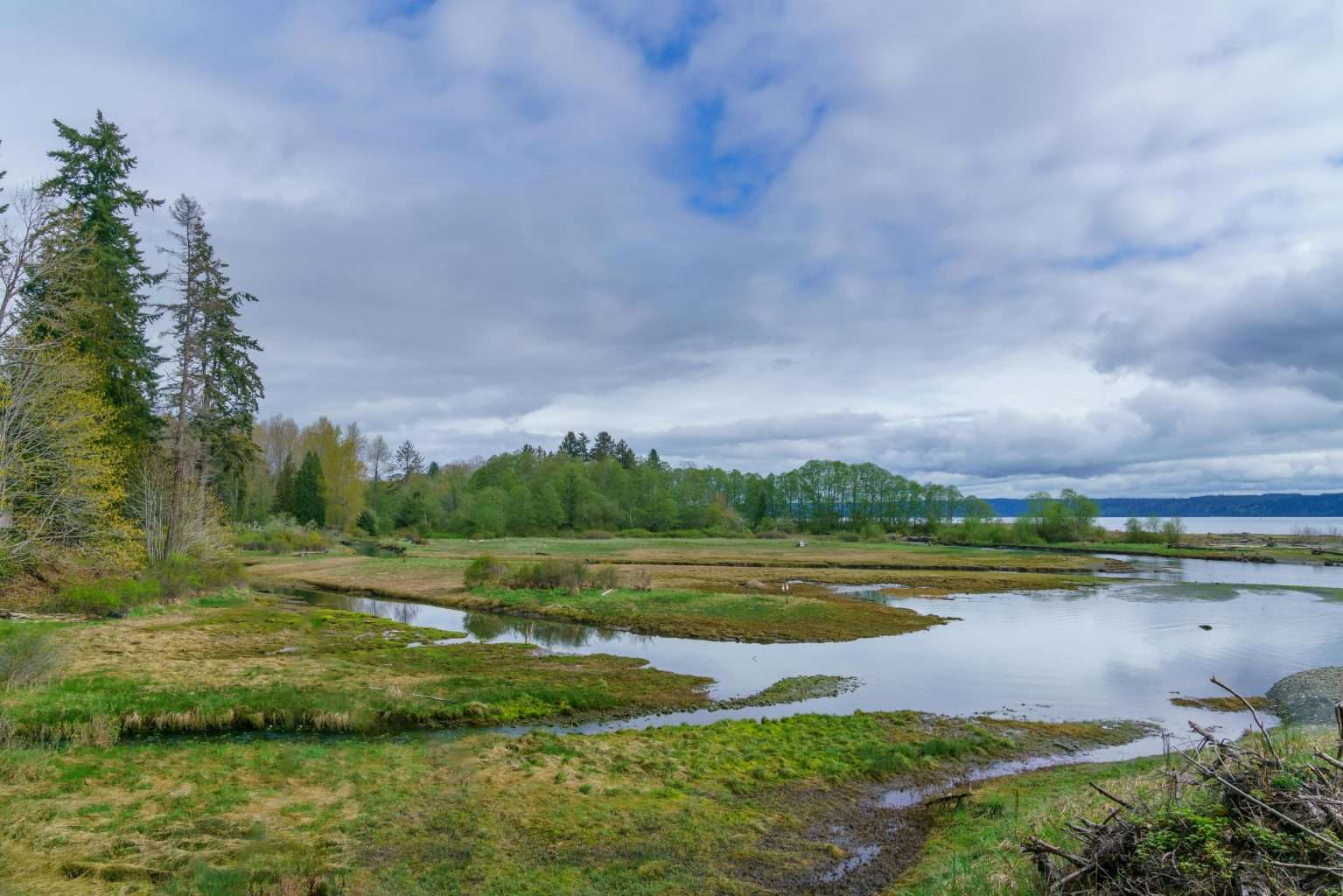
The marshes surrounding Lake Pontchartrain are vast and disorienting. Narrow channels shift constantly due to tides and storms. Locals warn that GPS signals can fail, making navigation unreliable. Wildlife and sudden weather changes add risk. For U.S. travel explorers, these marshes feel like a place where modern tools lose their advantage.
Alligator River National Wildlife Refuge, North Carolina
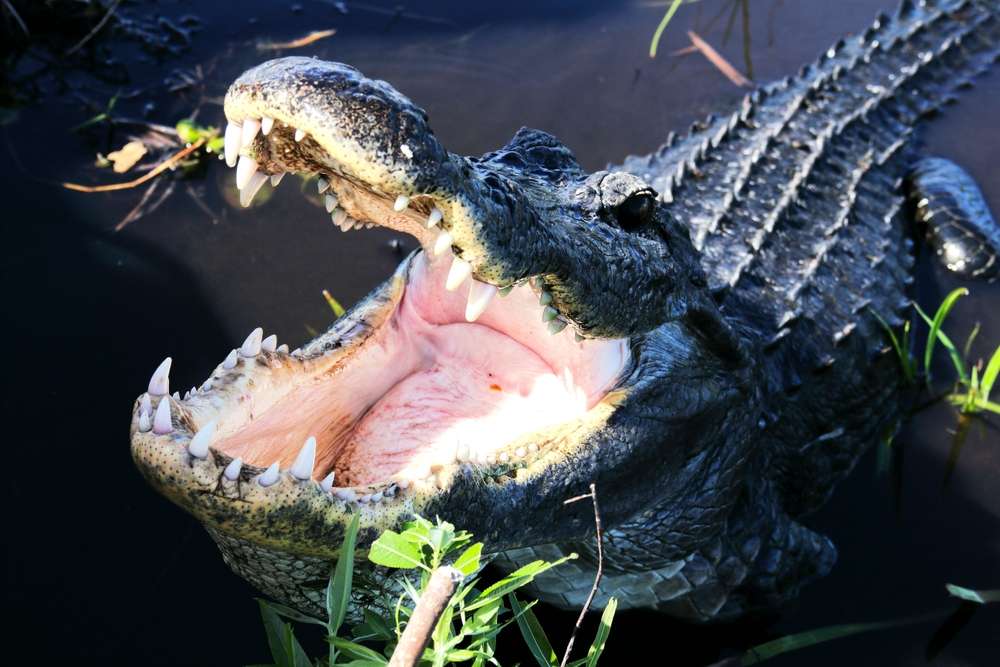
This swampy refuge is home to large predators and unstable ground. Locals caution that wandering beyond designated areas increases the risk of dangerous encounters. Thick vegetation and standing water limit escape routes. U.S. travel enthusiasts often find the quiet intimidating, reinforcing why exploration here is discouraged.
Desolation Swamp, Virginia
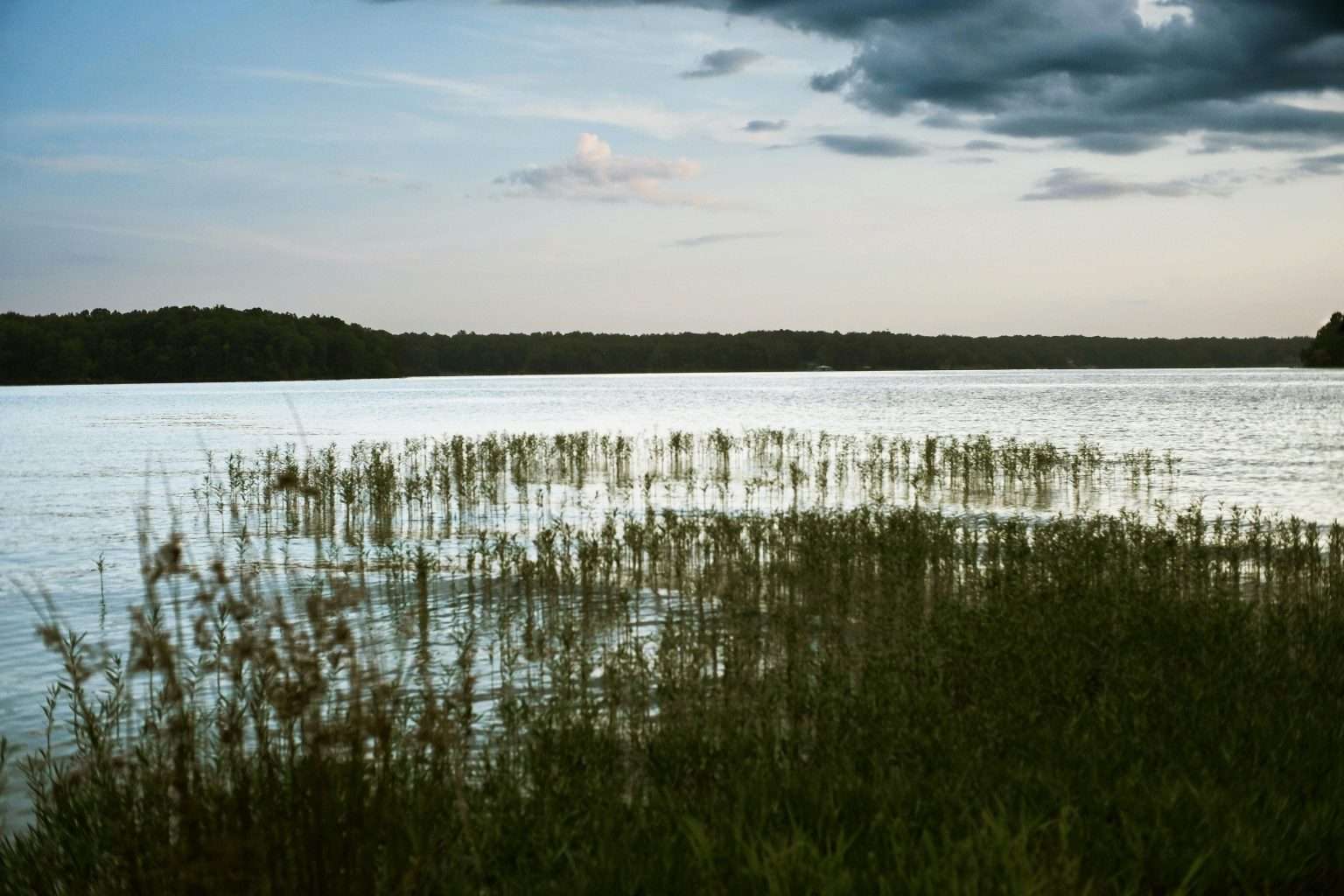
Desolation Swamp lives up to its name with dense growth and stagnant water. Locals warn that footing can vanish without warning, leading to sudden immersion. Insects and wildlife further complicate conditions. For U.S. travel visitors, the swamp’s oppressive stillness creates an atmosphere that feels actively hostile.
Jean Lafitte Swamp, Louisiana
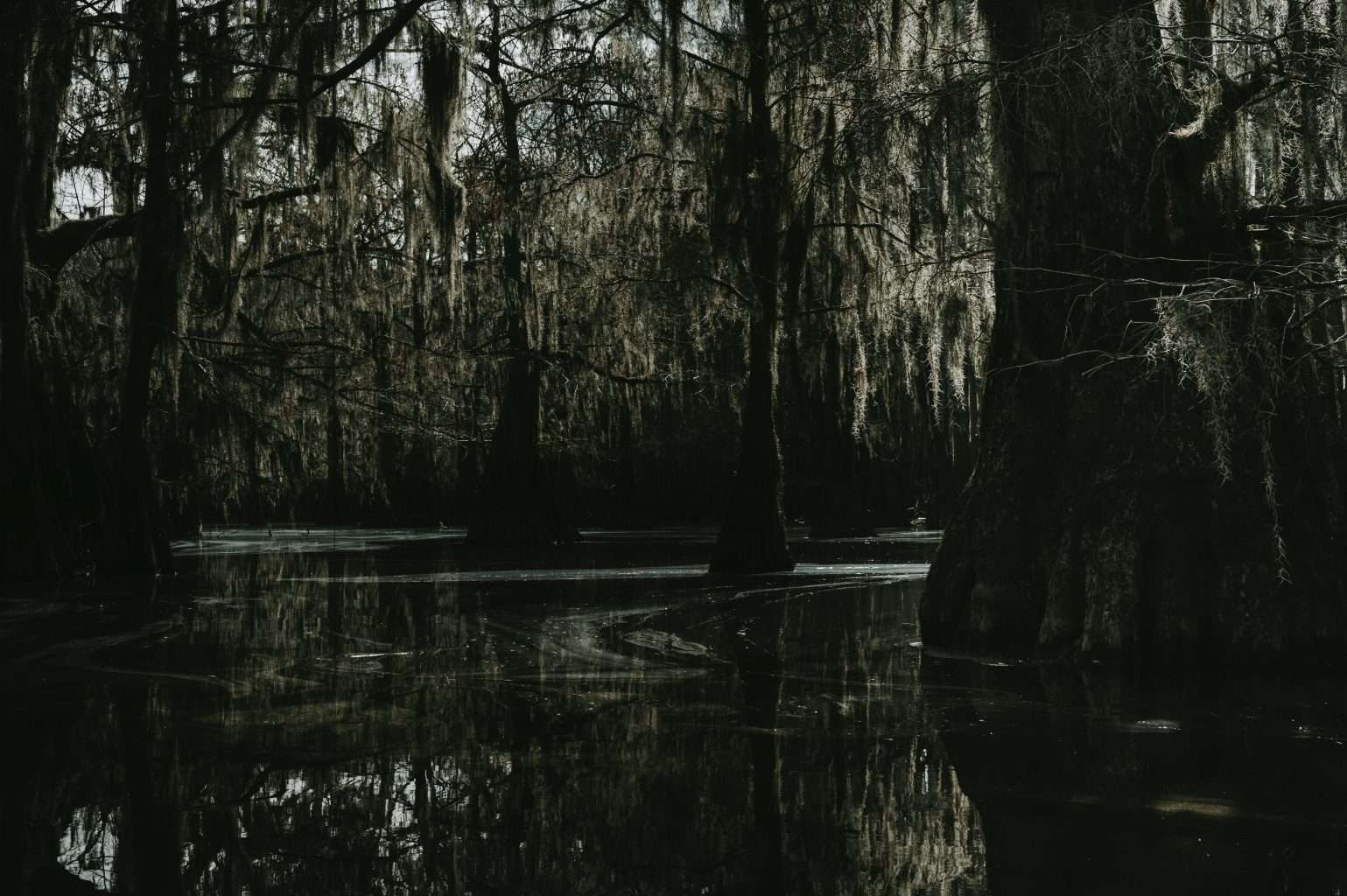
Jean Lafitte Swamp draws tourists, but locals warn against wandering too far from guided paths. The maze-like waterways and thick vegetation can confuse even experienced explorers. Water levels shift rapidly with tides. U.S. travel adventurers often underestimate how quickly the swamp can isolate them.
Everglades Backcountry, Florida
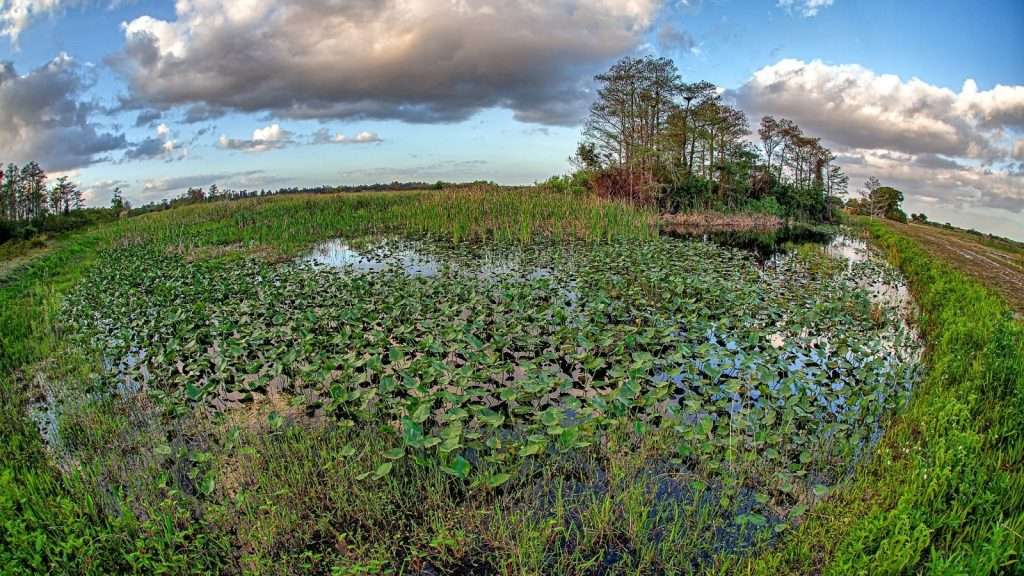
The Everglades backcountry is vastly different from its accessible areas. Locals caution against independent exploration due to extreme heat, insects, and dangerous wildlife. Navigation is notoriously difficult, with water and grass blending seamlessly. For U.S. travel explorers, this area exemplifies why local warnings should be taken seriously.
Lake Fausse Pointe Swamp, Louisiana
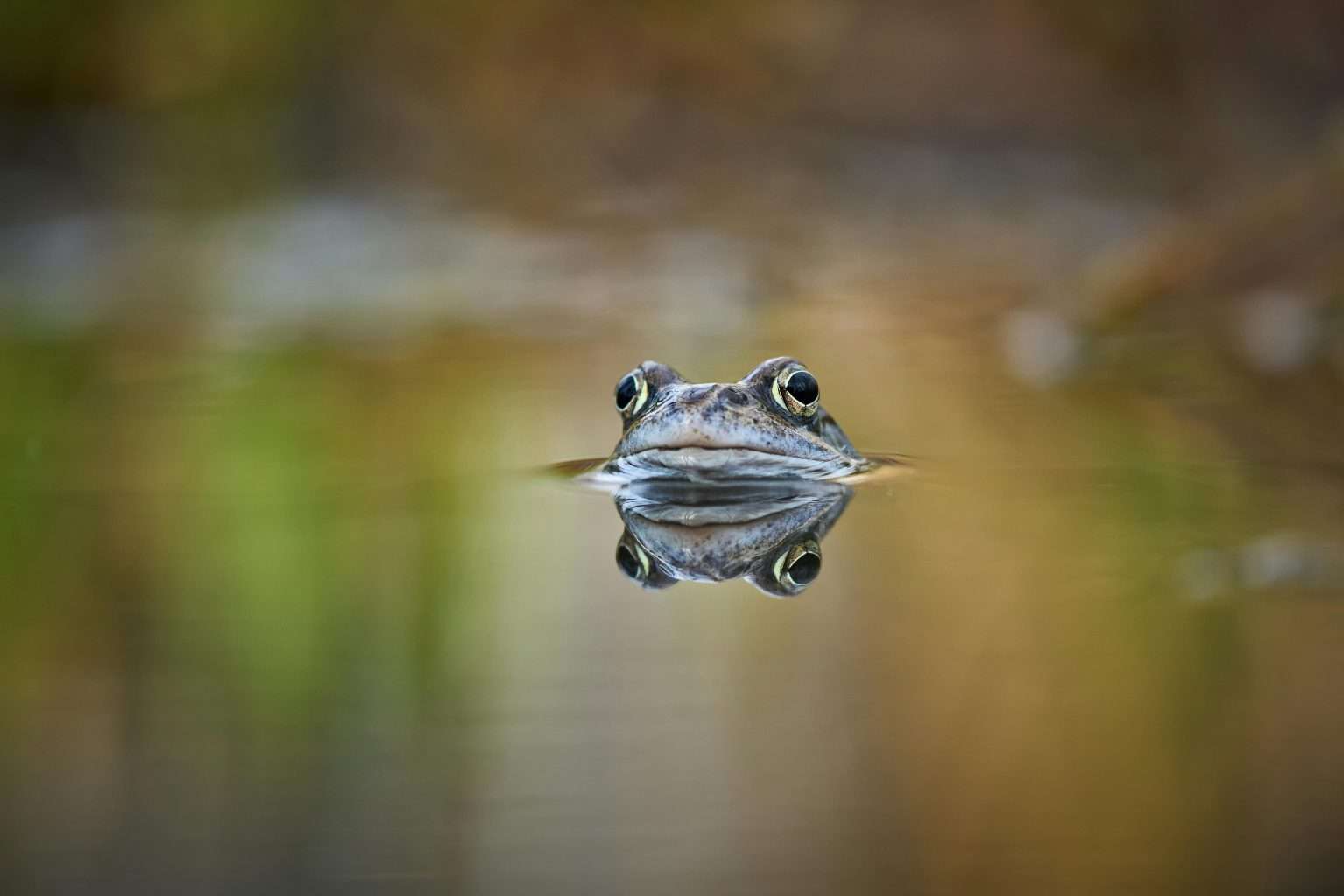
This swamp combines open water and dense forest, creating unpredictable terrain. Locals warn that seemingly solid ground can collapse into deep water. Wildlife encounters are frequent. U.S. travel enthusiasts often describe the area as disorienting, where direction loses meaning quickly.
Congaree Swamp, South Carolina
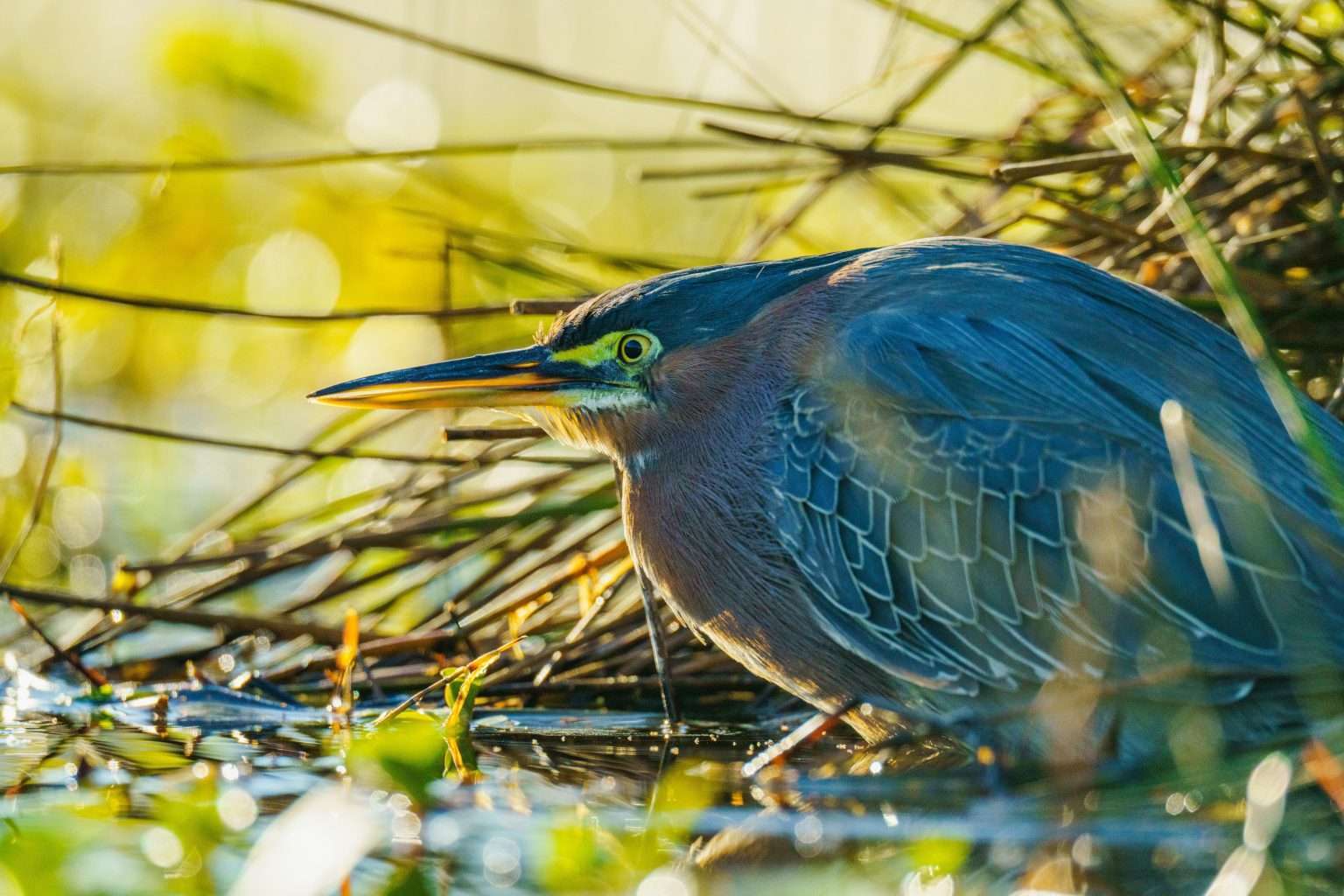
Congaree’s old-growth floodplain forest becomes treacherous after rain. Locals advise against off-trail exploration due to rising water and unstable soil. The quiet amplifies every sound, heightening tension. For U.S. travel visitors, the swamp feels deceptively calm but quietly dangerous.
Sabine National Wildlife Refuge Marshes, Louisiana
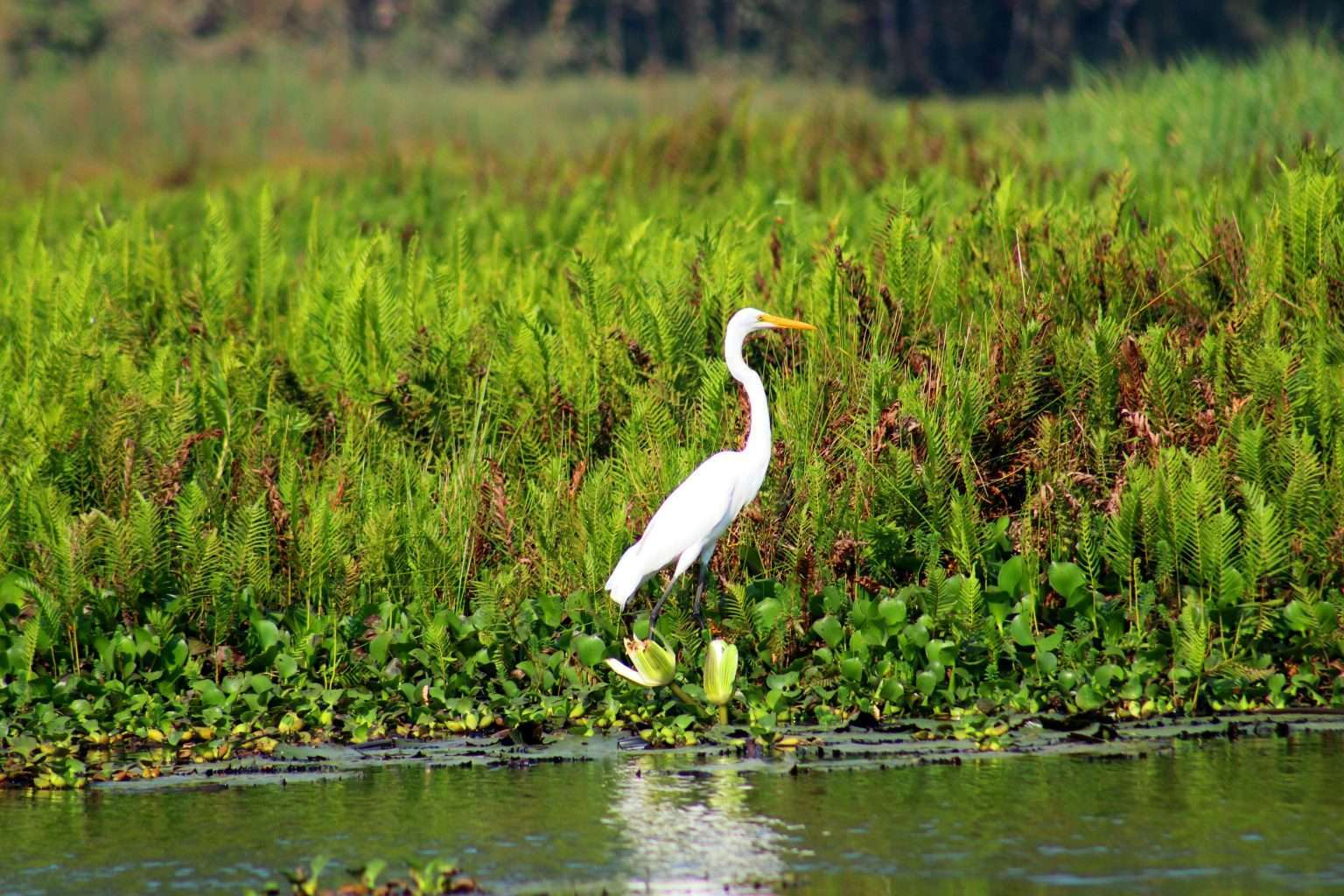
These coastal marshes are constantly reshaped by tides and storms. Locals warn that paths vanish overnight, leaving explorers stranded. Mud flats and deep channels increase risk. U.S. travel seekers often find this area intimidating due to its ever-changing landscape.
Reelfoot Lake Swamps, Tennessee
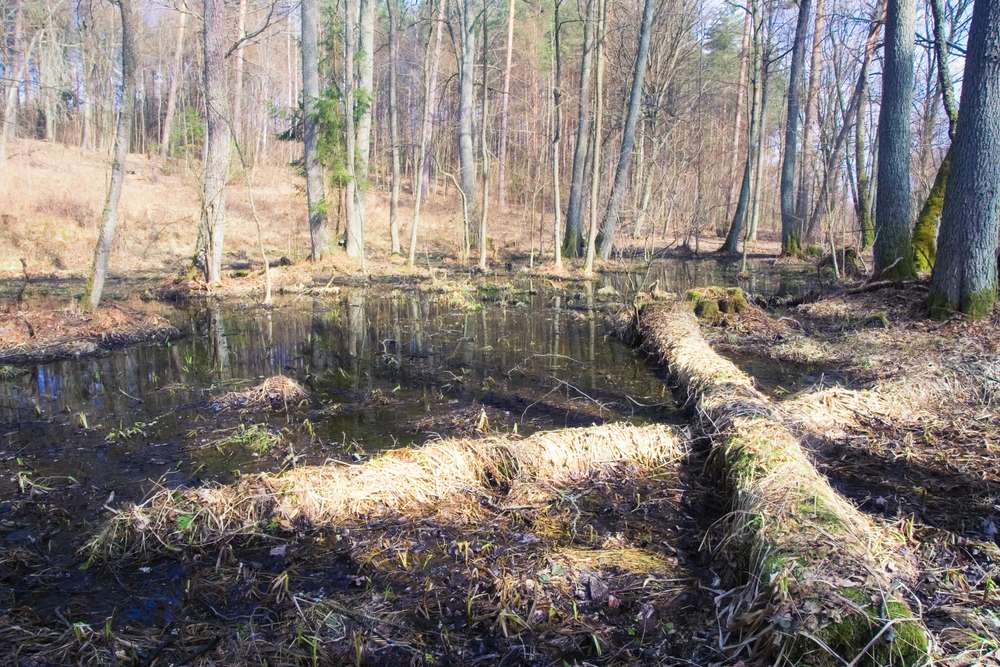
Formed by earthquakes, Reelfoot Lake’s surrounding swamps feel unstable by nature. Locals caution against exploring dense areas due to submerged obstacles and sudden depth changes. Fog frequently limits visibility. For U.S. travel explorers, the lake’s origin adds to its uneasy atmosphere.
Green Swamp, North Carolina
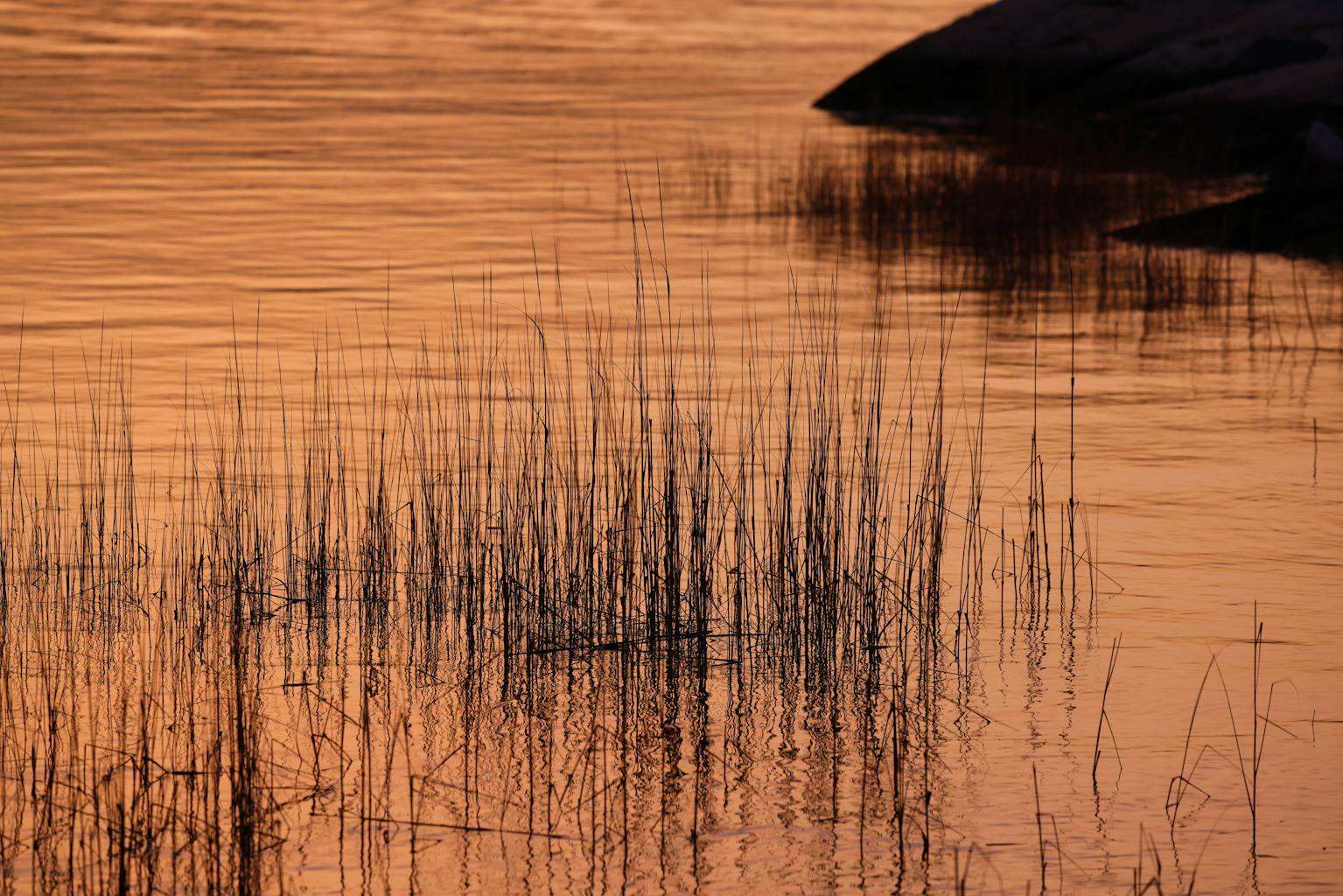
The Green Swamp is deceptively quiet, but locals warn that it is easy to lose orientation. Thick vegetation and waterlogged ground create slow, exhausting travel conditions. Wildlife sightings are common. U.S. travel enthusiasts often find the swamp mentally taxing rather than visually threatening.
Big Thicket Swamps, Texas
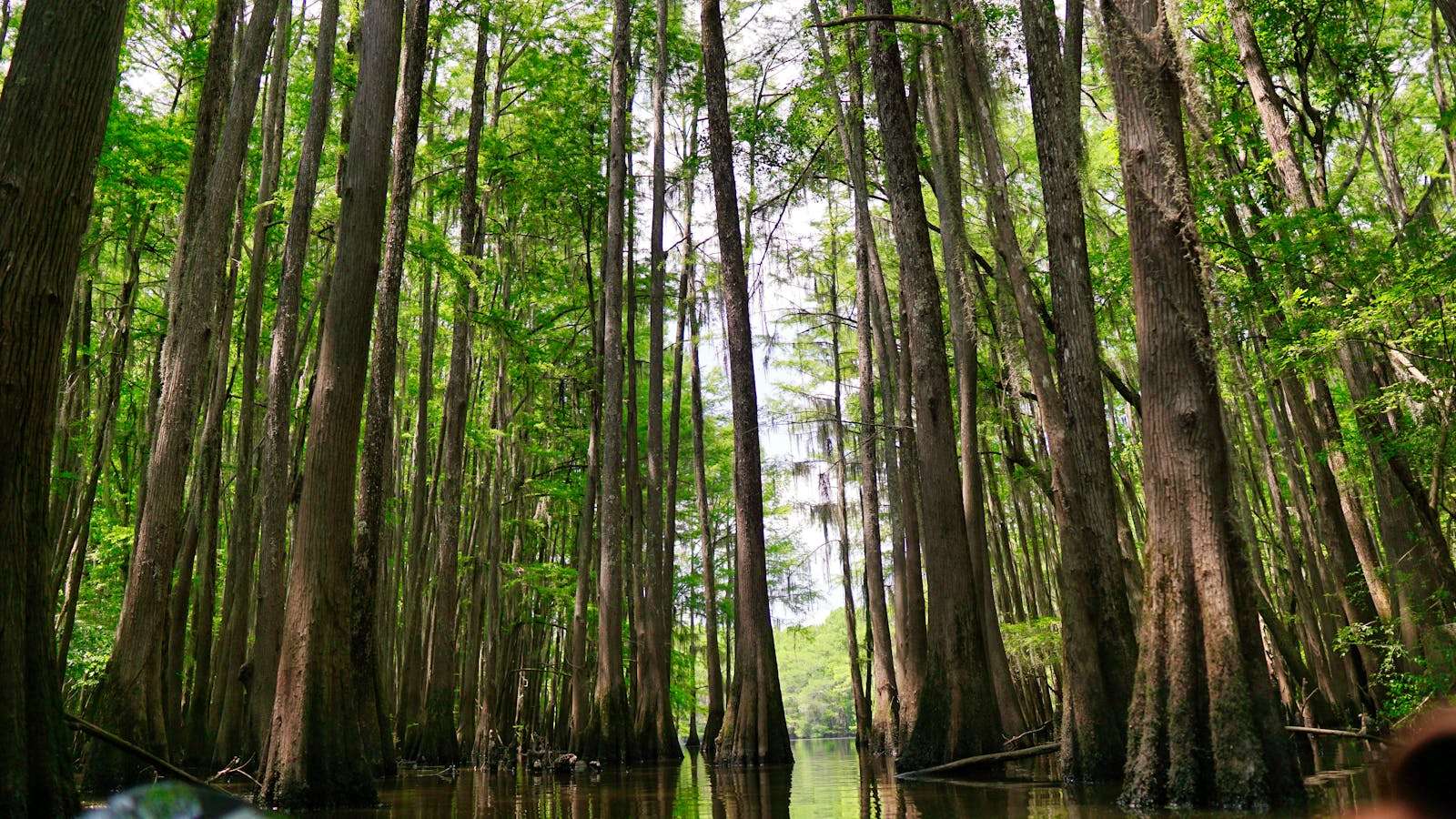
Big Thicket’s swamp areas are notoriously dense and confusing. Locals warn that trail markers can disappear and visibility drops quickly. Water levels fluctuate unpredictably. U.S. travel adventurers often find this swamp exhausting and disorienting, reinforcing its reputation.
Suwannee River Swamps, Florida
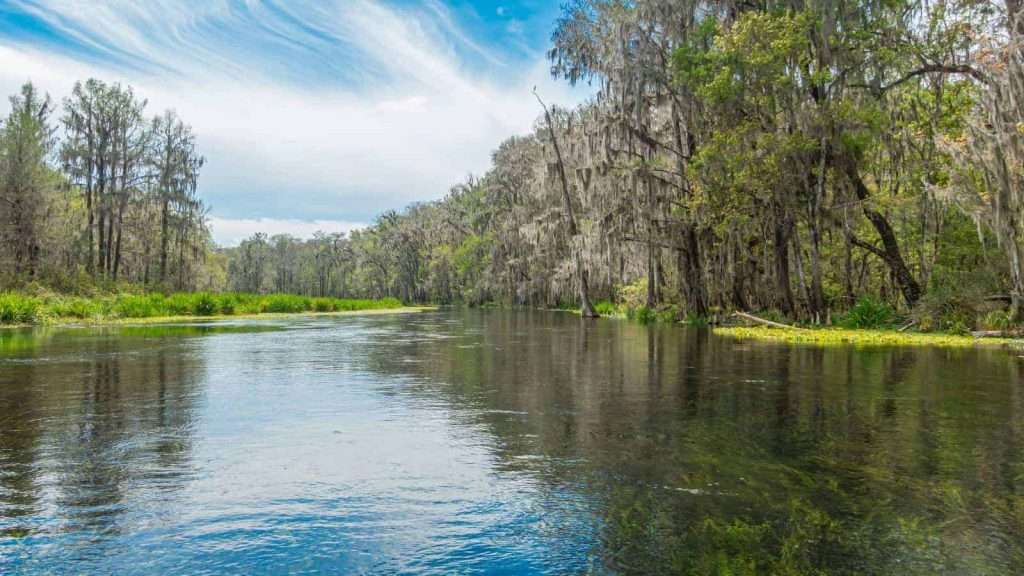
The Suwannee River’s surrounding swamps appear peaceful but hide strong currents and deep sinkholes. Locals warn against swimming or exploring alone. Navigation becomes difficult where land and water blur together. For U.S. travel enthusiasts, the swamp’s beauty masks serious danger.
Chassahowitzka Swamp, Florida
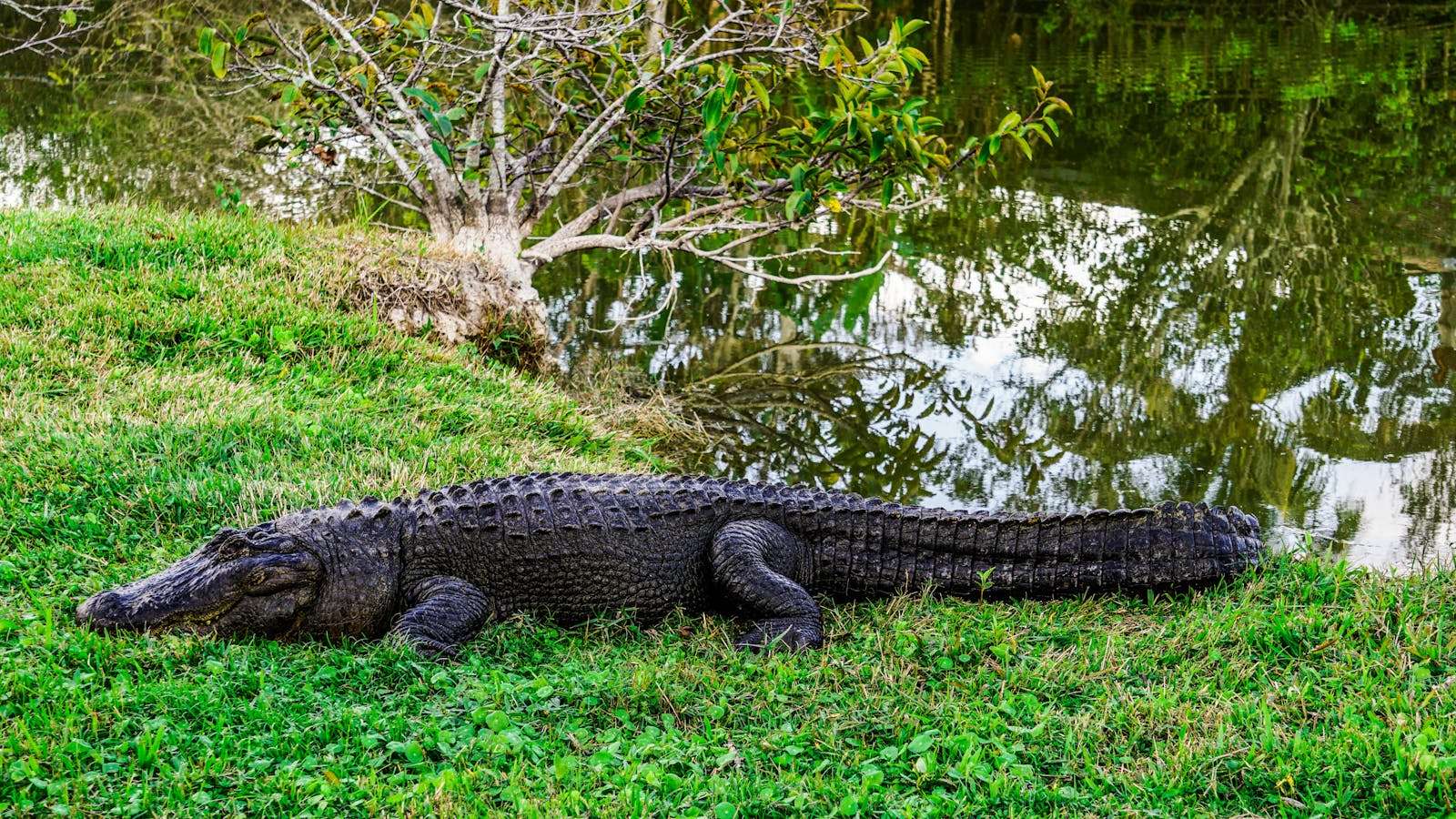
This coastal swamp features crystal-clear water that conceals sudden drop-offs and sharp debris. Locals caution that visibility can be misleading. Tides influence conditions rapidly. U.S. travel visitors often underestimate how quickly the environment can turn hazardous.
Cache River Swamp, Arkansas
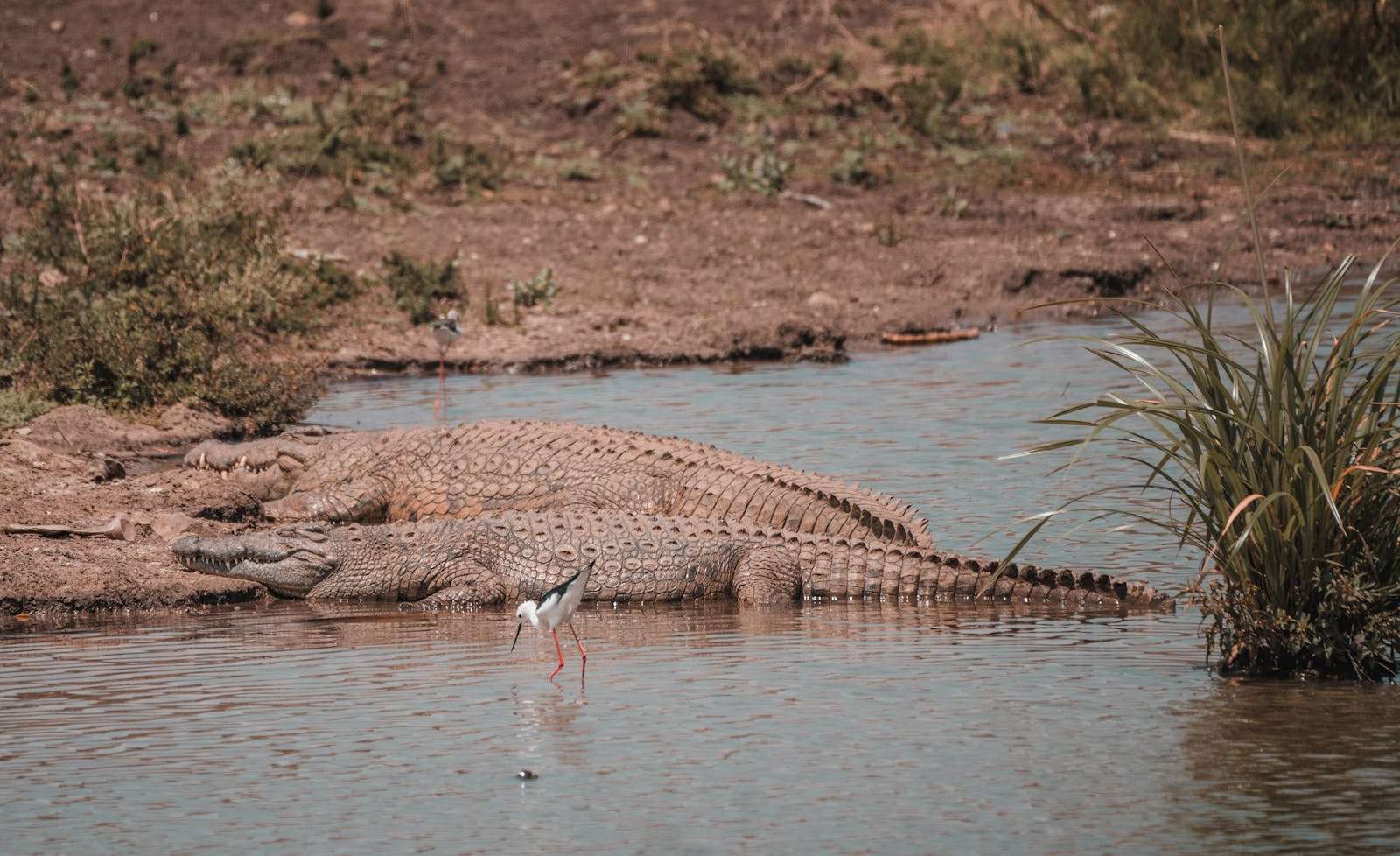
Cache River Swamp feels frozen in time, but locals warn of unstable footing and deep mud. Fallen trees block easy movement, and water levels rise unexpectedly. Wildlife encounters are common. For U.S. travel explorers, the swamp feels isolating and unforgiving.
Waccamaw Swamp, South Carolina
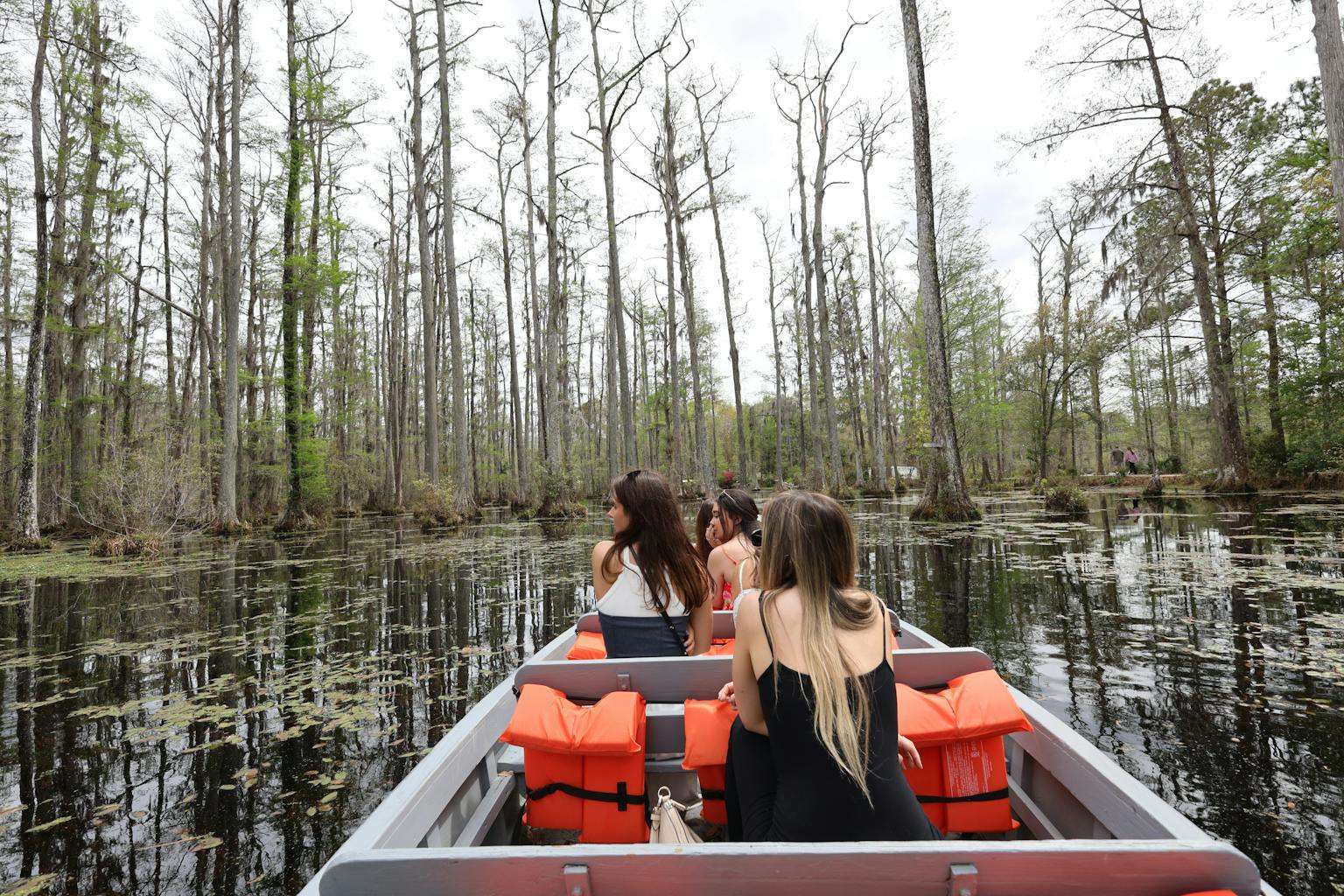
Waccamaw Swamp carries a reputation for disorientation and isolation. Locals warn that the dense forest and winding waterways make rescue difficult. Weather changes amplify risks quickly. U.S. travel enthusiasts often describe the swamp as eerily quiet, reinforcing why locals advise caution.

Deborah Montiero is a seasoned travel writer and contributor to Probe the Globe. With a passion for uncovering hidden gems and sharing immersive travel experiences, Deborah’s work highlights must-visit destinations, insider tips, and practical advice for travelers of all types. Whether exploring bustling cities or remote escapes, her articles are crafted to inspire and inform, making her a trusted voice in the travel community.
Her storytelling weaves together cultural insights, logistical tips, and authentic experiences, making her a valuable resource for readers seeking unforgettable journeys.
When not writing, Deborah is likely researching the latest travel trends or planning her next adventure. Follow her work on Probe the Globe for fresh perspectives and up-to-date travel inspiration.