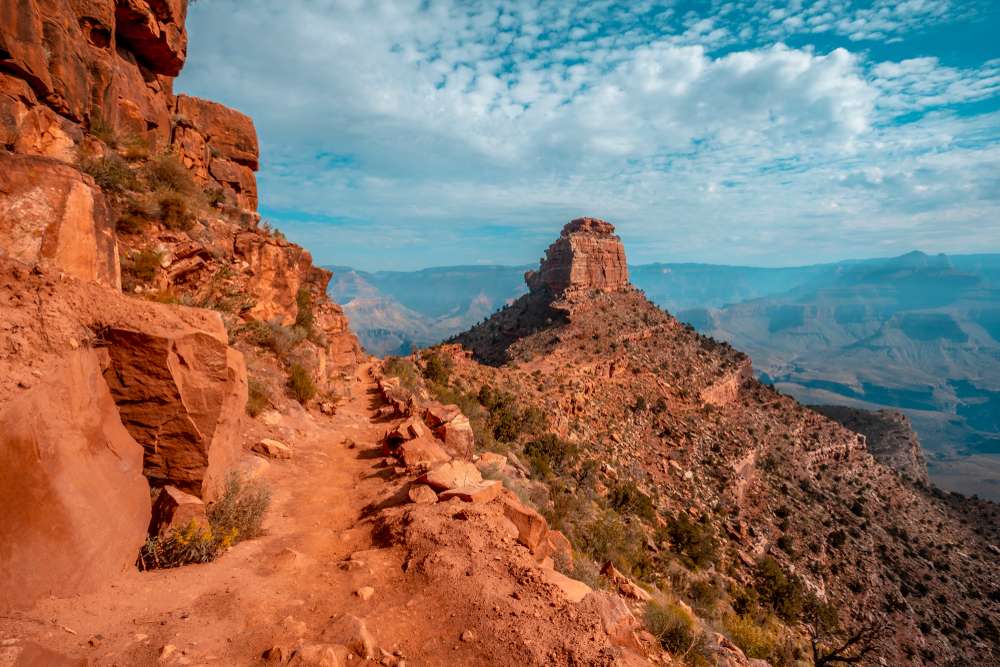
24 American Towns That Feel Like a Step Back Into Another Era
Traveling across the United States often means moving quickly between modern cities and busy highways, but some towns feel like they exist in a different timeline. Historic buildings, preserved traditions, and slower rhythms make these destinations feel refreshingly removed from modern trends. For U.S. travel enthusiasts, visiting these places offers a chance to experience architecture, culture, and daily life that still reflects earlier chapters of American history. Step into the past with 24 American Towns That Feel Like a Step Back Into Another Era.
St. Augustine
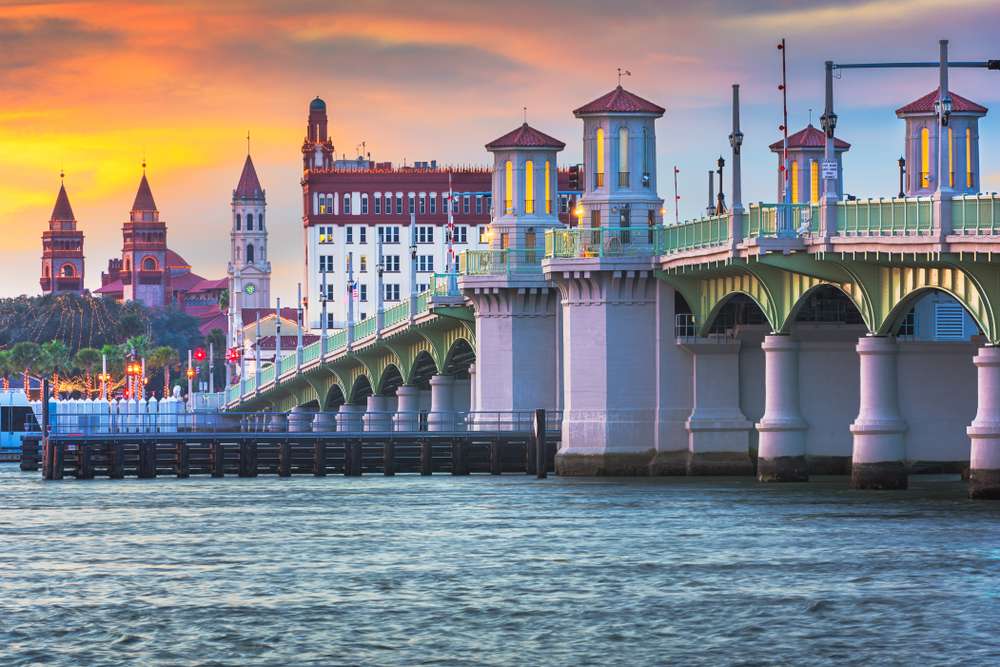
St. Augustine carries the distinction of being the oldest continuously inhabited European-established settlement in the United States. Walking through its historic district reveals cobblestone streets, centuries-old forts, and Spanish colonial architecture that shapes the town’s identity. Modern tourism exists, but the atmosphere still reflects earlier centuries of coastal history. Visitors exploring Florida travel destinations often find St. Augustine strikingly different from the state’s newer beach cities, thanks to its preserved landmarks and deep historical roots.
Deadwood

Deadwood still reflects the rough-and-tumble spirit of the Wild West era. Historic saloons, restored buildings, and reenactments help recreate the atmosphere of the 1870s gold rush boomtown. Visitors strolling along the main street feel the influence of frontier history everywhere. For U.S. road trips through the Black Hills region, Deadwood provides an immersive experience where the architecture and storytelling bring the Old West back to life.
Galena
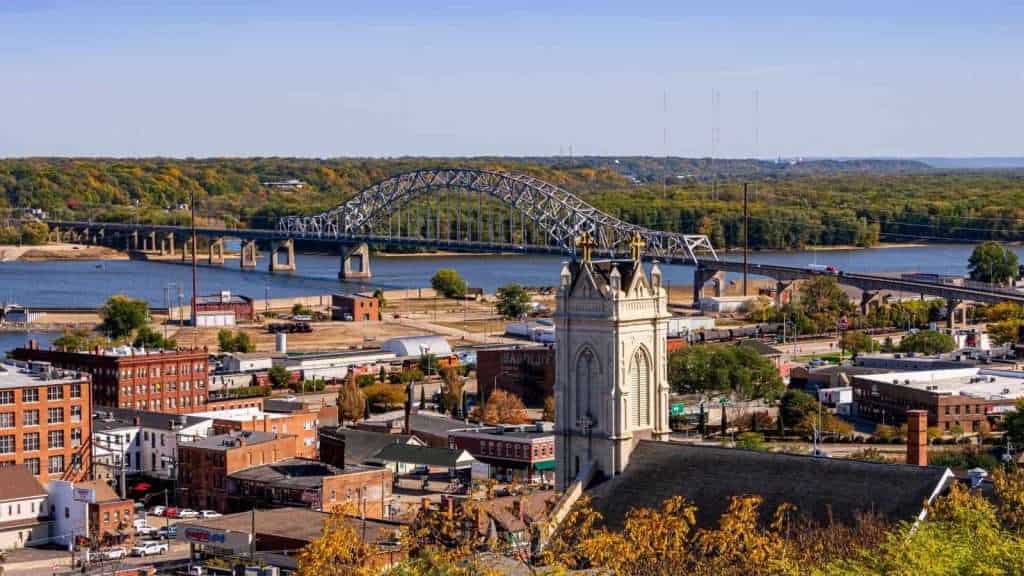
Galena feels strongly connected to the 19th century thanks to its preserved brick buildings and hillside streets. Much of the town’s architecture dates back to its mining boom years, and local preservation efforts have kept the downtown area remarkably intact. Independent shops and historic homes dominate the landscape. Travelers exploring Midwest U.S. travel destinations often find Galena refreshingly authentic compared with larger, modernized cities.
Williamsburg
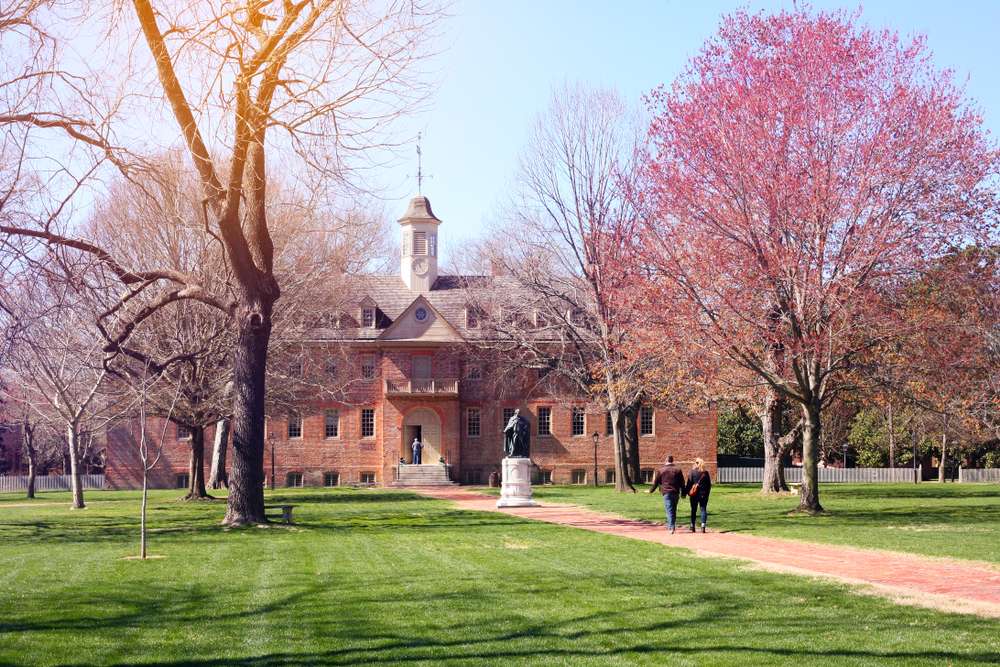
Williamsburg stands as one of the most immersive historical destinations in the country. Its colonial streets, period buildings, and costumed interpreters recreate life from the 1700s. While modern neighborhoods surround the historic core, the preserved district maintains an atmosphere that feels directly connected to early American history. For East Coast U.S. travel, Williamsburg offers an educational and atmospheric journey into the nation’s founding era.
Mackinac Island

Mackinac Island immediately feels different from most American destinations because automobiles are not allowed. Transportation relies on bicycles, horses, and walking, creating an atmosphere that reflects life before the modern car. Victorian architecture lines the streets, and the famous Grand Hotel reinforces the island’s historic identity. For Great Lakes U.S. travel, Mackinac Island offers a rare chance to experience a town operating at a slower, earlier pace.
Tombstone

Tombstone embraces its frontier heritage more than almost any town in the Southwest. Wooden sidewalks, saloons, and historic gunfight reenactments shape the visitor experience. Much of the town’s character remains tied to the famous events of the 1880s, including the legendary gunfight at the O.K. Corral. For Arizona travel itineraries, Tombstone delivers a vivid reminder of the American West’s dramatic past.
Cape May

Cape May stands out along the Atlantic coast because of its remarkable collection of Victorian homes and hotels. Colorful buildings, wraparound porches, and historic inns dominate the town’s appearance. Preservation rules have helped maintain the architectural character for decades. Travelers seeking East Coast U.S. travel experiences often find Cape May’s historic charm far removed from modern resort developments.
Bisbee

Bisbee began as a mining boomtown, and that heritage still shapes its steep streets and colorful buildings. The town’s historic district retains an early 20th-century atmosphere with narrow roads and vintage storefronts. Local culture celebrates creativity and individuality rather than large-scale tourism. For Southwest U.S. travel, Bisbee offers a quirky yet authentic glimpse into the region’s past.
Eureka Springs

Eureka Springs features winding streets that follow the hillsides rather than modern grid patterns. Victorian buildings, historic hotels, and preserved storefronts give the town a distinctive personality. The layout itself reflects an earlier era when the town developed around natural springs. Travelers exploring Arkansas travel destinations often describe Eureka Springs as one of the most atmospheric towns in the Ozarks.
Gettysburg

Gettysburg’s identity remains closely tied to the Civil War and the historic battle that took place there. Monuments, preserved fields, and historic homes surround the town. The downtown area reflects mid-19th-century architecture that reinforces its historical significance. For history-focused U.S. travel, Gettysburg offers a powerful sense of stepping into a defining moment in American history.
Fredericksburg
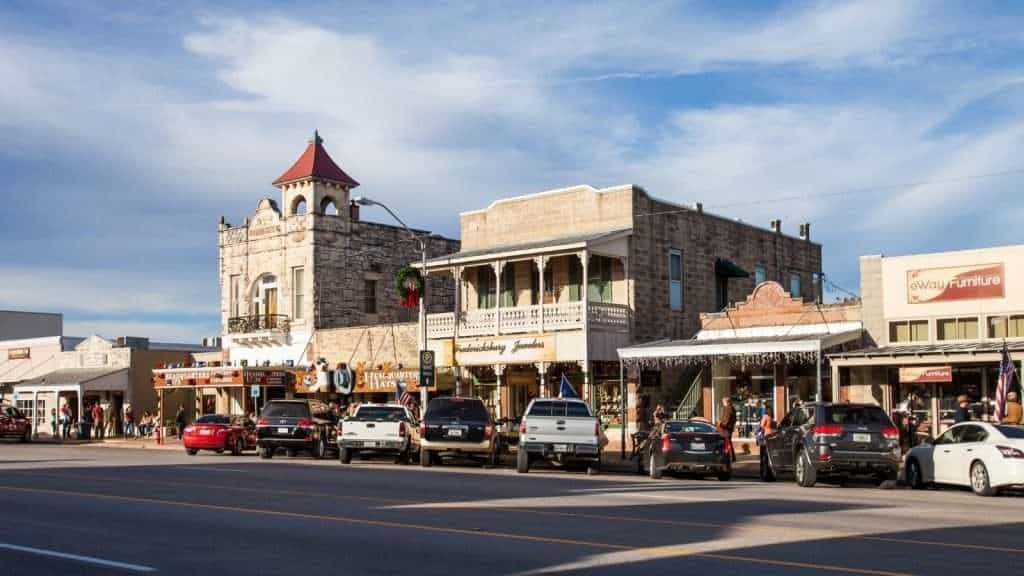
Fredericksburg blends German heritage with classic Texas Hill Country scenery. Historic limestone buildings and traditional festivals highlight the town’s cultural roots. Visitors often notice how local traditions remain central to daily life. For Texas travel enthusiasts, Fredericksburg offers an experience that reflects immigrant history and small-town heritage rather than modern urban development.
Port Townsend
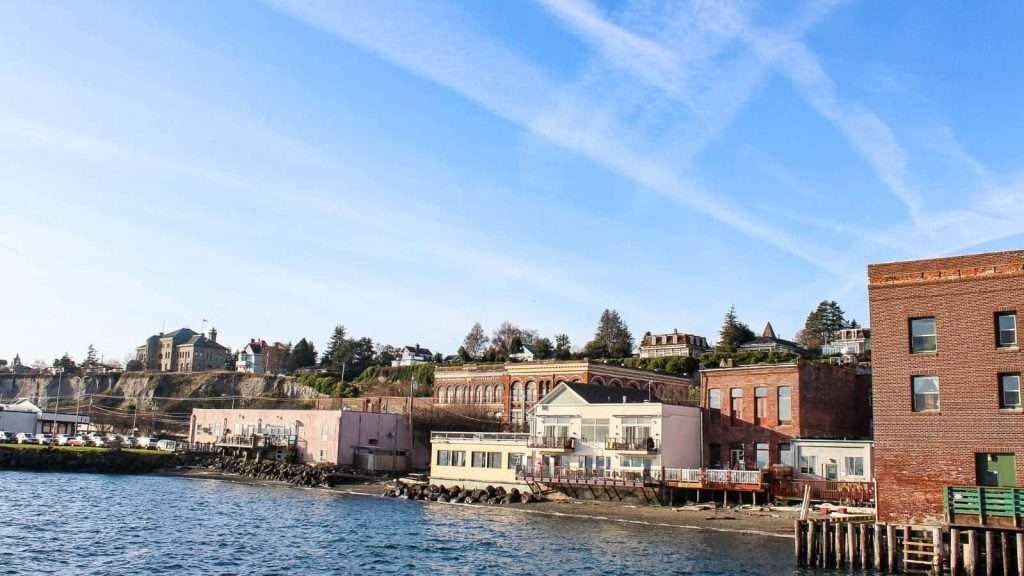
Port Townsend stands out for its beautifully preserved Victorian seaport architecture. Colorful historic buildings line the waterfront, reflecting the town’s maritime heritage. Local businesses often operate from structures that date back more than a century. In Pacific Northwest U.S. travel, Port Townsend feels like a historic harbor town that successfully resisted rapid modernization.
Leadville
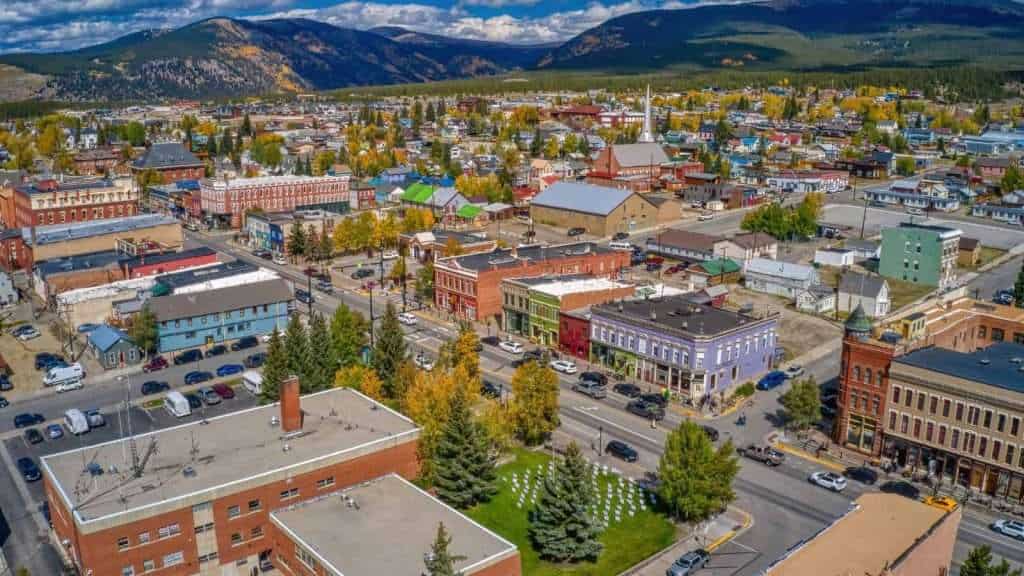
Leadville sits high in the Rocky Mountains and still reflects its silver mining boom of the late 1800s. Historic buildings line the main street, while the surrounding mountains reinforce the town’s rugged identity. Preservation efforts have maintained much of the original architecture. For Colorado travel, Leadville provides a rare chance to see a mining-era town that still feels authentic.
Hannibal
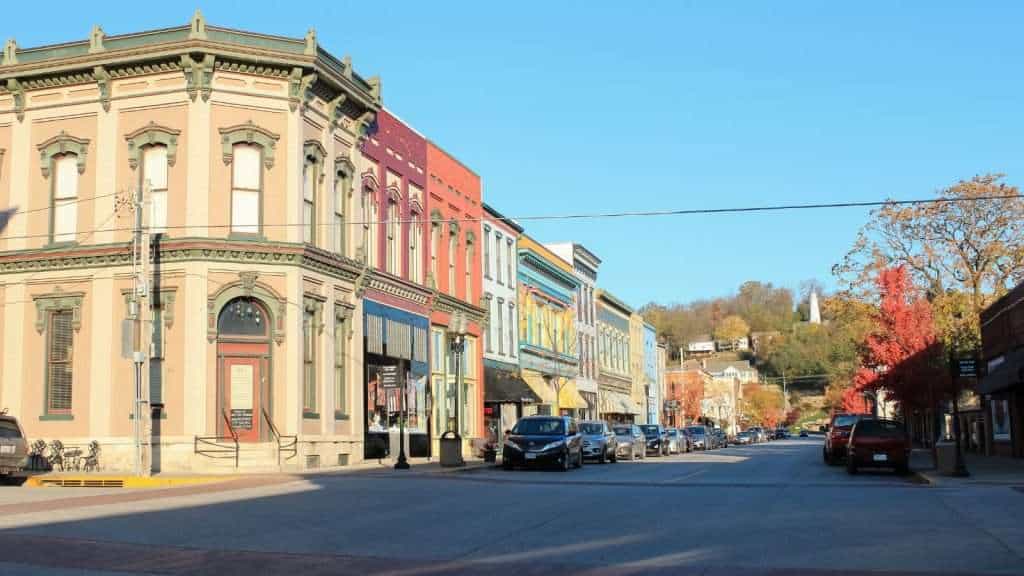
Hannibal’s historic riverfront and brick buildings evoke the atmosphere of 19th-century Mississippi River life. The town is closely connected to the legacy of Mark Twain, and many landmarks reflect that literary heritage. Walking along the river provides a glimpse into the region’s steamboat past. For Missouri travel, Hannibal offers a nostalgic look at classic river town culture.
Skagway
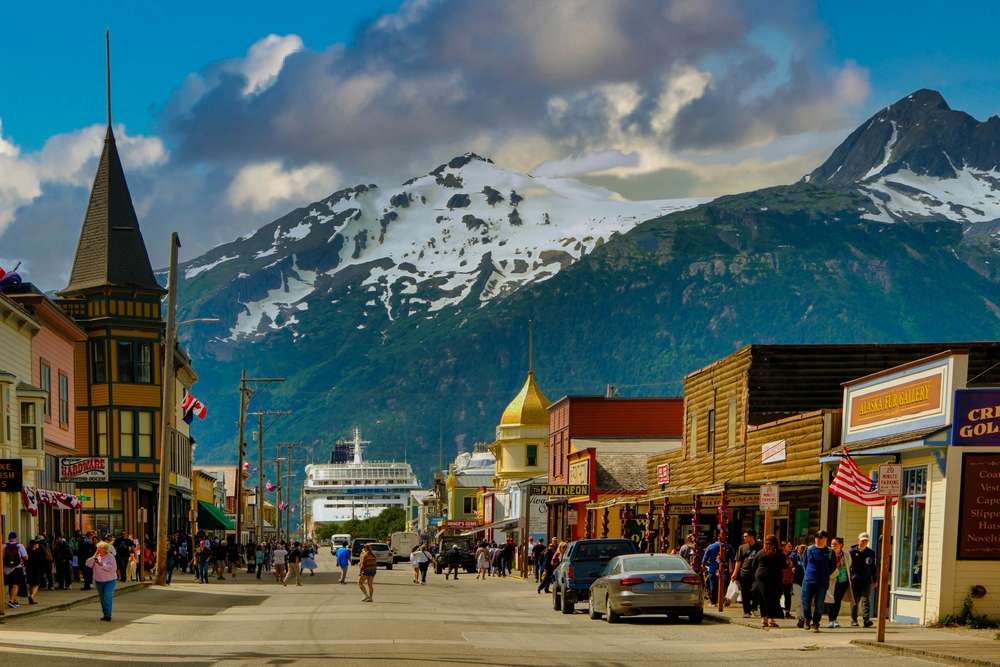
Skagway developed rapidly during the Klondike Gold Rush, and many of its original buildings remain today. Wooden boardwalks and historic storefronts reflect that dramatic period in Alaska’s history. The town still feels shaped by its frontier past. For Alaska travel experiences, Skagway delivers a vivid sense of stepping into the gold rush era.
Natchitoches
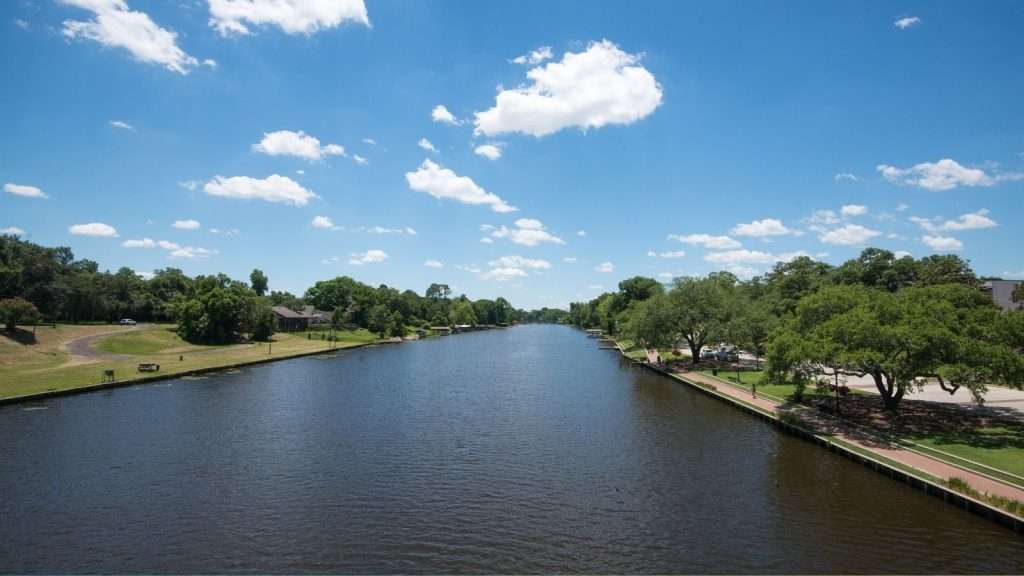
Natchitoches is the oldest permanent settlement in the Louisiana Purchase territory. Its historic district features French colonial architecture and a scenic riverfront. Cultural traditions remain an important part of local life. For Southern U.S. travel, Natchitoches combines history, cuisine, and community traditions that feel deeply rooted in earlier centuries.
Jim Thorpe
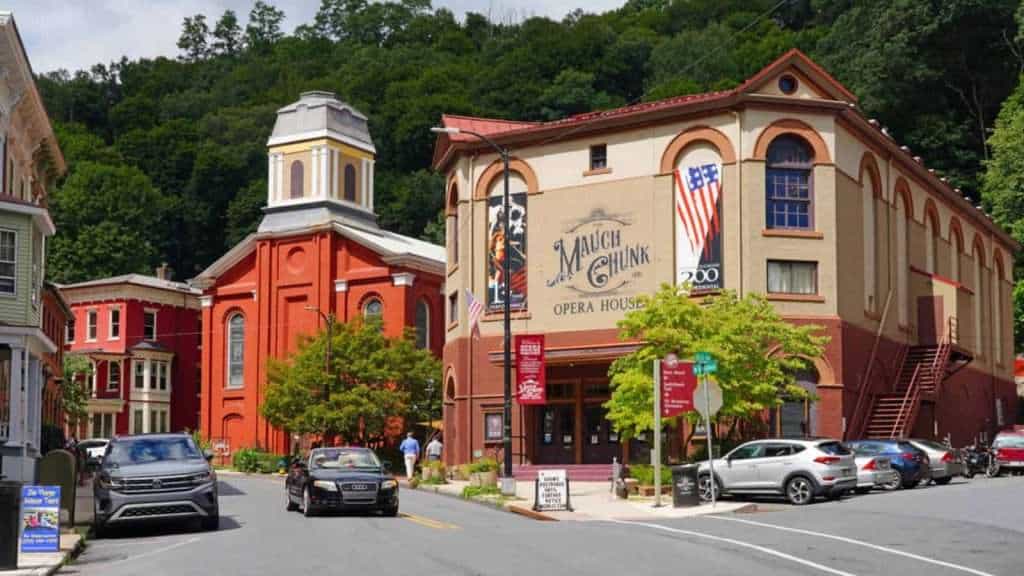
Jim Thorpe sits among the mountains of eastern Pennsylvania and reflects its Victorian-era prosperity. Historic homes, ornate buildings, and narrow streets create a striking setting. The town’s layout and architecture feel almost unchanged from the late 1800s. For Pennsylvania travel, Jim Thorpe offers one of the most picturesque historic downtowns in the region.
Stonington
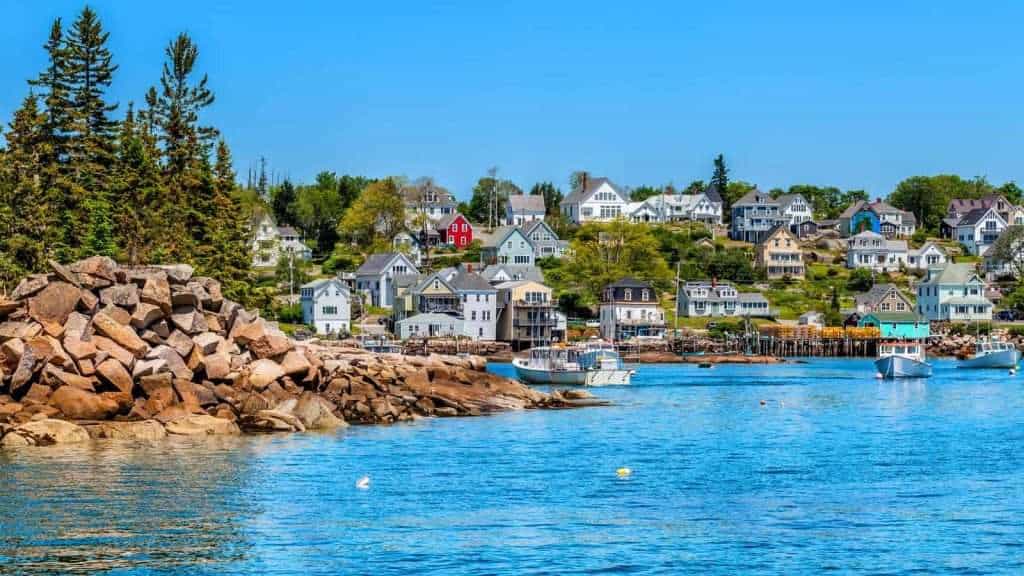
Stonington remains closely tied to its fishing heritage along the rugged Maine coastline. Lobster boats and working docks define the town’s daily rhythm. Historic buildings overlook the harbor, reinforcing the sense of continuity between past and present. For Maine travel, Stonington represents a coastal town where traditional maritime life still thrives.
Abingdon
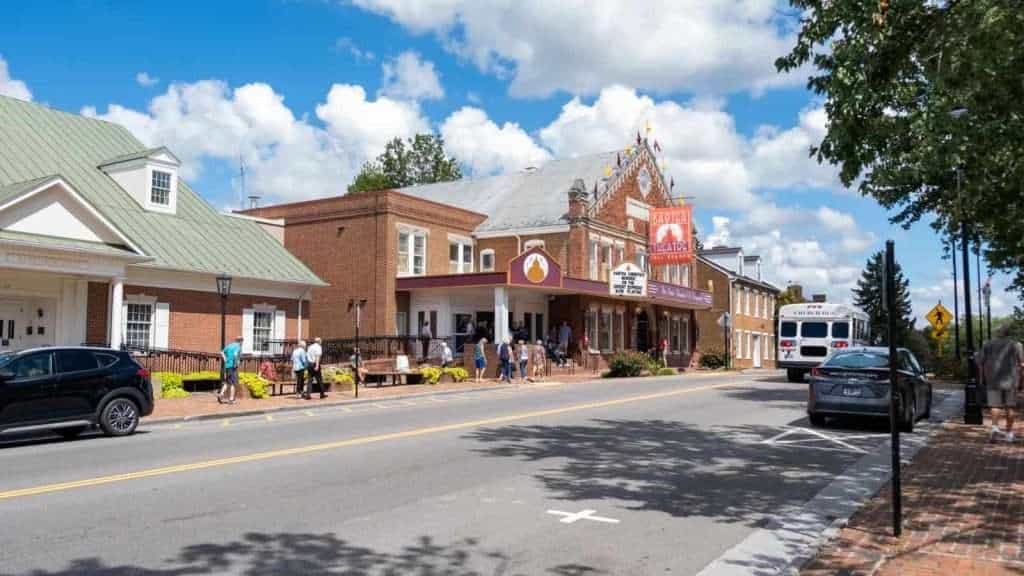
Abingdon blends Appalachian heritage with preserved historic architecture. Brick sidewalks, restored buildings, and long-standing local businesses give the town a timeless feel. Cultural institutions and music traditions remain central to community life. For Virginia travel, Abingdon highlights how small towns can maintain strong ties to regional history.
Chiricahua National Monument

Chiricahua National Monument features towering rock pinnacles and balanced stone formations that create one of the most unusual landscapes in the Southwest. Volcanic eruptions millions of years ago shaped these dramatic spires, which now rise across forested hills and desert valleys. Scenic drives and hiking trails wind through formations that seem almost sculpted by hand. Despite its striking beauty, the monument receives far fewer visitors than nearby national parks. For Arizona travel and scenic U.S. road trips, Chiricahua offers an unforgettable landscape that many travelers overlook.
Astoria
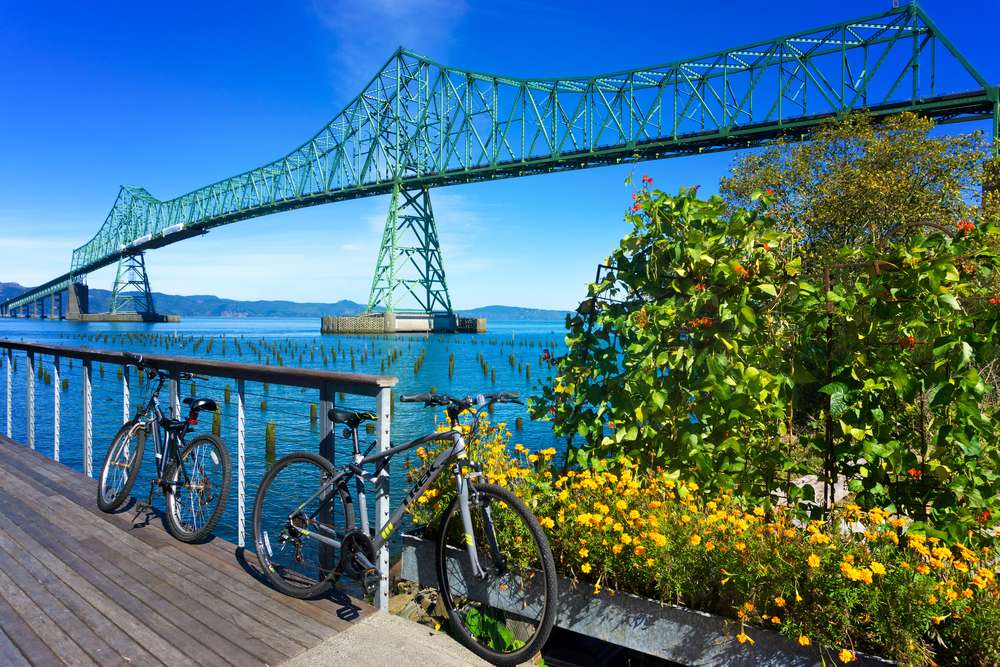
Astoria sits where the Columbia River meets the Pacific Ocean, and its historic downtown reflects decades of maritime history. Victorian homes climb the hills overlooking the harbor, while old warehouses have been preserved along the waterfront. The town’s architecture and coastal setting combine to create a distinctive atmosphere. For Oregon travel, Astoria provides a memorable step back into America’s maritime past.
Marfa

Marfa developed as a railroad and ranching town but later became known for its art community. Despite new cultural influences, the town’s quiet streets and historic buildings maintain an earlier-era feel. Wide open landscapes surrounding the town reinforce its isolation. For West Texas travel, Marfa offers a blend of frontier history and creative expression.
Harpers Ferry

Harper’s Ferry sits at the meeting point of two rivers and played an important role in American history. The preserved streets and buildings reflect life from the mid-1800s. Visitors often explore narrow alleys, historic shops, and scenic overlooks. For Appalachian U.S. travel, Harper’s Ferry captures the atmosphere of a town shaped by both natural beauty and historical events.
Solvang
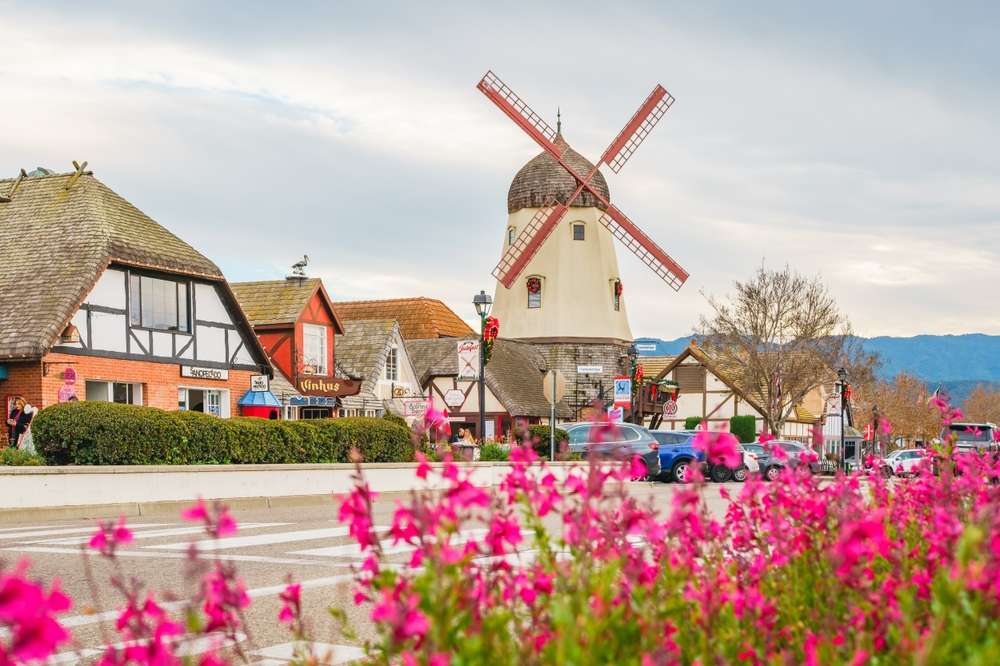
Solvang stands out in California because of its Danish-inspired architecture and cultural traditions. Windmills, European-style storefronts, and bakeries give the town a distinctive identity. Festivals and local cuisine highlight its heritage throughout the year. For California travel experiences, Solvang feels like stepping into a European village that somehow found its place in the American West.

Deborah Montiero is a seasoned travel writer and contributor to Probe the Globe. With a passion for uncovering hidden gems and sharing immersive travel experiences, Deborah’s work highlights must-visit destinations, insider tips, and practical advice for travelers of all types. Whether exploring bustling cities or remote escapes, her articles are crafted to inspire and inform, making her a trusted voice in the travel community.
Her storytelling weaves together cultural insights, logistical tips, and authentic experiences, making her a valuable resource for readers seeking unforgettable journeys.
When not writing, Deborah is likely researching the latest travel trends or planning her next adventure. Follow her work on Probe the Globe for fresh perspectives and up-to-date travel inspiration.