23 American Zoos and Aquariums With Controversies They Don’t Advertise
American zoos and aquariums are major stops for U.S. travel, especially for families planning city vacations and road trips. They are marketed as places of education, conservation, and entertainment, drawing millions of visitors each year. Behind the exhibits and promotional language, however, many facilities carry complicated histories or ongoing criticisms that rarely appear in brochures. We take a look at 23 American Zoos and Aquariums With Controversies They Don’t Advertise.
SeaWorld Orlando, Florida

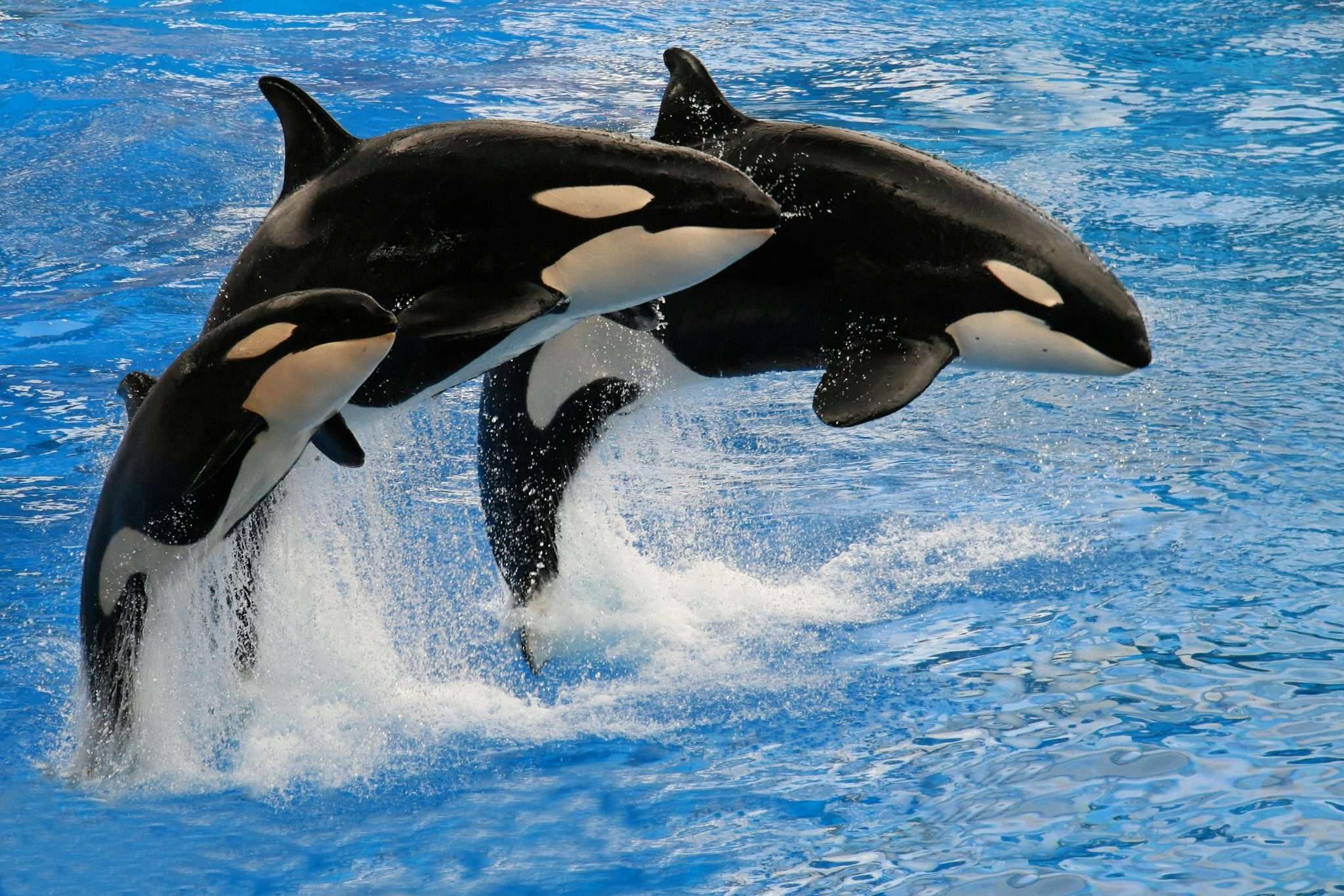
SeaWorld Orlando remains one of the most recognizable animal attractions in U.S. travel, yet it has faced decades of criticism regarding orca captivity. Former trainers and animal welfare advocates have raised concerns about confined tank sizes and the psychological impact on whales. High-profile incidents and documentaries brought internal practices into public view, but many visitors remain unaware of ongoing debates about breeding programs and animal longevity compared to wild populations.
SeaWorld San Diego, California

The San Diego location carries similar controversies tied to killer whale shows and marine mammal care. While presentation formats have changed over the years, critics argue the underlying issue of confinement remains unresolved. Reports of shortened lifespans and behavioral abnormalities continue to follow the park. Tourists focused on West Coast U.S. travel may not realize how much regulatory pressure and public scrutiny this facility has faced.
Miami Seaquarium, Florida

Miami Seaquarium has long been criticized for the living conditions of its marine mammals, particularly its aging orca. Animal rights organizations have documented concerns about tank size, water quality, and limited social interaction. Despite its beachfront location and popularity with Florida travelers, the facility has repeatedly been cited by regulators, making it one of the most debated marine attractions in American travel discussions.
Bronx Zoo, New York

As one of the largest metropolitan zoos in the world, the Bronx Zoo has faced controversy over exhibit design and past animal treatment practices. Historic displays once emphasized spectacle over welfare, and while many have been updated, critics argue some enclosures remain outdated. The zoo has also been scrutinized for handling of animal escapes and deaths, topics rarely highlighted to visitors exploring New York City attractions.
Central Park Zoo, New York

The Central Park Zoo’s small footprint has drawn criticism regarding limited space for animals. Located in one of the most visited urban parks in the U.S., the zoo operates under spatial constraints that affect animal movement and enrichment. Past incidents involving animal health and enclosure safety have sparked debate, even as tourists on city travel itineraries often see it as a charming stop.
Lincoln Park Zoo, Chicago

Lincoln Park Zoo is free and widely praised, but it has faced controversy over animal deaths linked to enclosure conditions and weather exposure. Chicago’s harsh winters have raised concerns about certain species’ comfort and health. While improvements have been made, critics argue that some habitats still prioritize visitor access over animal well-being, a recurring theme in Midwestern U.S. travel attractions.
Brookfield Zoo, Illinois

Brookfield Zoo has encountered criticism related to breeding programs and animal transfers. Animal welfare groups have questioned the ethics of moving animals between facilities for genetic diversity while minimizing stress. Past incidents involving animal escapes and exhibit safety have also drawn attention. These issues are rarely discussed by visitors planning family-focused American travel experiences.
Dallas Zoo, Texas

The Dallas Zoo has faced scrutiny over animal deaths and enclosure maintenance. Investigations into infrastructure issues and staff oversight followed several high-profile incidents. Although the zoo emphasizes conservation and education, critics argue transparency has been inconsistent. Travelers exploring Texas attractions may not realize how often the facility has been forced to address internal operational concerns.
Houston Zoo, Texas

Houston Zoo has been praised for modernization efforts, yet it has not escaped controversy. Past flooding events raised serious questions about emergency preparedness and animal evacuation plans. Critics also point to breeding decisions and exhibit crowding. While the zoo is a major stop for Southern U.S. travel, these challenges remain largely behind the scenes.
Los Angeles Zoo, California

The Los Angeles Zoo has drawn criticism over enclosure sizes, particularly for elephants and large mammals. Animal rights advocates have cited physical and psychological health concerns related to space limitations. Lawsuits and public protests have followed the zoo for years, though many visitors focused on California travel itineraries are unaware of the depth of these disputes.
San Diego Zoo, California

Often considered one of the best zoos in the world, the San Diego Zoo still faces criticism over animal transfers and exhibit realism. Some conservationists argue that certain species are showcased more for tourism than genuine preservation needs. While the zoo’s reputation remains strong in U.S. travel marketing, critics question how conservation claims align with daily operations.
San Francisco Zoo, California

San Francisco Zoo has a history marked by serious incidents, including animal escapes and visitor injuries. Past tragedies prompted reviews of enclosure safety and emergency response. Although upgrades have been implemented, the zoo’s record continues to influence public perception. Travelers visiting Northern California attractions may not hear about these past controversies on-site.
Oregon Zoo, Portland

The Oregon Zoo has faced criticism related to elephant welfare and breeding programs. Animal advocates have raised concerns about social grouping and space limitations. Public debates over whether elephants should remain in the zoo have been ongoing for years. These discussions rarely surface in tourism-focused descriptions aimed at Pacific Northwest travel audiences.
Woodland Park Zoo, Seattle

Woodland Park Zoo emphasizes naturalistic exhibits, yet it has been criticized for animal deaths linked to climate adaptation issues. Certain species struggled with temperature extremes, sparking questions about habitat planning. While the zoo remains popular with visitors exploring Seattle, these internal challenges are not commonly part of its public narrative.
National Aquarium, Baltimore

The National Aquarium has faced scrutiny over dolphin captivity and breeding practices. Public pressure eventually led to plans to retire dolphins from exhibits, but critics argue the decision came too late. As a major East Coast U.S. travel attraction, the aquarium’s past resistance to reform remains a point of contention.
Shedd Aquarium, Chicago

Shedd Aquarium has been criticized for marine mammal housing and transport practices. Concerns over beluga whale health and relocation have drawn attention from advocacy groups. While the aquarium promotes research and conservation, skeptics argue that entertainment still plays too large a role in decision-making for animals on display.
Georgia Aquarium, Atlanta

Once home to whale sharks, the Georgia Aquarium faced backlash over importing large marine animals from overseas. Critics questioned the ethics of capture and long-distance transport. Although the aquarium no longer brings in whale sharks, its history remains controversial. Visitors planning Southeastern U.S. travel may not know how intense the opposition once was.
Audubon Aquarium, New Orleans

The Audubon Aquarium has dealt with criticism related to hurricane preparedness and animal safety. Past storms raised questions about evacuation plans and structural resilience. While improvements followed, animal welfare organizations continue to monitor the facility. These concerns are seldom highlighted to tourists visiting Louisiana as part of their U.S. travel plans.
Columbus Zoo, Ohio

Columbus Zoo has faced controversy tied to financial management and animal care oversight. Investigations into leadership decisions brought unwanted attention to the institution. Additionally, some breeding and transfer practices have been questioned. Despite its popularity among Midwest travelers, these issues are rarely discussed in promotional materials.
Cincinnati Zoo, Ohio

The Cincinnati Zoo became widely known after a tragic animal incident involving a gorilla. Beyond that event, the zoo has faced criticism over enclosure safety and visitor barriers. While safety measures have since been updated, the incident continues to shape public debate about zoo design and responsibility in American travel destinations.
Memphis Zoo, Tennessee

Memphis Zoo has drawn criticism over exhibit renovations that displaced animals for extended periods. Concerns about temporary housing conditions surfaced during construction projects. Although upgrades aimed to improve visitor experience, animal welfare groups questioned whether animals bore unnecessary stress during transitions, an issue rarely addressed to tourists.
St. Louis Zoo, Missouri

The St. Louis Zoo has been scrutinized for animal deaths linked to environmental conditions and enclosure design. While it remains free and popular, critics argue that certain habitats lack sufficient complexity. For travelers planning budget-friendly U.S. travel, the zoo’s challenges are not often part of the conversation.
Denver Zoo, Colorado

Denver Zoo has faced debate over its suitability for certain species due to altitude and climate. Critics argue that animals adapted to warmer environments may struggle. While the zoo has made adjustments, questions remain. Visitors exploring Rocky Mountain region attractions may not realize how geography itself has been a point of controversy for the facility.

Deborah Montiero is a seasoned travel writer and contributor to Probe the Globe. With a passion for uncovering hidden gems and sharing immersive travel experiences, Deborah’s work highlights must-visit destinations, insider tips, and practical advice for travelers of all types. Whether exploring bustling cities or remote escapes, her articles are crafted to inspire and inform, making her a trusted voice in the travel community.
Her storytelling weaves together cultural insights, logistical tips, and authentic experiences, making her a valuable resource for readers seeking unforgettable journeys.
When not writing, Deborah is likely researching the latest travel trends or planning her next adventure. Follow her work on Probe the Globe for fresh perspectives and up-to-date travel inspiration.