21 American National Park Spots Rangers Wish Tourists Would Stop Crowding
America’s national parks were created to protect wild landscapes, not to become backdrops for traffic jams and crowded overlooks. As U.S. travel continues to surge, certain park locations have become overwhelmed by visitors chasing the same iconic photos and viewpoints. Rangers often stress that crowding damages ecosystems, strains infrastructure, and diminishes the very experience people come to enjoy. This article explores 21 American National Park Spots Rangers Wish Tourists Would Stop Crowding.
Delicate Arch, Arches National Park

Delicate Arch has become one of the most recognizable images in U.S. travel, and that fame has come at a cost. Rangers report constant congestion along the trail, long waits at the viewpoint, and visitors leaving designated paths. The fragile desert environment struggles to recover from heavy foot traffic. While the arch itself is stunning, the crowds often block the quiet, reflective experience the park was meant to offer.
Old Faithful, Yellowstone National Park
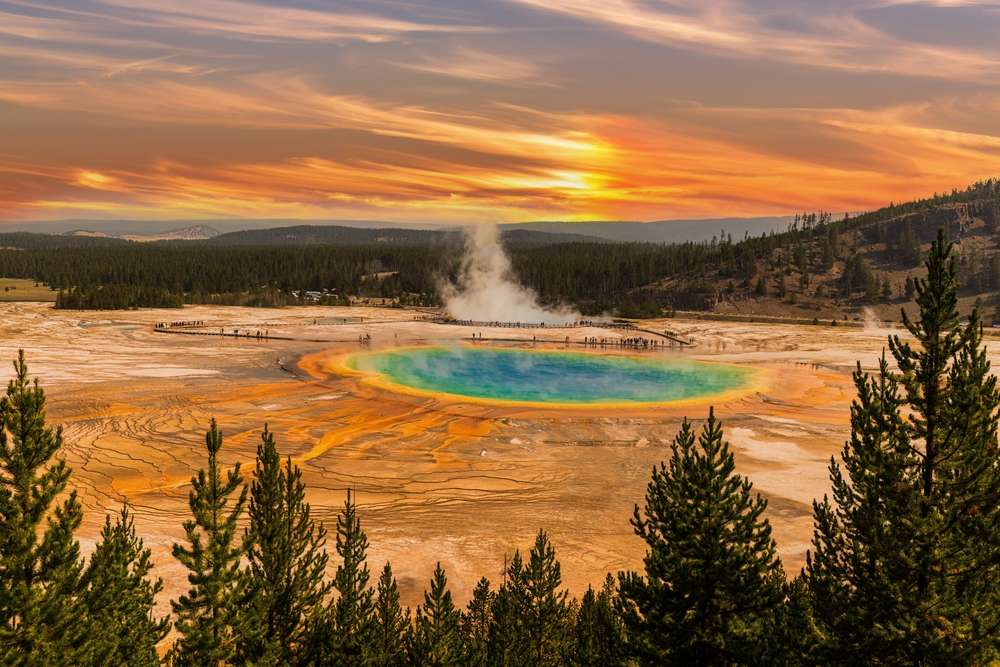
Old Faithful’s predictable eruptions draw massive crowds throughout the day. Boardwalks become packed, wildlife movement is disrupted, and visitors often stray from safe distances. Rangers emphasize that Yellowstone offers thousands of geothermal features, many far less crowded. Concentrating visitors at one site creates unnecessary strain and detracts from broader park exploration within this iconic U.S. travel destination.
Zion Canyon Scenic Drive, Zion National Park

Zion Canyon’s dramatic cliffs funnel visitors into a narrow corridor. Rangers regularly manage traffic congestion, shuttle overloads, and safety issues caused by crowding. Popular stops become bottlenecks, making emergency access more difficult. While Zion’s beauty is undeniable, overuse of the main canyon leaves much of the park underappreciated and overstressed.
Mather Point, Grand Canyon National Park

Mather Point is often the first stop for visitors, and its accessibility makes it perpetually crowded. Rangers note that many people never venture beyond this overlook, missing quieter viewpoints nearby. Heavy foot traffic causes erosion along rim paths. The Grand Canyon offers countless perspectives, yet crowds concentrate in one small area.
Cadillac Mountain Summit, Acadia National Park
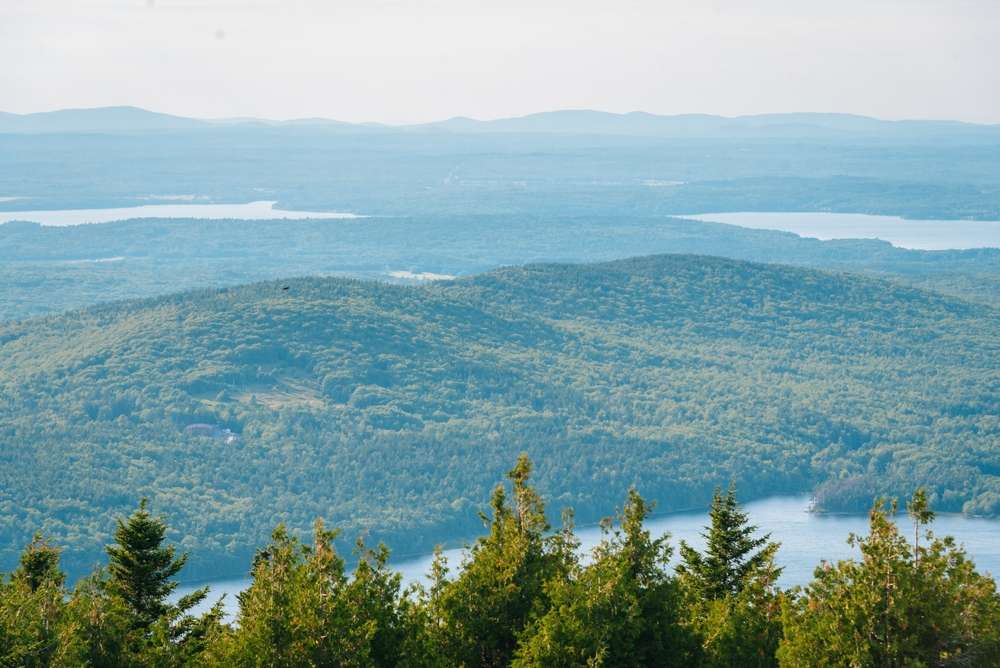
Cadillac Mountain’s sunrise reputation has turned it into one of Acadia’s most congested spots. Rangers manage traffic controls to prevent gridlock, yet crowds persist. Noise, litter, and trail damage are ongoing concerns. While the view is memorable, the experience often feels rushed and crowded, conflicting with Acadia’s peaceful coastal atmosphere.
Yosemite Valley, Yosemite National Park

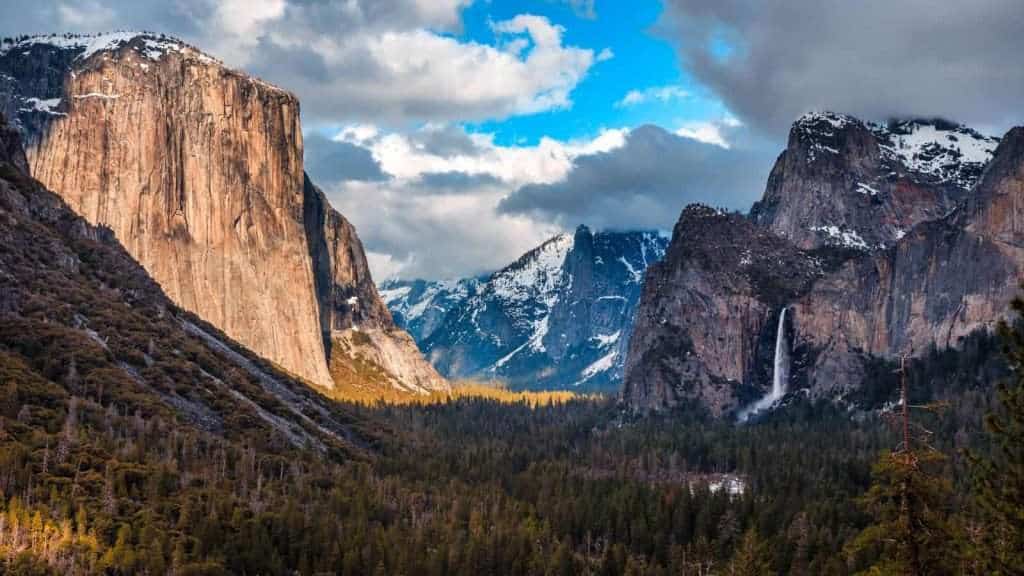
Yosemite Valley concentrates iconic sights into a relatively small space, attracting overwhelming numbers of visitors. Rangers report traffic jams, parking shortages, and increased wildlife conflicts. Meadows and riverbanks suffer from trampling. While Yosemite Valley is central to U.S. travel imagery, its popularity overshadows vast, quieter areas of the park.
Angels Landing, Zion National Park

Angels Landing’s narrow spine and steep drop-offs make crowding especially dangerous. Rangers cite safety concerns, delays, and increased rescue operations. Even with permit systems, congestion persists. The trail’s popularity often creates anxiety rather than awe, transforming a dramatic hike into a high-risk bottleneck.
Emerald Lake Trail, Rocky Mountain National Park

This popular trail sees heavy use due to its accessibility and scenic payoff. Rangers note trail widening, vegetation damage, and wildlife disturbance. Visitors often cluster at the lake, limiting the sense of solitude many seek in U.S. travel. Nearby trails offer similar beauty with fewer impacts, yet remain overlooked.
Half Dome Cables, Yosemite National Park
Half Dome’s cable route attracts thrill-seekers from around the world. Rangers manage permit systems to control numbers, but crowding still poses safety risks. Congestion slows climbers and increases fall potential. The intense focus on this single challenge overshadows Yosemite’s diverse backcountry opportunities.
South Rim Village, Grand Canyon National Park

The South Rim Village experiences constant foot and vehicle traffic. Rangers struggle with waste management, parking shortages, and pedestrian safety. Many visitors stay within this developed area, rarely exploring trails below the rim. Overcrowding diminishes the grandeur of one of the most iconic U.S. travel landscapes.
Glacier Point, Yosemite National Park
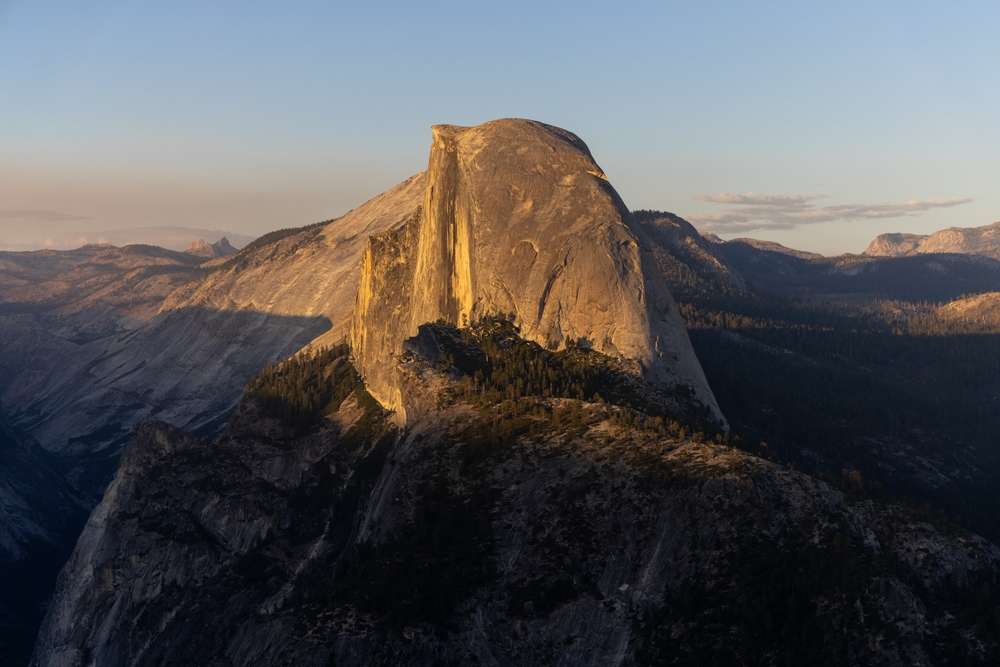
Glacier Point’s sweeping views attract large crowds, especially during peak seasons. Rangers note that traffic backups and packed viewing areas reduce enjoyment and increase environmental wear. Visitors often spend only minutes here, contributing to congestion without meaningful engagement. Yosemite offers numerous viewpoints that remain comparatively quiet.
Bear Lake Corridor, Rocky Mountain National Park

The Bear Lake area serves as a gateway to several popular hikes, leading to intense congestion. Rangers manage timed entry systems to reduce crowding, yet demand remains high. Trailhead parking fills early, and nearby ecosystems feel the impact. The corridor’s popularity overshadows less-visited areas of the park.
Mesa Arch, Canyonlands National Park
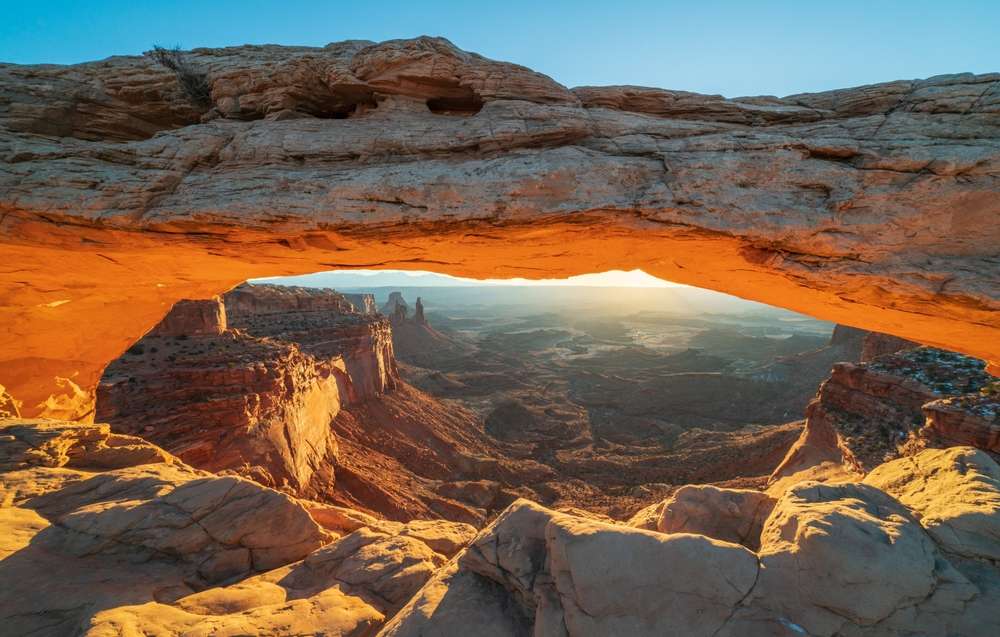
Mesa Arch’s sunrise photography fame draws crowds well before dawn. Rangers report trampled cryptobiotic soil and congestion along narrow trails. The rush to capture images often leads visitors to overlook the surrounding canyon landscape. This focus on one spot creates disproportionate environmental stress.
Logan Pass, Glacier National Park

Logan Pass serves as a hub for popular trails and scenic views. Rangers manage limited parking and heavy foot traffic throughout the day. Alpine vegetation is particularly vulnerable to trampling. Despite its beauty, Logan Pass’s popularity detracts from Glacier’s broader wilderness character within U.S. travel experiences.
Bryce Amphitheater, Bryce Canyon National Park
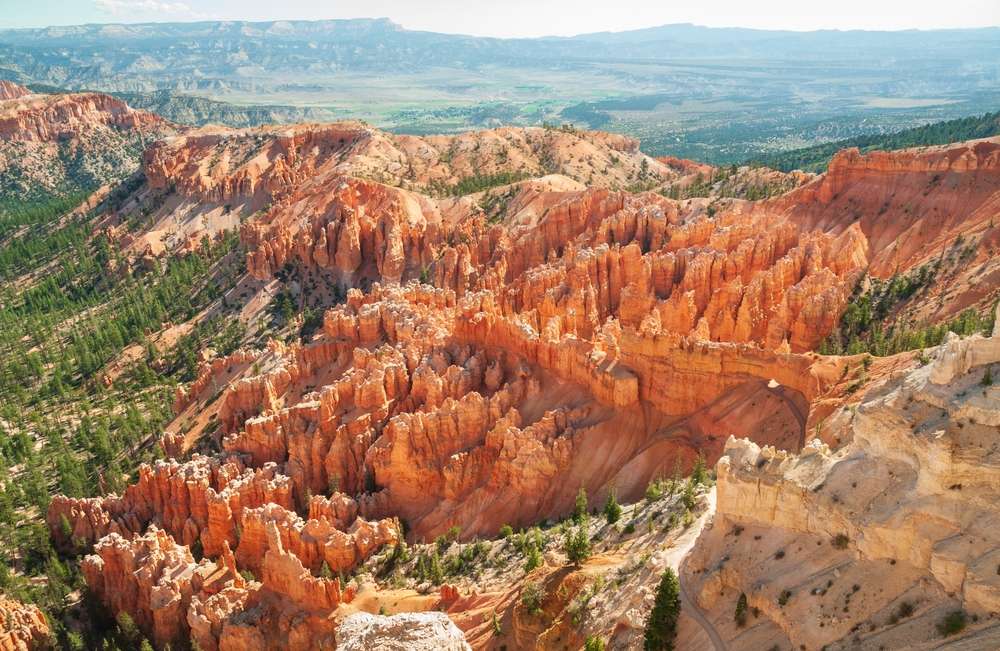
The amphitheater’s hoodoos draw visitors in large numbers, especially at sunrise and sunset. Rangers report crowding at overlooks and trail entrances. Heavy use accelerates erosion on fragile paths. While visually striking, the amphitheater’s popularity overshadows quieter sections of the park that offer similar geology.
Hoh Rain Forest Hall of Mosses, Olympic National Park
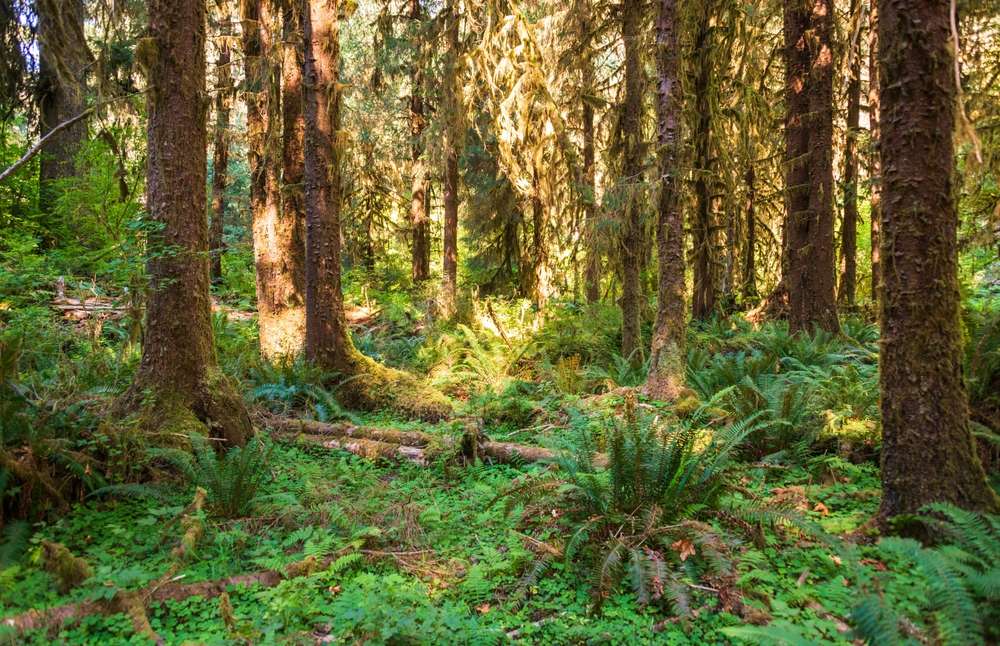
This short loop trail attracts heavy foot traffic due to its accessibility and scenery. Rangers monitor soil compaction and root damage caused by visitors stepping off paths. Crowding diminishes the rainforest’s quiet atmosphere. Olympic National Park offers many other forested areas with fewer impacts.
Jenny Lake, Grand Teton National Park

Jenny Lake’s boat shuttle and trail system concentrate visitors along the shoreline. Rangers manage long lines, packed trails, and wildlife concerns. The lake’s popularity often leads to a rushed experience. Grand Teton’s expansive landscapes offer many alternatives that remain less crowded
Badwater Basin, Death Valley National Park

As the lowest point in North America, Badwater Basin draws curious visitors year-round. Rangers note that boardwalk crowding and off-trail walking damage salt flats. Extreme heat adds safety concerns. The focus on this single location overshadows Death Valley’s vast and varied terrain.
Trail Ridge Road Pullouts, Rocky Mountain National Park

Scenic pullouts along Trail Ridge Road often become congested, creating traffic hazards. Rangers report vehicles stopping unpredictably and visitors stepping into roadways. Alpine tundra near pullouts suffers from trampling. While the views are dramatic, congestion disrupts both safety and scenery.
Devils Tower Base Trail, Devils Tower National Monument
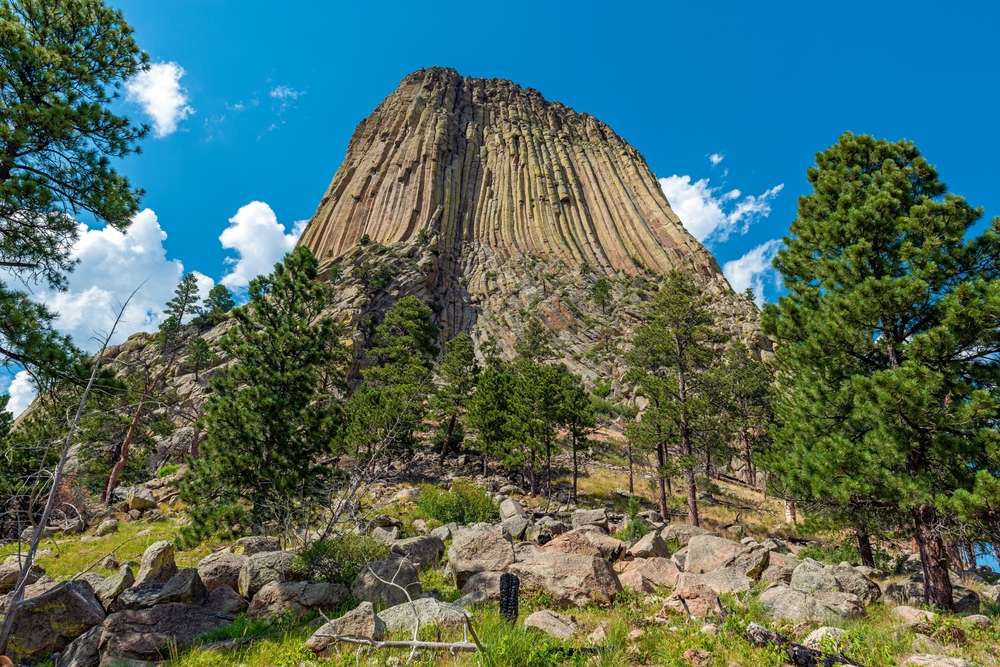
The base trail circles the tower and draws steady crowds throughout the day. Rangers emphasize cultural sensitivity, as the site holds deep spiritual significance for Native tribes. Overcrowding can detract from respectful engagement. Devils Tower’s popularity requires careful balance between access and preservation.
South Kaibab Trailhead, Grand Canyon National Park
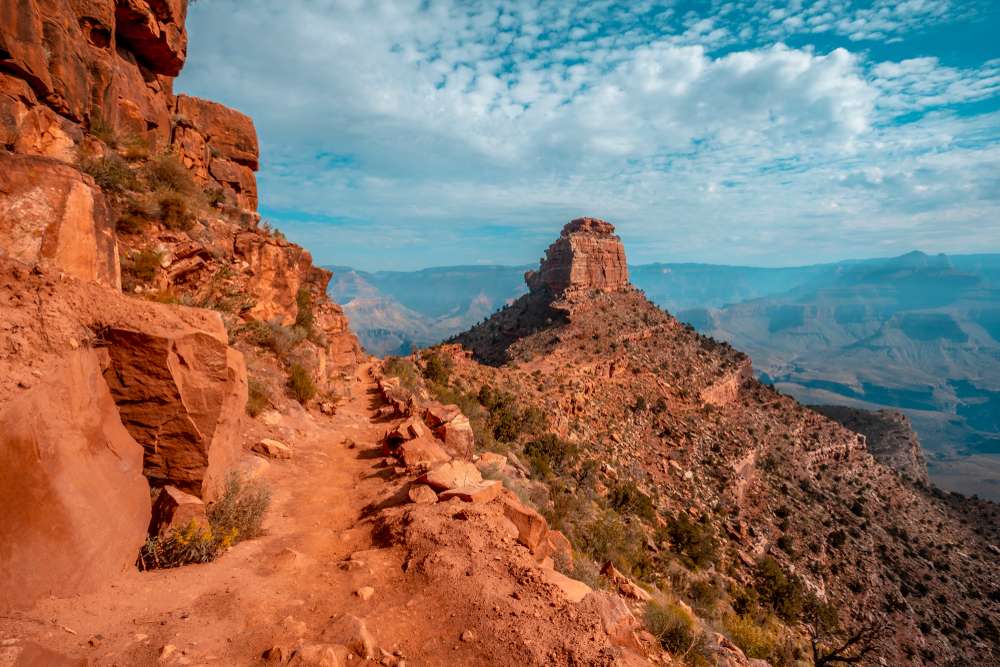
This trailhead sees heavy use from hikers and mule trains alike. Rangers manage congestion, safety risks, and trail wear. Many visitors underestimate the difficulty, adding to rescue demands. The popularity of this access point strains resources and limits quieter trail experiences elsewhere in the park.

Deborah Montiero is a seasoned travel writer and contributor to Probe the Globe. With a passion for uncovering hidden gems and sharing immersive travel experiences, Deborah’s work highlights must-visit destinations, insider tips, and practical advice for travelers of all types. Whether exploring bustling cities or remote escapes, her articles are crafted to inspire and inform, making her a trusted voice in the travel community.
Her storytelling weaves together cultural insights, logistical tips, and authentic experiences, making her a valuable resource for readers seeking unforgettable journeys.
When not writing, Deborah is likely researching the latest travel trends or planning her next adventure. Follow her work on Probe the Globe for fresh perspectives and up-to-date travel inspiration.