22 U.S. Subway and Metro Stations Riders Swear Feel Wrong at Night
Late-night public transit is a core part of U.S. travel, especially in big American cities where subway and metro systems never fully sleep. After dark, familiar platforms can feel different as crowds thin, sounds echo, and lighting takes on a harsher tone. Riders across the country regularly swap stories about stations that spark unease for reasons ranging from design quirks to long local histories.
Times Square–42nd Street, New York City

Times Square–42nd Street is one of the busiest transit hubs in the United States by day, connecting multiple subway lines under Midtown Manhattan. At night, the scale of the station can feel overwhelming, with long corridors, sudden bursts of empty space, and constant background noise. Flickering advertisements, performers packing up, and fewer commuters make the environment feel disjointed. For U.S. travel newcomers, the contrast between the neon streets above and the cavernous underground below can be unsettling after midnight.
34th Street–Penn Station, New York City
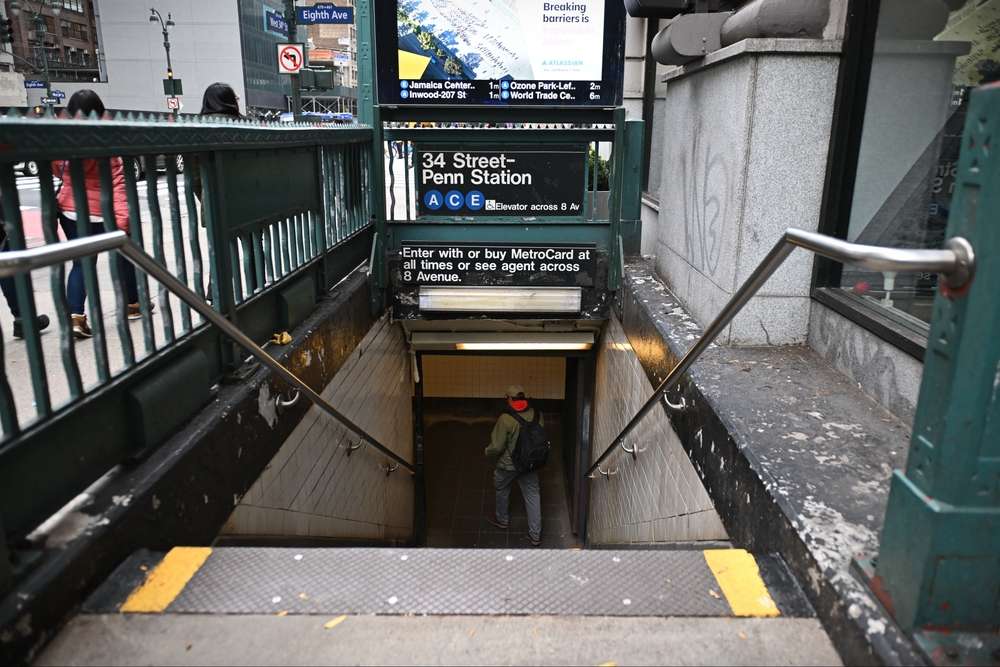
Beneath Penn Station, the subway platforms serve late-night travelers, Amtrak passengers, and people waiting out the night. The mix of exhausted commuters, travelers hauling luggage, and heavy police presence gives the station a tense feel. Low ceilings and constant announcements echo loudly, even when platforms are half empty. Many riders say the station never fully relaxes, making it one of the more stressful stops for urban travel USA at night.
Jackson Heights–Roosevelt Avenue, Queens

This Queens station is a major transfer point between subway lines and the elevated tracks above Roosevelt Avenue. At night, the combination of overhead trains, dark corners, and fast-moving traffic below creates sensory overload. Food carts and shops close, leaving behind shuttered storefronts and shadows. Riders often mention feeling watched due to the station’s open design, which amplifies sound and movement during late-night U.S. travel.
145th Street Station, Harlem

The 145th Street stations serving the A, B, C, and D lines are known for deep platforms and long elevator rides. Late at night, the sparse crowds and echoing tunnels can feel isolating. The distance from street level makes some riders uneasy, especially when waiting alone. While Harlem is vibrant and historic, this particular station’s depth adds to its reputation for feeling off after dark.
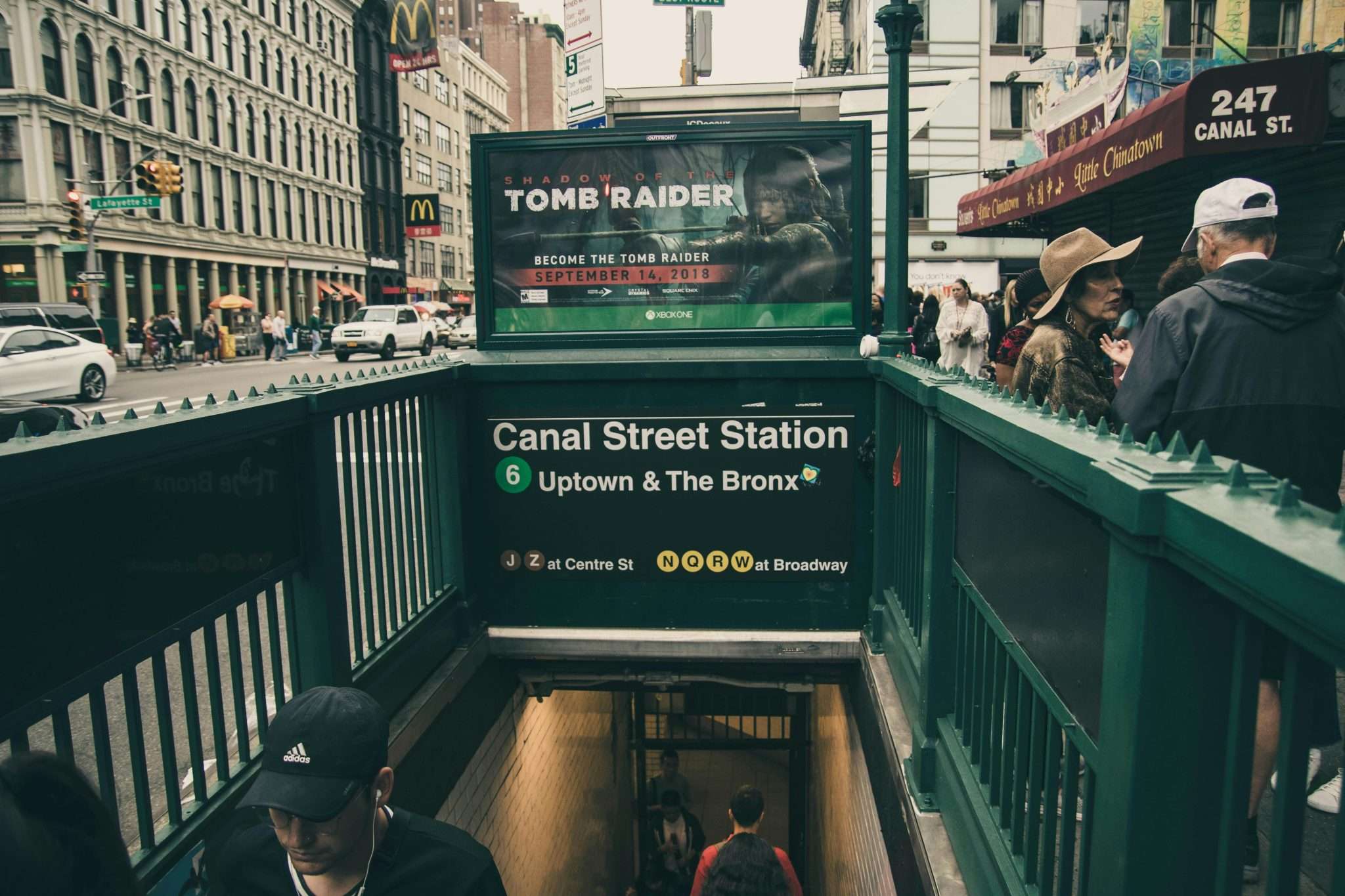
Canal Street Station, Manhattan

Canal Street is a maze of platforms connecting multiple lines near Chinatown and SoHo. At night, its confusing layout and dimmer lighting can be disorienting, especially for visitors focused on U.S. travel itineraries. Long passageways sometimes sit nearly empty, amplifying footsteps and distant train sounds. Riders often say the station feels like it goes on forever, which can heighten anxiety late at night.
Howard Beach–JFK Airport, New York City

This station serves airport travelers and connects the subway to the AirTrain. Late at night, flights arrive less frequently, leaving platforms quiet and exposed. Wind whistles through the open-air design, and the surrounding area is largely industrial. For travelers unfamiliar with New York public transit travel, the isolation combined with luggage and fatigue can make the station feel uncomfortable after dark.
Washington Square Station, Boston

On Boston’s Green Line, Washington Square appears calm during the day in a residential area. At night, the surface-level platform can feel exposed, with limited foot traffic and passing cars. Sparse lighting and long waits between trains add to the unease. Riders often describe feeling vulnerable while standing alone, making it a frequently mentioned stop in late-night U.S. metro travel stories.
Downtown Crossing, Boston

Downtown Crossing is a central transfer point beneath Boston’s shopping district. When stores close, the underground station takes on a hollow feel. Echoing hallways and shuttered entrances create an atmosphere that contrasts sharply with daytime crowds. The station’s complexity can confuse travelers exploring American cities at night, adding to the sense of disorientation.
Civic Center/UN Plaza, San Francisco

This BART and Muni Metro station sits near government buildings and cultural institutions. At night, the surrounding plaza empties out, leaving the station feeling isolated. The large underground space magnifies sound, and fewer trains make waits feel longer. Many riders say the quiet intensity of the area makes this stop stand out during West Coast U.S. travel.
16th Street Mission, San Francisco

Known for its deep escalators, 16th Street Mission feels removed from the street above. Late-night riders describe the ride down as unnerving, especially when alone. The station’s design funnels sound upward, making every noise feel amplified. While the Mission District is lively, the station itself often feels tense during nighttime transit.
Civic Center Station, Los Angeles

Part of the LA Metro Red Line, Civic Center Station serves government offices and courthouses. After business hours, the area quiets dramatically. The underground platforms can feel stark, with minimal decoration and harsh lighting. Riders navigating Southern California public transit travel late at night often mention feeling exposed here due to the lack of surrounding activity.
7th Street/Metro Center, Los Angeles

This downtown LA hub connects several metro lines and sits beneath a major shopping complex. When trains thin out at night, the station’s wide platforms and long corridors can feel intimidating. Security presence fluctuates, adding unpredictability. For visitors focused on urban travel USA, the station’s size alone can feel overwhelming after dark.
Hollywood/Western Station, Los Angeles
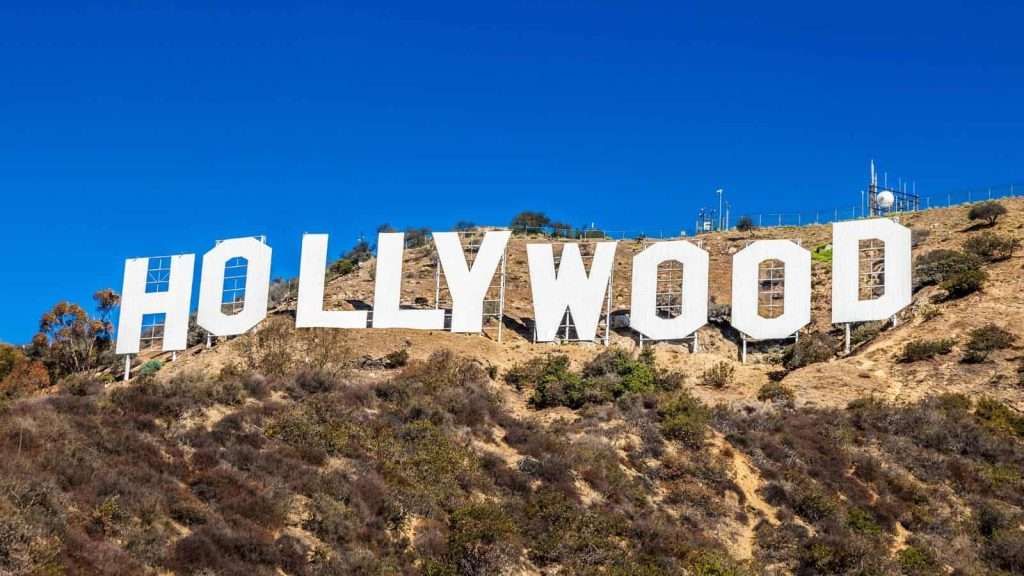
Located along the Red Line, Hollywood/Western serves a dense neighborhood during the day. At night, fewer riders and long waits between trains create an uneasy stillness. The underground platforms are deep, and ambient noise travels oddly through the tunnels. Many riders say the station feels disconnected from the energy of Hollywood after hours.
Clark/Lake Station, Chicago

Clark/Lake is one of Chicago’s busiest ‘L’ stations, connecting multiple elevated lines. Late at night, the normally packed platforms empty out, leaving exposed tracks and strong wind. The elevated design means the city feels far below, adding to the sense of vulnerability. Riders often cite this stop when discussing eerie Midwest U.S. travel experiences.
Roosevelt Station, Chicago

Serving both elevated and subway lines, Roosevelt Station sits near museum campuses and large open spaces. After dark, the surrounding area is quiet, and the station can feel isolated. Long platforms and limited exits heighten awareness of surroundings. Night riders say the stillness contrasts sharply with daytime tourist traffic.
Lake Street/Morgan Street Station, Chicago
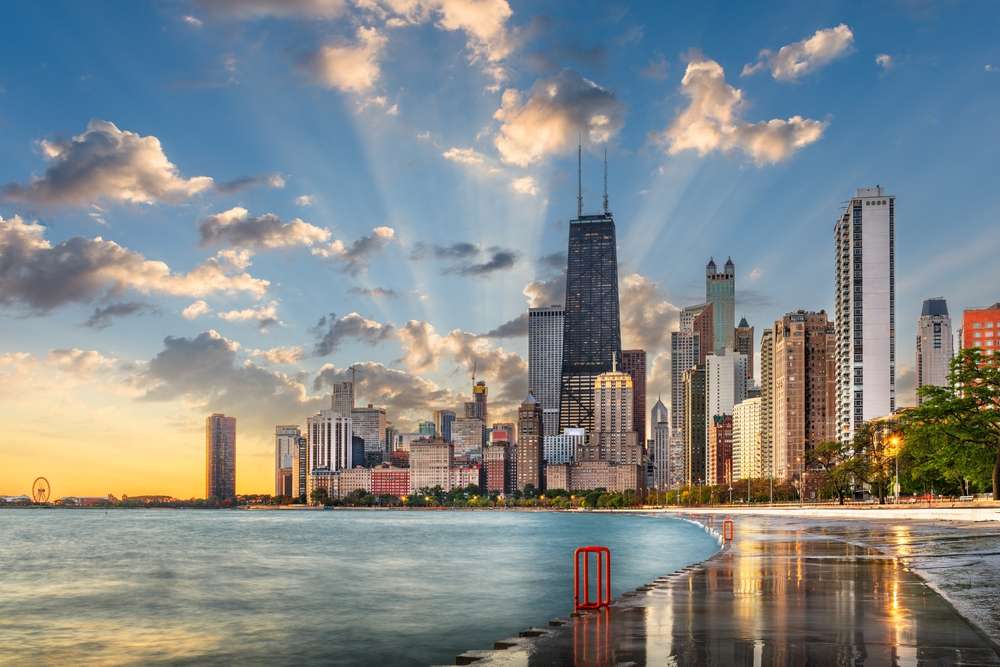
This Green Line station is near former industrial areas and newer developments. At night, nearby streets are quiet, and the elevated platform feels exposed. Trains arrive less frequently, extending wait times. Riders navigating Chicago’s transit for late-night American travel often mention the station’s lonely atmosphere.
Peachtree Center Station, Atlanta

Deep beneath downtown Atlanta, Peachtree Center Station requires a long escalator ride. At night, the descent feels especially long and quiet. The station’s cavernous design amplifies small sounds, making it feel empty even when others are present. For Southern U.S. travel, this stop often stands out as unsettling after dark.
Five Points Station, Atlanta

As Atlanta’s main MARTA hub, Five Points is usually busy. Late at night, reduced service leaves platforms quieter and more tense. The station connects multiple lines, but fewer riders make the space feel oversized. Travelers unfamiliar with Atlanta public transit travel may find the emptiness disconcerting.
Gallery Place–Chinatown, Washington, D.C.

This central DC station connects major lines beneath downtown. At night, nearby offices and shops close, leaving the station feeling hollow. Long corridors and dimmer lighting contribute to unease. Many riders say the station’s size feels mismatched with the smaller crowds during nighttime U.S. travel.
Metro Center, Washington, D.C.
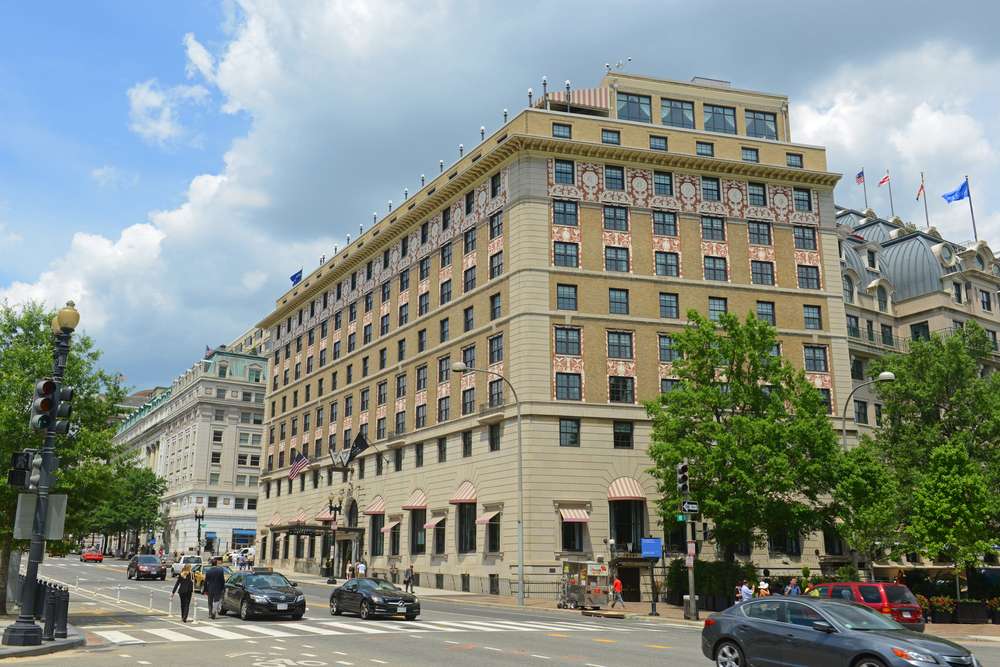
Metro Center is another major transfer point in the nation’s capital. Late-night service changes and quieter platforms can confuse riders. The station’s brutalist design feels colder after dark, with echoes carrying far. Visitors navigating Washington during off-hours often cite this station as unsettling.
Pioneer Square Station, Seattle

Located near Seattle’s historic district, Pioneer Square Station serves both commuters and visitors. At night, the surrounding streets empty, and the underground station feels cut off. Long escalators and shadowed corners add to the mood. Riders exploring Pacific Northwest U.S. travel frequently mention feeling uneasy here after hours.
Westlake Station, Seattle
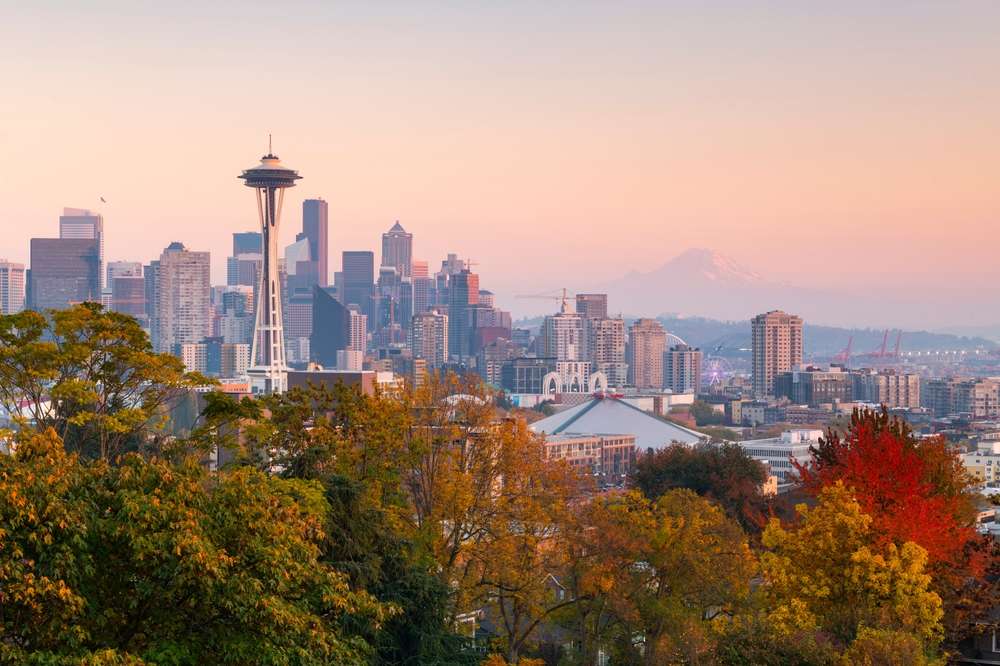
Westlake Station sits beneath a busy shopping area downtown. Once stores close, the station’s underground spaces feel vast and quiet. Fewer trains and subdued lighting make waits feel longer. For late-night travelers using Seattle’s transit system, Westlake often feels dramatically different from its daytime version.

Deborah Montiero is a seasoned travel writer and contributor to Probe the Globe. With a passion for uncovering hidden gems and sharing immersive travel experiences, Deborah’s work highlights must-visit destinations, insider tips, and practical advice for travelers of all types. Whether exploring bustling cities or remote escapes, her articles are crafted to inspire and inform, making her a trusted voice in the travel community.
Her storytelling weaves together cultural insights, logistical tips, and authentic experiences, making her a valuable resource for readers seeking unforgettable journeys.
When not writing, Deborah is likely researching the latest travel trends or planning her next adventure. Follow her work on Probe the Globe for fresh perspectives and up-to-date travel inspiration.