22 U.S. Tourist Traps With Backstories Way Darker Than the Souvenirs
Across the United States, tourist attractions often present themselves as lighthearted stops filled with souvenirs, photo ops, and carefully polished narratives. Beneath the gift shops and smiling mascots, however, many of these places carry histories shaped by tragedy, exploitation, or unsettling events. Visitors may come for entertainment or curiosity, rarely realizing the darker stories layered underneath the surface. For travelers interested in the shadowed side of U.S. travel, these 22 destinations reveal how the past is often softened for consumption.
Alcatraz Island, California
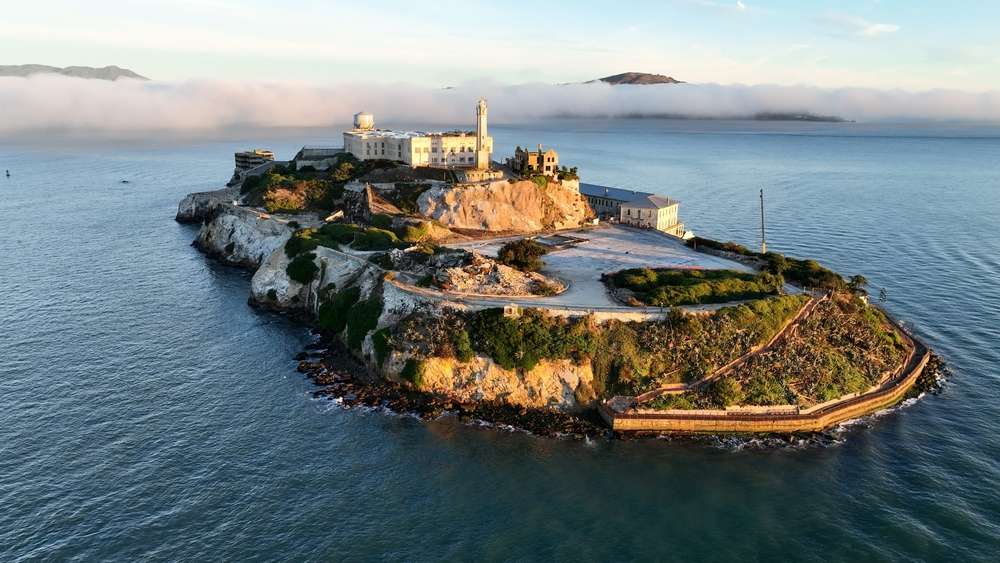
Alcatraz is marketed as a fascinating former prison, complete with audio tours and panoramic views of San Francisco Bay. What often gets minimized is the psychological damage inflicted on inmates subjected to extreme isolation and harsh punishment. Many prisoners experienced long-term mental trauma that followed them long after release. For U.S. travel visitors, the island’s scenic appeal clashes with a history of suffering that can still feel heavy in its silent corridors.
Salem Witch Museum, Massachusetts
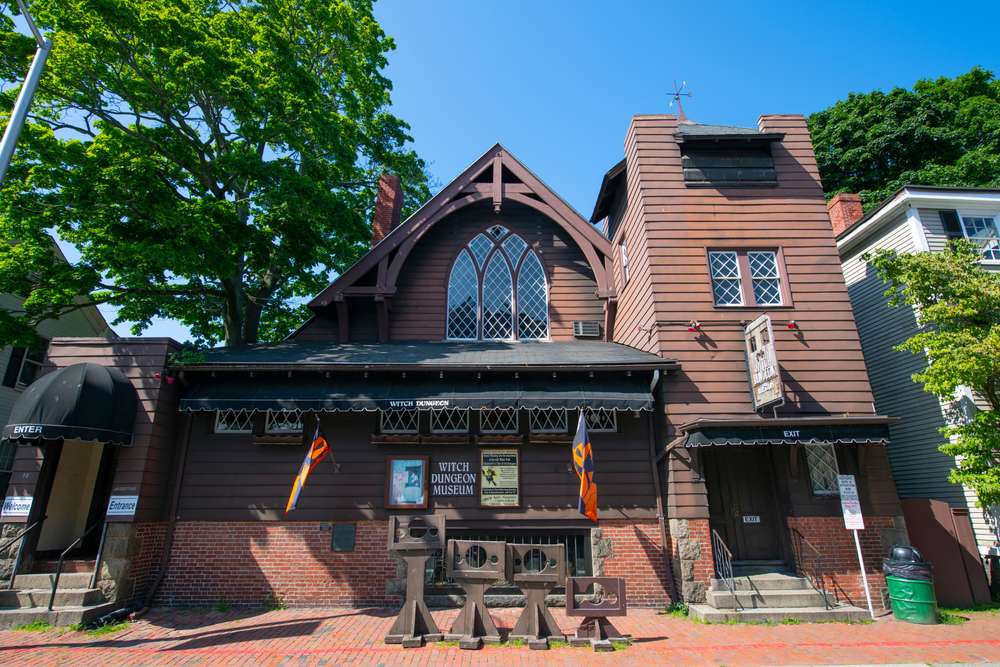
Salem’s witch-themed attractions often feel theatrical and playful, but the real history behind them is grim. The Salem witch trials resulted in executions fueled by fear, hysteria, and social manipulation. Innocent people were imprisoned and killed based on accusations with no evidence. U.S. travel enthusiasts often leave realizing how deeply injustice is buried beneath the novelty shops and reenactments.
The Winchester Mystery House, California
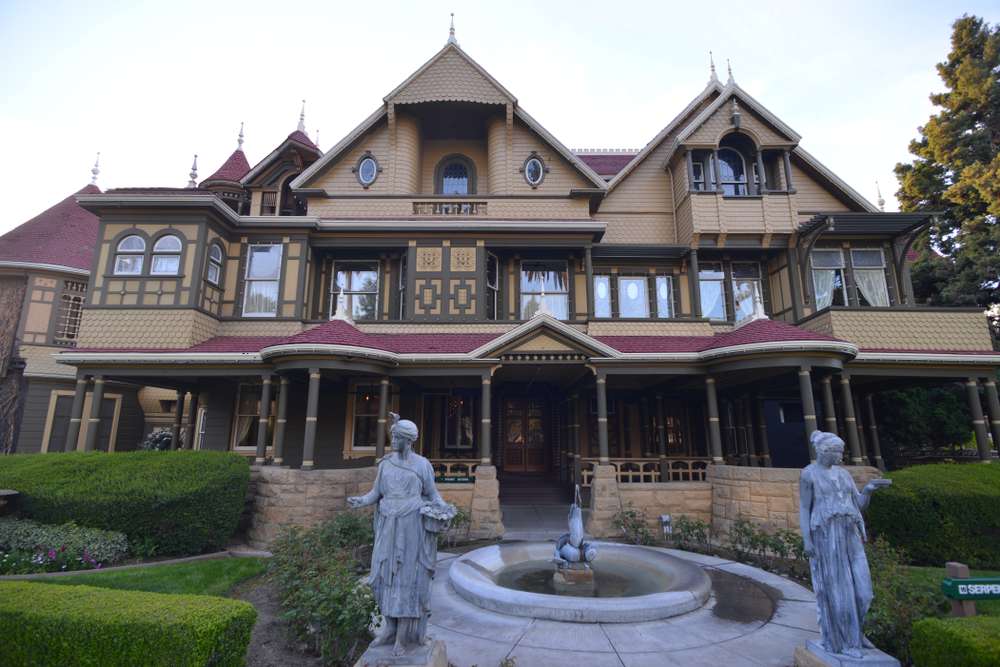
This mansion is presented as an eccentric architectural curiosity, but its origins are rooted in grief and paranoia. Sarah Winchester built endlessly, driven by guilt tied to the deaths caused by Winchester rifles. The house reflects a mind unraveling under pressure rather than harmless whimsy. For U.S. travel visitors, the playful maze-like experience masks a story of isolation and psychological torment.
Gettysburg Battlefield Gift Shops, Pennsylvania

Gettysburg’s souvenir stands and guided tours often sanitize the scale of violence that occurred there. Tens of thousands died or were wounded in a matter of days, many left untreated on open fields. While monuments honor sacrifice, the commercialization can overshadow the raw human suffering. U.S. travel visitors may find the contrast between tragedy and trinkets deeply unsettling.
Plantation Tours, Southern United States

Many plantation tours emphasize architecture, gardens, and elegance while minimizing the brutality of slavery. Enslaved people endured violence, forced labor, and family separation on these properties. Glossy presentations often ignore this reality. For U.S. travel explorers, these tours can feel disturbing when beauty is presented without full acknowledgment of the human cost.
Route 66 Roadside Attractions, Multiple States
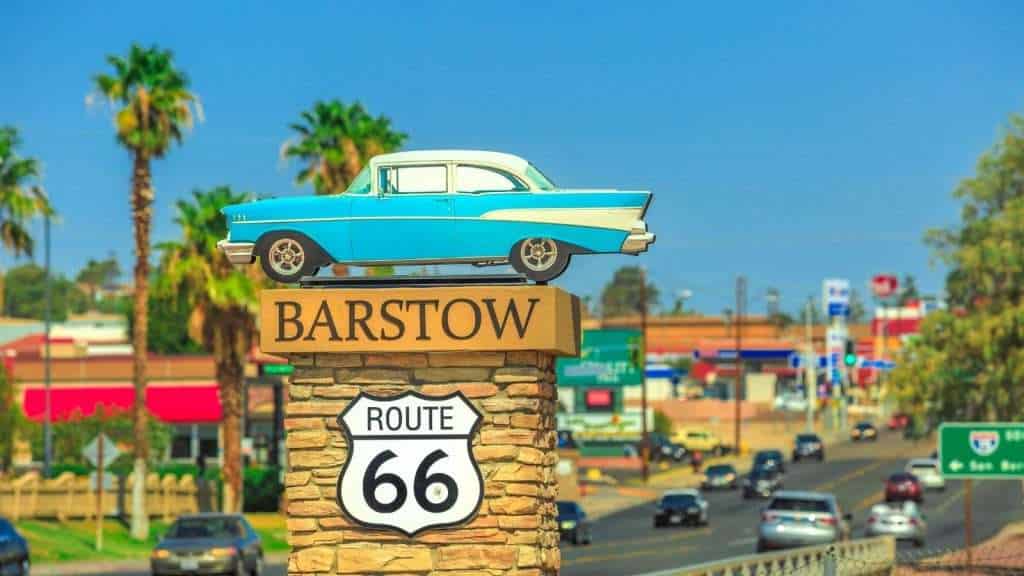
Route 66 is celebrated for nostalgia, but many attractions emerged during periods of economic desperation. Towns relied on passing travelers while residents faced poverty and displacement. Some attractions were built on land taken from Indigenous communities. U.S. travel fans drawn to roadside charm often overlook the struggles that shaped these places.
The Hollywood Walk of Fame, California
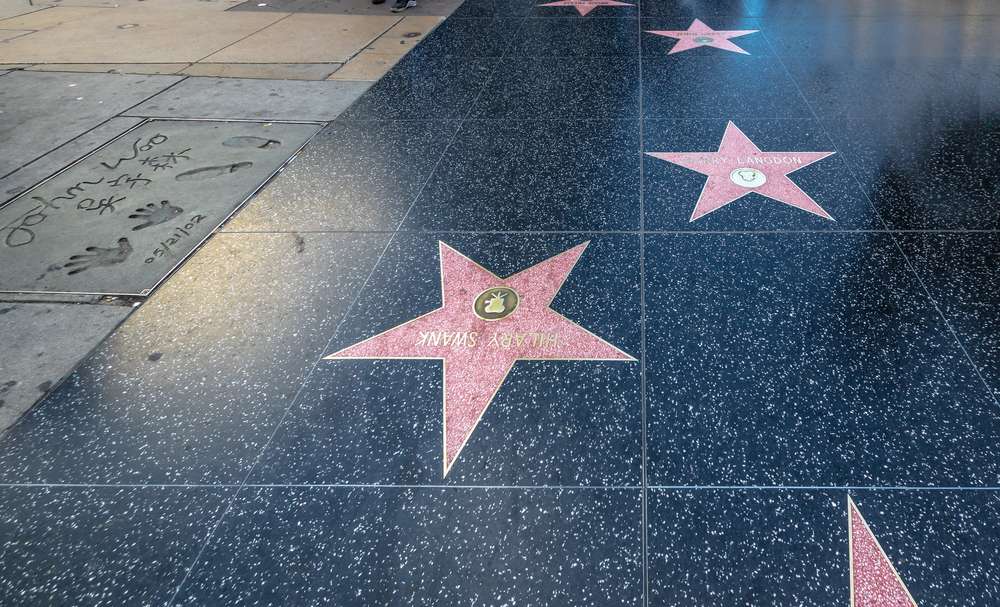
The Walk of Fame celebrates celebrity culture, but its origins reflect exploitation and broken dreams. Many stars honored here experienced abuse, addiction, and industry manipulation. The glamor masks a system that discarded people once they were no longer profitable. For U.S. travel visitors, the shine fades when the cost of fame becomes clear.
Ellis Island Gift Shops, New York
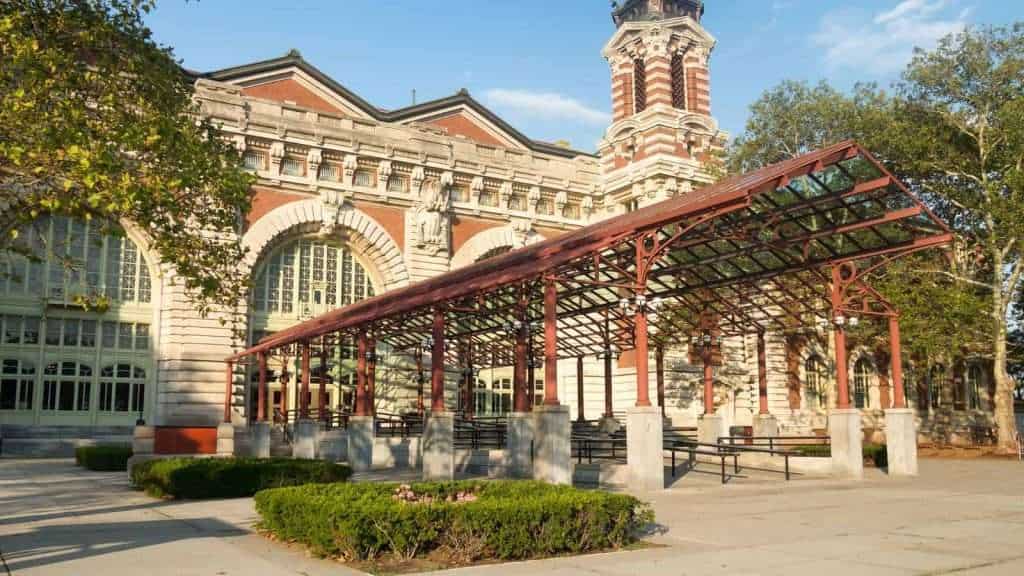
Ellis Island is often portrayed as a hopeful gateway, yet many immigrants faced detention, medical rejection, and family separation. Thousands were deported after exhausting journeys. Souvenirs celebrating opportunity rarely address this trauma. U.S. travel enthusiasts may find the emotional weight stronger than expected while walking through preserved halls.
Graceland, Tennessee
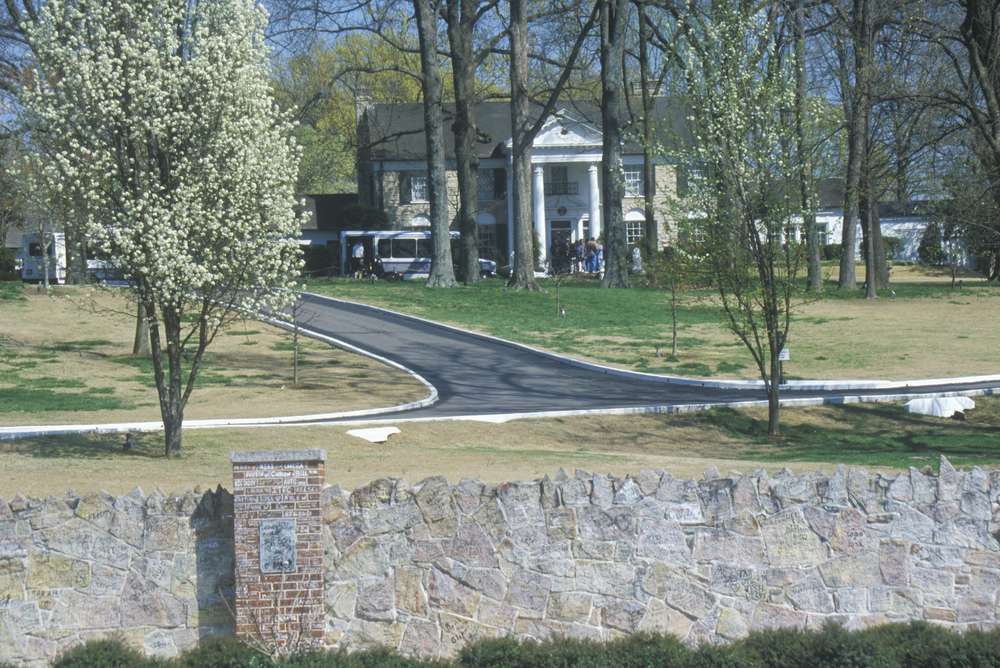
Graceland attracts fans celebrating Elvis Presley’s legacy, but the story includes exploitation, addiction, and isolation. Presley’s fame came with immense pressure that contributed to his decline. The mansion feels less like a palace and more like a gilded cage. For U.S. travel visitors, admiration often mixes with sadness.
Niagara Falls Tourist District, New York
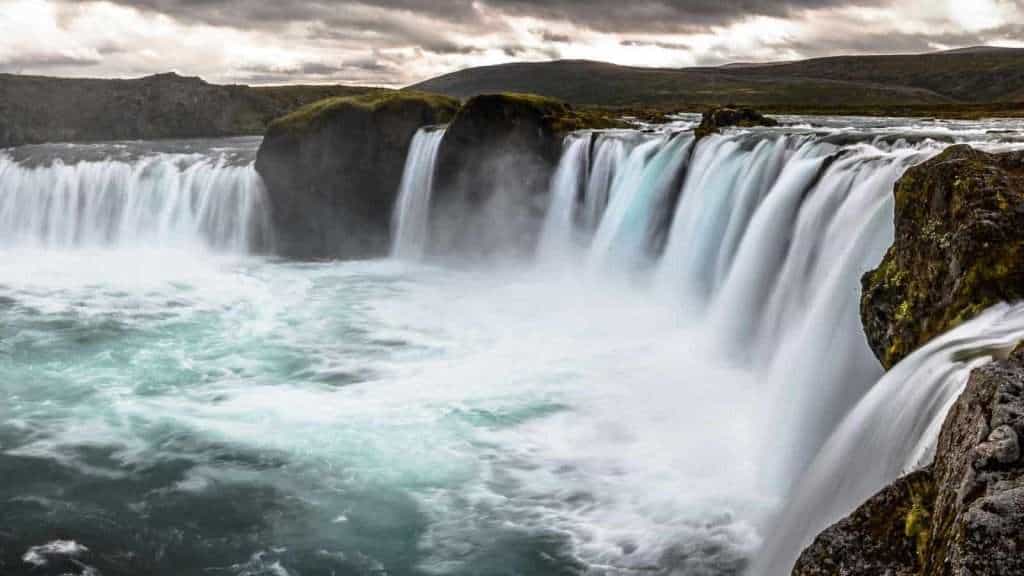
Niagara Falls dazzles with beauty, but the surrounding area hides stories of industrial accidents and dangerous stunts. Many thrill-seekers lost their lives attempting fame at the falls. Early tourism lacked safety regulations, resulting in frequent fatalities. U.S. travel visitors may not realize how many lives were lost in pursuit of spectacle.
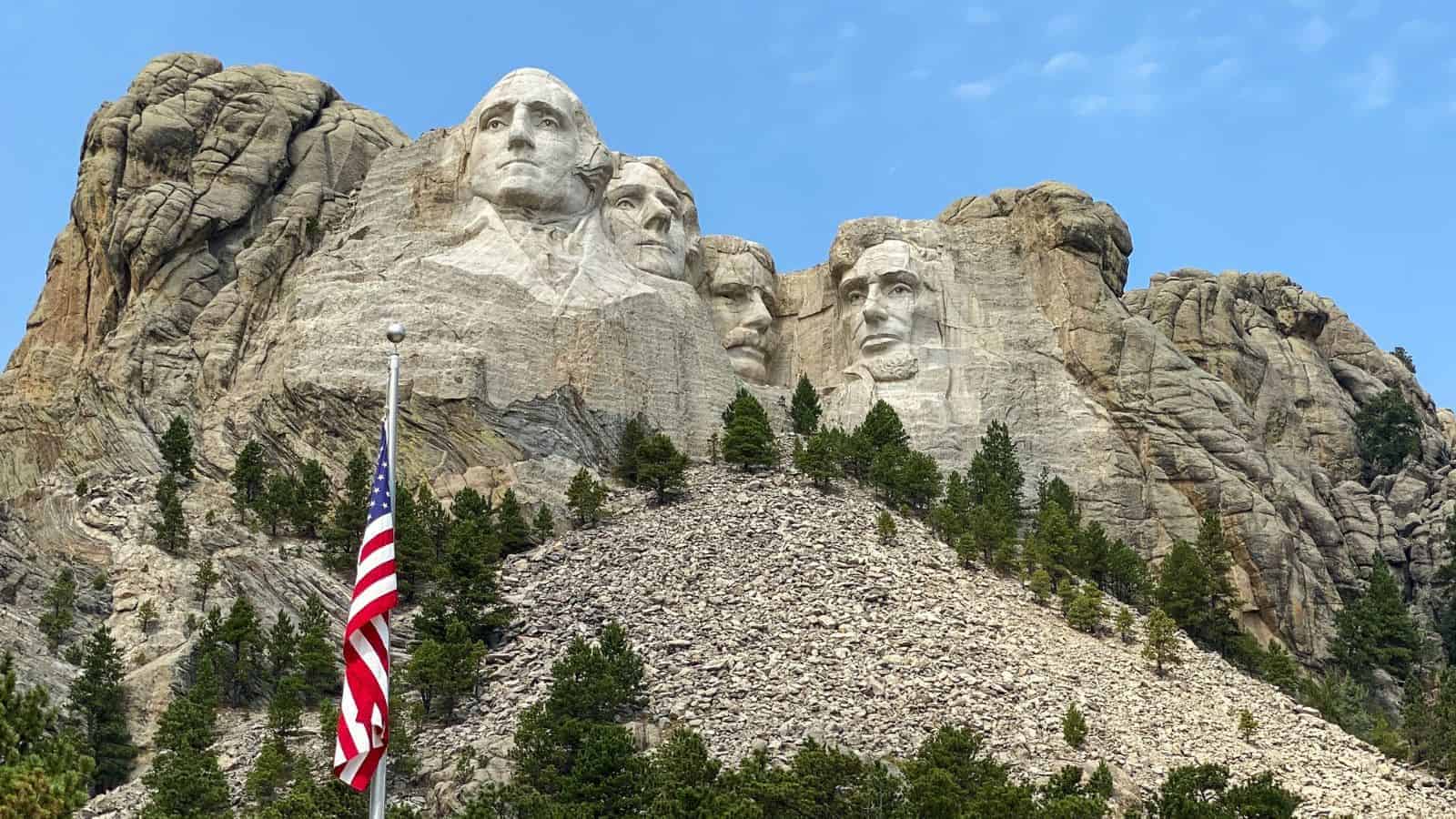
Mount Rushmore, South Dakota
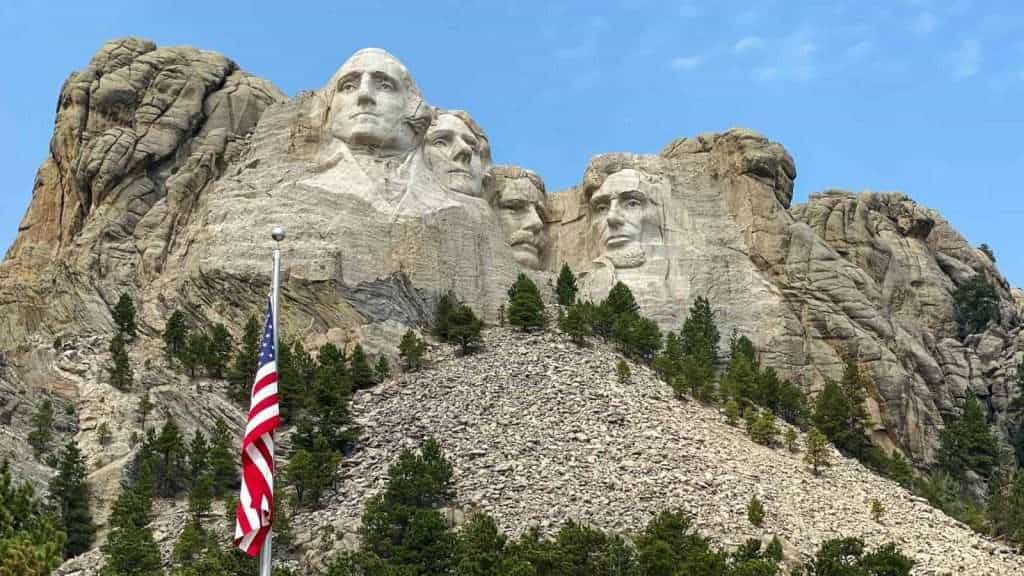
Mount Rushmore is presented as patriotic art, but it was carved into land sacred to the Lakota Sioux. The project ignored treaties and Indigenous resistance. Its creation symbolized displacement rather than unity. For U.S. travel explorers, the monument’s scale cannot erase the injustice tied to its location.
New Orleans Ghost Tours, Louisiana

Ghost tours are marketed as entertainment, yet many stories are rooted in slavery, epidemics, and violent death. The city’s haunted reputation comes from real suffering. Turning trauma into spectacle can feel uncomfortable. U.S. travel visitors often leave realizing the ghosts are metaphors for unresolved history.
The Alamo Gift Shops, Texas
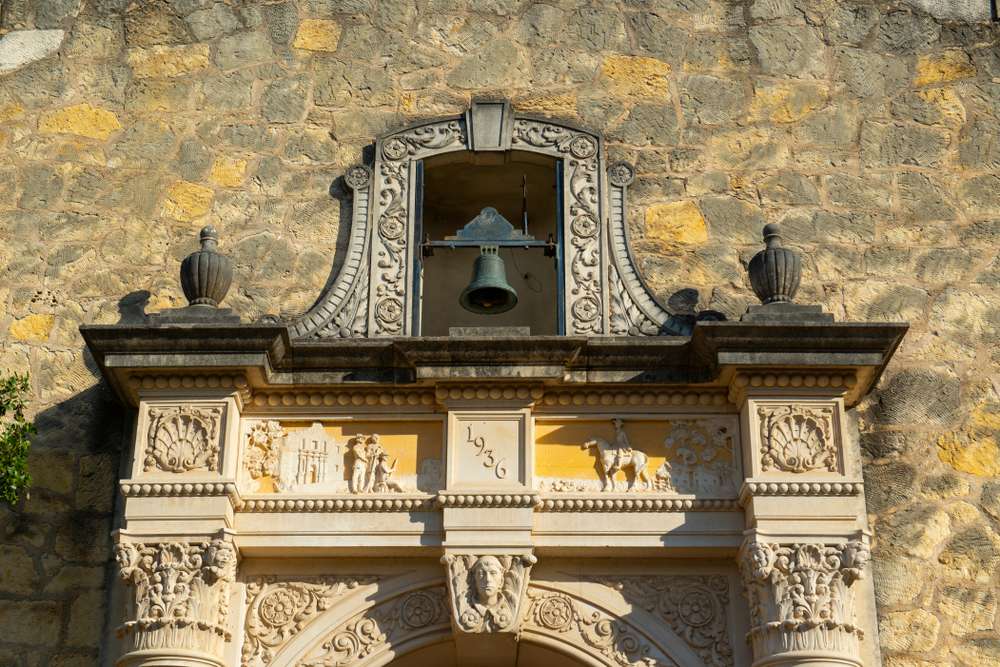
The Alamo is celebrated as heroic sacrifice, but the narrative often excludes broader historical context. The conflict involved land disputes, political manipulation, and cultural erasure. Simplified storytelling hides complexity and loss. For U.S. travel enthusiasts, souvenirs rarely reflect the full human cost of the battle.
Plymouth Rock, Massachusetts

Plymouth Rock is presented as the birthplace of American settlement, but it represents colonization and displacement. Indigenous communities suffered violence and disease following arrival. The rock’s symbolism minimizes those consequences. U.S. travel visitors often find the monument underwhelming once its historical weight is understood.
Hoover Dam Tours, Nevada and Arizona
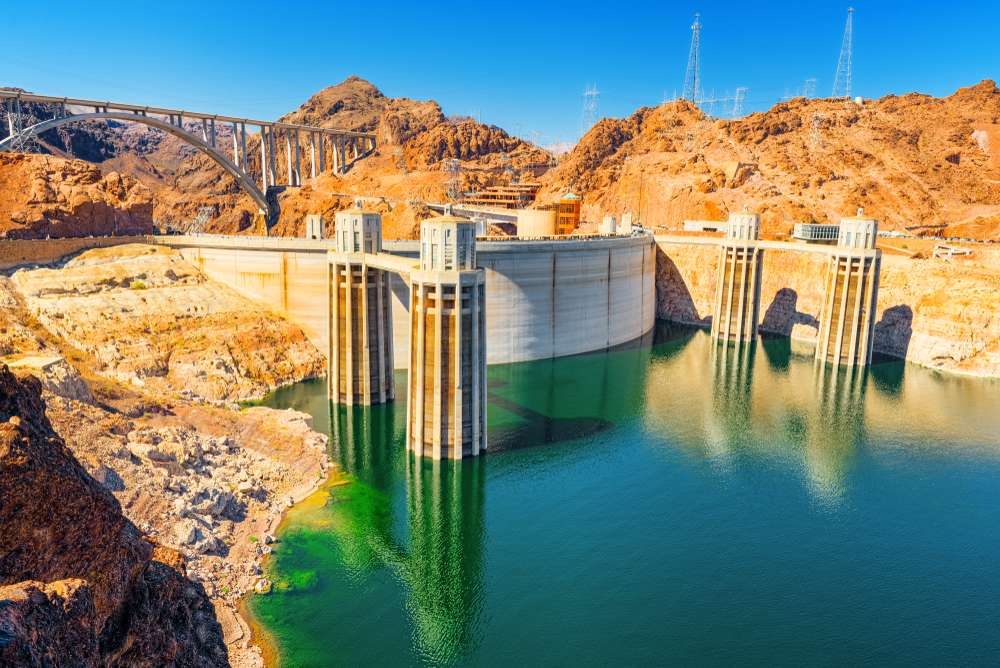
Hoover Dam symbolizes engineering triumph, but its construction claimed many lives. Workers faced extreme heat, unsafe conditions, and limited protections. Deaths were often downplayed to preserve morale. For U.S. travel visitors, the dam’s grandeur contrasts sharply with the sacrifices buried in its foundation.
The Vegas Strip, Nevada
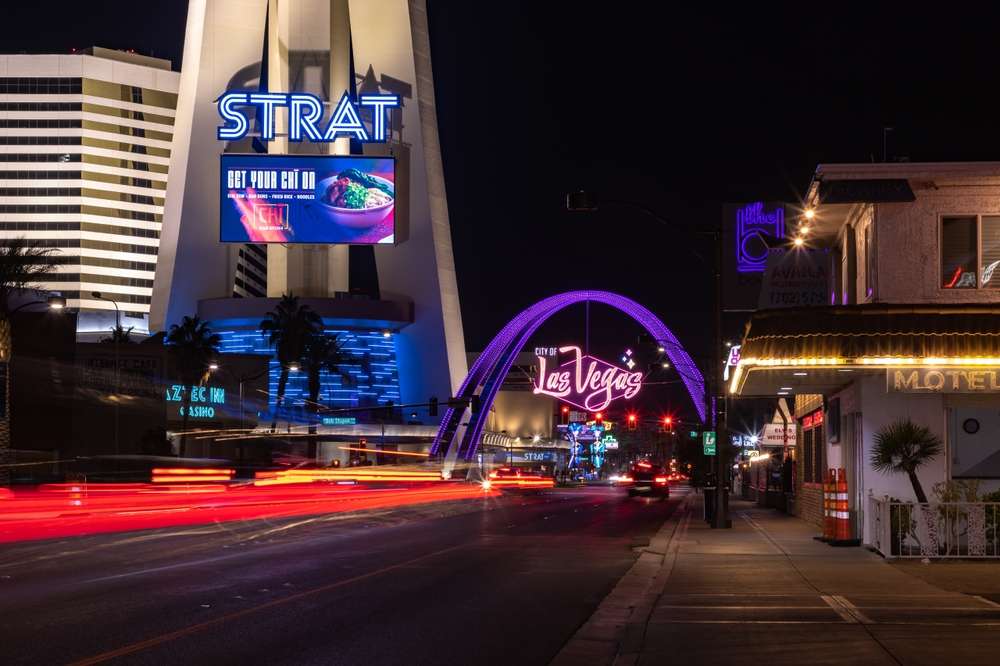
The Las Vegas Strip dazzles with excess, yet its history includes organized crime, exploitation, and financial ruin. Many workers endured dangerous conditions during early development. Countless visitors have lost livelihoods chasing luck. U.S. travel enthusiasts often sense that the spectacle hides desperation beneath neon lights.
Colonial Williamsburg, Virginia
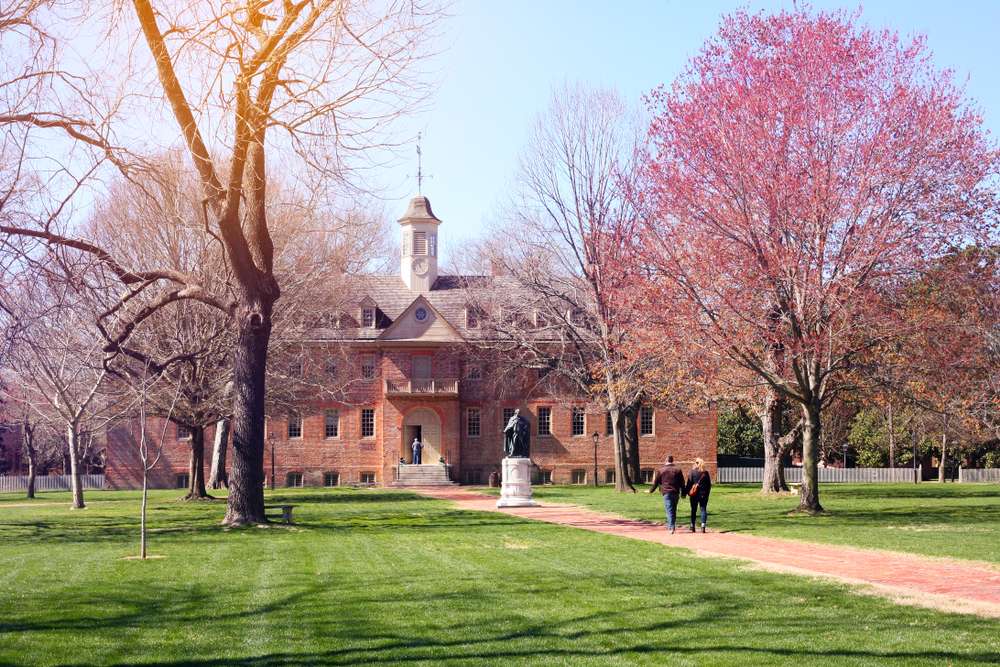
Colonial Williamsburg presents an idealized version of early America. The daily hardships, class inequality, and enslavement that defined the era are often softened. Costumed performances rarely convey suffering. For U.S. travel visitors, the experience can feel incomplete without deeper context.
Death Valley Tourist Stops, California
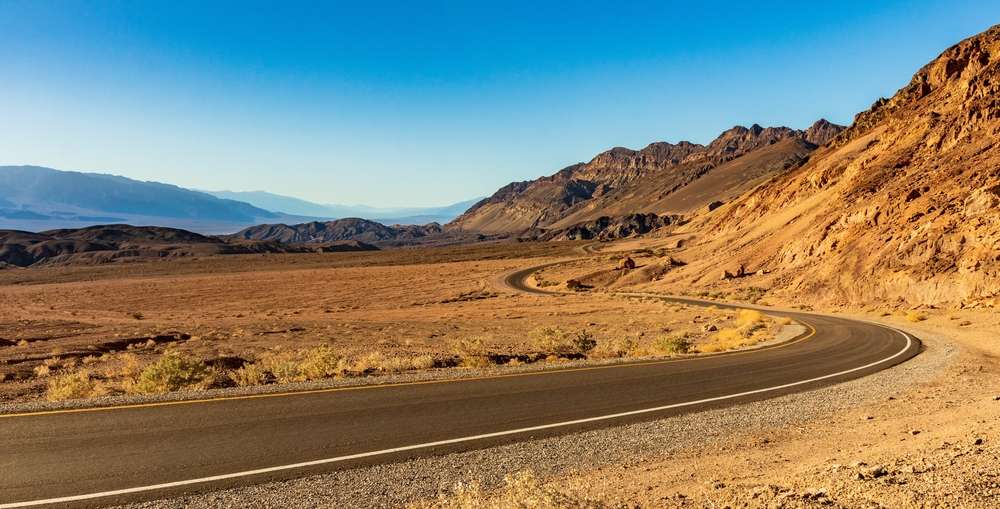
Death Valley’s extreme conditions have claimed many lives, including lost travelers and failed settlers. Early tourism promoted danger as novelty. Many died unprepared for the environment. U.S. travel visitors drawn to its harsh beauty may underestimate how unforgiving it truly is.
The French Quarter, Louisiana
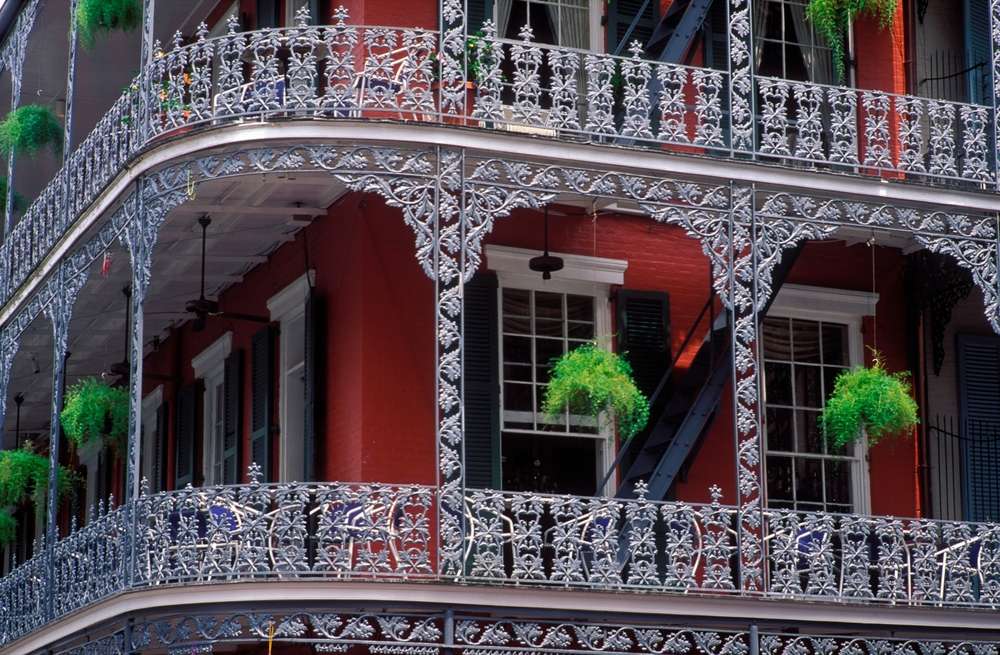
The French Quarter is famous for celebration, yet its history includes disease outbreaks, fires, and exploitation. Enslaved people were once traded nearby. The lively atmosphere masks centuries of hardship. For U.S. travel explorers, the contrast between joy and tragedy feels unsettling.
Wall Drug, South Dakota
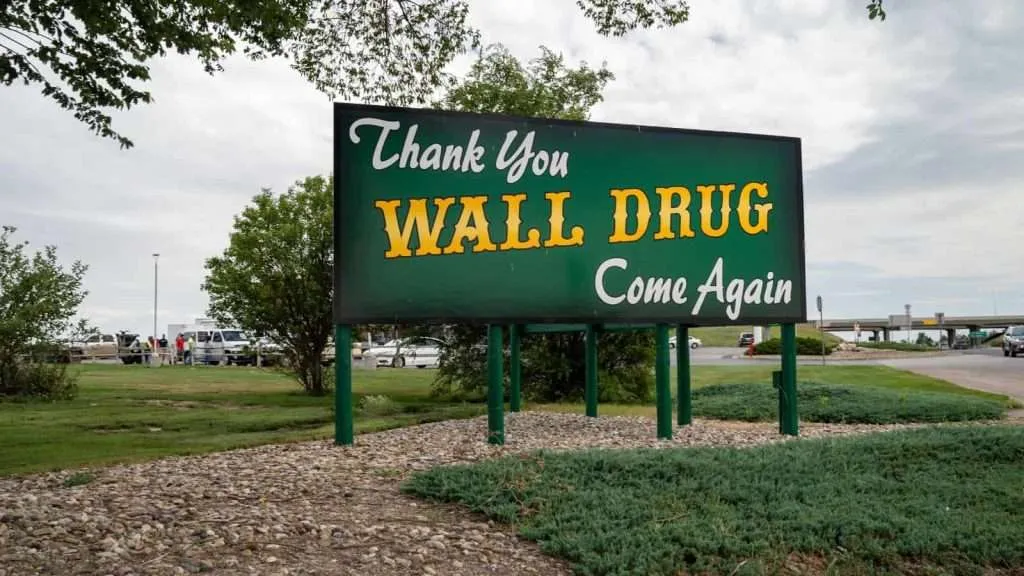
Wall Drug is marketed as kitschy Americana, but it emerged during the Great Depression as a survival tactic. Economic desperation shaped its growth. Many nearby communities struggled deeply. U.S. travel visitors may not realize how hardship fueled its success.
Hollywood Sign, California
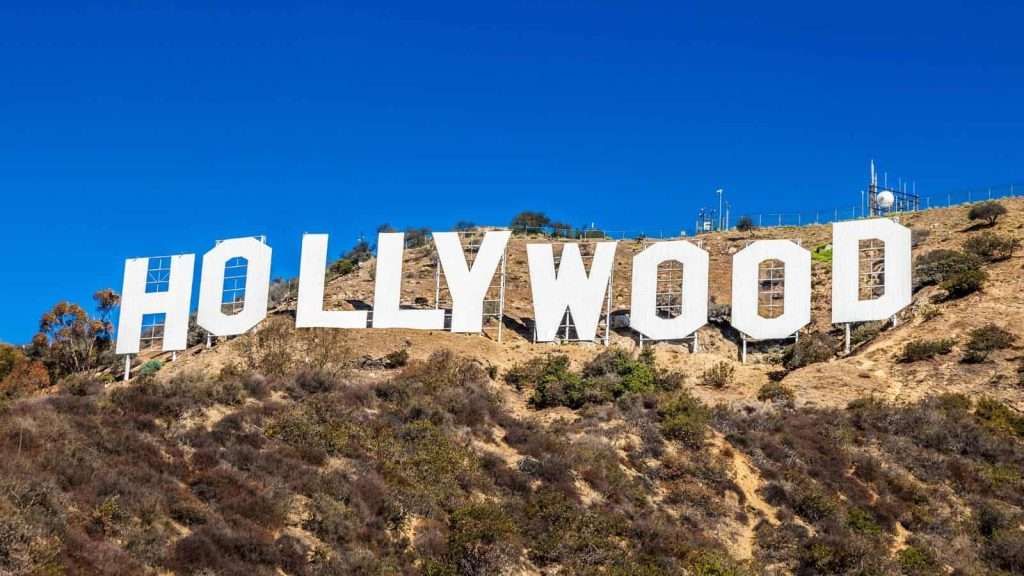
The Hollywood sign represents dreams, but it has also been associated with despair. Several suicides occurred nearby, tied to broken ambitions. The sign’s origin as a real estate advertisement adds irony. For U.S. travel enthusiasts, the landmark feels more complex than its image suggests.
Central Park Tourist Carriages, New York
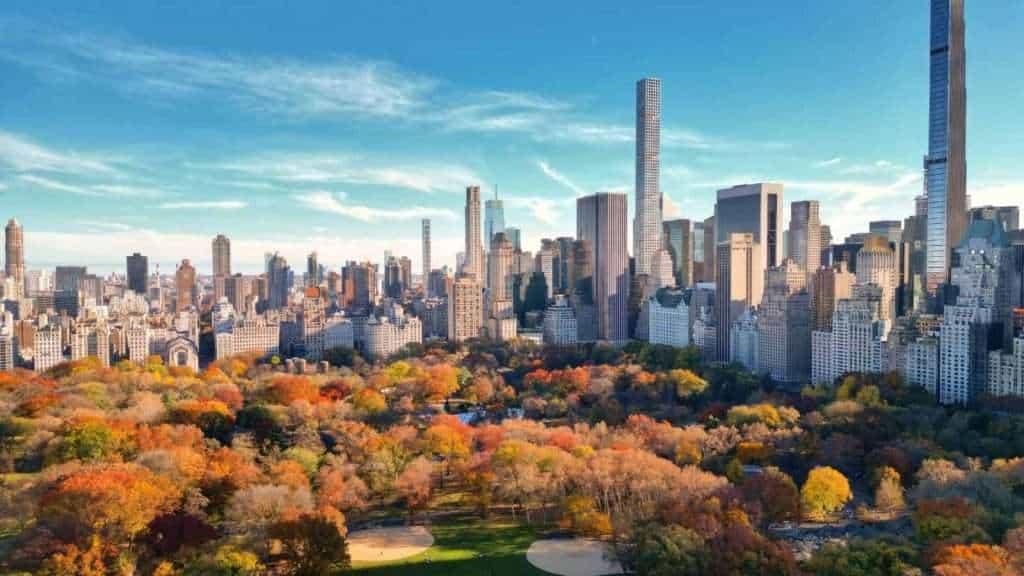
Central Park is a peaceful escape, yet its creation displaced entire communities. Seneca Village, a thriving Black settlement, was destroyed to make room for the park. This history is rarely highlighted. U.S. travel visitors may find the park’s beauty carries an overlooked cost.

Deborah Montiero is a seasoned travel writer and contributor to Probe the Globe. With a passion for uncovering hidden gems and sharing immersive travel experiences, Deborah’s work highlights must-visit destinations, insider tips, and practical advice for travelers of all types. Whether exploring bustling cities or remote escapes, her articles are crafted to inspire and inform, making her a trusted voice in the travel community.
Her storytelling weaves together cultural insights, logistical tips, and authentic experiences, making her a valuable resource for readers seeking unforgettable journeys.
When not writing, Deborah is likely researching the latest travel trends or planning her next adventure. Follow her work on Probe the Globe for fresh perspectives and up-to-date travel inspiration.