
22 Towns That Exist Because of One Weird Industry
America’s back roads are filled with towns that didn’t grow because of geography or luck, but because of one oddly specific industry that changed everything. These places might look quiet today, but each one has a surprising origin story tied to a single product, resource, or obsession that once drove jobs, migration, and local pride. For travelers who love unusual history, niche attractions, and unexpected roadside stops, these towns add personality to any U.S. road trip itinerary. We take a look at 22 Towns That Exist Because of One Weird Industry
Hershey, Pennsylvania

Hershey exists for one delicious reason: chocolate. What began as Milton Hershey’s vision to build a chocolate factory grew into a full town designed around workers, families, and sweetness as an economic engine. The candy industry shaped everything from housing to schools, turning Hershey into one of the most recognizable brand towns in the United States. Today, travelers still feel the impact through chocolate-themed attractions, food experiences, and a town identity inseparable from cocoa. It’s a prime stop for Pennsylvania travel and one of the most unique food-driven destinations in America.
Pullman, Illinois

Pullman was built around the railroad sleeping car industry, specifically the manufacturing of luxury railcars for long-distance train travel. The company didn’t just create jobs—it designed the entire town, controlling housing, stores, and social life. This experiment in industrial planning left a lasting mark on labor history and American urban design. Visitors interested in transportation history and Midwest travel will find Pullman fascinating, as the town still reflects the structure and ideals of its rail-centric origins.
Corning, New York

Corning owes its existence to glass. The town became a global hub for glass manufacturing, innovation, and scientific development, attracting skilled workers and engineers from around the country. From cookware to advanced materials, glass shaped Corning’s economy and cultural identity for generations. Travelers exploring upstate New York can still see how deeply this industry influenced the town’s architecture, museums, and community pride. It’s a great stop for travelers interested in industrial craftsmanship and American manufacturing heritage.
Deadwood, South Dakota
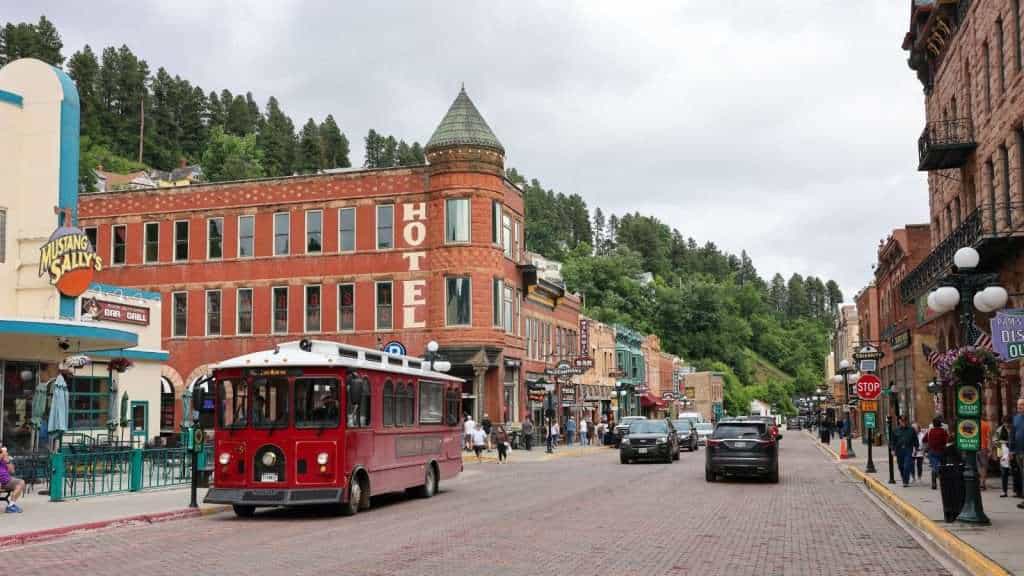
Deadwood exists because of gold—plain and simple. The discovery of gold in the Black Hills sparked a rapid influx of miners, gamblers, and entrepreneurs, transforming the area into a booming frontier town almost overnight. The gold mining industry fueled Deadwood’s growth and cemented its reputation for lawlessness and opportunity. Today, it attracts travelers seeking Wild West history, historic downtown streets, and a deeper look at how mineral wealth shaped western expansion in the United States.
Oak Ridge, Tennessee

Oak Ridge was created almost overnight for a single purpose: uranium enrichment during World War II. As part of the Manhattan Project, the town was built in secrecy to support nuclear research and production. Thousands of workers moved in without knowing what they were helping create. For travelers interested in science, history, and Cold War-era innovation, Oak Ridge offers a rare glimpse into a town formed entirely around one of the most consequential industries in U.S. history.
Roswell, New Mexico
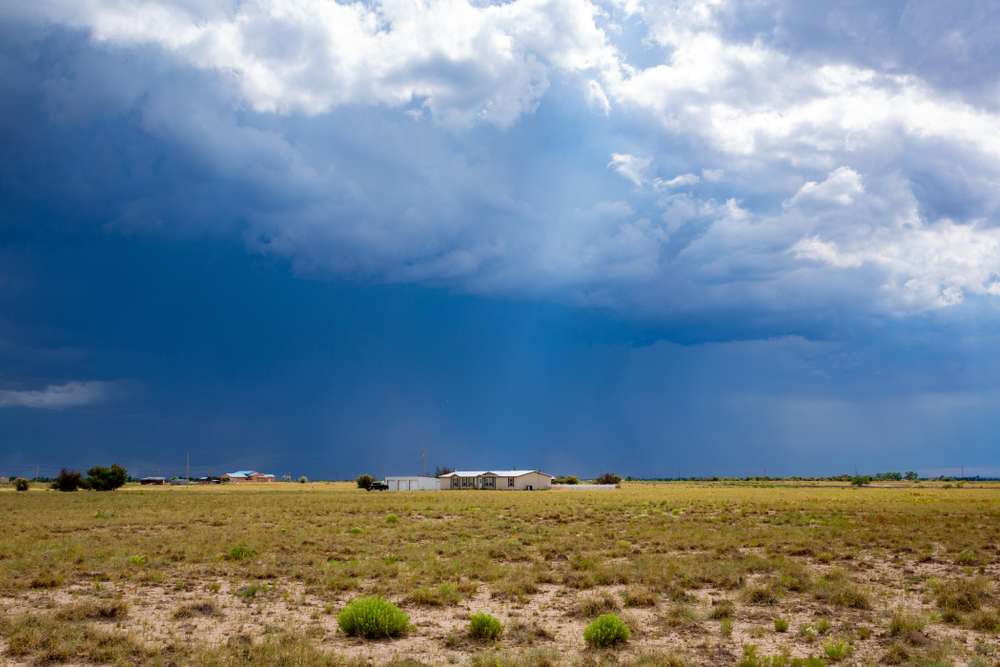
Roswell’s identity revolves around one strange industry: extraterrestrial tourism. While ranching once drove the local economy, reports of a mysterious 1947 incident sparked decades of UFO fascination. Over time, alien-themed museums, festivals, and attractions reshaped Roswell’s economic focus. Travelers on New Mexico road trips often stop here for its offbeat charm, pop-culture appeal, and commitment to embracing its unusual claim to fame. It’s a reminder that tourism itself can become a defining industry.
Wallace, Idaho
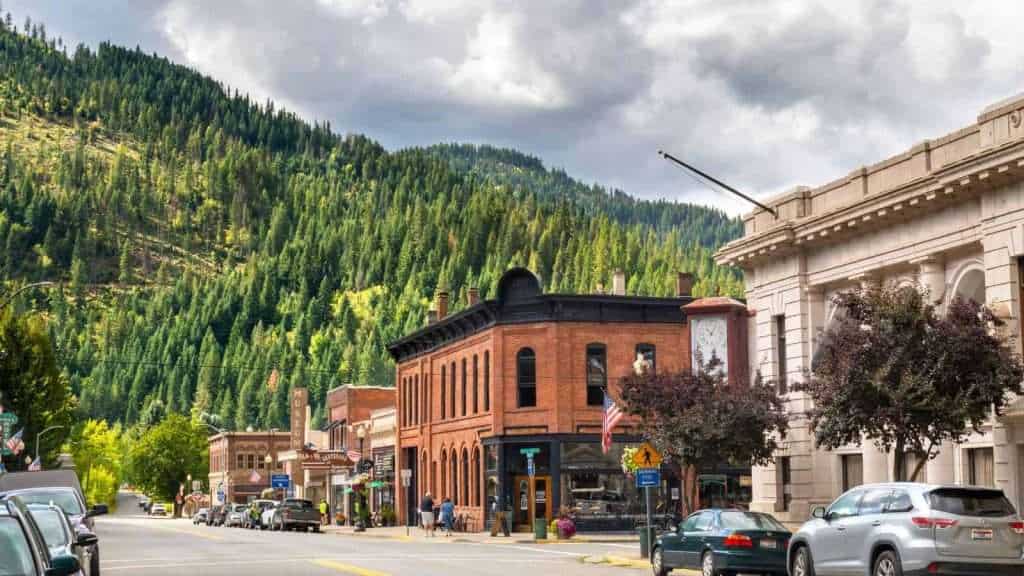
Wallace grew because of silver mining. Rich mineral deposits in the surrounding mountains attracted miners, engineers, and investors, turning the town into a bustling center of extraction and trade. Mining influenced Wallace’s architecture, labor culture, and economic cycles for decades. Today, travelers exploring Idaho’s scenic byways can still see historic buildings and museums that reflect the mining era. It’s a great stop for those interested in Western industrial history and small-town resilience.
Elkhart, Indiana

Elkhart exists because of recreational vehicles. Known as the RV capital of the world, the town became a manufacturing powerhouse producing campers, motorhomes, and trailers for American travelers. The RV industry brought jobs, innovation, and steady growth, shaping Elkhart’s identity around mobility and adventure. For road trip enthusiasts and Midwest travelers, Elkhart offers a behind-the-scenes look at how America’s love for travel created an entire town dedicated to life on wheels.
Centralia, Pennsylvania

Centralia’s story revolves around coal mining—and its aftermath. The town grew rapidly thanks to anthracite coal, which powered homes and industries across the Northeast. However, an underground mine fire that began in the 1960s changed everything, eventually forcing most residents to leave. While nearly abandoned today, Centralia remains a haunting travel stop for those interested in industrial disasters, environmental impact, and the long-term consequences of resource extraction in U.S. history.
Key West, Florida
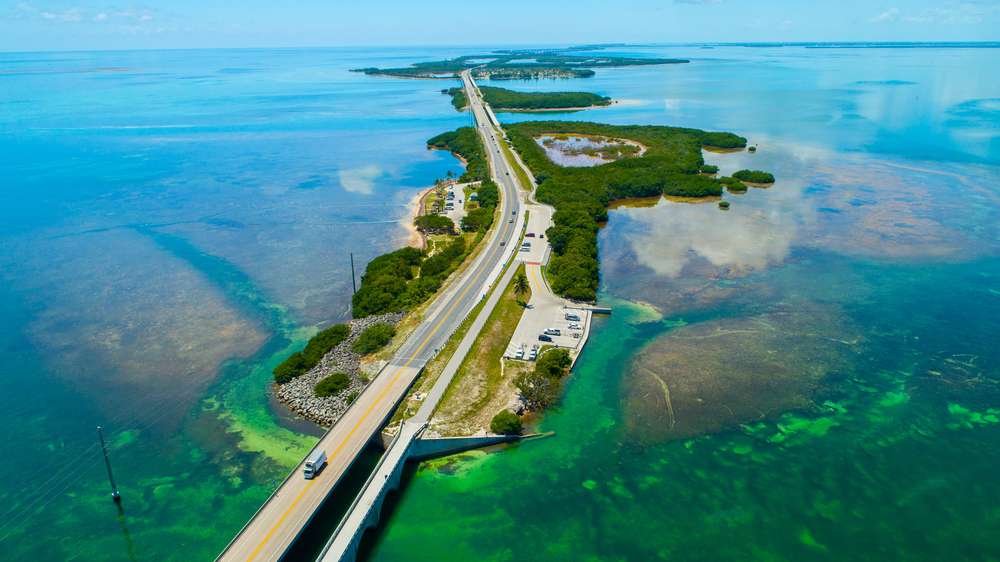
Key West thrived because of sponging. In the late 19th century, harvesting natural sea sponges from nearby waters became the town’s primary industry, attracting divers and traders from around the world. This maritime economy shaped Key West’s multicultural character and waterfront culture. While tourism has since taken over, travelers exploring Florida can still learn about the sponge industry’s influence through museums and historic neighborhoods that reflect this unusual coastal economy.
Park City, Utah
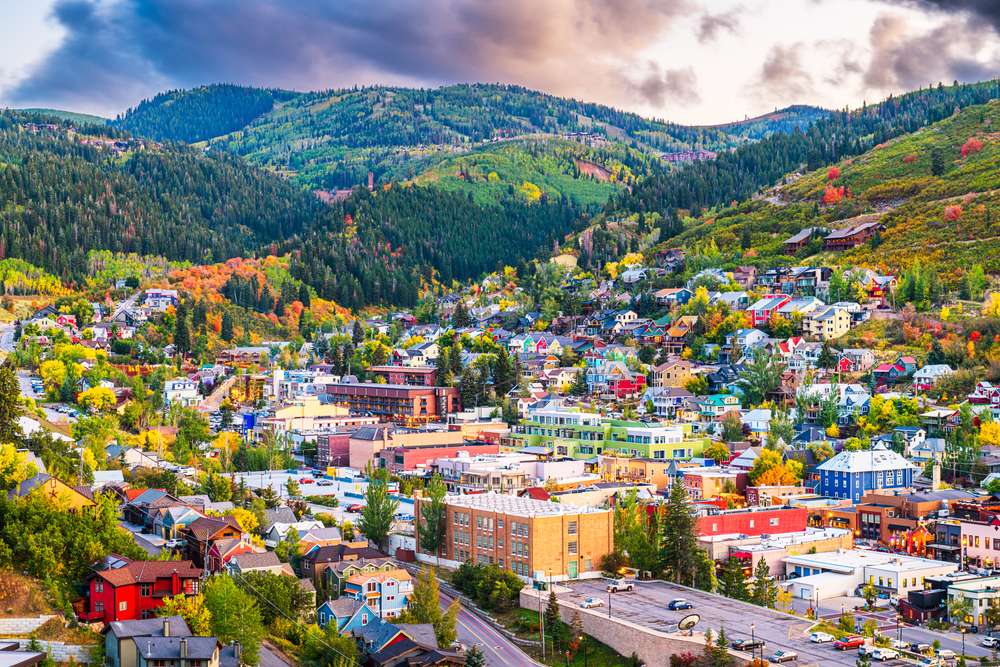
Before ski resorts, Park City was all about silver mining. The town exploded in size after rich ore veins were discovered, bringing wealth and infrastructure to the area. Mining funded roads, buildings, and rail connections that later made tourism possible. Today’s visitors often come for winter sports and mountain scenery, but Park City’s mining roots remain visible in preserved structures and museums, making it a compelling stop for Utah travel beyond outdoor recreation.
Lowell, Massachusetts
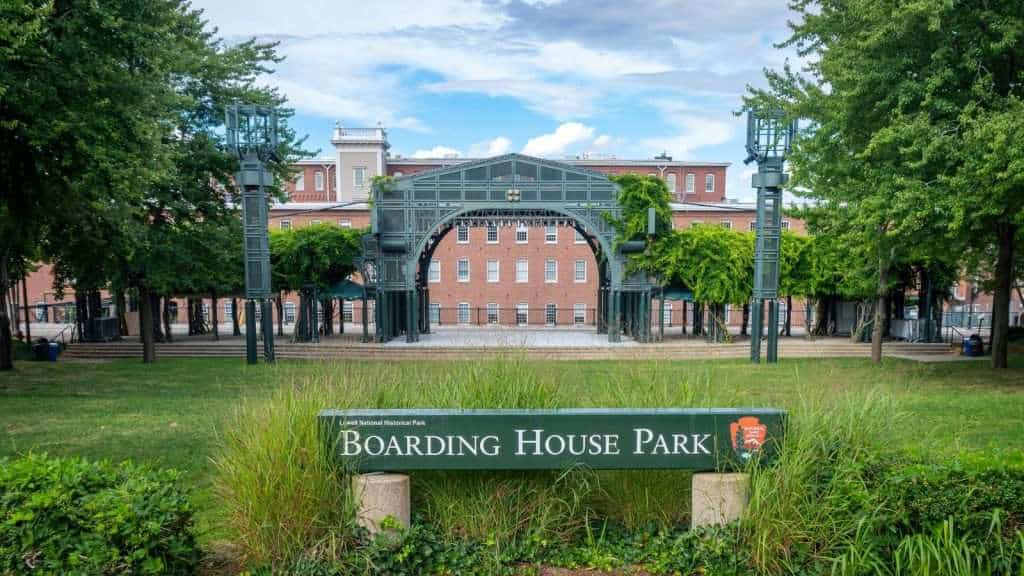
Lowell was built around textile manufacturing. Powered by water from nearby canals, the town became one of America’s first planned industrial cities during the Industrial Revolution. Textile mills drove population growth, innovation, and labor movements that shaped national policy. Travelers interested in American history, architecture, and early factory systems will find Lowell an essential stop in New England. The town’s layout and historic districts still reflect its mill-driven origins.
Tombstone, Arizona
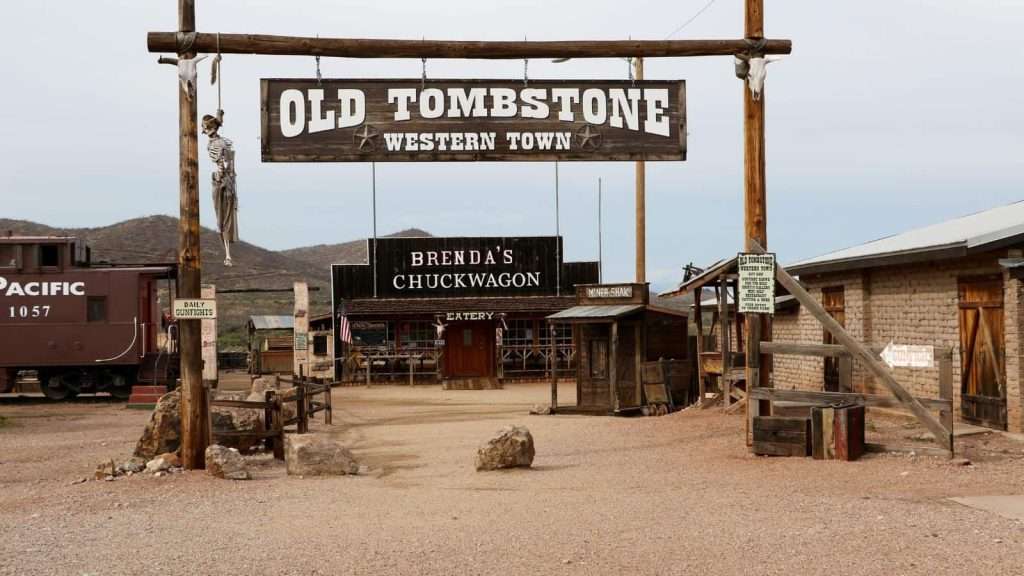
Tombstone exists because of silver—and the chaos that followed it. Mining riches turned a remote desert area into a booming frontier town filled with prospectors, saloons, and legends. The silver industry fueled rapid growth and equally rapid decline when the mines flooded. Today, Tombstone thrives on heritage tourism, offering travelers a vivid look at how one mineral resource shaped Arizona’s frontier history and left behind an enduring cultural myth.
Lompoc, California

Lompoc owes its growth to flower seed farming. The region’s climate proved ideal for producing seeds shipped around the world, making agriculture the backbone of the local economy. This specialized farming industry attracted workers and investment, shaping the town’s layout and seasonal rhythms. Travelers exploring California beyond the coast will find Lompoc an unexpected agricultural hub with colorful fields, rural charm, and a unique connection to global food production.
Calumet, Michigan

Calumet grew because of copper mining. During its peak, the town was one of the wealthiest mining communities in the country, drawing immigrants from across Europe. Copper funded schools, theaters, and elaborate buildings that still stand today. Travelers visiting Michigan’s Upper Peninsula can explore Calumet’s preserved downtown and learn how one metal shaped local culture, labor struggles, and architectural ambition in a remote northern landscape.
Truth or Consequences, New Mexico
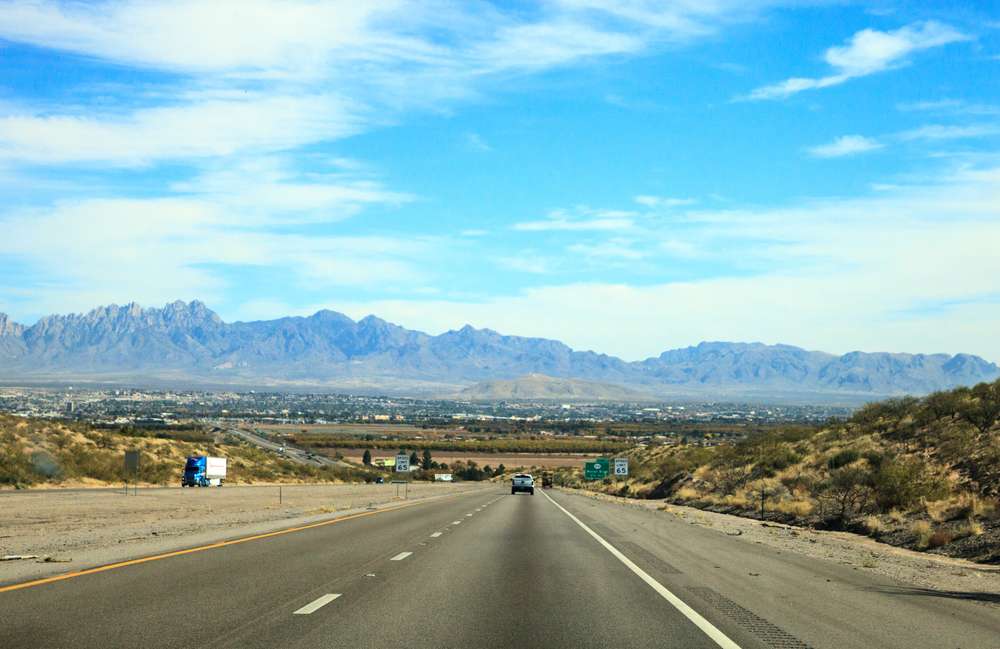
This town exists because of hot springs—and a radio show. Originally called Hot Springs, it rebranded after a popular game show offered publicity in exchange for the name change. The hot spring industry already drew visitors seeking wellness and relaxation, and the publicity amplified tourism. Today, travelers visiting southern New Mexico enjoy soaking experiences, quirky history, and a town identity built around therapeutic water and creative marketing.
Bentonville, Arkansas

Bentonville’s growth is tied to retail logistics. The rise of a single major retailer transformed a small town into a hub for corporate offices, suppliers, and transportation networks. This retail-driven economy reshaped Northwest Arkansas, bringing infrastructure, cultural institutions, and population growth. Travelers exploring Arkansas will notice how business, art, and community development intersect here, making Bentonville a case study in modern industry-driven town evolution.
Bisbee, Arizona
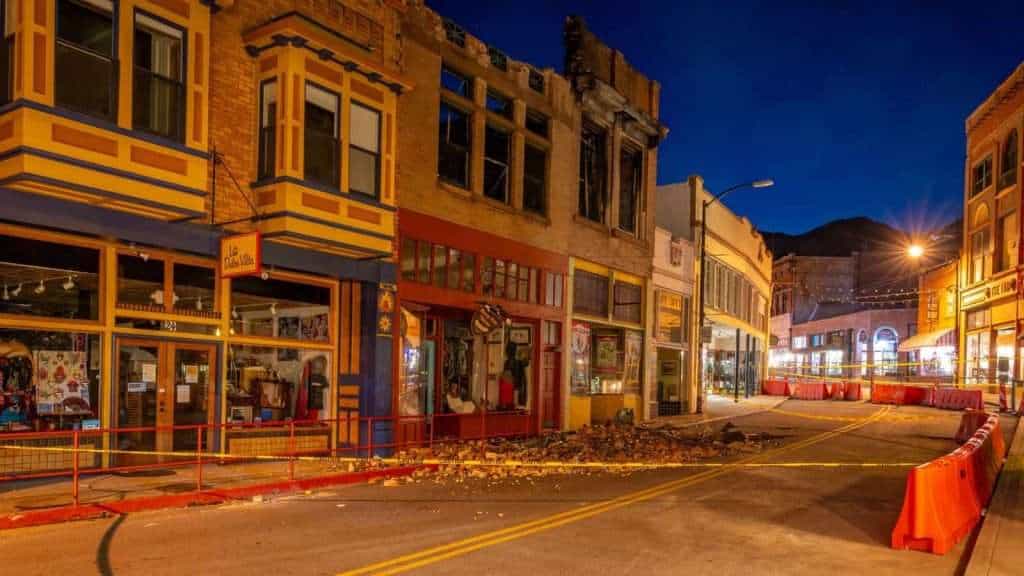
Bisbee was built on copper mining and engineering innovation. Unlike many mining towns, it developed dense neighborhoods, public transit systems, and cultural institutions early on. Copper profits fueled a vibrant economy and a diverse population. Travelers today find Bisbee appealing for its steep streets, preserved architecture, and creative energy, all rooted in an industrial past that shaped its physical and social landscape.
Green River, Wyoming

Green River grew because of railroad meat processing. As trains crossed the West, the town became known for supplying meat to travelers and rail crews, particularly its signature trout industry. This food-based economy supported local jobs and commerce. Travelers driving through Wyoming often stop for its quirky food heritage and small-town charm, learning how transportation corridors once dictated survival and success in the American West.
Gillette, Wyoming

Gillette exists because of coal and energy production. Massive coal reserves turned the town into a major player in U.S. power generation, attracting workers from across the country. The energy industry shaped housing, infrastructure, and population booms tied closely to market demand. Travelers exploring eastern Wyoming will find Gillette an example of how modern resource extraction continues to create towns around single, highly specialized industries.
Eureka, Nevada

Eureka grew from lead and silver mining. Isolated and rugged, the town became a crucial supply center for nearby mines, earning the nickname “the friendliest town on the loneliest road.” Mining profits supported impressive civic buildings and cultural life despite the remote location. Travelers on Nevada road trips can still see how mineral wealth once transformed empty desert into a functioning community with lasting historical character.
Dalton, Georgia

Dalton exists because of carpet manufacturing. Known as the carpet capital of the world, the town’s economy revolves around flooring production, supplying homes and businesses nationwide. The industry created steady employment and global trade connections. Travelers interested in American manufacturing and small-town industry will find Dalton a surprising stop, where a single household product became the foundation for long-term regional success.

Deborah Montiero is a seasoned travel writer and contributor to Probe the Globe. With a passion for uncovering hidden gems and sharing immersive travel experiences, Deborah’s work highlights must-visit destinations, insider tips, and practical advice for travelers of all types. Whether exploring bustling cities or remote escapes, her articles are crafted to inspire and inform, making her a trusted voice in the travel community.
Her storytelling weaves together cultural insights, logistical tips, and authentic experiences, making her a valuable resource for readers seeking unforgettable journeys.
When not writing, Deborah is likely researching the latest travel trends or planning her next adventure. Follow her work on Probe the Globe for fresh perspectives and up-to-date travel inspiration.