22 U.S. State Parks So Wild Rangers Say “You’re On Your Own”
America’s state parks are often seen as gentler alternatives to national parks, but that reputation doesn’t always hold up. Scattered across the country are state-managed wildlands so remote, rugged, and unforgiving that visitors are expected to rely almost entirely on their own skills. In these places, signage is minimal, cell service disappears, and rescue can take hours or days. This is the untamed side of U.S. travel explored in 22 U.S. State Parks So Wild Rangers Say “You’re On Your Own”.
Anza-Borrego Desert State Park – California
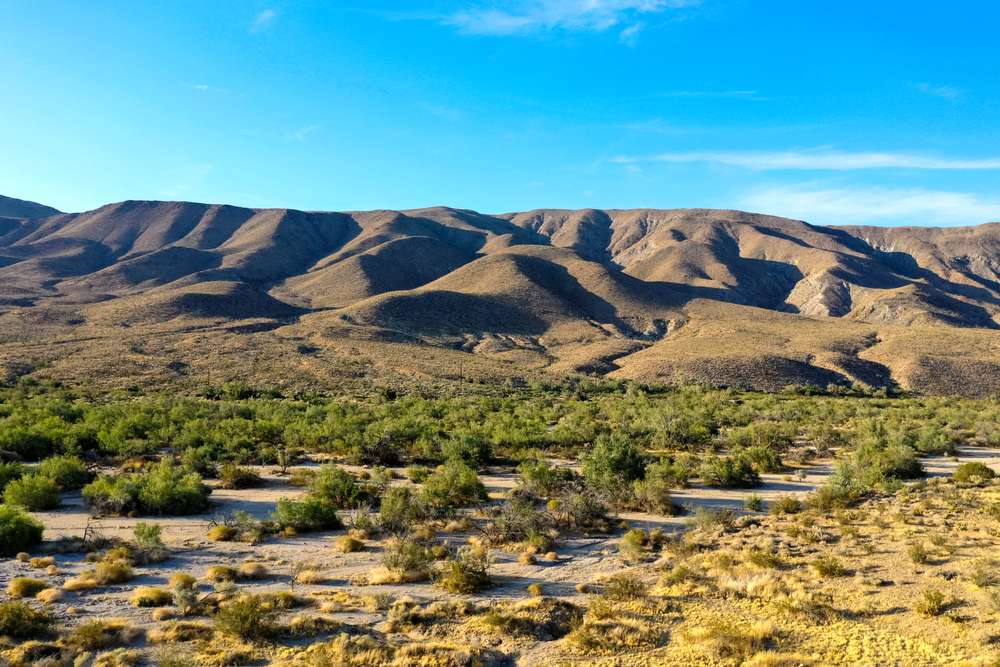
Anza-Borrego is the largest state park in California, and much of it is raw desert wilderness. Rangers frequently warn visitors that help may be far away, especially in summer when temperatures become dangerous. Flash floods, unmarked trails, and vast open terrain make navigation challenging. This park rewards experienced travelers with solitude, dramatic badlands, and a powerful reminder that preparation is essential.
Custer State Park – South Dakota
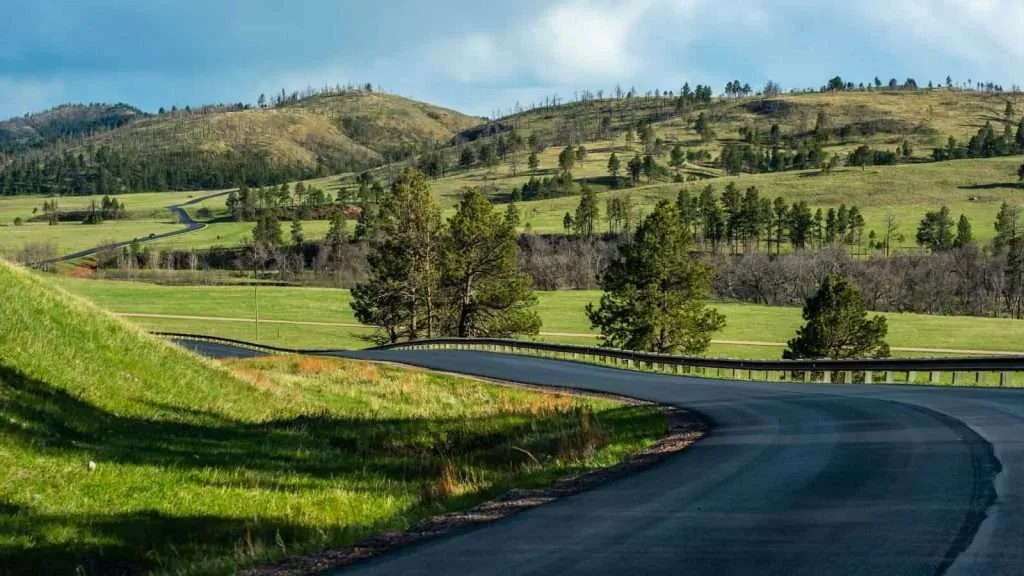
Custer State Park may be known for scenic drives, but venture beyond the roads and the experience changes quickly. Backcountry areas feature rugged granite formations, roaming bison, and limited signage. Rangers emphasize personal responsibility when hiking deeper into the park. It’s a striking example of how wild the American Midwest can still feel.
Dead Horse Point State Park – Utah
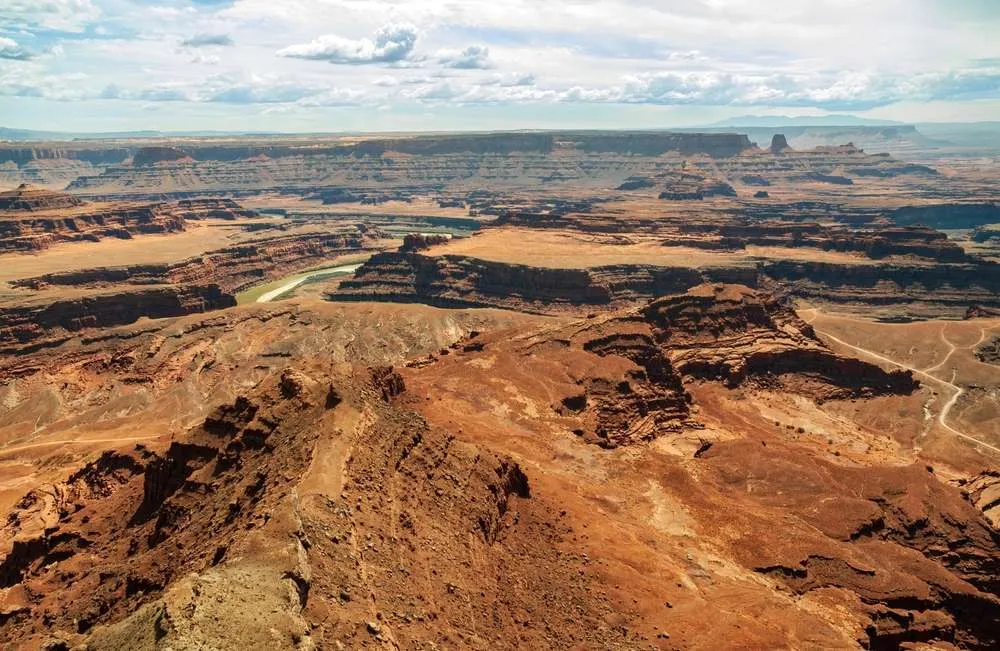
The cliffs at Dead Horse Point drop sharply into canyon depths with minimal barriers. Rangers caution visitors that footing errors can be fatal and that weather conditions change rapidly. The park’s remote location adds another layer of risk. Its dramatic desert views are unforgettable, but the environment demands constant awareness and respect.
Humboldt Redwoods State Park – California

This park protects some of the tallest trees on Earth, but its backcountry is quiet and demanding. Dense forest, limited trail markings, and unpredictable weather make self-navigation essential. Rangers stress preparedness for anyone leaving the main corridors. The isolation among towering redwoods feels humbling and intense.
Porcupine Mountains Wilderness State Park – Michigan

Often called “the Porkies,” this park offers true wilderness in the Upper Peninsula. Trails are long, rugged, and far from services. Rangers routinely remind hikers that rescue operations take time. With deep forests, steep ridges, and Lake Superior weather systems, it’s one of the wildest U.S. travel destinations in the Midwest.
Valley of Fire State Park – Nevada
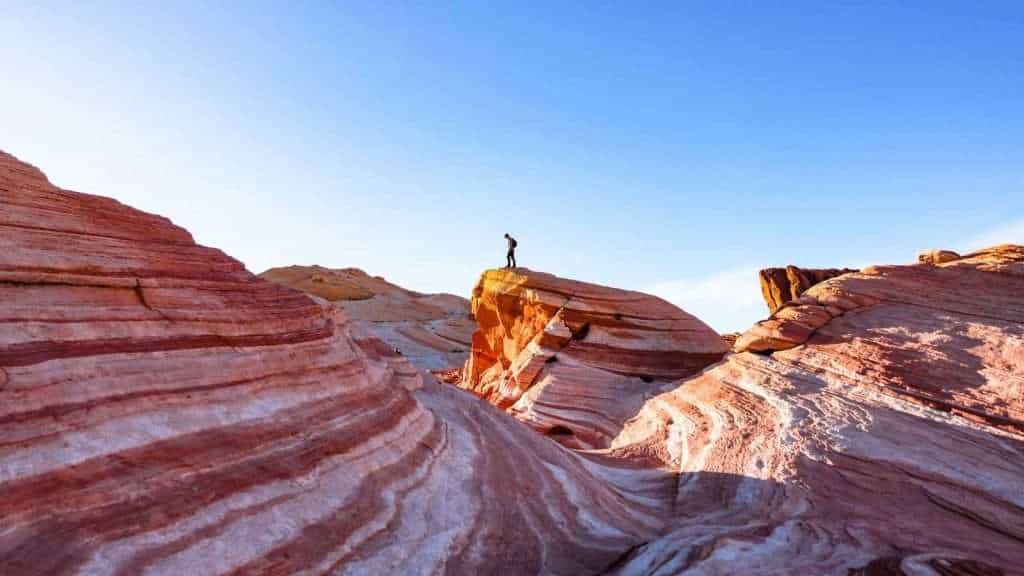
Despite its proximity to Las Vegas, Valley of Fire feels remote and unforgiving. Extreme heat, fragile sandstone, and minimal shade create serious risks. Rangers frequently warn visitors not to underestimate the environment. The park’s beauty is intense, but survival depends on preparation and caution.
Hocking Hills State Park Backcountry – Ohio

While the main areas are accessible, lesser-used trails in Hocking Hills can feel surprisingly isolated. Steep cliffs, slick rock, and limited cell service increase risk. Rangers advise hikers to plan carefully before exploring deeper sections. It’s a reminder that even popular parks can hold hidden dangers.
Goblin Valley State Park – Utah
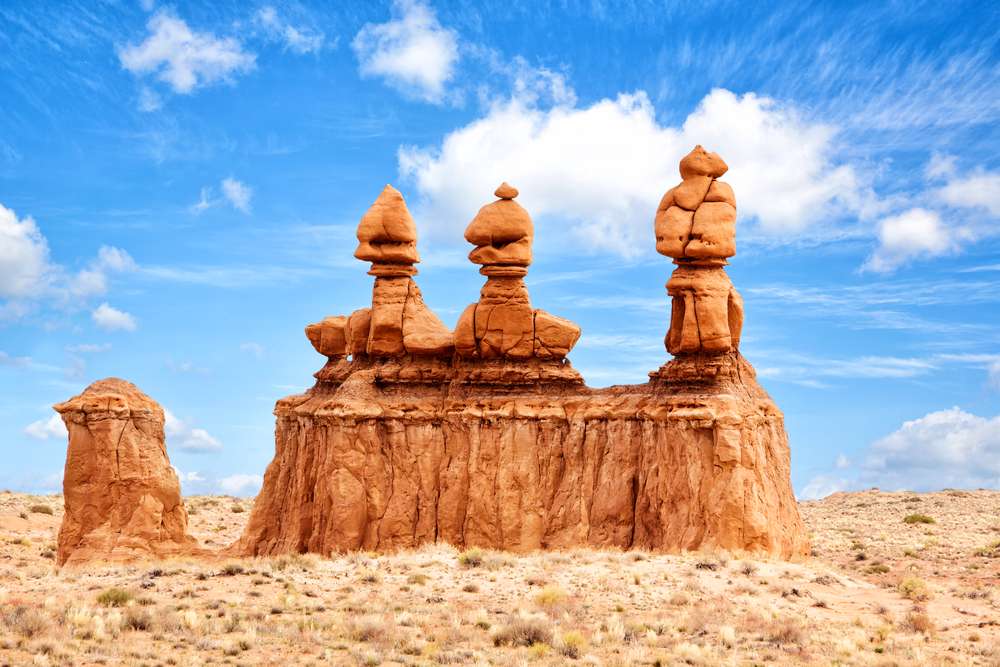
Goblin Valley’s strange rock formations invite exploration, but the terrain can disorient visitors quickly. There are few marked routes, and getting lost is easy. Rangers emphasize self-reliance and caution against wandering unprepared. The landscape feels alien and unforgiving, amplifying its appeal for adventurous travelers.
Adirondack State Park – New York

The Adirondacks are massive, wild, and demanding. Rangers regularly stress that hikers must be prepared for sudden weather shifts and difficult rescues. Dense forests, remote peaks, and long distances separate visitors from help. It’s one of the most serious wilderness experiences in eastern U.S. travel.
Big Bend Ranch State Park – Texas
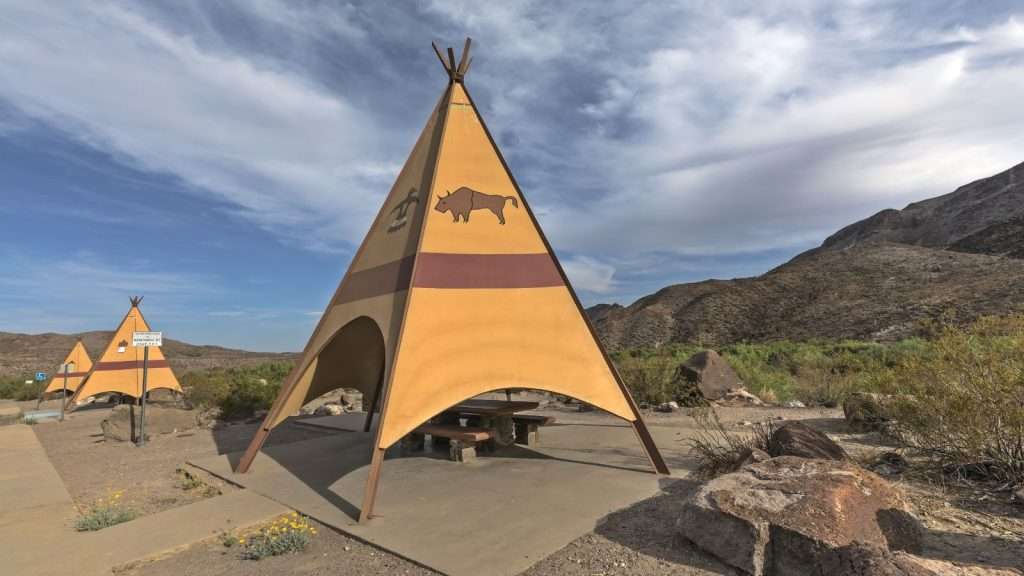
Often overshadowed by the nearby national park, Big Bend Ranch is even more remote. Rangers are clear that visitors should expect no services, little traffic, and extreme terrain. The desert, mountains, and canyons demand full self-sufficiency. It’s one of Texas’s most rugged travel destinations.
Baxter State Park – Maine
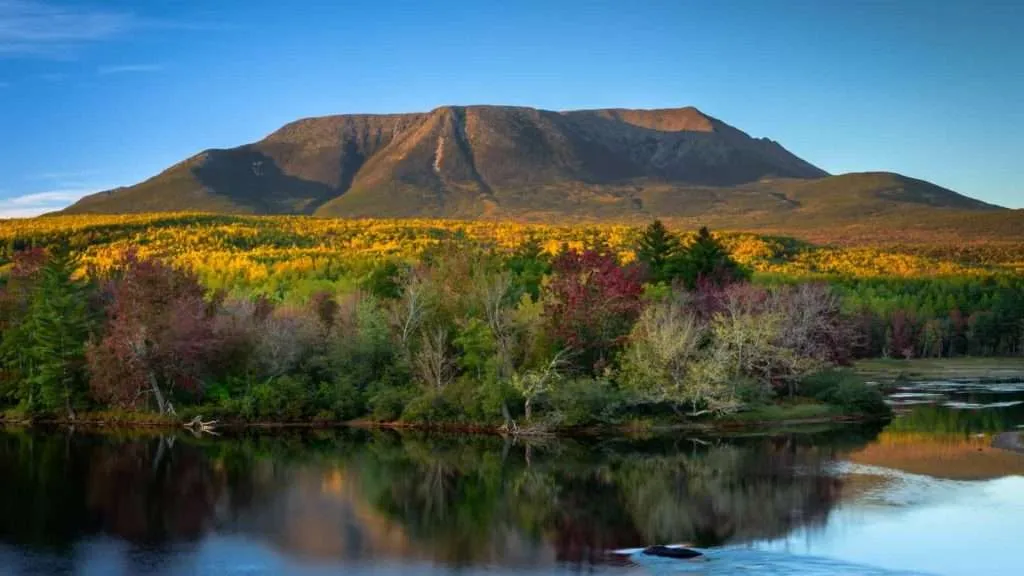
Baxter State Park enforces strict wilderness rules, and rangers are blunt about the risks. Trails are steep, weather is unpredictable, and services are limited by design. The park prioritizes preservation over convenience. Visitors who enter are expected to manage their own safety completely.
Chugach State Park – Alaska
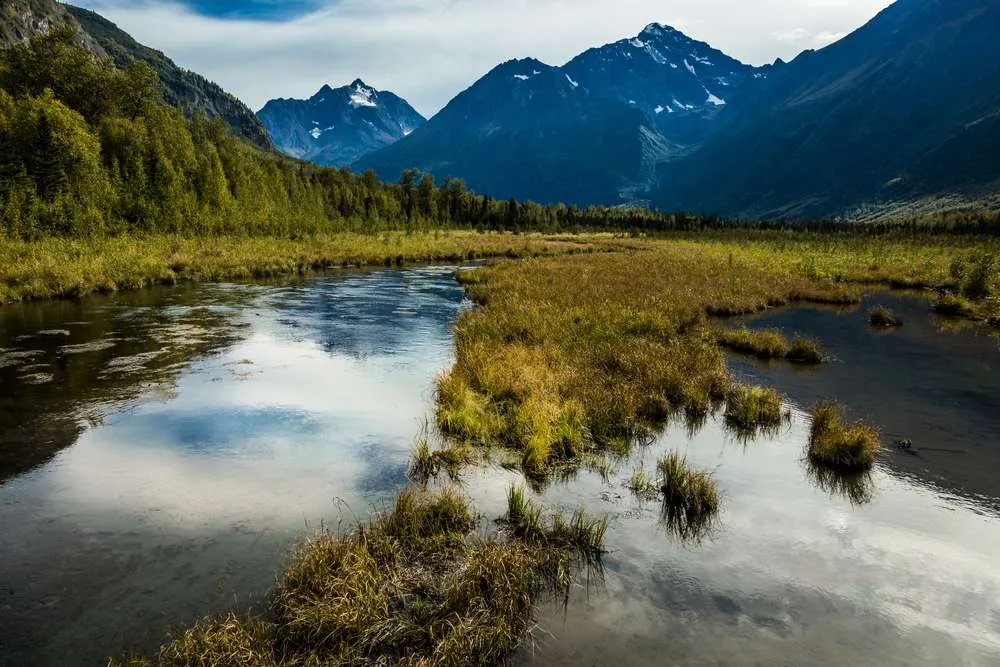
Chugach State Park borders Anchorage but feels far removed from city life. Glaciers, avalanches, and wildlife hazards are common. Rangers emphasize that rescue conditions can be dangerous even for professionals. It’s a powerful example of Alaska’s raw wilderness within reach of urban America.
Franconia Notch State Park – New Hampshire
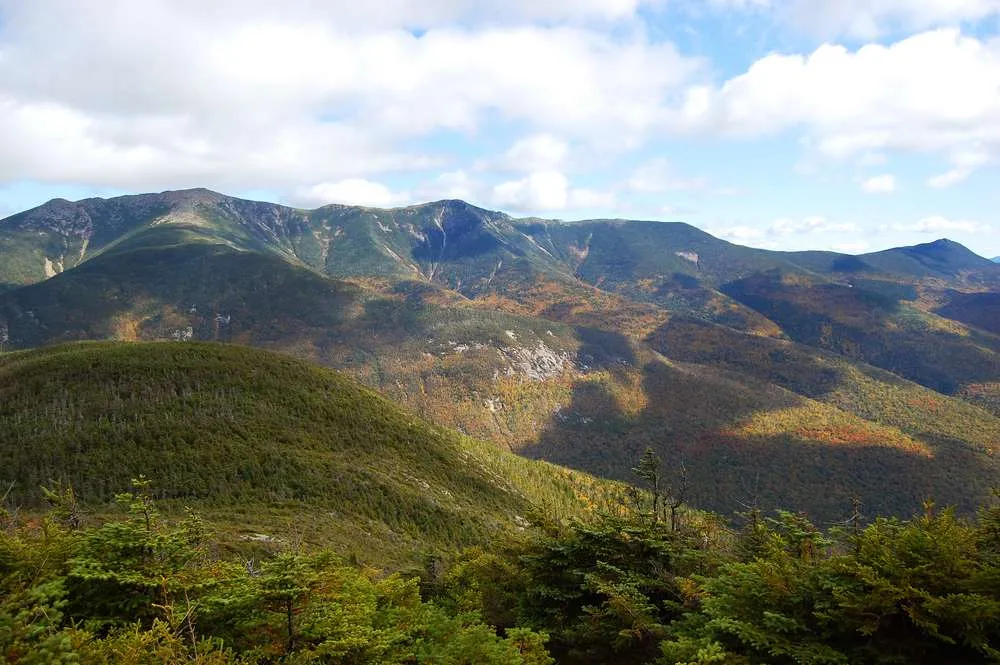
This park’s dramatic terrain includes steep ridges, exposed summits, and fast-changing weather. Rangers frequently warn hikers about wind exposure and hypothermia risks. Trails demand experience and proper gear. It’s a challenging destination that rewards preparedness with unforgettable mountain views.
Smith Rock State Park – Oregon
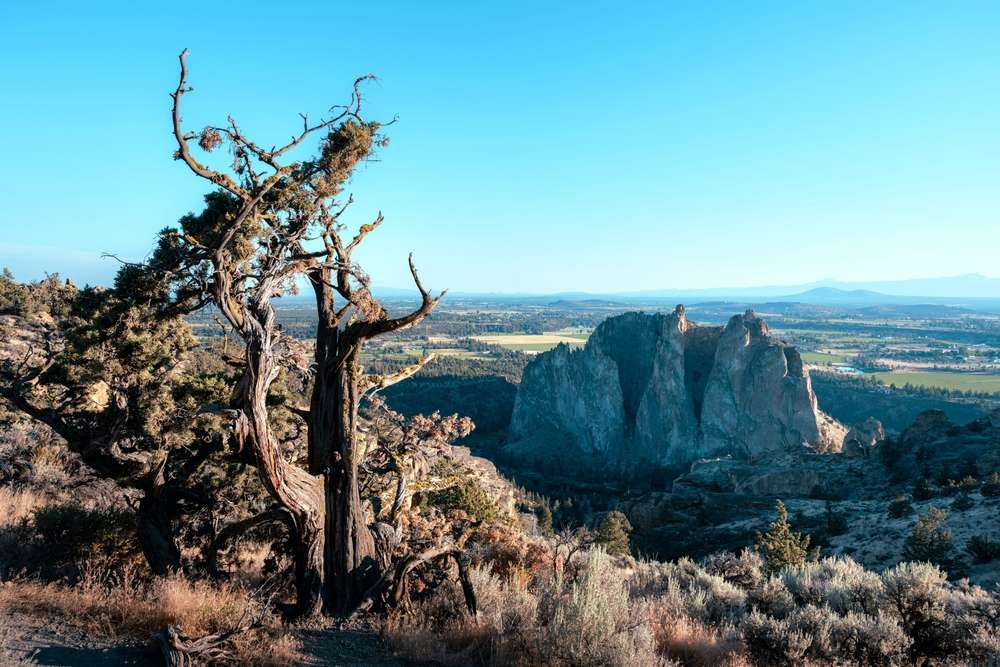
Smith Rock is famous for climbing, but its hiking routes can be equally demanding. Sheer drops, loose rock, and exposed paths require focus. Rangers remind visitors that falls are a serious risk. The park blends recreation with real wilderness consequences.
Cloudland Canyon State Park – Georgia

Cloudland Canyon’s backcountry trails descend steeply into remote areas with limited access points. Rangers warn hikers that emergency response can be slow. The rugged landscape and elevation changes test endurance. It’s one of the Southeast’s most intense state park experiences.
Lost Dutchman State Park – Arizona

This park is steeped in legend and serious desert conditions. Rangers stress hydration, navigation skills, and heat awareness. Trails quickly leave the comfort of marked areas. The Superstition Mountains are visually stunning but notoriously unforgiving.
Silver Falls State Park Backcountry – Oregon

While the waterfall loop is popular, deeper trails lead into rugged terrain. Slippery surfaces and changing weather increase risk. Rangers caution hikers to be prepared beyond basic sightseeing. The park rewards those who venture further with solitude and raw beauty.
Deadman’s Canyon Area – Palo Duro Canyon State Park, Texas

Palo Duro Canyon’s backcountry sections are steep, hot, and remote. Rangers warn visitors about heat exhaustion and limited shade. Trails can feel isolated quickly. It’s a striking reminder that canyon landscapes demand respect and planning.
Ricketts Glen State Park Backcountry – Pennsylvania

Ricketts Glen is known for waterfalls, but less-traveled trails are physically demanding. Slippery rocks and steep climbs create hazards. Rangers emphasize proper footwear and awareness. The park’s beauty comes with real physical challenges.
Hells Canyon Overlooks – Idaho

Hells Canyon’s state-managed areas feature dramatic elevation changes and exposure. Rangers warn that terrain and weather make rescue difficult. The canyon’s depth and isolation are intimidating. It’s one of the most extreme landscapes in U.S. travel.
Pedernales Falls State Park Backcountry – Texas

While the falls attract crowds, the backcountry offers rugged trails and limited amenities. Rangers caution visitors about sudden water changes and heat. The terrain feels remote despite proximity to Austin. Preparedness separates a good trip from a dangerous one.
Waimea Canyon State Park – Hawaii

Waimea Canyon’s scale and weather shifts surprise many visitors. Rangers warn about slippery cliffs and sudden fog. Trails can feel isolated quickly. Known as the “Grand Canyon of the Pacific,” it demands respect equal to its beauty.

Deborah Montiero is a seasoned travel writer and contributor to Probe the Globe. With a passion for uncovering hidden gems and sharing immersive travel experiences, Deborah’s work highlights must-visit destinations, insider tips, and practical advice for travelers of all types. Whether exploring bustling cities or remote escapes, her articles are crafted to inspire and inform, making her a trusted voice in the travel community.
Her storytelling weaves together cultural insights, logistical tips, and authentic experiences, making her a valuable resource for readers seeking unforgettable journeys.
When not writing, Deborah is likely researching the latest travel trends or planning her next adventure. Follow her work on Probe the Globe for fresh perspectives and up-to-date travel inspiration.