18 Quiet U.S. National Parks That Locals Prefer Over the Big Names
When it comes to national parks, names like Yellowstone, Yosemite, and the Grand Canyon dominate travel itineraries. But ask seasoned travelers or locals in certain corners of the U.S., and you’ll find a different answer. Many of America’s most breathtaking national parks fly under the radar, offering stunning landscapes, rich biodiversity, and peaceful trails, all without the crowds. Here are 18 quiet U.S. national parks that locals treasure and savvy travelers are beginning to discover.
North Cascades National Park, Washington
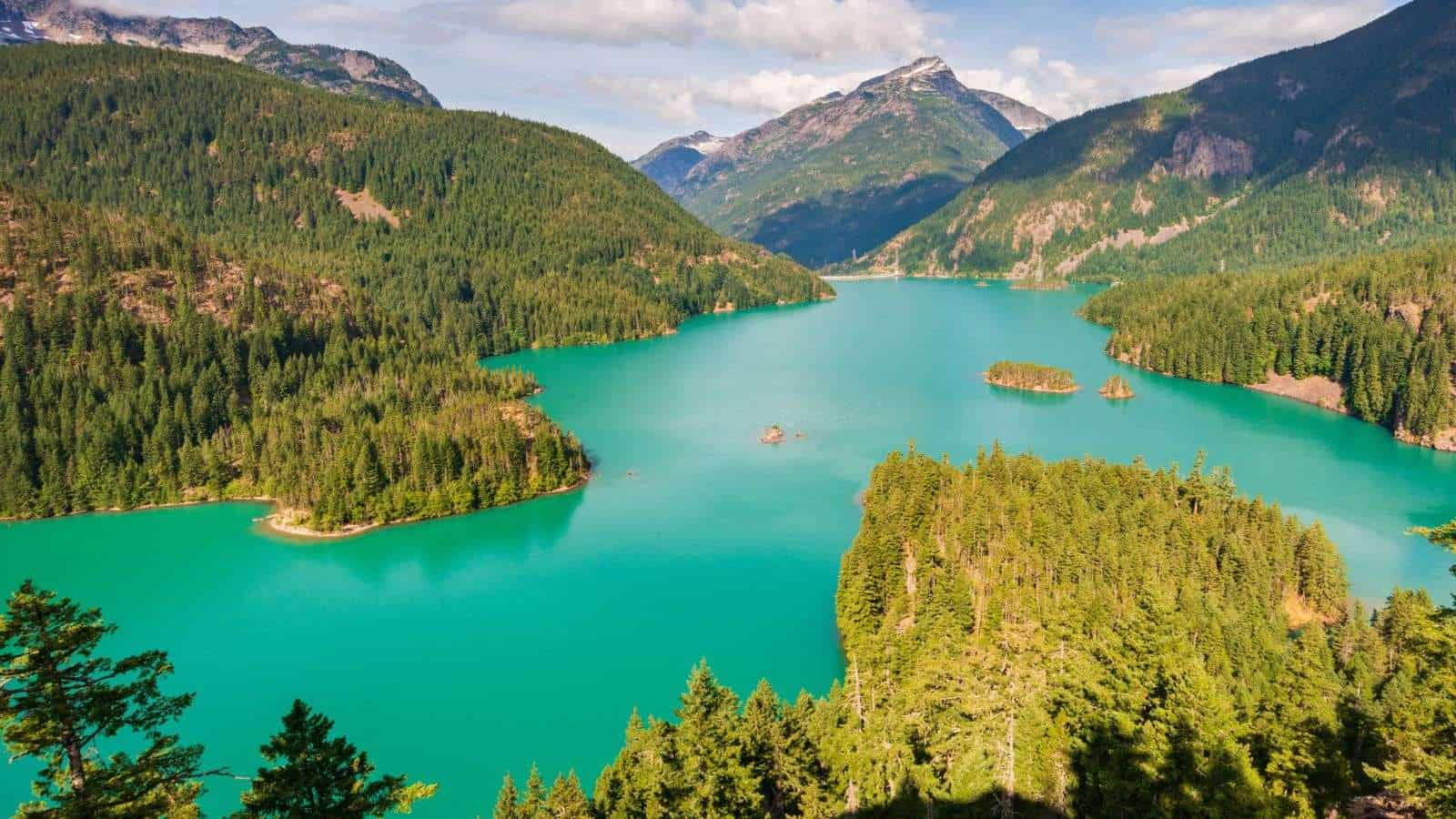
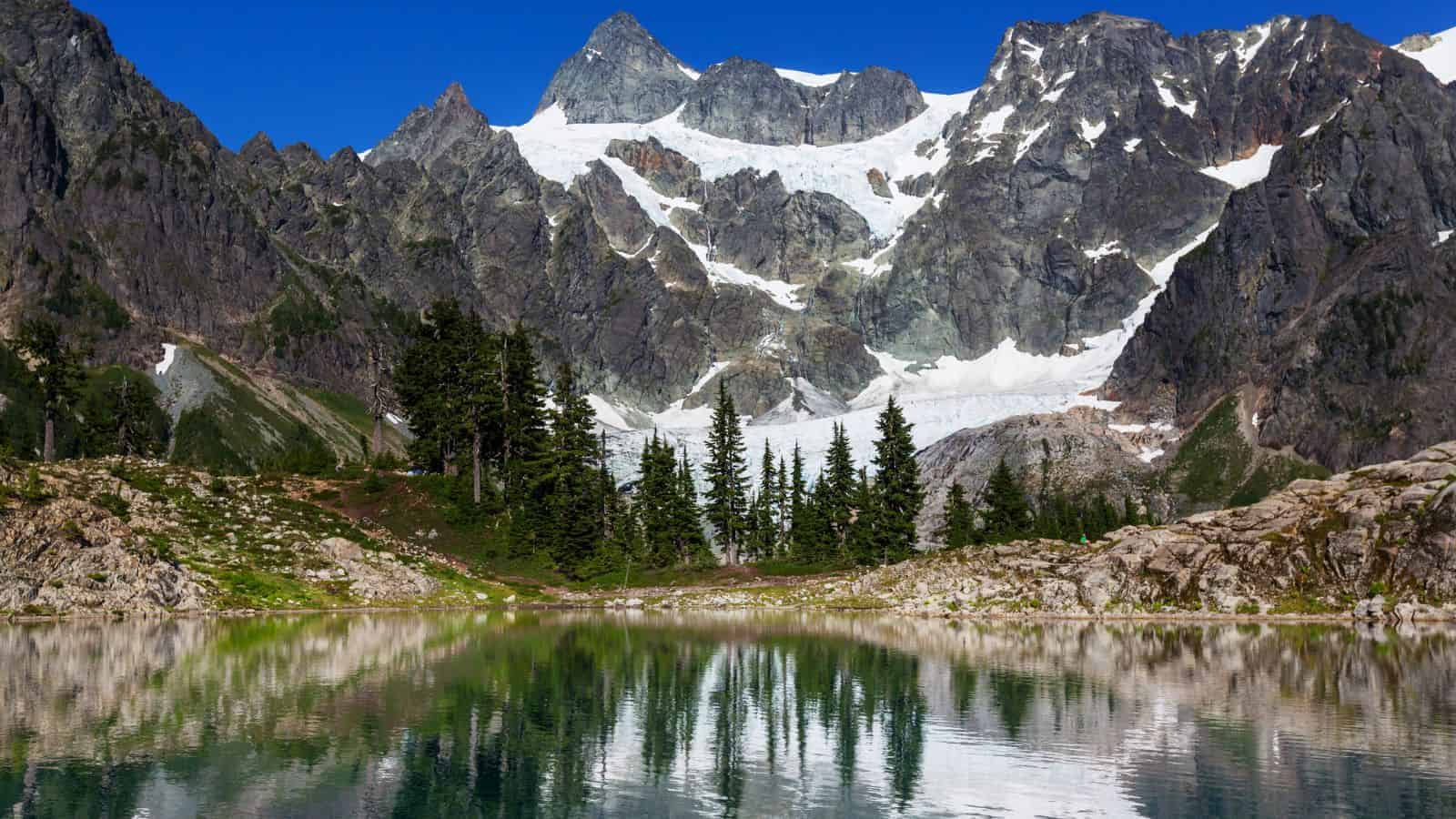
Often overshadowed by its Pacific Northwest neighbor Mount Rainier, North Cascades National Park is a wilderness lover’s paradise. With glacier-carved peaks, alpine lakes, and a vast network of trails, it offers some of the most rugged and remote terrain in the lower 48. Wildlife sightings are common here, and the lack of large visitor centers or heavy infrastructure keeps it feeling wild and untouched.
Great Basin National Park, Nevada
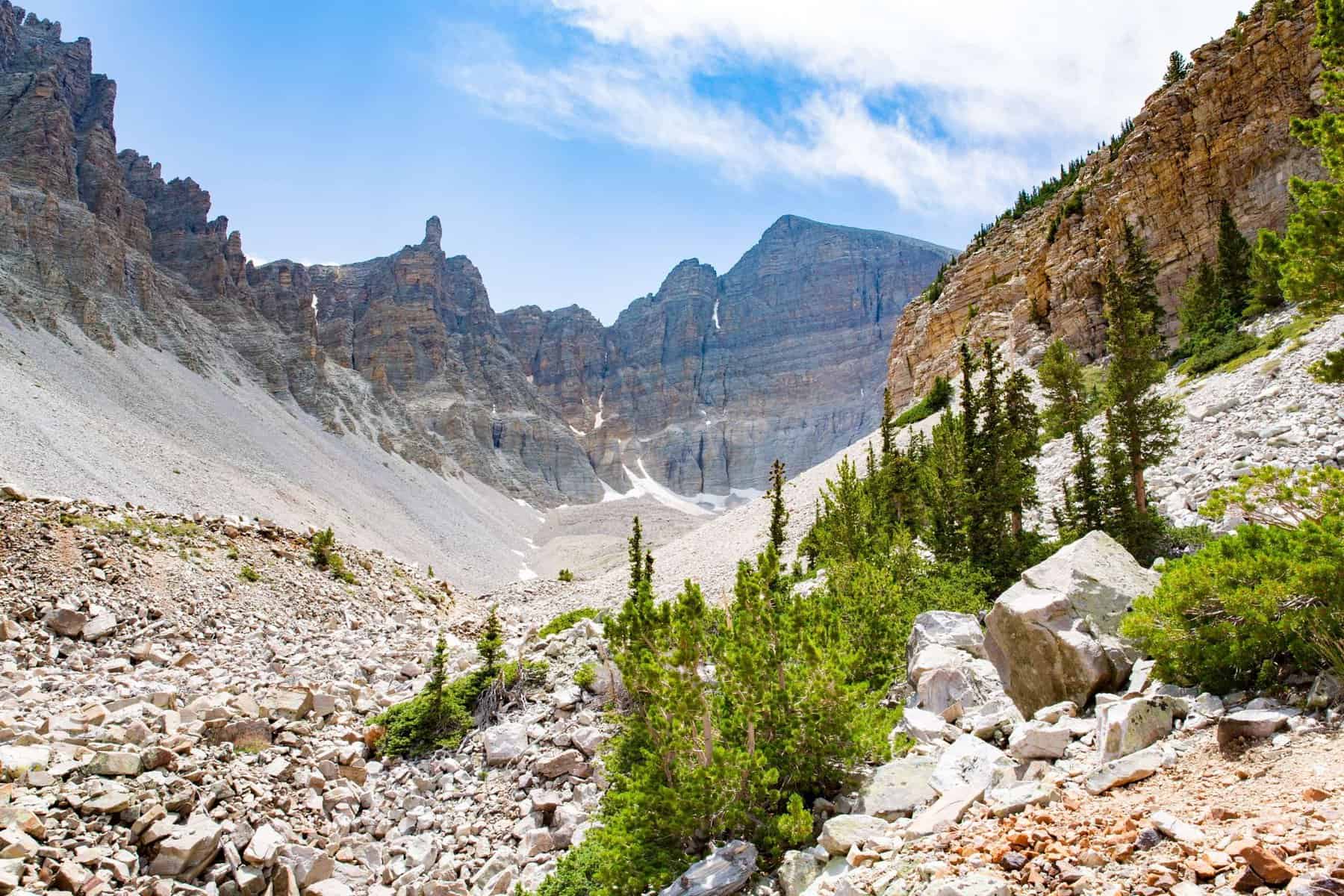
Tucked away in eastern Nevada, Great Basin National Park boasts dramatic mountain ranges, ancient bristlecone pines, and Lehman Caves, a stunning subterranean system. It’s one of the darkest places in the U.S. for stargazing, making it a magnet for astronomy buffs. Visitors often find they have entire trails or campsites to themselves, making it a perfect getaway for those craving solitude.
Congaree National Park, South Carolina

If you’re picturing swamps and bugs, think again. Congaree National Park is a lush, mystical forest of towering hardwoods and floodplain ecosystems. It feels more like a cathedral of nature than a swamp, with boardwalk trails that glide through the wetlands. Paddling through the Congaree River is a peaceful, immersive way to take in the landscape, and it rarely gets the foot traffic of other parks in the Southeast.
Isle Royale National Park, Michigan
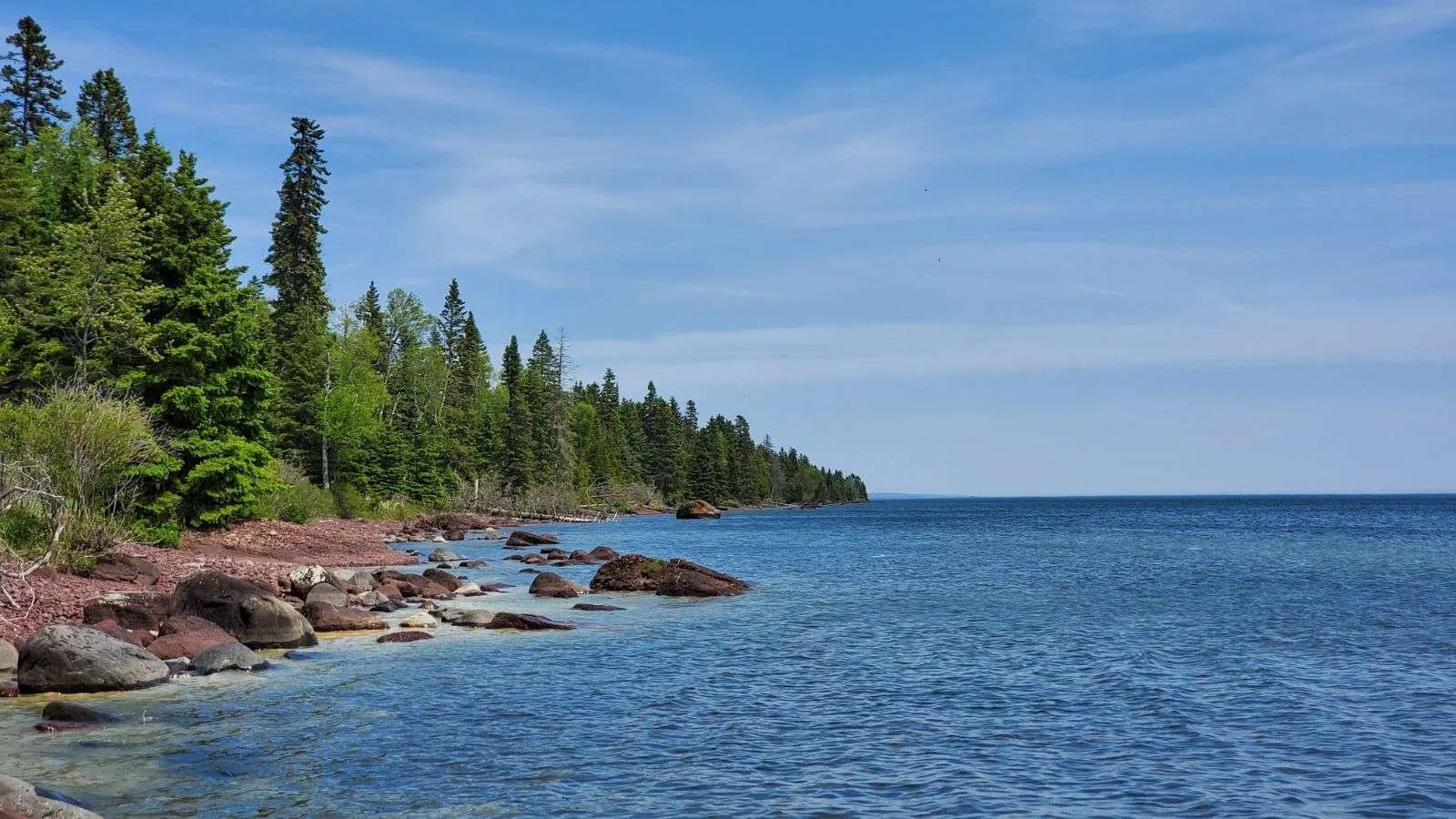
Accessible only by boat or seaplane, Isle Royale is the least-visited national park in the contiguous U.S., and that’s a good thing. Located in the middle of Lake Superior, it offers rugged trails, pristine forests, and encounters with moose and wolves. The island setting makes it feel like a true escape, where cell service vanishes and the natural world takes center stage.
Guadalupe Mountains National Park, Texas
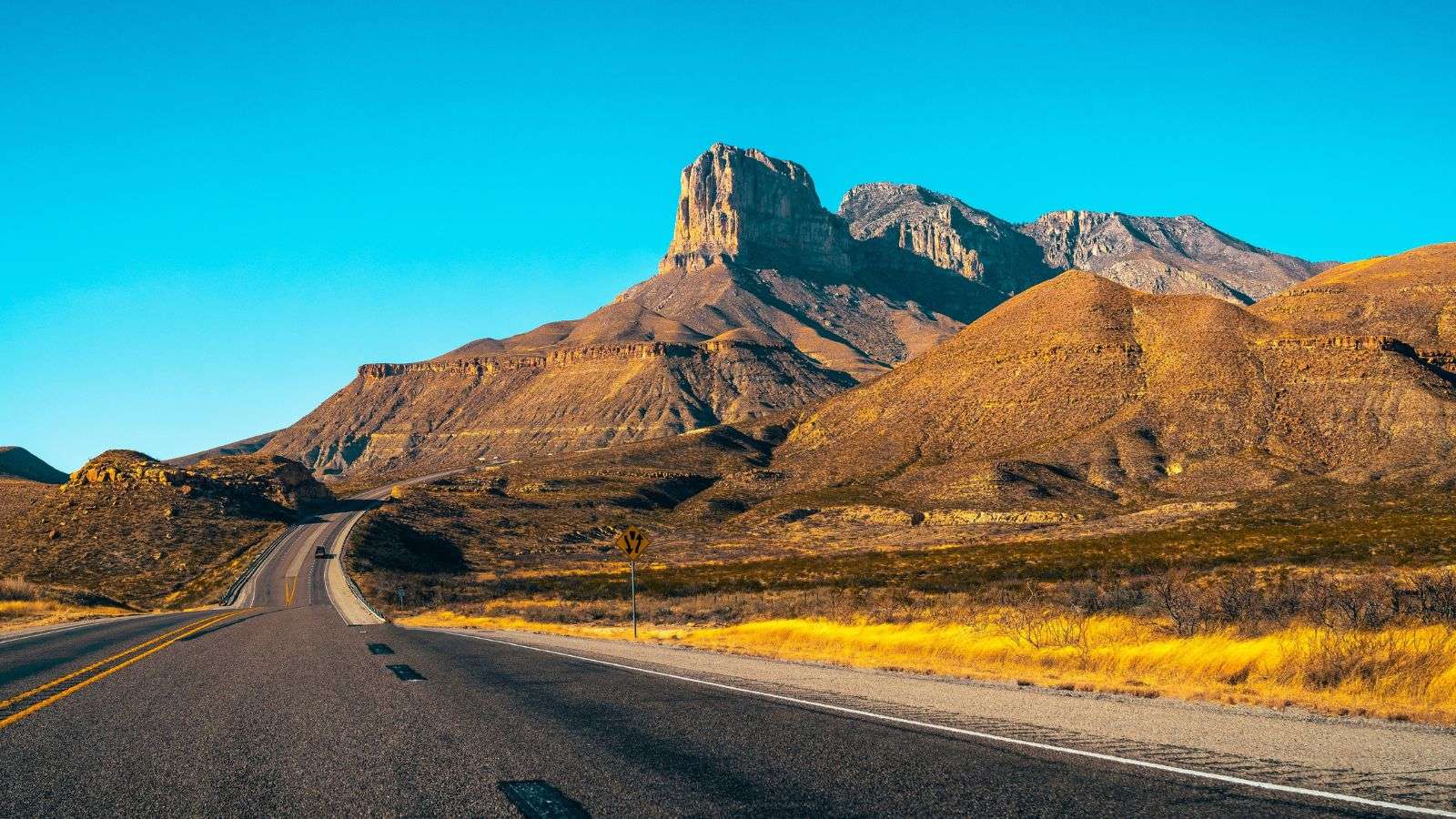
Deep in the West Texas desert, Guadalupe Mountains National Park is home to the state’s highest peak and some of its most varied ecosystems. From desert basins to pine-covered mountaintops, the park features dramatic changes in elevation and scenery. Despite its grandeur, it remains relatively unknown, making it a haven for hikers looking to climb peaks in solitude.
Lassen Volcanic National Park, California
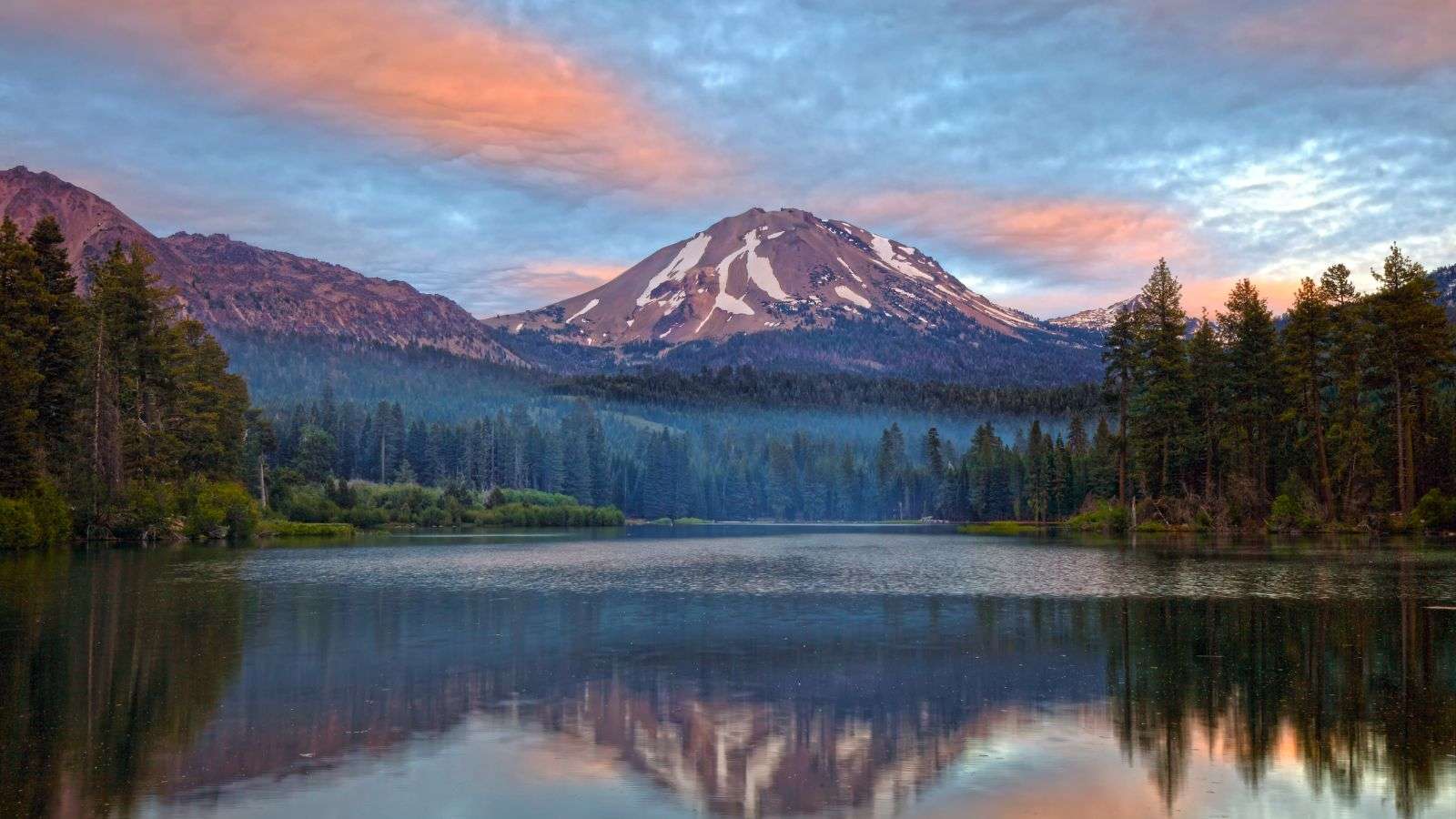
California’s lesser-known volcanic park offers a geological wonderland without the crowds of Yellowstone. Lassen Volcanic National Park features steaming fumaroles, boiling springs, and a dramatic volcanic landscape. With alpine lakes, flower-filled meadows, and miles of trails, it’s a visual feast for nature lovers and photographers. It’s especially beautiful in late summer and early fall, when wildflowers peak and skies are clear.
Voyageurs National Park, Minnesota
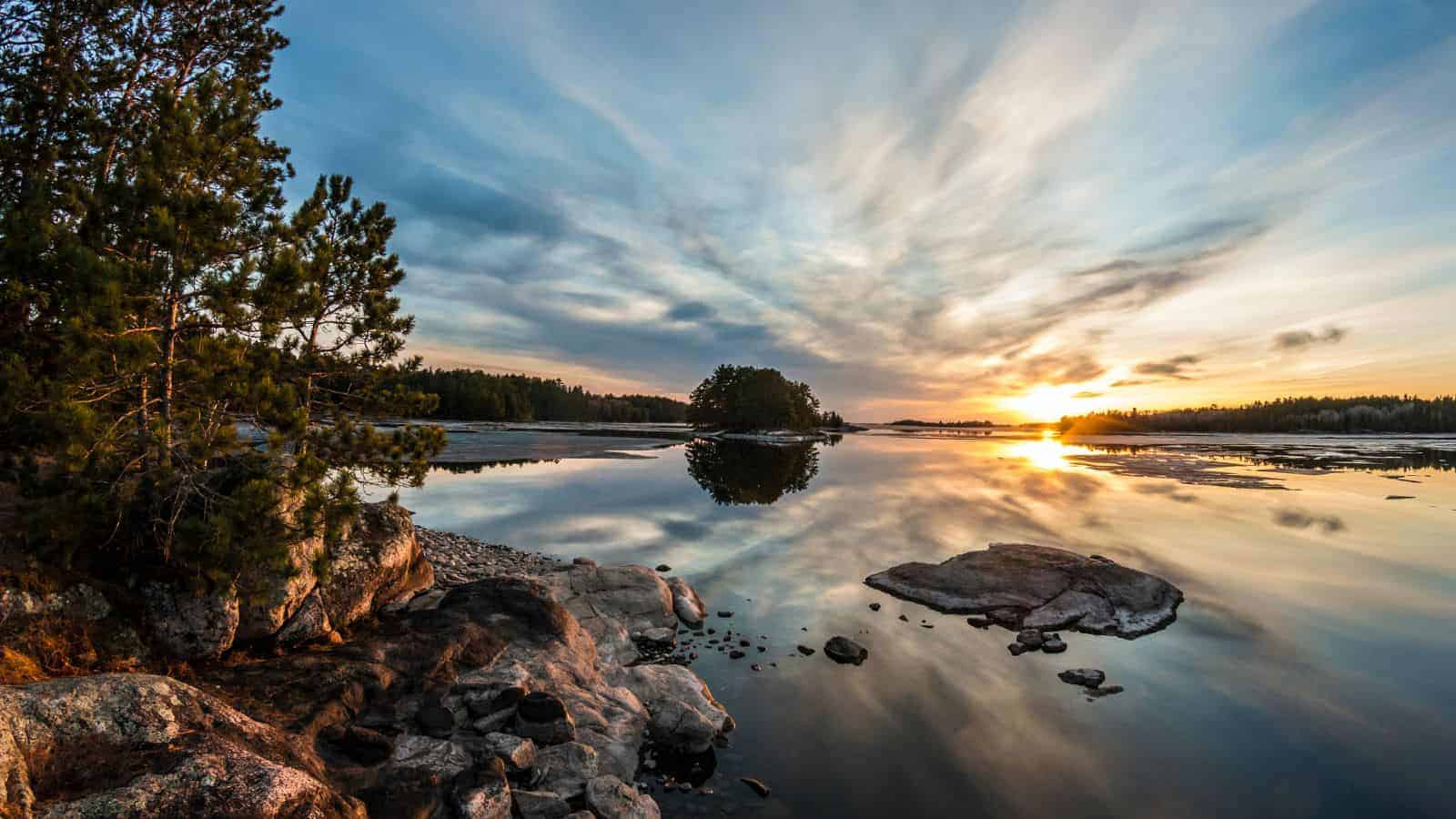
A water-based park of interconnected lakes and boreal forests, Voyageurs National Park is best explored by canoe, kayak, or houseboat. The only road access is limited, which means those who do make the effort are rewarded with serene beauty and quiet shorelines. It’s an angler’s paradise, and the park’s remote campsites often feel like private wilderness hideaways.
Pinnacles National Park, California
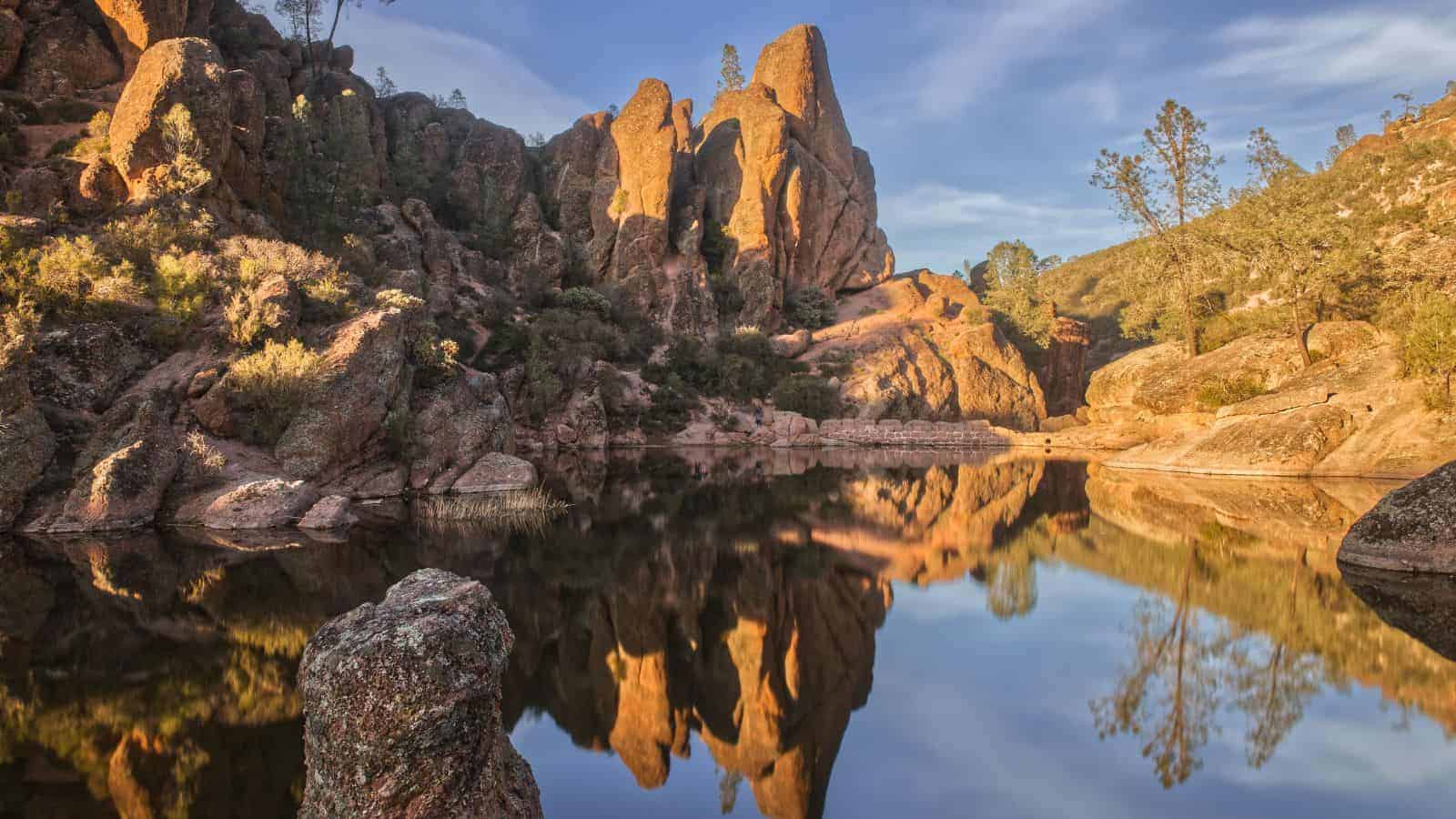
Located in central California, Pinnacles is a geological marvel formed from ancient volcanic activity. It features towering rock spires, talus caves, and endangered California condors soaring overhead. Rock climbers and bird watchers adore this park, and while it’s a short drive from urban areas, it remains blissfully uncrowded most of the year, particularly on weekdays.
Black Canyon of the Gunnison National Park, Colorado

For those who like their scenery dramatic, Black Canyon of the Gunnison delivers. Its steep, shadowy cliffs carved by the Gunnison River are some of the most striking in the country. The park sees only a fraction of the visitors that Rocky Mountain National Park does, but offers just as much grandeur, especially for hikers and photographers who enjoy rugged terrain and moody vistas.
Capitol Reef National Park, Utah
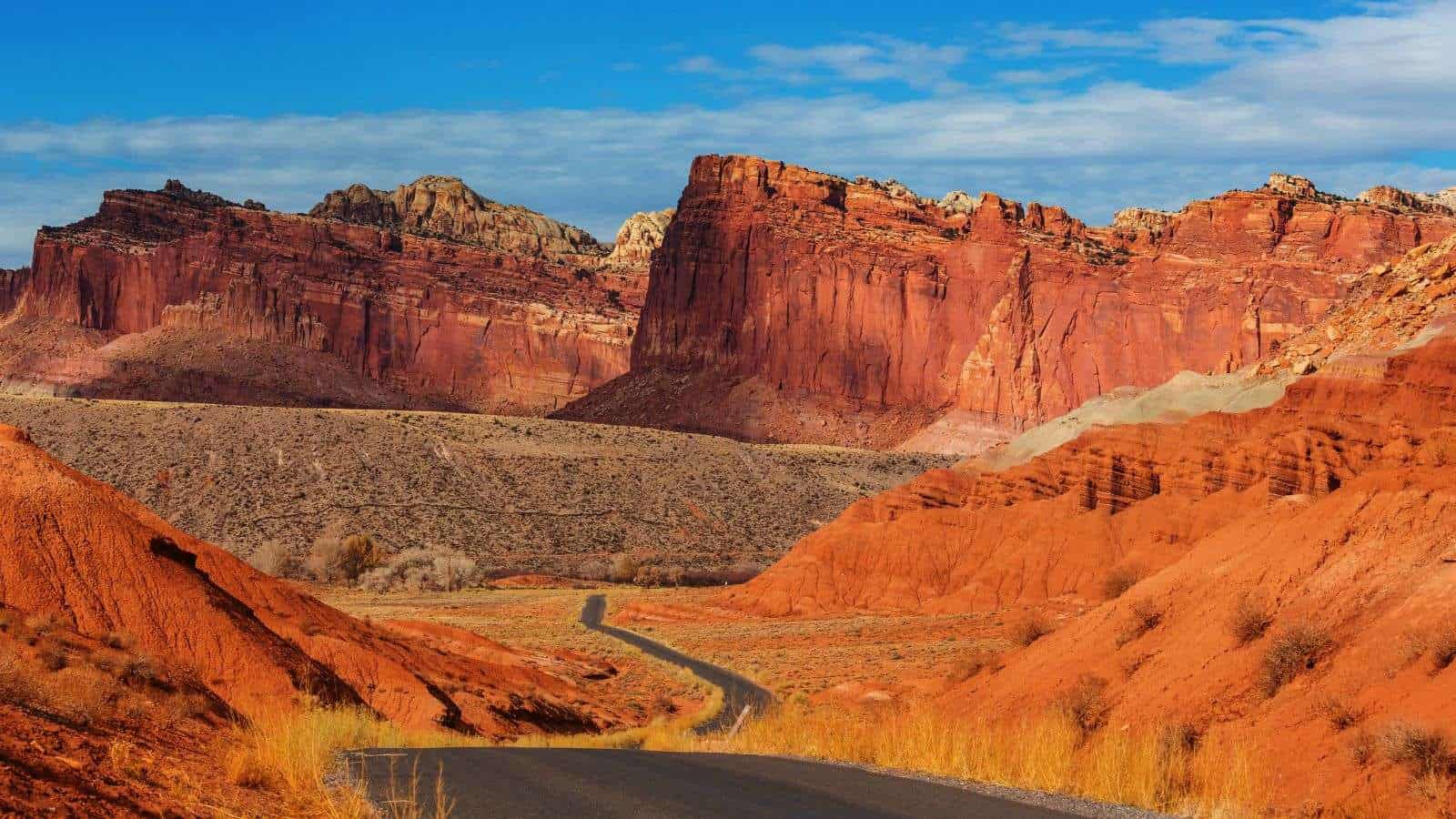
Often skipped in favor of Zion or Bryce Canyon, Capitol Reef is no less spectacular. Its colorful cliffs, domes, and canyons stretch for miles through central Utah, and its remote location keeps crowds away. Fruit orchards planted by Mormon pioneers still produce apples and peaches you can pick in season, making for a unique historical experience amid natural beauty.
Wrangell–St. Elias National Park & Preserve, Alaska
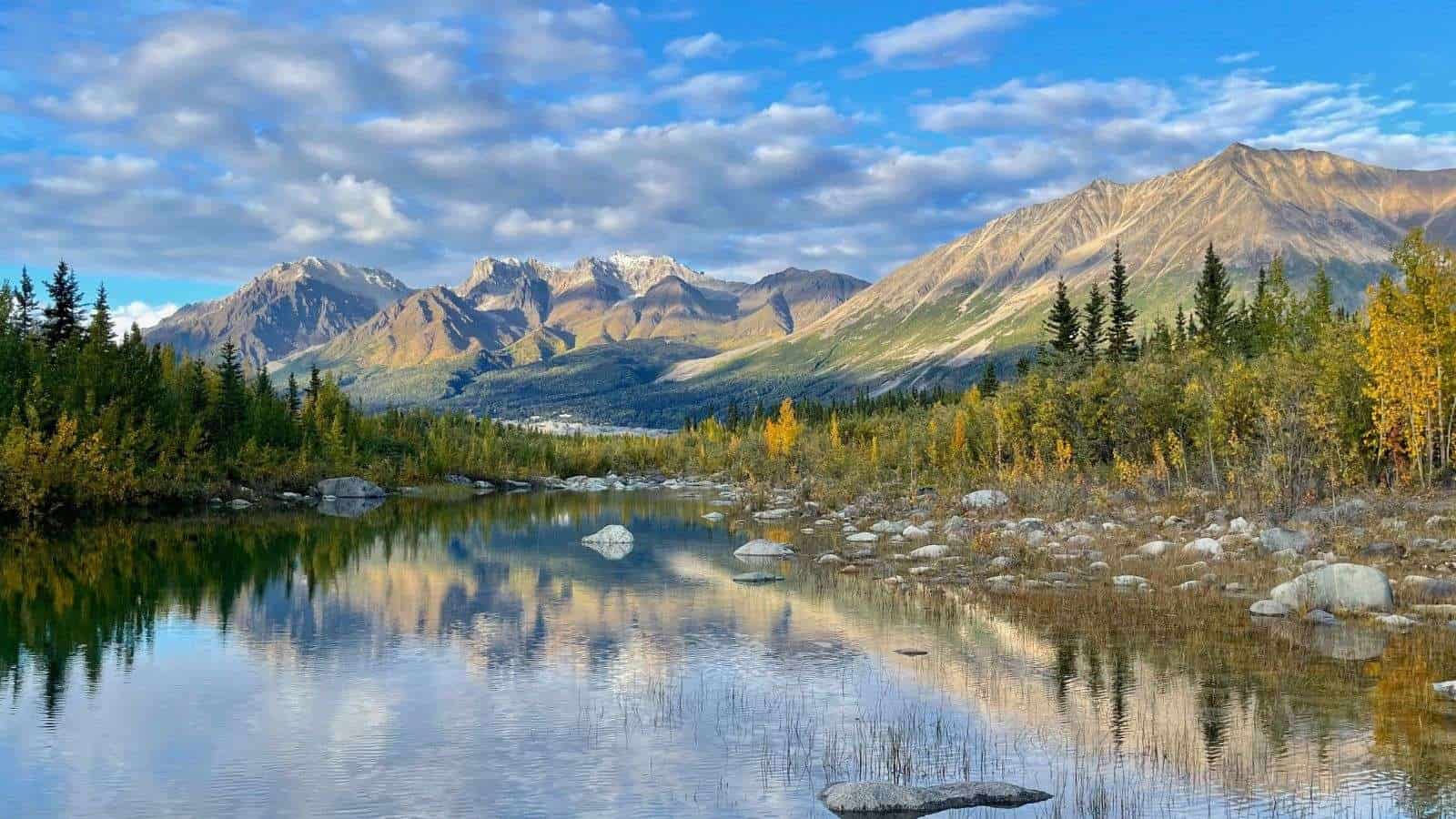
At over 13 million acres, Wrangell–St. Elias is the largest national park in the U.S., but it remains one of the least visited. Massive glaciers, active volcanoes, and towering peaks dominate this epic landscape. It’s a place where adventure reigns, whether you’re bush flying, glacier trekking, or simply marveling at the raw Alaskan wilderness, solitude is practically guaranteed.
Dry Tortugas National Park, Florida

Situated 70 miles west of Key West and accessible only by boat or seaplane, Dry Tortugas is a secluded paradise in the Gulf of Mexico. Home to historic Fort Jefferson and vibrant coral reefs, it’s a haven for snorkelers, history buffs, and anyone looking to disconnect. With no roads or commercial development, it offers a kind of tropical peace rarely found in the U.S.
Theodore Roosevelt National Park, North Dakota
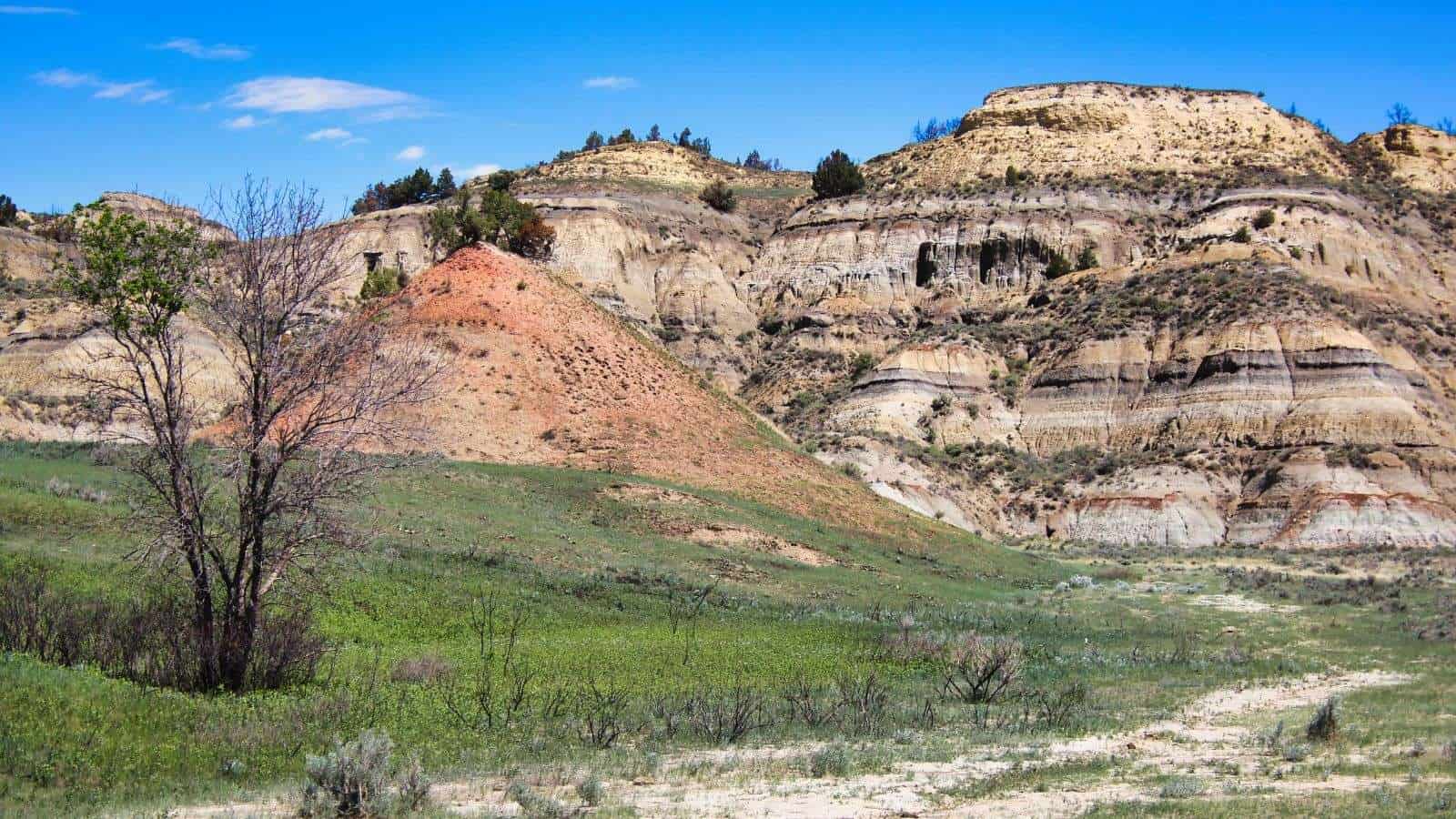
This underappreciated park honors the legacy of the conservation-minded president in a landscape of rolling badlands, winding rivers, and open prairie. Bison and wild horses roam freely, and the sunsets over the colorful buttes are unforgettable. While the crowds flock to South Dakota’s Black Hills, North Dakota’s quieter neighbor holds its own kind of magic.
Channel Islands National Park, California
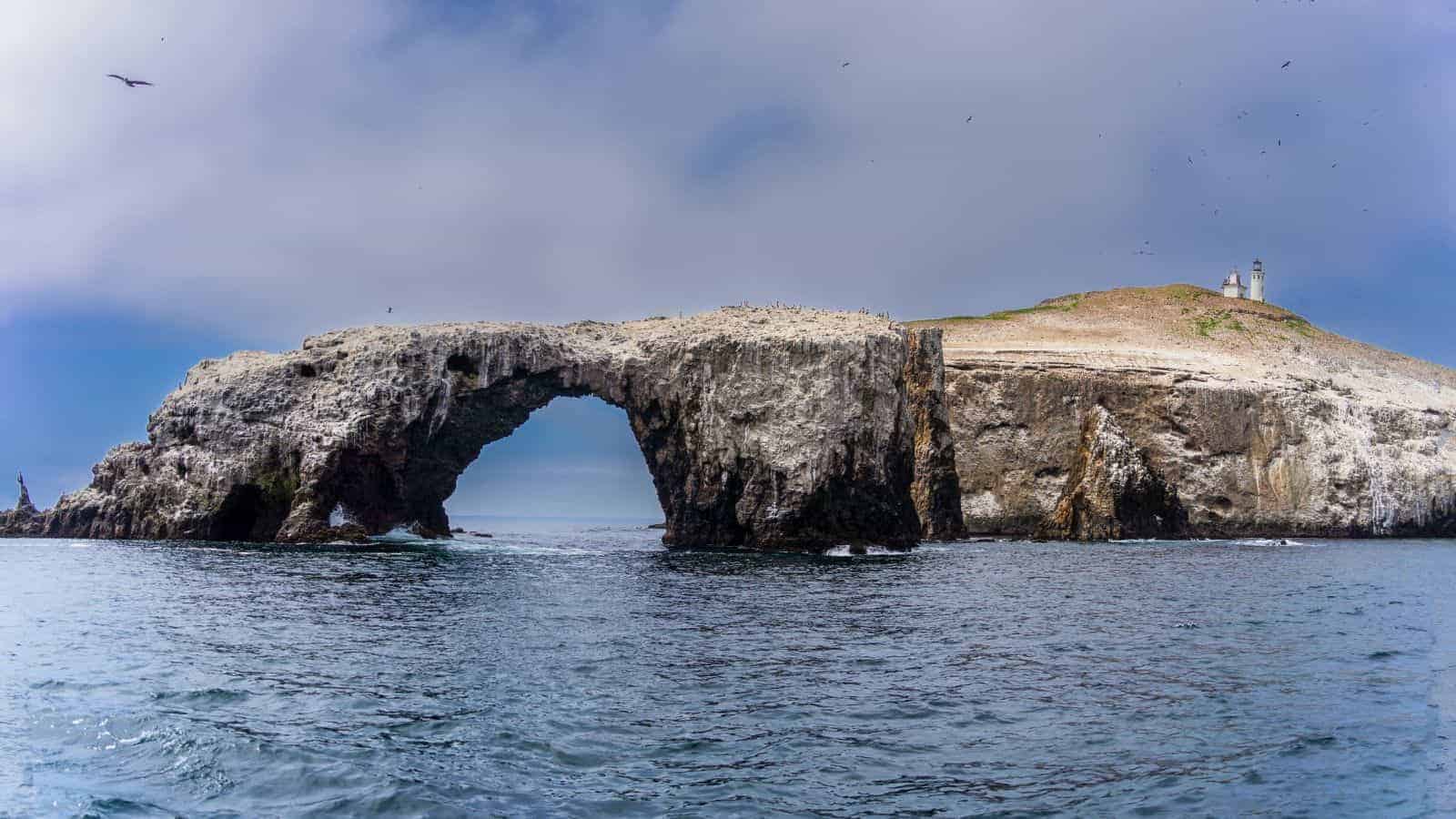
Just off the Southern California coast lies an archipelago known as the “Galápagos of North America.” Channel Islands National Park offers five pristine islands with hiking trails, sea caves, and rich marine life. Getting there requires effort, but the payoff is complete immersion in a world far removed from the hustle of the mainland.
Cuyahoga Valley National Park, Ohio
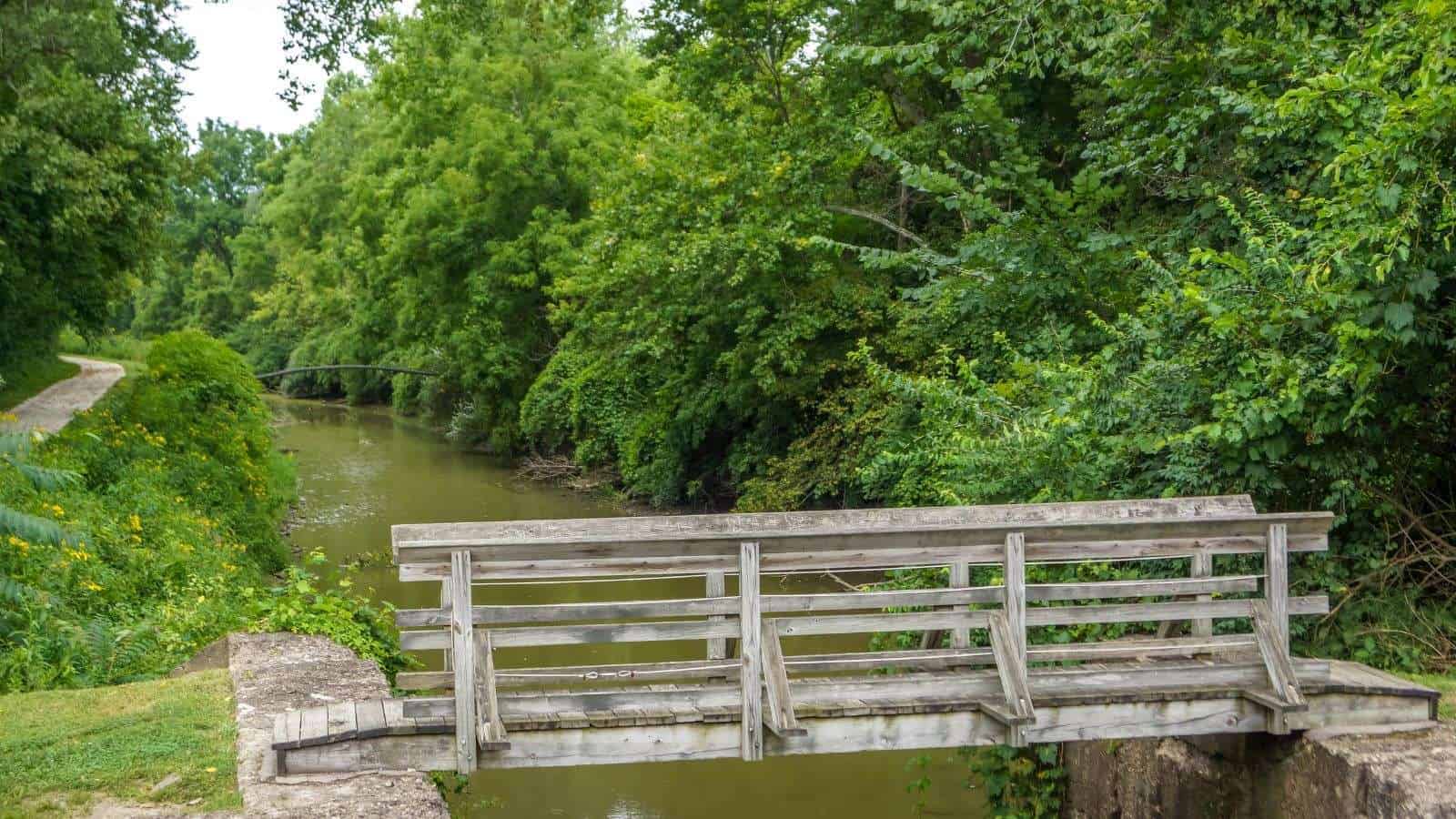
Often overlooked due to its proximity to urban centers, Cuyahoga Valley surprises with waterfalls, rolling hills, and lush forests. It’s a beloved local escape that blends scenic beauty with accessibility. Biking the Towpath Trail or hiking through Brandywine Falls offers a peaceful retreat without needing to venture far from civilization.
Kenai Fjords National Park, Alaska
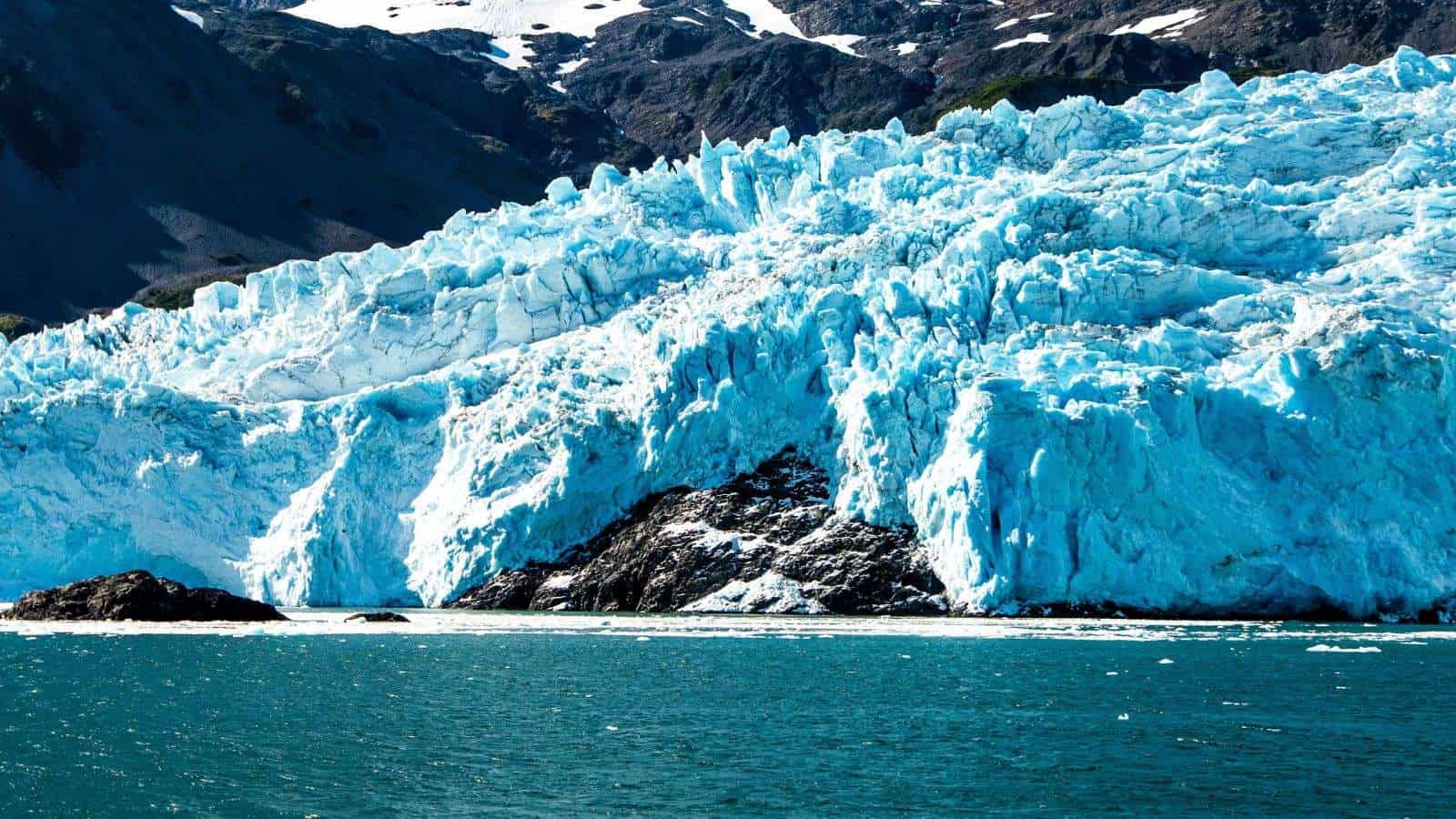
Kenai Fjords combines glacial drama with abundant marine life, all accessible from the harbor town of Seward. While it’s more visited than Wrangell–St. Elias, it still feels remote compared to mainland parks. Boat tours reveal whales, puffins, and sea otters, while the Harding Icefield Trail offers a rare chance to hike alongside a massive glacier.
Big Bend National Park, Texas
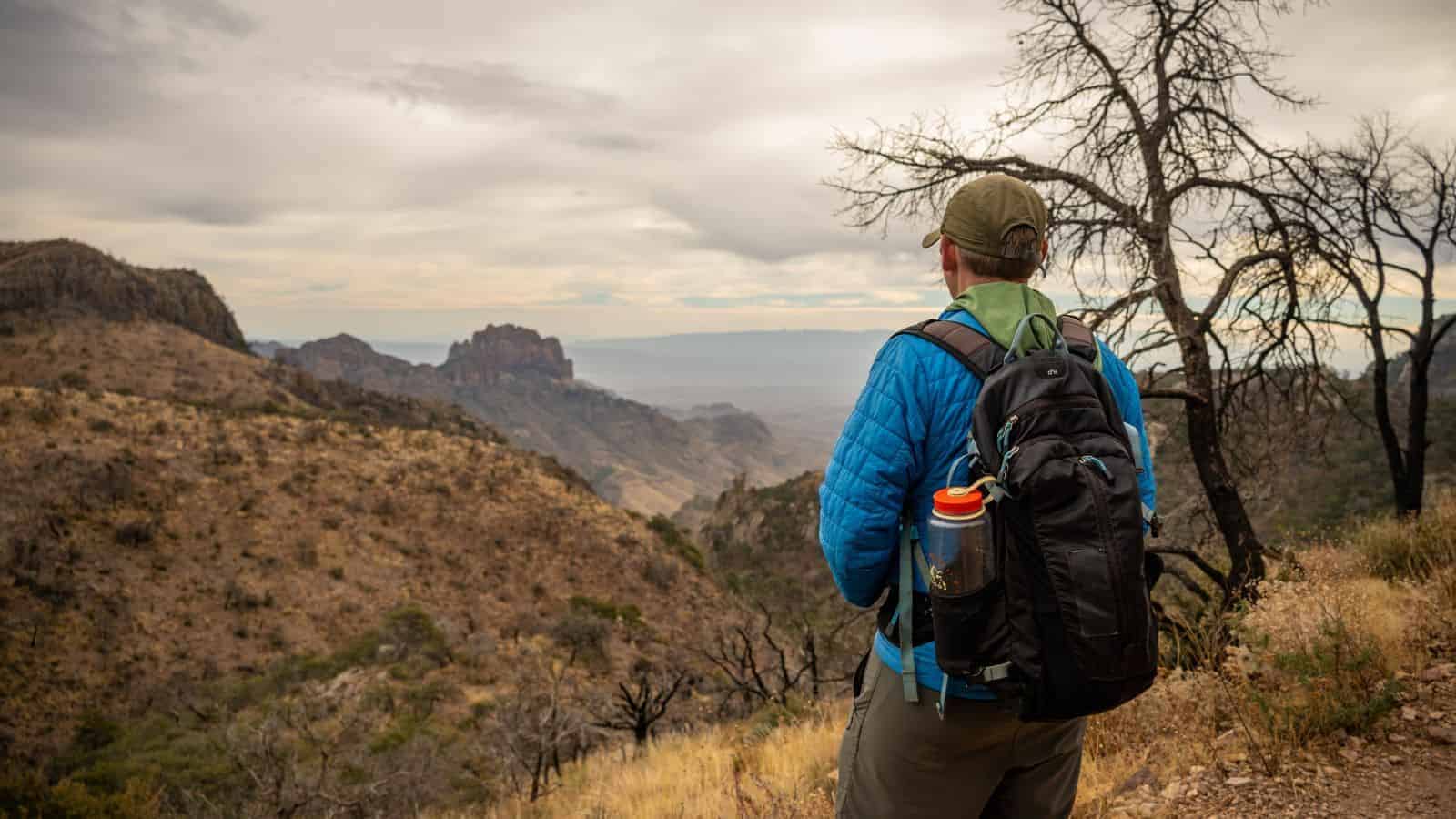
Despite its size and dramatic beauty, Big Bend remains one of the nation’s quietest parks. Tucked along the Rio Grande in southwest Texas, it features desert mountains, canyons, and hot springs. Its isolation is its charm, there you’re more likely to see javelinas than traffic jams. The stargazing here is phenomenal, thanks to some of the darkest skies in North America.
Mesa Verde National Park, Colorado

Unlike any other national park, Mesa Verde preserves the cliff dwellings and cultural history of the Ancestral Puebloans. It’s a historical and archaeological treasure nestled in southwestern Colorado’s mesas. Despite its UNESCO World Heritage designation, it doesn’t see the crowds of other parks in the region. Guided tours of the ancient dwellings provide a deep, intimate connection with the past.

Deborah Montiero is a seasoned travel writer and contributor to Probe the Globe. With a passion for uncovering hidden gems and sharing immersive travel experiences, Deborah’s work highlights must-visit destinations, insider tips, and practical advice for travelers of all types. Whether exploring bustling cities or remote escapes, her articles are crafted to inspire and inform, making her a trusted voice in the travel community.
Her storytelling weaves together cultural insights, logistical tips, and authentic experiences, making her a valuable resource for readers seeking unforgettable journeys.
When not writing, Deborah is likely researching the latest travel trends or planning her next adventure. Follow her work on Probe the Globe for fresh perspectives and up-to-date travel inspiration.