20 U.S. Ghost Towns Making a Comeback in the Weirdest Ways
Once-abandoned places across America are finding unexpected second lives. What were once quiet, forgotten towns are now drawing travelers, artists, entrepreneurs, and history lovers in surprising ways. From quirky festivals to offbeat businesses, these revivals reflect how creative U.S. travel experiences are reshaping rural and historic destinations. Ghost towns no longer belong only to history books; many are evolving into cultural curiosities that reward adventurous travelers. These unusual transformations prove that even places written off long ago can reinvent themselves.
Bodie, California
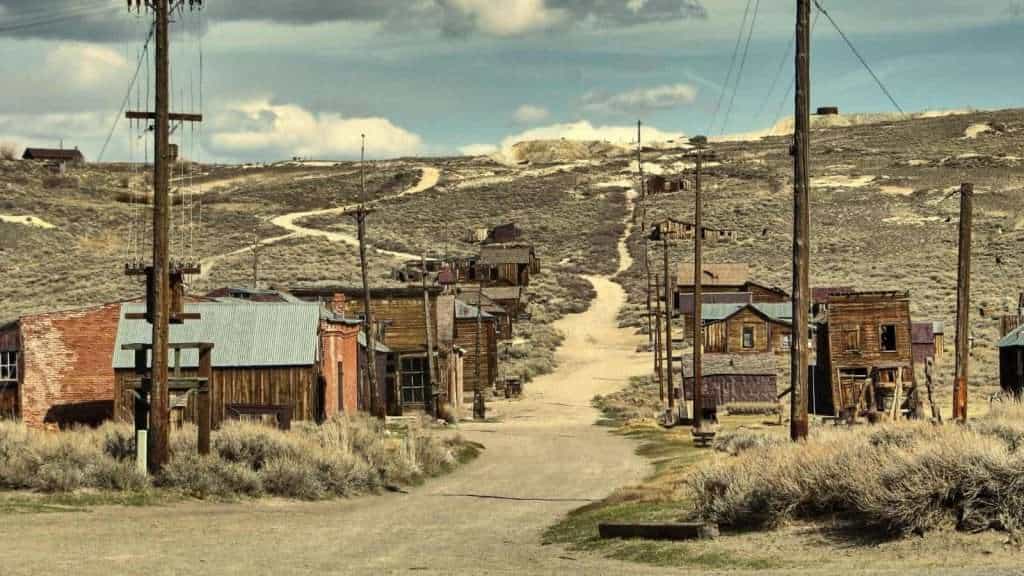
Bodie was once a booming gold-mining town and later became one of America’s most famous ghost towns. Today, it’s experiencing renewed attention through immersive historical tourism. Instead of modern development, preservationists maintain the town in a state of “arrested decay.” Travelers interested in U.S. travel history are drawn to its authentic feel, where abandoned homes, saloons, and schools remain untouched, offering a rare window into frontier life rather than a polished attraction.
Centralia, Pennsylvania

Centralia is known for the underground mine fire that forced nearly all residents to leave. While most buildings are gone, the town has gained new life as a dark tourism destination. Visitors interested in unusual U.S. travel experiences come to see smoking ground vents and cracked roads reclaimed by nature. Artists, photographers, and filmmakers keep Centralia relevant, turning environmental disaster into a haunting cultural landmark.
Jerome, Arizona
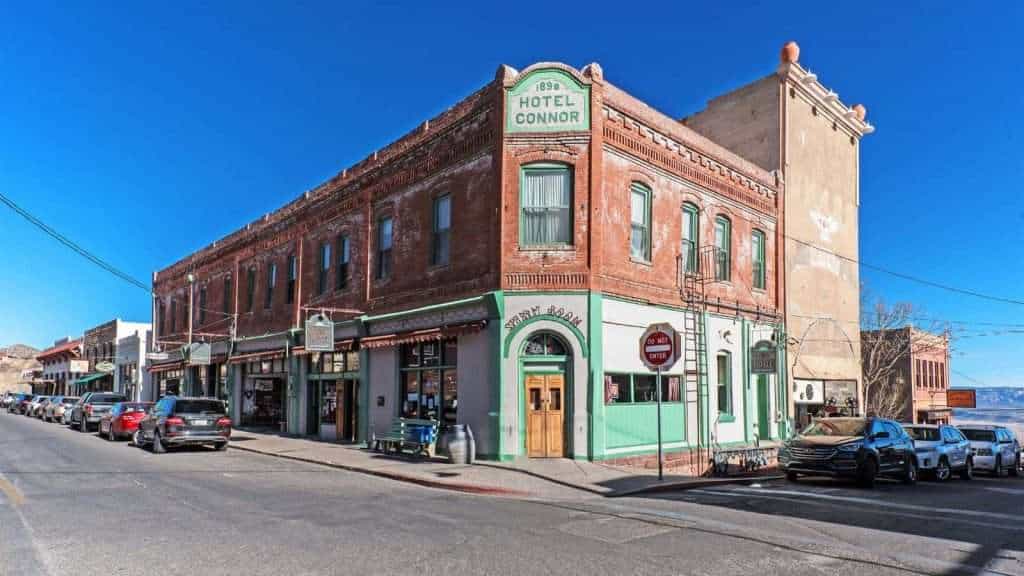
Once a struggling mining town, Jerome nearly vanished by the mid-20th century. Today, it thrives as an eccentric arts community. Artists, musicians, and shop owners have transformed old buildings into galleries, studios, and cafés. Travelers exploring the American Southwest appreciate Jerome’s blend of history, creativity, and ghost lore. Its revival leans into weirdness rather than hiding it, making it a standout U.S. travel stop.
Terlingua, Texas
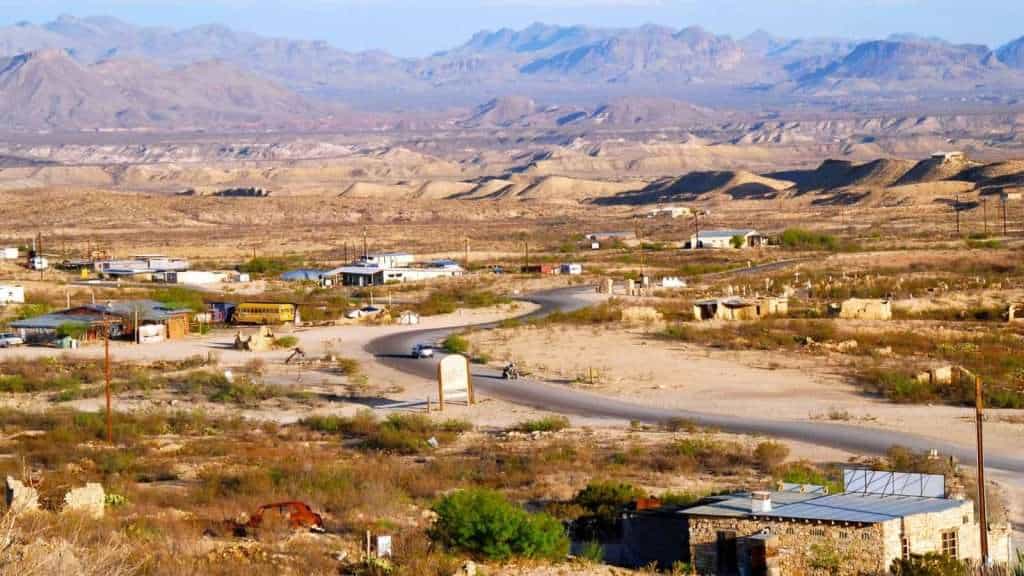
Terlingua was abandoned after mercury mining collapsed, but it now thrives as a quirky desert hub. Its revival centers on festivals, art, and an intentionally offbeat lifestyle. Travelers visiting nearby Big Bend National Park often stop for chili cook-offs, music events, and eccentric lodging. Terlingua’s comeback embraces its isolation, attracting U.S. travel fans who value authenticity over convenience.
Bisbee, Arizona
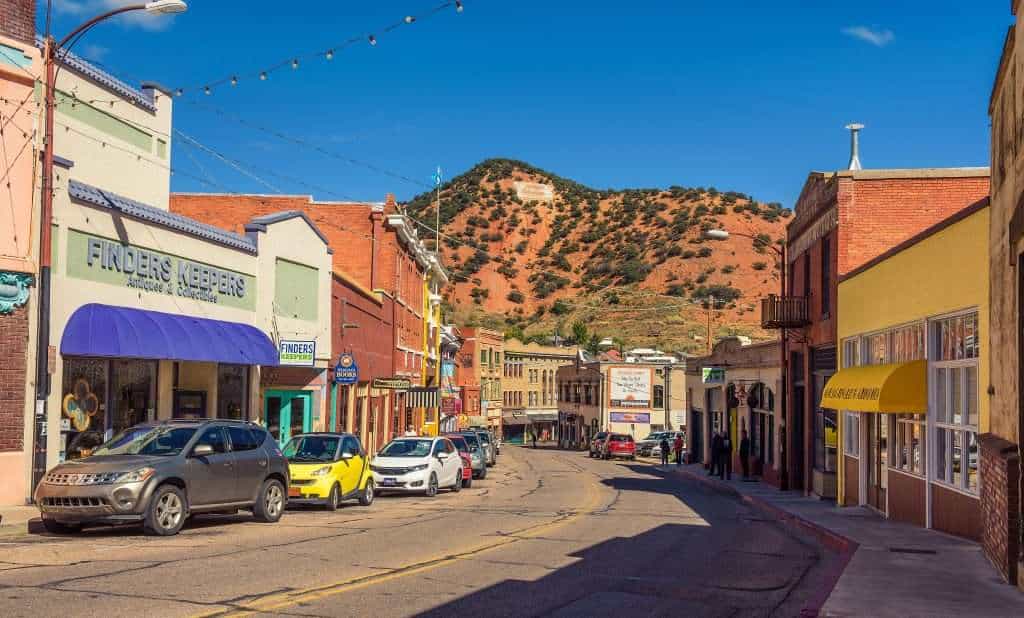
Bisbee transformed from a near-forgotten mining town into a vibrant, unconventional community. Artists, retirees, and entrepreneurs revived old buildings into shops, bars, and museums. The town celebrates its odd personality with stair races, ghost tours, and colorful festivals. For travelers seeking unusual U.S. travel destinations, Bisbee offers a lively mix of history, creativity, and small-town eccentricity.
Garnet, Montana

Garnet was once abandoned entirely, but preservation efforts turned it into a living history site. Instead of rebuilding or modernizing, caretakers focus on seasonal events and guided experiences. Travelers exploring rural U.S. travel routes enjoy winter snowshoe tours and summer reenactments. Garnet’s revival relies on storytelling and immersive experiences rather than commercial development.
Calico, California

Calico was revived as a restored Old West town with shops, reenactments, and family attractions. While some locals criticize it as overly theatrical, tourists enjoy the dramatized history. Its comeback blends education with entertainment, appealing to travelers interested in classic American frontier stories. Calico’s success shows how ghost towns can return through themed tourism without losing their historical roots.
Rhyolite, Nevada
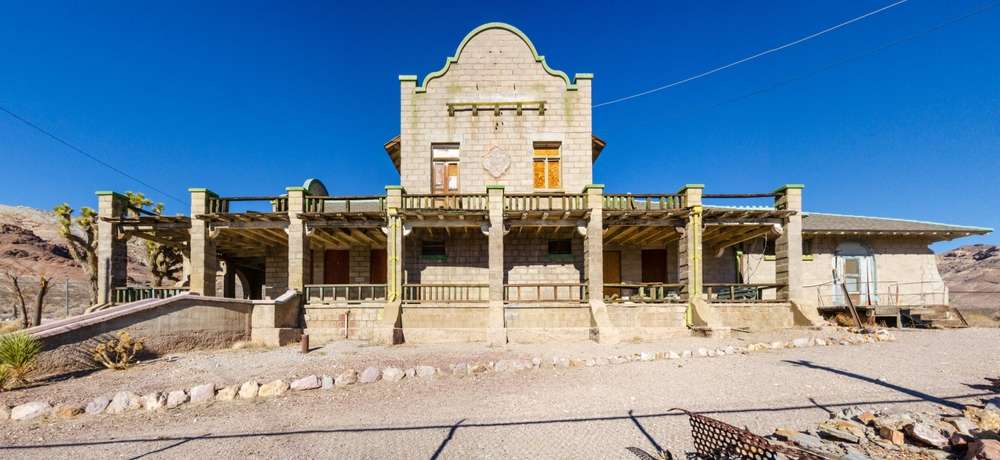
Rhyolite’s revival didn’t come from businesses or residents but from art. Large-scale outdoor sculptures now fill the desert landscape. Travelers exploring Nevada’s remote highways stop to experience this unexpected open-air gallery. For modern U.S. travel enthusiasts, Rhyolite blends abandoned architecture with contemporary creativity, turning decay into visual storytelling rather than redevelopment.
Picher, Oklahoma

Picher was nearly erased due to environmental contamination, but it has gained renewed attention through documentaries and art projects. While no permanent revival exists, travelers interested in social history visit to understand its legacy. Murals, photography, and storytelling keep the town’s memory alive. Its comeback exists more in cultural relevance than physical reconstruction, offering a reflective U.S. travel experience.
St. Elmo, Colorado

St. Elmo never fully disappeared, and its partial revival comes from tourism and seasonal residents. Travelers exploring mountain-focused U.S. travel destinations enjoy preserved buildings, friendly chipmunks, and scenic drives. The town embraces its ghostly feel while remaining accessible, blending nostalgia with low-impact tourism rather than large-scale development.
Goldfield, Nevada
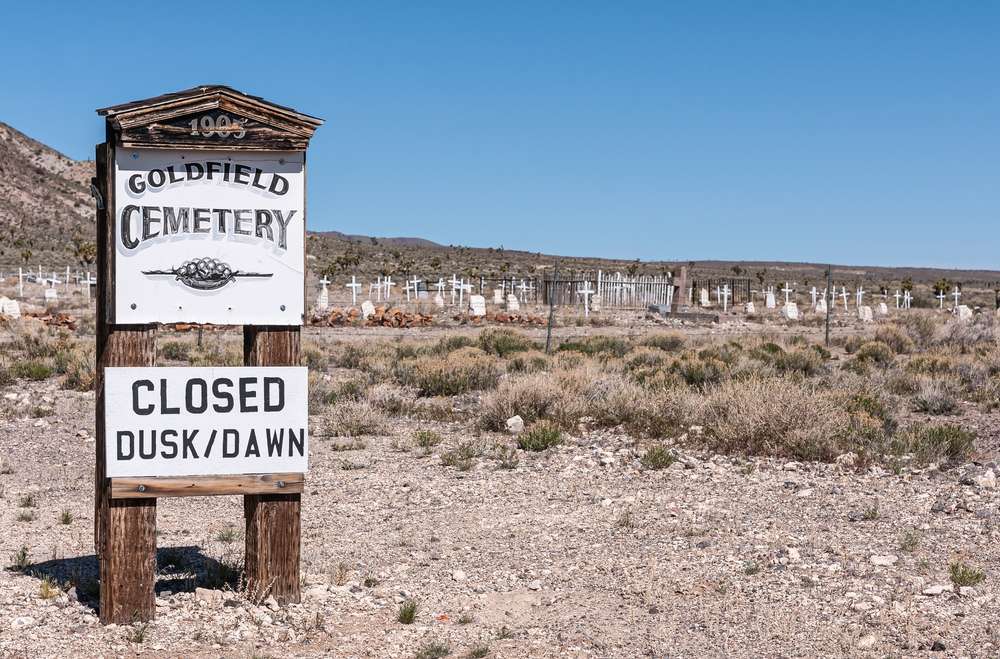
Goldfield has reemerged as a center for history buffs and paranormal tourism. Restored hotels, guided ghost tours, and community events bring visitors back. Travelers drawn to unusual U.S. travel experiences appreciate its mix of history and mystery. Goldfield leans into legends and folklore, using storytelling as a key driver of its revival.
Cass, West Virginia

Cass was once a fading company town tied to logging. Its comeback centers on heritage tourism and scenic railroads. Visitors exploring Appalachian U.S. travel destinations enjoy restored worker housing and train rides through mountain landscapes. The town’s revival focuses on preserving working-class history, giving travelers a deeper connection to America’s industrial past.
Darwin, California

Darwin is technically abandoned but has become a haven for artists and desert explorers. Occasional residents maintain the town’s strange charm, and visitors interested in off-grid U.S. travel experiences seek it out. Its revival is informal and unconventional, defined by creativity rather than commerce, making it appealing to travelers who enjoy places that resist traditional tourism.
Bannack, Montana
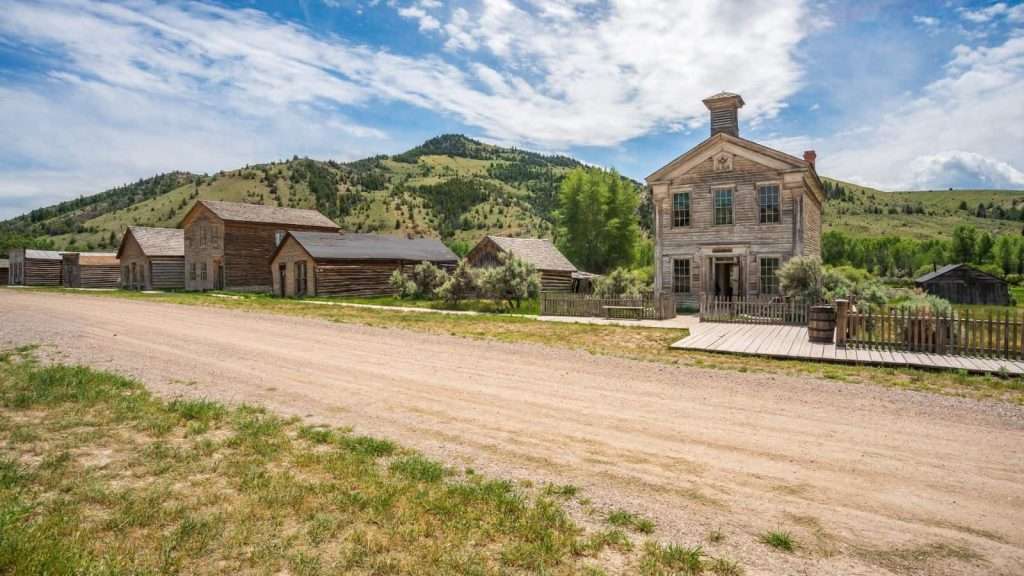
Bannack has returned as a preserved state park where history takes center stage. Seasonal events, guided tours, and overnight stays in restored buildings draw visitors. Travelers interested in frontier-era U.S. travel experiences appreciate the balance between preservation and accessibility. Bannack’s comeback avoids modernization, focusing instead on immersive education and storytelling.
Salton Sea Beach Towns, California

Several abandoned communities near the Salton Sea are gaining new attention from artists and experimental travelers. Art installations, photography projects, and pop-up events bring temporary life back to the area. For travelers seeking unconventional U.S. travel destinations, these towns offer surreal landscapes shaped by environmental change and creative expression rather than permanent settlement.
Cerro Gordo, California

Cerro Gordo’s revival comes from private restoration and media interest. Once abandoned, the town is being carefully rebuilt with historical accuracy while hosting limited visitors. Travelers fascinated by mining history and remote U.S. travel destinations are drawn to its ongoing transformation. The process itself has become part of the attraction, blending preservation with storytelling.
Glenrio, Texas–New Mexico Border
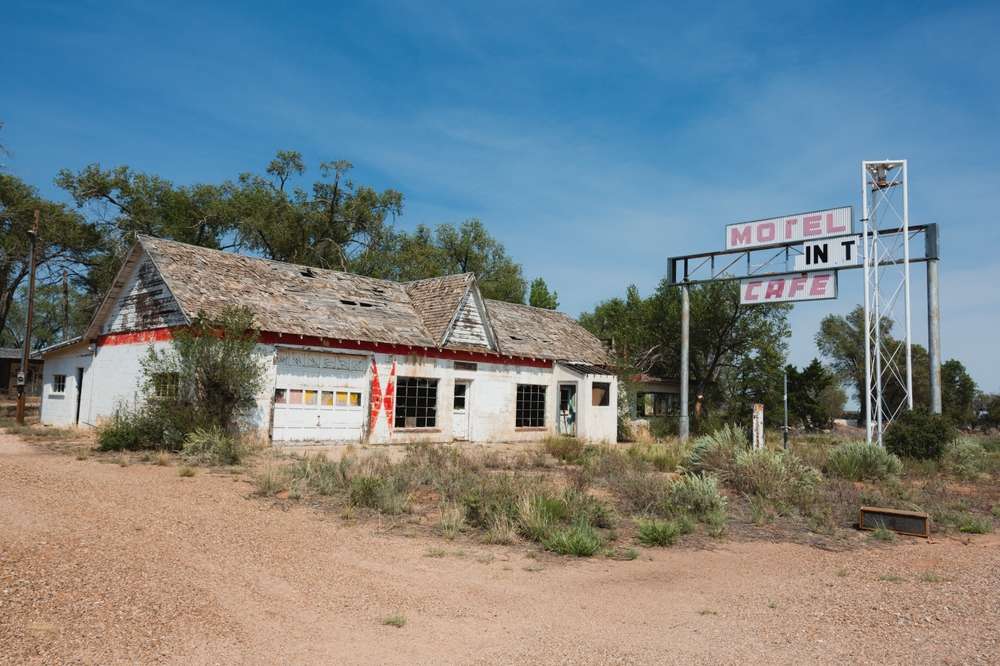
Glenrio sits along historic Route 66 and has found new relevance through road trip tourism. While still largely abandoned, it attracts photographers and nostalgia-driven travelers. Its revival depends on the enduring appeal of Route 66 within U.S. travel culture, where even ruins become meaningful stops along classic highway journeys.
Shaniko, Oregon

Shaniko reinvented itself as a seasonal tourist stop focused on history and events. Formerly a wool shipping hub, it now hosts festivals, markets, and photo-worthy streetscapes. Travelers exploring the Pacific Northwest appreciate its preserved buildings and quiet charm. Shaniko’s revival shows how small towns can return through limited but intentional tourism.
Amboy, California
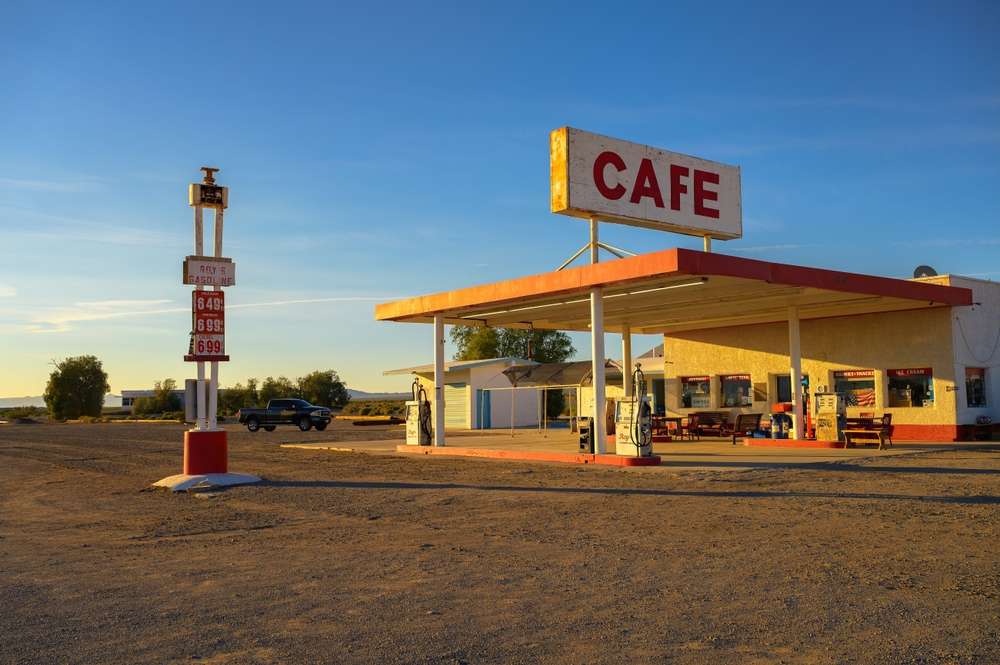
Amboy’s comeback centers on its restored Route 66 gas station and motel. Travelers driving across the Mojave Desert stop for fuel, photos, and nostalgia. The town embraces its isolation as part of its identity. For classic road trip–focused U.S. travel, Amboy offers atmosphere without overdevelopment.
Kennecott, Alaska
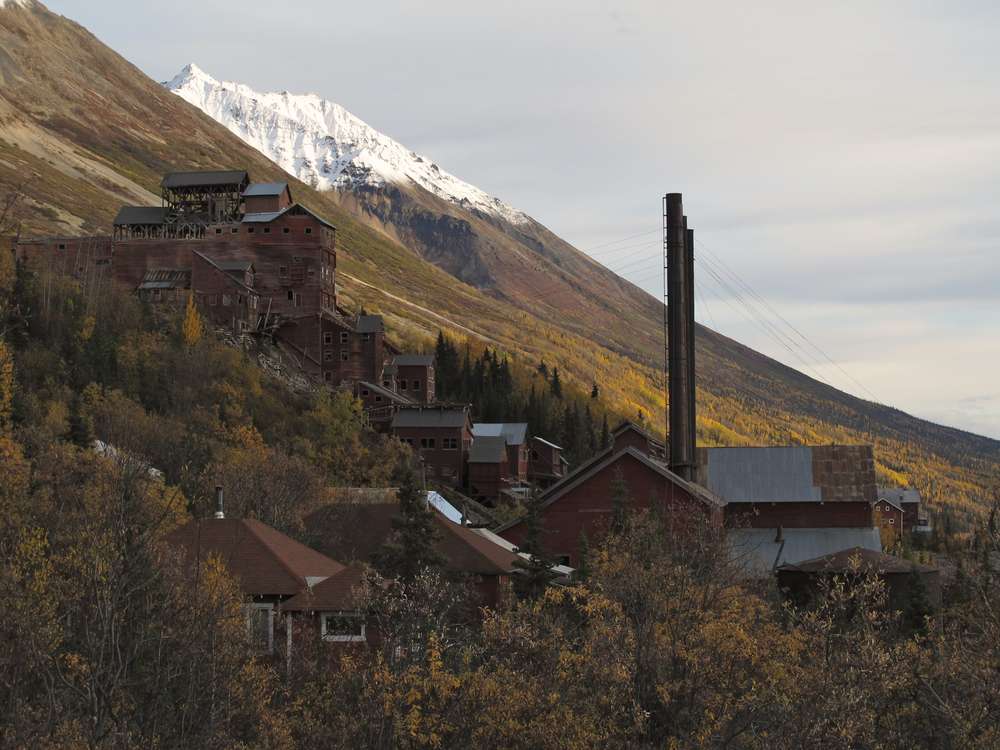
Kennecott transformed from an abandoned copper mining town into a protected historic site. Visitors exploring Alaska-focused U.S. travel routes experience guided tours, hiking, and preserved industrial buildings. Its revival relies on education and outdoor adventure, allowing travelers to engage with history while enjoying dramatic landscapes that define America’s last frontier.

Deborah Montiero is a seasoned travel writer and contributor to Probe the Globe. With a passion for uncovering hidden gems and sharing immersive travel experiences, Deborah’s work highlights must-visit destinations, insider tips, and practical advice for travelers of all types. Whether exploring bustling cities or remote escapes, her articles are crafted to inspire and inform, making her a trusted voice in the travel community.
Her storytelling weaves together cultural insights, logistical tips, and authentic experiences, making her a valuable resource for readers seeking unforgettable journeys.
When not writing, Deborah is likely researching the latest travel trends or planning her next adventure. Follow her work on Probe the Globe for fresh perspectives and up-to-date travel inspiration.