
19 Things to Remember When Planning a Heritage Travel Trip
Heritage travel is more than sightseeing, it’s about discovering your roots, understanding history, and connecting with the past on a more personal level. Whether you’re tracing your ancestry or exploring the cultural history of a region, heritage travel requires thoughtful planning. Here are 19 essential things to remember to make the most of your journey into history.
Define Your Purpose

Before booking anything, get clear on your intentions. Are you hoping to trace family ancestry, understand your ethnic heritage, or explore a region’s historical significance? Your goal will guide your research, destination choices, and how you plan your time as a focused purpose also helps manage expectations and keeps the trip meaningful.
Do Thorough Ancestry Research First

If your trip involves tracing your family roots, do as much genealogy work as possible before you travel. Utilize online tools like Ancestry.com, FamilySearch, or MyHeritage. Identify names, locations, and historical records that can guide your journey. Arriving with clear information makes it easier to visit the right towns, archives, or churches.
Connect With Locals or Family in Advance

If you’re planning to meet distant relatives or local historians, don’t leave it until you arrive. Reach out ahead of time. Introductions made through family history forums or local community groups can open doors to authentic experiences and people are often eager to help heritage travelers connect with their roots.
Consider Hiring a Heritage Travel Specialist

For complex ancestry trips, a heritage travel planner or genealogist can be invaluable. These professionals help map out your journey, set up interviews, access archives, and even arrange translators or local guides. They know how to navigate bureaucratic systems and can enhance the cultural depth of your visit.
Learn Basic Local History

Even if you’re going for personal reasons, understanding the broader historical context adds richness to your trip. Read up on important events, migrations, and local customs. Knowing the struggles and triumphs of the area helps you better appreciate what your ancestors lived through or what shaped a region’s identity.
Visit Cemeteries With Respect

Graveyards can be powerful stops on a heritage tour. They provide clues, names, and dates that fill in family trees. But approach with respect: follow local customs, avoid disturbing gravesites, and check whether photography is allowed. Some cemeteries even offer guided tours that explain the significance of historical burials.
Explore Churches and Religious Sites

Many cultures maintain detailed baptism, marriage, and burial records in religious institutions. Visiting these places not only helps uncover personal history but also connects you to the spiritual architecture and traditions of the region.
Visit Local Archives and Libraries

City or regional archives often hold old census records, property documents, and newspapers. While some have digitized systems, others still operate manually. Be prepared to browse microfilm or request assistance and plan ahead, some archives require appointments or have limited opening hours.
Understand Language Barriers

Traveling to a country where your ancestors came from might mean facing language challenges. Learn some key phrases, or bring along a translation app. If you’re doing in-depth research, consider hiring a local interpreter to help navigate conversations and documentation more effectively.
Pack and Dress Thoughtfully

Respect cultural norms and dress appropriately when visiting sacred or historical sites. In some cultures, conservative clothing is expected, particularly in religious buildings or rural villages. Also, bring photocopies of important documents like your family tree or birth certificates, they may come in handy for local inquiries.
Make Time for Museums

Heritage trips aren’t only about personal discovery. Regional museums help paint a vivid picture of what life was like for your ancestors or communities of interest. They often include exhibitions on migration, farming, resistance movements, or trades that your family may have been involved in.
Document Your Journey

Take notes, photos, and videos throughout your trip. Even small details, a name on a wall, a street your grandparents walked, can be meaningful later. Keep a travel journal or create a digital diary as this may also be useful for others in your family or future generations.
Be Ready for Emotional Moments

Heritage travel can be deeply moving. You might uncover unexpected stories,tragedy, resilience, migration, or survival. Visiting your ancestral home or learning about the conditions they lived in can bring joy and sorrow, so be sure to open up to these emotions and give yourself space to reflect.
Support Local Communities

Heritage tourism can be a way to give back. Support local businesses, eat at traditional restaurants, buy handmade crafts, and hire local guides. Not only does this stimulate the local economy, but it also provides a more authentic and meaningful travel experience.
Stay Flexible With Your Plans

Sometimes the most memorable parts of heritage travel come from the unexpected. You might meet a relative by chance or stumble upon a local festival. Leave room in your itinerary for spontaneous moments as flexibility ensures you can take advantage of unique opportunities as they arise.
Be Culturally Sensitive
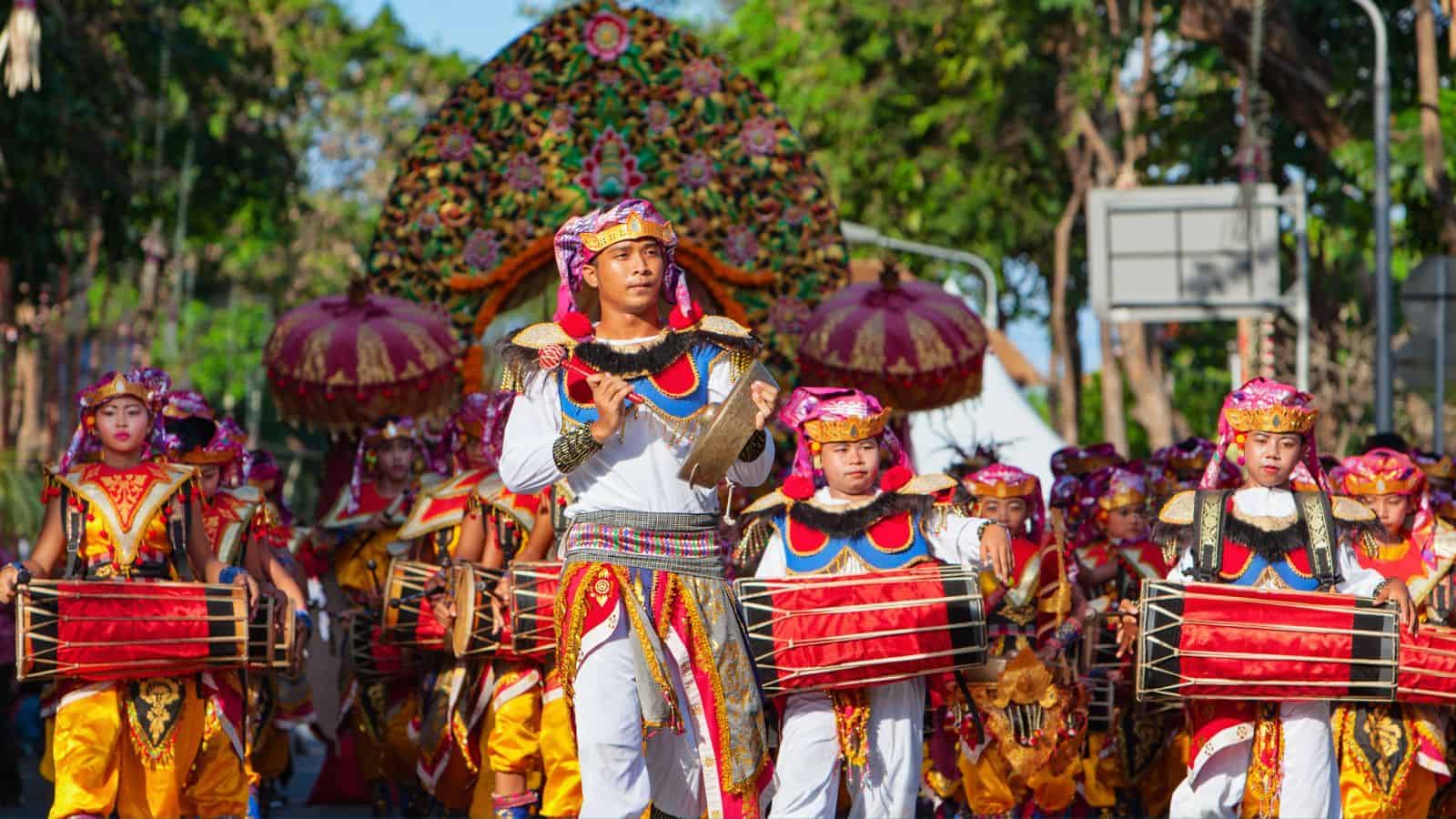
Remember that your personal story is part of a broader cultural context. Avoid romanticizing or oversimplifying the past. Some places may have a painful history of colonization, war, or displacement, so you should approach with humility. Make sure to respect local narratives and listen more than you speak.
Capture Oral Histories
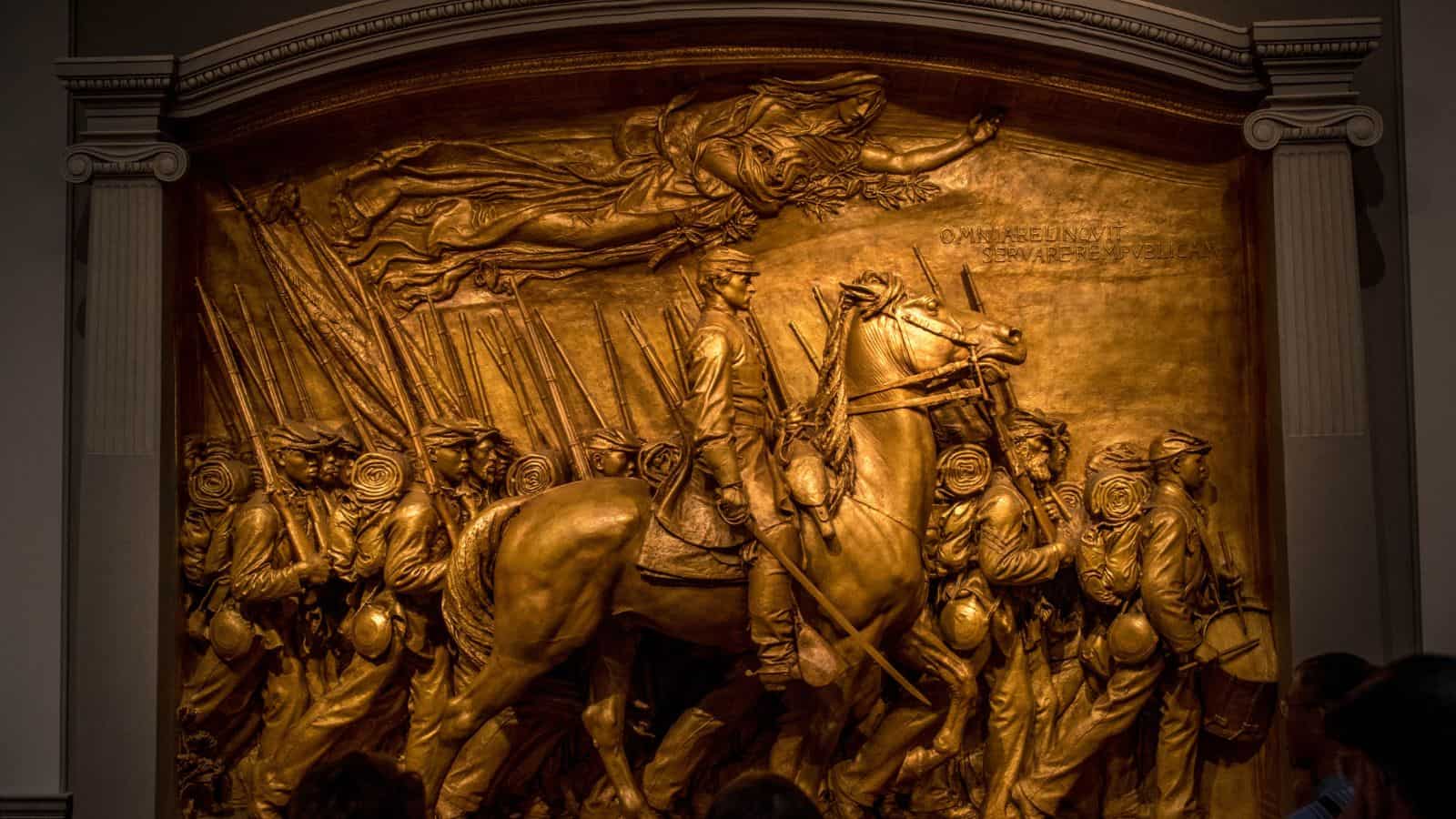
If you meet older relatives or community elders, ask if you can record a conversation. Oral histories preserve stories that might not be written down anywhere else. Prepare some open-ended questions ahead of time and let them speak freely as their memories can become invaluable treasures for your family.
Create a Post-Trip Legacy Project

When you return, consider how you’ll share what you learned. A photo book, blog, or family presentation can help preserve your journey and inspire others. You could even contribute your findings to local archives or heritage groups so the history you’ve uncovered isn’t lost again.
Celebrate the Experience

Finally, take time to celebrate what you’ve accomplished. Heritage travel is often deeply personal and requires effort and emotional investment. Whether you found a missing piece of your family tree or simply connected with a new culture, it’s worth honoring the experience with gratitude and reflection.

Deborah Montiero is a seasoned travel writer and contributor to Probe the Globe. With a passion for uncovering hidden gems and sharing immersive travel experiences, Deborah’s work highlights must-visit destinations, insider tips, and practical advice for travelers of all types. Whether exploring bustling cities or remote escapes, her articles are crafted to inspire and inform, making her a trusted voice in the travel community.
Her storytelling weaves together cultural insights, logistical tips, and authentic experiences, making her a valuable resource for readers seeking unforgettable journeys.
When not writing, Deborah is likely researching the latest travel trends or planning her next adventure. Follow her work on Probe the Globe for fresh perspectives and up-to-date travel inspiration.