27 Mountain Roads With Drop-Offs That Make Your Hands Sweat
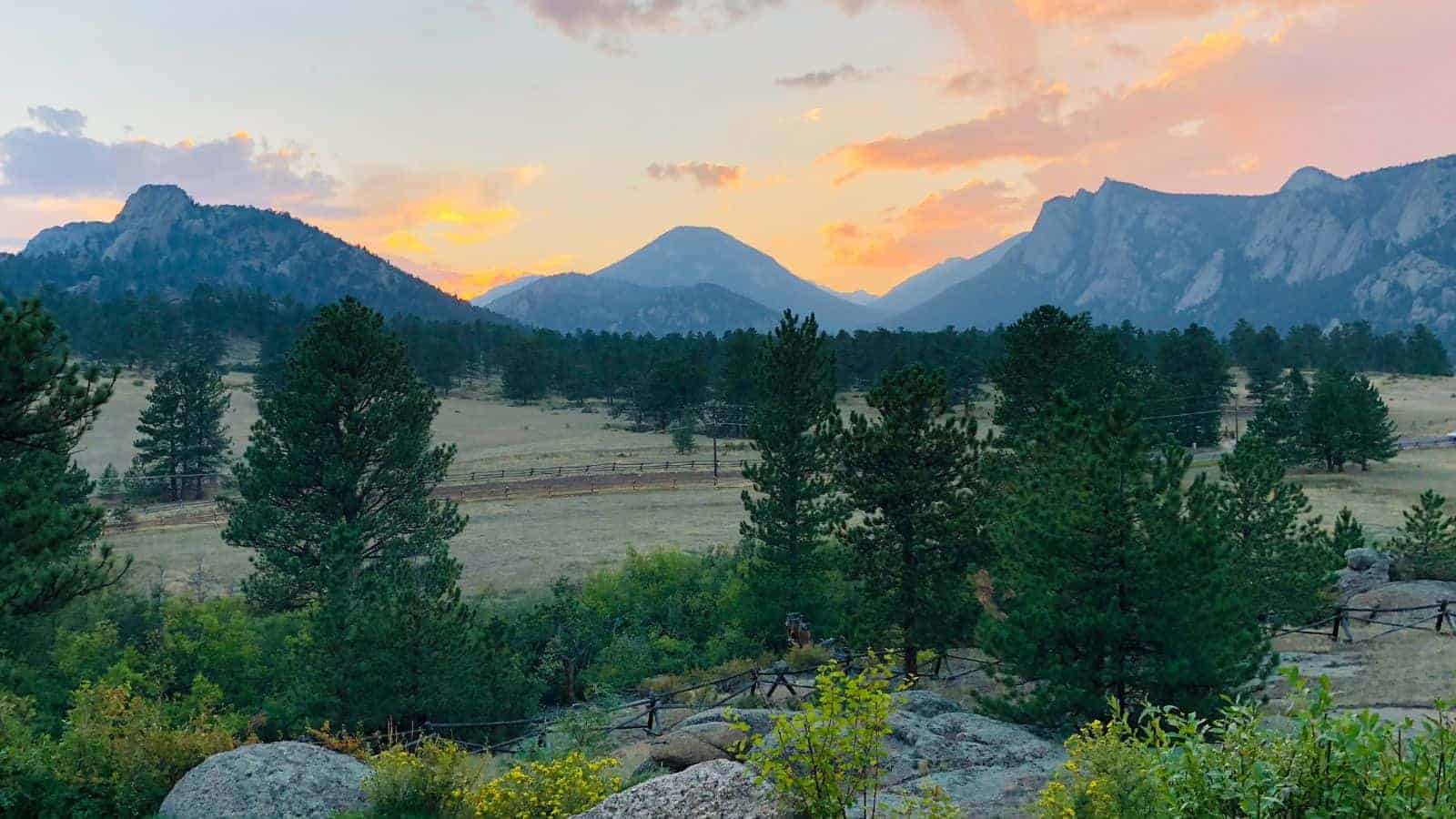
Driving through the mountains can be one of the most rewarding ways to explore the United States, but it can also be one of the most nerve-racking. Some roads deliver unforgettable scenery paired with sheer cliffs, tight curves, and little margin for error. These routes are not just scenic drives; they are true tests of focus that demand steady hands and respect for the landscape. Here are 27 Mountain Roads With Drop-Offs That Make Your Hands Sweat
Million Dollar Highway, Colorado
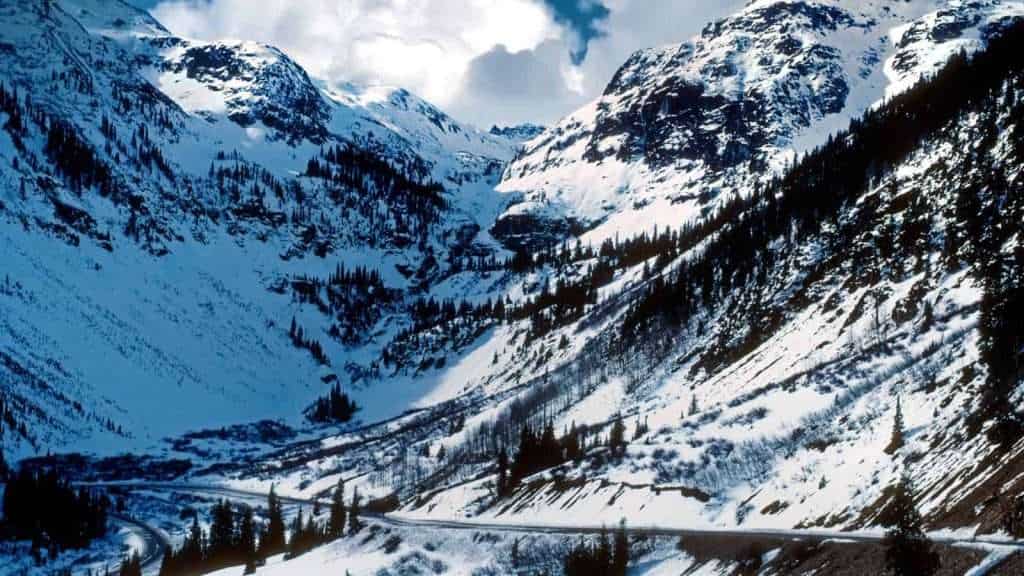
The Million Dollar Highway between Silverton and Ouray is legendary among U.S. road trips for its lack of guardrails and dramatic drop-offs. This stretch of Highway 550 hugs steep cliffs while climbing through the San Juan Mountains, often leaving drivers staring straight down thousands of feet. The road is narrow, winding, and exposed, especially in winter or during sudden mountain storms. Despite the stress it induces, travelers are rewarded with alpine views, historic mining remnants, and a sense of accomplishment few American mountain roads can match.
Going-to-the-Sun Road, Montana

Going-to-the-Sun Road slices through Glacier National Park and offers one of the most scenic yet intimidating drives in U.S. travel. Carved directly into mountainsides, the road features sheer drops, minimal barriers, and tight turns that feel especially tense during peak tourist season. Wildlife crossings and rapidly changing weather add to the challenge. While the views of glaciers, waterfalls, and valleys are unmatched, the exposure can make even experienced drivers grip the steering wheel a little tighter.
Tail of the Dragon, North Carolina and Tennessee

The Tail of the Dragon is famous for its 318 curves packed into just 11 miles near the Great Smoky Mountains. Although not always high above deep valleys, its proximity to steep slopes and lack of recovery space make mistakes costly. Motorcyclists and sports car enthusiasts flock here, which adds pressure for cautious drivers. Sharp turns come rapidly, demanding full attention and control. It remains one of the most intense mountain driving experiences in the eastern United States.
Beartooth Highway, Montana and Wyoming
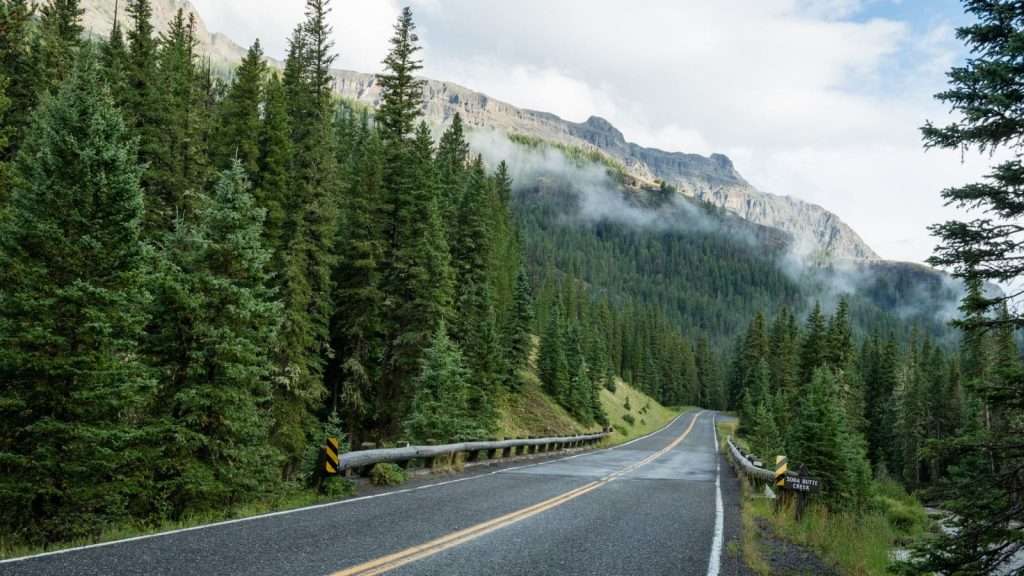
Beartooth Highway climbs to nearly 11,000 feet, making it one of the highest paved roads in the U.S. This route delivers wide-open views, sudden weather changes, and drop-offs that stretch far into the valleys below. Snow can linger even in summer, and strong winds are common. The combination of elevation, exposure, and isolation makes this drive thrilling but unforgiving. It’s a favorite among travelers seeking raw mountain beauty paired with serious driving challenges.
Pikes Peak Highway, Colorado

The road to the summit of Pikes Peak rises above the tree line and leaves drivers exposed to steep cliffs on both sides. While improvements have been made over the years, the elevation and narrow sections still demand respect. Oxygen levels drop, engines strain, and the road offers few places to relax. The panoramic views are breathtaking, but the sense of height is constant. This iconic Colorado drive is unforgettable and nerve-testing in equal measure.
Whiteface Mountain Memorial Highway, New York
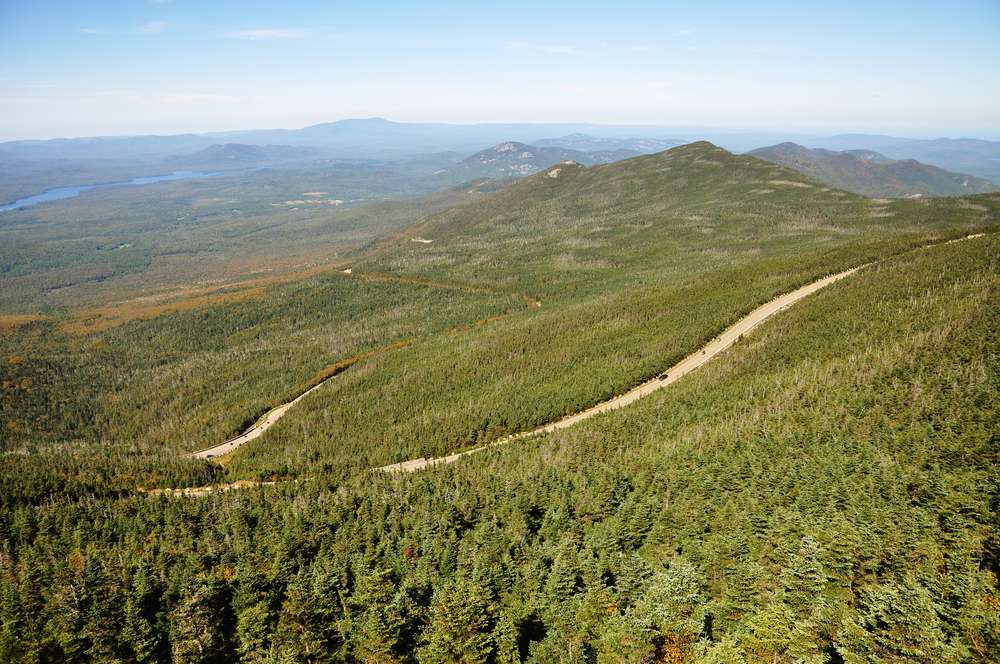
Located in the Adirondacks, this mountain road packs steep grades, tight turns, and sharp drop-offs into a relatively short distance. Fog can roll in quickly, reducing visibility and increasing anxiety. The road clings to rocky slopes, leaving little room for error in some sections. Although it lacks the massive elevation of western routes, the exposure and weather conditions make it surprisingly intense. It’s a reminder that stressful mountain drives aren’t limited to the western U.S.
Mount Evans Scenic Byway, Colorado

Mount Evans Scenic Byway is the highest paved road in North America, climbing above 14,000 feet. Guardrails are limited, and the road narrows as it approaches the summit. Drop-offs feel endless, and sudden snowstorms can appear even in midsummer. Drivers must navigate sharp switchbacks while sharing the road with mountain goats. The extreme elevation combined with minimal protection makes this drive one of the most white-knuckle experiences in American road travel.
Highway 1 Big Sur Coast Mountains, California
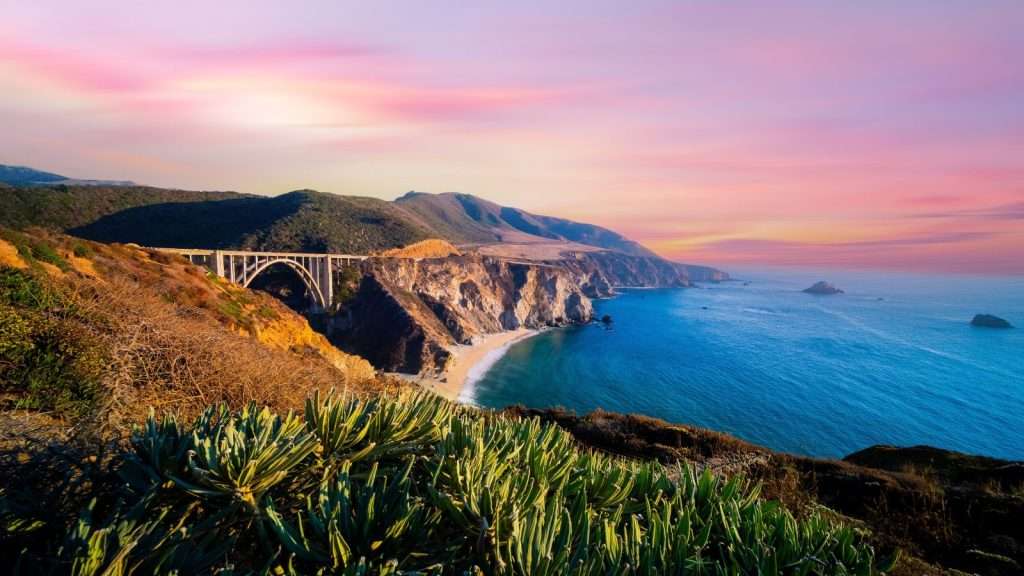
While known for its coastal views, Highway 1 through Big Sur cuts across steep mountain terrain where cliffs plunge directly into the Pacific Ocean. The road is narrow, winding, and often affected by landslides. Fog and wind add to the stress, especially during peak travel months. With limited shoulders and dramatic exposure, drivers must remain alert. This stretch perfectly blends scenic beauty with the kind of drop-offs that make palms sweat.
Wolf Creek Pass, Colorado

Wolf Creek Pass is one of Colorado’s steepest mountain passes, featuring long descents and sharp curves. The road crosses high alpine terrain with limited room for error, particularly during winter conditions. Drop-offs are common, and runaway truck ramps signal the seriousness of the grade. The combination of elevation, weather unpredictability, and heavy traffic makes this pass mentally demanding. It’s a route that commands patience and confidence from anyone behind the wheel.
Red Mountain Pass, Colorado

Another intimidating stretch of Highway 550, Red Mountain Pass is often cited as one of the scariest roads in the United States. The road is carved into rock faces with minimal barriers separating drivers from deep valleys. Snow, ice, and fog frequently reduce visibility. Sharp curves appear suddenly, leaving little reaction time. While stunningly beautiful, this pass is not forgiving and remains a defining challenge in American mountain driving.
Cadillac Summit Road, Maine

Cadillac Summit Road climbs to the highest point on the U.S. East Coast, offering sweeping views of Acadia National Park. The road includes steep grades and exposed sections where drop-offs feel closer than expected. Coastal winds can be intense, especially near the top. While shorter than many western mountain drives, the exposure and narrow lanes keep drivers alert. It’s a reminder that dramatic elevation doesn’t require massive mountains to feel intimidating.
Blue Ridge Parkway, Virginia and North Carolina

The Blue Ridge Parkway is often described as leisurely, but many sections include steep drop-offs and limited guardrails. Fog can roll in quickly, turning scenic overlooks into blind corners. Wildlife crossings and tight curves demand constant attention. While speed limits are low, the exposure is real, especially in less developed stretches. This iconic American road trip combines beauty with moments that quietly raise your heart rate.
Logan Pass Road, Montana

Part of Glacier National Park, Logan Pass Road features narrow lanes and sheer cliffs that feel especially intense during summer congestion. Vehicles often pass dangerously close to edges, and pullouts are limited. Snow walls can tower over cars early in the season. The elevation and lack of barriers amplify the sense of exposure. This route rewards drivers with unmatched mountain views but requires steady nerves throughout the journey.
Tioga Road, California
Tioga Road crosses Yosemite National Park at high elevation, winding through granite peaks and alpine meadows. Drop-offs appear suddenly as the road curves along steep slopes. Weather changes quickly, and snow can close the road for much of the year. The lack of shoulders and limited guardrails in some areas add tension. It’s a vital east-west route through the Sierra Nevada that combines scenic travel with genuine driving stress.
Mount Washington Auto Road, New Hampshire

Known for extreme weather, Mount Washington Auto Road challenges drivers with steep grades and constant exposure. Guardrails are minimal, and the drop-offs feel relentless as the road climbs above the tree line. Winds can be severe, sometimes strong enough to push vehicles sideways. The road’s narrow width and gravel sections increase difficulty. It’s one of the most intimidating drives in the northeastern United States.
Highway 12, Utah

Highway 12 cuts through Utah’s red rock country, featuring elevated sections with steep drop-offs on both sides. The road runs along ridgelines where the landscape falls away dramatically. Wind and heat add to the challenge, especially in summer. The lack of visual reference points can make the exposure feel even greater. It’s a favorite among U.S. travel enthusiasts seeking both scenery and adrenaline.
Angels Crest Highway, California

Angeles Crest Highway winds through the San Gabriel Mountains above Los Angeles, offering sweeping views and sharp elevation changes. The road includes narrow lanes, steep cliffs, and frequent hairpin turns. Speeding drivers and cyclists increase the stress factor. Fog and fire damage can affect conditions unexpectedly. Despite its proximity to a major city, this mountain road feels remote and demands serious attention behind the wheel.
Mount Lemmon Scenic Byway, Arizona

Rising from desert floor to alpine forest, Mount Lemmon Scenic Byway offers dramatic elevation gain and exposed curves. Drop-offs become more pronounced as the road climbs, especially in higher sections. Weather can shift from extreme heat to cold within an hour. Limited guardrails and winding lanes keep drivers alert. This road showcases the diversity of U.S. travel landscapes while delivering plenty of tension.
Chief Joseph Scenic Byway, Wyoming
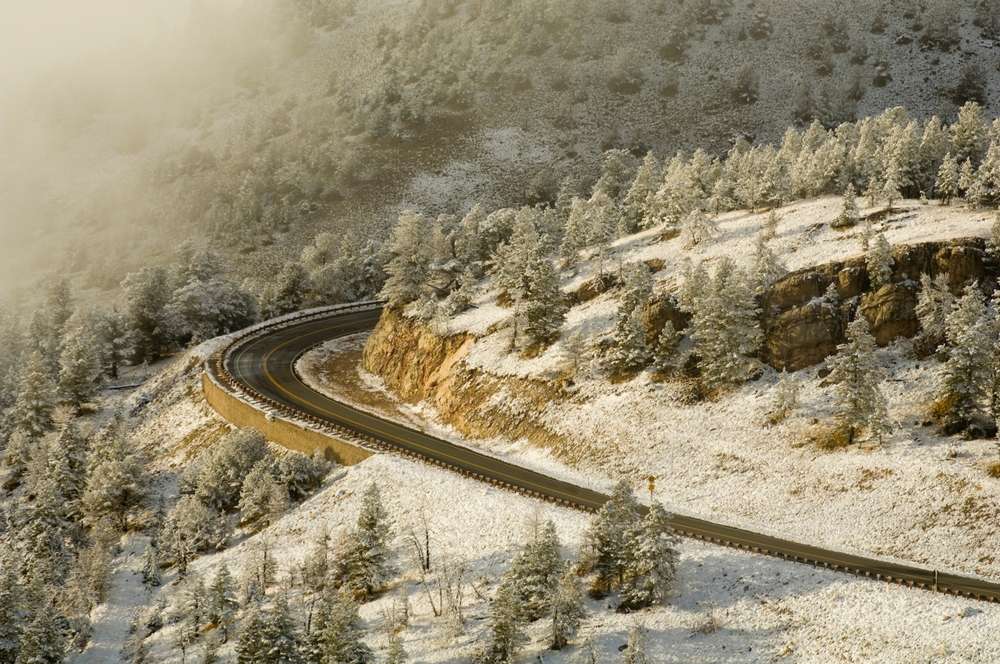
Chief Joseph Scenic Byway offers sweeping views and long stretches of exposed mountain driving. While wider than some passes, the elevation and open drop-offs still create unease. Sudden storms and strong winds are common. The road’s isolation adds to the sense of vulnerability. It’s a quieter alternative to nearby highways but still delivers a white-knuckle experience in the Absaroka Mountains.
Highway 20 North Cascades, Washington

Highway 20 through the North Cascades features rugged terrain, sharp curves, and deep valleys. Drop-offs appear suddenly as the road hugs mountain slopes. Weather shifts rapidly, with rain, fog, and snow possible even in summer. Wildlife crossings are frequent. This route is often overlooked but offers one of the most intense mountain driving experiences in the Pacific Northwest.
Mount Hood Scenic Byway, Oregon

This loop around Mount Hood includes steep climbs, forested curves, and exposed ridges. Drop-offs are less dramatic than some western routes but still demand caution. Snow and ice can linger at higher elevations. Narrow lanes and limited visibility in wooded sections add pressure. It’s a scenic U.S. travel route that quietly challenges drivers without relying on extreme heights.
Highway 14 Big Thompson Canyon, Colorado

Running through Big Thompson Canyon, this road follows steep rock walls and rushing water. Sections of the road are carved directly into cliffs with limited shoulder space. Drop-offs toward the river feel close, especially during tight turns. Flash flood history adds to the sense of risk. While not as high as other Colorado passes, the confinement and exposure keep drivers alert.
Mount Diablo Summit Road, California

Mount Diablo Summit Road rises sharply above the surrounding valleys, offering long views and tight switchbacks. Drop-offs appear quickly as the road climbs, and guardrails are sparse. The narrow pavement leaves little room for error. Strong winds are common near the summit. Despite its relatively short length, the road delivers concentrated tension and rewards confident driving.
Lolo Pass Highway, Idaho and Montana

Lolo Pass Highway winds through remote wilderness with long stretches far from services. The road includes exposed curves and steep terrain that feels isolating. Weather can change suddenly, and wildlife is abundant. Drop-offs are frequent but often subtle, catching drivers off guard. This historic route offers a quieter yet still demanding mountain driving experience in the northern Rockies.
Independence Pass, Colorado

Independence Pass climbs above 12,000 feet with narrow lanes and sharp curves. Drop-offs are constant, and snow can remain late into the season. The road’s limited width makes passing stressful. Sudden storms and strong winds add to the challenge. This seasonal pass delivers some of Colorado’s most dramatic scenery paired with intense driving demands.
Hurricane Ridge Road, Washington

Hurricane Ridge Road ascends into Olympic National Park with steep grades and exposed viewpoints. Fog and wind frequently reduce visibility. Drop-offs become more pronounced near the top, especially during winter conditions. Wildlife crossings and changing weather require constant focus. While the road is well maintained, the elevation and exposure still test drivers seeking mountain views in the Pacific Northwest.
Pike National Forest Rampart Range Road, Colorado

Rampart Range Road is a narrow, winding route with steep drop-offs and limited maintenance. The gravel surface increases difficulty, especially after rain. Exposure is constant as the road traces high ridges. There are few barriers and limited traffic, adding to the sense of isolation. It’s a lesser-known Colorado drive that delivers serious tension for adventurous travelers.

Deborah Montiero is a seasoned travel writer and contributor to Probe the Globe. With a passion for uncovering hidden gems and sharing immersive travel experiences, Deborah’s work highlights must-visit destinations, insider tips, and practical advice for travelers of all types. Whether exploring bustling cities or remote escapes, her articles are crafted to inspire and inform, making her a trusted voice in the travel community.
Her storytelling weaves together cultural insights, logistical tips, and authentic experiences, making her a valuable resource for readers seeking unforgettable journeys.
When not writing, Deborah is likely researching the latest travel trends or planning her next adventure. Follow her work on Probe the Globe for fresh perspectives and up-to-date travel inspiration.