26 Ghost Towns That Still Feel Weirdly Not Empty
Ghost towns are often imagined as empty shells, abandoned to dust, silence, and time. But some places refuse to feel fully deserted, lingering with echoes of human presence that make visitors uneasy in ways they can’t quite explain. Across the United States, former boomtowns, mining hubs, and forgotten settlements continue to draw curious travelers who swear these places still feel occupied. For those interested in unusual U.S. travel experiences, these locations blur the line between abandoned and alive. We take a look at 26 Ghost Towns That Still Feel Weirdly… Not Empty
Bodie, California
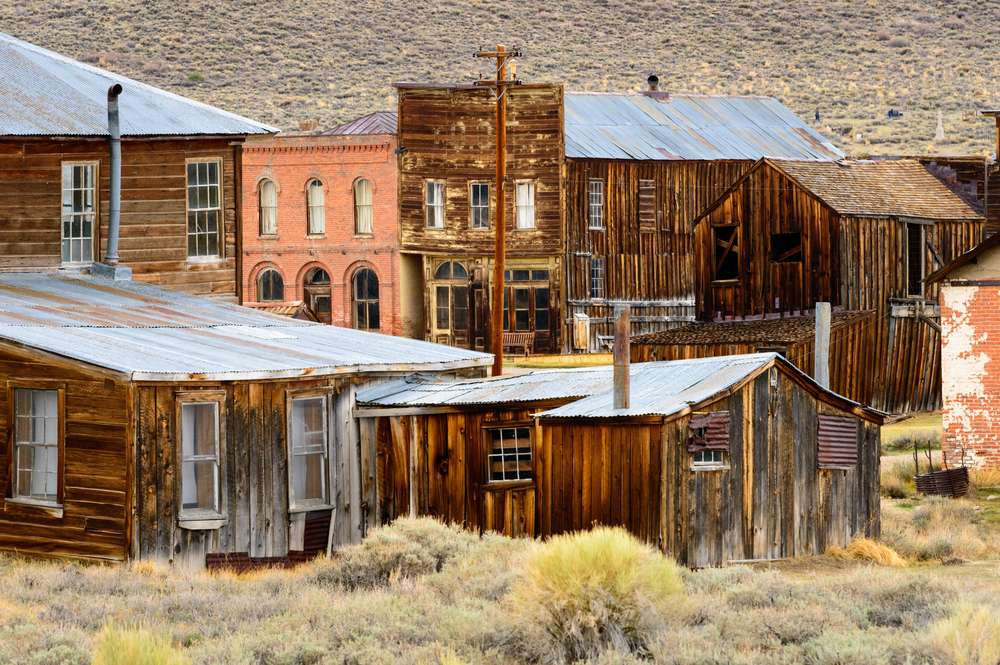
Bodie is one of the most famous ghost towns in U.S. travel history, yet it rarely feels lifeless. Preserved in a state of “arrested decay,” the town still contains furniture, books, and personal belongings exactly where residents left them. The wind rattles loose doors and windows, creating sounds that feel intentional rather than accidental. Visitors often report an unsettling sense of being watched while walking the streets. Park rangers regularly remind travelers not to remove objects, as many believe doing so brings bad luck.
Centralia, Pennsylvania

Centralia appears nearly empty, but the underground mine fire burning beneath it gives the town an eerie sense of activity. Smoke rises from cracks in the ground, roads buckle from heat, and warning signs dot the landscape. Only a handful of residents remain, adding to the strange feeling that life persists against logic. For road-tripping travelers interested in unusual U.S. destinations, Centralia feels like a place actively resisting abandonment.
Rhyolite, Nevada
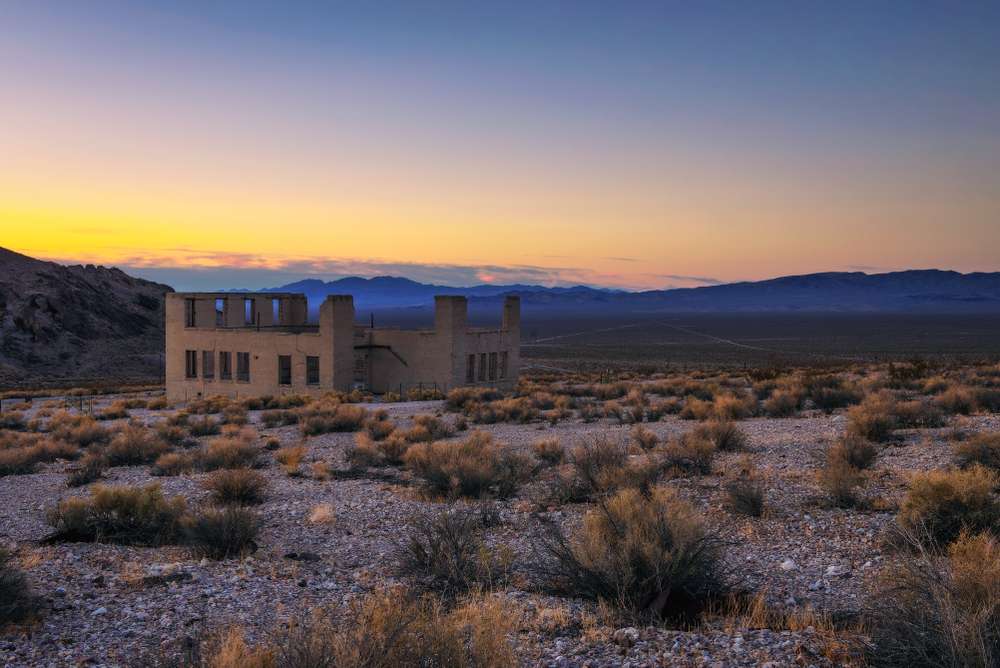
Once a booming gold rush town, Rhyolite still feels oddly occupied despite its ruins. The skeletal remains of buildings stand starkly against the desert, and the nearby open-air art installations add a surreal presence. Footsteps echo sharply, and the silence feels heavy rather than empty. Many visitors say the town feels paused, as if its residents simply stepped away for a moment. It’s a common stop for travelers exploring Nevada’s historic routes.
Cahawba, Alabama
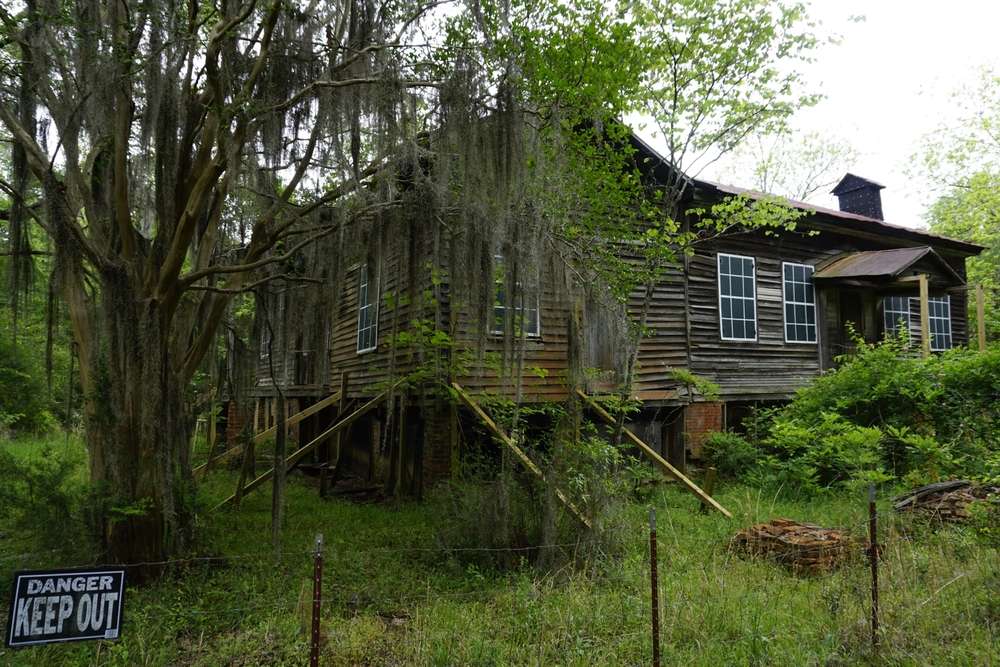
Cahawba, Alabama’s first state capital, carries a deep sense of lingering energy. Overgrown streets, abandoned cemeteries, and partially standing buildings create a landscape that feels quietly observant. The town’s long history of flooding, political ambition, and decline seems to cling to the soil. Visitors often report sudden temperature changes and unexplained sounds. For those exploring Southern U.S. travel destinations, Cahawba offers a haunting reminder of how ambition can fade but never fully disappear.
Garnet, Montana
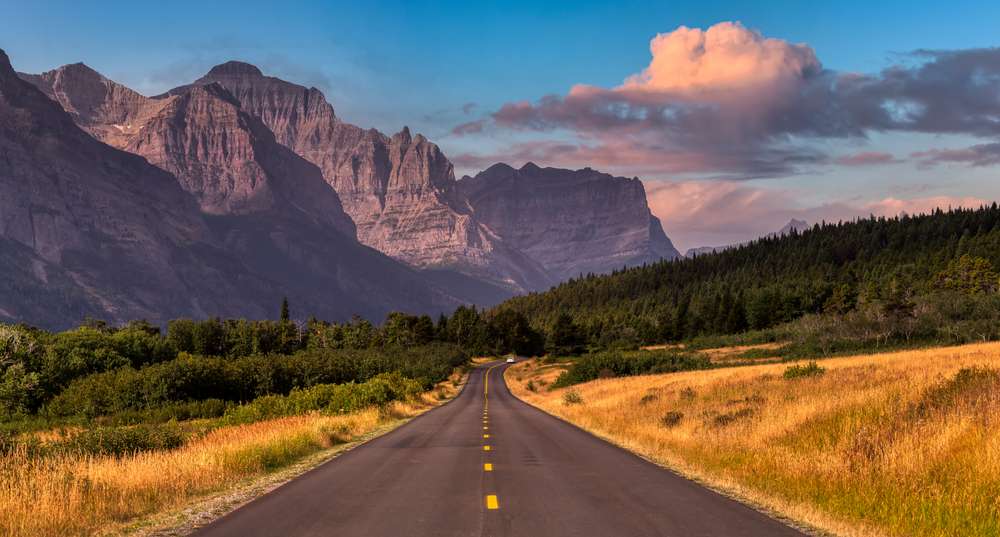
Garnet is remarkably well-preserved for a ghost town, which adds to its unsettling atmosphere. Many buildings remain intact, complete with wallpaper, tools, and personal items. Snowfall in winter muffles sound, making every footstep feel amplified. The town feels like it could spring back to life at any moment. Travelers exploring Montana’s backroads often describe Garnet as peaceful yet deeply watchful.
Virginia City, Montana
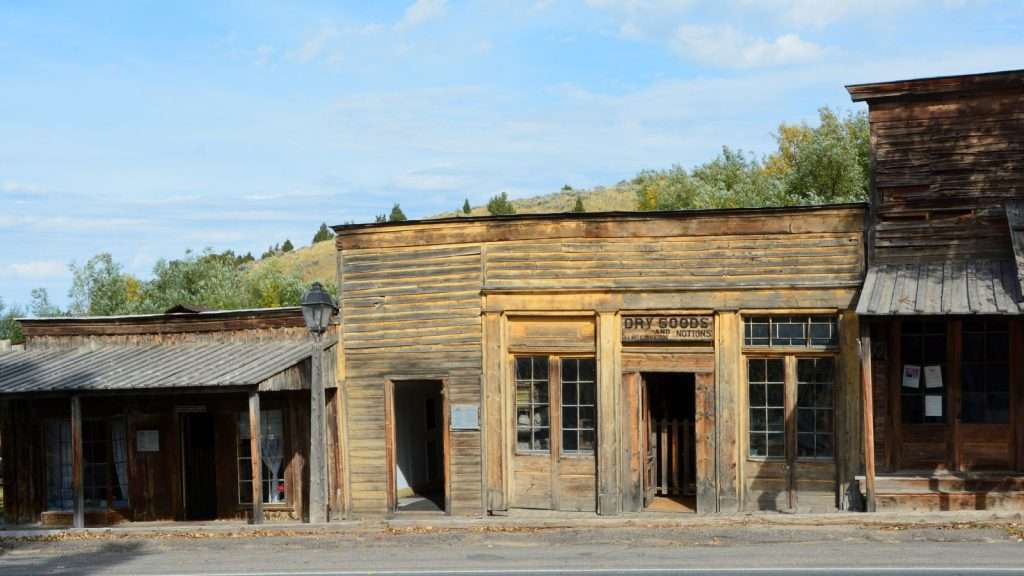
Though partially restored and tourist-friendly, Virginia City still carries an undeniable ghost town presence. After hours, when shops close and streets empty, the town feels suspended in another era. The wooden boardwalks creak underfoot, and the buildings seem to breathe with the changing temperature. Its blend of active tourism and historical abandonment creates a strange duality. Many U.S. travel enthusiasts find the town’s energy difficult to shake.
Jerome, Arizona
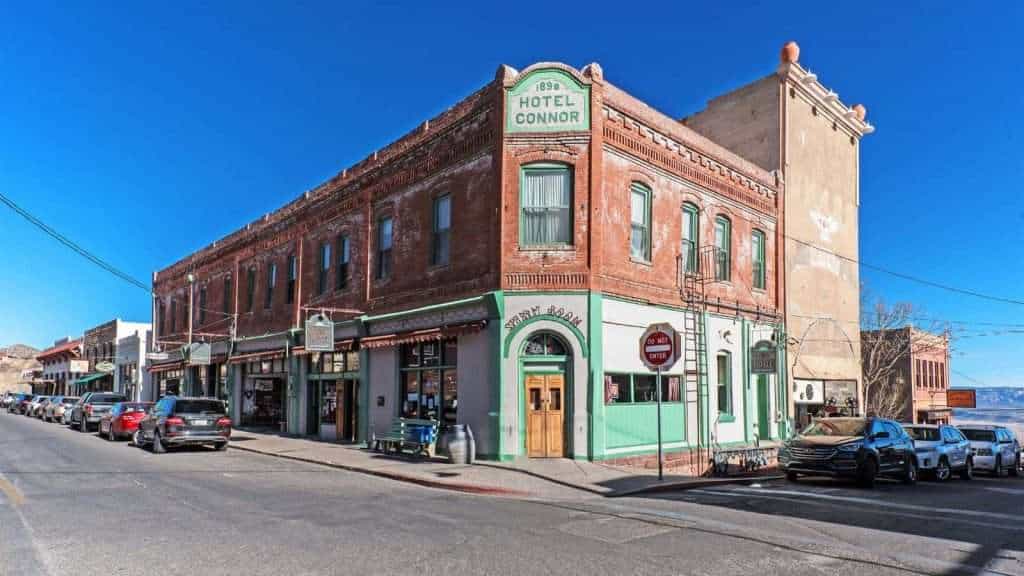
Jerome is technically alive, but its ghost town past lingers strongly. Formerly a booming copper mining town, it now blends residents, artists, and abandoned structures in unsettling ways. Buildings cling to steep hillsides, and narrow streets amplify every sound. Visitors frequently comment that the town feels crowded by memories rather than people. Jerome’s reputation for paranormal activity adds to its appeal as an unusual Arizona travel destination.
St. Elmo, Colorado
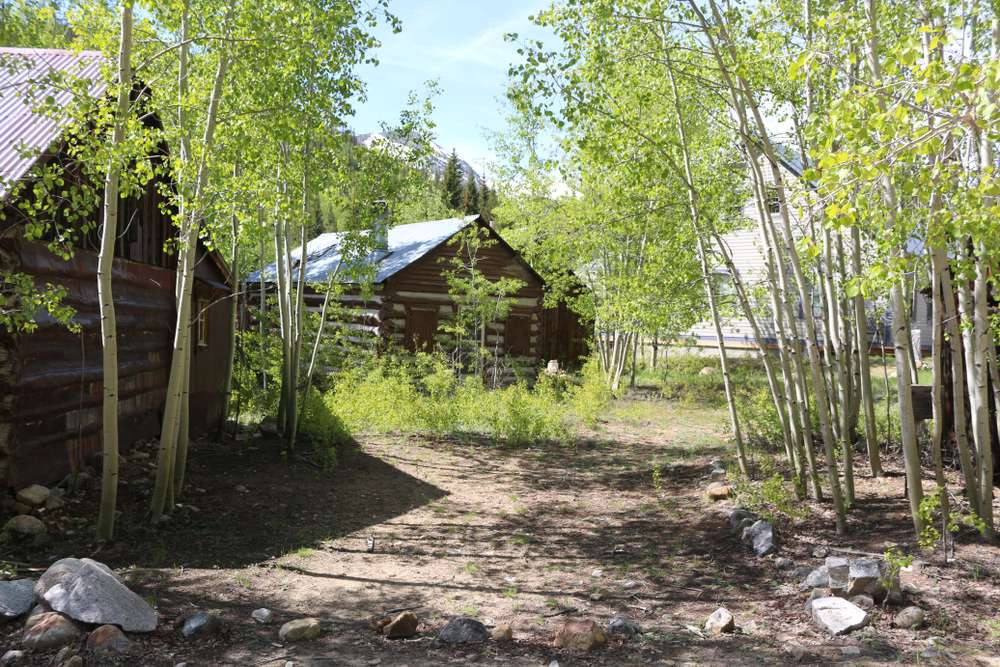
St. Elmo’s preserved storefronts and homes make it feel less abandoned than paused. Furniture, dishes, and handwritten signs remain inside many buildings. Chipmunks roam freely, giving the illusion of daily activity. The surrounding mountains intensify the sense of isolation while also making the town feel protected. Travelers exploring Colorado’s historic mining regions often say St. Elmo feels quietly occupied.
Terlingua, Texas
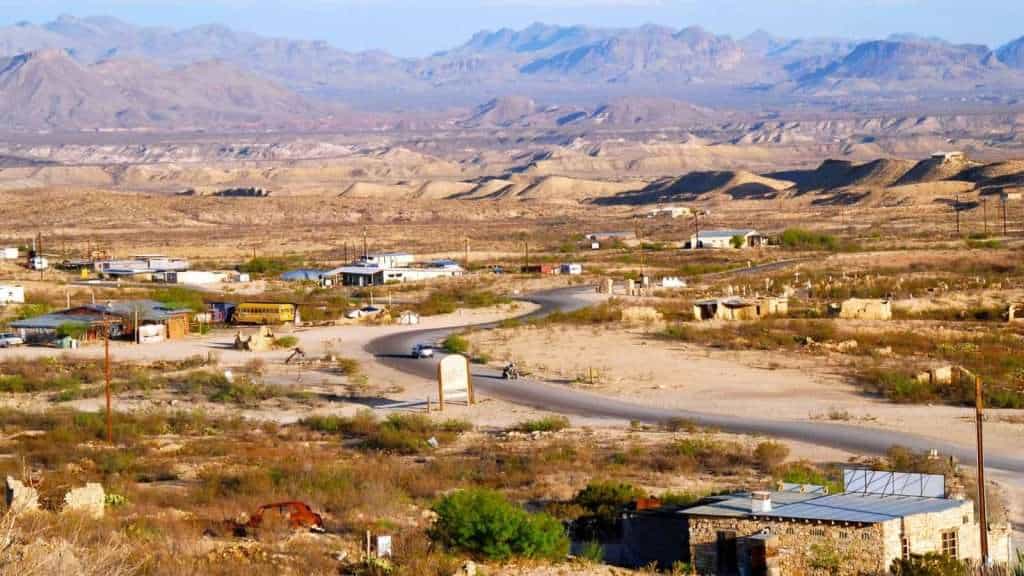
Terlingua’s ghost town status blends seamlessly with modern habitation, creating a place that never feels entirely empty. Crumbling buildings coexist with active homes, art spaces, and annual events. The desert environment heightens every sound and movement. Even when few people are around, the town feels alert. For those exploring remote Texas travel destinations, Terlingua feels like a place where time behaves differently.
Goldfield, Arizona
Goldfield’s reconstructed buildings and reenactments blur the line between past and present. While many structures are replicas, the town’s atmosphere still feels charged. Old mining equipment, narrow paths, and weathered wood contribute to a sense of lingering labor and ambition. Visitors often describe feeling uneasy once crowds thin. Goldfield remains a popular stop for Arizona road trips.
Glenrio, New Mexico and Texas
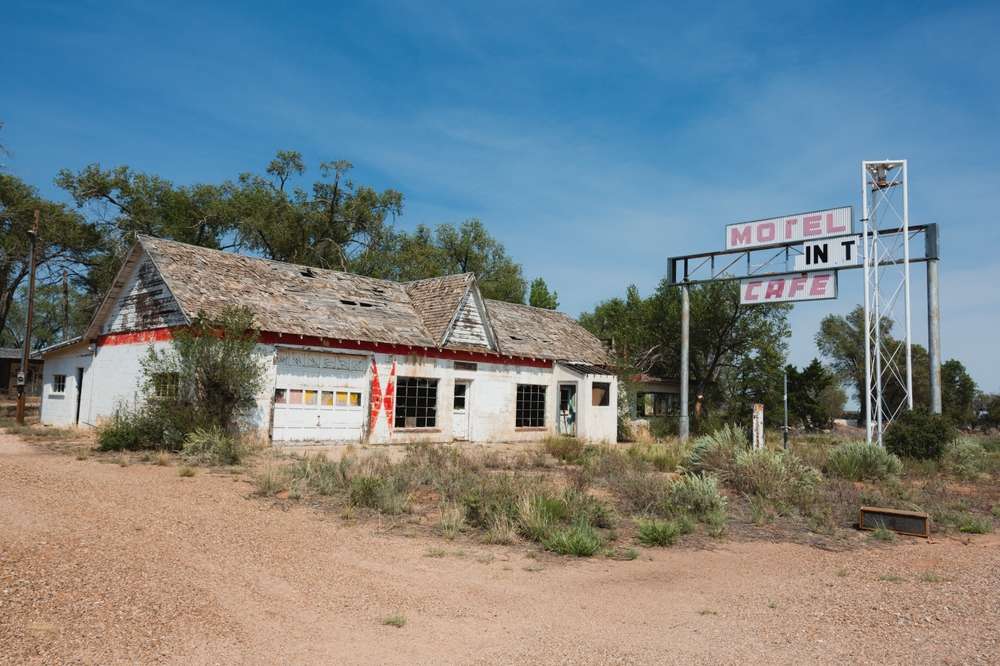
Straddling the border of New Mexico and Texas, Glenrio sits abandoned along historic Route 66. Faded motels, gas stations, and diners remain eerily intact. The highway’s constant hum contrasts with the town’s stillness, making it feel half-awake. Travelers often stop briefly, sensing they’ve interrupted something. It’s a powerful reminder of how U.S. travel patterns can abandon places almost overnight.
Bannack, Montana
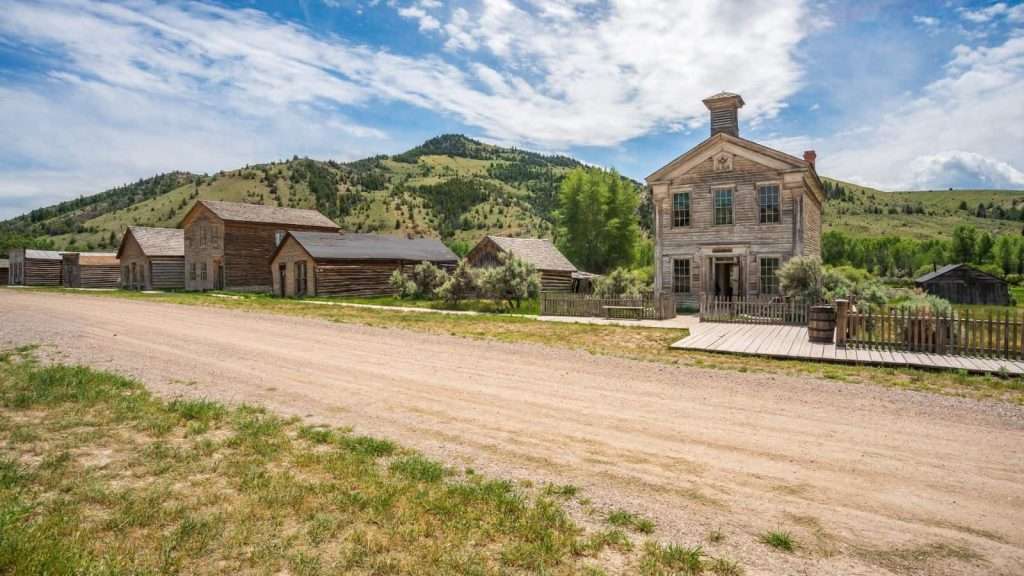
Bannack’s status as a preserved state park keeps its buildings standing, but its history of lawlessness adds an edge. Former saloons, hotels, and homes line the streets, many accessible to visitors. The silence inside the buildings feels deliberate rather than accidental. Even in daylight, Bannack carries a heavy presence. Those exploring Montana’s historic sites often find it emotionally intense.
Calico, California
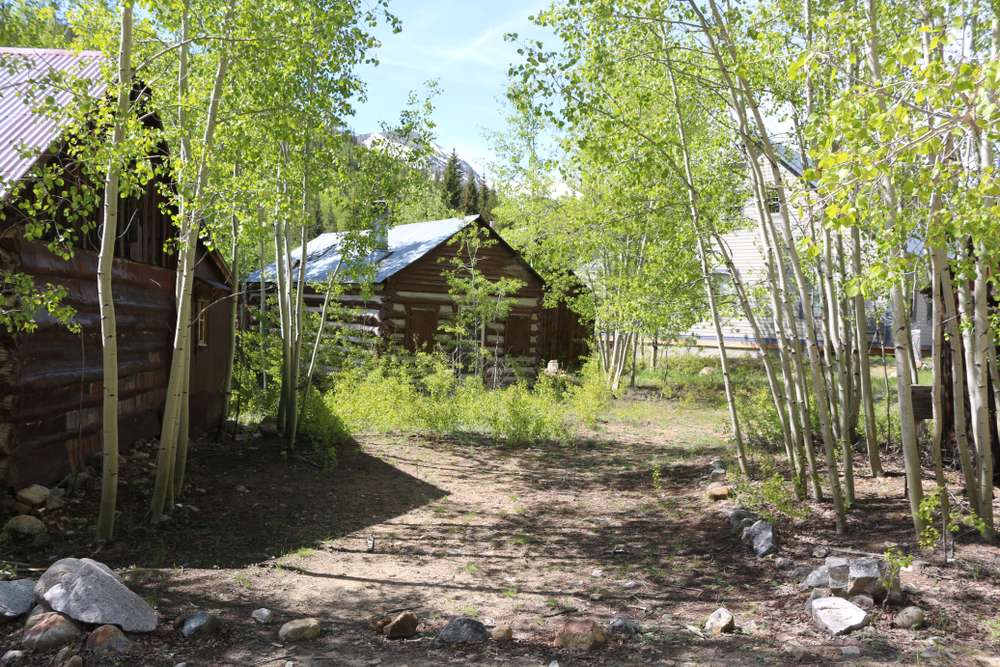
Calico blends restoration with abandonment in ways that confuse the senses. While parts of the town are maintained for tourism, others remain untouched and decaying. This uneven preservation creates a feeling that the town exists in multiple eras at once. Wind moving through empty structures produces unsettling sounds. It remains a popular stop for travelers exploring California’s desert regions.
Picher, Oklahoma
Picher’s abandonment is relatively recent, which makes it feel especially strange. Buildings still display signage, furniture, and personal effects. Environmental contamination forced residents to leave, but their presence lingers visibly. The town feels evacuated rather than forgotten. For U.S. travelers interested in environmental history, Picher leaves a lasting impression.
Thurmond, West Virginia
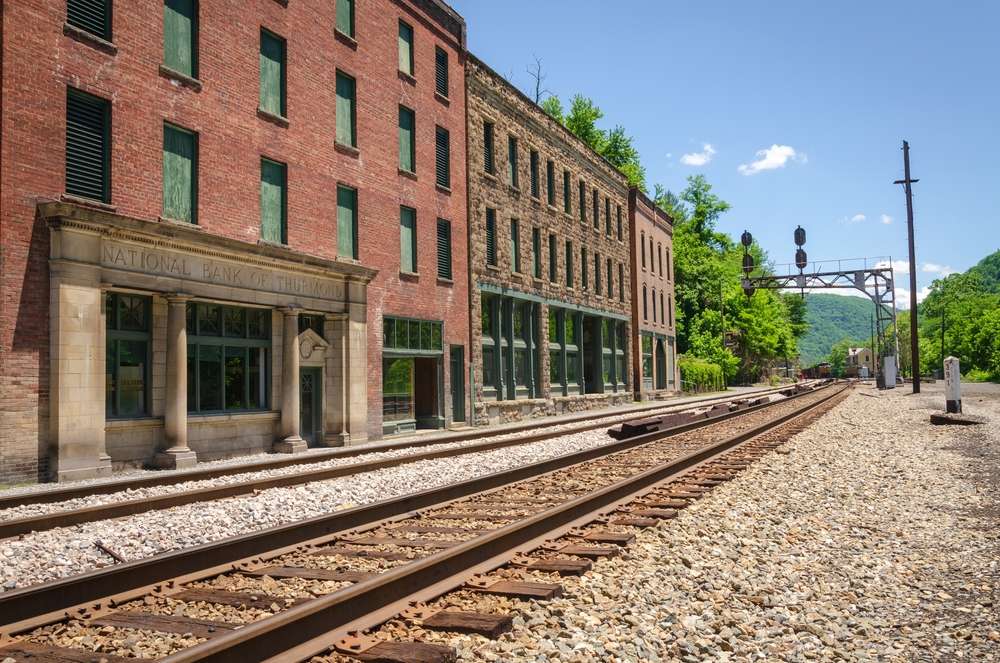
Thurmond sits quietly along railroad tracks, its buildings lined up as if awaiting passengers. A few residents remain, maintaining the illusion of activity. Trains passing through add movement and noise, keeping the town from feeling still. The contrast between motion and abandonment is unsettling. It’s a compelling stop for travelers exploring Appalachia.
Independence, California
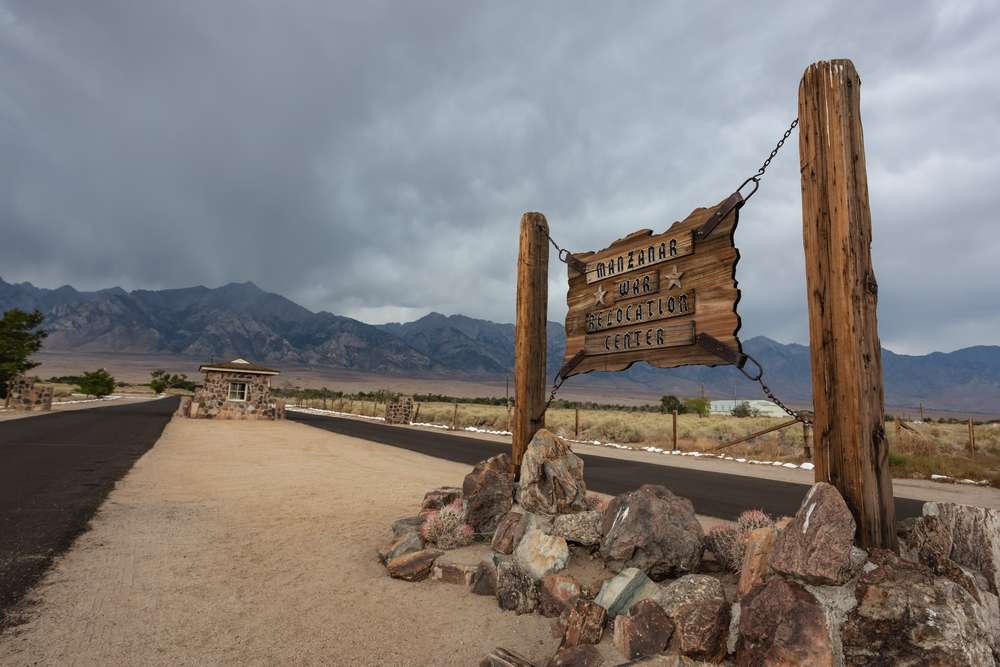
Independence was once a thriving mining settlement, and its remaining structures reflect that ambition. Empty homes, abandoned hotels, and wide streets create a sense of paused momentum. The surrounding landscape amplifies the town’s isolation. Visitors often feel as though they’ve arrived after something important has just ended. It’s a quieter but emotionally charged destination.
Ruby, Arizona

Ruby’s remote location enhances its eerie atmosphere. Once a mining hub, the town now features abandoned buildings, rusting machinery, and silent roads. The desert seems to absorb sound, making the area feel unusually still. Visitors often describe a sense of intrusion. Ruby appeals to travelers seeking offbeat Arizona travel experiences.
Kennecott, Alaska
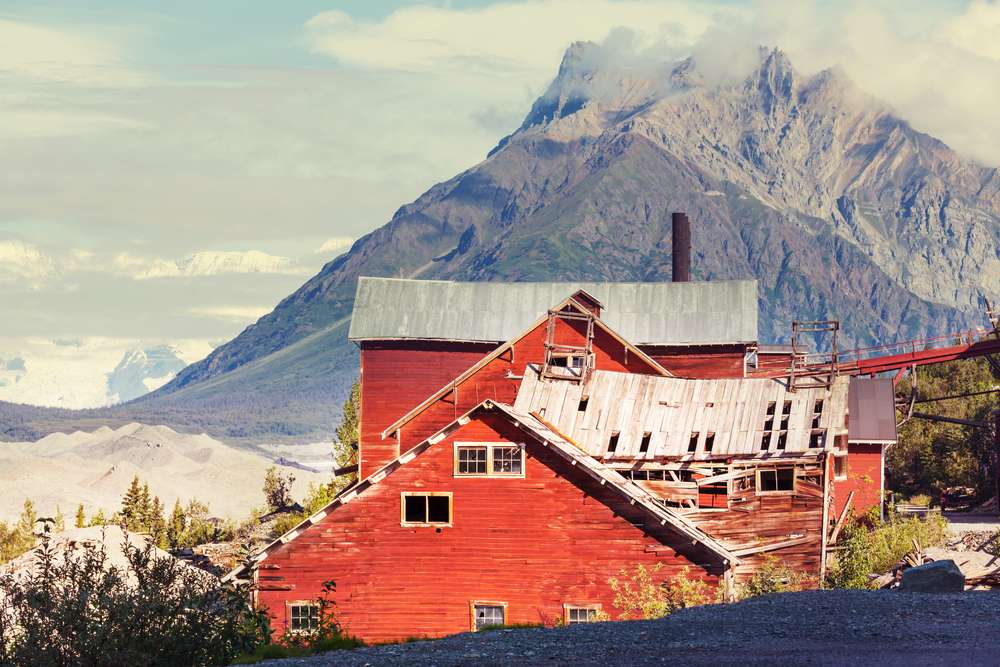
Kennecott’s massive industrial ruins dominate the landscape, making the town feel powerfully present. The towering mill buildings give the impression of ongoing work despite decades of abandonment. Wind echoing through metal structures produces haunting sounds. The scale of the operation leaves a strong psychological impact. It’s a striking destination for adventurous U.S. travel itineraries.
Grafton, Utah
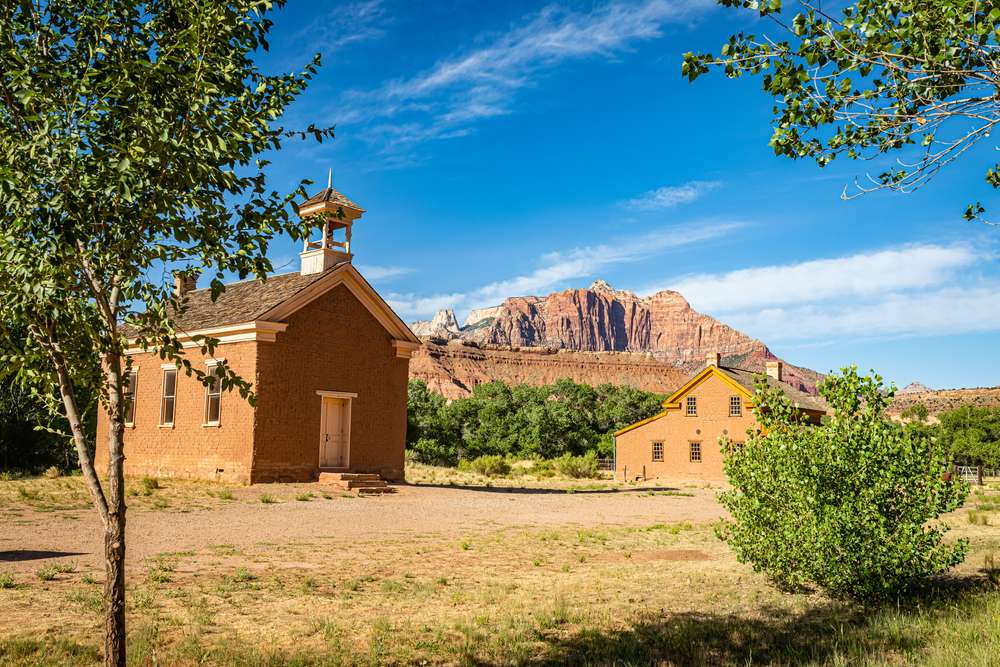
Grafton’s proximity to Zion National Park draws visitors, but the town itself feels deeply unsettled. Preserved buildings and a small cemetery tell stories of hardship and violence. The open landscape makes the town feel exposed rather than abandoned. Many visitors report an emotional heaviness. Grafton remains one of Utah’s most unsettling historic sites.
Animas Forks, Colorado
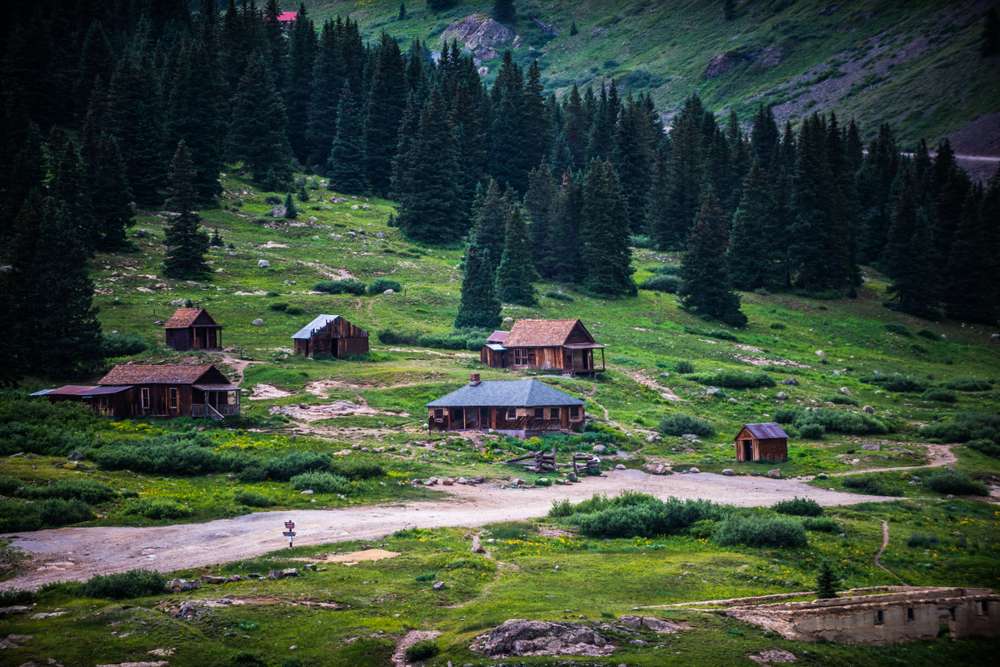
High in the San Juan Mountains, Animas Forks feels isolated yet active. Well-preserved buildings stand against harsh weather, creating the illusion of resilience. The altitude and wind make the town feel alert rather than silent. Visitors often feel watched by the landscape itself. It’s a memorable stop for Colorado road trips.
Cerro Gordo, California

Cerro Gordo’s ongoing restoration adds to its strange energy. The mix of decay and renewal makes it hard to define as abandoned. Buildings show signs of recent human activity, yet no one is around. The town’s tragic history contributes to its emotional weight. Travelers often find the atmosphere unsettling but compelling.
Fort Ord, California
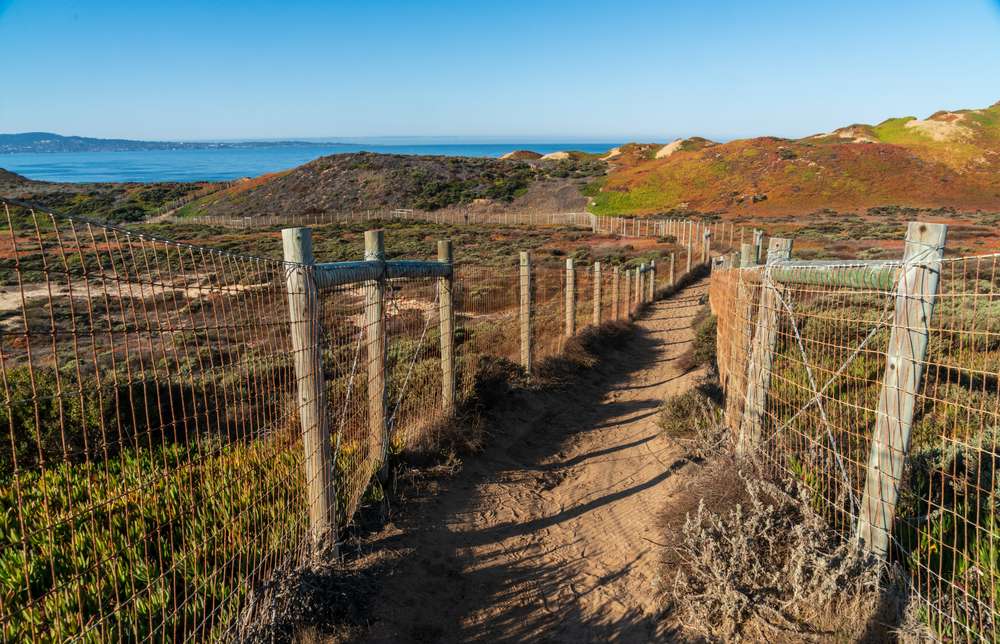
Once a major military base, Fort Ord’s abandoned structures stretch for miles. Training grounds, barracks, and buildings remain scattered across the landscape. The scale of abandonment makes the area feel actively deserted rather than empty. Wind moving through structures creates persistent noise. It’s an unusual stop for California travel enthusiasts.
Granite, Montana
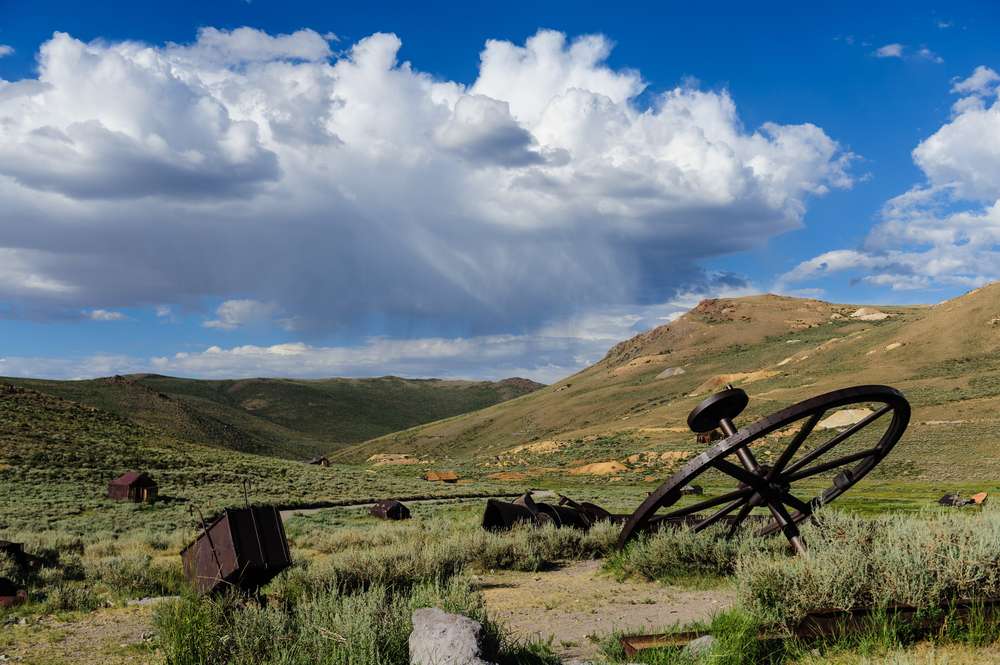
Granite’s remaining stone buildings give it a sense of permanence. Though partially collapsed, the structures feel grounded and enduring. The surrounding forest adds to the sense that the town is being slowly reclaimed, not erased. Visitors often feel a quiet presence lingering. Granite remains a lesser-known but powerful ghost town.
Cisco, Utah
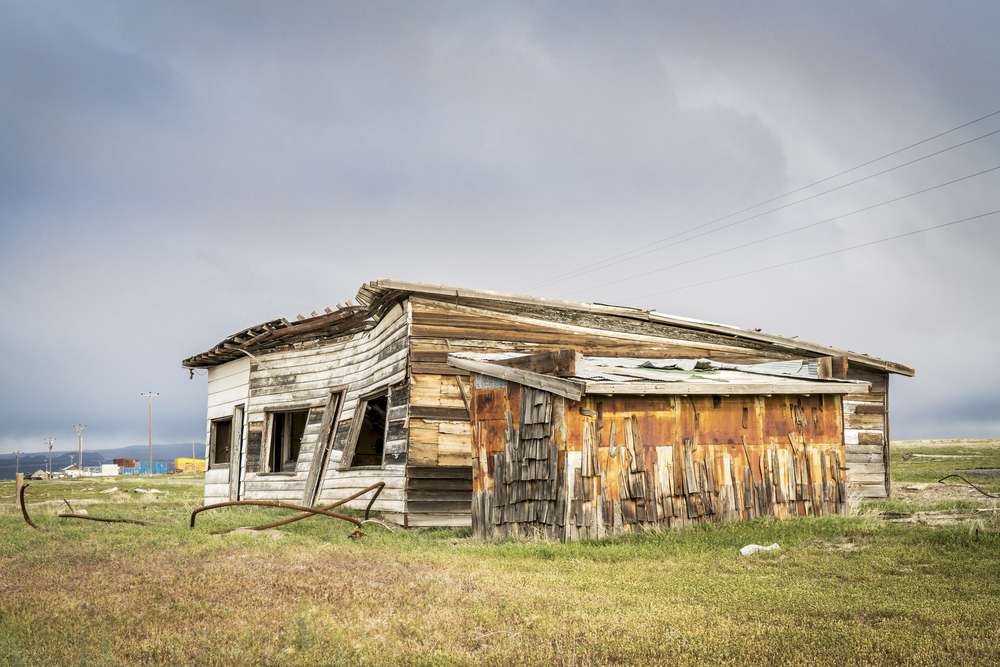
Cisco’s abandoned gas stations, motels, and homes sit along an old highway, frozen in decline. The town feels suspended between usefulness and abandonment. Occasional traffic adds movement, preventing total silence. Travelers often sense they’ve interrupted a moment rather than arrived too late. It’s a striking example of roadside U.S. travel history.
Silver City, Idaho
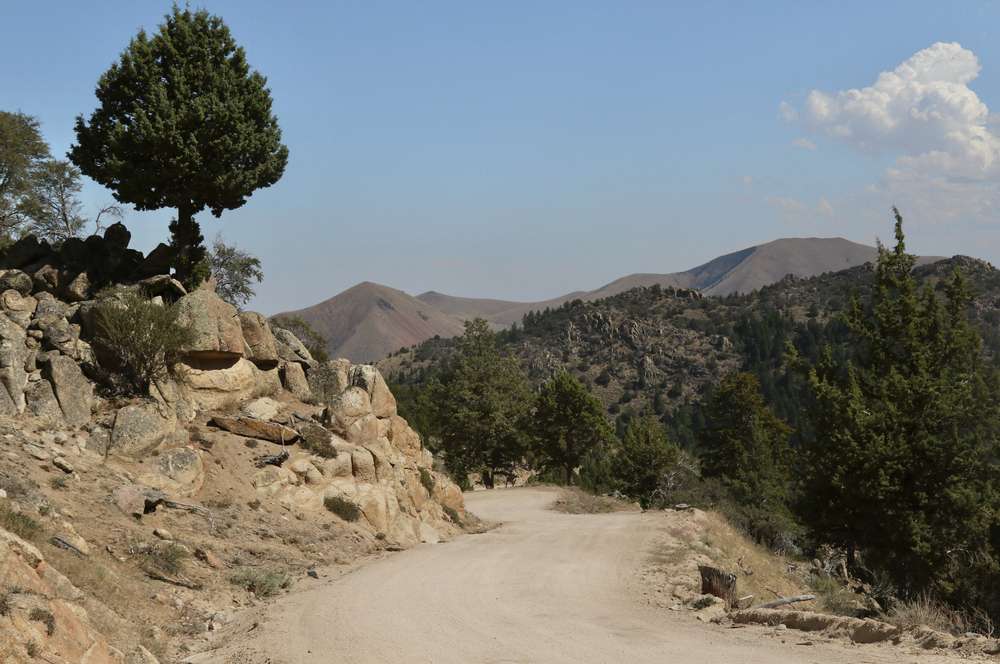
Silver City’s intact buildings and remote location make it feel surprisingly alive. The town hosts occasional events, blurring the line between ghost town and living community. Even when empty, the streets feel purposeful. The surrounding hills create a sense of enclosure. Visitors often leave feeling the town is simply resting.

Deborah Montiero is a seasoned travel writer and contributor to Probe the Globe. With a passion for uncovering hidden gems and sharing immersive travel experiences, Deborah’s work highlights must-visit destinations, insider tips, and practical advice for travelers of all types. Whether exploring bustling cities or remote escapes, her articles are crafted to inspire and inform, making her a trusted voice in the travel community.
Her storytelling weaves together cultural insights, logistical tips, and authentic experiences, making her a valuable resource for readers seeking unforgettable journeys.
When not writing, Deborah is likely researching the latest travel trends or planning her next adventure. Follow her work on Probe the Globe for fresh perspectives and up-to-date travel inspiration.