
22 Most “Accident-Prone” Tourist Spots That Still Attract Crowds
Travel disasters and safety warnings rarely stop curious travelers, especially when iconic views, brag-worthy photos, and bucket-list status are involved. Around the world—and especially across the United States—some destinations are famous not just for beauty, but also for slips, falls, rescues, and accidents that happen far too often. From national parks to urban landmarks, these places continue to draw millions despite their risks. We take a look at 22 Most “Accident-Prone” Tourist Spots That Still Attract Crowds
Grand Canyon National Park, Arizona

One of the most visited U.S. travel destinations, the Grand Canyon sees millions of visitors every year, and unfortunately, frequent accidents. Dehydration, heat exhaustion, and falls along steep rims are common issues, especially during peak summer travel season. Many tourists underestimate hiking distances and elevation changes, leading to rescues by park rangers. Despite the risks, the sweeping views, iconic trails, and American Southwest appeal keep this national park high on every USA travel bucket list.
Yellowstone National Park, Wyoming
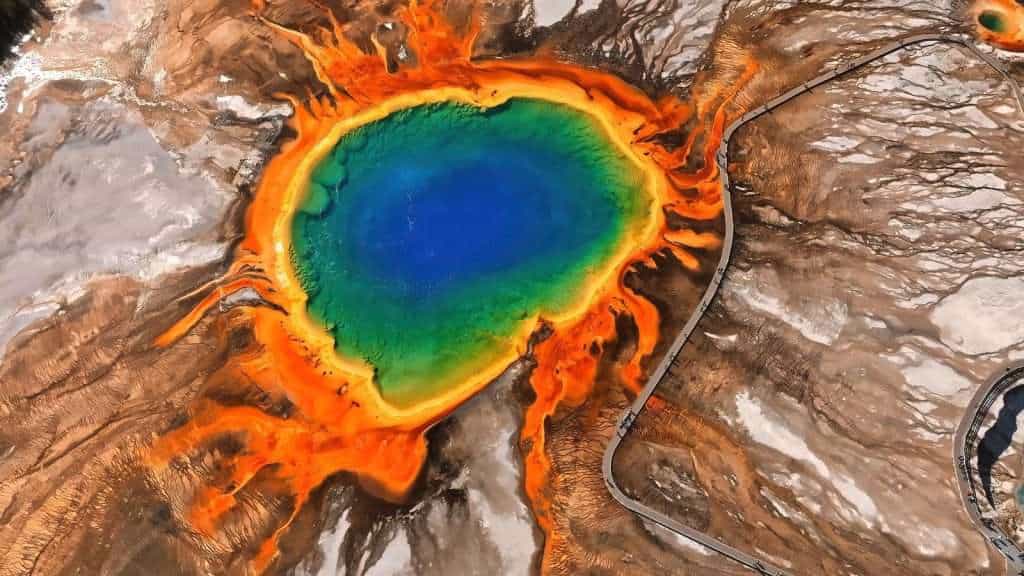
Yellowstone’s geysers and hot springs look inviting, but the ground can be dangerously unstable. Tourists often stray from boardwalks, resulting in burns or falls into scalding water. Wildlife encounters also contribute to accidents when visitors approach bison or elk too closely. As a cornerstone of U.S. travel and national park tourism, Yellowstone continues to attract road-trippers, families, and international visitors eager to explore America’s first national park.
Yosemite National Park, California

Yosemite is renowned for towering granite cliffs and dramatic waterfalls, but those same features make it accident-prone. Slips near wet rocks, climbing mishaps, and falls from high viewpoints happen every year. Social media-driven photo attempts have increased risky behavior in recent years. Even so, Yosemite remains a California travel favorite, drawing outdoor enthusiasts and photographers chasing classic American landscape scenery.
Niagara Falls, New York
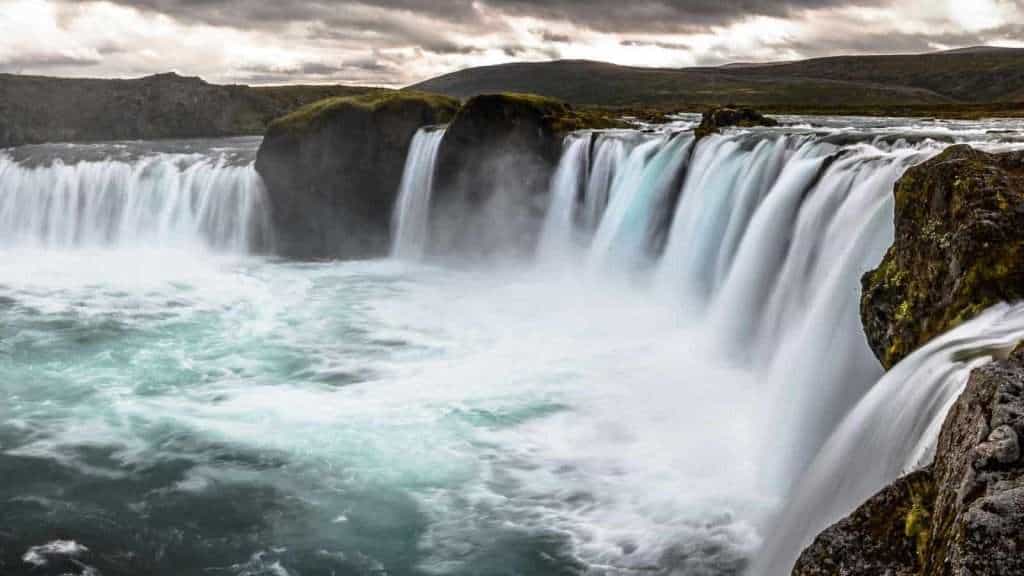
Niagara Falls blends natural power with heavy tourism traffic, which can be a dangerous mix. Slippery walkways, railing breaches, and risky selfies have caused numerous injuries and fatalities over the decades. The sheer force of the water leaves no margin for error. As a staple of U.S. travel itineraries in the Northeast, the falls continue to attract couples, families, and international visitors year-round.
Mount Rainier National Park, Washington
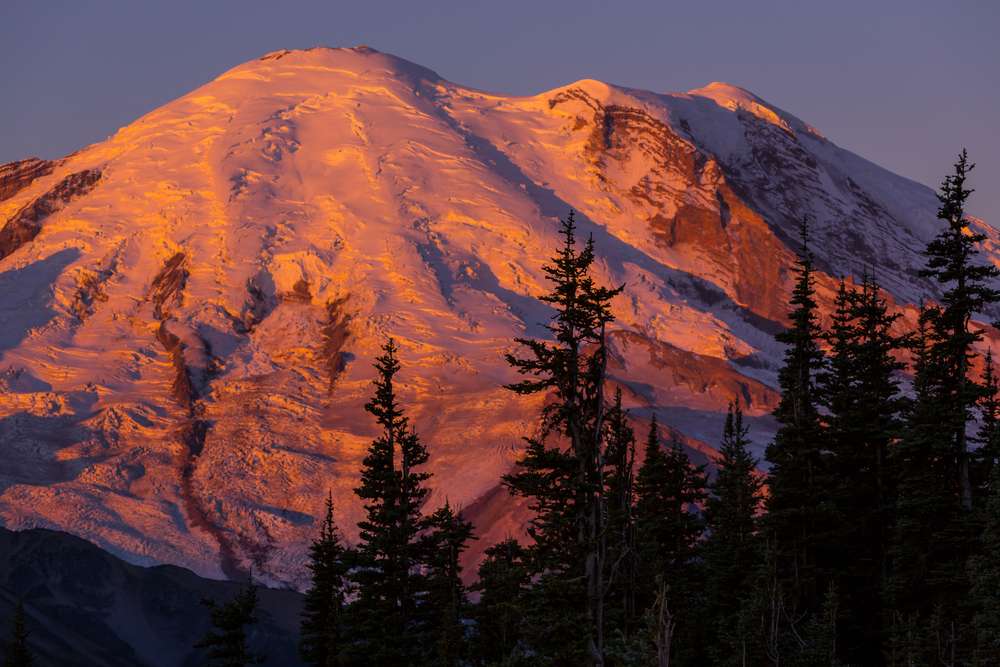
Mount Rainier’s beauty hides serious dangers, including avalanches, crevasses, and rapidly changing weather. Inexperienced hikers often misjudge snow conditions or elevation gain. Rescue operations are frequent, especially during peak hiking months. Still, the mountain’s iconic presence makes it one of the most sought-after outdoor travel destinations in the Pacific Northwest and a highlight of Washington State tourism.
Death Valley National Park, California
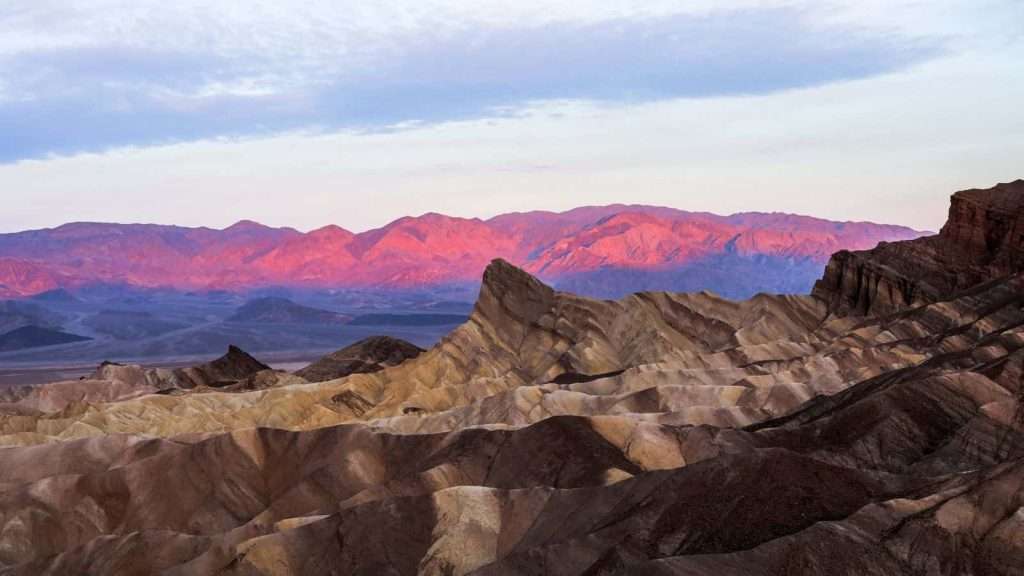
Extreme heat is the biggest threat in Death Valley, where temperatures regularly exceed safe limits for outdoor activity. Tourists sometimes attempt hikes without adequate water or underestimate the desert environment. Vehicle breakdowns also contribute to emergencies. Despite its reputation, Death Valley remains a popular U.S. travel destination due to its stark landscapes, unique geology, and status as one of America’s most extreme national parks.
Zion National Park, Utah

Zion’s narrow canyons and steep trails are visually stunning but hazardous, especially during flash flood season. Popular hikes like exposed ridge routes see frequent falls and injuries. Many accidents stem from overcrowding and lack of preparation. As part of the Utah national parks circuit, Zion continues to draw adventure travelers and road-trippers exploring iconic destinations in the American West.
Horseshoe Bend, Arizona

This Colorado River overlook has become a social media sensation, but the steep drop and minimal shade make it dangerous. Visitors have suffered heat exhaustion and fatal falls while getting too close to the edge. Safety railings help, but risks remain. Horseshoe Bend’s dramatic views keep it firmly on Arizona travel guides and U.S. road trip itineraries.
Waikiki Beach, Hawaii

Waikiki may look calm, but strong currents, reef cuts, and surfing accidents are common. Many tourists underestimate ocean conditions, leading to rescues and injuries. Crowded shorelines add to the risk, especially for inexperienced swimmers. As one of the most famous U.S. beach travel destinations, Waikiki continues to attract visitors seeking sun, culture, and classic Hawaiian vacation vibes.
Times Square, New York City

Accidents here are less about nature and more about crowds. Pedestrian collisions, traffic incidents, and distractions cause frequent injuries. Tourists stopping suddenly for photos can create dangerous situations. Despite the chaos, Times Square remains a centerpiece of New York City travel and a must-see stop for first-time visitors exploring urban America.
Bryce Canyon National Park, Utah
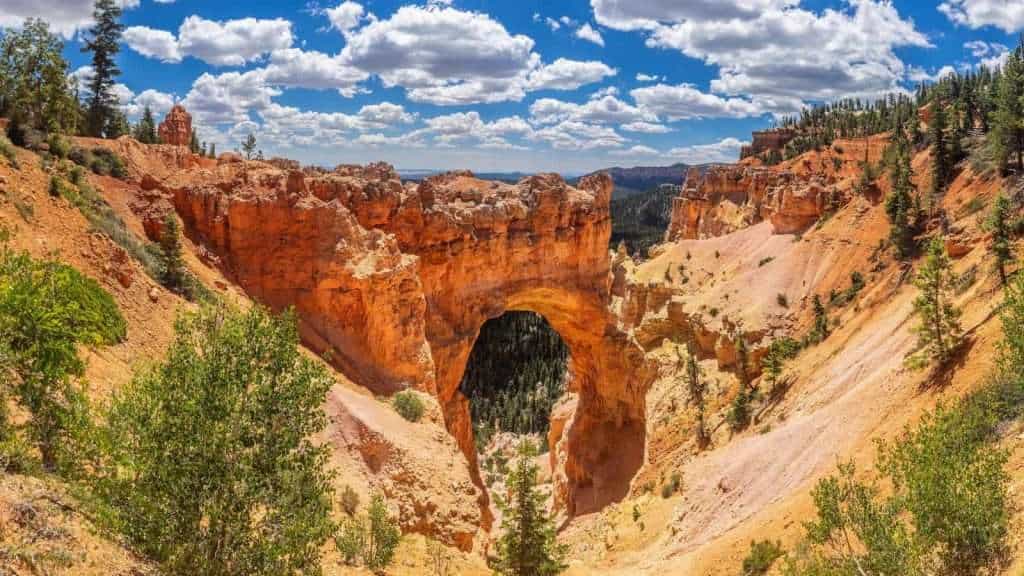
Bryce Canyon’s hoodoos and icy winter trails make slipping a real concern. Sudden weather changes and narrow paths increase accident risks year-round. Tourists often underestimate how cold and slick conditions can be at higher elevations. Still, Bryce Canyon remains a favorite for scenic U.S. travel, especially for photographers and nature lovers touring Utah’s national parks.
Alcatraz Island, California
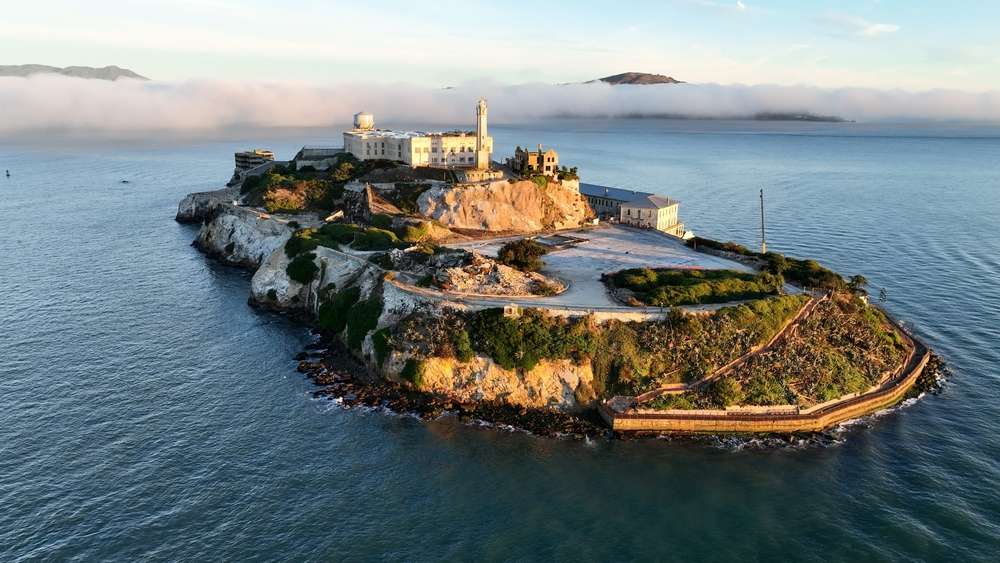
Steep stairs, uneven surfaces, and strong winds contribute to accidents on Alcatraz Island. Crowds moving through confined areas add to the risk. While safety measures are in place, injuries still occur. As one of San Francisco’s top attractions, Alcatraz continues to be a major draw for U.S. travel itineraries focused on history and iconic landmarks.
Mount Hood, Oregon

Mount Hood attracts climbers year-round, but unpredictable weather and icy terrain make it dangerous. Avalanches and falls have claimed lives over the years. Many accidents involve hikers without proper gear or experience. Despite this, Mount Hood remains a symbol of Oregon travel and an appealing destination for outdoor recreation in the Pacific Northwest.
The Wave, Arizona
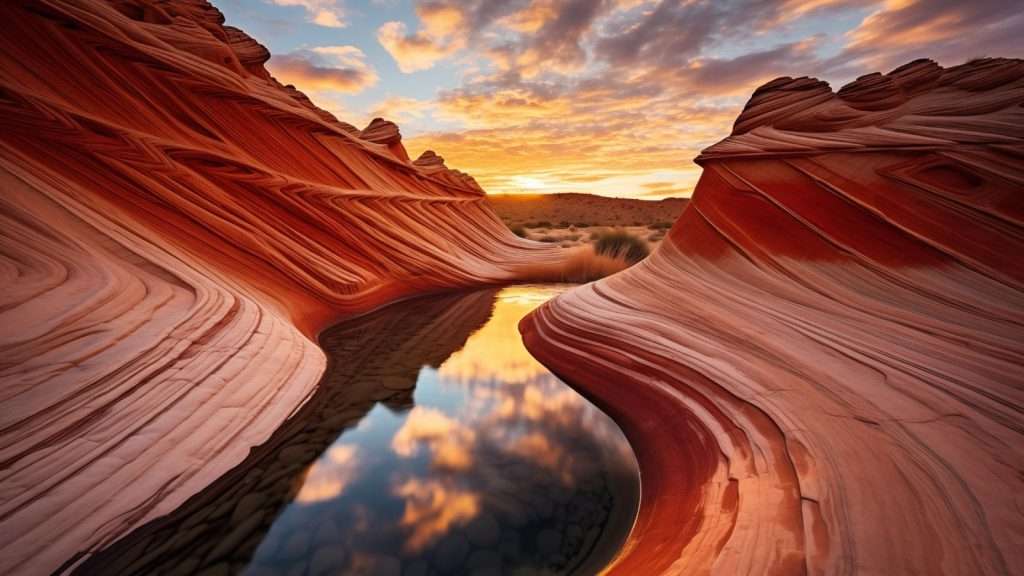
This striking sandstone formation requires careful navigation across remote desert terrain. Heat, disorientation, and lack of cell service contribute to frequent rescues. Access permits limit crowds, but accidents still happen. The Wave’s unique appearance keeps it high on adventure travel wish lists and a prized destination for U.S. landscape photography.
Golden Gate Bridge, California

High winds, heavy traffic, and pedestrian congestion make the Golden Gate Bridge surprisingly hazardous. Cyclists and walkers must remain alert at all times. Fog reduces visibility, increasing accident potential. As a symbol of American travel and California tourism, the bridge continues to attract millions who want that classic San Francisco experience.
Denali National Park, Alaska

Denali’s vast wilderness and limited infrastructure increase accident risks significantly. Wildlife encounters, harsh weather, and remote terrain challenge even seasoned travelers. Rescue operations are complex and costly. Yet Denali remains a dream destination for U.S. adventure travel, offering unmatched scenery and a sense of raw, untamed America.
Blue Ridge Parkway, North Carolina and Virginia

This scenic drive is known for winding roads, steep drop-offs, and sudden weather changes. Vehicle accidents and motorcycle crashes occur regularly, especially during fall foliage season. Tourists stopping abruptly for views add to the danger. Even so, the Blue Ridge Parkway remains a beloved U.S. road trip route and a highlight of East Coast travel.
Arches National Park, Utah
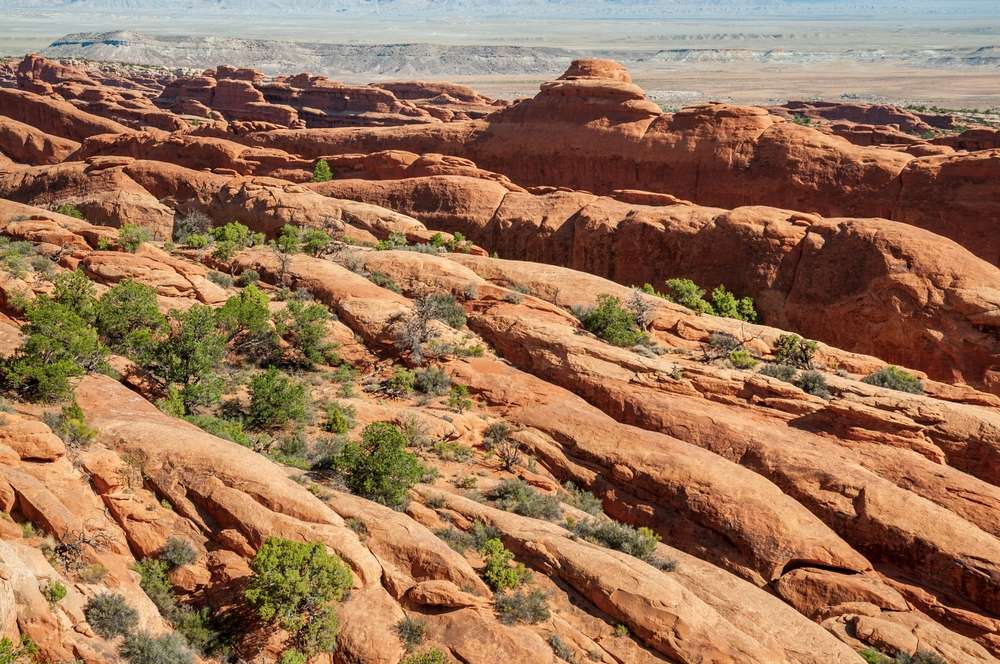
Arches features slickrock terrain that becomes slippery and unstable, especially after rain. Falls from rock formations and heat-related incidents are common. Visitors often climb where they shouldn’t for better photos. As a cornerstone of Utah travel and American national park tourism, Arches continues to draw crowds year after year.
Myrtle Beach, South Carolina
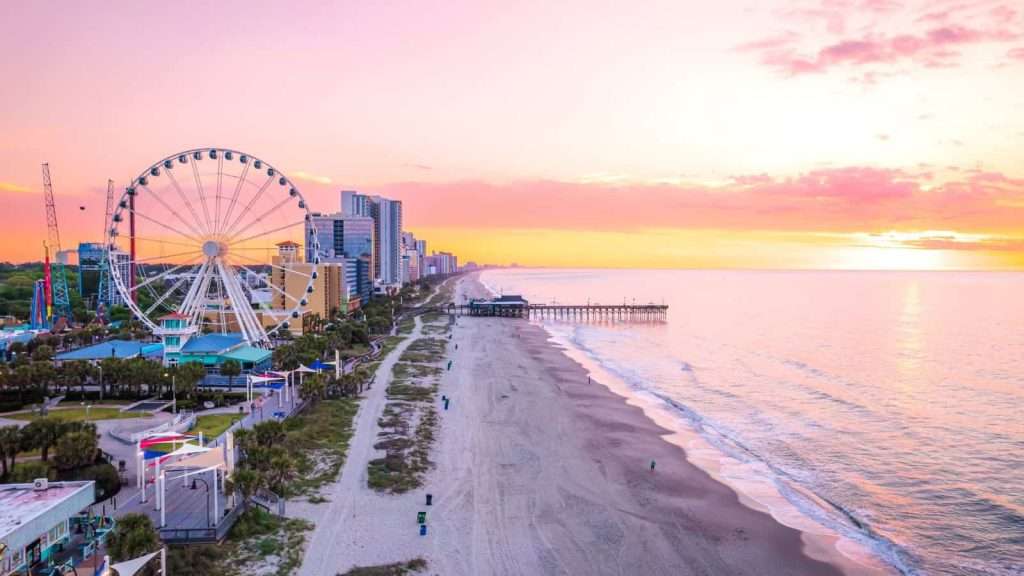
Rip currents, boating accidents, and crowded shorelines make Myrtle Beach more dangerous than it appears. Summer travel brings increased incidents involving swimmers and jet skis. Alcohol consumption also plays a role in many accidents. Despite this, Myrtle Beach remains a top U.S. travel destination for affordable beach vacations and family trips.
Mount Whitney, California

As the highest peak in the contiguous United States, Mount Whitney poses altitude-related risks. Hikers experience exhaustion, dehydration, and sudden weather shifts. Permit restrictions help manage crowds, but rescues are still frequent. Mount Whitney’s status as a major U.S. hiking challenge keeps it popular among adventure travelers.
Key West, Florida
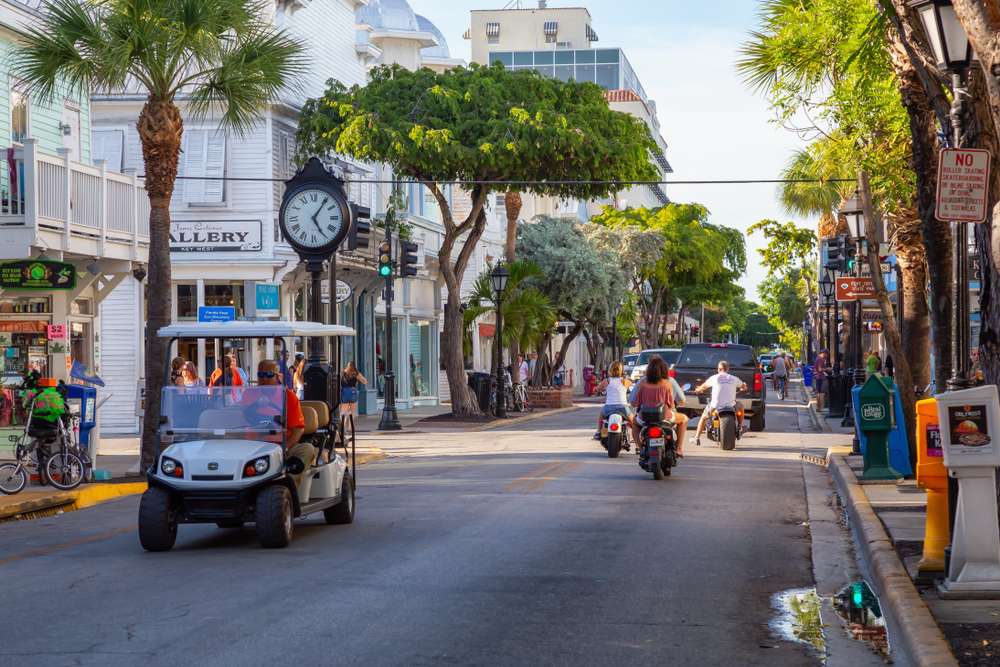
Key West combines water sports, nightlife, and heavy foot traffic, which leads to frequent accidents. Boating incidents, bike crashes, and alcohol-related injuries are common. Heat and sun exposure add to the risks. Still, Key West remains a favorite Florida travel destination for laid-back island vibes and tropical American getaways.
Great Smoky Mountains National Park, Tennessee and North Carolina

America’s most visited national park also sees a high number of accidents. Wildlife encounters, slippery waterfalls, and overcrowded trails contribute to injuries. Many visitors underestimate the terrain due to the park’s accessibility. As a cornerstone of U.S. travel in the Southeast, the Smokies continue to attract millions seeking scenic beauty and outdoor adventure.

Deborah Montiero is a seasoned travel writer and contributor to Probe the Globe. With a passion for uncovering hidden gems and sharing immersive travel experiences, Deborah’s work highlights must-visit destinations, insider tips, and practical advice for travelers of all types. Whether exploring bustling cities or remote escapes, her articles are crafted to inspire and inform, making her a trusted voice in the travel community.
Her storytelling weaves together cultural insights, logistical tips, and authentic experiences, making her a valuable resource for readers seeking unforgettable journeys.
When not writing, Deborah is likely researching the latest travel trends or planning her next adventure. Follow her work on Probe the Globe for fresh perspectives and up-to-date travel inspiration.