20 U.S. Hiking Trails That End Somewhere You Didn’t Expect
Hiking often comes with expectations of scenic overlooks, quiet forests, and a clear sense of where the trail is leading. Sometimes, though, the end point feels surprising, strange, or completely different from what the map suggests. Across the country, certain trails conclude in places that feel unexpected, emotionally jarring, or wildly out of context with the journey itself. For travelers who enjoy unpredictability and memorable endings, these 20 hikes add a surprising twist to U.S. travel adventures.
Kalalau Trail, Hawaii

The Kalalau Trail begins as a rugged coastal hike but ends at a remote beach that feels worlds apart from the effort it takes to reach it. After navigating cliffs, narrow paths, and intense elevation changes, hikers arrive at a broad stretch of sand backed by towering green cliffs. The sudden openness feels surreal after days of confinement to steep terrain. For U.S. travel explorers, the contrast between the demanding hike and the peaceful ending makes this trail unforgettable.
Bright Angel Trail, Arizona
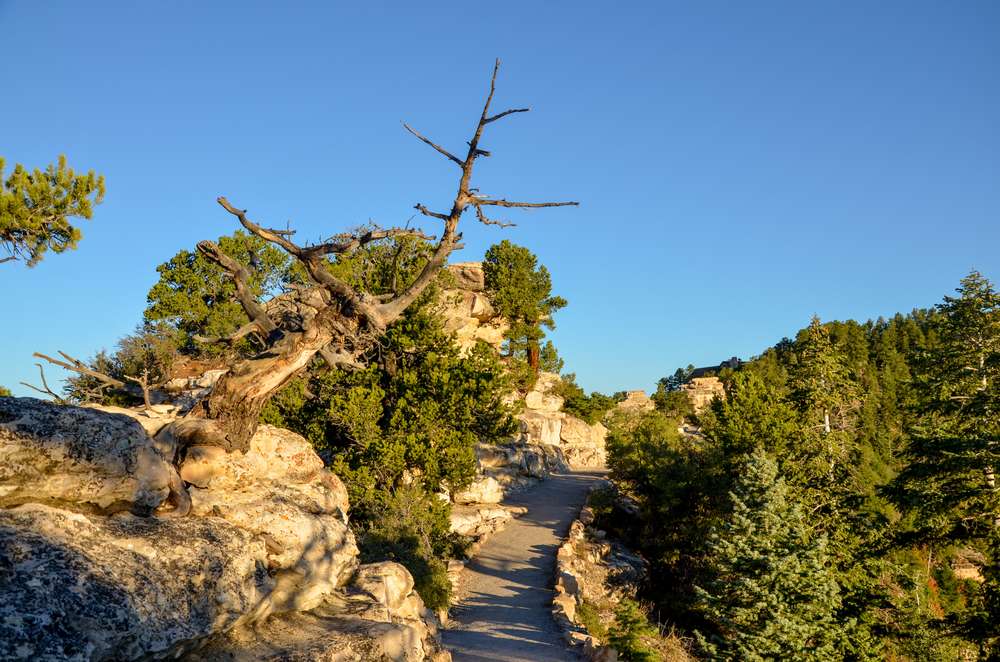
Many hikers expect the Bright Angel Trail to end with a triumphant overlook, but instead it leads deep into the Grand Canyon’s interior. The trail concludes at Phantom Ranch, a functioning oasis complete with cabins, food, and shade. After miles of exposed rock and heat, reaching a small settlement feels almost impossible. This unexpected ending surprises many U.S. travel hikers who don’t anticipate comfort at the bottom of such a vast canyon.
Lost Coast Trail, California

The Lost Coast Trail ends not at a viewpoint or summit, but at a quiet stretch of road that feels oddly anticlimactic. After days of hiking isolated beaches and rugged coastline, stepping onto pavement feels abrupt. The sudden return to civilization contrasts sharply with the wild journey behind you. For U.S. travel adventurers, the ending reinforces how completely remote the trail feels until the very last step.
Mount LeConte Alum Cave Trail, Tennessee

This trail builds toward dramatic rock formations and sweeping views, but its ending surprises many hikers. Instead of a barren summit, the trail ends at a lodge complete with cabins and dining facilities. After miles of forest and cliffs, encountering a small mountain community feels unexpected. U.S. travel hikers often describe the experience as stepping out of the wilderness into a hidden mountain village.
Angels Landing, Utah

Angels Landing ends at a narrow rock fin with sheer drop-offs on all sides. Many expect a broad summit, but the ending is exposed, tight, and intense. Standing at the end feels less like arrival and more like suspension in space. For U.S. travel enthusiasts, the unexpected vulnerability of the final viewpoint makes the hike far more memorable than a traditional peak.
Hoh River Trail, Washington

The Hoh River Trail feels like a gentle forest walk for miles, lulling hikers into a calm rhythm. The trail eventually ends at a massive glacier spilling down from Mount Olympus. The sudden shift from mossy rainforest to icy terrain feels startling. U.S. travel hikers often find the ending jarring in the best way, as if two different ecosystems collided without warning.
Precipice Trail, Maine
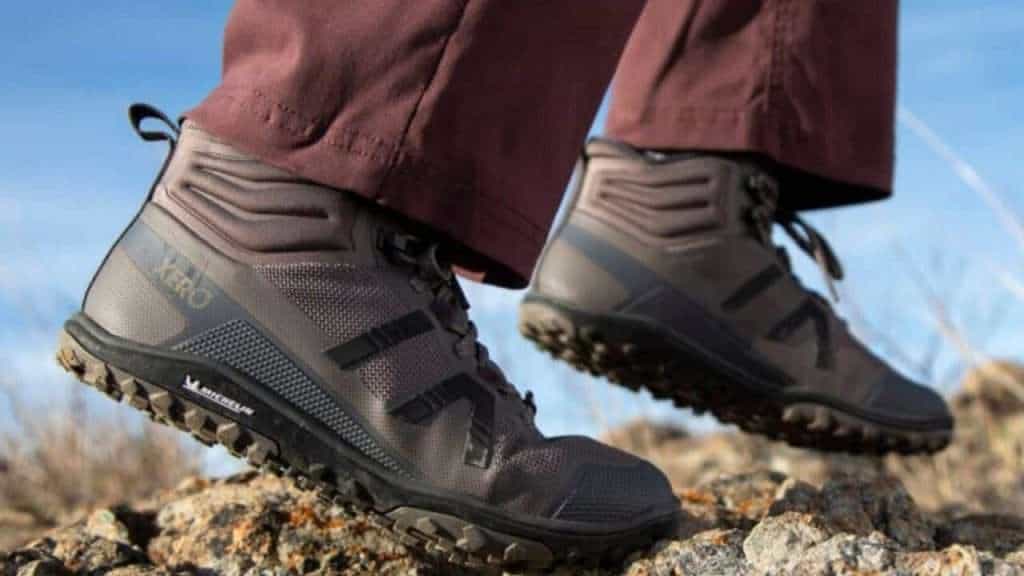
The Precipice Trail builds steadily with ladders and exposed ledges before ending at a relatively calm summit plateau. After the intensity of vertical climbing, the quiet openness feels almost anticlimactic. Many hikers expect the danger to continue to the end. For U.S. travel adventurers, the sudden return to peaceful terrain feels like stepping out of a storm into silence.
Half Dome Cables Route, California
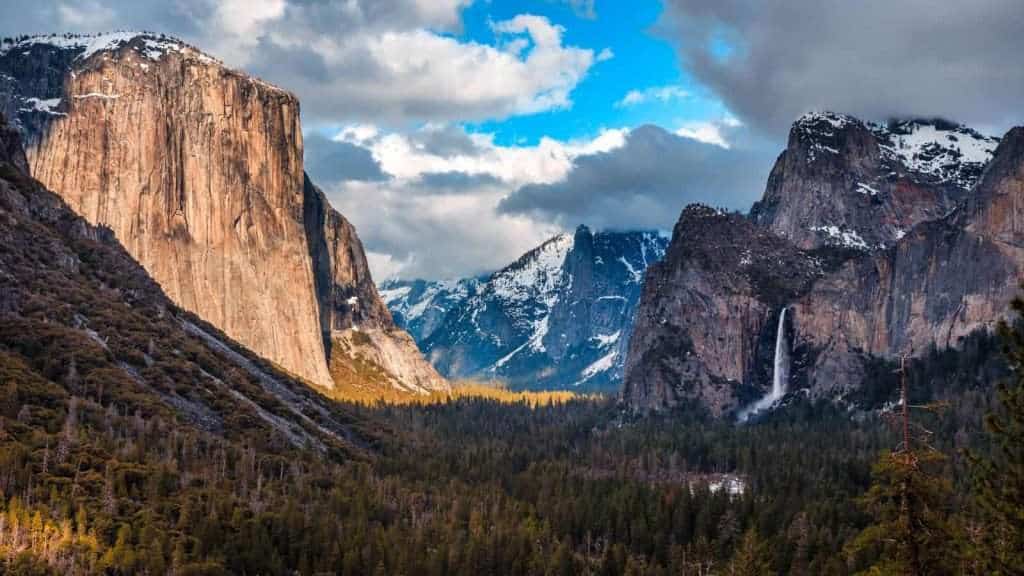
Hiking Half Dome’s cables leads to an ending that feels more like standing on a rooftop than a mountain peak. The summit is broad and flat, contrasting sharply with the adrenaline-fueled climb. After gripping cables and granite slabs, the openness feels unexpected. U.S. travel hikers often linger longer than planned, adjusting to how calm the ending feels.
Observation Point via East Mesa, Utah
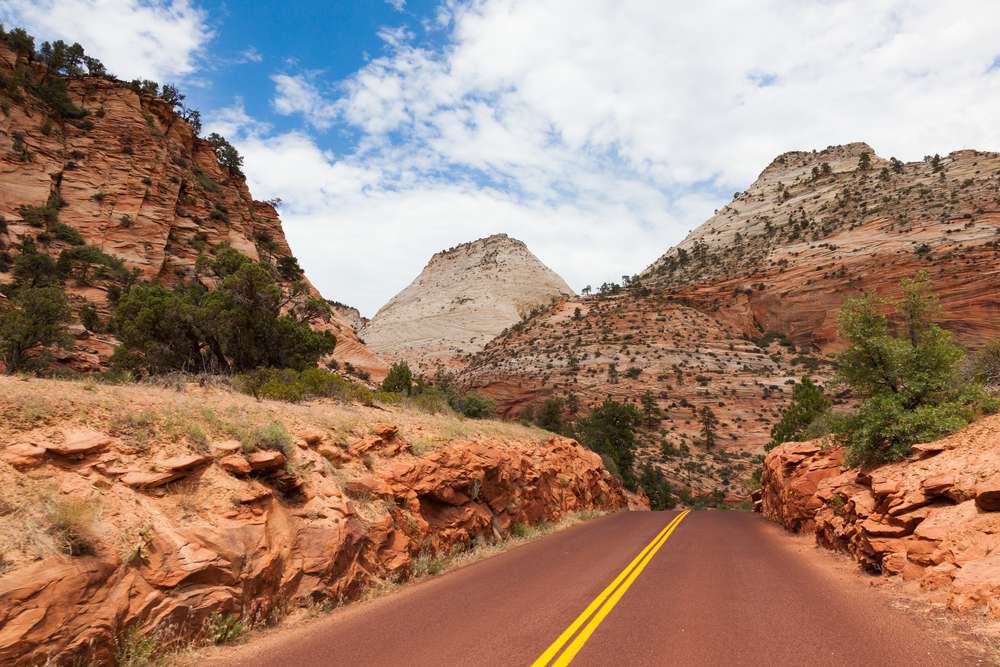
This trail avoids Zion’s steep switchbacks and instead ends abruptly at a cliff edge with a dramatic view of the canyon below. The gentle hike gives little warning of the sudden drop-off. Reaching the edge feels startling after such an easy approach. For U.S. travel explorers, the mismatch between effort and reward makes this trail especially memorable.
Mount Storm King Trail, Washington

The Mount Storm King Trail is steep and relentless, but the ending is a narrow ledge overlooking Lake Crescent. There is no wide summit or room to roam, only a sharp viewpoint that demands focus. The tight space feels unexpected after such physical effort. U.S. travel hikers often find the ending both thrilling and unsettling.
The Maze Overlook Trail, Utah
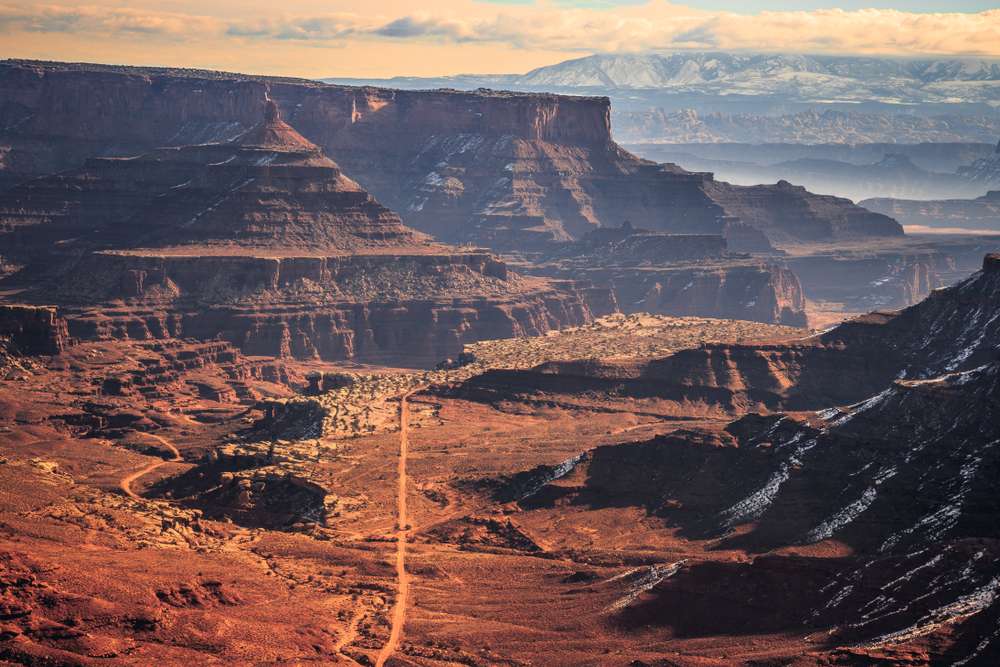
This short trail ends at a viewpoint overlooking one of the most complex canyon systems in the country. The hike itself feels straightforward, but the ending reveals an overwhelming labyrinth of rock formations. The scale and complexity feel disproportionate to the effort. For U.S. travel enthusiasts, the ending delivers a visual shock that lingers long after leaving.
Coyote Gulch, Utah
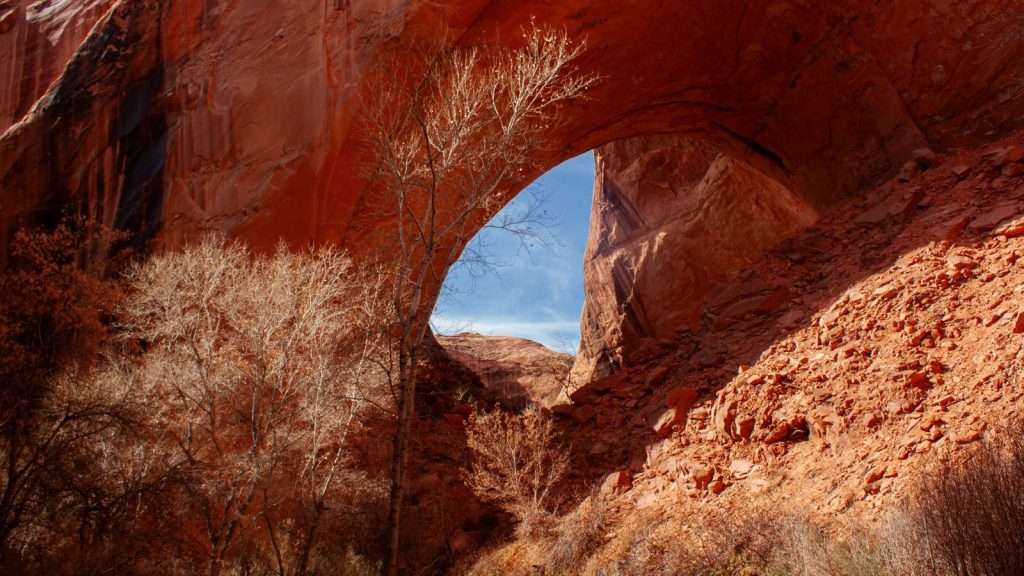
Coyote Gulch concludes at a hidden arch framing a quiet stretch of desert landscape. After hours of navigating sand, water, and canyon walls, the peaceful ending feels strangely intimate. Many hikers expect a dramatic exit, not a subtle one. U.S. travel adventurers often describe the ending as emotionally surprising rather than visually overwhelming.
Mount Hood Timberline Trail, Oregon

This loop trail ends where it begins, but finishing at Timberline Lodge feels unexpected after days in remote wilderness. Stepping from alpine solitude into a historic lodge filled with activity feels abrupt. The contrast between isolation and civilization is striking. For U.S. travel hikers, the ending reinforces how quickly environments can shift.
The Narrows, Utah
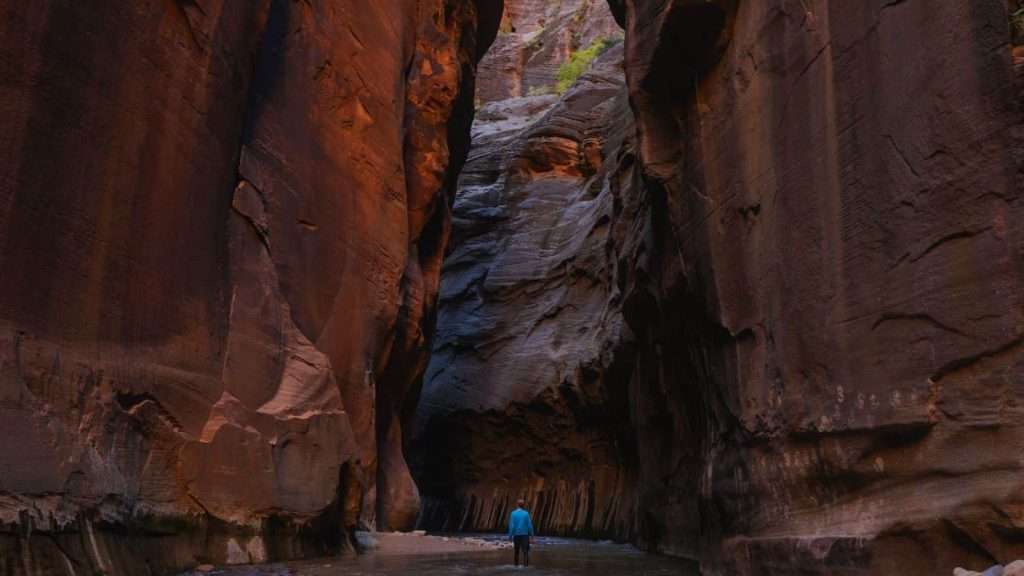
The Narrows ends not at a summit or overlook, but where the river simply becomes impassable. The trail fades into deeper water and narrower walls until turning back is the only option. The lack of a clear endpoint surprises many hikers. U.S. travel explorers often find the ending philosophical rather than physical.
Mount Washington Tuckerman Ravine Trail, New Hampshire
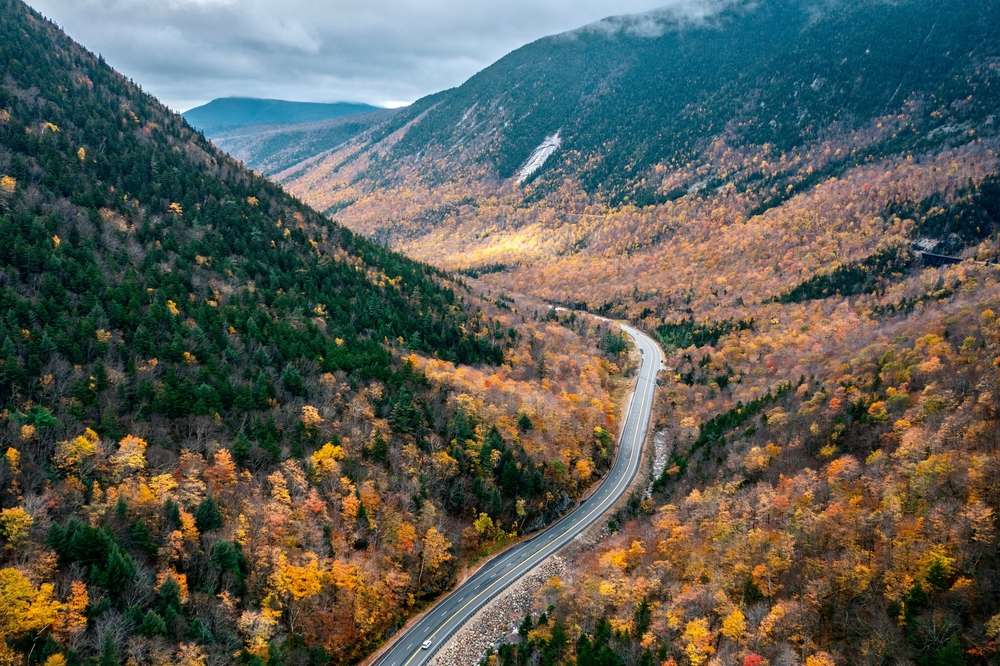
This trail ends on a summit that feels more like a weather station than a mountain peak. After a grueling climb, hikers encounter buildings, roads, and tourists. The presence of infrastructure feels strange after such effort. For U.S. travel hikers, the ending challenges traditional ideas of wilderness reward.
Cathedral Rock Trail, Arizona
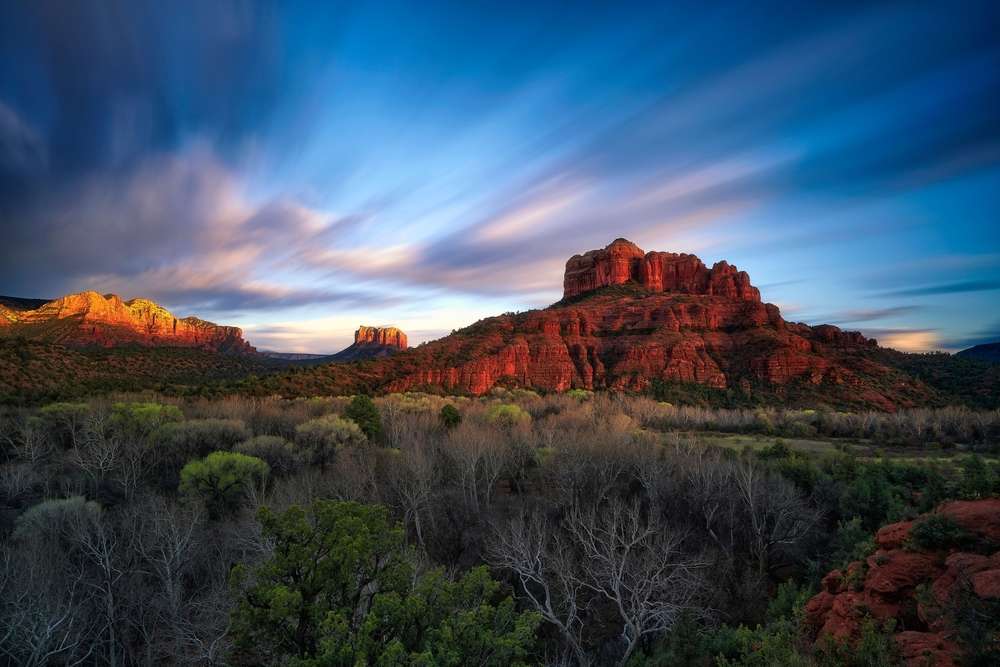
The Cathedral Rock Trail ends on a small rock platform rather than a dramatic summit. After scrambling steep rock, the limited space feels unexpected. There is little room to move, forcing hikers to sit and absorb the view quietly. U.S. travel enthusiasts often find the ending more introspective than anticipated.
Franconia Ridge Loop, New Hampshire

This trail delivers expansive ridge views but ends quietly in dense forest. After hours above the tree line, descending into enclosed woods feels abrupt. The visual drama disappears almost instantly. For U.S. travel hikers, the ending feels like the volume being turned down without warning.
Mount Mansfield Long Trail, Vermont

The trail leads across rugged terrain but ends near a developed summit area with signs and structures. The return to order feels unexpected after the wild ridge walk. Many hikers expect isolation all the way through. U.S. travel adventurers often find the ending oddly grounding.
Devils Garden Primitive Loop, Utah

This trail ends among arches and rock formations that feel almost deliberately arranged. After navigating confusing paths, the ending feels surprisingly curated. The visual symmetry contrasts with the chaos of the hike. For U.S. travel explorers, the ending feels like stepping into a natural gallery.
Black Elk Peak Trail, South Dakota
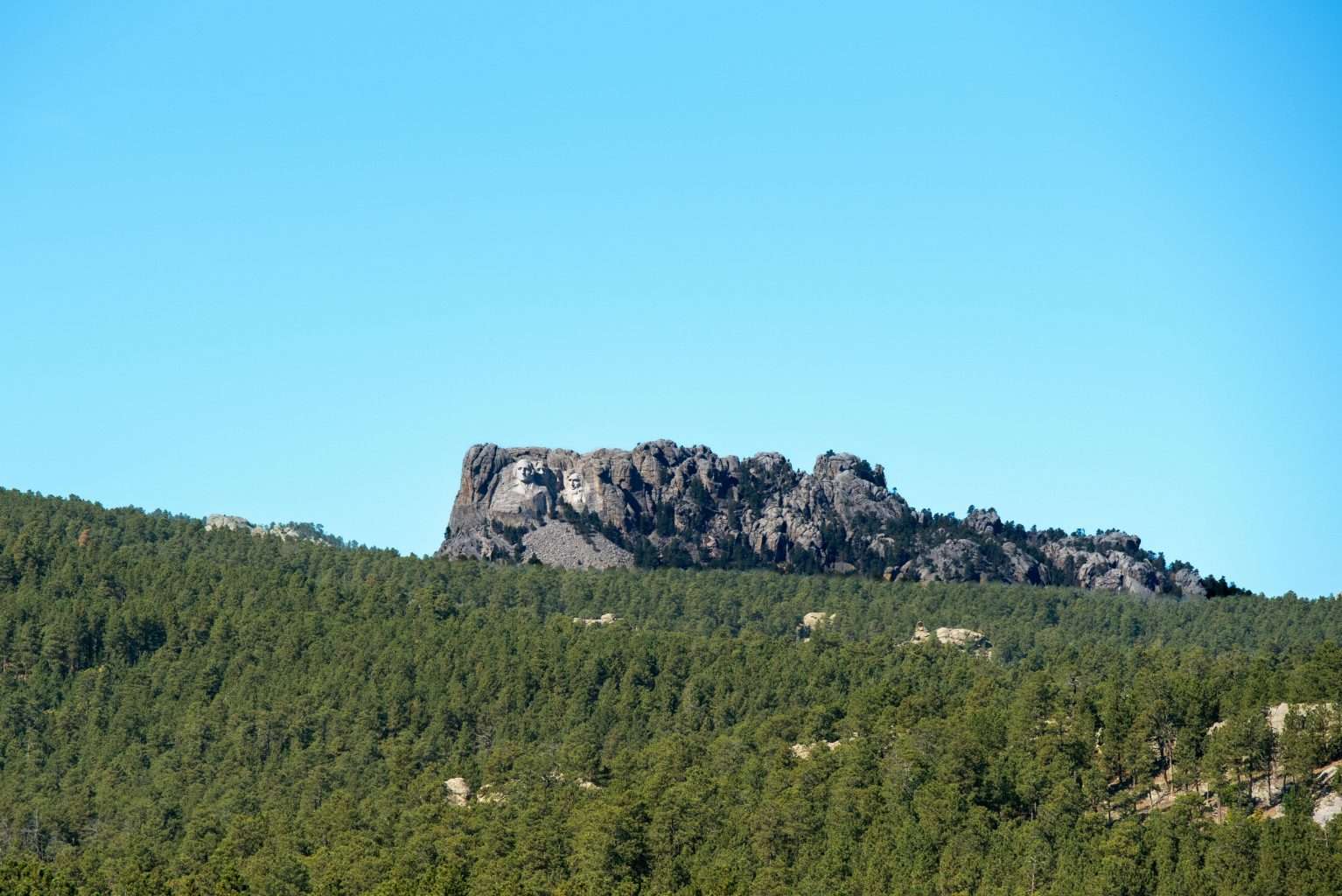
The trail ends at a stone fire tower rather than a raw summit. After miles of forest and granite, encountering a man-made structure feels unexpected. The tower dominates the peak and reframes the experience. U.S. travel hikers often leave feeling reflective rather than triumphant.

Deborah Montiero is a seasoned travel writer and contributor to Probe the Globe. With a passion for uncovering hidden gems and sharing immersive travel experiences, Deborah’s work highlights must-visit destinations, insider tips, and practical advice for travelers of all types. Whether exploring bustling cities or remote escapes, her articles are crafted to inspire and inform, making her a trusted voice in the travel community.
Her storytelling weaves together cultural insights, logistical tips, and authentic experiences, making her a valuable resource for readers seeking unforgettable journeys.
When not writing, Deborah is likely researching the latest travel trends or planning her next adventure. Follow her work on Probe the Globe for fresh perspectives and up-to-date travel inspiration.