20 U.S. Historic Sites With Twists Textbooks Never Mentioned
History lessons often focus on dates, famous names, and simplified narratives, but real places usually hold far more complicated stories. Across the United States, historic sites reveal contradictions, forgotten figures, unexpected events, and human details that rarely make it into textbooks. For travelers interested in deeper U.S. travel experiences, these locations offer history that feels surprising, layered, and sometimes unsettling. This article explores 20 U.S. Historic Sites With Twists Textbooks Never Mentioned.
Alcatraz Island, California
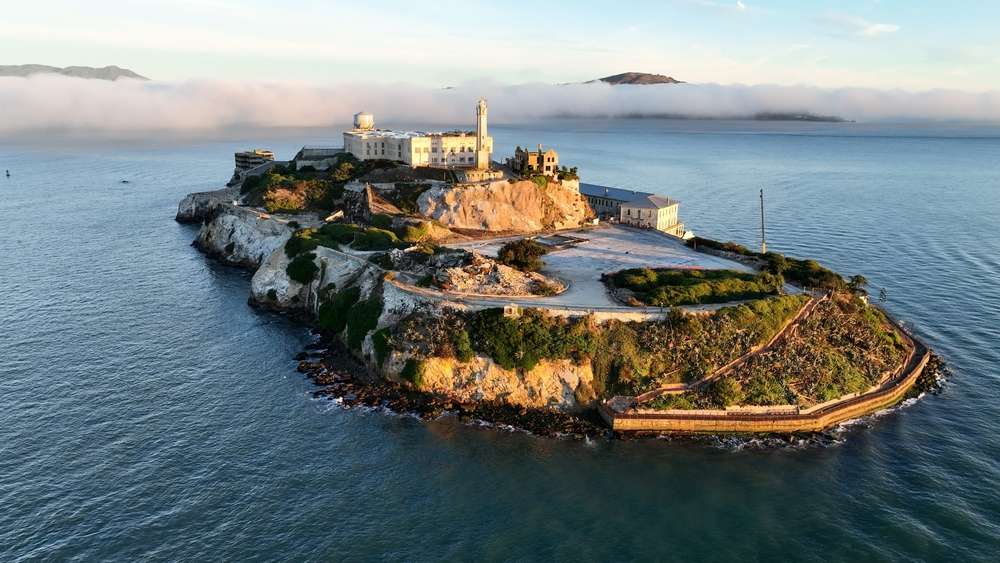
Alcatraz is famous as an inescapable prison, but its most powerful chapter came after it closed. From 1969 to 1971, Native American activists occupied the island, turning it into a symbol of Indigenous rights and sovereignty. This protest reshaped national conversations about treaty rights and cultural recognition. Many visitors arrive expecting crime stories and leave learning about modern civil rights movements that textbooks often reduce to footnotes.
Gettysburg Battlefield, Pennsylvania

Gettysburg is remembered for its pivotal Civil War battle, yet fewer lessons explore how the town itself endured years of trauma afterward. Civilians were left to bury thousands of bodies, nurse wounded soldiers, and rebuild shattered livelihoods. African American residents faced heightened danger even after the battle ended. For travelers focused on U.S. travel history, Gettysburg reveals not just military strategy but the human cost long after cannons fell silent.
Ellis Island, New York
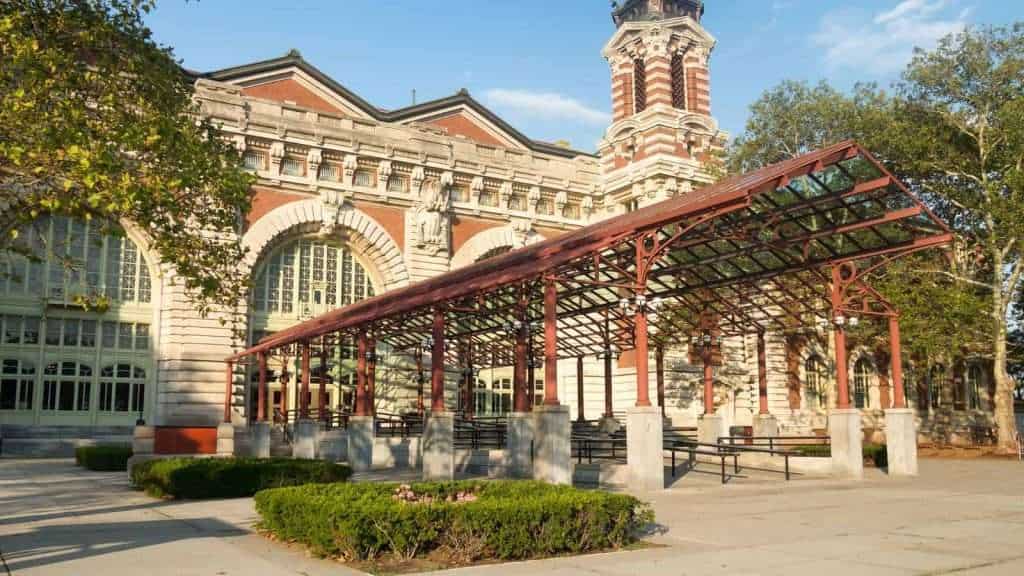
Ellis Island symbolizes hope and immigration, but many arrivals experienced fear, detention, and rejection. Medical inspections could separate families permanently, sometimes over misunderstood conditions. Emotional strain and cultural bias shaped decisions more than textbooks often admit. Walking through the halls today reveals how immigration policy deeply affected individual lives, not just national growth.
Pearl Harbor, Hawaii

Pearl Harbor is remembered for the attack itself, but less discussed is how it led to the internment of Japanese Americans. Many families lost homes and businesses without due process. The site symbolizes both tragedy and injustice. As a U.S. travel destination, Pearl Harbor invites reflection beyond military history.
Independence Hall, Pennsylvania

Independence Hall celebrates freedom and democracy, yet many people involved in drafting those ideals owned enslaved individuals. Debates inside the building often centered on compromise rather than equality. The Constitution’s protections excluded women, Indigenous people, and enslaved Africans. Visitors exploring this landmark gain insight into how revolutionary ideals and moral contradictions coexisted in the nation’s founding.
Pearl Harbor, Hawaii
Pearl Harbor is remembered for the attack that brought the U.S. into World War II, but textbooks often overlook the aftermath for Japanese Americans. Fear and suspicion quickly led to mass incarceration across the mainland. In Hawaii, martial law limited civil liberties for all residents. Travelers interested in U.S. travel history find Pearl Harbor reveals how crisis reshaped democracy at home.
Central Park, New York
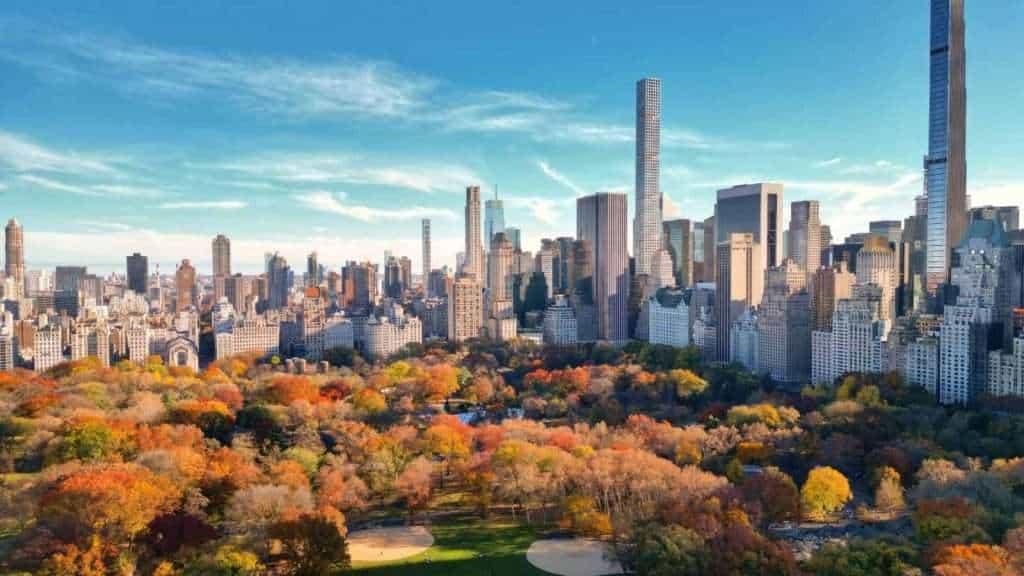
Central Park appears as a triumph of urban design, but its creation displaced an entire community known as Seneca Village. Free Black landowners and immigrants were forced out through eminent domain. Their story remained buried for decades. As a U.S. travel landmark, Central Park carries a hidden history beneath its paths.
The Alamo, Texas
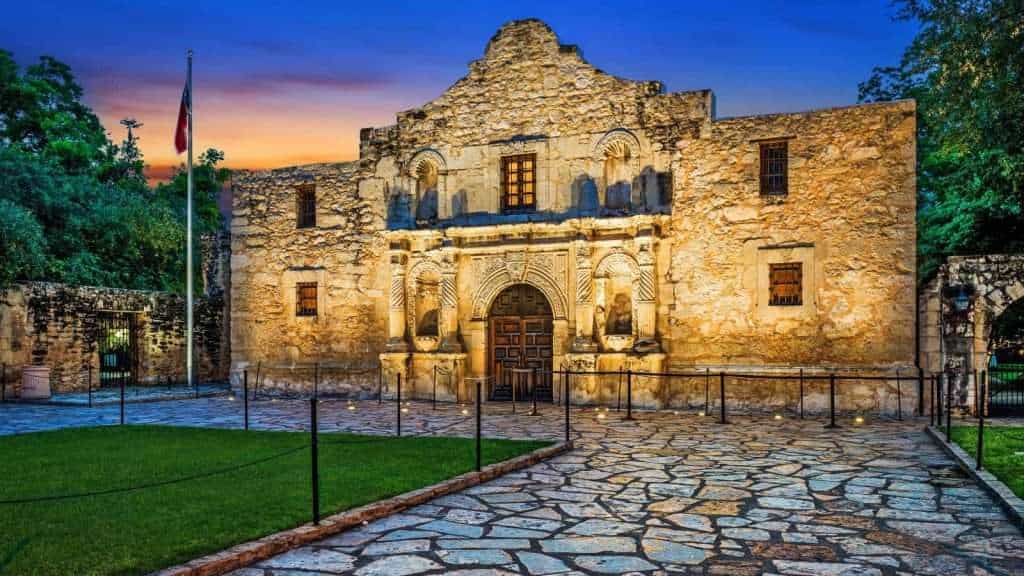
The Alamo is often portrayed as a heroic last stand, yet fewer accounts explore the political motivations behind the conflict. Many Texian leaders fought partly to preserve slavery under Mexican rule, which had abolished it. Tejano participants also played significant roles that are often minimized. For U.S. travel visitors, the Alamo’s story becomes far more complex than simple heroism.
Fort Sumter, South Carolina
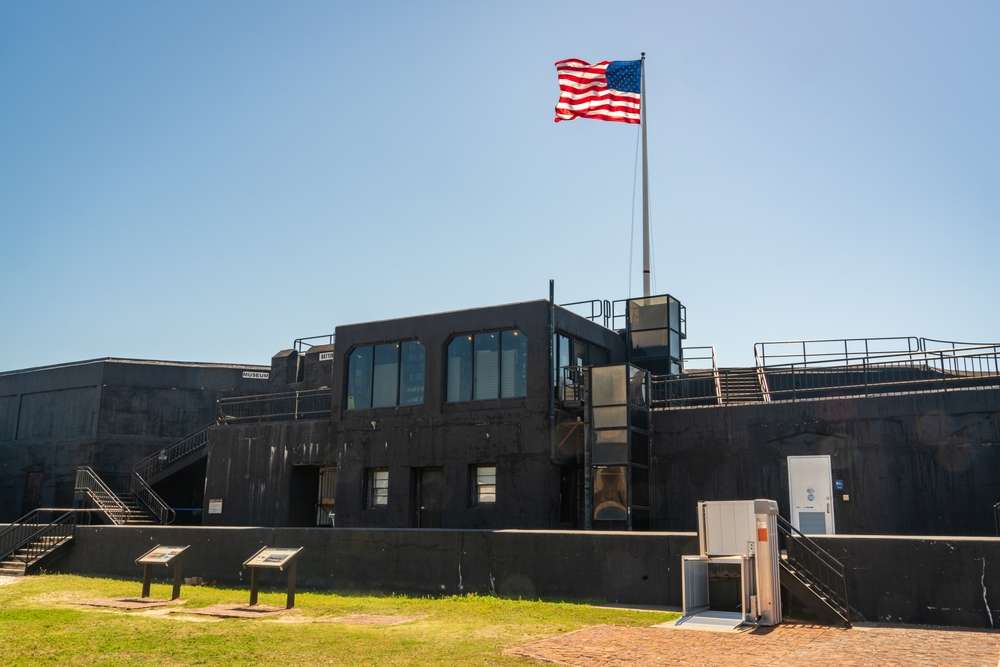
Fort Sumter marks the start of the Civil War, but its symbolic importance outweighed its strategic value. The fort itself caused few casualties during the initial attack. What mattered was the political message sent nationwide. Travelers visiting this site learn how symbolism can ignite conflict just as powerfully as violence.
Angel Island, California
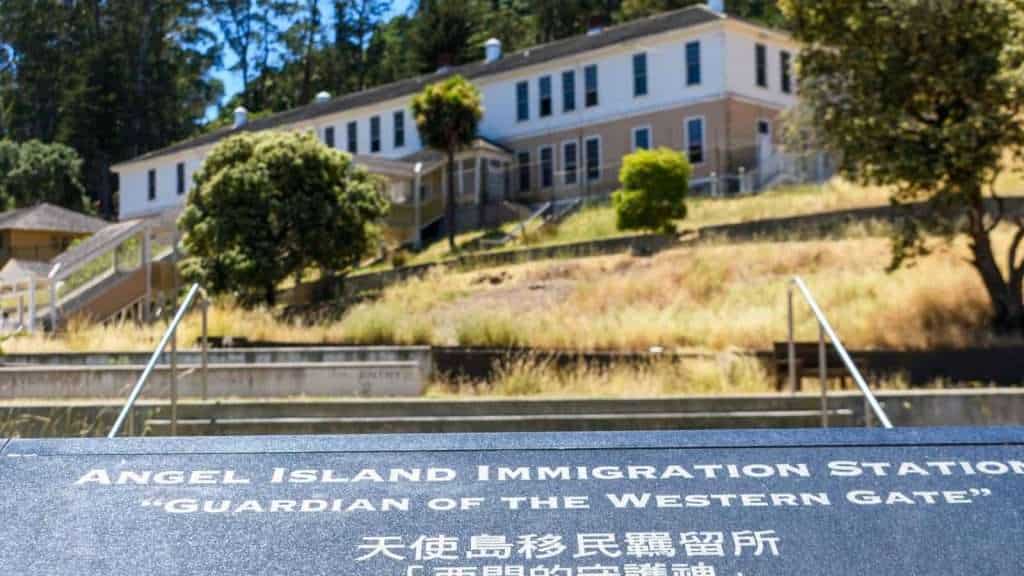
Often called the “Ellis Island of the West,” Angel Island tells a very different immigration story. Many Asian immigrants faced long detentions, interrogations, and discrimination. Poems carved into the walls reveal despair and resilience. U.S. travel visitors discover that immigration experiences varied dramatically depending on race and policy.
Jamestown, Virginia
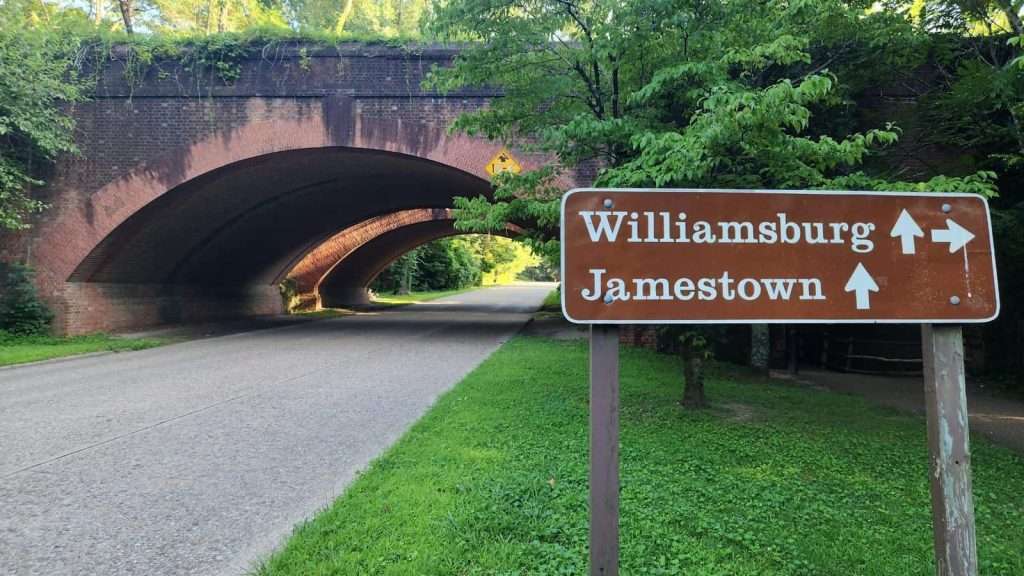
Jamestown is taught as the first permanent English settlement, but survival was far from heroic. Starvation, internal conflict, and exploitation marked its early years. Colonists relied heavily on Indigenous knowledge while simultaneously undermining native communities. The site reveals how colonization involved desperation as much as ambition.
Manzanar, California

Manzanar represents one of several Japanese American incarceration camps during World War II. Families lost homes, businesses, and dignity without evidence of wrongdoing. Textbooks often summarize this injustice briefly, but standing on the site conveys the scale of loss. For U.S. travel visitors, Manzanar forces reflection on constitutional rights during wartime.
Salem, Massachusetts
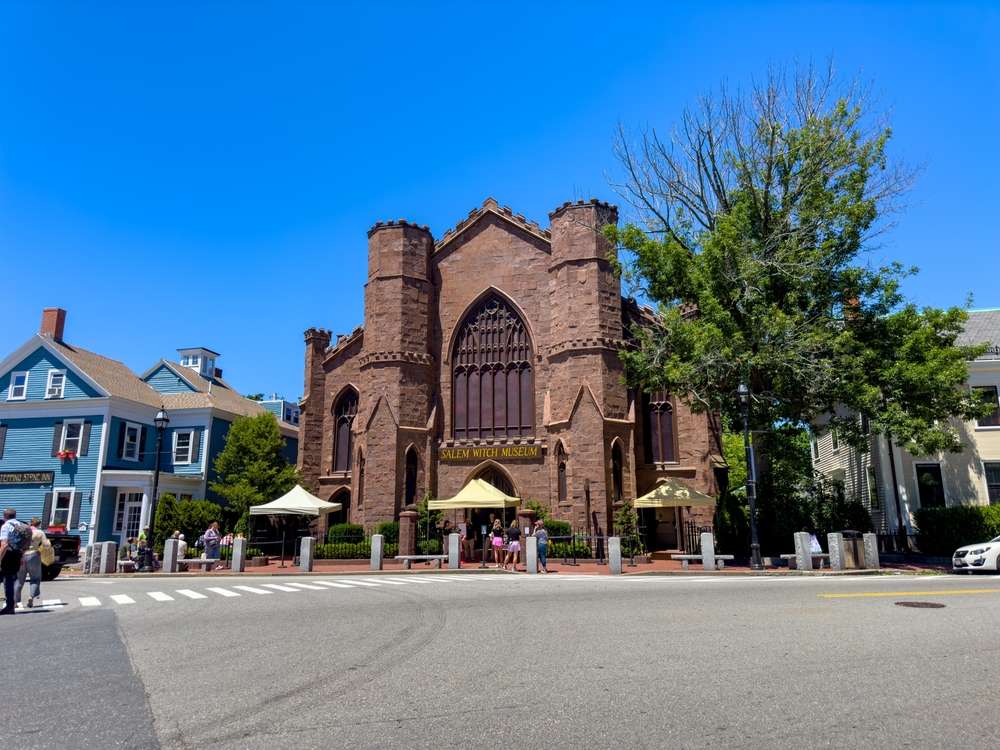
Salem is known for witch trials, but textbooks often oversimplify them as superstition. Social tension, property disputes, gender expectations, and political instability fueled accusations. Many victims were outspoken or economically independent women. Visiting Salem reveals how fear and power dynamics shaped deadly outcomes.
Fort Monroe, Virginia
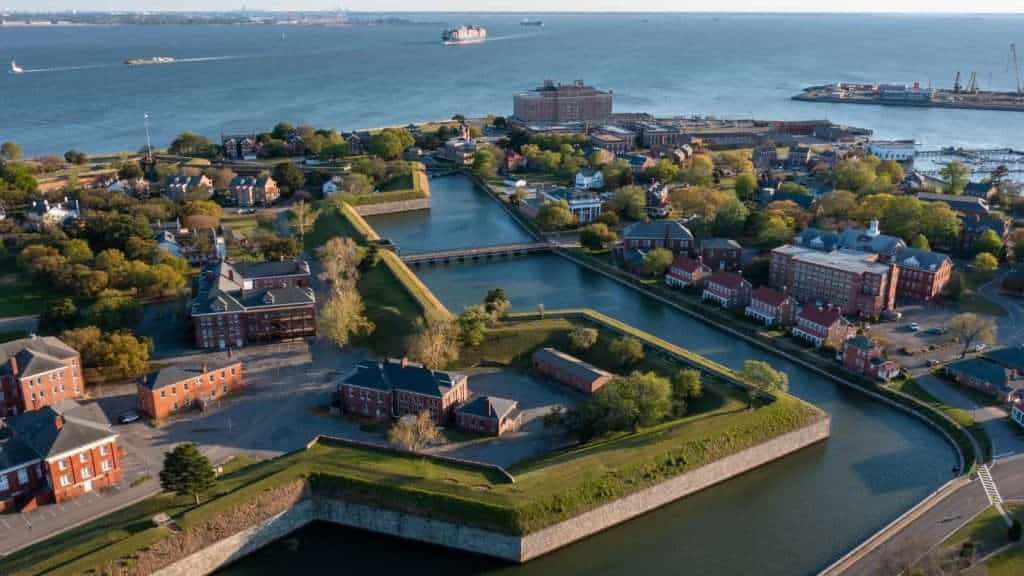
Fort Monroe played a key role in slavery’s collapse through the “Contraband of War” decision. Enslaved people who escaped there were not returned to their enslavers, undermining the institution before emancipation. This legal shift is rarely highlighted in basic history lessons. Travelers exploring U.S. travel routes tied to emancipation find Fort Monroe quietly revolutionary.
The Washington Monument, Washington, D.C.
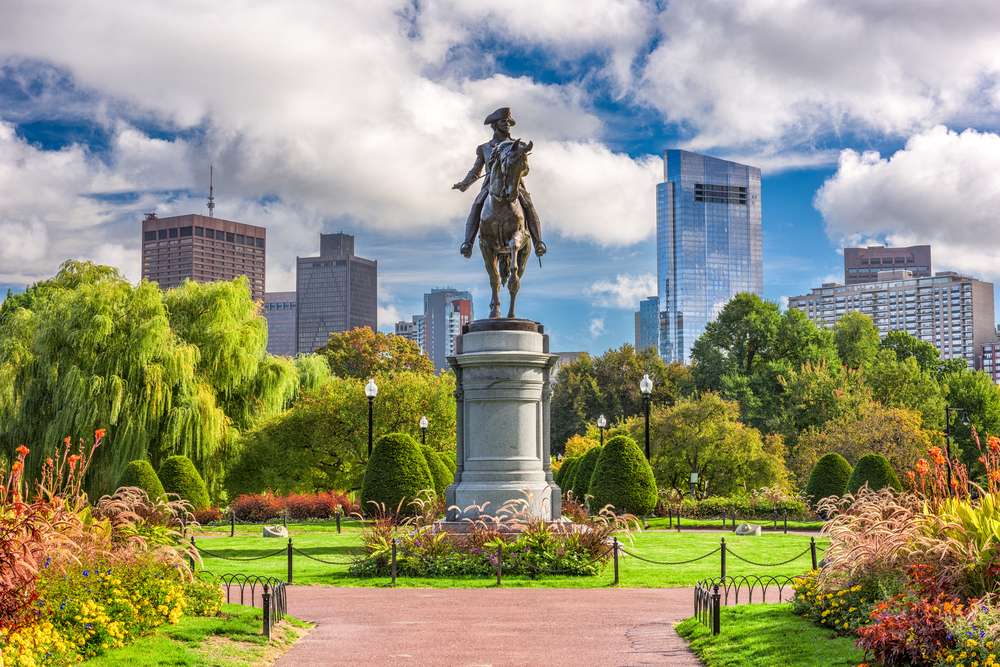
The Washington Monument appears timeless, yet its construction was interrupted for decades by political conflict and funding shortages. Its two-tone stone reveals that pause. Early builders debated whether honoring Washington was even appropriate in a democracy. Visitors often overlook how contested national memory can be.
Appomattox Court House, Virginia
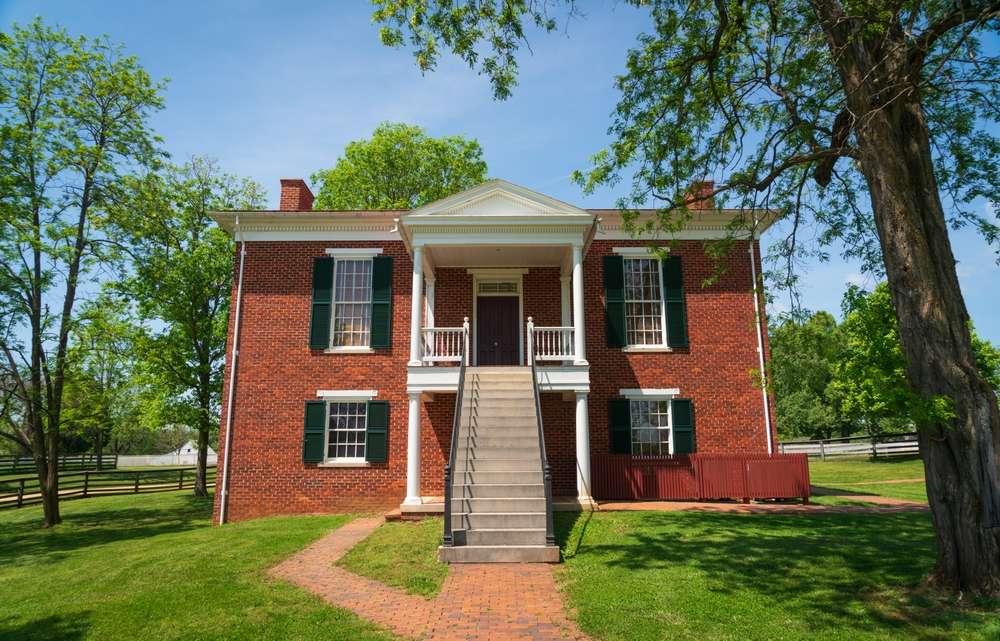
Appomattox symbolizes surrender and reconciliation, but peace did not follow immediately. Former Confederates regained power quickly, while formerly enslaved people faced violence and broken promises. The site marks an ending that was far messier than textbooks suggest. U.S. travel visitors often leave understanding Reconstruction’s fragility.
Plymouth, Massachusetts
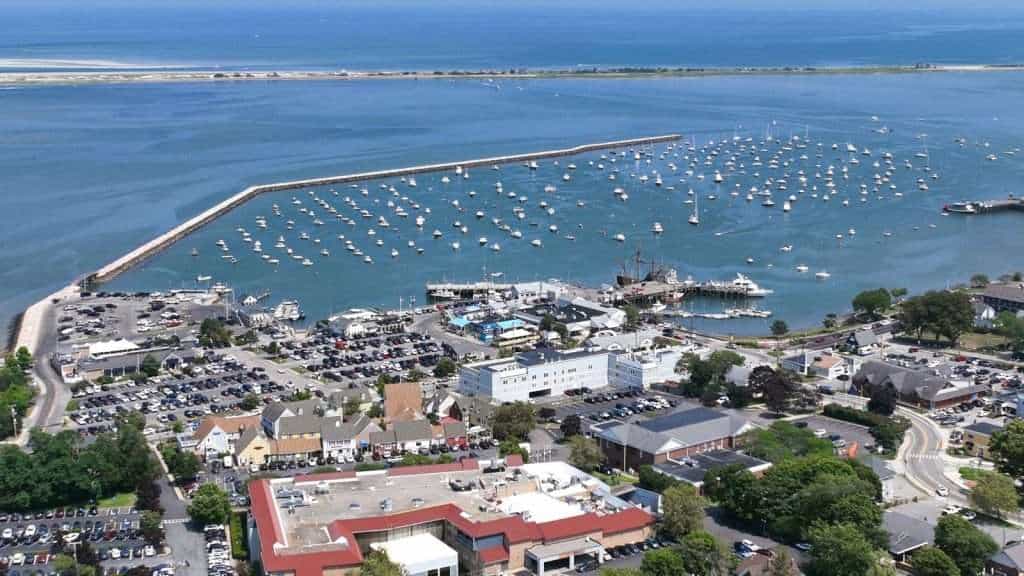
Plymouth is associated with cooperation between Pilgrims and Indigenous people, yet that harmony was brief. Disease devastated Native populations even before English settlement expanded. Land seizures and conflict followed. Visiting Plymouth reveals how Thanksgiving narratives obscure long-term consequences.
Cahokia Mounds, Illinois

Cahokia was once a massive city larger than London at its peak, yet it rarely appears prominently in U.S. history education. Its complex governance, trade networks, and engineering challenge myths that advanced civilizations only existed elsewhere. Travelers exploring this site discover a deep pre-colonial history often ignored.
Hoover Dam, Nevada–Arizona

Hoover Dam stands as an engineering marvel, but construction was deadly. Workers faced extreme heat, unsafe conditions, and limited medical care. Many deaths went unrecorded. For U.S. travel enthusiasts, the dam represents progress built on sacrifice.
Mesa Verde, Colorado

Mesa Verde showcases remarkable cliff dwellings, but textbooks often overlook why the Ancestral Puebloans left. Evidence suggests climate stress, resource strain, and social change played roles. The departure wasn’t sudden collapse but adaptation. As a U.S. travel site, Mesa Verde tells a story of resilience rather than disappearance.

Deborah Montiero is a seasoned travel writer and contributor to Probe the Globe. With a passion for uncovering hidden gems and sharing immersive travel experiences, Deborah’s work highlights must-visit destinations, insider tips, and practical advice for travelers of all types. Whether exploring bustling cities or remote escapes, her articles are crafted to inspire and inform, making her a trusted voice in the travel community.
Her storytelling weaves together cultural insights, logistical tips, and authentic experiences, making her a valuable resource for readers seeking unforgettable journeys.
When not writing, Deborah is likely researching the latest travel trends or planning her next adventure. Follow her work on Probe the Globe for fresh perspectives and up-to-date travel inspiration.