18 Historic U.S. Towns That Feel Like Walking Through a Time Machine
America is filled with small towns, where cobblestone streets and well-preserved architecture make you feel like you’re taking a step back in time. We take a look at 18 historic towns that aren’t just places on a map but living museums that invite you to walk through American history.
Natchitoches, Louisiana
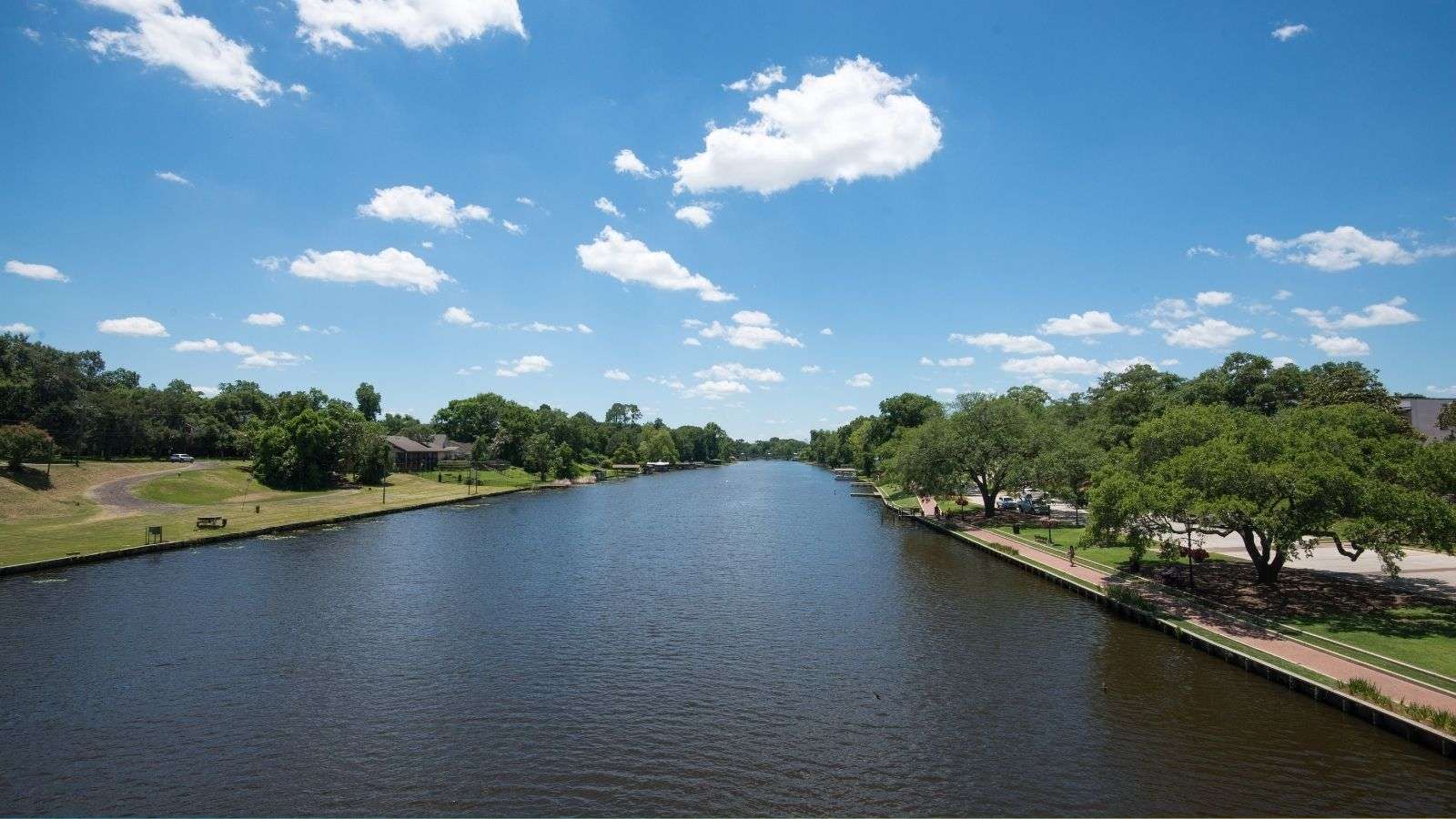
Founded in 1714, Natchitoches is the oldest permanent settlement in the Louisiana Purchase territory. Walking through its charming downtown, visitors encounter French Creole townhouses, iron-laced balconies, and an atmosphere that feels distinctly European. The Cane River National Heritage Area is home to plantations that date back centuries, while Fort St. Jean Baptiste offers an immersive experience of colonial life.
St. Francisville, Louisiana

Situated along the Mississippi River, St. Francisville exudes the charm of the Old South, where moss-draped oak trees shade centuries-old homes. Once part of the short-lived Republic of West Florida in 1810, St. Francisville has retained its historic architecture and tranquil ambiance with numerous plantation homes, such as Rosedown and Myrtles, offering a haunting glimpse into antebellum history.
Harpers Ferry, West Virginia
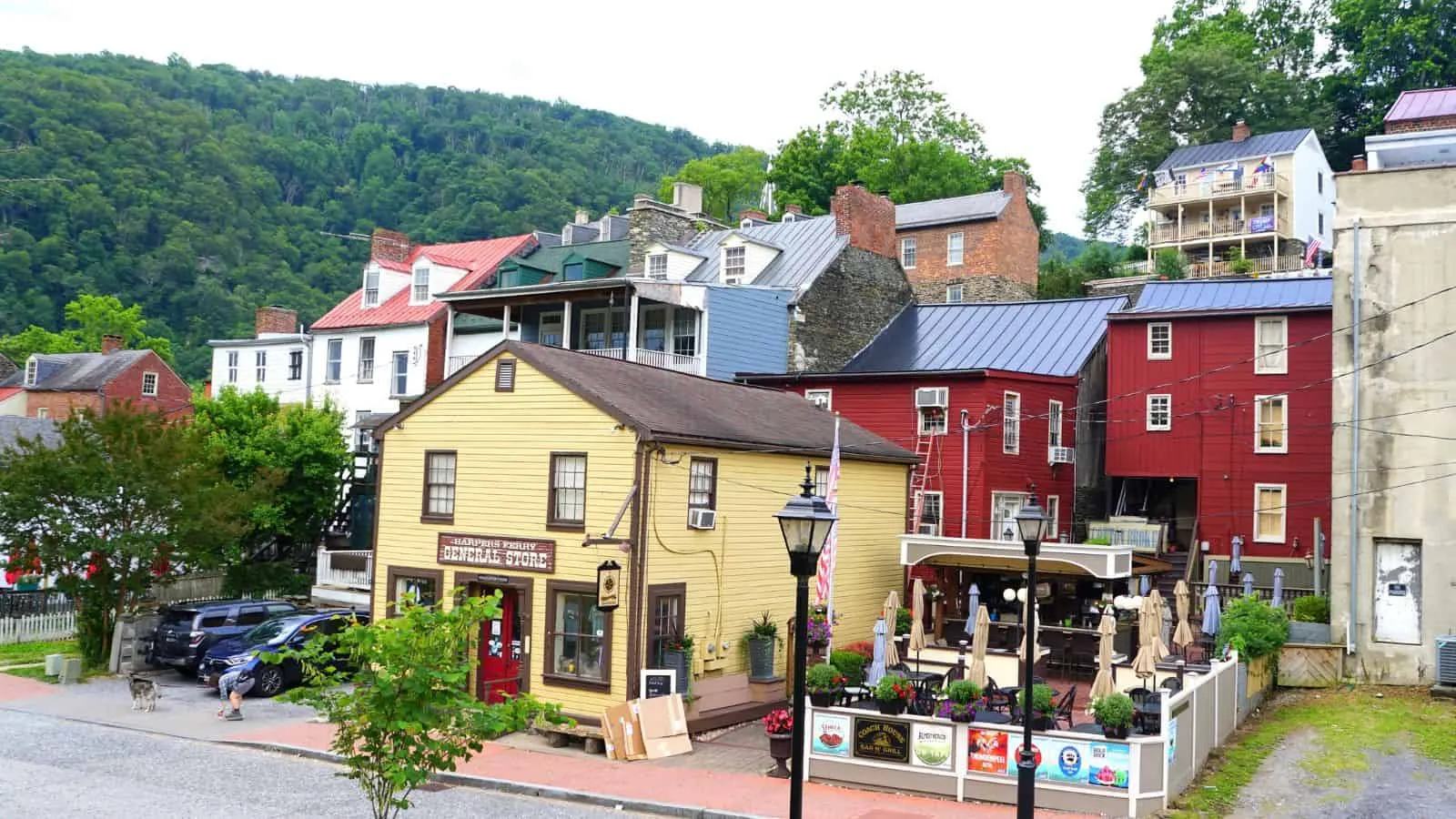
Harpers Ferry is a small town situated at the confluence of the Potomac and Shenandoah Rivers that played a pivotal role in American history. Best known for John Brown’s raid on the federal arsenal in 1859, the town is now a national park that immerses visitors in the mid-19th century, with Cobblestone streets leading to preserved storefronts and homes.
Arrow Rock, Missouri

A key stop along the Santa Fe Trail, Arrow Rock offers an authentic look at early frontier life. The town’s historic district features structures dating back to the 1800s, including the J. Huston Tavern, Missouri’s oldest continually operating restaurant. The Lyceum Theatre, housed in an 1872 church, remains a hub for cultural performances, while nearby trails provide a chance to walk the same paths taken by pioneers and traders in the 19th century.
Nevada City, California

Tucked into the Sierra Nevada foothills, Nevada City is one of the best-preserved Gold Rush towns in California, founded in 1849. The town’s Victorian-era buildings, gas-lit streets, and historic saloons offer a striking contrast to modern life, where visitors can explore the Empire Mine State Historic Park and get a glimpse into the raw excitement of California’s early days.
Marshall, Michigan

Once a critical stop on the Underground Railroad, Marshall boasts one of the nation’s largest historic districts, with over 800 preserved buildings. The town’s Greek Revival architecture, charming inns, and antique stores transport visitors to the early 19th century. The Honolulu House, built in 1860, is a standout attraction, blending tropical influences with traditional American design.
St. Augustine, Florida
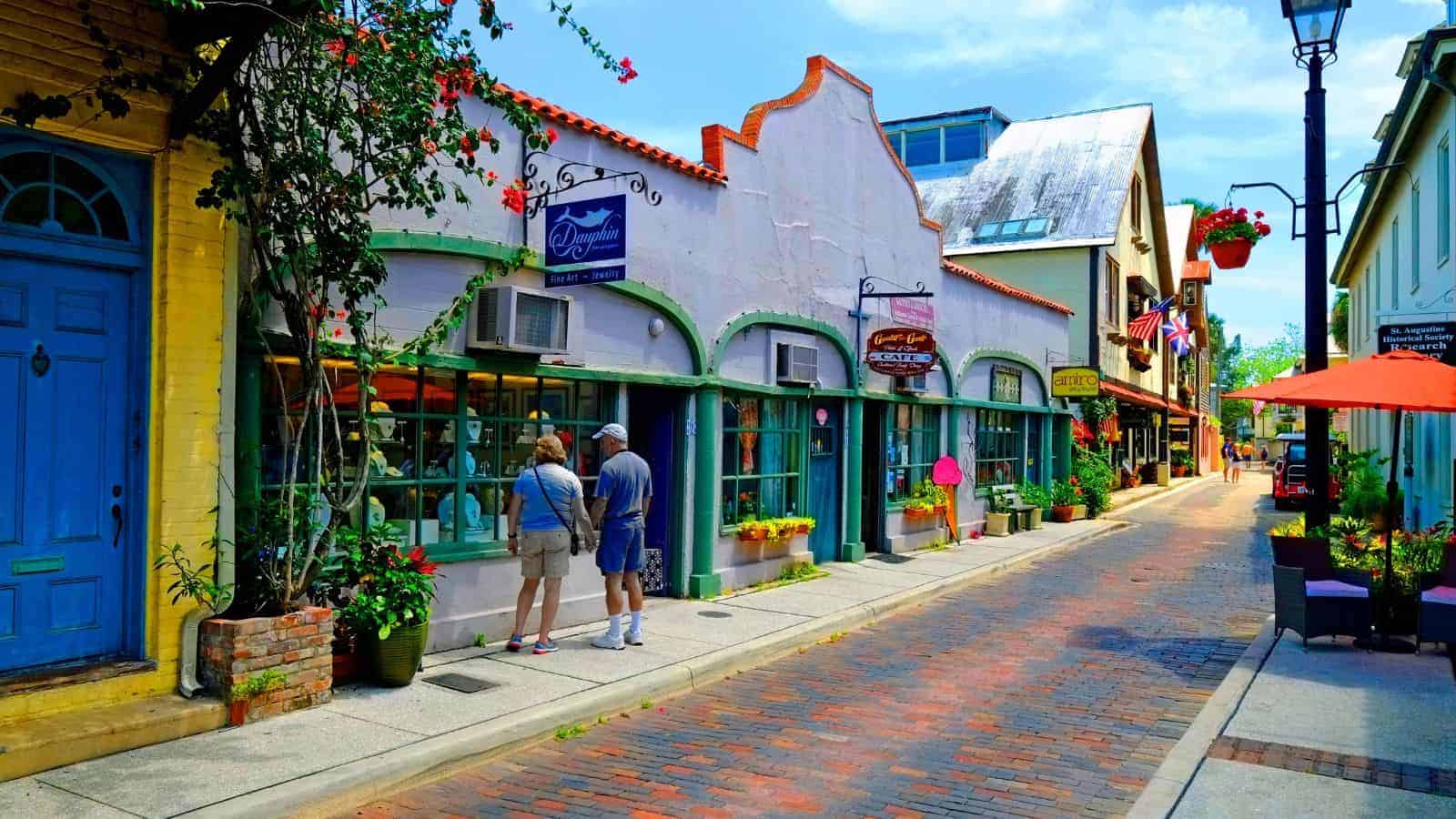
Though it is better known than some others on this list, St. Augustine’s Spanish colonial past sets it apart. Founded in 1565, it remains the oldest continuously inhabited European-established settlement in the continental U.S. The 17th-century Castillo de San Marcos overlooks the waterfront, while narrow streets and colonial homes evoke Old Spain. Lively reenactments and museums bring St. Augustine’s early American history to life.
Philipsburg, Montana

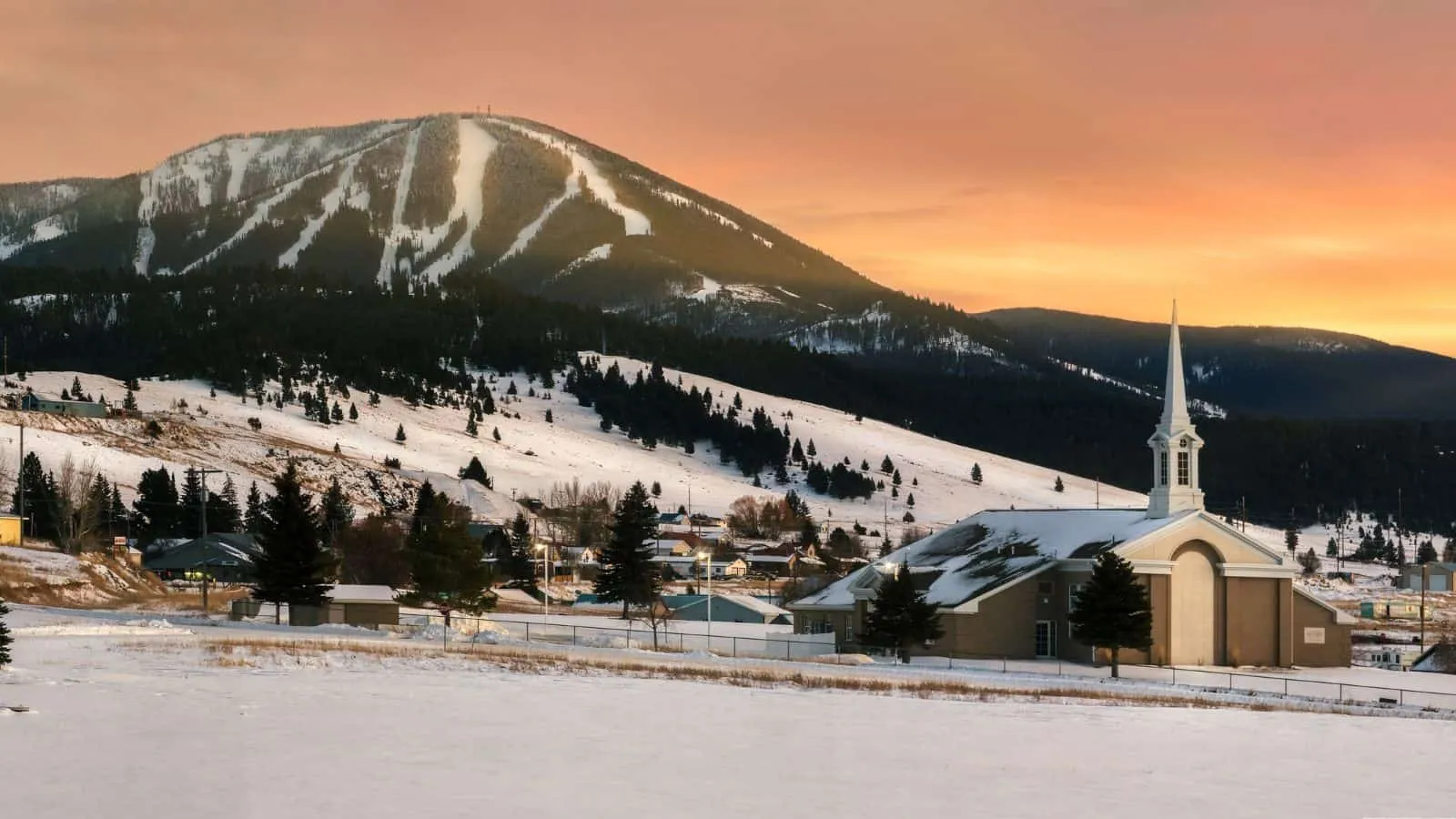
Nestled in the Rocky Mountains, Philipsburg’s historic district brims with remnants of Montana’s silver mining boom. Late 19th-century buildings, once home to miners and merchants, remain beautifully intact. The town’s general store, one of the oldest continuously operating businesses in the state, still serves old-fashioned candy and soda.
Eureka, Nevada

A living testament to Nevada’s silver mining past, Eureka retains much of its late 19th-century charm. The town’s opera house, built in 1880, still hosts performances, while the well-preserved Main Street features original brick buildings and saloons from the boom era. The Eureka Sentinel Museum, housed in a former newspaper office, provides insight into the rough-and-tumble days when the West was still wild.
Micanopy, Florida

Micanopy, known as the “town that time forgot,” is one of Florida’s oldest inland settlements. Spanish moss drapes over ancient oak trees, shading historic homes and antique shops housed in buildings from the 1800s. In sharp contrast to Florida’s quick development, the town, which was formerly a major trading station, maintains a leisurely, old-world feel. For history buffs, its past,which is based on Native American culture and early American expansion,makes it an intriguing location.
Telluride, Colorado

Once a bustling mining town, Telluride’s Victorian-era charm has been impeccably preserved. Surrounded by dramatic mountain peaks, the town’s historic district is home to 19th-century saloons, grand hotels, and the original buildings that housed miners during the silver rush. The old Sheridan Opera House continues to offer entertainment, while a walk through town offers glimpses into a past where fortune-seekers and outlaws shaped the West.
Bisbee, Arizona
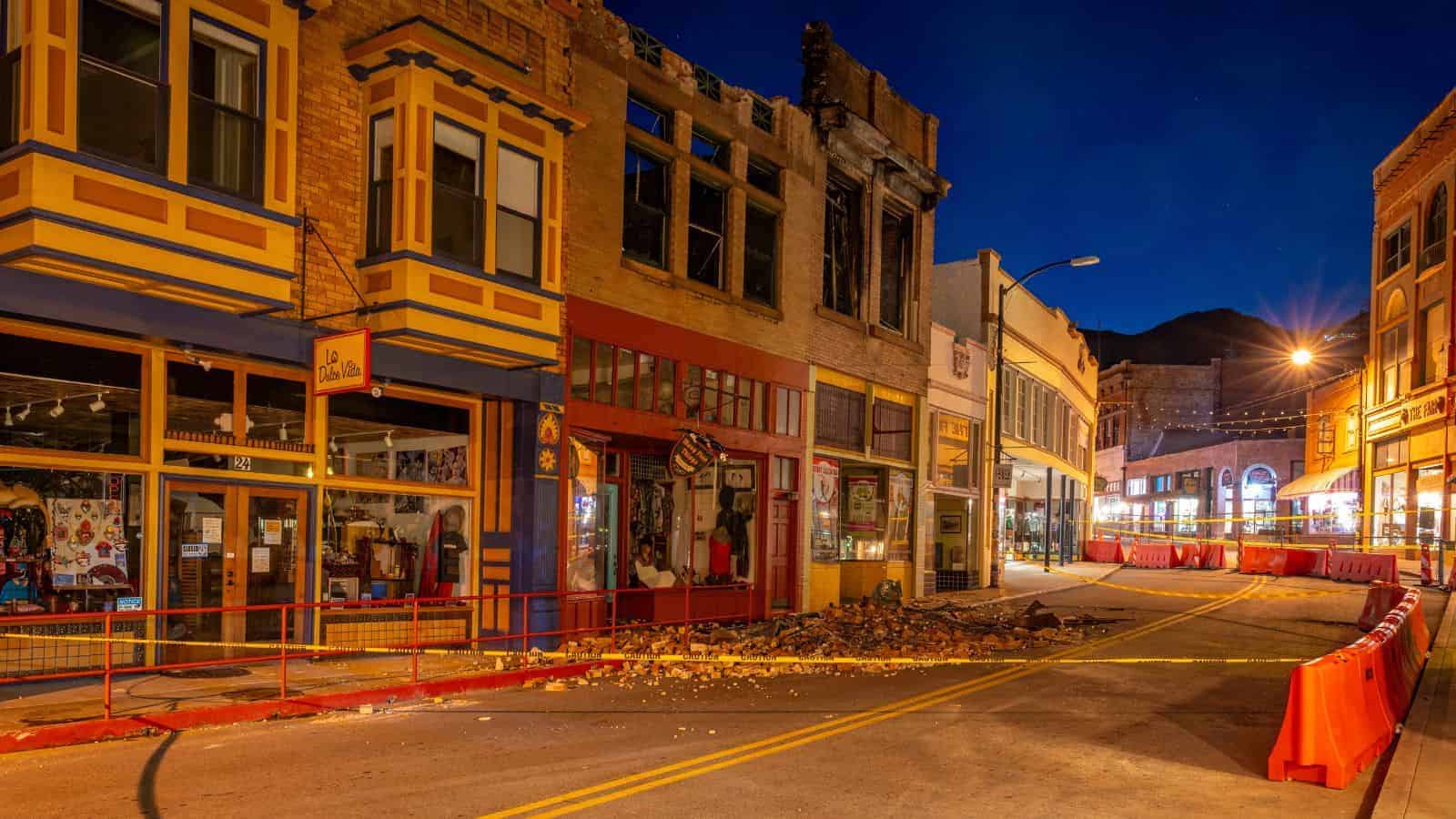
Located in the Mule Mountains, Bisbee was once one of the richest mining towns in the U.S. The town’s steep, winding streets reveal colorful, preserved buildings from the late 19th and early 20th centuries. The Copper Queen Hotel and the Bisbee Mining & Historical Museum provide a window into the town’s mining heyday, while its old staircases and hidden alleyways make for an immersive step back in time.
Abingdon, Virginia
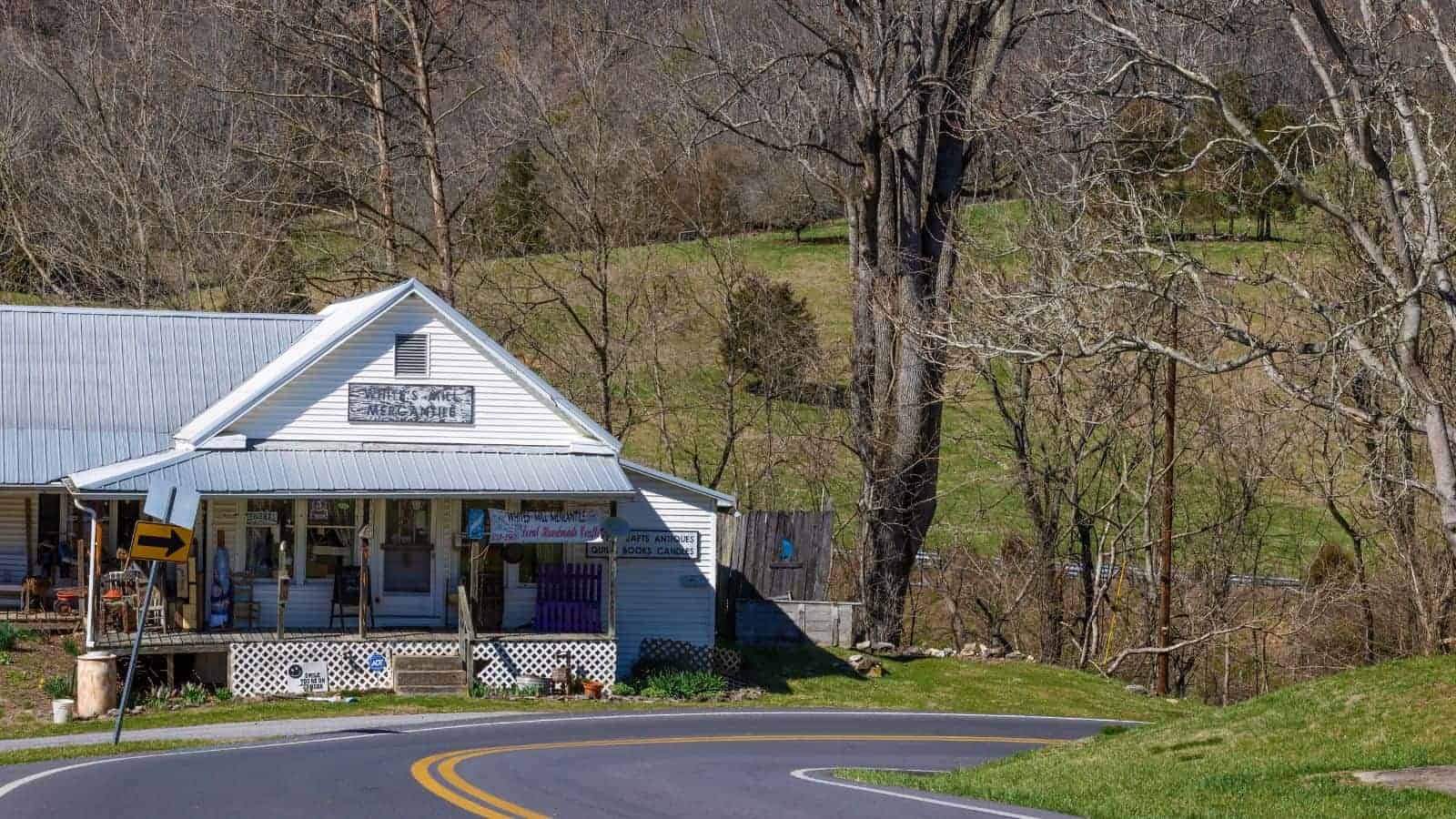
A key stop along the Great Wilderness Road, Abingdon has a history steeped in frontier life and early American expansion. The Barter Theatre, dating back to 1933, is one of the oldest and most famous theaters in the country. Cobblestone streets and restored buildings house museums and craft shops, while the nearby Virginia Creeper Trail follows an old railroad path, further enhancing the town’s historical allure.
Chester, Vermont
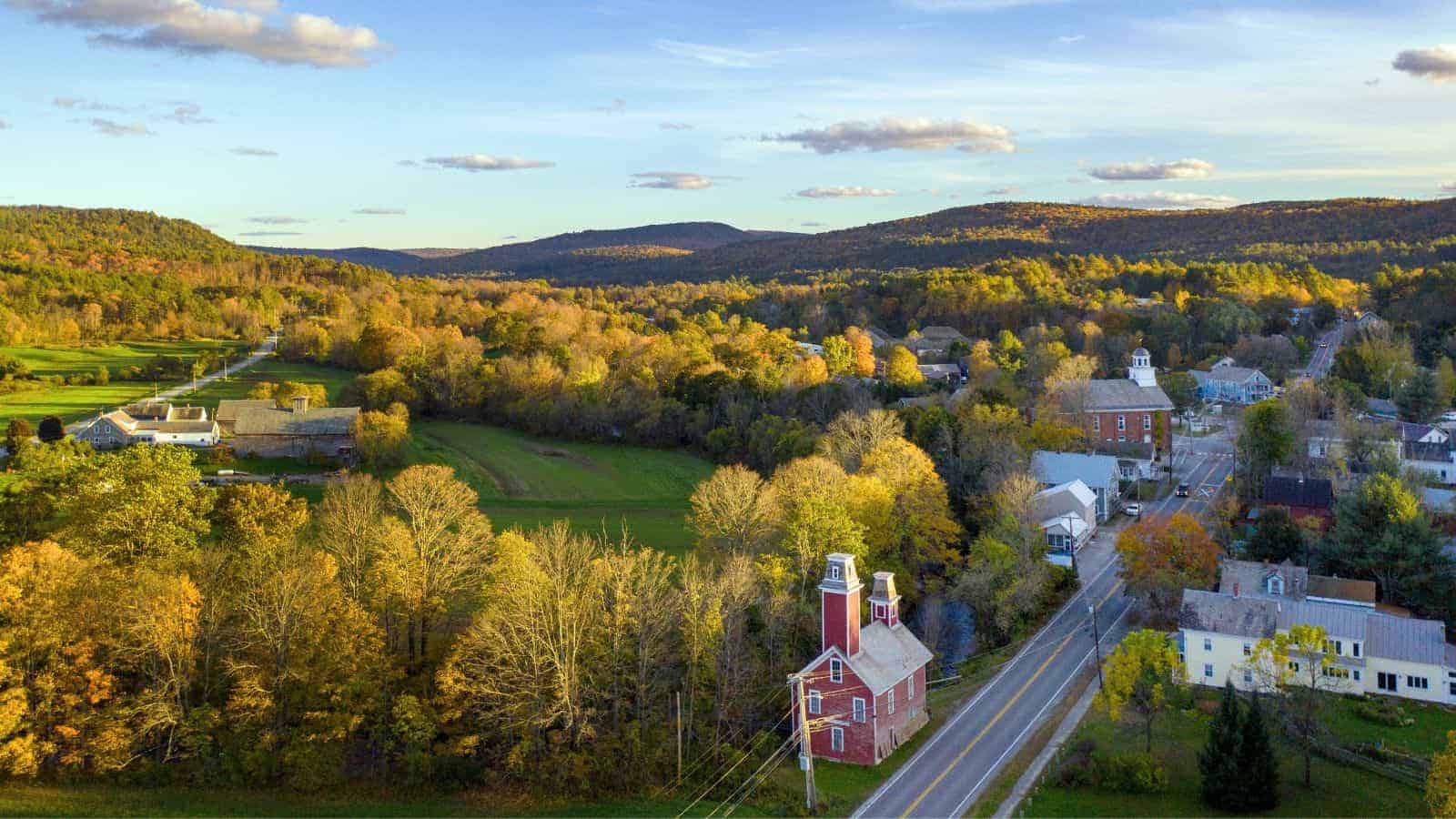
Chester, Vermont, really does feel like stepping back in time. The historic Stone Village and Chester Village Green, with their 19th-century architecture, make it seem like you’ve entered a classic New England postcard. The town’s charm comes from its well-preserved colonial and Victorian buildings, antique shops, and the peaceful, slower pace of life.
Hannibal, Missouri

Hannibal, Missouri, is a truly historic town, best known as the boyhood home of Mark Twain. Walking through its streets feels like stepping into the past, with preserved 19th-century buildings, riverboat history, and connections to The Adventures of Tom Sawyer and Huckleberry Finn. You can visit Twain’s childhood home, tour the Mark Twain Cave (which inspired scenes in Tom Sawyer), and stroll along the Mississippi River, where paddlewheel boats still operate. The town also has historic mansions, like Rockcliffe Mansion, and sites like the old train depot that add to its vintage charm.
Florence, Oregon

Florence carries the spirit of a bygone era, with its historic Old Town district, vintage storefronts, and deep connection to coastal and logging history. Nestled along the Siuslaw River, the town has a nostalgic charm, from the art galleries and old-fashioned shops to the Siuslaw River Bridge and the famous Heceta Head Lighthouse continues to guide sailors as it has since the 1890s.
Medora, North Dakota
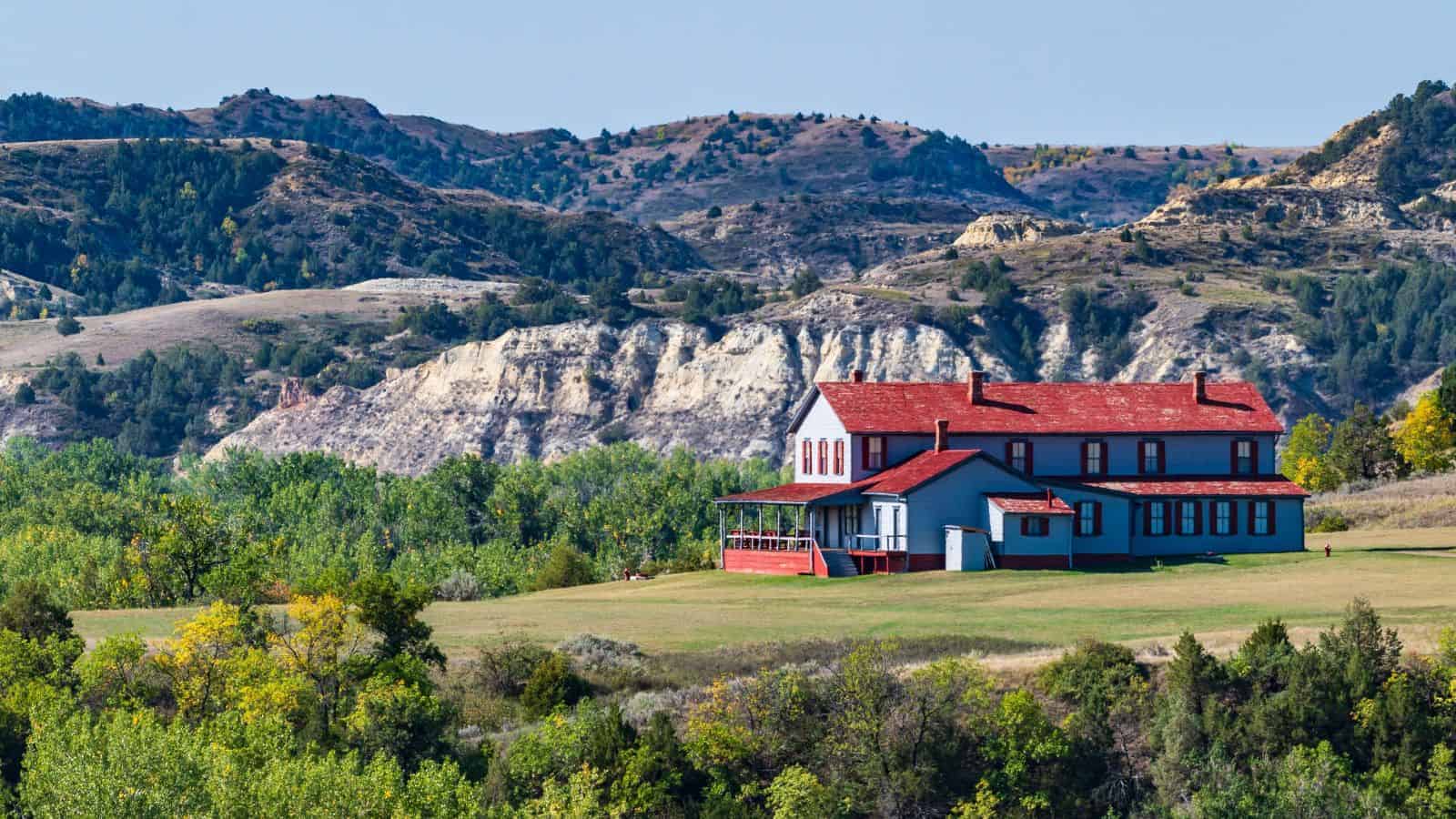
Medora is like stepping straight into the Old West. This small town, in the Badlands, preserves the rugged frontier spirit of the late 19th century. Originally founded in the 1880s by French nobleman Marquis de Morès, Medora still echoes its cowboy past with wooden boardwalks, historic buildings, and its deep ties to Theodore Roosevelt, who ranched in the area before becoming president.
Bath, North Carolina

North Carolina, is a hidden gem of American history and is the state’s oldest town, founded in 1705. The town carries the echoes of colonial life, piracy, and early American settlement and walking its quiet streets feels like stepping back into the early 18th century, with historic homes, old churches, and waterfront views that once saw the sails of notorious pirates, including Blackbeard. Key sites include St. Thomas Church, the oldest church in North Carolina), and the Palmer-Marsh House, a beautifully preserved colonial home.

Deborah Montiero is a seasoned travel writer and contributor to Probe the Globe. With a passion for uncovering hidden gems and sharing immersive travel experiences, Deborah’s work highlights must-visit destinations, insider tips, and practical advice for travelers of all types. Whether exploring bustling cities or remote escapes, her articles are crafted to inspire and inform, making her a trusted voice in the travel community.
Her storytelling weaves together cultural insights, logistical tips, and authentic experiences, making her a valuable resource for readers seeking unforgettable journeys.
When not writing, Deborah is likely researching the latest travel trends or planning her next adventure. Follow her work on Probe the Globe for fresh perspectives and up-to-date travel inspiration.