
13 Historical Landmarks in Africa That Tell an Untold Story
From ancient Egyptian civilizations to nomadic tribes in Kenya, Africa is blessed with diverse cultures and landscapes. Wherever you visit in Africa, you will be met with a rich history and significant landmarks that help you learn about the continent. We look at 13 historical landmarks in Africa that you may not know about but are important to its past:
Great Zimbabwe Ruins, Zimbabwe

The Great Zimbabwe Ruins are the remains of a powerful and wealthy medieval city that thrived between the 11th and 15th centuries. The impressive stone structures are a testament to the advanced engineering skills of the Shona people, who constructed the city without mortar. The ruins challenge misconceptions of pre-colonial African architecture and urbanization, revealing a story of African prosperity long before European contact.
Timbuktu, Mali

Once an intellectual and cultural hub during the Mali Empire, Timbuktu is famous for its ancient manuscripts and libraries that housed vast knowledge in science, mathematics and literature. This city was a center of learning and scholarship, highlighting Africa’s contributions to the world’s intellectual history. The mosques and libraries of Timbuktu symbolize an often-overlooked story of African intellectualism that we don’t get to hear.
The Rock-Hewn Churches of Lalibela, Ethiopia
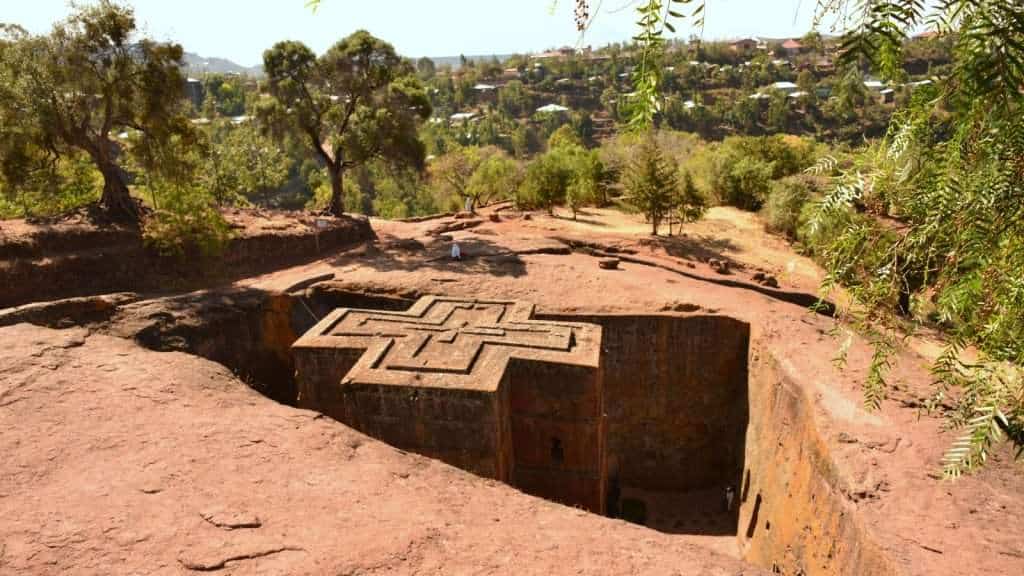
These remarkable churches were carved directly out of rock in the 12th century and remain active places of worship today. Lalibela was built to be a “New Jerusalem” for Christians and remains a spiritual center in Ethiopia. Its construction is a feat of both religious devotion and architectural genius, telling a story of Ethiopia’s deep Christian heritage, which predates much of Europe as well as its architectural prowess.
Robben Island, South Africa
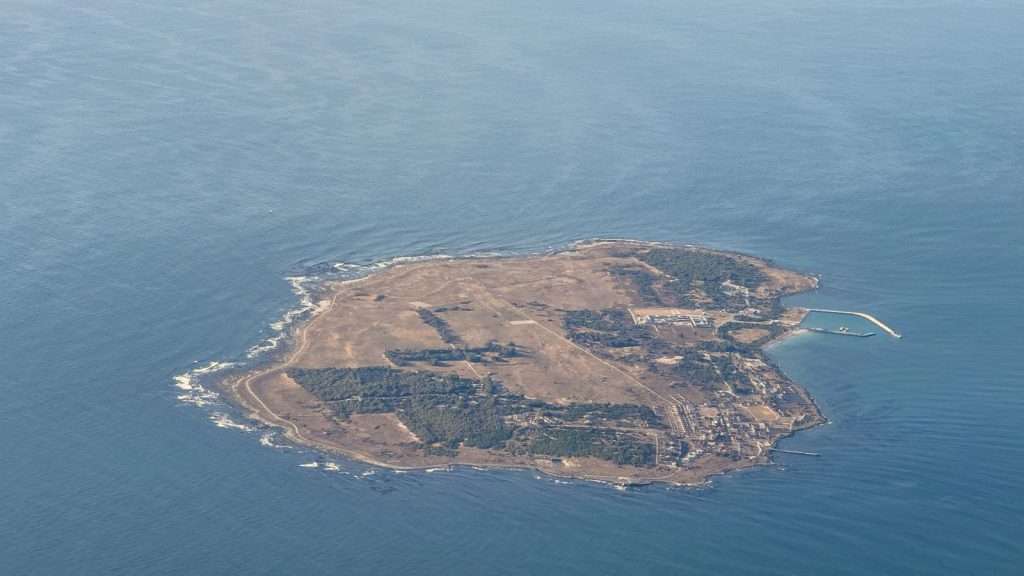
Famous for being the site of Nelson Mandela’s 18-year imprisonment during apartheid, Robben Island holds an important place in South Africa’s struggle for freedom. The prison symbolizes the fight against racial oppression and colonialism, with the island’s rich history dating back to its use as a leper colony and military base. Many aspects of South African history embodies the resilience of those who fought for human rights and democracy.
The Carthage Ruins, Tunisia

Carthage, once a powerful Phoenician city-state, was a center of commerce and rival to the Roman Empire. Its defeat in the Punic Wars is well-known, but the ruins of Carthage tell a deeper story of a sophisticated North African civilization that had widespread influence across the Mediterranean. The archaeological remains highlight Carthage’s advanced urban planning, trade networks and cultural achievements.
The Slave Route of Ouidah, Benin

Ouidah, a coastal town in Benin, was one of the largest slave-trading ports in West Africa. The “Route of the Slaves” is a poignant landmark that offers a haunting reminder of the Transatlantic Slave Trade. Visiting Ouidah’s historical sites, including the Tree of Forgetfulness and the Door of No Return, tells the untold stories of millions of Africans who were enslaved and transported to the Americas.
The Giza Pyramids, Egypt

While the Pyramids of Giza are one of the most famous landmarks globally, their history still holds untold stories. These ancient structures were not just royal tombs but also represented Egypt’s complex religious beliefs, engineering prowess, and labor organization. Built over 4,500 years ago, the pyramids are a marvel of human achievement, revealing much about the social and political structure of ancient Egypt.
Aksum Obelisks, Ethiopia

The Kingdom of Aksum, which flourished between the 1st and 8th centuries AD, was one of the most powerful ancient civilizations in Africa. The towering granite obelisks, some over 30 meters tall, are mysterious markers of this ancient kingdom’s strength and spirituality. Aksum was also a vital trade link between Rome and India, demonstrating Africa’s role in ancient global commerce.
Fort Jesus, Kenya

Located in Mombasa, Fort Jesus was built by the Portuguese in 1593 to control the coastal trade routes. It changed hands between various colonial powers over the centuries, becoming a symbol of the European scramble for Africa. The fort’s turbulent history illustrates the role of East Africa in the Indian Ocean trade and the long history of colonization and resistance in the region.
Elmina Castle, Ghana

Elmina Castle was the first European slave-trading post in sub-Saharan Africa, built by the Portuguese in 1482. It became a major hub for the Atlantic slave trade. Today, the castle serves as a solemn reminder of the horrors of slavery, but it also highlights the strategic importance of West Africa to European powers and the enduring impact of colonization on African societies.

Deborah Montiero is a seasoned travel writer and contributor to Probe the Globe. With a passion for uncovering hidden gems and sharing immersive travel experiences, Deborah’s work highlights must-visit destinations, insider tips, and practical advice for travelers of all types. Whether exploring bustling cities or remote escapes, her articles are crafted to inspire and inform, making her a trusted voice in the travel community.
Her storytelling weaves together cultural insights, logistical tips, and authentic experiences, making her a valuable resource for readers seeking unforgettable journeys.
When not writing, Deborah is likely researching the latest travel trends or planning her next adventure. Follow her work on Probe the Globe for fresh perspectives and up-to-date travel inspiration.