19 Abandoned Places in America That Will Give You Chills
Travel across the United States offers more than just vibrant cities, natural wonders, and cultural hubs, it also reveals forgotten remnants of the past. Many of these abandoned places once thrived with life but now stand in eerie silence, holding echoes of history and mystery. For travelers who crave more than postcard-perfect views, these locations provide an unsettling but fascinating journey. From derelict hospitals to deserted towns, here are 19 abandoned places in America that will give you chills.
Centralia, Pennsylvania

Beneath the quiet streets of Centralia, Pennsylvania, a coal mine fire has been burning since 1962. Once a small town with a bustling community, it has been nearly abandoned due to the toxic fumes and ground that can collapse at any moment. A few stubborn residents remain, but most homes have been demolished, leaving behind ghostly roads with weeds pushing through the asphalt. Travelers interested in eerie destinations will find Centralia’s smoldering earth a chilling reminder of how nature reclaims human mistakes.
Six Flags New Orleans, Louisiana

This once-thriving amusement park was devastated by Hurricane Katrina in 2005, and it has never reopened. Rusting rides sit frozen in place, their bright colors faded and peeling under the Louisiana sun. Nature has slowly taken over, with vegetation swallowing up roller coasters and water rides. Urban explorers often sneak into the park, but even from the outside, this haunting site symbolizes the devastating impact of one of America’s worst natural disasters.
Michigan Central Station, Detroit, Michigan

Detroit’s Michigan Central Station once welcomed travelers from across the country with grand Beaux-Arts architecture and elegant waiting halls. After closing in 1988, the building fell into ruin, with shattered windows and graffiti covering its walls. Standing as a monument to Detroit’s industrial decline, it has attracted urban explorers and filmmakers alike. While there are recent efforts to restore it, the station’s decades of abandonment still give off an aura of sadness and lost grandeur.
Eastern State Penitentiary, Philadelphia, Pennsylvania

Built in 1829, Eastern State Penitentiary revolutionized prison architecture with its imposing radial design. For decades, it housed infamous criminals like Al Capone, but after closing in 1971, it fell into ruin. Today, crumbling cell blocks, rusting doors, and eerie silence create an unnerving experience for visitors. Now a popular tourist attraction, it blends history, architecture, and a ghostly atmosphere that chills even the most seasoned traveler.
Bodie, California

Bodie is one of America’s best-preserved ghost towns, frozen in time after the gold rush faded. Once home to thousands of miners, saloons, and businesses, it now stands in a state of “arrested decay.” Weathered buildings, abandoned furniture, and even personal belongings remain inside the wooden houses. Walking through Bodie State Historic Park feels like stepping into another era, offering both a haunting and educational glimpse into the Old West.
The Salton Sea, California

In the 1950s and 1960s, the Salton Sea was a booming resort destination, drawing celebrities and vacationers alike. Today, abandoned motels, marinas, and rusting boats line its shores. The sea itself has become increasingly toxic, killing off fish and birds, and leaving behind ghostly remains. This eerie desert landscape stands as a stark reminder of failed development and environmental disaster in Southern California.
Hudson River State Hospital, New York

Once one of the largest psychiatric hospitals in the United States, the Hudson River State Hospital was a sprawling complex of Victorian Gothic buildings. After closing in the 1990s, the site was left to decay, with broken windows, collapsing roofs, and overgrown grounds. Many of its deserted wards carry stories of both innovation in mental health care and controversy over outdated practices. Though off-limits to the public, it continues to draw fascination from urban explorers and travelers intrigued by America’s medical history.
West Virginia State Penitentiary, Moundsville, West Virginia

This imposing Gothic fortress operated from 1876 until 1995, housing some of the most dangerous criminals in West Virginia. Known for overcrowding and brutal conditions, it has long been associated with ghost stories and paranormal investigations. Today, the prison offers tours, allowing visitors to walk through death row, the “sugar shack,” and its cavernous halls. Its looming stone walls and dark past make it one of the creepiest abandoned sites in the U.S.
Kennecott Mines, Alaska

Hidden deep in Wrangell–St. Elias National Park, the Kennecott Mines were once the site of a thriving copper boom. When the ore ran out in the 1930s, workers abandoned the remote camp almost overnight. The decaying red buildings, perched against the dramatic Alaskan wilderness, remain as silent monuments to a bygone era of industry. This abandoned mining town provides a chilling yet breathtaking stop for adventurous travelers exploring America’s wild frontiers.
North Brother Island, New York

Lying in the East River, North Brother Island is inaccessible to the public but steeped in mystery. Once home to a quarantine hospital, it later housed housing for veterans and then became a rehabilitation center for heroin addicts. After it closed in the 1960s, the island was reclaimed by nature, with crumbling buildings hidden under thick vegetation. Its most infamous resident was “Typhoid Mary,” making it a place layered with haunting history.
Old Cahawba, Alabama
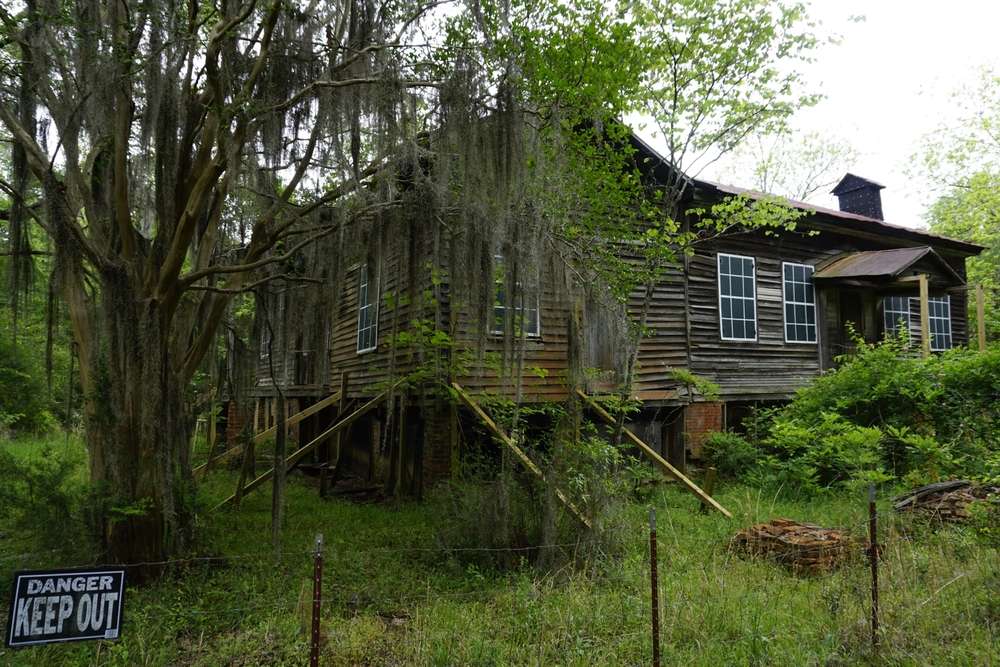
Old Cahawba was Alabama’s first permanent state capital, but after flooding and economic decline, it was abandoned by the mid-19th century. Today, moss-covered ruins, cemeteries, and foundations are all that remain of this once-thriving river town. Locals consider it one of the most haunted places in the South, with reports of strange lights and ghostly apparitions. Exploring this site provides a mix of Southern history, mystery, and chills.
Goldfield Hotel, Nevada

Built in 1908, the Goldfield Hotel was once the crown jewel of Nevada’s gold rush town. Its lavish design and luxury accommodations soon gave way to neglect as the mining boom faded. Now, its empty halls and decaying rooms have become the subject of countless ghost stories. Paranormal enthusiasts and curious travelers often stop by to glimpse what’s left of this eerie desert relic.
The Village of Kayaköy, Colorado Replica

While the original Kayaköy is in Turkey, a replica village was built in Colorado for a film project in the mid-20th century. When the production ended, the site was deserted, leaving behind hollow stone houses in the mountains. Over time, the replica village became a surreal ghost town in its own right. Few travelers know it exists, making it one of America’s strangest abandoned locations.
Dome Homes, Cape Romano, Florida

Off the coast of Florida’s Ten Thousand Islands once stood futuristic dome-shaped homes built in the 1980s. Designed as a self-sustaining paradise, they were abandoned after hurricanes and rising seas eroded the land around them. Now, only fragments of the domes remain, half-submerged in the Gulf of Mexico. The sight of these alien-like ruins against the ocean horizon is both chilling and unforgettable.
Helltown, Ohio

Helltown is the nickname for an abandoned area within Boston Township, Ohio, where myths and legends thrive. Vacant homes, no-trespassing signs, and mysterious government activity in the 1970s fueled rumors of toxic spills and secret experiments. While some of the lore is exaggerated, the ghostly atmosphere of the deserted streets lingers. It remains a popular destination for thrill-seekers interested in America’s spookiest urban legends.
City Hall Subway Station, New York City
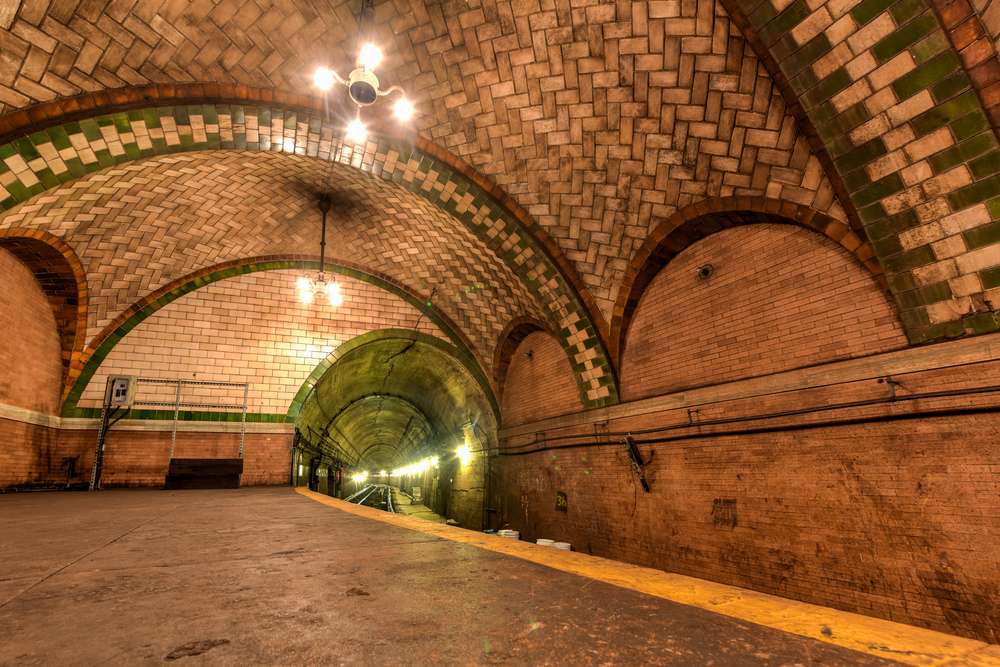
Hidden beneath the bustling streets of Manhattan is the abandoned City Hall subway station. Opened in 1904, it featured elegant chandeliers, skylights, and detailed tile work, but it closed in 1945 due to low ridership. Today, its silent tunnels and untouched beauty lie just beyond the reach of daily commuters. Though occasionally opened for tours, its abandoned charm leaves visitors with an eerie sense of a lost era.
Packard Automotive Plant, Detroit, Michigan

Once the world’s largest automobile manufacturing facility, the Packard Plant in Detroit became a symbol of American industrial decline. The massive complex now lies in ruin, with crumbling walls, collapsed roofs, and vegetation sprouting through concrete. Despite its decay, it has attracted photographers, filmmakers, and urban adventurers. Standing in the shadows of the plant is like walking through the skeleton of America’s automotive past.
Rhyolite, Nevada
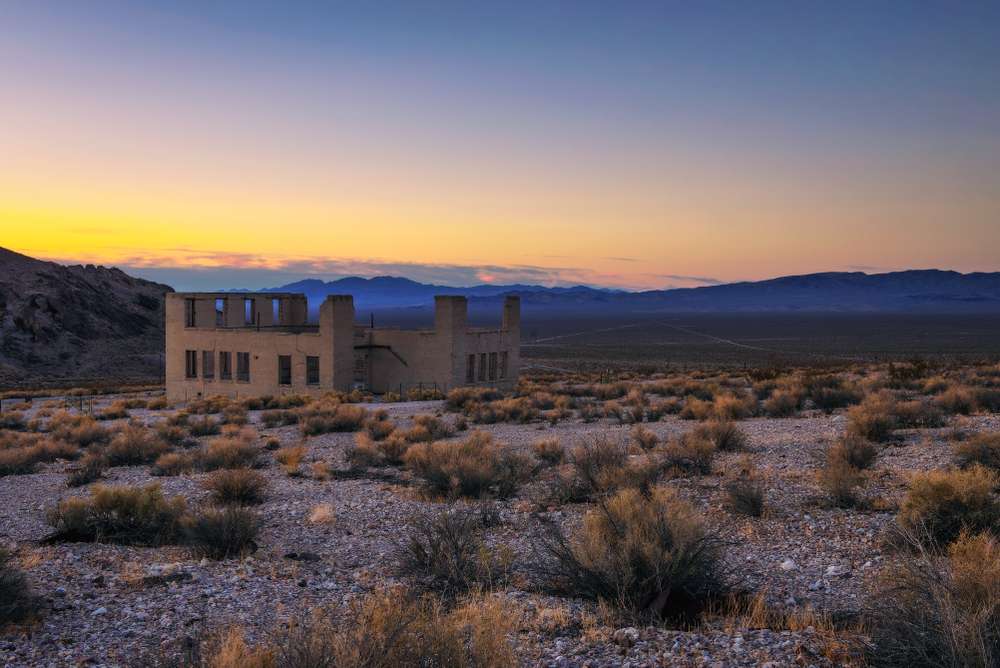
Rhyolite was a gold rush boomtown that flourished in the early 1900s before collapsing just a few years later. Today, visitors can still see the remains of its bank, jail, and the famous Bottle House made of glass bottles. The desolate Nevada desert amplifies its ghostly atmosphere, making it a favorite stop along U.S. travel routes near Death Valley. The ruins of Rhyolite are a chilling reminder of how quickly fortunes can fade.
Garnet, Montana

High in the mountains of Montana sits Garnet, a remarkably preserved ghost town from the late 1800s. Wooden storefronts, saloons, and cabins remain much as they were left when miners fled after gold dried up. In winter, snow blankets the entire town, enhancing its ghostly, frozen-in-time appearance. For travelers exploring America’s historic West, Garnet offers an eerie but captivating journey into the past.

Deborah Montiero is a seasoned travel writer and contributor to Probe the Globe. With a passion for uncovering hidden gems and sharing immersive travel experiences, Deborah’s work highlights must-visit destinations, insider tips, and practical advice for travelers of all types. Whether exploring bustling cities or remote escapes, her articles are crafted to inspire and inform, making her a trusted voice in the travel community.
Her storytelling weaves together cultural insights, logistical tips, and authentic experiences, making her a valuable resource for readers seeking unforgettable journeys.
When not writing, Deborah is likely researching the latest travel trends or planning her next adventure. Follow her work on Probe the Globe for fresh perspectives and up-to-date travel inspiration.