23 U.S. Downtown Streets Locals Avoid After One Famous Incident
Across the United States, downtown streets are often the heart of a city’s identity, filled with restaurants, shops, and landmarks that draw visitors. Yet some streets carry a lingering reputation tied to a single incident so shocking that it permanently altered how locals see the area. Even after redevelopment or renewed tourism efforts, the memory of what happened continues to shape behavior and local lore. For travelers interested in the lesser-known layers of U.S. travel history, these 23 streets reveal how one moment can change a place forever.
Bourbon Street, New Orleans, Louisiana
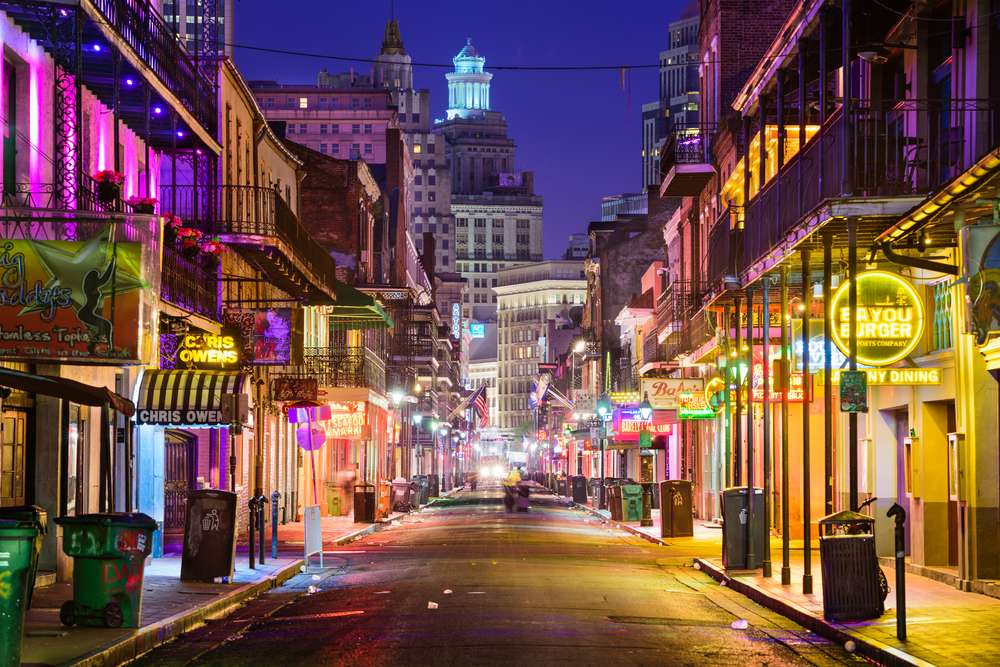
Bourbon Street is world-famous for nightlife, but locals often avoid it due to a violent truck attack that shocked the nation. The incident transformed the street from a symbol of celebration into a reminder of vulnerability. While tourists continue to flock there, residents tend to steer clear, especially during crowded events. For U.S. travel observers, Bourbon Street reflects how a single tragedy can permanently alter local relationships with a place designed for joy.
Market Street, San Francisco, California

Market Street has long been a central artery of San Francisco, but a high-profile attack during a busy commute changed how locals move through it. The incident raised concerns about safety in broad daylight and prompted citywide conversations about urban security. Many residents now avoid walking the street alone. For U.S. travel visitors, the contrast between its importance and unease is striking.
Hollywood Boulevard, Los Angeles, California

Hollywood Boulevard draws millions of visitors each year, yet locals often avoid it following a violent public incident that dominated headlines. The event shattered the illusion of glamour associated with the area. While the street remains busy, residents view it as chaotic and unpredictable. In the context of U.S. travel, Hollywood Boulevard shows how fame and danger can coexist uncomfortably.
Beale Street, Memphis, Tennessee

Beale Street’s music history is celebrated worldwide, but a fatal shooting during a major event changed its atmosphere. Locals recall how quickly celebration turned into panic. Since then, many residents avoid the area at night. For U.S. travel enthusiasts, Beale Street illustrates how cultural landmarks can carry invisible emotional scars.
Sixth Street, Austin, Texas

Sixth Street is known for live music and nightlife, but a deadly incident involving a vehicle attack reshaped local attitudes. Residents now associate the street with risk rather than fun. Crowded weekends make locals uneasy, even as tourists continue to visit. In U.S. travel discussions, Sixth Street often represents the tension between entertainment districts and public safety.
Fremont Street, Las Vegas, Nevada
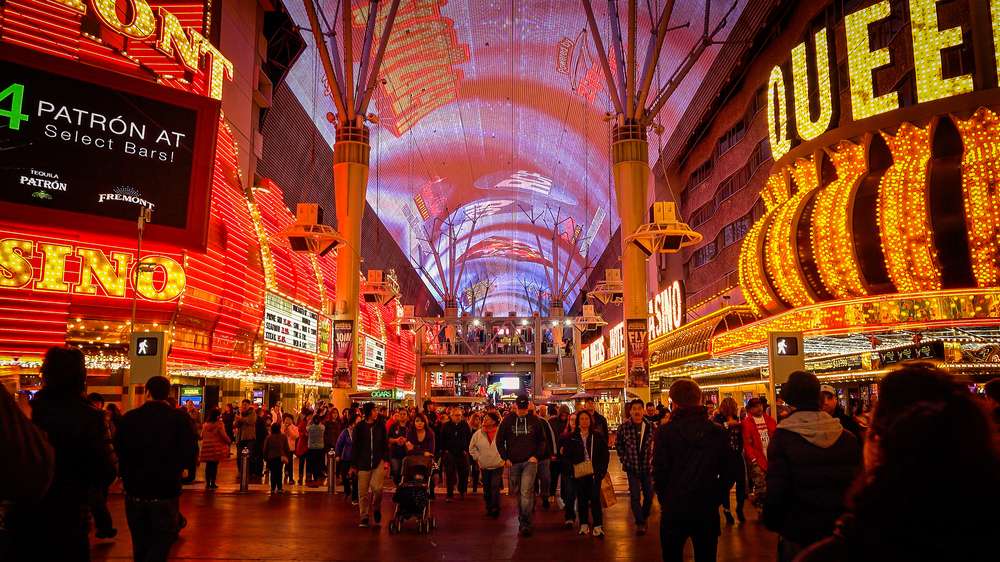
Fremont Street experienced a mass shooting that deeply affected Las Vegas residents. While the Strip recovered quickly, locals became more cautious downtown. The incident disrupted the sense of invincibility often associated with the city. For U.S. travel visitors, Fremont Street feels lively, but locals remember the sudden shift from spectacle to fear.
Yonge Street, Toronto-adjacent U.S. travelers note spillover impact

Although not in the U.S., its incident influenced nearby American cities’ downtown planning. A violent attack on Yonge Street prompted similar U.S. streets to increase security. Locals in comparable American downtowns cite it as a turning point. For U.S. travel observers, it highlights how incidents shape urban behavior beyond borders.
State Street, Chicago, Illinois
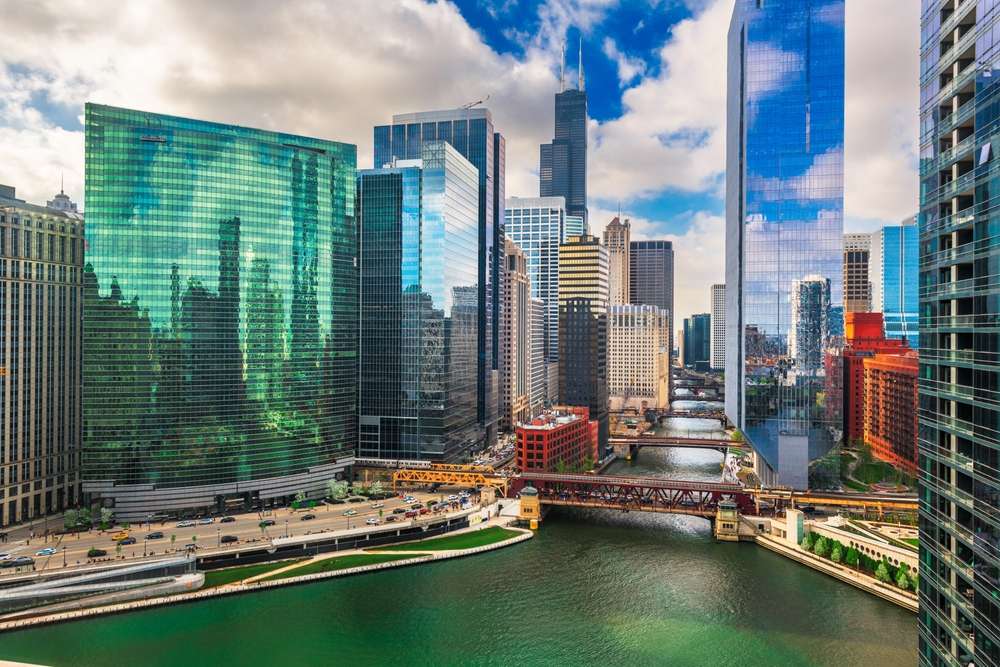
State Street’s reputation changed after a widely publicized violent crime that occurred during peak shopping hours. The incident made residents more cautious about downtown foot traffic. Despite revitalization efforts, locals often choose alternative routes. In U.S. travel narratives, State Street demonstrates how trust in public spaces can be fragile.
Pennsylvania Avenue, Washington, D.C.

Pennsylvania Avenue became a symbol of national unrest after a violent breach near major government buildings. The event altered how locals perceive safety in the area. While tourists still visit, residents often avoid it during demonstrations. For U.S. travel enthusiasts, the avenue reflects how political events leave lasting impressions.
Granville Street, Seattle, Washington
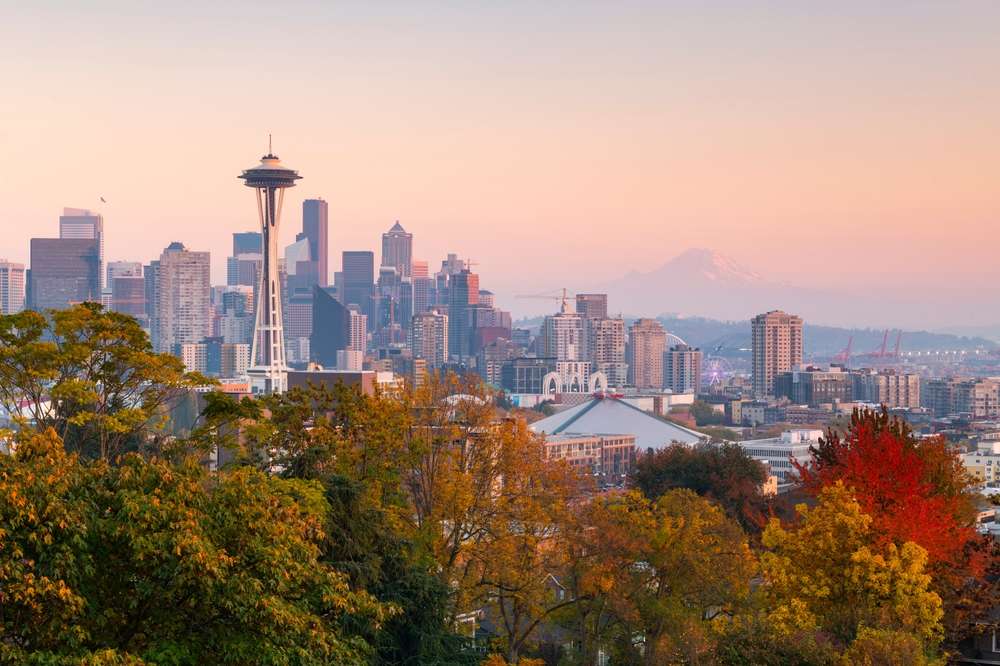
A fatal incident near Granville Street shifted local behavior dramatically. Residents who once frequented the area began avoiding it at night. The street’s role as an entertainment hub now feels complicated. In the broader scope of U.S. travel, it underscores how nightlife districts can quickly gain reputations tied to single moments.
Canal Street, New York City, New York

Canal Street has always been busy, but a violent attack during a routine day left locals shaken. The randomness of the incident unsettled residents more than tourists. Many locals now move through the area quickly rather than linger. For U.S. travel visitors, Canal Street feels energetic, but locals remember the fear.
Colfax Avenue, Denver, Colorado
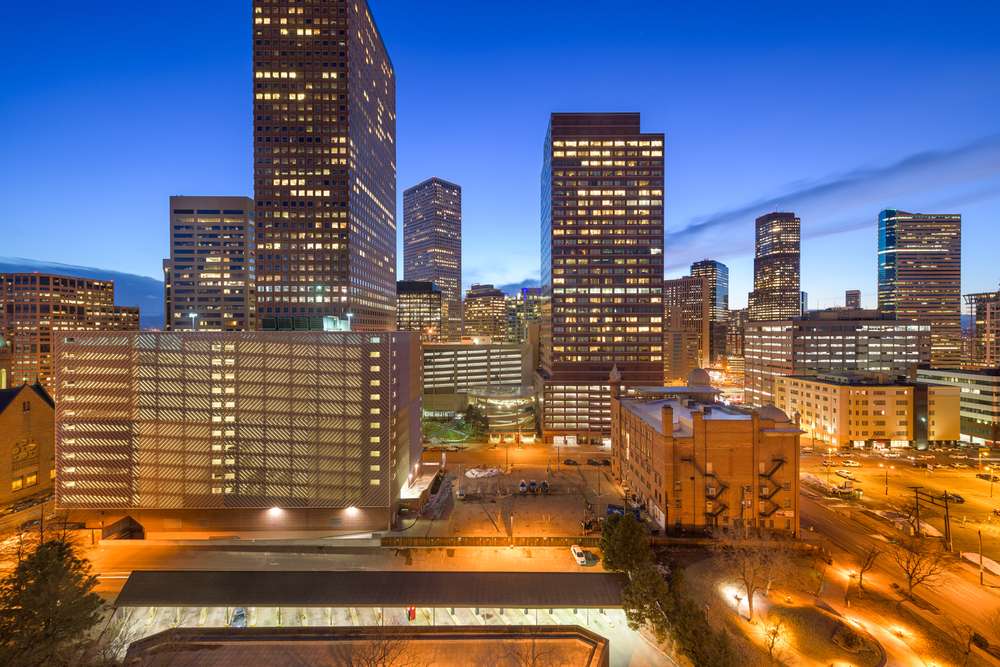
Colfax Avenue’s reputation shifted after a notorious crime that became local legend. The incident reinforced existing concerns about safety. Locals often advise avoiding certain blocks entirely. In U.S. travel conversations, Colfax represents how stories persist long after headlines fade.
Broad Street, Philadelphia, Pennsylvania
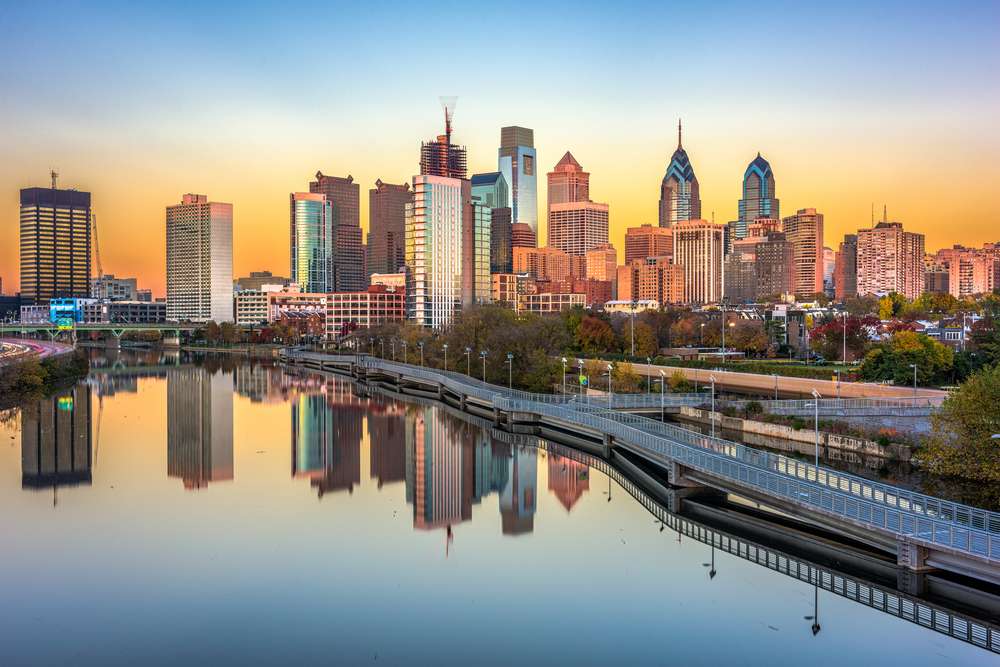
Broad Street experienced unrest following a high-profile incident that escalated rapidly. The event changed how residents viewed large gatherings downtown. Locals now avoid the area during major events. For U.S. travel explorers, Broad Street shows how quickly civic pride can turn into caution.
Michigan Avenue, Chicago, Illinois

Known as the Magnificent Mile, Michigan Avenue’s image was shaken after a violent incident involving tourists. Locals became more wary of crowds and shopping districts. The event prompted increased security measures. In U.S. travel discussions, Michigan Avenue reflects how even upscale areas are not immune to sudden change.
Peachtree Street, Atlanta, Georgia
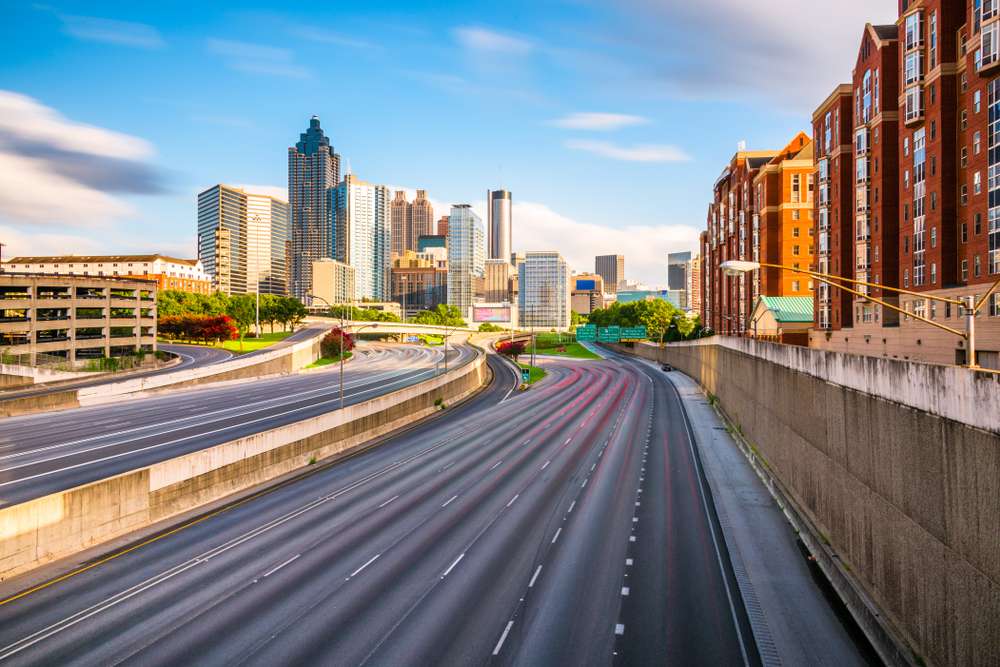
Peachtree Street’s reputation shifted after a deadly incident tied to a public gathering. Residents recall the shock of violence in a familiar place. Many locals now avoid the area during peak hours. For U.S. travel visitors, the street appears vibrant, masking its troubled memory.
Central Avenue, Albuquerque, New Mexico

Central Avenue’s image suffered after a widely reported violent crime. Locals became cautious about downtown travel at night. The incident reinforced existing concerns about safety. In U.S. travel narratives, Central Avenue highlights how perception can define a place more than reality.
Main Street, Las Vegas, Nevada
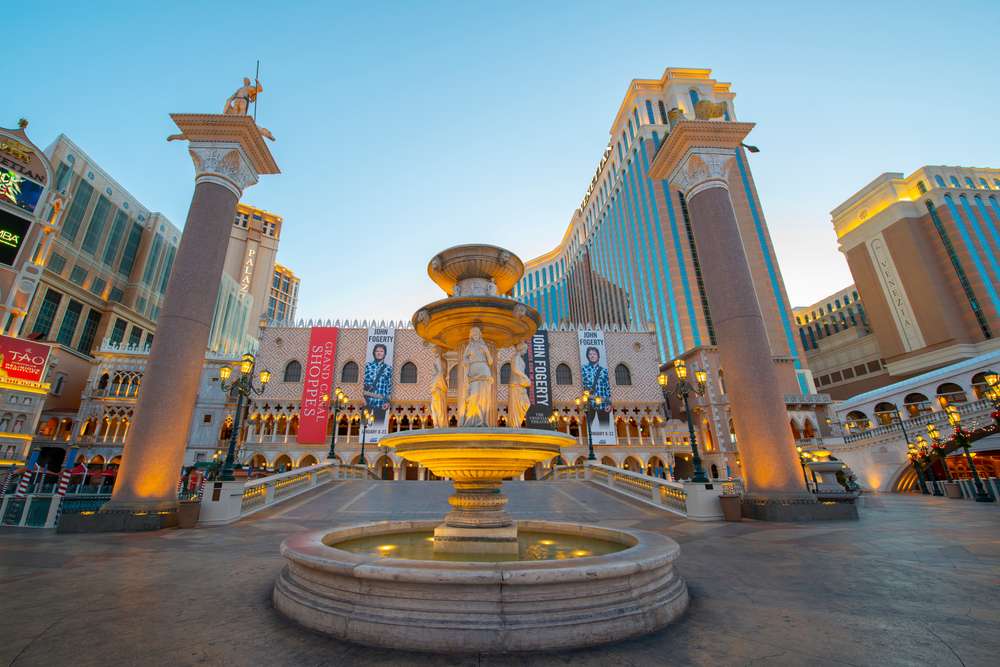
A violent event near Main Street altered local habits significantly. Residents who once frequented downtown began avoiding it after dark. The incident remains a reference point in local conversations. For U.S. travel enthusiasts, Main Street shows how downtown revival can be fragile.
Broadway, Nashville, Tennessee

Broadway’s party reputation changed after a fatal incident involving a tourist. Locals became more hesitant to visit, especially during peak hours. The street’s constant crowds now feel overwhelming. In U.S. travel discussions, Broadway represents how tourism can clash with community comfort.
Third Street Promenade, Santa Monica, California

A violent incident disrupted the family-friendly image of this pedestrian street. Locals expressed shock at the sudden loss of safety. While visitors still arrive, residents often avoid busy times. For U.S. travel observers, the promenade reflects how perception can shift overnight.
K Street, Sacramento, California
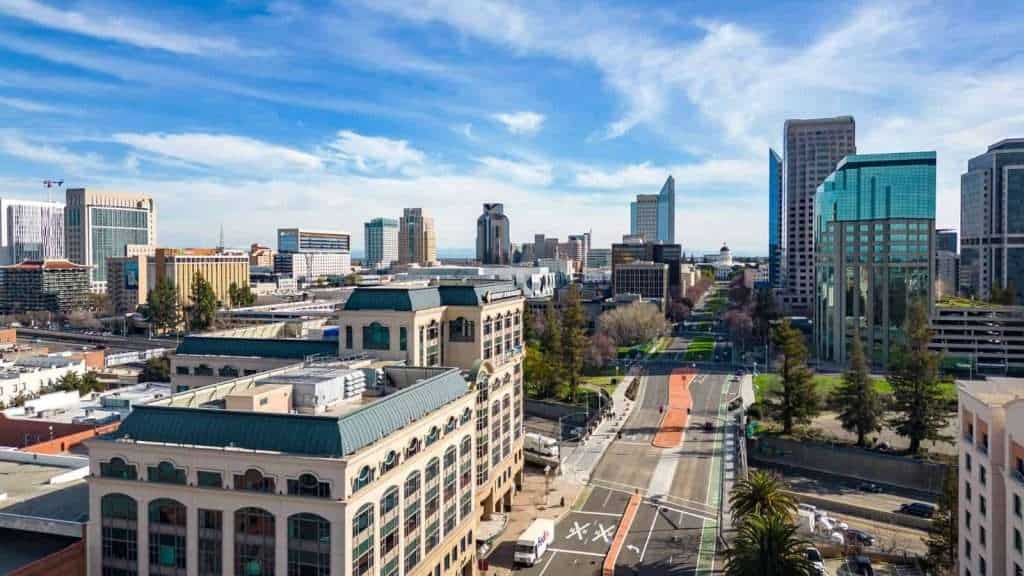
K Street’s downtown revival stalled after a shooting that made national news. Locals grew wary of nightlife in the area. The incident slowed redevelopment efforts. In U.S. travel narratives, K Street shows how a single event can change economic momentum.
Hennepin Avenue, Minneapolis, Minnesota

Hennepin Avenue became associated with unrest after a widely televised incident. Locals now avoid it during protests or large gatherings. The street’s cultural importance feels overshadowed by memory. For U.S. travel enthusiasts, it highlights how public spaces carry emotional weight.
Market Square, San Antonio, Texas

A tragic incident during a festival changed how locals view Market Square. The once carefree atmosphere feels different to residents. Many now avoid large events there. For U.S. travel visitors, the square appears festive, but locals remember the moment everything changed.
Euclid Avenue, Cleveland, Ohio
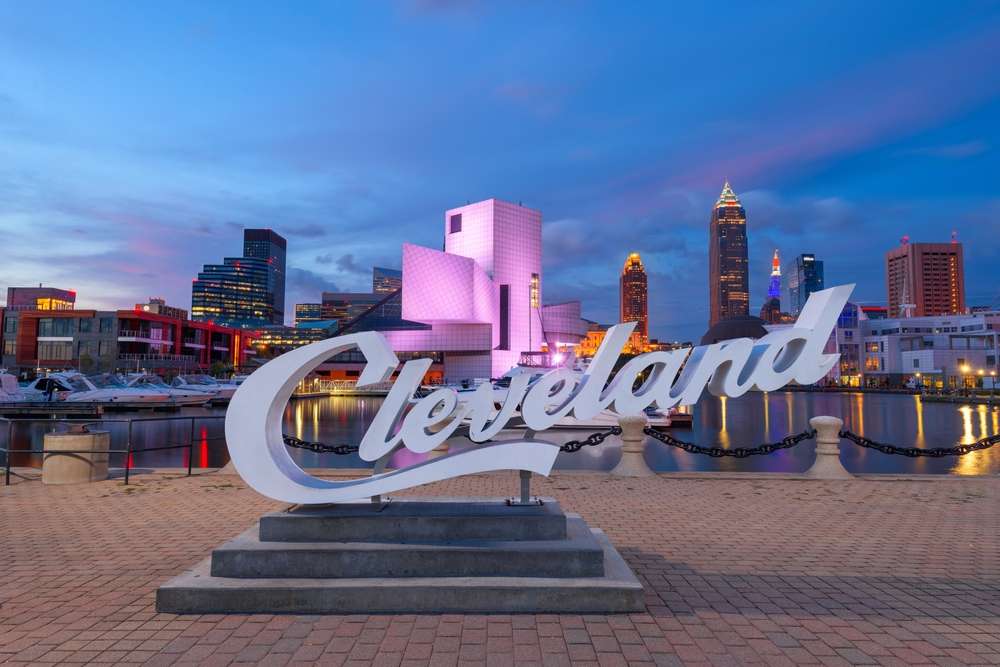
Euclid Avenue’s downtown reputation was altered after a highly publicized violent event. Locals became cautious about foot traffic. The incident remains part of local memory despite redevelopment. In U.S. travel narratives, Euclid Avenue demonstrates how history shapes urban behavior.

Deborah Montiero is a seasoned travel writer and contributor to Probe the Globe. With a passion for uncovering hidden gems and sharing immersive travel experiences, Deborah’s work highlights must-visit destinations, insider tips, and practical advice for travelers of all types. Whether exploring bustling cities or remote escapes, her articles are crafted to inspire and inform, making her a trusted voice in the travel community.
Her storytelling weaves together cultural insights, logistical tips, and authentic experiences, making her a valuable resource for readers seeking unforgettable journeys.
When not writing, Deborah is likely researching the latest travel trends or planning her next adventure. Follow her work on Probe the Globe for fresh perspectives and up-to-date travel inspiration.