
10 Unique Destinations in South America You’ve Never Heard Of
South America is a vast continent teeming with diverse landscapes, rich cultures, and hidden gems. While famous destinations like Machu Picchu and Rio de Janeiro attract the majority of tourists, there are many lesser-known spots that offer just as much beauty, history, and adventure. For those looking to explore off the beaten path, we look at ten unique destinations in South America you’ve probably never heard of.
Chimborazo, Ecuador

Chimborazo is the highest peak in Ecuador and, due to the planet’s equatorial bulge, the closest point on Earth to the sun. While it may not be as famous as the Andes’ other giants, Chimborazo offers adventurers a rugged and stunning landscape. Surrounding the peak are lush valleys, hidden villages and high-altitude ecosystems with wildlife like the vicuña, a relative of the llama. The area is perfect for trekking and mountaineering, with fewer crowds than many of the continent’s other high-altitude destinations.
Quebrada de Humahuaca, Argentina

A UNESCO World Heritage site located in Argentina’s Jujuy Province, the Quebrada de Humahuaca is a stunning mountain valley filled with vibrant colors. Known for its “Hill of Seven Colors,” the area is steeped in history, having served as a trade route for over 10,000 years. The valley is home to ancient pre-Columbian ruins, charming villages like Purmamarca and colorful rock formations that make for unforgettable hikes.
Cabo Polonio, Uruguay

Tucked away in Uruguay’s eastern coast, Cabo Polonio is a hidden gem known for its remoteness and natural beauty. This tiny, off-grid village can only be reached by 4×4 vehicles, making it a haven for those seeking a true escape. Cabo Polonio’s windswept dunes, rugged coastline and expansive beaches create a peaceful, untouched atmosphere. It’s also home to one of South America’s largest sea lion colonies and a lighthouse with spectacular views of the Atlantic.
Kuelap, Peru

Often overshadowed by Machu Picchu, the ancient fortress of Kuelap is a hidden archaeological wonder in the northern Andes of Peru. Built by the Chachapoyas people, Kuelap sits on a ridge overlooking the lush Utcubamba Valley. The fortress is known for its massive stone walls and intricate round houses, offering a fascinating glimpse into a pre-Inca civilization. Surrounded by cloud forests and breathtaking views, Kuelap provides a more serene and off-the-beaten-path alternative to the often crowded Machu Picchu.
Valle de la Luna, Chile

Located in Chile’s Atacama Desert, Valle de la Luna (Valley of the Moon) is a surreal landscape with otherworldly rock formations, salt flats and sand dunes. The region’s dry and barren terrain makes it one of the most Mars-like places on Earth. With its striking red and orange hues, visiting Valle de la Luna feels like stepping onto another planet. The valley is ideal for sunset hikes, sandboarding, or stargazing in one of the world’s clearest night skies.
Rurrenabaque, Bolivia

Rurrenabaque is a small town on the edge of Bolivia’s Amazon rainforest, offering a gateway to one of the most biodiverse areas in the world. While the town itself is quaint, it’s the surrounding jungle and pampas (wetlands) that draw adventurers. From here, you can take boat tours through the rainforest, spot pink river dolphins and encounter wildlife like capybaras, monkeys and caimans. Far less touristy than other Amazon destinations, Rurrenabaque offers a raw and authentic nature experience.
Paramaribo, Suriname
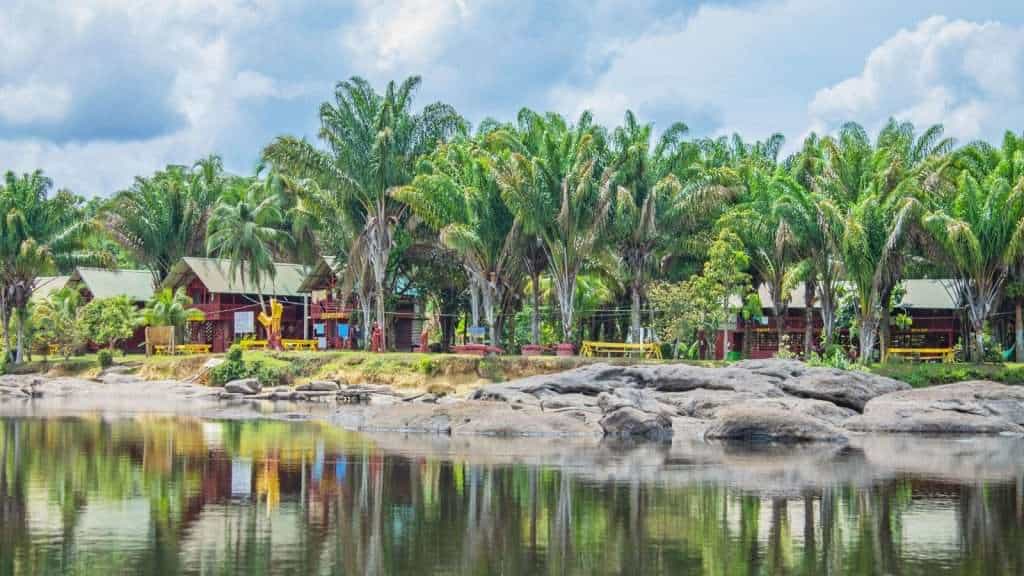
Suriname’s capital, Paramaribo, is a cultural melting pot with a fascinating blend of Dutch colonial architecture and diverse heritage. The city’s historical center, a UNESCO World Heritage site, is filled with charming wooden buildings, some of which date back to the 17th century. Paramaribo is also known for its multiculturalism, with influences from African, Indian, Indonesian and European cultures. From vibrant markets to historic mosques and Hindu temples, the city offers a unique cultural experience unlike anywhere else in South America.
Tayrona National Park, Colombia

Tayrona National Park, located along Colombia’s northern Caribbean coast, is a lush tropical paradise known for its pristine beaches, dense jungles and ancient ruins. While more popular with locals than international tourists, Tayrona is still relatively undiscovered by the masses. Hike through the jungle to reach hidden beaches, swim in crystal-clear waters, or visit the ancient ruins of Pueblito, once home to the Tayrona people. The park offers a perfect mix of relaxation and adventure for nature lovers.
Jericoacoara, Brazil

Jericoacoara, often referred to as “Jeri,” is a remote fishing village turned beach town in northeastern Brazil. Located amidst sand dunes and lagoons, Jeri is a windsurfing and kiteboarding hotspot but still retains its laid-back, bohemian vibe. Getting to Jericoacoara requires navigating off-road sandy paths, adding to its remote charm. In addition to water sports, the area is known for its stunning sunsets, beach horseback riding and sand dune hikes with breathtaking ocean views.
Palmar Sur, Costa Rica

While Costa Rica is known for its eco-tourism, the small town of Palmar Sur remains a hidden treasure off the tourist radar. Palmar Sur is famous for the mysterious stone spheres, known as the “Diquis Spheres,” which are perfectly round and date back to pre-Columbian times. The origin and purpose of these spheres remain an enigma, adding to the town’s allure. Surrounded by rainforests, rivers and wildlife, Palmar Sur offers both cultural intrigue and access to the natural beauty of Costa Rica’s southern region.

Deborah Montiero is a seasoned travel writer and contributor to Probe the Globe. With a passion for uncovering hidden gems and sharing immersive travel experiences, Deborah’s work highlights must-visit destinations, insider tips, and practical advice for travelers of all types. Whether exploring bustling cities or remote escapes, her articles are crafted to inspire and inform, making her a trusted voice in the travel community.
Her storytelling weaves together cultural insights, logistical tips, and authentic experiences, making her a valuable resource for readers seeking unforgettable journeys.
When not writing, Deborah is likely researching the latest travel trends or planning her next adventure. Follow her work on Probe the Globe for fresh perspectives and up-to-date travel inspiration.