20 Ghost Towns in the U.S. That Are Eerily Beautiful
Bodie, California
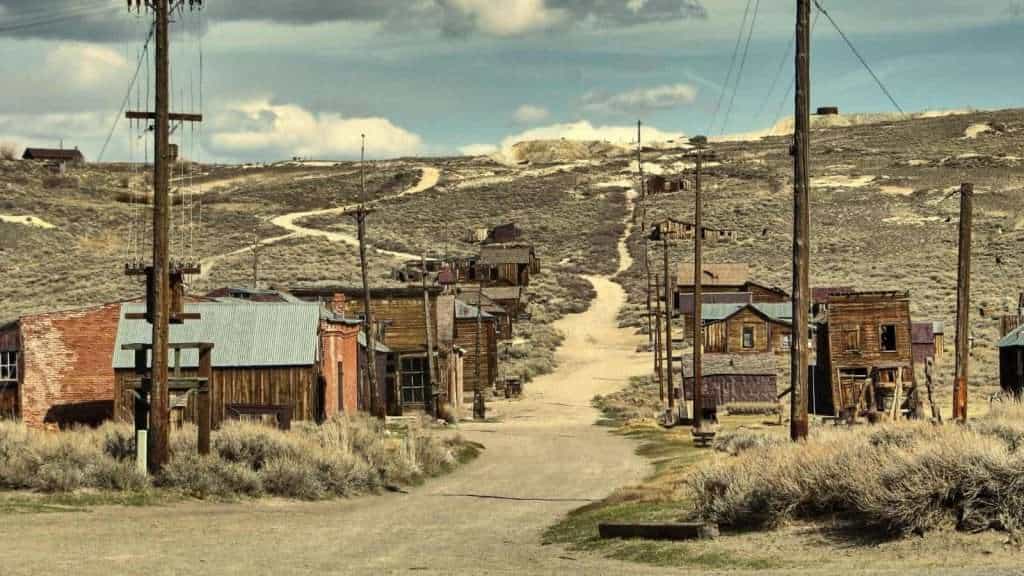
Bodie, located in the Sierra Nevada mountains near the border of Nevada, is one of the most famous ghost towns in America. Once a thriving gold-mining community with saloons, schools, and even newspapers, Bodie went into steep decline after the mines dried up in the early 1900s. Today, it is preserved as a California State Historic Park, with dozens of wooden structures still standing in a state of “arrested decay.” Wandering through Bodie offers travelers a rare opportunity to step back into the Old West.
Rhyolite, Nevada

Just outside Death Valley National Park sits Rhyolite, a short-lived boomtown that thrived between 1905 and 1911. The promise of gold brought thousands of settlers, along with a bank, school, and even an opera house. When the mines failed, the town emptied just as quickly, leaving behind striking ruins such as the famous Bottle House and a crumbling three-story bank building. Today, visitors to Nevada can explore Rhyolite’s remains against the dramatic desert landscape.
Kennecott, Alaska
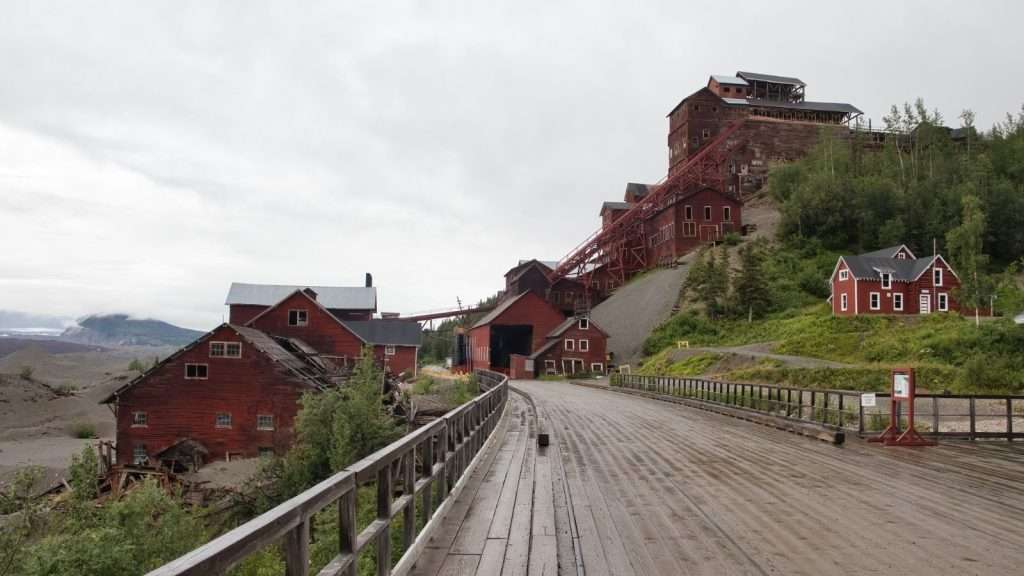
Kennecott, nestled in Alaska’s Wrangell-St. Elias National Park, is a ghost town that once boomed thanks to copper mining. From 1911 to 1938, miners extracted one of the richest copper deposits ever found, fueling both local and national industry. After the ore ran out, Kennecott was abandoned, leaving behind towering red mill structures and empty worker housing. Today, adventurous American travelers can tour the preserved buildings and hike the surrounding glacier-fed valleys.
Centralia, Pennsylvania

Centralia is one of the most haunting ghost towns in the U.S., and it owes its fate to a mine fire that has been burning underground since 1962. Once home to more than 1,000 residents, the fire made the ground unstable and filled the air with dangerous gases, forcing people to leave. Today, only a handful of residents remain, and most of the streets are overgrown and eerily quiet. Graffiti-covered roads and empty lots mark this abandoned American cityscape.
Bannack, Montana
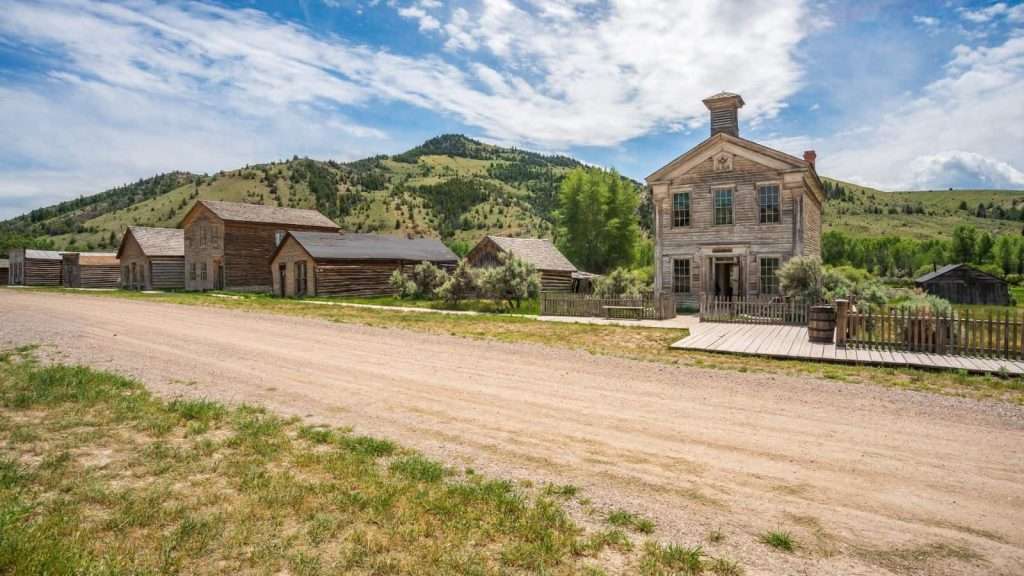
Bannack, Montana, was the site of a major gold discovery in 1862 and quickly became the first territorial capital of the state. The town’s population grew rapidly during the height of the Gold Rush, but dwindled when the mining industry slowed. Today, more than 60 preserved buildings remain, including a schoolhouse, jail, and saloon. Bannack State Park welcomes travelers interested in exploring this frozen moment of American frontier history.
Jerome, Arizona
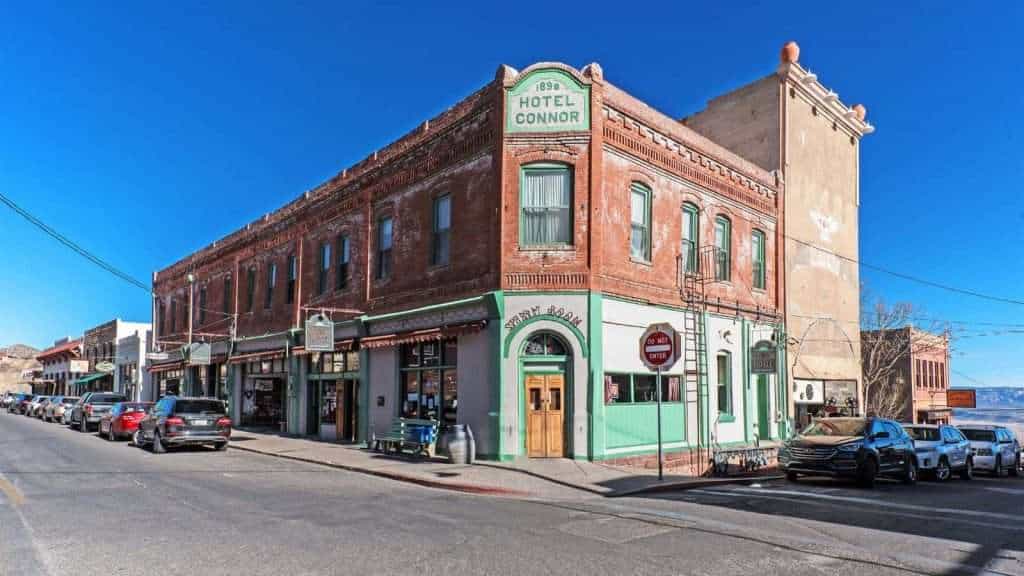
Perched on Cleopatra Hill in Arizona, Jerome is a ghost town with a twist—it has reinvented itself as a thriving tourist destination. Once known as the “Wickedest Town in the West” due to its saloons and brothels, Jerome’s fortunes collapsed when the copper mines closed. Today, artists, small businesses, and history buffs have brought new life to its historic buildings. American travelers find Jerome both spooky and vibrant, with museums and ghost tours that showcase its layered past.
Calico, California
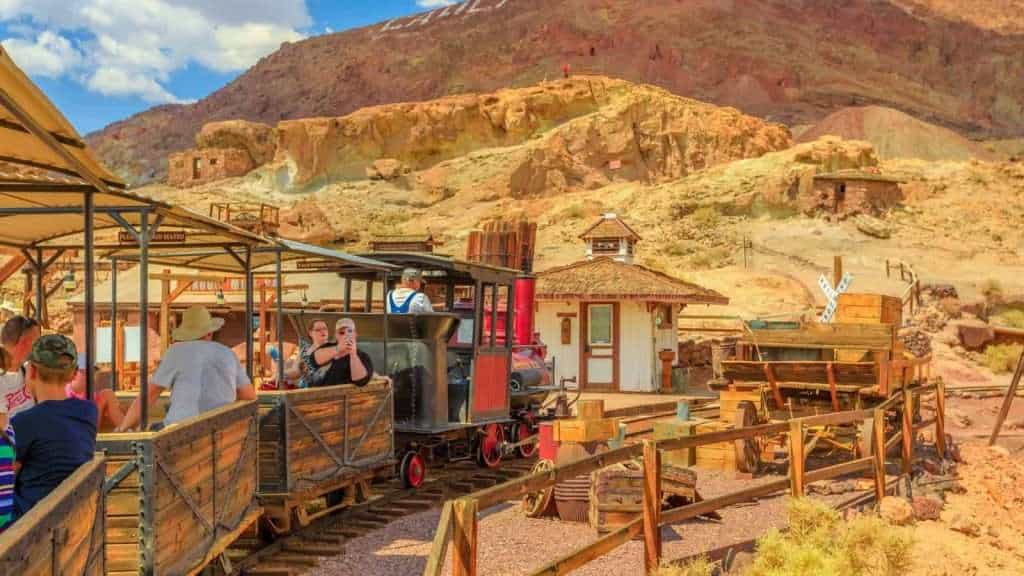
Located in the Mojave Desert, Calico was a booming silver mining town in the late 1800s. After the silver market crashed, Calico was abandoned and later restored by Walter Knott, founder of Knott’s Berry Farm. Many of the original structures were rebuilt, creating a ghost town that doubles as a historic park. Travelers exploring southern California can experience an immersive blend of Wild West history and desert scenery.
Cahawba, Alabama
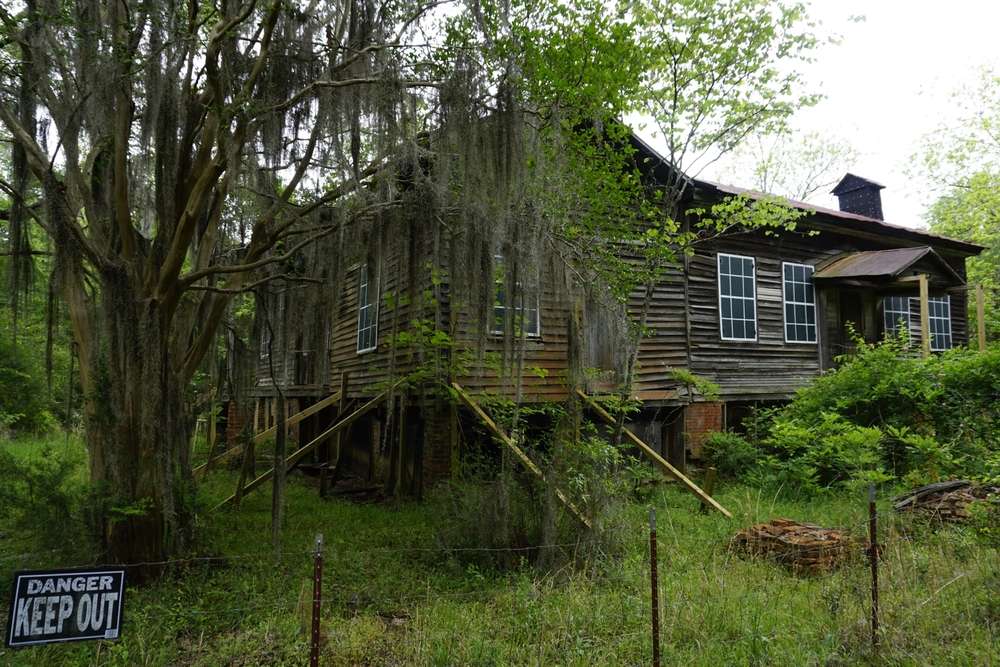
Cahawba was once Alabama’s first permanent state capital, built along the confluence of the Alabama and Cahaba rivers. Flooding and poor location eventually doomed the city, and by the 20th century, it was largely abandoned. Today, the ruins of antebellum mansions, cemeteries, and brick streets remain, making it one of the South’s most atmospheric ghost towns. Visitors to Cahawba can enjoy both history and the natural beauty of its riverfront setting.
Garnet, Montana

Nestled in the mountains of western Montana, Garnet thrived as a mining town during the late 19th century. With more than 1,000 residents at its peak, it had general stores, saloons, and even a hotel. By 1905, however, the gold was gone, and the town fell into silence. Today, Garnet is managed by the Bureau of Land Management, and travelers can tour its rustic cabins and businesses while imagining life in this remote American city.
St. Elmo, Colorado

St. Elmo is often described as one of the best-preserved ghost towns in the U.S. Founded in 1880 during Colorado’s mining boom, the town once had more than 2,000 residents. When the mines closed in the early 20th century, nearly everyone left, but many of the original wooden buildings remain standing. Today, visitors can walk along its dusty main street and explore this photogenic piece of Rocky Mountain history.
Thurmond, West Virginia
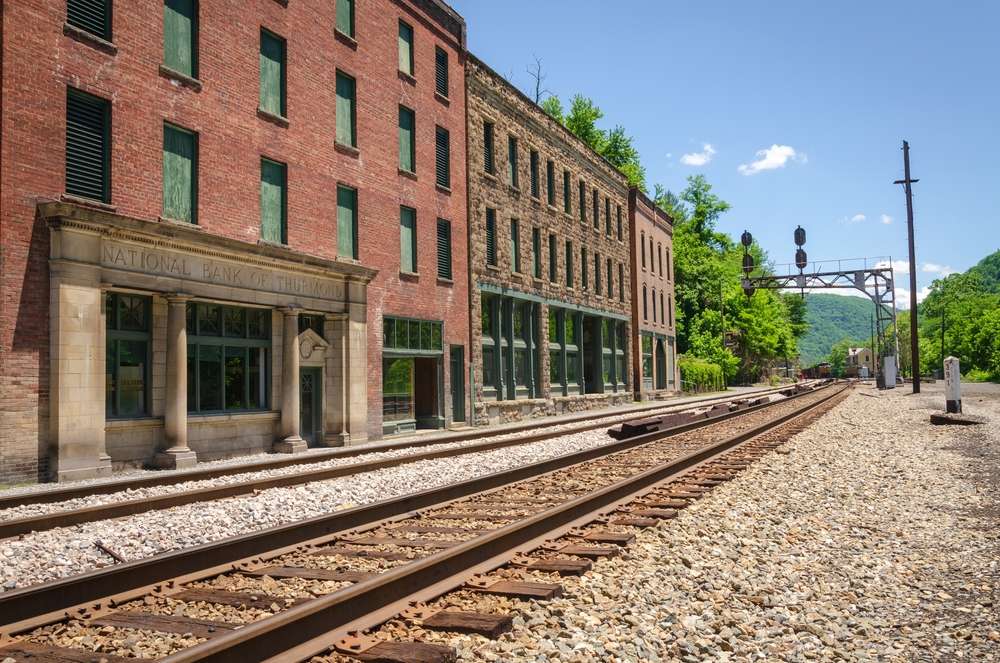
Once a prosperous railroad town, Thurmond in West Virginia flourished in the early 1900s thanks to coal shipments. The town featured hotels, banks, and a population of hundreds, but when coal demand declined, so did the community. Today, Thurmond has only a few residents, and its abandoned rail depot and storefronts sit quietly along the New River. For travelers seeking off-the-beaten-path American cities, Thurmond offers both charm and solitude.
Terlingua, Texas
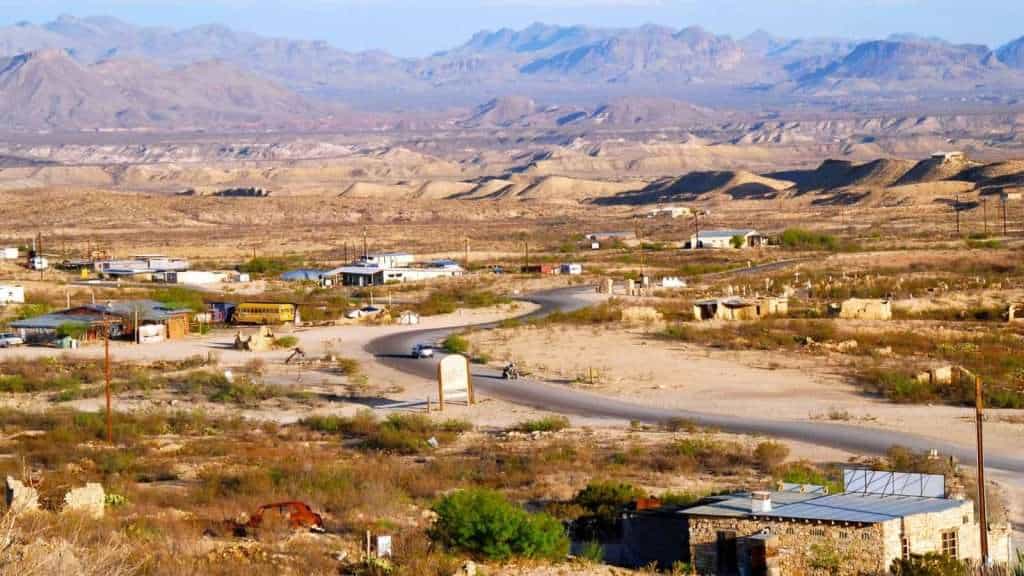
In the rugged desert of southwest Texas, near Big Bend National Park, lies Terlingua, a ghost town with a modern twist. Once a mercury mining settlement, the town was abandoned when operations ceased in the 1940s. Today, artists, adventurers, and tourists frequent its ruins, enjoying music festivals and chili cook-offs amid the historic adobe buildings. Terlingua blends desolate beauty with vibrant Texan culture, making it a fascinating stop for U.S. travel enthusiasts.
Goldfield, Nevada
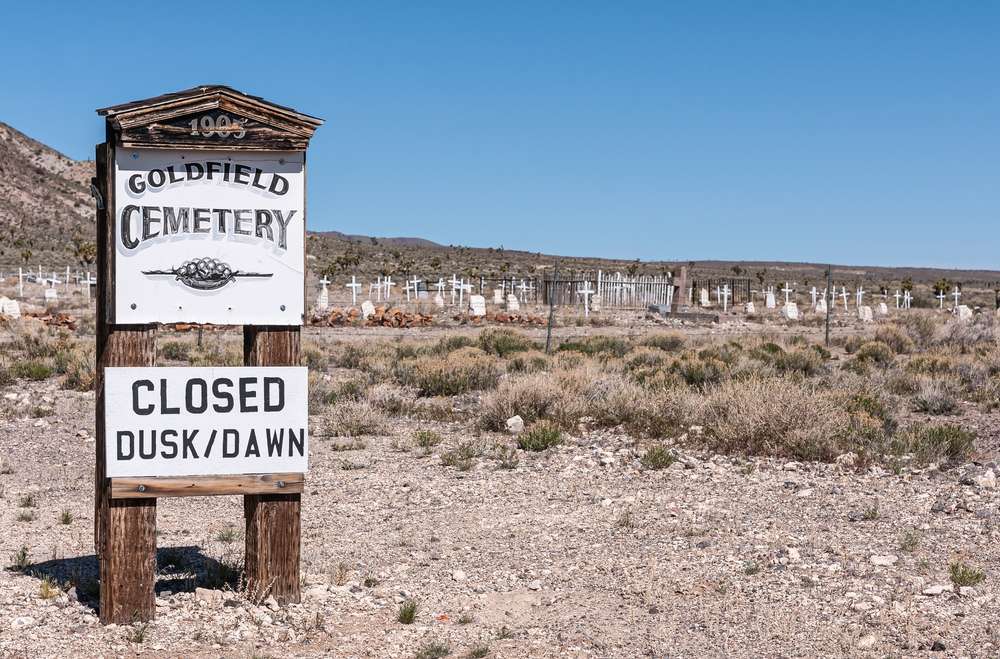
Goldfield was one of Nevada’s richest boomtowns in the early 1900s, attracting thousands of miners and gamblers. Once larger than Las Vegas, the town featured luxury hotels and bustling saloons. Today, Goldfield still has some residents but retains the feel of a ghost town, with its historic Goldfield Hotel standing as a haunted landmark. Visitors can tour abandoned buildings and enjoy events that celebrate its Wild West heritage.
Castle Dome, Arizona

Castle Dome Landing, located along the Colorado River, was once a bustling river port and mining town in the 1800s. Silver mining fueled its prosperity, but as resources diminished, the town faded into obscurity. Today, Castle Dome has been partially restored as a museum showcasing mining artifacts, saloons, and military history. Travelers seeking a unique U.S. desert destination will enjoy the town’s rugged charm and scenic desert backdrop.
Cisco, Utah

Cisco began as a water refueling stop for the Denver and Rio Grande Western Railroad in the 1880s and grew into a small community with stores and saloons. When steam engines were replaced and oil fields dried up, the town collapsed. Today, graffiti-covered buildings and abandoned gas stations dot the arid landscape, creating a surreal scene for road-trippers. Cisco is a haunting yet artistic stop for travelers crossing Utah.
South Pass City, Wyoming

South Pass City in Wyoming was a vital Gold Rush settlement, attracting thousands in the late 1860s. Though the population dwindled quickly, the town is historically significant as a center for women’s suffrage, where Esther Hobart Morris became the first female justice of the peace in the U.S. Today, visitors can tour more than 20 restored buildings that preserve its history. The town remains a must-see stop for travelers exploring the American West.
Silver City, Idaho
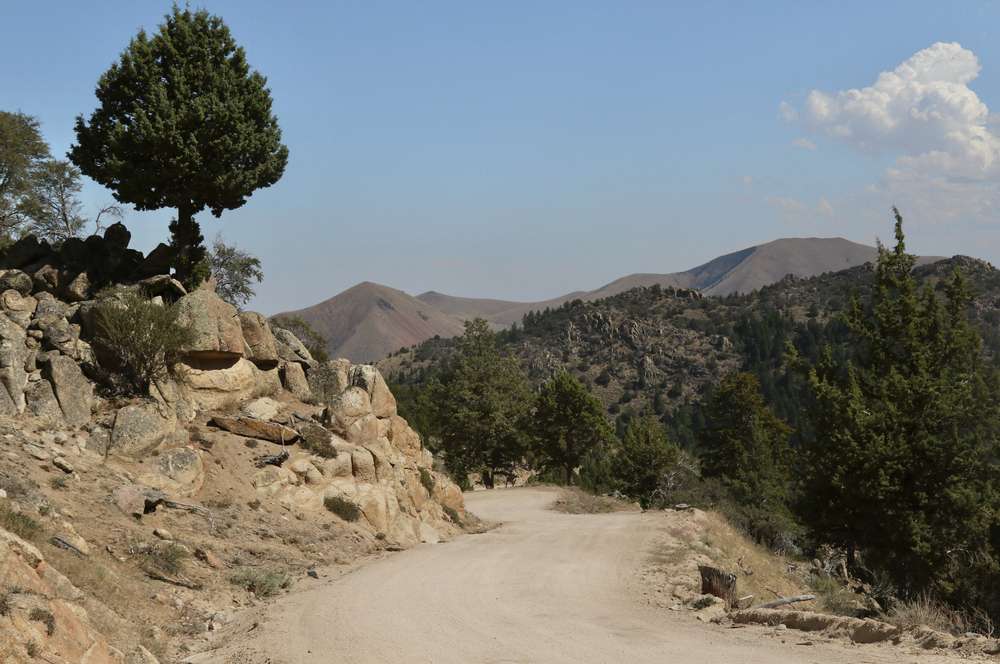
Silver City, nestled in the Owyhee Mountains, was a booming mining town in the 1860s with more than 2,000 residents. It had saloons, hotels, and even a newspaper, but once mining declined, the population plummeted. Today, more than 70 original structures remain, offering one of the best-preserved ghost towns in the Northwest. Visitors to Idaho can explore its rustic charm and stunning mountain scenery.
Detroit, Oregon

Not to be confused with Detroit, Michigan, this small Oregon town became a ghost town in the 1950s when a dam project flooded its original site. Residents were relocated, and the original Detroit lies beneath Detroit Lake today. During particularly dry years, remnants of the submerged town emerge from the water, offering a rare glimpse of its past. Travelers to Oregon find Detroit both haunting and unique.
Grafton, Utah
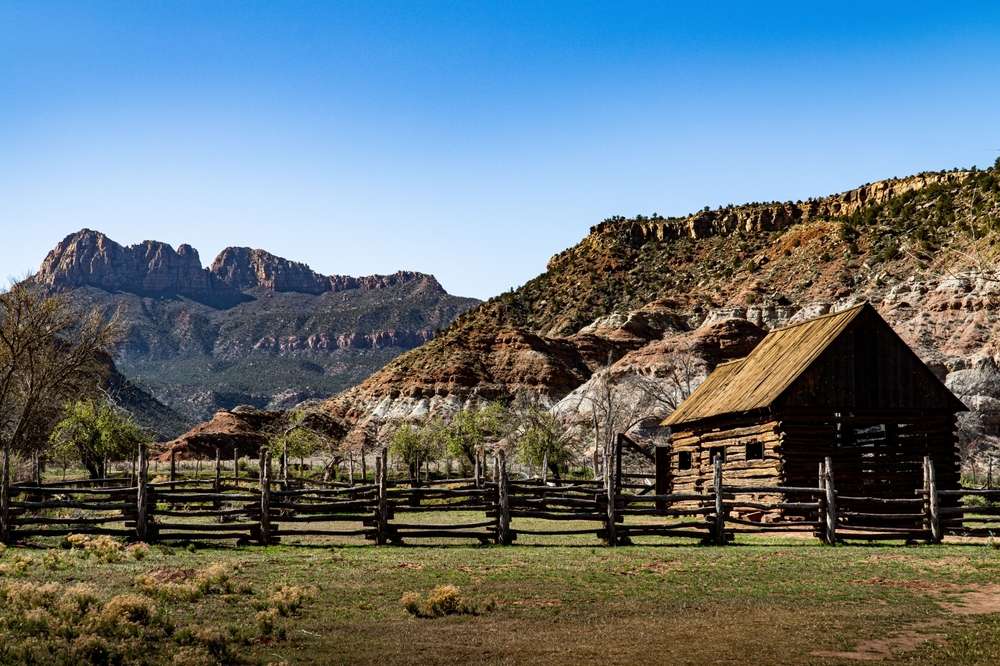
Grafton is one of the most photogenic ghost towns in the U.S., located near Zion National Park. Founded in 1859 by Mormon settlers, the town was plagued by floods and conflicts, leading to abandonment in the early 1900s. Today, several restored buildings remain, including a schoolhouse and cemetery. Grafton’s striking desert backdrop makes it a favorite destination for travelers interested in history and American landscapes.
Adamsville, Arizona

Adamsville, one of the first settlements in Arizona’s Pinal County, thrived as a farming community along the Gila River. In the late 1800s, floods devastated the town, and most residents relocated to nearby Florence. Today, only remnants of adobe walls and foundations remain, surrounded by desert scrub. For travelers exploring Arizona’s ghost towns, Adamsville offers a peaceful and haunting stop.

Deborah Montiero is a seasoned travel writer and contributor to Probe the Globe. With a passion for uncovering hidden gems and sharing immersive travel experiences, Deborah’s work highlights must-visit destinations, insider tips, and practical advice for travelers of all types. Whether exploring bustling cities or remote escapes, her articles are crafted to inspire and inform, making her a trusted voice in the travel community.
Her storytelling weaves together cultural insights, logistical tips, and authentic experiences, making her a valuable resource for readers seeking unforgettable journeys.
When not writing, Deborah is likely researching the latest travel trends or planning her next adventure. Follow her work on Probe the Globe for fresh perspectives and up-to-date travel inspiration.