25 U.S. Small Towns With Bizarre Laws That Are Still on the Books
One of the joys of U.S. travel is discovering that America’s small towns often come with stories stranger than fiction. Beyond scenic main streets and historic buildings, many of these communities still carry old laws that sound ridiculous by modern standards. For road trippers, history lovers, and travelers who enjoy the weird side of America, these laws add unexpected personality to otherwise normal destinations. We take a look at 25 U.S. Small Towns With Bizarre Laws That Are Still on the Books
Carmel-by-the-Sea
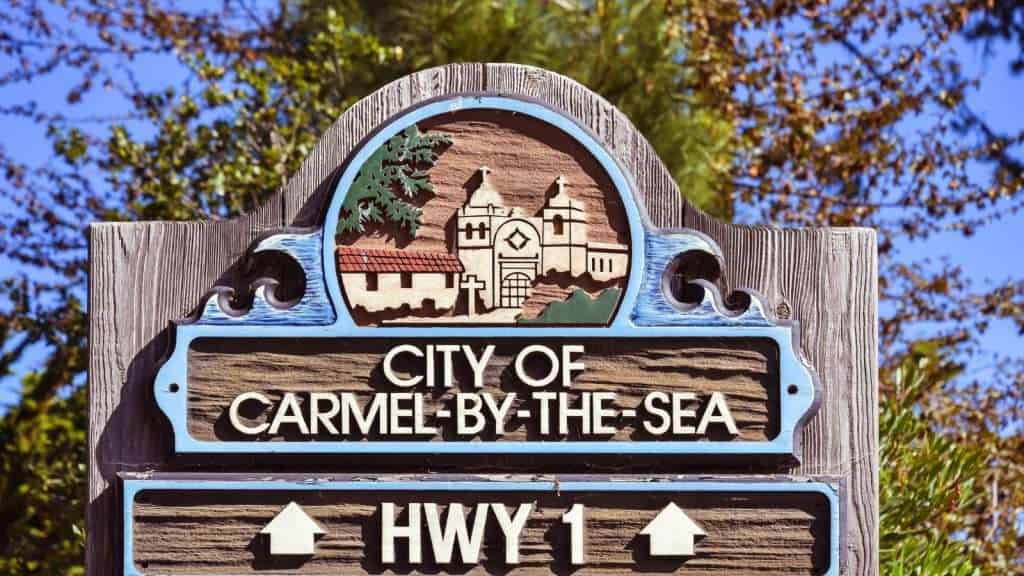
Carmel-by-the-Sea is famous for its storybook charm, but it also has a law that technically requires a permit to wear high heels over a certain height. The ordinance was created decades ago to limit lawsuits from people tripping on uneven sidewalks. While enforcement is almost nonexistent today, the law remains part of the town’s legal code. Travelers visiting this California coastal town often laugh at the idea, but it reflects how local governments once tried to solve very specific problems in creative ways.
Bar Harbor

Bar Harbor, a popular stop for Maine travel and national park visitors, still has an old ordinance banning roller skating on sidewalks in certain areas. The rule dates back to a time when sidewalks were crowded with horse-drawn traffic and pedestrians. Though rarely enforced now, it technically still applies. For travelers exploring New England towns, this law adds a humorous reminder of how transportation trends once shaped everyday life.
Gainesville
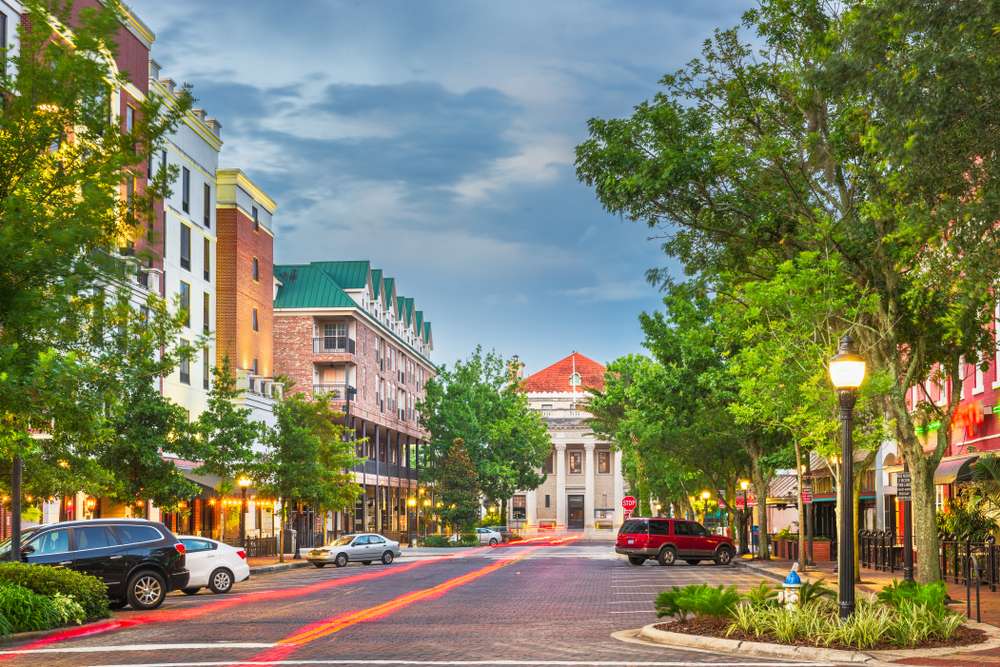
In Gainesville, Georgia, there’s a long-standing law that once required citizens to eat fried chicken with their hands rather than utensils. Originally created as a tongue-in-cheek celebration of local food culture, it somehow became official. Though symbolic today, the law still exists on paper. Travelers passing through this small Southern town often hear about it from locals, making it an amusing piece of culinary folklore tied to regional pride.
Kenyon

Kenyon has a law prohibiting chickens from crossing the road. The rule was designed to keep livestock under control when agriculture dominated daily life. Today, chickens wandering freely are less of an issue, but the law remains. For travelers exploring rural Minnesota, this ordinance feels like a classic joke brought to life. It reflects a time when local government focused on solving very practical, farm-related concerns.
Eureka

Eureka’s legal code includes a ban on men with mustaches kissing women in public. This odd rule likely stemmed from outdated hygiene concerns or social norms. While nobody expects enforcement today, it still sits in the town’s records. Travelers driving through Nevada’s quiet interior often find this law amusing, especially given the town’s frontier history and reputation for embracing old traditions.
Skamania

Skamania County made headlines decades ago with a law banning the killing of Bigfoot. While clearly symbolic, it reflects the region’s long-standing folklore and tourism appeal. The law was meant to protect both imaginary creatures and curious humans. Travelers exploring Washington state road trips often enjoy hearing about this ordinance, which shows how legend and local identity can influence official policy.
Chico

Chico has an ordinance that technically bans nuclear weapons within city limits. Passed during Cold War tensions, the law was meant as a political statement rather than a practical rule. Despite its symbolic nature, it still exists. For California travelers, Chico’s law highlights how global anxieties sometimes find expression in very local legislation.
Paulding

In Paulding, Ohio, a law prohibits residents from farting after 6 p.m. on Thursdays. Originally passed as a joke to promote community spirit, it somehow became official. While nobody takes it seriously, the ordinance remains. Travelers passing through small-town Ohio often hear this story, making Paulding a memorable stop for those who enjoy oddball Americana.
Beaver

Beaver, Utah, has a law that prohibits swearing in public. Rooted in early religious and moral values, the ordinance aimed to maintain public decency. Today, enforcement is virtually nonexistent, but the rule remains on the books. Travelers visiting Utah’s smaller communities often find this law reflective of the cultural priorities that once shaped everyday life.
Loudon

Loudon has an old law banning plastic bags. Long before environmental policies became common, the town sought to limit waste in public spaces. Although enforcement has changed over time, the ordinance still exists. Travelers exploring Tennessee back roads may not expect environmental regulation in a small town, but Loudon’s law shows that local activism isn’t a modern invention.
Davis

Davis famously has an ordinance requiring cyclists to have bells on their bikes. Designed to promote safety in a bike-friendly college town, the rule remains enforceable. For travelers visiting Northern California, this law feels logical yet oddly specific. It reflects how a town’s dominant transportation culture can shape long-lasting regulations.
Boulder

Boulder’s municipal code includes a ban on couches being placed on front porches. The rule was aimed at discouraging outdoor fires and improving neighborhood appearance. While rarely enforced today, it technically still applies. Travelers exploring Colorado towns often hear about this law as a humorous example of college-town governance.
Natchez
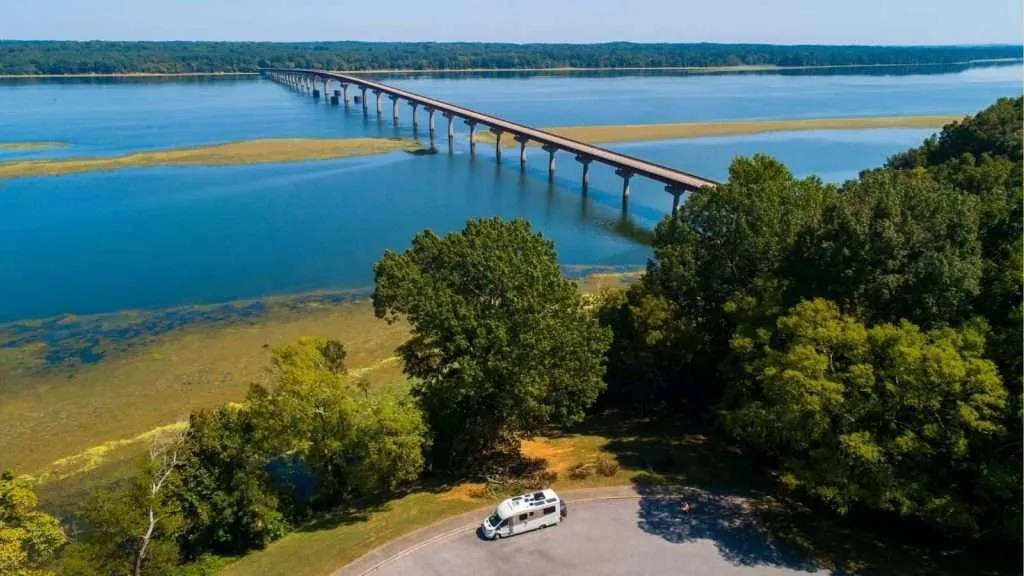
Natchez has an ordinance banning public dueling. While this sounds obvious now, the law dates back to a time when duels were a genuine concern. It remains part of the town’s legal framework. For travelers exploring Mississippi history, this law serves as a reminder of how violent disputes were once socially accepted enough to require regulation.
Mobile

Mobile has an old law banning confetti on public streets. The rule aimed to reduce litter during parades and festivals, which the city hosts frequently. Although modern cleanup methods exist, the ordinance remains. Travelers visiting Alabama during festival season may find this law amusing given the city’s love of celebration.
Key West
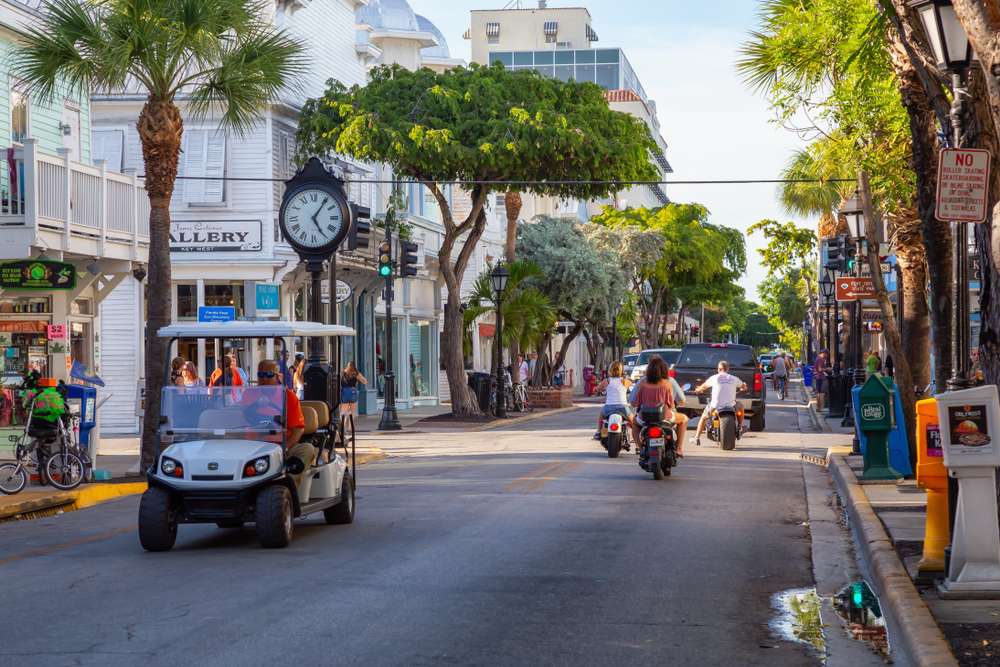
Key West once passed a law banning loitering chickens. With free-roaming chickens becoming part of the town’s identity, enforcement is selective at best. Still, the law exists to address complaints. Travelers exploring Florida Keys travel often encounter chickens everywhere, making the ordinance feel delightfully ironic.
Myrtle Beach
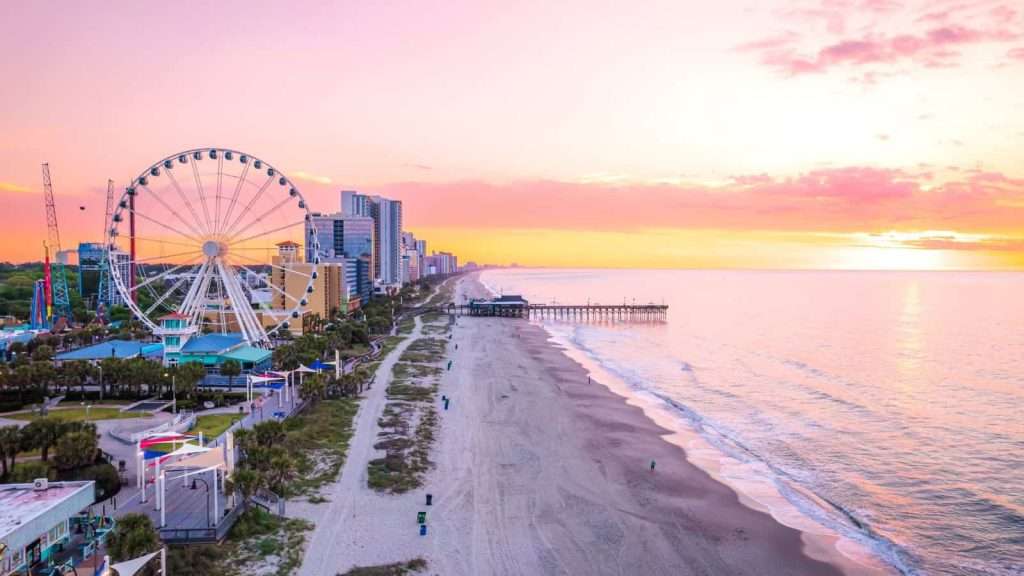
Myrtle Beach has an ordinance prohibiting riding a bike without hands on the handlebars. Designed as a safety measure, it still exists today. For travelers exploring South Carolina beach towns, this law feels both sensible and oddly specific. It reflects how tourist-heavy areas often create detailed rules to manage crowds.
Waco

Waco once had a law banning the possession of stink bombs. Created to maintain public order, it remains technically active. Travelers visiting central Texas may laugh at the idea, but it highlights how prank culture influenced municipal rules. It’s a reminder that even jokes can leave permanent marks on legal codes.
Tempe

Tempe’s ordinances include restrictions on walking backward in public. The law was meant to prevent accidents and disruptions. While rarely enforced, it still exists. Travelers exploring Arizona college towns often hear about this rule, adding to Tempe’s quirky reputation among students and visitors alike.
Santa Cruz

Santa Cruz has a law that once banned carrying goats on leashes downtown. Created to manage livestock in public spaces, it remains an artifact of the town’s agricultural past. For travelers visiting California coastal communities, this law feels hilariously outdated but historically revealing.
Anchorage

Anchorage has an ordinance that prohibits waking a sleeping bear to take a photo. While practical in theory, the law sounds absurd on paper. It still exists as a safety regulation. Travelers visiting Alaska quickly realize that wildlife-related laws often sound strange until you understand the environment.
Fairbanks

Fairbanks once banned moose from drinking alcohol. While clearly symbolic, the law reflects the town’s close interaction with wildlife. Travelers exploring interior Alaska often hear this story as a humorous warning about respecting animals. It adds character to a destination already known for extreme conditions.
Helena

Helena has an ordinance banning citizens from washing sidewalks with dirty water. Created during a time when sanitation was a major concern, the law remains part of the books. Travelers visiting Montana’s capital often find it amusing, but it reflects serious public health priorities from an earlier era.
Fargo

Fargo has a law requiring residents to remove snow from sidewalks within a specific timeframe. While common in snowy cities, the strict wording makes it notable. For travelers exploring North Dakota in winter, this law highlights how climate shapes daily responsibility and municipal rules.
Juneau

Juneau technically prohibits hypnosis for entertainment purposes. Passed during concerns about public deception, the law remains unenforced but intact. Travelers visiting Alaska’s capital often hear about this odd rule, which adds to Juneau’s reputation for eccentric but earnest governance.
Sedona

Sedona has regulations limiting loud spiritual ceremonies in public spaces. While designed to balance tourism and tranquility, the wording sounds unusual. Travelers exploring Arizona’s red rock country often find this law reflective of Sedona’s blend of spirituality and small-town order.

Deborah Montiero is a seasoned travel writer and contributor to Probe the Globe. With a passion for uncovering hidden gems and sharing immersive travel experiences, Deborah’s work highlights must-visit destinations, insider tips, and practical advice for travelers of all types. Whether exploring bustling cities or remote escapes, her articles are crafted to inspire and inform, making her a trusted voice in the travel community.
Her storytelling weaves together cultural insights, logistical tips, and authentic experiences, making her a valuable resource for readers seeking unforgettable journeys.
When not writing, Deborah is likely researching the latest travel trends or planning her next adventure. Follow her work on Probe the Globe for fresh perspectives and up-to-date travel inspiration.