20 American Mining Towns That Boomed, Collapsed, and Refuse to Die
Mining towns have played a dramatic role in shaping American history, rising quickly on waves of opportunity and often falling just as fast when resources ran dry. While many faded into ghost towns, others adapted, reinvented themselves, and continue to survive against the odds. These places tell stories of resilience, hardship, and reinvention that still shape local identity today. This article explores 20 American Mining Towns That Boomed, Collapsed, and Refuse to Die.
Bisbee, Arizona
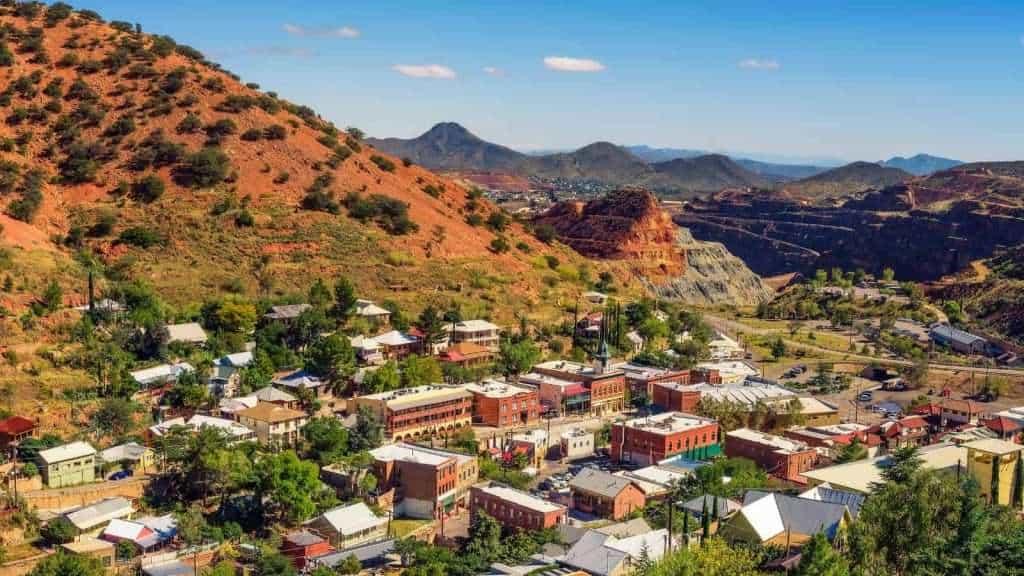
Bisbee exploded into prominence in the late 19th century as one of the world’s richest copper mining centers. When mining declined, the town faced economic collapse, population loss, and uncertain purpose. Rather than disappearing, Bisbee transformed into an arts-driven community with historic preservation at its core. Today, travelers exploring Arizona U.S. travel routes find a town that openly embraces its mining scars while celebrating creativity and survival.
Leadville, Colorado
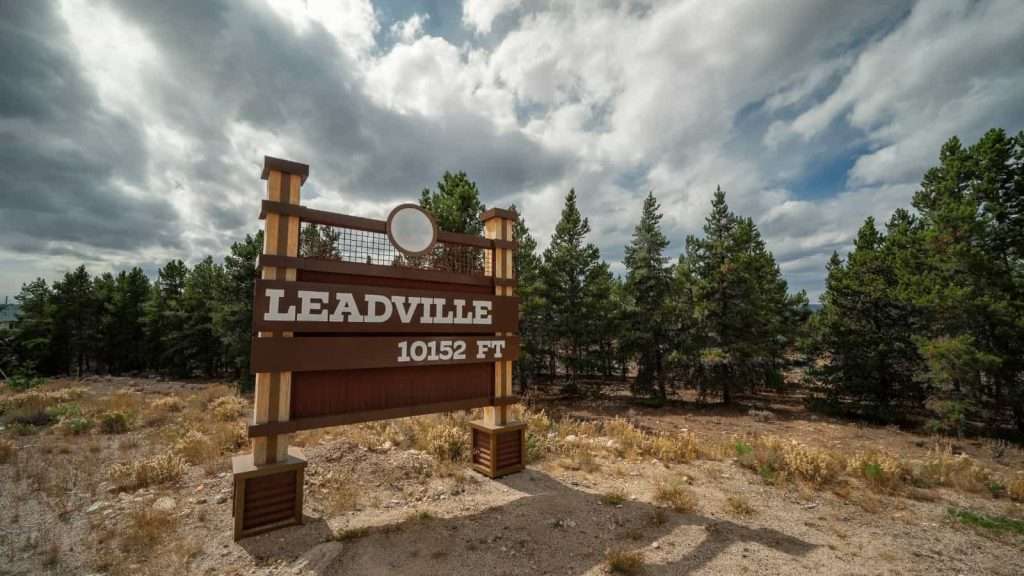
Leadville once stood among the wealthiest cities in the country thanks to silver and later gold mining. When silver prices crashed in the 1890s, the economy unraveled almost overnight. Harsh winters and isolation made recovery difficult. Yet Leadville endured, reinventing itself through heritage tourism, outdoor recreation, and a deep respect for its rugged past that still defines its identity.
Virginia City, Nevada

Virginia City rose rapidly after the discovery of the Comstock Lode, becoming a booming center of wealth, journalism, and innovation. When mining declined, fires and economic collapse followed. Many expected the town to vanish entirely. Instead, Virginia City preserved its wooden boardwalks and historic buildings, offering travelers a vivid glimpse into frontier-era ambition that still pulses through daily life.
Jerome, Arizona
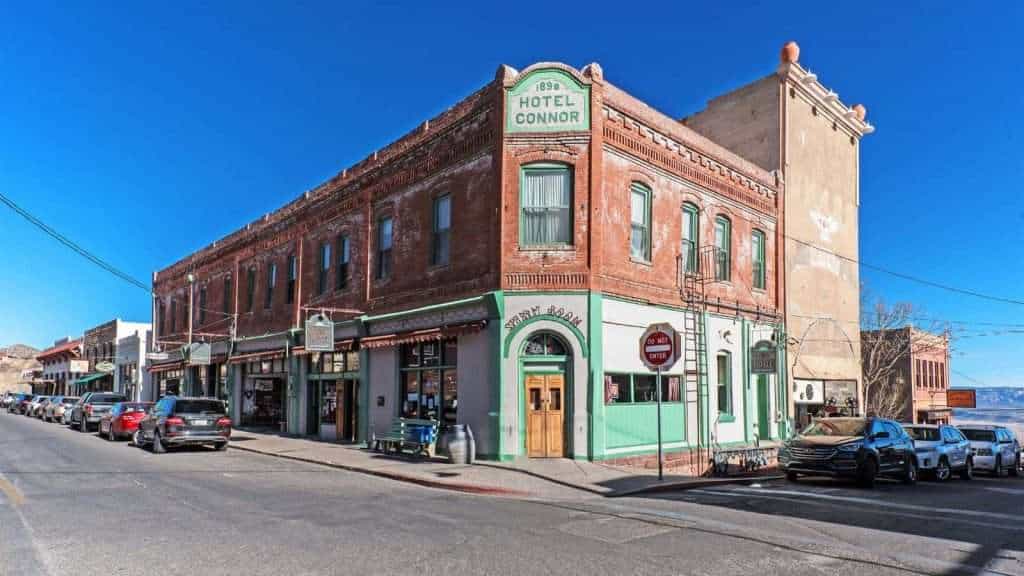
Jerome clung to steep hillsides as a copper mining powerhouse, earning wealth alongside danger and instability. When the mines closed, landslides, fires, and abandonment followed. For decades, Jerome teetered on the edge of disappearance. Artists, preservationists, and locals eventually revived it, turning decay into character. Today, it stands as a striking example of reinvention in U.S. travel history.
Butte, Montana

Butte’s copper mines fueled industrial America, earning it the nickname “The Richest Hill on Earth.” When mining slowed, unemployment and environmental damage threatened the city’s future. Rather than erasing its past, Butte preserved entire neighborhoods and mining infrastructure. Visitors exploring Montana’s U.S. travel landscape encounter a city that wears its history openly, scars included.
Deadwood, South Dakota
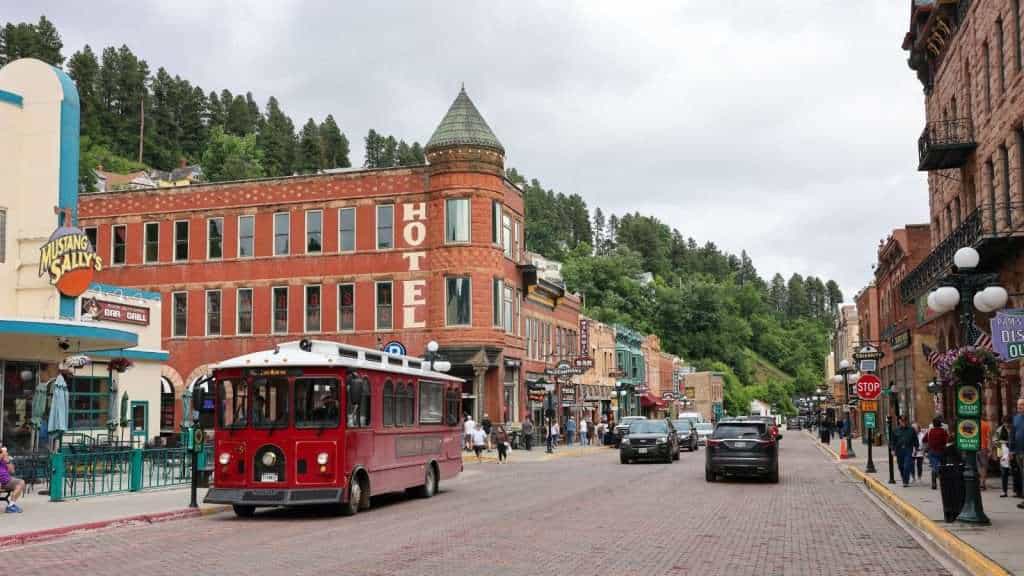
Deadwood’s gold rush era brought wealth, lawlessness, and legendary figures. When mining profits dwindled, the town struggled to find relevance. Gambling legalization and historic preservation eventually revived its economy. Deadwood remains a place where mythology and reality blend, attracting travelers curious about how boomtowns survive by embracing their legends rather than hiding them.
Silverton, Colorado
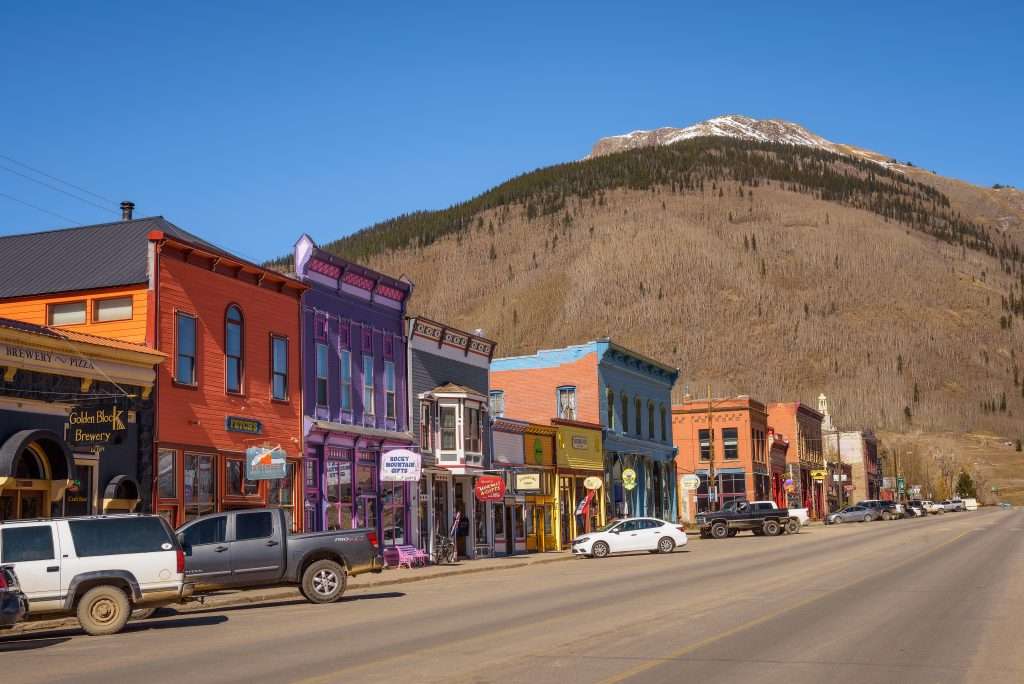
Silverton thrived during Colorado’s silver boom, isolated high in the San Juan Mountains. When mining declined, harsh conditions and limited access nearly emptied the town. Instead of disappearing, Silverton leaned into its dramatic landscape and preserved architecture. Today, it survives through tourism and outdoor adventure, maintaining strong ties to its mining origins.
Eureka, Nevada

Eureka’s lead and silver mines once made it a bustling Nevada town with opera houses and grand hotels. When ore production fell, population plummeted. Unlike many towns, Eureka refused to vanish entirely. It retained a small but determined community, preserving historic buildings that now serve as reminders of its former prominence in American mining history.
Central City, Colorado

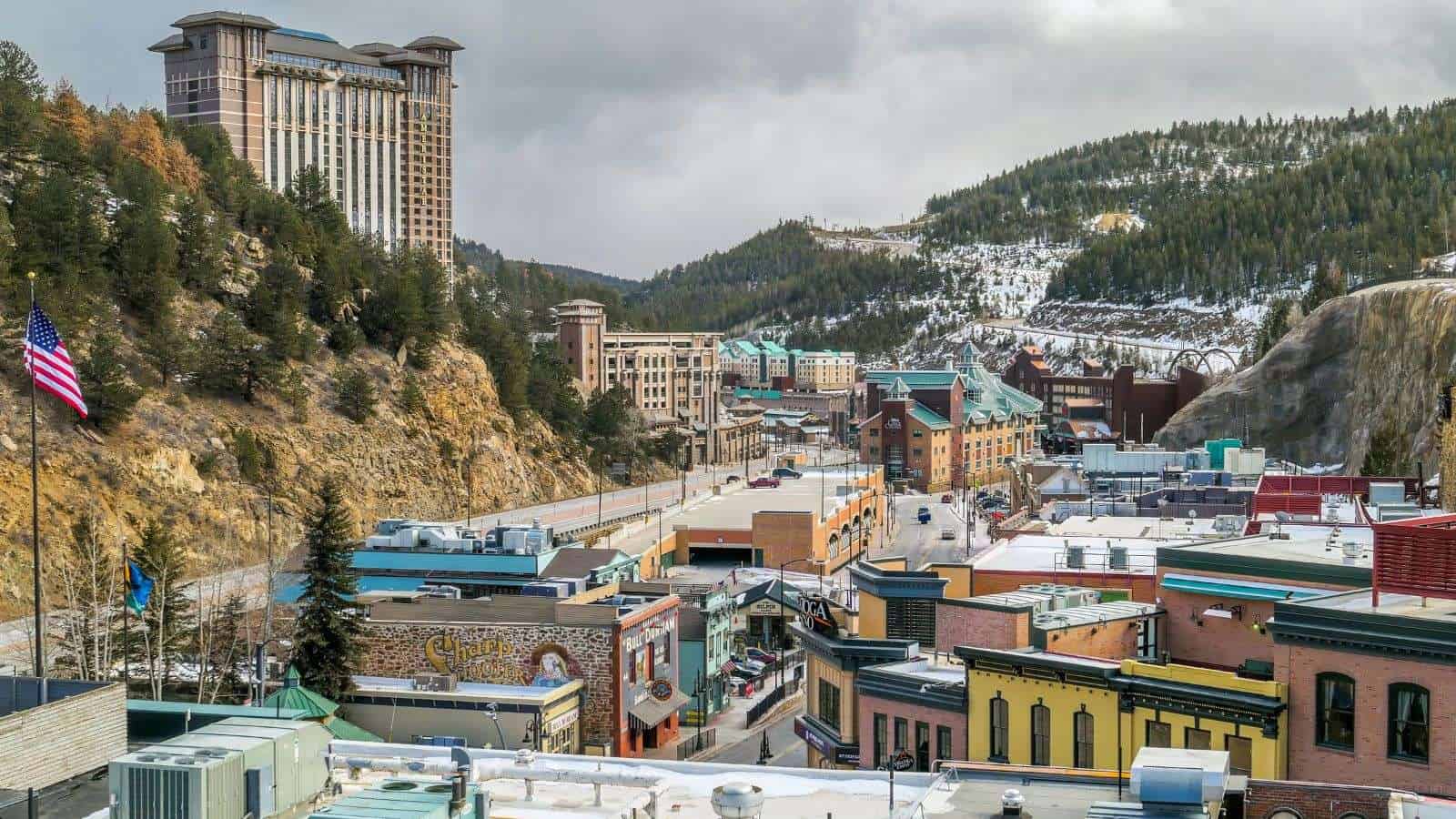
Central City earned the nickname “The Richest Square Mile on Earth” during the gold rush. When mining slowed, the town experienced dramatic decline. Legalized gambling helped revive the local economy decades later. While controversial, it kept Central City alive. Travelers exploring Colorado U.S. travel routes often find a complex blend of preservation and modern survival strategies.
Tonopah, Nevada

Tonopah rose rapidly after major silver discoveries in the early 1900s. Once mining declined, the town faced isolation and economic hardship. Instead of fading away, Tonopah remained a regional hub due to its location between major cities. Today, it survives as a living reminder of Nevada’s boom-and-bust cycles.
Calico, California
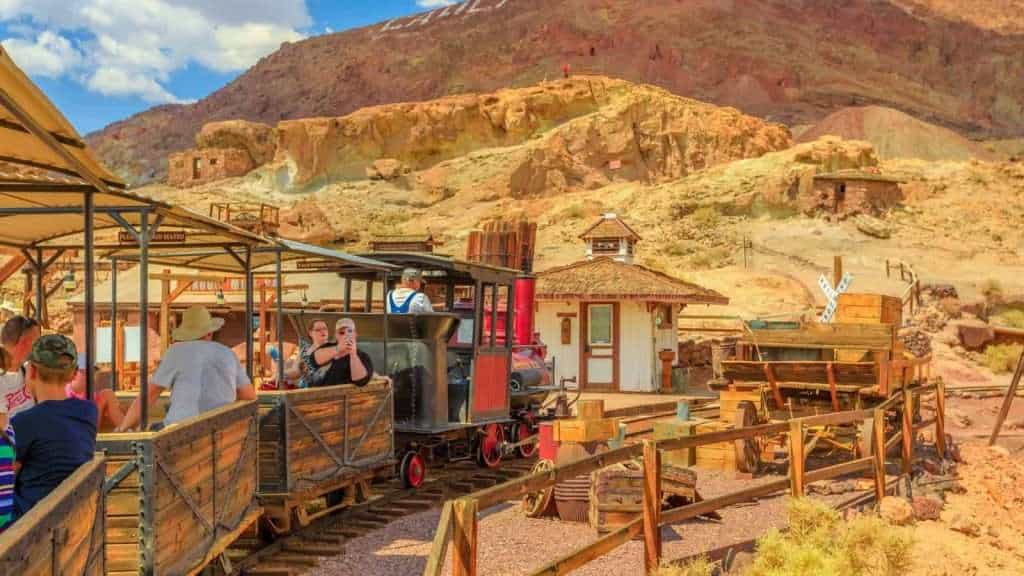
Calico’s silver boom transformed it into a bustling desert town almost overnight. When silver prices dropped, abandonment followed just as quickly. While often labeled a ghost town, Calico never completely disappeared. Preservation efforts turned it into a historical site that still supports local activity, reflecting how mining towns can persist even after collapse.
Wallace, Idaho
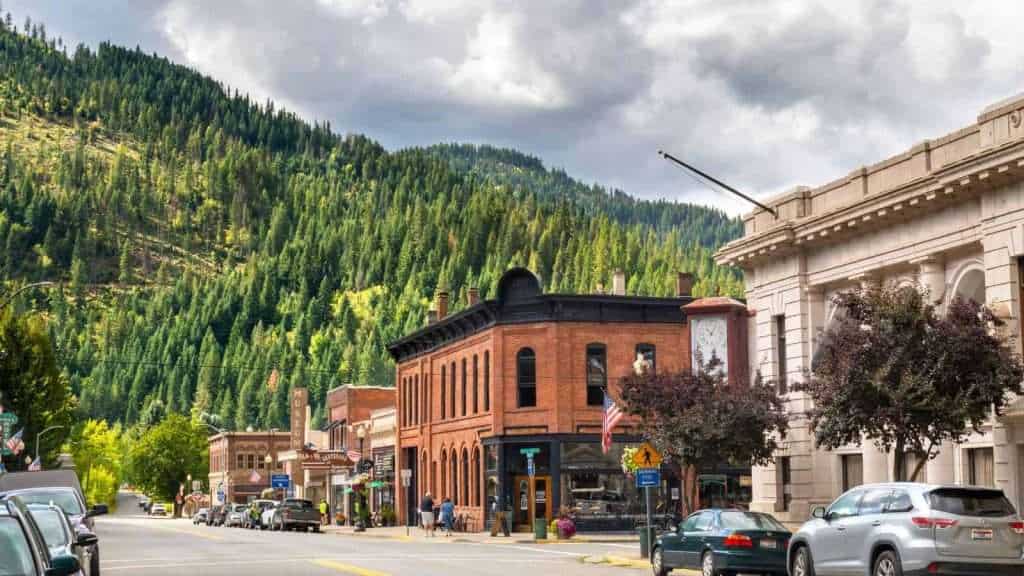
Wallace thrived during Idaho’s silver mining era, building dense blocks of brick buildings and infrastructure. When mining declined, the town faced economic uncertainty and environmental challenges. Instead of erasing its past, Wallace embraced it, even earning recognition for preserving its historic core. Travelers exploring northern U.S. travel destinations often find Wallace surprisingly vibrant.
Goldfield, Nevada
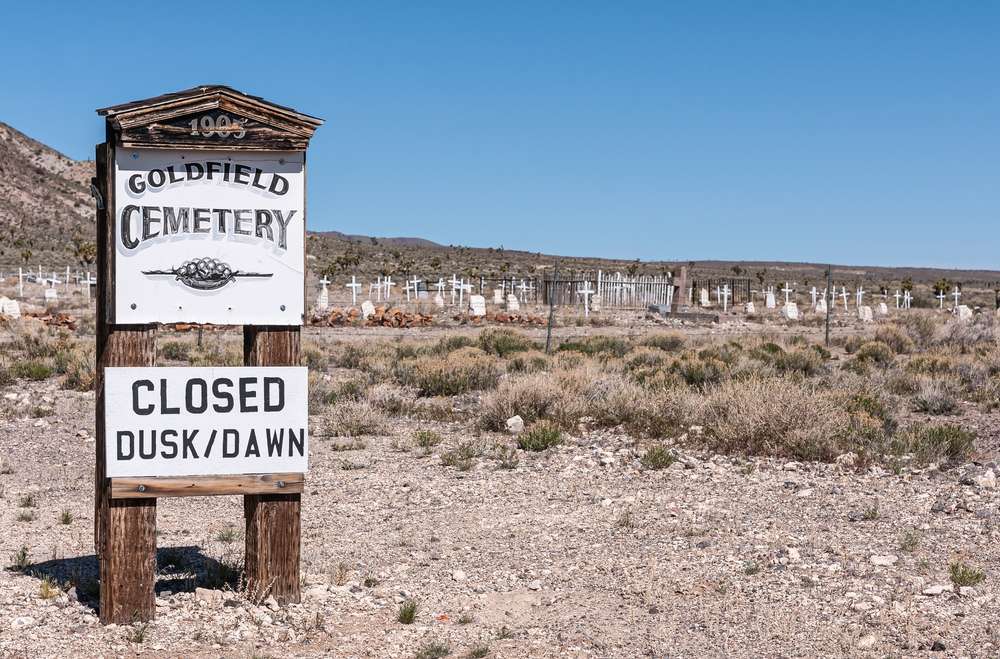
Goldfield once rivaled major cities in wealth during its gold boom. Lavish hotels and grand plans followed. When mining collapsed, so did much of the town’s economy. Fires and abandonment reduced its population dramatically. Still, a small community remains, committed to preservation and storytelling that keeps Goldfield alive.
Ouray, Colorado
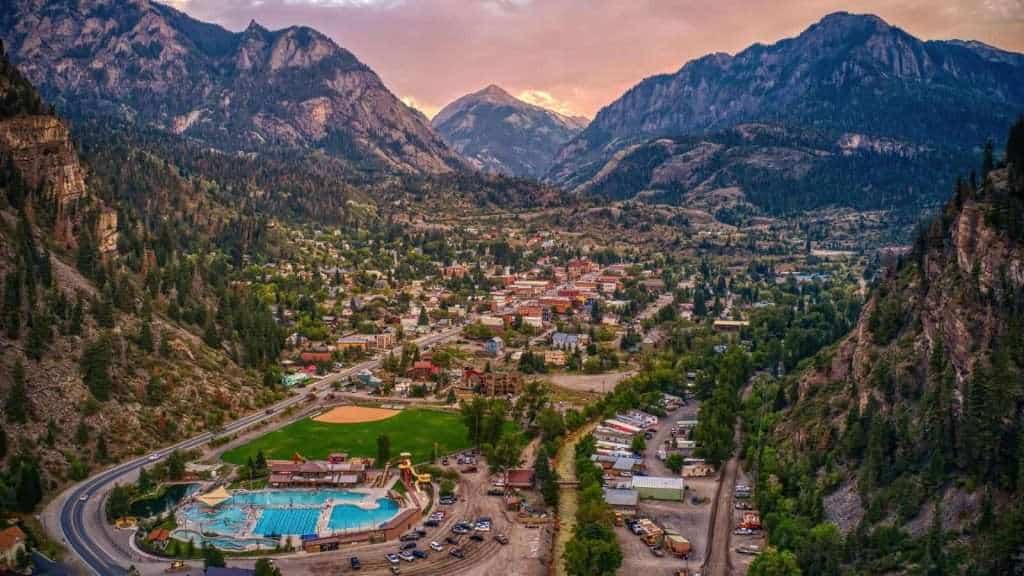
Ouray’s silver mines fueled its early growth, drawing workers into a dramatic mountain environment. When mining declined, the town faced limited economic options. Instead, it turned toward tourism and historic preservation. Today, Ouray survives as a gateway to outdoor adventure while maintaining strong connections to its mining heritage.
Ely, Nevada
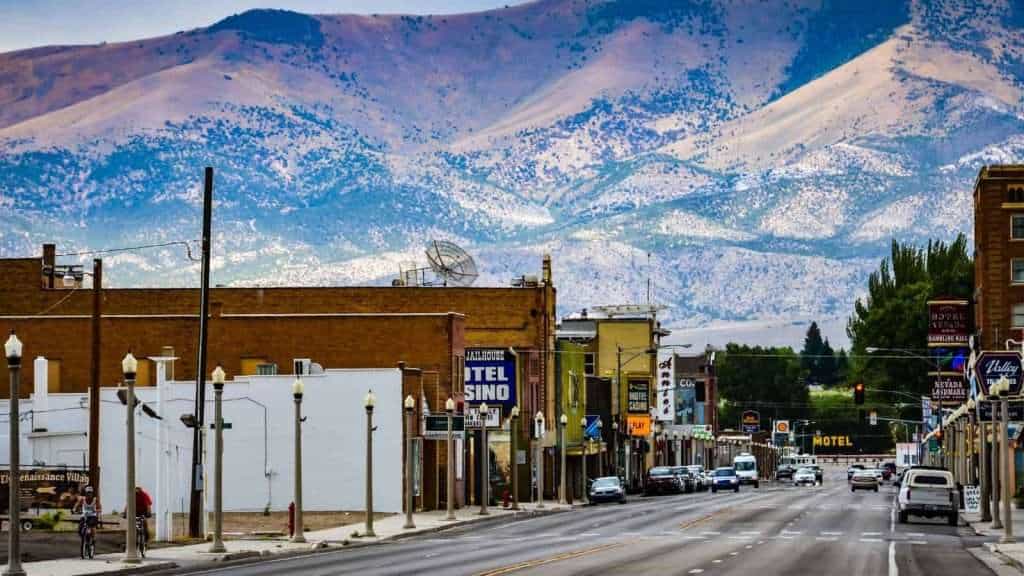
Ely developed around copper mining and railroad expansion, thriving as an industrial hub. When mining slowed, the town faced job losses and population decline. Rather than vanishing, Ely adapted by preserving its rail history and mining culture. U.S. travel visitors often encounter a town defined by endurance rather than reinvention alone.
Cripple Creek, Colorado

Cripple Creek boomed after major gold discoveries, attracting wealth, crime, and rapid development. When mining declined, the town nearly disappeared. Legalized gambling once again played a role in revival. While modern uses differ from its origins, Cripple Creek remains alive, balancing economic survival with historical preservation.
Skagway, Alaska
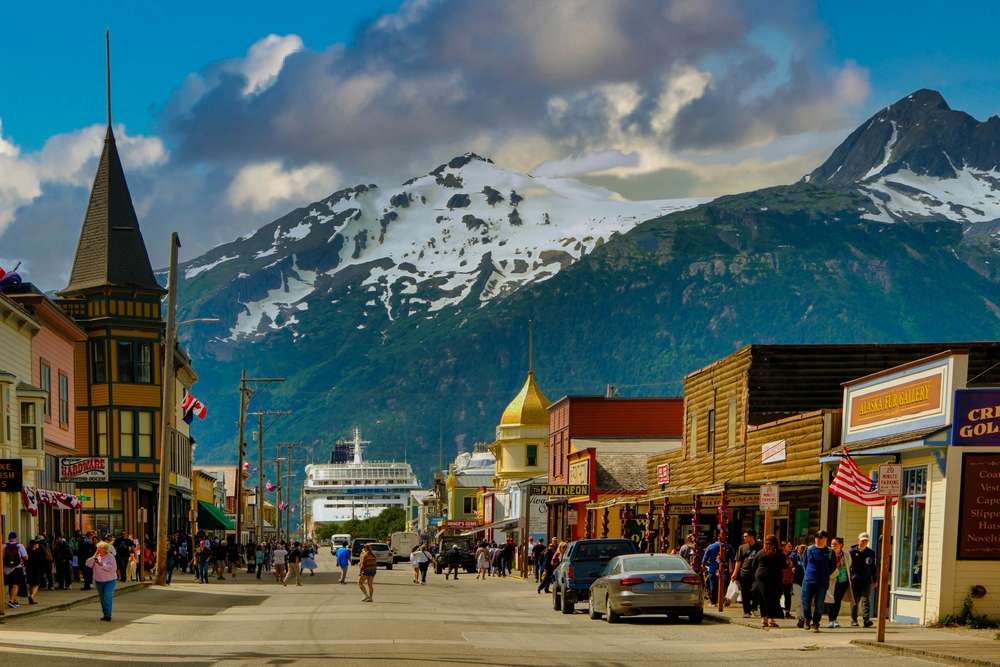
Skagway exploded during the Klondike Gold Rush, serving as a gateway rather than a mining site itself. When the rush ended, the town’s purpose vanished almost overnight. Tourism and preservation later revived it. Today, Skagway survives as a living monument to gold rush ambition within Alaska’s U.S. travel landscape.
Bodie, California
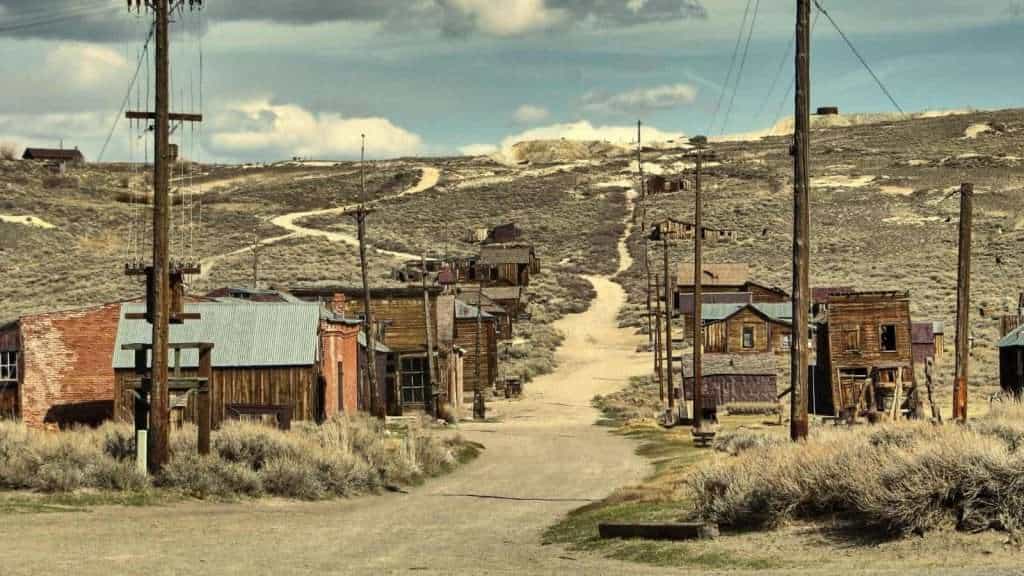
Bodie represents the edge between survival and abandonment. Once a thriving gold town, it collapsed into near-total emptiness. Preservation as a state historic park prevented complete erasure. While largely frozen in time, Bodie still exists as a maintained site, reflecting how some mining towns survive without modern reinvention.
Philipsburg, Montana

Philipsburg boomed with silver mining, then declined sharply when operations ceased. Rather than surrendering to decay, the town restored historic buildings and embraced heritage tourism. Community-driven efforts transformed collapse into opportunity. Travelers exploring Montana often find Philipsburg a testament to persistence rooted in pride rather than profit.
Park City, Utah
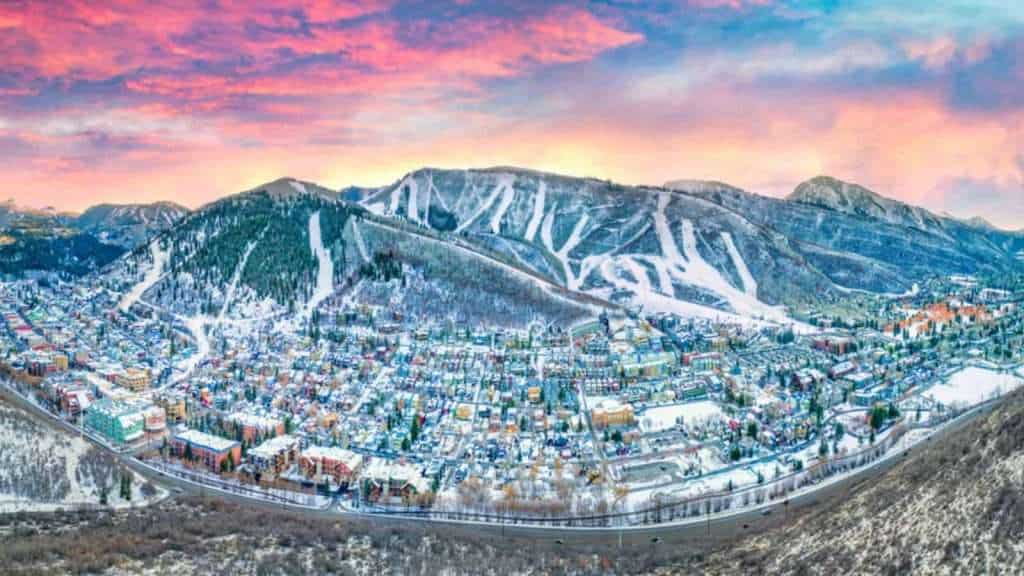
Park City thrived on silver mining before economic collapse forced adaptation. The town reinvented itself through winter sports, transforming abandoned mines into ski runs. Unlike many mining towns, Park City’s revival reached global prominence. Still, its mining past remains visible, grounding its success in history rather than erasing it.

Deborah Montiero is a seasoned travel writer and contributor to Probe the Globe. With a passion for uncovering hidden gems and sharing immersive travel experiences, Deborah’s work highlights must-visit destinations, insider tips, and practical advice for travelers of all types. Whether exploring bustling cities or remote escapes, her articles are crafted to inspire and inform, making her a trusted voice in the travel community.
Her storytelling weaves together cultural insights, logistical tips, and authentic experiences, making her a valuable resource for readers seeking unforgettable journeys.
When not writing, Deborah is likely researching the latest travel trends or planning her next adventure. Follow her work on Probe the Globe for fresh perspectives and up-to-date travel inspiration.