Secrets About Tokyo That Will Surprise You
Tokyo perfectly blends tradition with innovation and creativity. Known for its cutting-edge technology, futuristic skyline, and rich cultural heritage, Japan’s capital has long fascinated travelers. But beneath the neon lights and towering skyscrapers, Tokyo hides some surprising secrets.
Tokyo Isn’t Technically a City
While most people refer to Tokyo as a city, it’s actually classified as a metropolitan prefecture. This makes it a unique blend of both city and prefecture, consisting of 23 special wards, each with its own mayor and city council. In addition to these wards, Tokyo also encompasses smaller suburban cities, towns, and even rural areas, giving it a much broader geographical range than most people realize.
You Can Visit an Underground Temple of Waste Management
One of Tokyo’s most unexpected places is the G-Cans Project, a massive underground flood tunnel system designed to protect the city from flooding. Known as the “Underground Temple,” this enormous space features cathedral-like pillars and an impressive drainage system. While it serves a critical infrastructure purpose, tourists can visit and explore this hidden marvel, which looks like something out of a sci-fi movie.
Tokyo Has a Secret Train Station for the Imperial Family
Hidden in plain sight at Tokyo Station is a secret platform known as Platform 13.5. This exclusive train platform is reserved for the use of Japan’s Imperial family and high-ranking officials. It’s a secure, private area connected to a royal train, and while the public can’t access it, its existence adds a touch of mystery to Tokyo’s vast rail network.
Vending Machines Offer More Than Just Snacks
Tokyo is famous for its vending machines, but what surprises many visitors is the incredible variety of items you can purchase from them. Beyond the typical snacks and drinks, Tokyo’s vending machines sell everything from hot meals, umbrellas, and fresh flowers to ties, batteries, and even hamburgers. Some machines even dispense religious fortunes or canned bread, adding a quirky twist to everyday life.
There’s a Whole Street Dedicated to Kitchenware
For those who love to cook or are interested in Japanese culinary tools, Kappabashi Street, also known as “Kitchen Town,” is a dream come true. This street is lined with shops selling everything a chef could need, from professional knives and ceramics to fake plastic food models (a popular feature in restaurant displays). It’s a hidden gem for anyone fascinated by Japanese cuisine or food culture.
Tokyo Has More Michelin-Starred Restaurants Than Any Other City
Paris may be known for its gourmet food, but Tokyo holds the record for having the most Michelin-starred restaurants in the world. As of recent counts, Tokyo boasts over 200 Michelin-starred establishments, ranging from high-end sushi restaurants to intimate ramen shops. This cements Tokyo as a global food capital, with culinary delights around every corner.
You Can Experience Old Tokyo in Yanaka
While much of Tokyo is sleek and modern, Yanaka offers a rare glimpse into the city’s past. This neighborhood survived the bombings of World War II, leaving behind charming traditional wooden houses, quiet alleys and old-fashioned shops. Strolling through Yanaka feels like stepping back in time, providing a peaceful escape from the urban hustle.
Tokyo’s Parks Transform with the Seasons
Tokyo’s parks are famous for their cherry blossoms in the spring, but they offer so much more. In the autumn, parks like Shinjuku Gyoen and Ueno Park turn into vibrant tapestries of red, orange and yellow as the leaves change color. Winter brings quiet, snow-dusted landscapes, while summer showcases lush greenery. Each season brings a unique charm, making Tokyo’s parks a year-round destination.
Public Toilets Are an Experience in Themselves
Tokyo’s public toilets are more than just functional; they’re an experience. Many of the city’s bathrooms, particularly in upscale areas, feature heated seats, bidet functions, music, and even ambient lighting. Recently, designer Shigeru Ban created transparent public toilets in Shibuya, which turn opaque when in use, showcasing Tokyo’s innovative approach to even the most mundane aspects of life.
You Can Go Shrine Hopping on an Island Within the City
Located in Tokyo Bay, Odaiba is an artificial island that offers more than just futuristic shopping malls and entertainment. It’s also home to the Odaiba Shrine, a hidden cultural gem that lets visitors explore traditional Shinto practices in an unexpected setting. The island itself has a laid-back atmosphere and is a wonderful mix of modern and sacred.
Tokyo Has a Hidden Village in the Sky
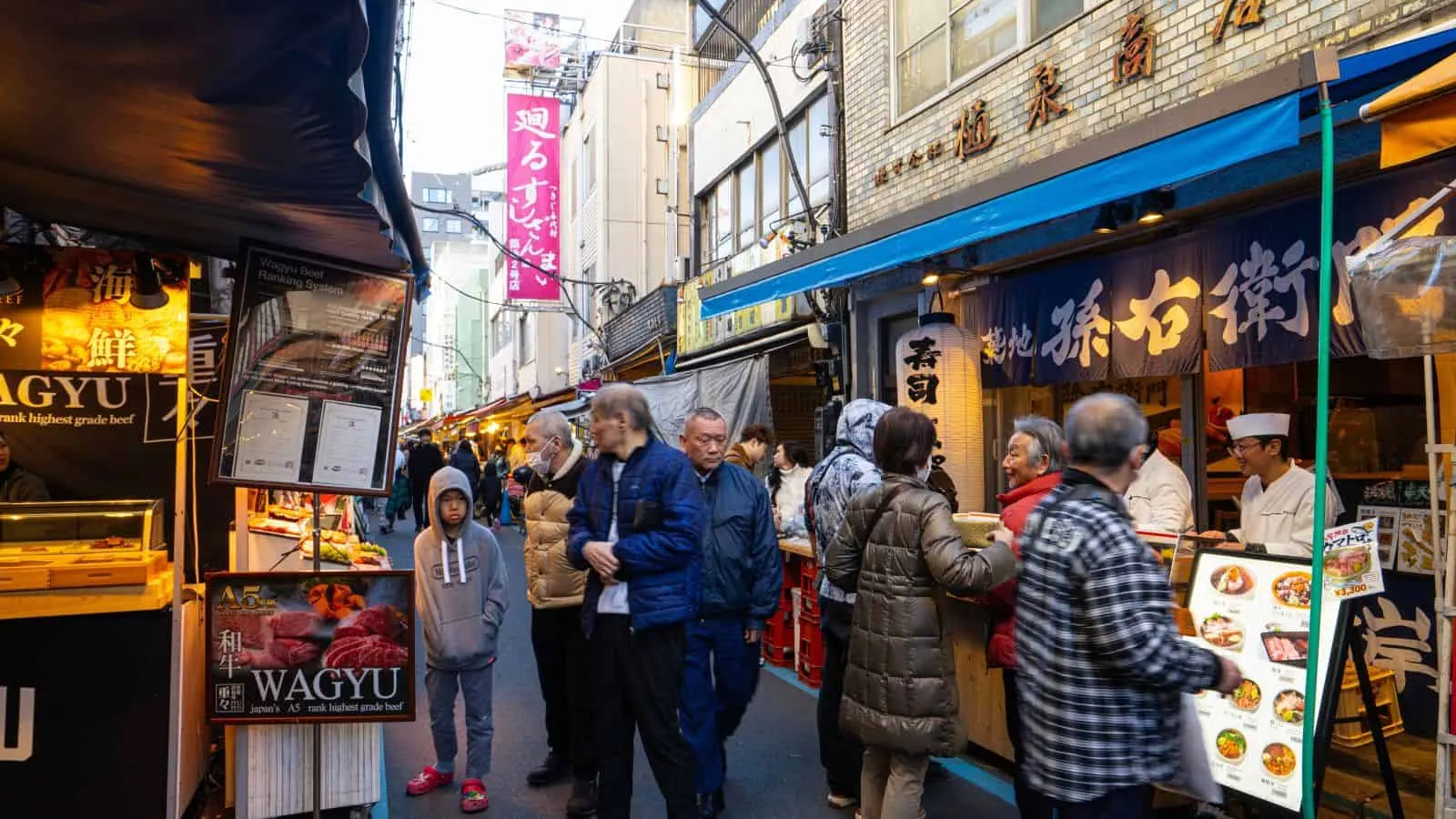
In the skyscraper district of Shinjuku, you’ll find Shinjuku Omoide Yokocho, also known as “Memory Lane.” This hidden network of narrow alleys is packed with tiny, old-fashioned restaurants and izakayas (Japanese bars) where locals and tourists can experience authentic Japanese food. Although it’s tucked away between modern buildings, Memory Lane retains the atmosphere of a bygone era, with the smell of grilled meats and cozy dining spaces creating a nostalgic feel.
Tokyo’s Capsule Hotels Are Surprisingly Luxurious
Originally designed as a cheap and functional place to sleep, Tokyo’s capsule hotels have evolved into something much more. Many now offer luxury options, with comfortable, high-tech capsules featuring TVs, air conditioning, and even soft lighting for relaxation. Some even provide communal lounges, hot baths and premium toiletries, making a stay in a capsule hotel an unexpectedly comfortable and enjoyable experience.

Deborah Montiero is a seasoned travel writer and contributor to Probe the Globe. With a passion for uncovering hidden gems and sharing immersive travel experiences, Deborah’s work highlights must-visit destinations, insider tips, and practical advice for travelers of all types. Whether exploring bustling cities or remote escapes, her articles are crafted to inspire and inform, making her a trusted voice in the travel community.
Her storytelling weaves together cultural insights, logistical tips, and authentic experiences, making her a valuable resource for readers seeking unforgettable journeys.
When not writing, Deborah is likely researching the latest travel trends or planning her next adventure. Follow her work on Probe the Globe for fresh perspectives and up-to-date travel inspiration.