10 Scandinavian Towns That Offer a Glimpse into Viking History
The Vikings are legendary for their seafaring exploits, warrior culture, and rich mythology, and their legacy continues to captivate us. In Scandinavia, their homeland, many towns still preserve ancient traditions and history that echo the Viking age. Join us as we explore ten Scandinavian towns where the spirit of the Vikings remains vibrant and alive.
Roskilde, Denmark

Roskilde, located just outside Copenhagen, is a must-visit for anyone interested in Viking history. Once the capital of Denmark, this town is home to the Roskilde Viking Ship Museum, which houses five well-preserved Viking ships that were discovered in nearby waters. The museum also offers visitors a chance to see Viking shipbuilding techniques in action and you can even take a sail in a reconstructed Viking ship. Roskilde’s medieval cathedral, a UNESCO World Heritage site, is also an important historical site connected to Danish royalty and Viking ancestry.
Ribe, Denmark

Denmark’s oldest town, Ribe, dates back to the early 8th century and was a significant trading post during the Viking Age. The Ribe Viking Center is an open-air museum that recreates Viking life, complete with costumed reenactors, workshops and reconstructed longhouses. Visitors can engage with daily life as it was for the Vikings, from blacksmithing to archery. The town also features Ribe Cathedral, offering stunning views and a historical backdrop to Viking and medieval Denmark.
Jelling, Denmark

Jelling is a small town with an immense historical legacy. It’s home to the Jelling Stones, a UNESCO World Heritage site considered the “birth certificate” of Denmark. These runestones, erected by Viking kings Gorm the Old and his son Harald Bluetooth, mark the conversion of Denmark to Christianity. The Jelling Monuments, which include burial mounds and a church, give a fascinating look at Viking-era power and religious shifts.
Birka, Sweden

Birka, located on the island of Björkö in Lake Mälaren, is one of Sweden’s most significant Viking sites. Established in the 8th century, Birka was a major trading hub during the Viking Age. Visitors can explore the Birka Viking Village, where reconstructed buildings, archaeological remains and interactive exhibits help illustrate daily Viking life. Guided tours and boat trips to Birka offer a rich narrative of the town’s historical importance.
Uppsala, Sweden
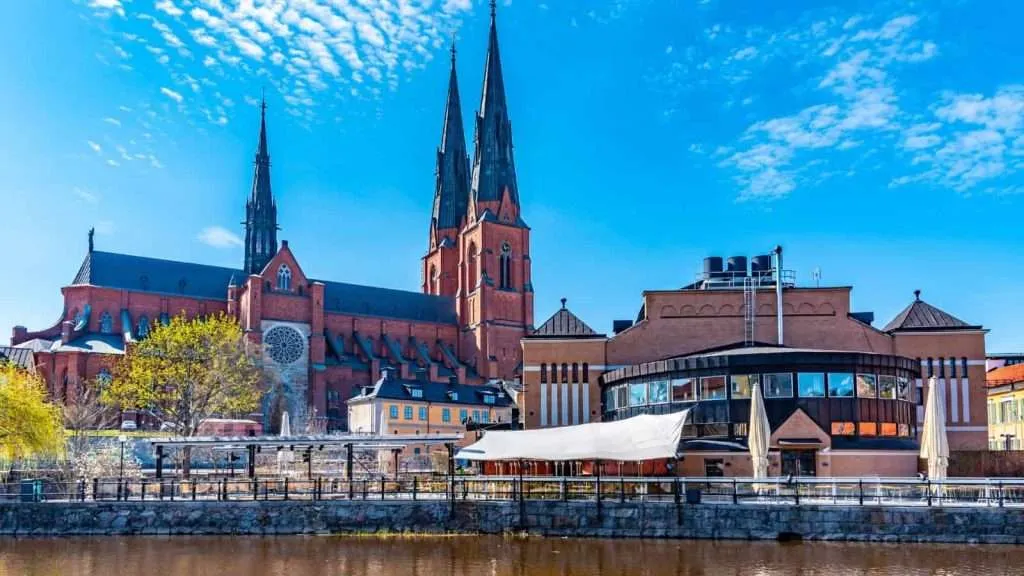
Uppsala holds a deep connection to Viking-era spirituality and politics. It was once the heart of the pagan religious practices of the Vikings. The nearby Gamla Uppsala (Old Uppsala) features ancient burial mounds believed to be the final resting place of Viking kings. Gamla Uppsala Museum explores the religious significance of the area and offers guided tours of the burial sites. Today, Uppsala Cathedral stands as a symbol of Sweden’s shift from paganism to Christianity, marking an important chapter in Viking history.
Tønsberg, Norway

As Norway’s oldest town, Tønsberg was a vital Viking settlement and remains a rich source of Viking heritage. The Slottsfjell Museum contains a wealth of Viking artifacts, including a replica of the Oseberg ship, one of the most famous Viking burial ships ever discovered. Every summer, Tønsberg hosts the Viking Festival, featuring reenactments, Viking markets and battles, offering visitors an immersive experience of Viking culture and warfare.
Stavanger, Norway
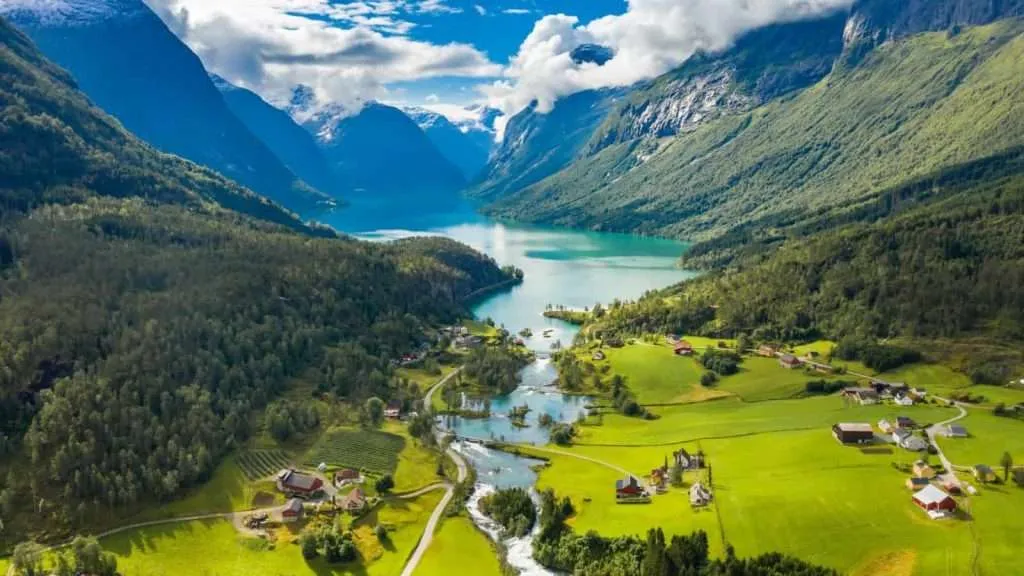
Stavanger, located on Norway’s west coast, has strong ties to the Viking era. The nearby Hafrsfjord is where King Harald Fairhair famously unified Norway after a decisive battle in the late 9th century. A monument called Swords in Rock (Sverd i fjell) marks the site of this historic event, featuring three massive swords embedded in stone. Stavanger also has the Archaeological Museum, which houses Viking-era artifacts and provides insights into the daily life of the Vikings who once ruled the area.
Lofoten, Norway
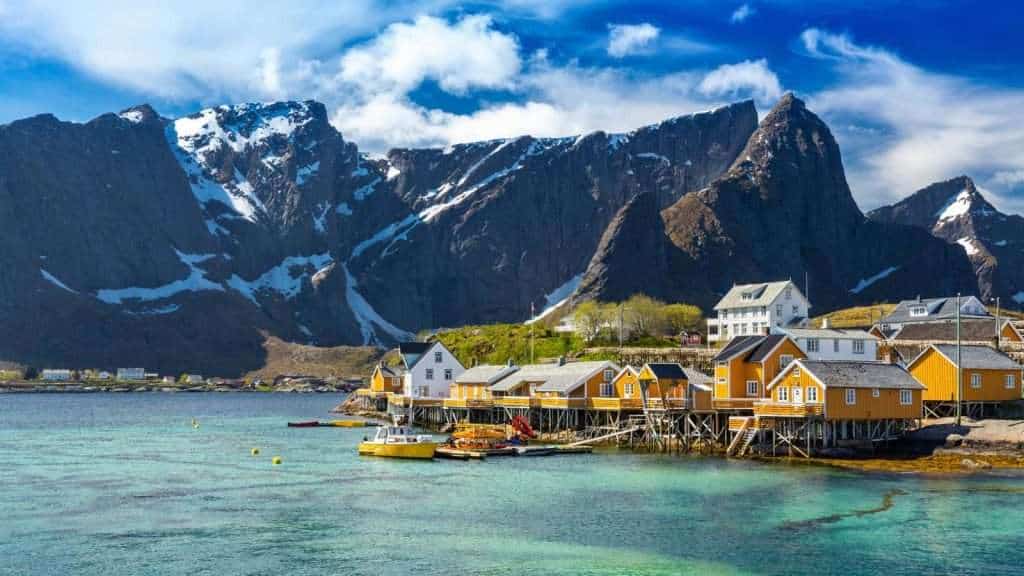
The Lofoten Islands, located in northern Norway, are home to the largest Viking longhouse ever discovered. The Lofotr Viking Museum in Borg allows visitors to explore a reconstructed Viking longhouse, once home to a powerful chieftain. The museum offers hands-on activities like traditional Viking feasts, archery and sailing in Viking ships. The dramatic landscapes of Lofoten, with its rugged mountains and fjords, add to the sense of Viking adventure that still permeates the region.
Kaupang, Norway

Kaupang was one of the first urban settlements in Norway, founded in the late 8th century. It was a major trading center during the Viking Age and played a crucial role in the economic expansion of Scandinavia. Today, you can visit the Kaupang Viking Town, where archaeologists have uncovered countless artifacts, including jewelry, coins and tools. The nearby Kaupang Museum offers insights into the town’s significance and visitors can take guided tours to learn more about the Viking merchants who once inhabited this coastal settlement.
Aarhus, Denmark

Aarhus, Denmark’s second-largest city, is a treasure trove of Viking history. Known as Aros during the Viking Age, Aarhus was an important trading and military hub. Visitors can explore the Moesgaard Museum, which houses the famous Viking Age exhibit, showcasing artifacts such as Viking weapons, jewelry and the preserved bodies of ancient warriors. The Viking Moot, an annual event held at the museum, brings the Viking era to life with reenactments, markets and workshops. Aarhus is also home to Viking fortifications and burial sites, making it a must-visit for anyone fascinated by Viking history and culture.

Deborah Montiero is a seasoned travel writer and contributor to Probe the Globe. With a passion for uncovering hidden gems and sharing immersive travel experiences, Deborah’s work highlights must-visit destinations, insider tips, and practical advice for travelers of all types. Whether exploring bustling cities or remote escapes, her articles are crafted to inspire and inform, making her a trusted voice in the travel community.
Her storytelling weaves together cultural insights, logistical tips, and authentic experiences, making her a valuable resource for readers seeking unforgettable journeys.
When not writing, Deborah is likely researching the latest travel trends or planning her next adventure. Follow her work on Probe the Globe for fresh perspectives and up-to-date travel inspiration.