
8 Secret U.S.Historical Sites That Tell Stories You Never Knew
The United States has many famous sites like The Statue of Liberty and Independence Hall, that allow visitors to explore the history of the U.S. While these sites draw millions of visitors there are less well-known places that tell fascinating stories about America’s past. We explore eight U.S. historical sites that uncover stories you have probably never heard about:
The Whitney Plantation, Wallace, Louisiana

While many plantation tours in the South focus on the grand architecture and the lives of the wealthy owners, the Whitney Plantation, on the banks of the Mississippi River, does something different. Tourists can gain a true insight into the lives of the enslaved through a variety of stories, film and photographs. The plantation leaves people with a profound appreciation for the resilience people experienced in the face of unimaginable hardship during their time at Whitney.
Manzanar National Historic Site, California

Over 120,000 Japanese Americans were forcibly relocated to internment camps during World War II, with Manzanar being one of them. With first-hand accounts from people who were imprisoned there, the visitor center inside the camp stands as a memorial to this dark period in American history. Additionally, you may go through the renovated barracks and cemetery, which serve as a moving reminder of the bigotry that prevailed at the time. You can also take a walk through the restored barracks and a cemetery that is a poignant reminder of prejudice that existed during that time. The stories of how those who lived here were stripped of their rights are a crucial part of America’s wartime history that everyone should hear.
The Cahokia Mounds, Collinsville, Illinois

The Cahokia Mounds State Historic Site, located near St. Louis, Missouri, is the remnants of a once-thriving pre-Columbian city. This ancient metropolis, home to thousands of people in 1050-1350 AD and was a center of trade, agriculture, and religious ceremony. The mounds are remnants of pre-Columbian culture and show the intricate social hierarchy of the time.
The Sand Creek Massacre National Historic Site, Colorado

In 1864, one of the most shameful events in American history took place in southeastern Colorado. The Sand Creek Massacre saw a peaceful village of Cheyenne and Arapaho people attacked by U.S. soldiers, resulting in the brutal deaths of around 150 Native Americans, most of them women and children. Dedicated to the memory of those who suffered, this site is a powerful reminder of the brutal injustices endured by Native American communities as the West expanded.
The Women’s Rights National Historical Park, Seneca Falls, New York
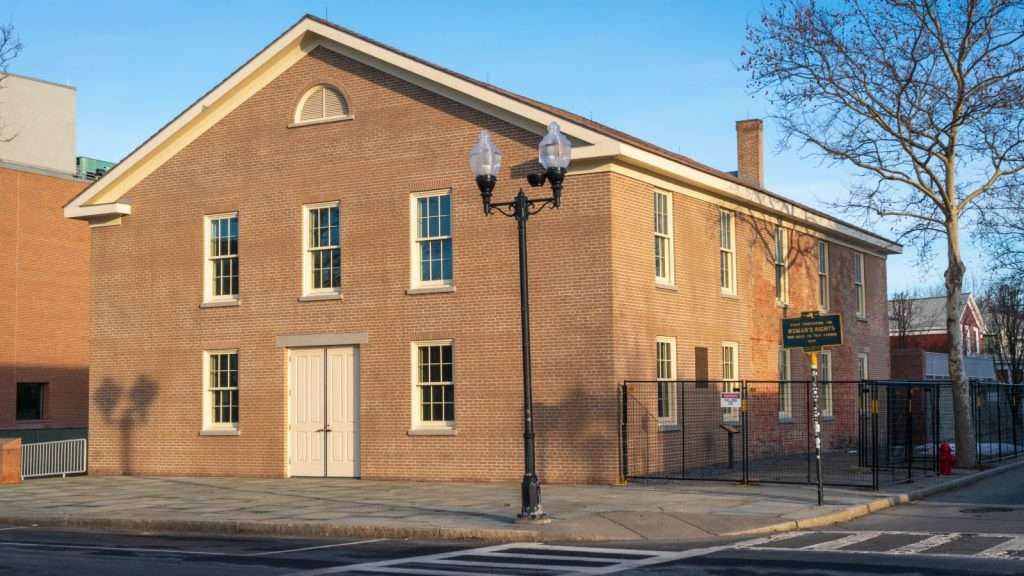
Seneca Falls ignited the spark that would become a nationwide movement for women’s rights. The historic gathering here was a pivotal moment in American history that laid the groundwork for the struggle for gender equality. Visitors can learn about activists like Elizabeth Cady Stanton and Lucretia Mott who were true trailblazers of the movement. You can also explore the Wesleyan Chapel, where the convention was held and learn about the ongoing fight for gender equality.
The Tuskegee Airmen National Historic Site, Tuskegee, Alabama

The Tuskegee Airmen were the first African American military pilots in the U.S. armed forces, breaking barriers in a segregated military during World War II. Moton Field was the proving ground for the Tuskegee Airmen. These courageous pilots trained at this historic site before taking to the skies in World War II. The site preserves hangars, training facilities and aircraft and tells the story of these brave pioneers who fought for both their country and their rights.
The Lowell National Historical Park, Lowell, Massachusetts
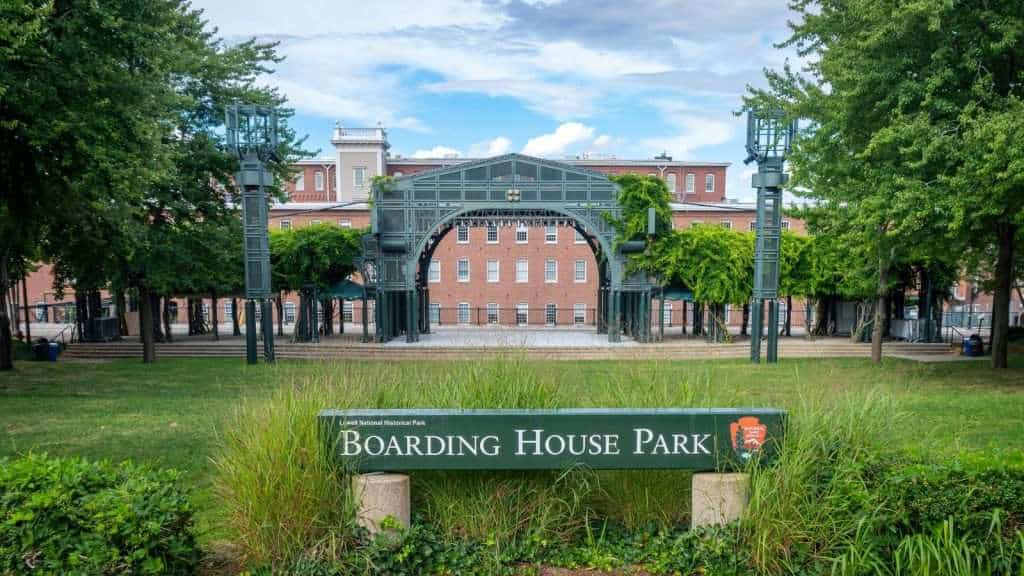
The industrial revolution transformed America from a largely agrarian society to an industrial powerhouse. Lowell, Massachusetts, was at the center of this transformation and the Lowell National Historical Park preserves the mills, canals, and boarding houses that defined this era. This museum goes beyond the machines to reveal the human stories at the heart of the Industrial Revolution as it highlights the roles of women and immigrants in powering this transformative era and explores the societal and economic impacts of industrialization.
The Angel Island Immigration Station, San Francisco, California
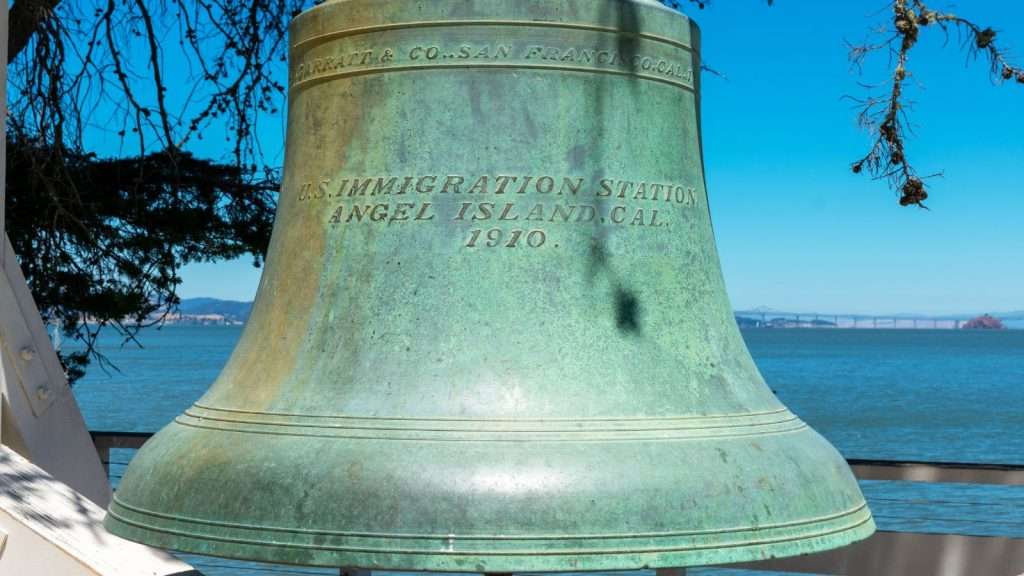
Often referred to as the “Ellis Island of the West,” Angel Island was the primary entry point for immigrants, particularly from Asia, arriving on the West Coast from 1910 to 1940. But, unlike Ellis Island, where most European immigrants were processed relatively quickly, Angel Island was notorious for its harsh treatment and prolonged detentions of Chinese immigrants due to the Chinese Exclusion Act. The stories of these immigrants, many of whom carved poems into the walls of the detention barracks, reveal a part of America’s immigration history that has rarely been shared.

Deborah Montiero is a seasoned travel writer and contributor to Probe the Globe. With a passion for uncovering hidden gems and sharing immersive travel experiences, Deborah’s work highlights must-visit destinations, insider tips, and practical advice for travelers of all types. Whether exploring bustling cities or remote escapes, her articles are crafted to inspire and inform, making her a trusted voice in the travel community.
Her storytelling weaves together cultural insights, logistical tips, and authentic experiences, making her a valuable resource for readers seeking unforgettable journeys.
When not writing, Deborah is likely researching the latest travel trends or planning her next adventure. Follow her work on Probe the Globe for fresh perspectives and up-to-date travel inspiration.