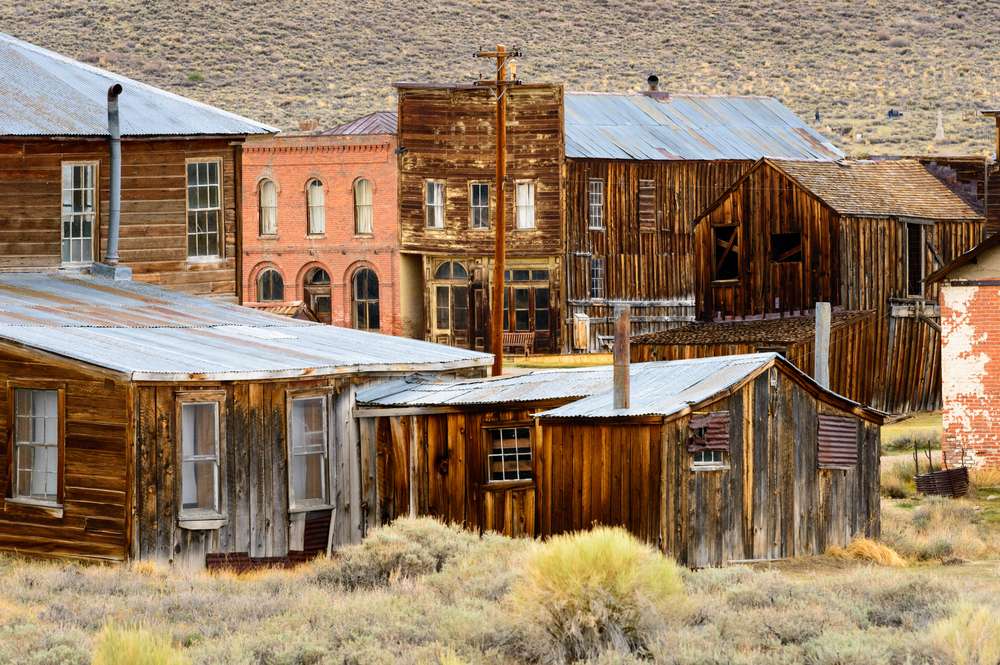

22 U.S. Waterfront Promenades With Histories That Don’t Match the Postcards
Waterfront promenades are often presented as polished highlights of U.S. travel, framed by sunsets, sailboats, and cheerful crowds. What many postcards leave out are the harder histories tied to these scenic walkways—stories of labor exploitation, displacement, pollution, and conflict. Beneath the joggers and ice cream stands are layers of past lives and forgotten struggles that shaped these shores. Here are 22 U.S. Waterfront Promenades With Histories That Don’t Match the Postcards
The Embarcadero, San Francisco, California
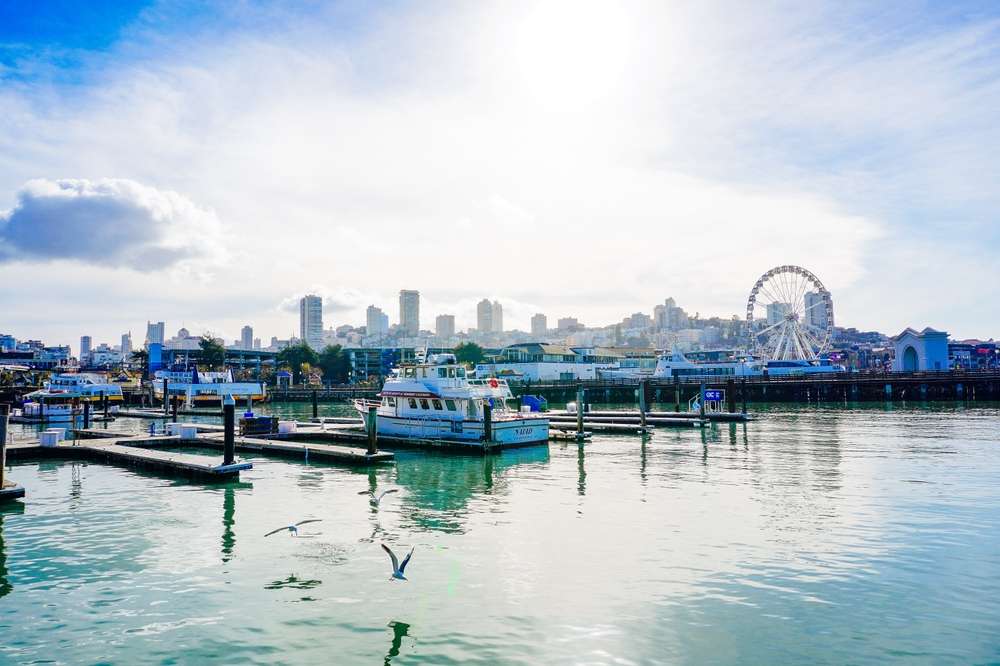
Today’s Embarcadero feels open and breezy, but its history is rooted in congestion and decay. For decades, this waterfront was dominated by an elevated freeway that cut the city off from the bay and trapped pollution below. Earlier still, it functioned as a rough-and-tumble port filled with saloons, labor disputes, and maritime crime. The promenade’s clean lines mask a long struggle to reclaim public space from industry and infrastructure.
Brooklyn Heights Promenade, Brooklyn, New York

This elevated walkway offers postcard views of Manhattan, yet it was built as damage control. Its construction was tied to the Brooklyn-Queens Expressway, which destroyed entire neighborhoods below. Working-class families were displaced to create a buffer between luxury housing and highway noise. The calm, scenic promenade hides the reality that it exists because of urban upheaval rather than careful planning.
Santa Monica Pier and Promenade, California
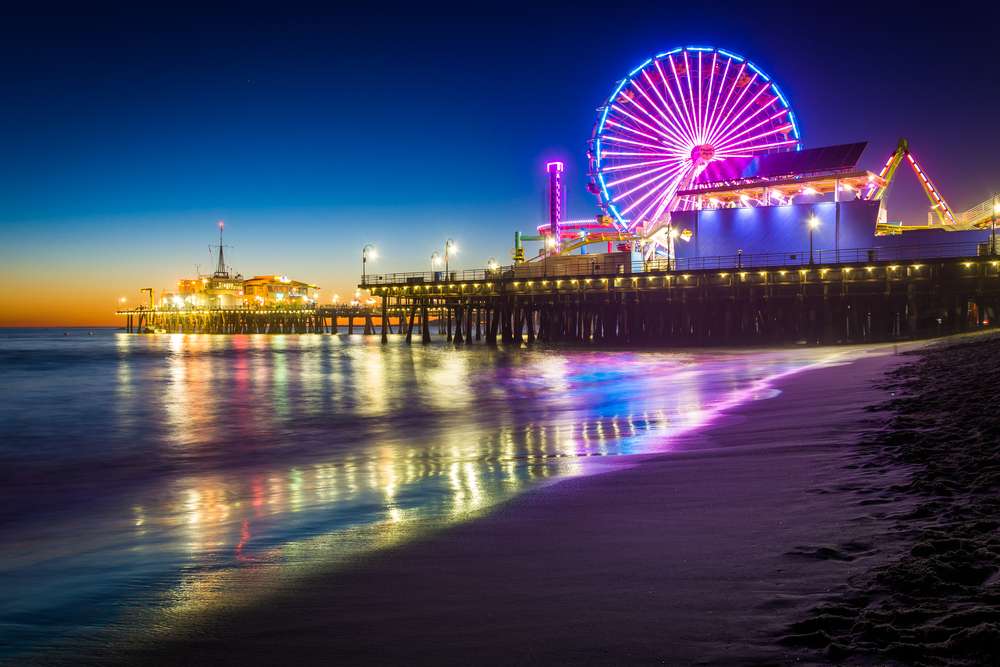
The Santa Monica waterfront is marketed as carefree, but its past includes pollution and exclusion. For years, nearby waters were contaminated by industrial runoff and sewage. Access to beach facilities was once limited by race and class. The modern promenade represents reinvention, but it stands atop a history of environmental neglect and social barriers that shaped coastal California travel.
Riverwalk, San Antonio, Texas
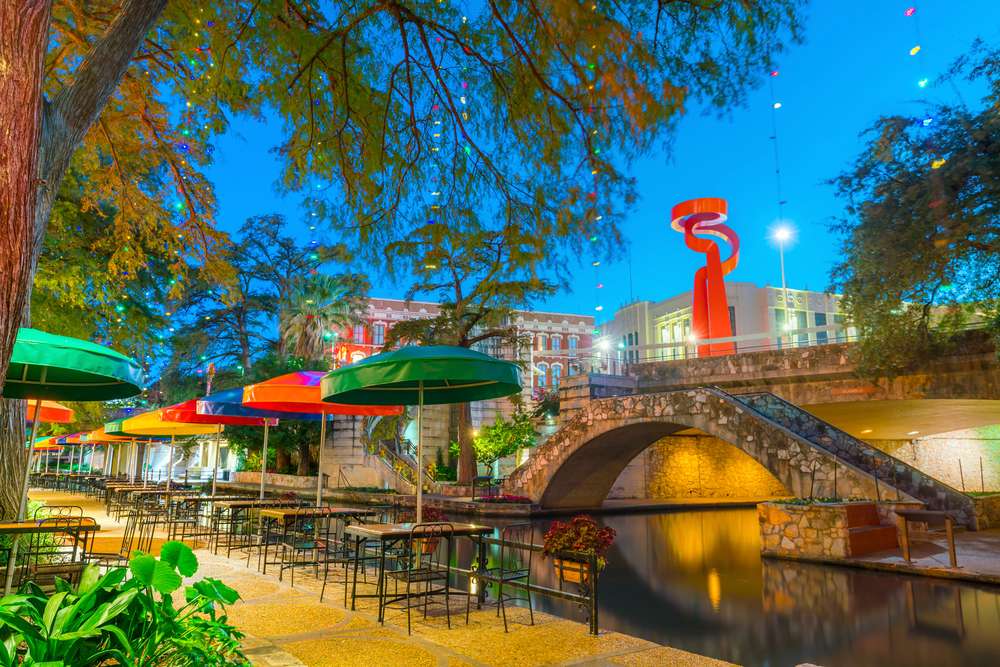
The Riverwalk feels festive today, yet it was born from disaster. Severe flooding in the early 20th century killed dozens and devastated downtown. The promenade was part of a flood-control project that also displaced residents along the riverbanks. While now central to Texas tourism, the Riverwalk began as a response to tragedy rather than leisure.
Navy Pier, Chicago, Illinois

Navy Pier’s bright attractions conceal its utilitarian origins. It was built as a shipping and training facility, later serving as a military center during wartime. Immigrant labor played a major role in its construction and operation, often under harsh conditions. The transformation into a family-friendly promenade softened a site shaped by industry and national defense.
Battery Park Esplanade, New York City

Battery Park’s waterfront views once framed defensive structures and immigration processing centers. The area saw constant movement of soldiers, immigrants, and cargo. It also bore the brunt of landfill projects that reshaped Manhattan’s shoreline. The peaceful promenade now sits on ground created through aggressive expansion, masking centuries of human and environmental disruption.
Charleston Waterfront Park, South Carolina
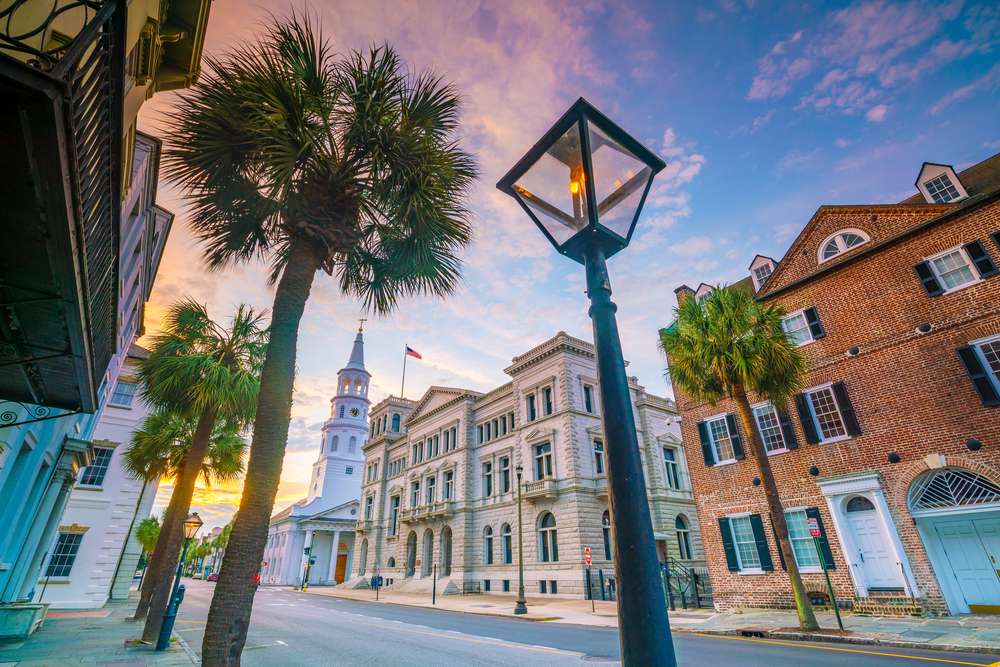
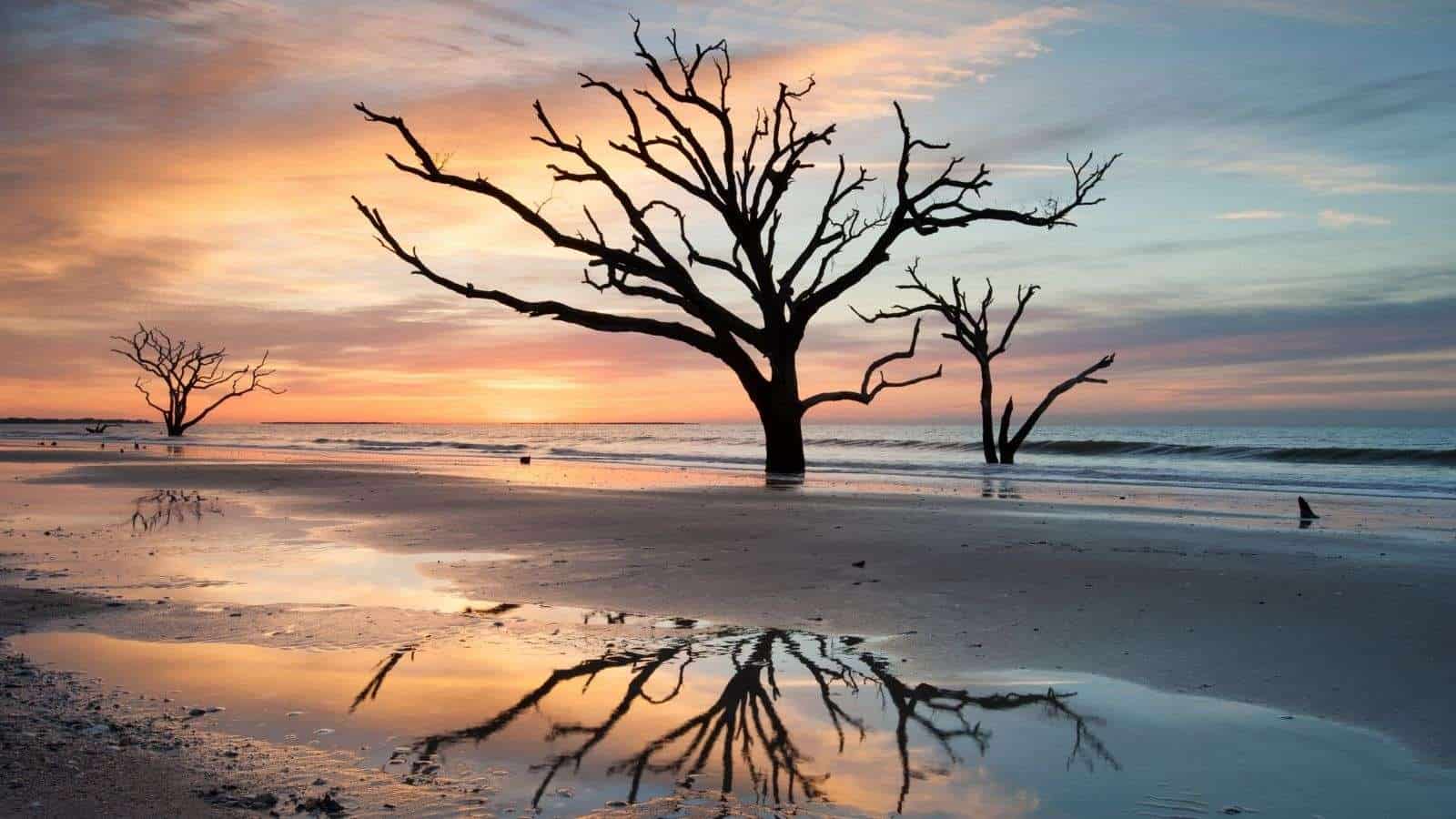
Charleston’s waterfront beauty contrasts sharply with its role in the transatlantic slave trade. Ships once arrived carrying enslaved Africans, and nearby wharves hosted auctions and detentions. The modern park avoids explicit references to this past, focusing instead on fountains and views. Visitors enjoying coastal U.S. travel often miss how deeply the site is tied to human suffering.
Baltimore Inner Harbor Promenade, Maryland

The Inner Harbor’s revival followed decades of industrial collapse. Once dominated by shipping warehouses and polluted waters, the area became economically depressed as maritime trade declined. Redevelopment displaced long-standing communities and rebranded the waterfront for tourism. The promenade’s success story obscures the social costs that accompanied Baltimore’s reinvention.
Seattle Waterfront, Washington
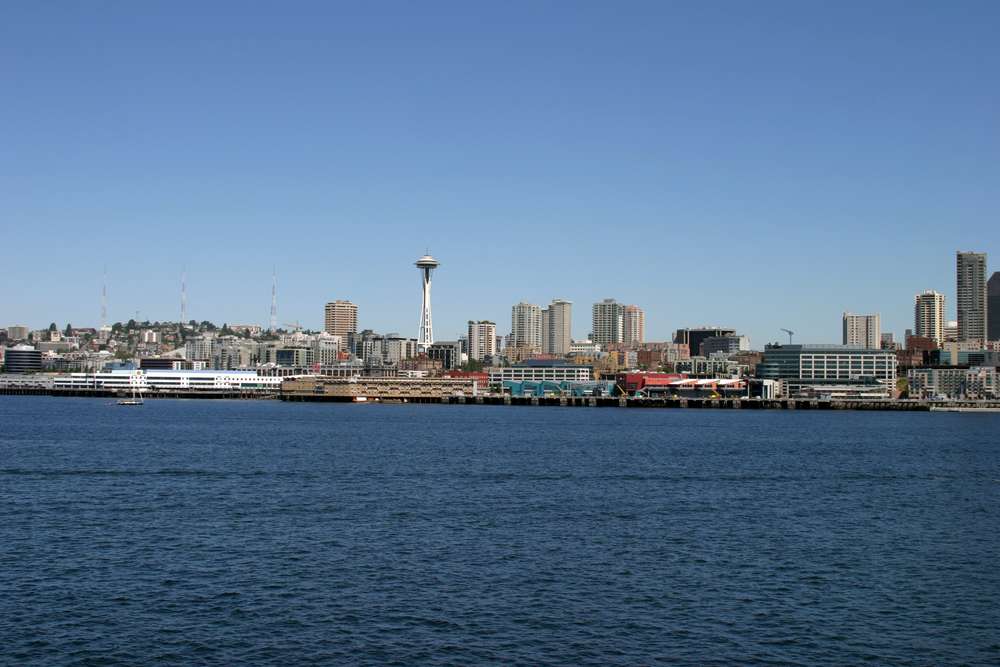
Seattle’s waterfront promenade masks a history of displacement and environmental alteration. Indigenous communities were pushed aside as piers and rail lines expanded. The shoreline itself was reshaped through massive regrading projects. While today’s promenade emphasizes walkability and views, it exists because the natural coastline was fundamentally changed to support commerce.
New Orleans Riverfront, Louisiana
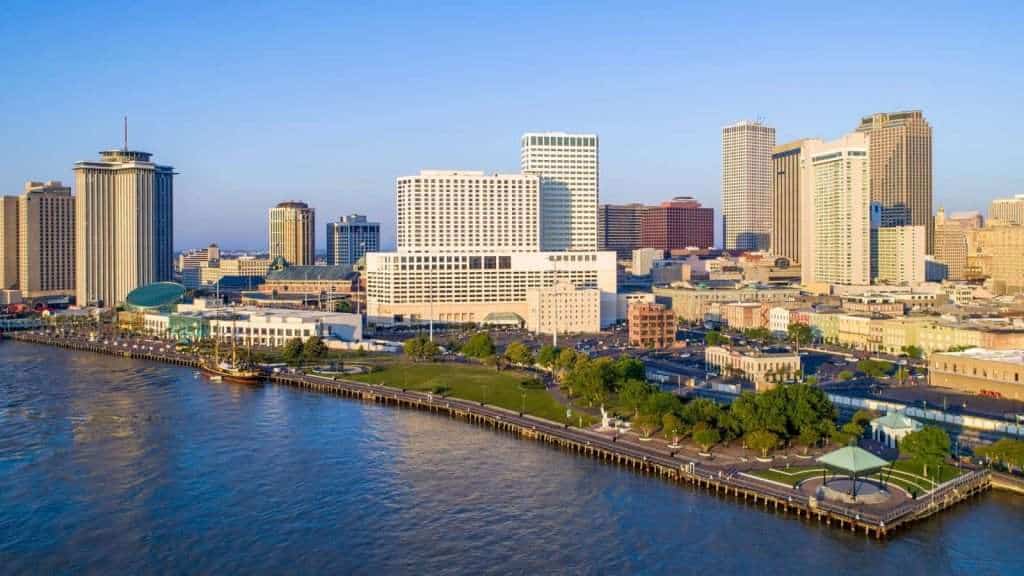
The Mississippi Riverfront is central to New Orleans culture, but it was also a site of intense labor exploitation. Dockworkers faced dangerous conditions, racial segregation, and violent suppression of unions. Flooding and levee failures repeatedly devastated nearby neighborhoods. The promenade’s festive image contrasts with a past defined by hardship and resilience.
Portland Waterfront Park, Oregon

This green promenade replaced a busy highway that once lined the Willamette River. Before redevelopment, the area was noisy, polluted, and cut off from public access. Earlier still, it served as a working port with little concern for environmental impact. The park’s success story often overlooks how long residents fought to reclaim the river from infrastructure.
Detroit Riverwalk, Michigan
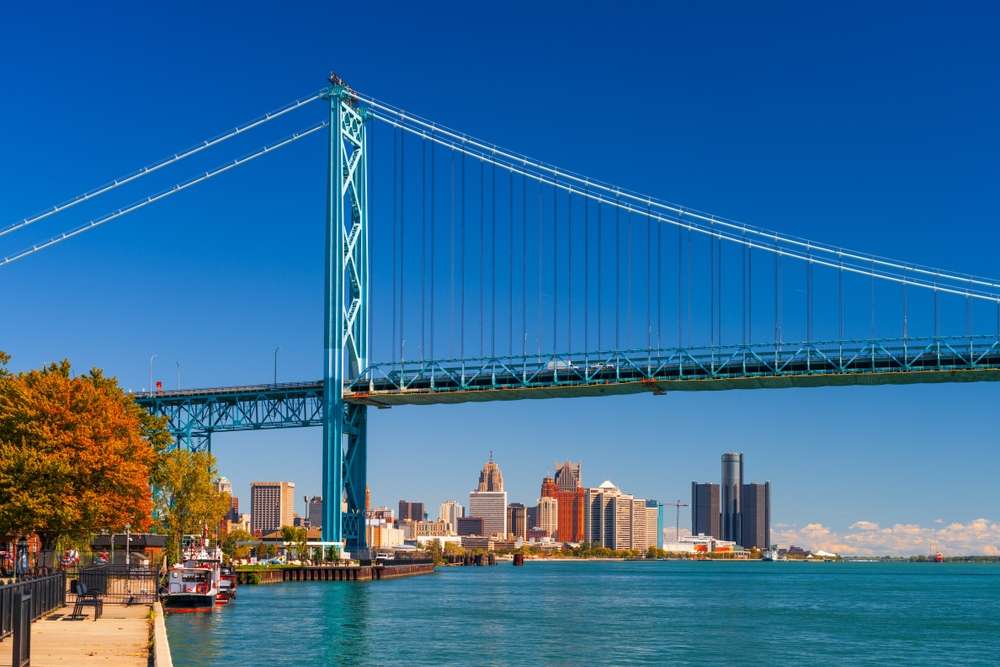
Detroit’s riverfront was long dominated by factories and shipping yards. Pollution rendered the water unsafe, and access was limited. The Riverwalk represents environmental recovery and economic hope, but it also followed decades of industrial decline that cost thousands of jobs. The scenic path now contrasts sharply with the hardship that once defined the area.
San Diego Embarcadero, California
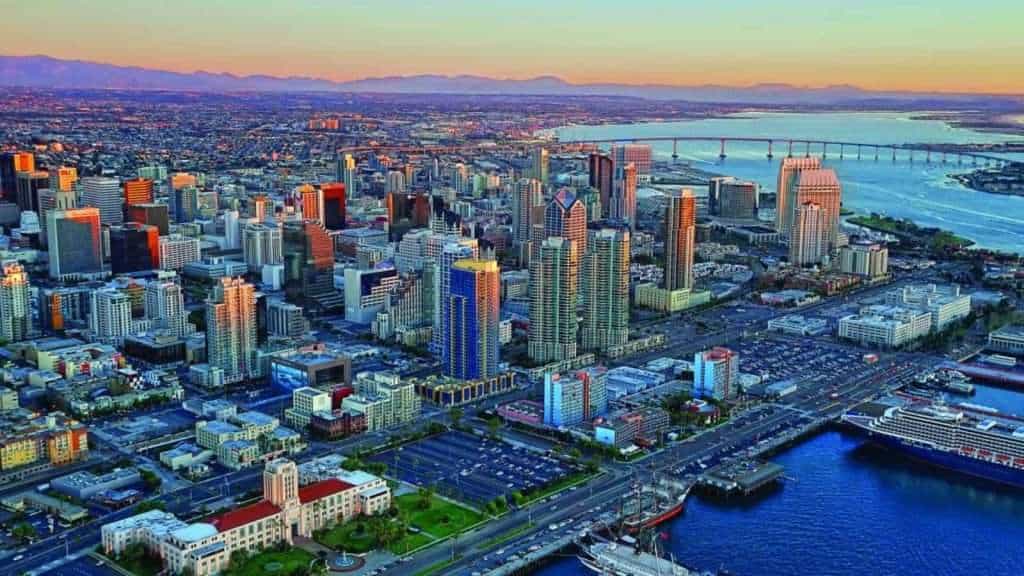
San Diego’s waterfront promenade grew alongside naval expansion and commercial shipping. Military presence restricted access for years, and working-class neighborhoods nearby were reshaped or removed. The area’s calm, tourist-friendly atmosphere belies its strategic importance during wartime and its role in reshaping the city’s social geography.
Boston Harborwalk, Massachusetts

The Harborwalk traces a shoreline once clogged with industrial waste and restricted docks. Public access was limited, and pollution damaged marine ecosystems. Legal battles forced developers to open the waterfront to the public. The path’s continuity hides how fragmented and inaccessible the harbor once was for ordinary residents.
Tampa Riverwalk, Florida

The Hillsborough River corridor was once lined with warehouses and shipping operations. Flooding and pollution were common, and public access was minimal. Redevelopment prioritized tourism and entertainment, altering the city’s economic focus. The Riverwalk’s polished surface conceals a history of industrial use and environmental strain.
Cleveland Lakefront Promenade, Ohio
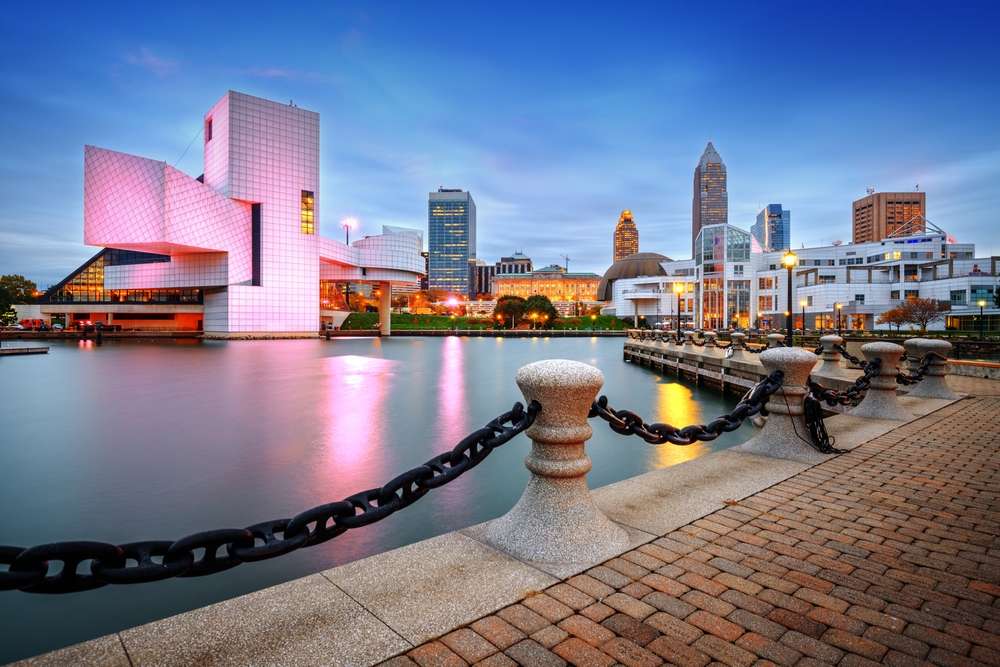
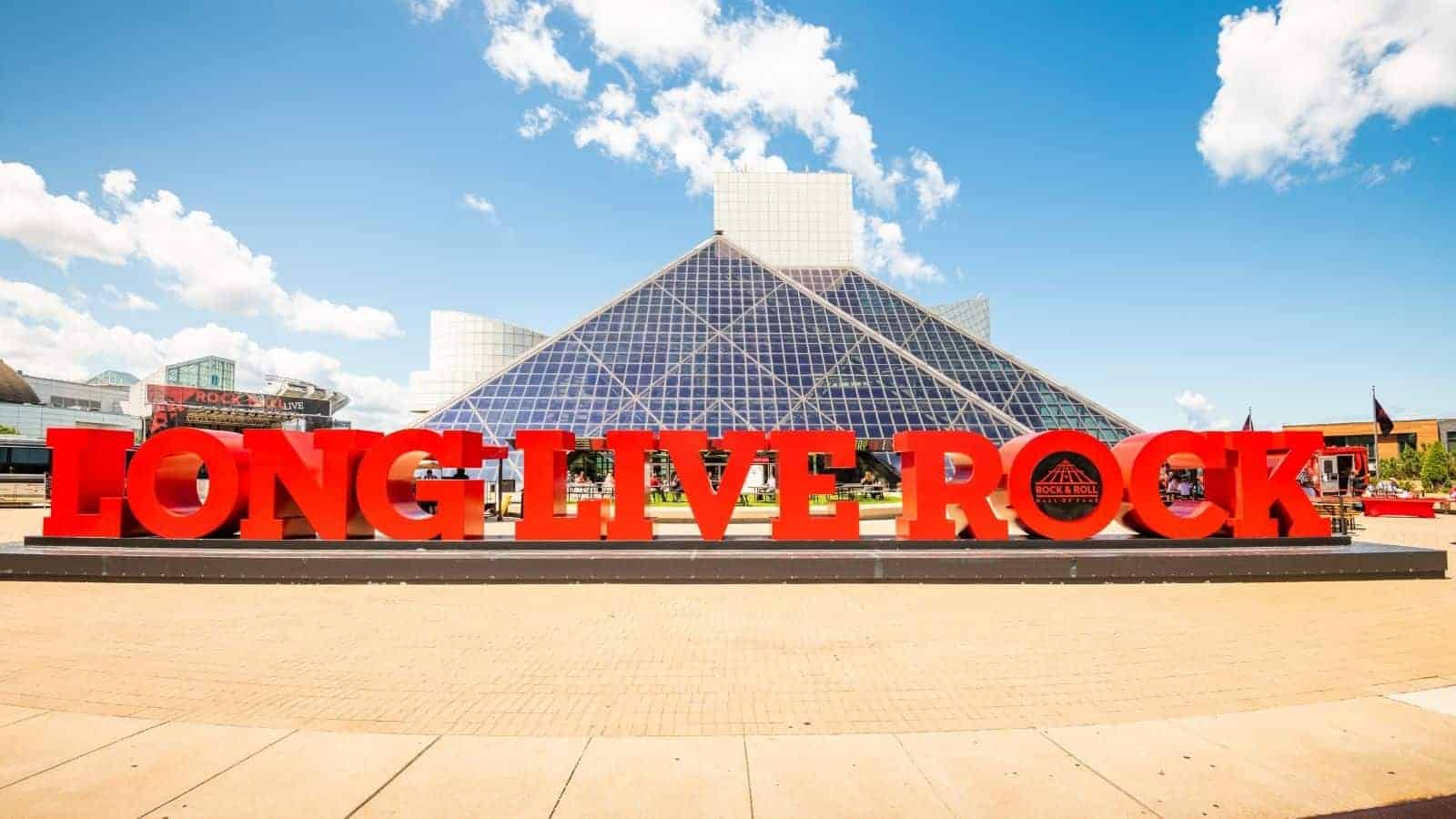
Cleveland’s lakefront suffered from severe pollution during the industrial era, including fires on nearby rivers. Factories blocked access and degraded water quality. Cleanup efforts took decades and required federal intervention. The modern promenade symbolizes recovery, but longtime residents remember when the shoreline was unusable and dangerous.
Savannah River Street, Georgia

River Street’s cobblestones attract visitors, but they were laid by enslaved laborers. The waterfront functioned as a commercial artery tied directly to slavery and cotton exports. Warehouses stored goods produced through forced labor. The lively promenade rarely confronts how deeply its foundations are linked to exploitation.
Milwaukee Riverwalk, Wisconsin

Milwaukee’s Riverwalk replaced aging industrial infrastructure that once polluted the river heavily. Factories and breweries dumped waste directly into the water. Revitalization improved water quality but also raised property values, pushing out some long-term residents. The walk’s charm obscures the environmental damage that preceded it.
St. Petersburg Waterfront, Florida
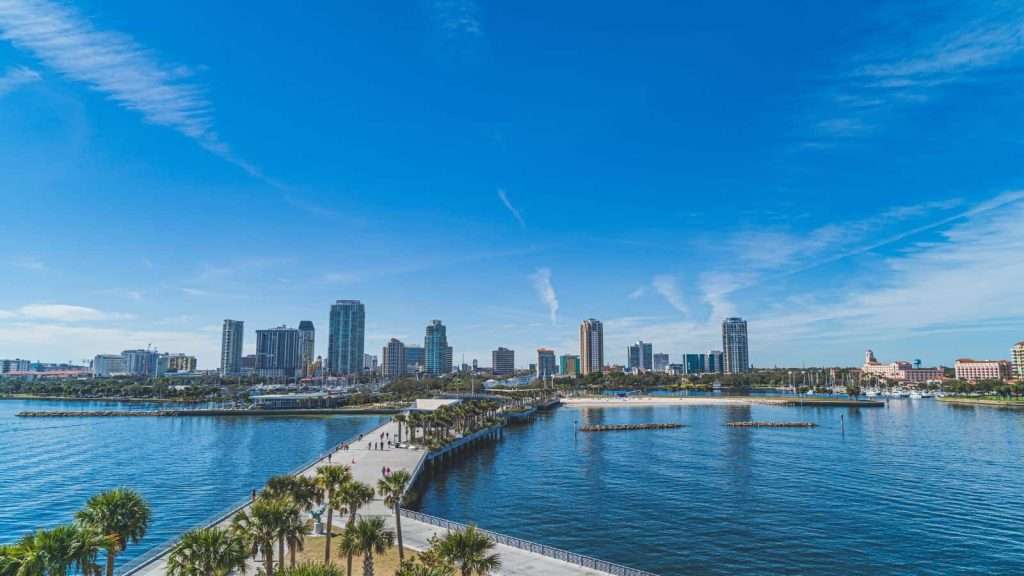
This promenade appears relaxed and artistic, yet it was shaped by aggressive land reclamation. Wetlands were filled to create usable shoreline, altering ecosystems permanently. Early development prioritized tourism over conservation. The calm waterfront hides a history of environmental trade-offs tied to coastal expansion.
Galveston Seawall Promenade, Texas
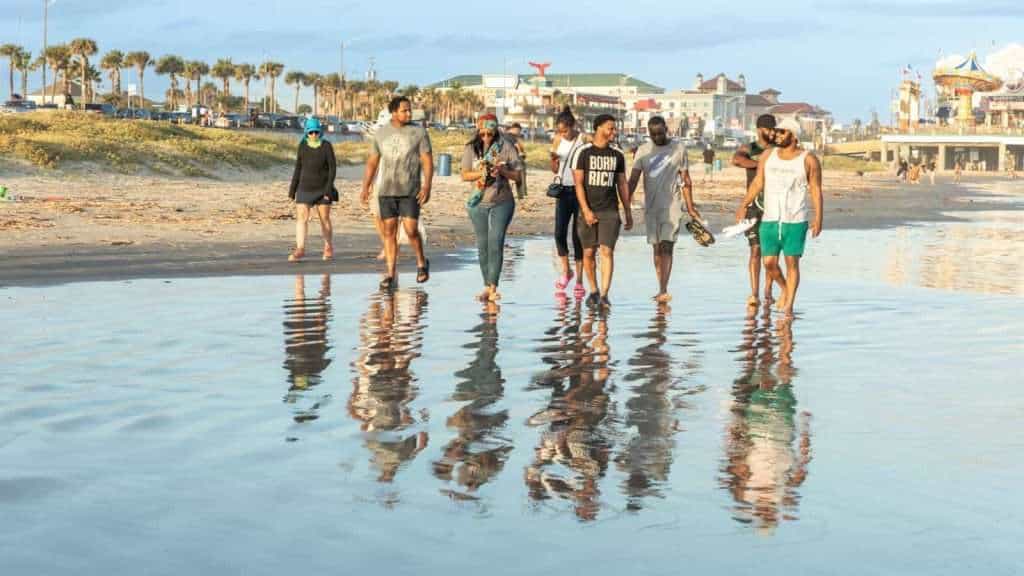
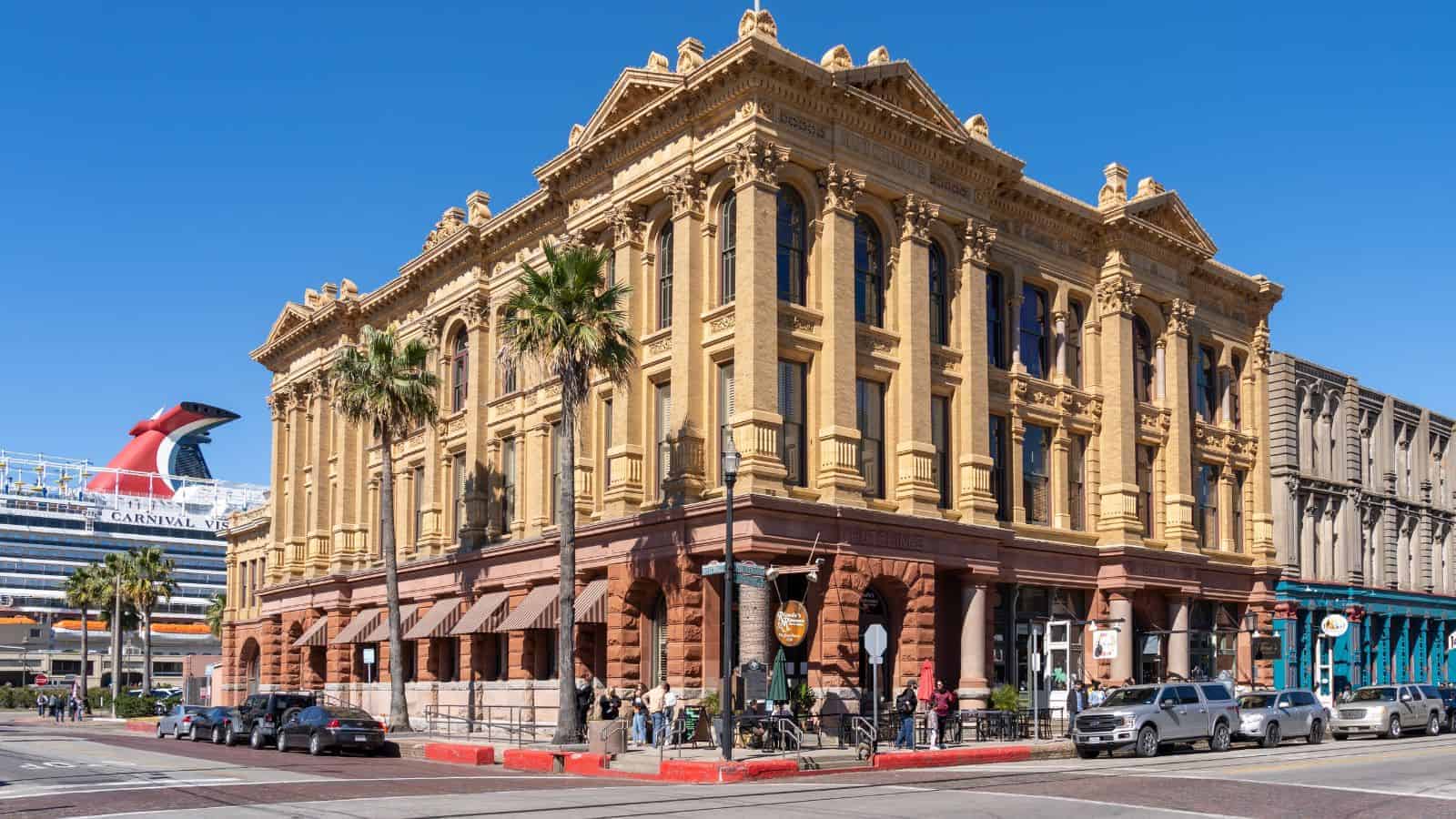
The seawall was built after a catastrophic hurricane killed thousands in 1900. Entire neighborhoods were destroyed, and the city was physically raised to prevent future disasters. Walking the promenade today offers ocean views, but it also traces the edge of one of the deadliest natural disasters in U.S. history.
San Pedro Waterfront, California

This Los Angeles-area promenade grew around one of the busiest ports in the country. Longshore labor disputes, strikes, and automation reshaped the community repeatedly. Pollution affected air and water quality for decades. The modern waterfront emphasizes leisure, masking the area’s ongoing struggle between industry and livability.
Mobile Riverwalk, Alabama

Mobile’s waterfront reflects centuries of colonial control, trade, and conflict. The river supported shipping tied to slavery, war, and later industrial growth. Flooding and economic shifts reshaped downtown repeatedly. The Riverwalk’s peaceful atmosphere contrasts with a past marked by constant change and contested use of the shoreline.

Deborah Montiero is a seasoned travel writer and contributor to Probe the Globe. With a passion for uncovering hidden gems and sharing immersive travel experiences, Deborah’s work highlights must-visit destinations, insider tips, and practical advice for travelers of all types. Whether exploring bustling cities or remote escapes, her articles are crafted to inspire and inform, making her a trusted voice in the travel community.
Her storytelling weaves together cultural insights, logistical tips, and authentic experiences, making her a valuable resource for readers seeking unforgettable journeys.
When not writing, Deborah is likely researching the latest travel trends or planning her next adventure. Follow her work on Probe the Globe for fresh perspectives and up-to-date travel inspiration.