16 National Parks in the U.S. with Jaw-Dropping Scenery
The United States enjoys a diverse array of national parks, each offering unique and breathtaking landscapes. From the sun-drenched deserts to the towering, snow-capped peaks, we look at 16 national parks renowned for their jaw-dropping scenery:
Yosemite National Park, California
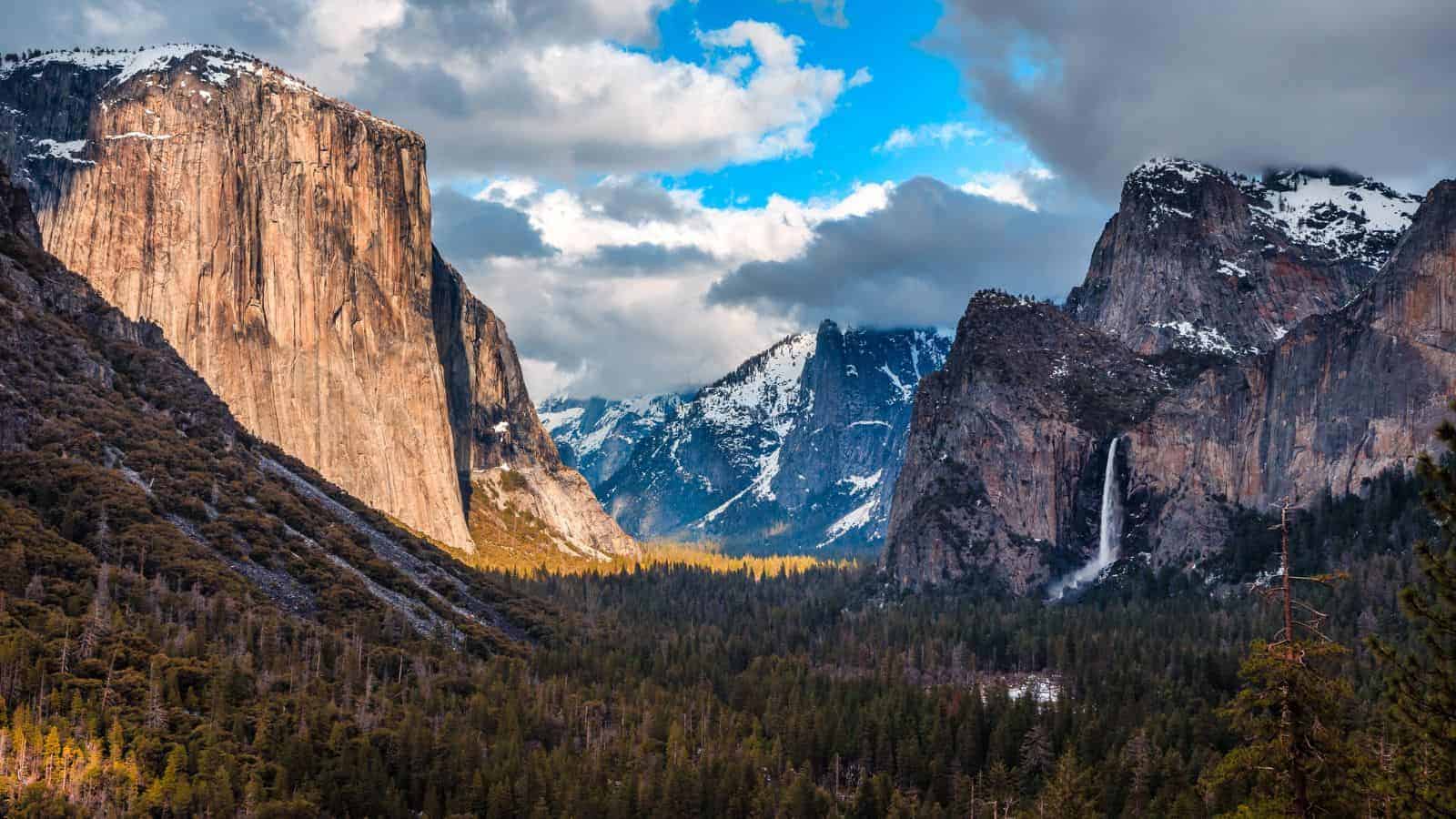
Yosemite National Park is famed for its towering granite cliffs, such as El Capitan and Half Dome, which attract climbers and photographers worldwide. The park’s lush valleys, cascading waterfalls like Yosemite Falls, and ancient sequoia trees create a mesmerizing natural tapestry. Visitors can explore diverse ecosystems ranging from meadows to high-altitude forests, offering endless opportunities for adventure and tranquility.
Grand Canyon National Park, Arizona

The Grand Canyon’s immense size and intricate layers of red rock formations provide a visual history spanning millions of years. The Colorado River winds through the canyon floor, offering rafting adventures amidst the towering canyon walls. Sunrise and sunset vistas present a symphony of colors, making it a haven for photographers and nature enthusiasts alike.
Yellowstone National Park, Wyoming
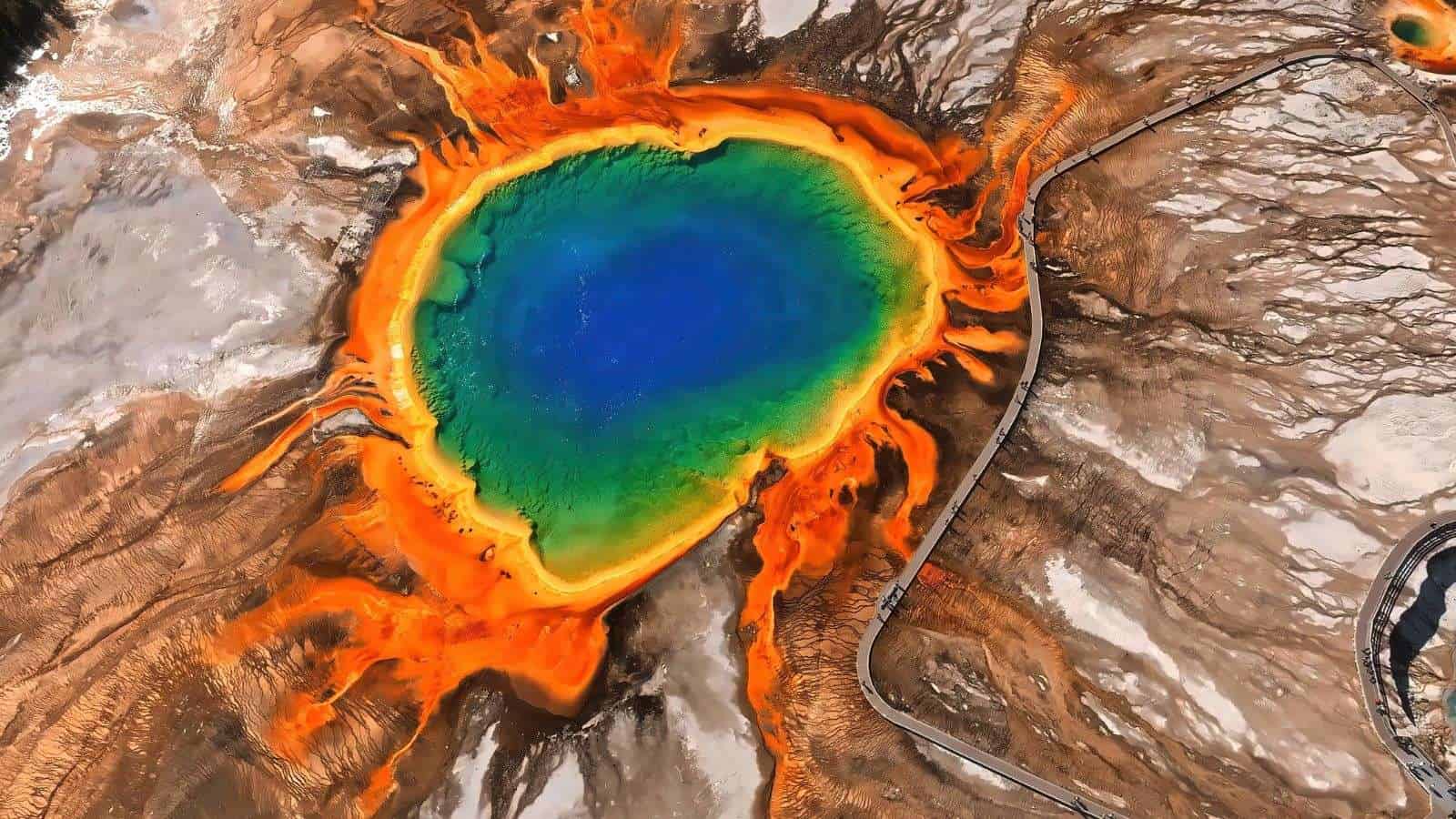
As the world’s first national park, Yellowstone is renowned for its geothermal features like Old Faithful geyser and the vibrant Grand Prismatic Spring. The park’s expansive landscapes encompass vast forests, alpine rivers, and abundant wildlife, including bison, elk, and grizzly bears. Its diverse ecosystems and geological wonders make it a living laboratory of natural phenomena.
Zion National Park, Utah
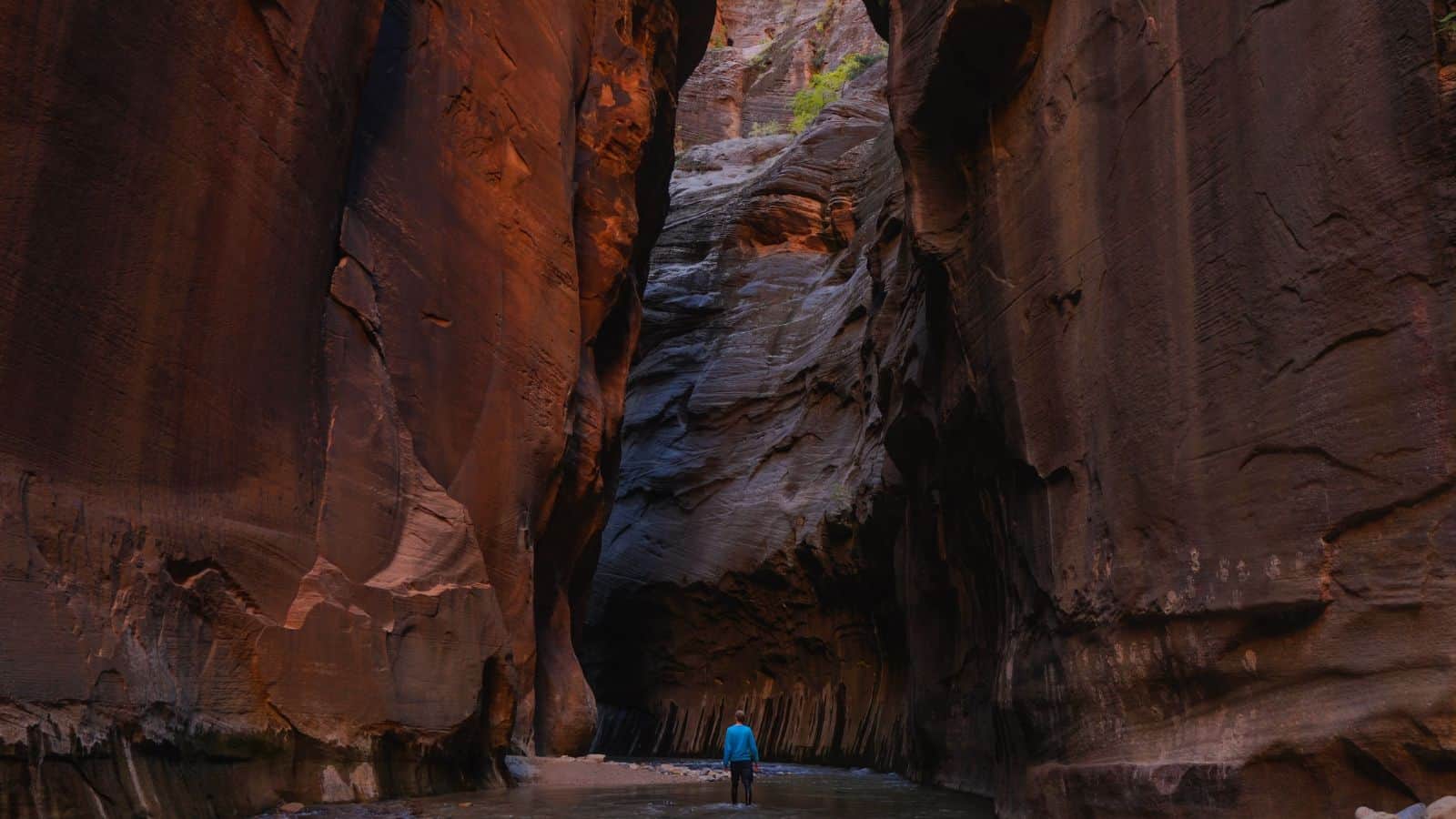
Zion’s soaring red cliffs and narrow slot canyons create a dramatic landscape that has captivated visitors for generations. The Virgin River carves through the canyon, offering unique hiking experiences like The Narrows, where trekkers wade through the river between towering canyon walls. The park’s diverse terrain ranges from desert to high-altitude forests, providing habitats for a wide array of flora and fauna.
Glacier National Park, Montana
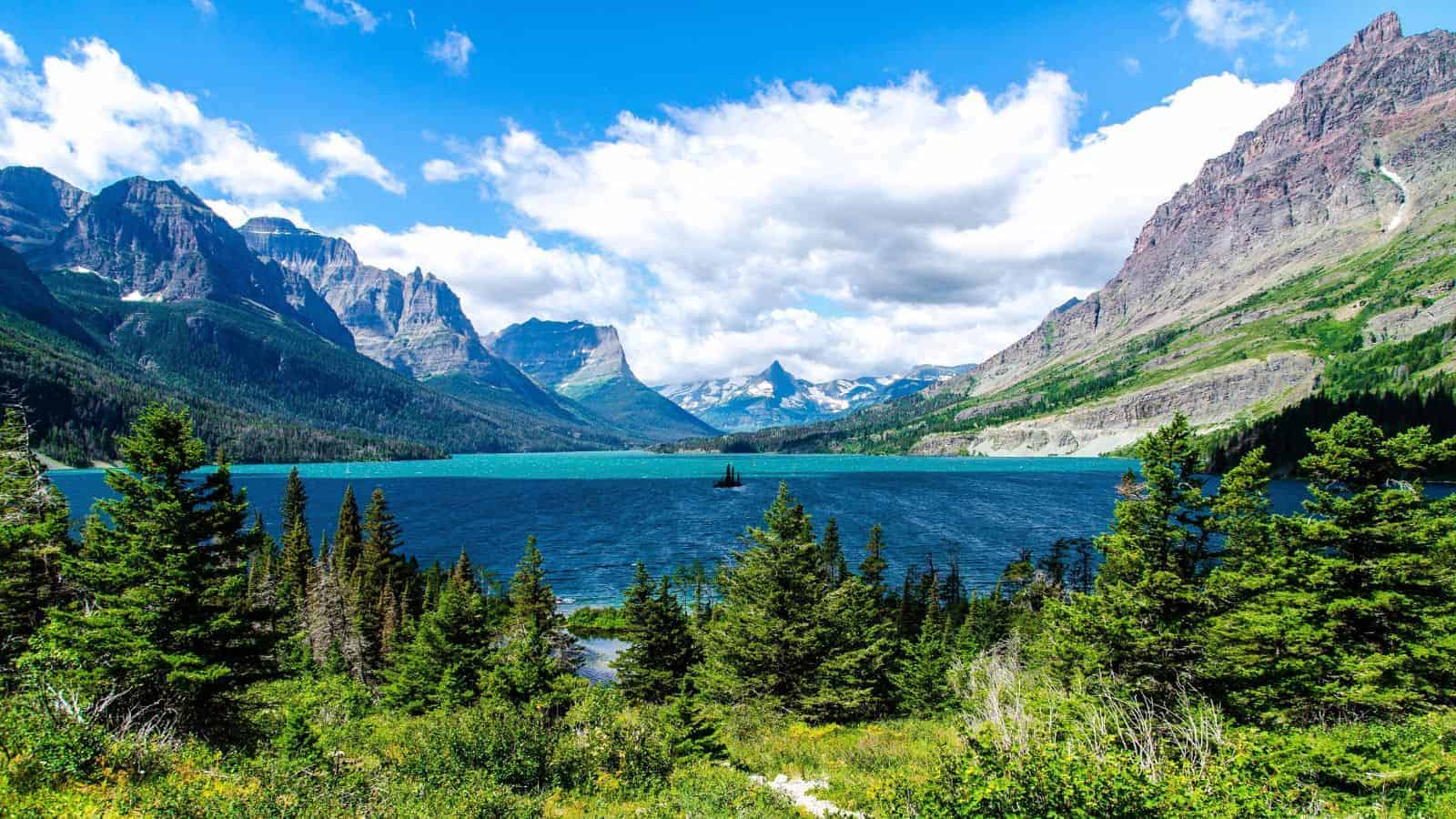
Known as the “Crown of the Continent,” Glacier National Park boasts over a million acres of rugged mountains, pristine forests, and glacial-carved valleys. The Going-to-the-Sun Road offers breathtaking vistas of the park’s landscapes, including its namesake glaciers. With over 700 miles of trails, visitors can explore alpine meadows, dense forests, and crystal-clear lakes teeming with wildlife.
Bryce Canyon National Park, Utah
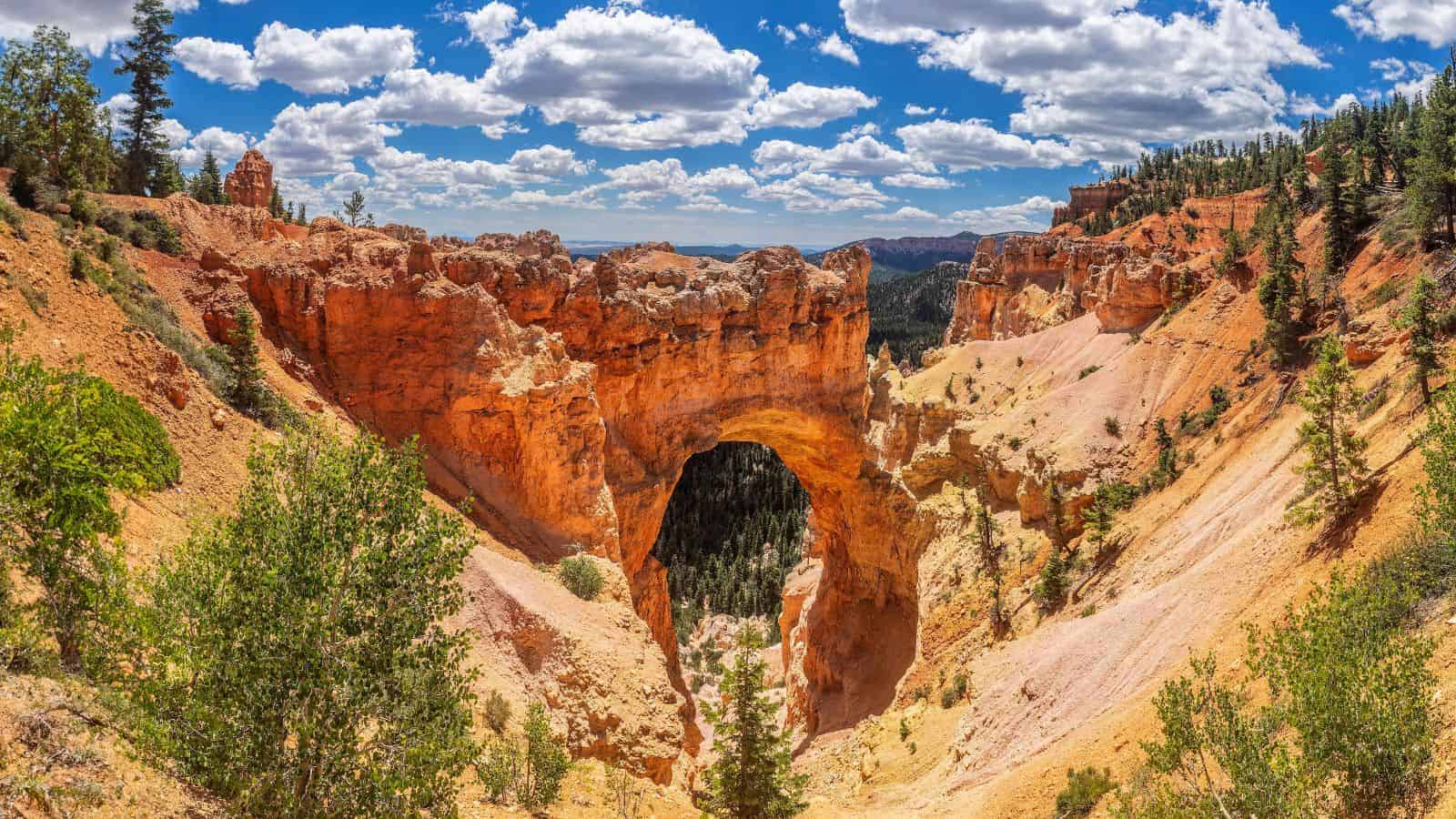
Bryce Canyon is famed for its unique geological structures known as hoodoos, all, thin spires of rock that create a surreal landscape. The park’s natural amphitheaters and vibrant red, orange, and white rock formations provide stunning vistas, especially during sunrise and sunset. Stargazing is exceptional here, thanks to its high elevation and remote location, offering clear night skies.
Arches National Park, Utah

Home to over 2,000 natural sandstone arches, Arches National Park showcases a landscape sculpted by wind and water over millions of years. Iconic formations like Delicate Arch and Landscape Arch draw visitors from around the globe. The park’s red rock scenery contrasts beautifully with the expansive blue sky, providing endless photographic opportunities.
Denali National Park, Alaska

Dominated by Denali, North America’s highest peak at 20,310 feet, this park offers vast wilderness teeming with wildlife such as grizzly bears, moose, and wolves. The park’s six million acres encompass tundra, boreal forests, and glaciers, providing a pristine environment for adventurous explorers. The chance to witness the Northern Lights adds to the park’s allure.
Great Smoky Mountains National Park, Tennessee/North Carolina

As the most visited national park in the U.S., the Great Smoky Mountains are renowned for their ancient mountains shrouded in a bluish haze. The park’s diverse ecosystems support a wide variety of plant and animal life, including over 1,500 species of flowering plants. Historic buildings and remnants of Appalachian culture add a rich human history to the natural beauty.
Rocky Mountain National Park, Colorado
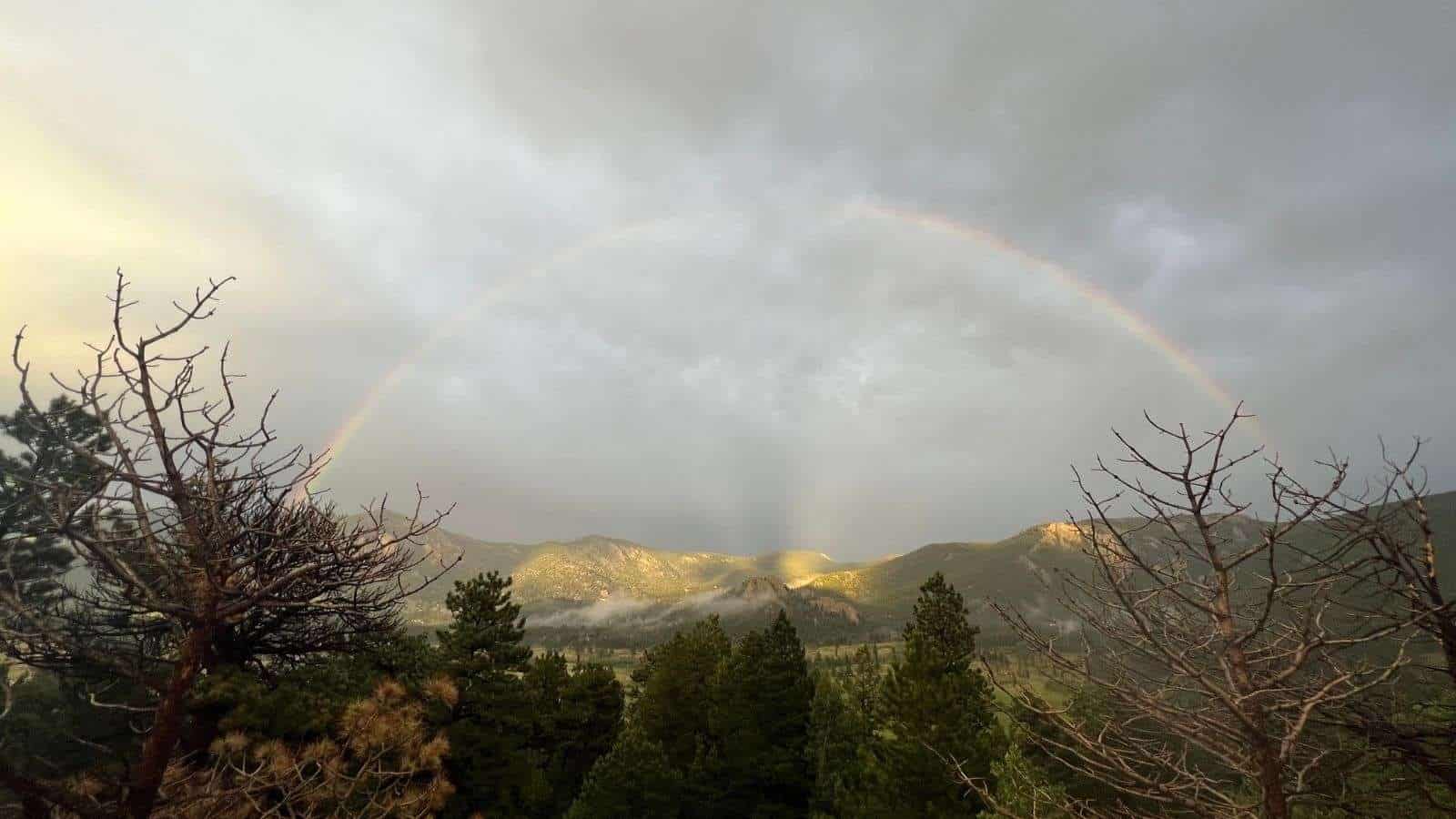
Encompassing a significant portion of the Rocky Mountains, this park features majestic peaks, alpine lakes, and diverse wildlife. Trail Ridge Road, the highest continuous paved road in the U.S., offers panoramic views of the rugged landscape. With over 300 miles of hiking trails, visitors can explore ecosystems ranging from montane forests to alpine tundra.
Acadia National Park, Maine
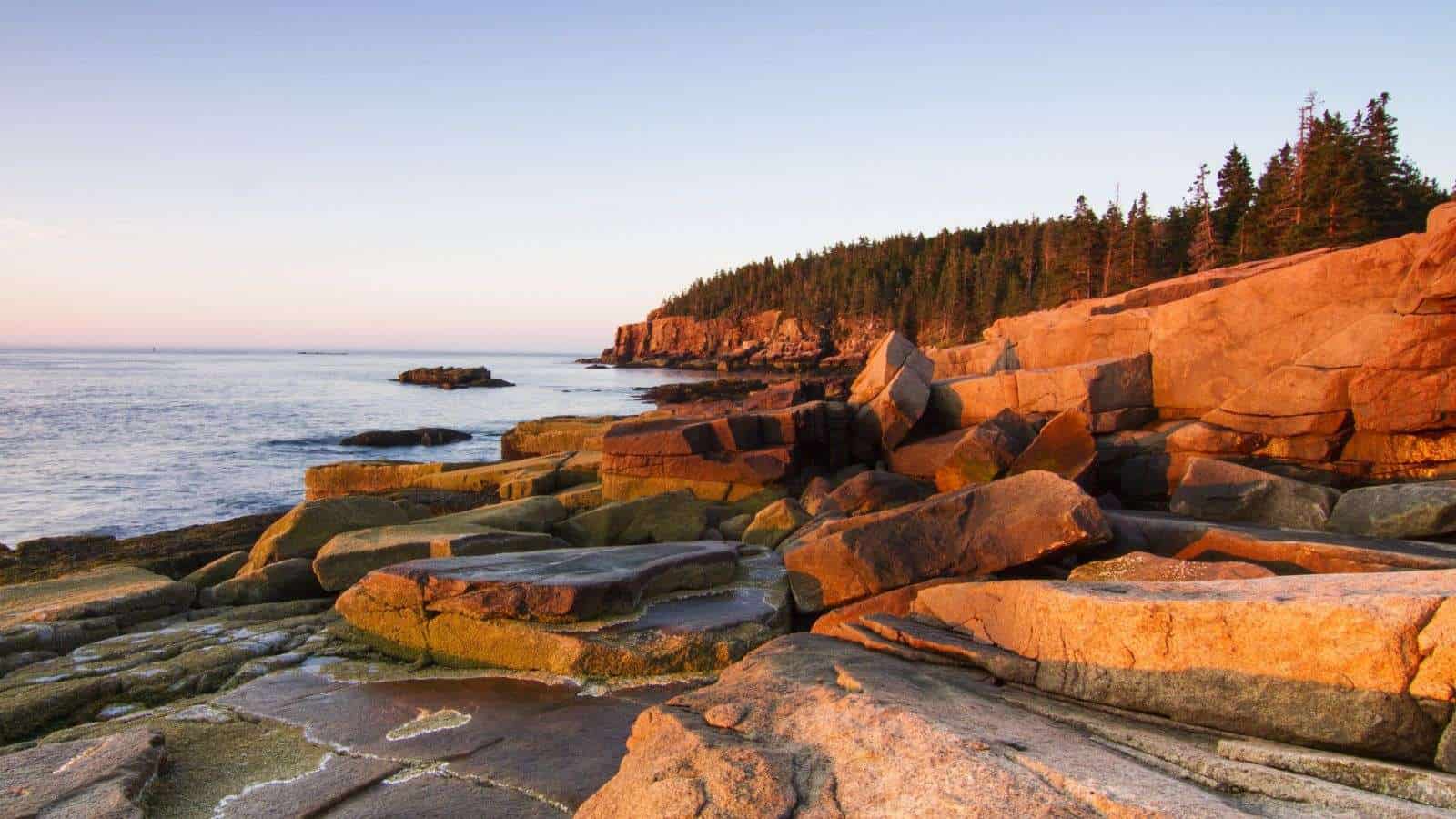
Acadia offers a unique blend of oceanic and mountainous landscapes, with granite peaks rising from the Atlantic Ocean. The park’s carriage roads and historic trails provide access to forests, lakes, and coastal vistas. Cadillac Mountain, the highest point on the U.S. East Coast, offers stunning sunrise views, making it a popular destination for early risers.
Joshua Tree National Park, California
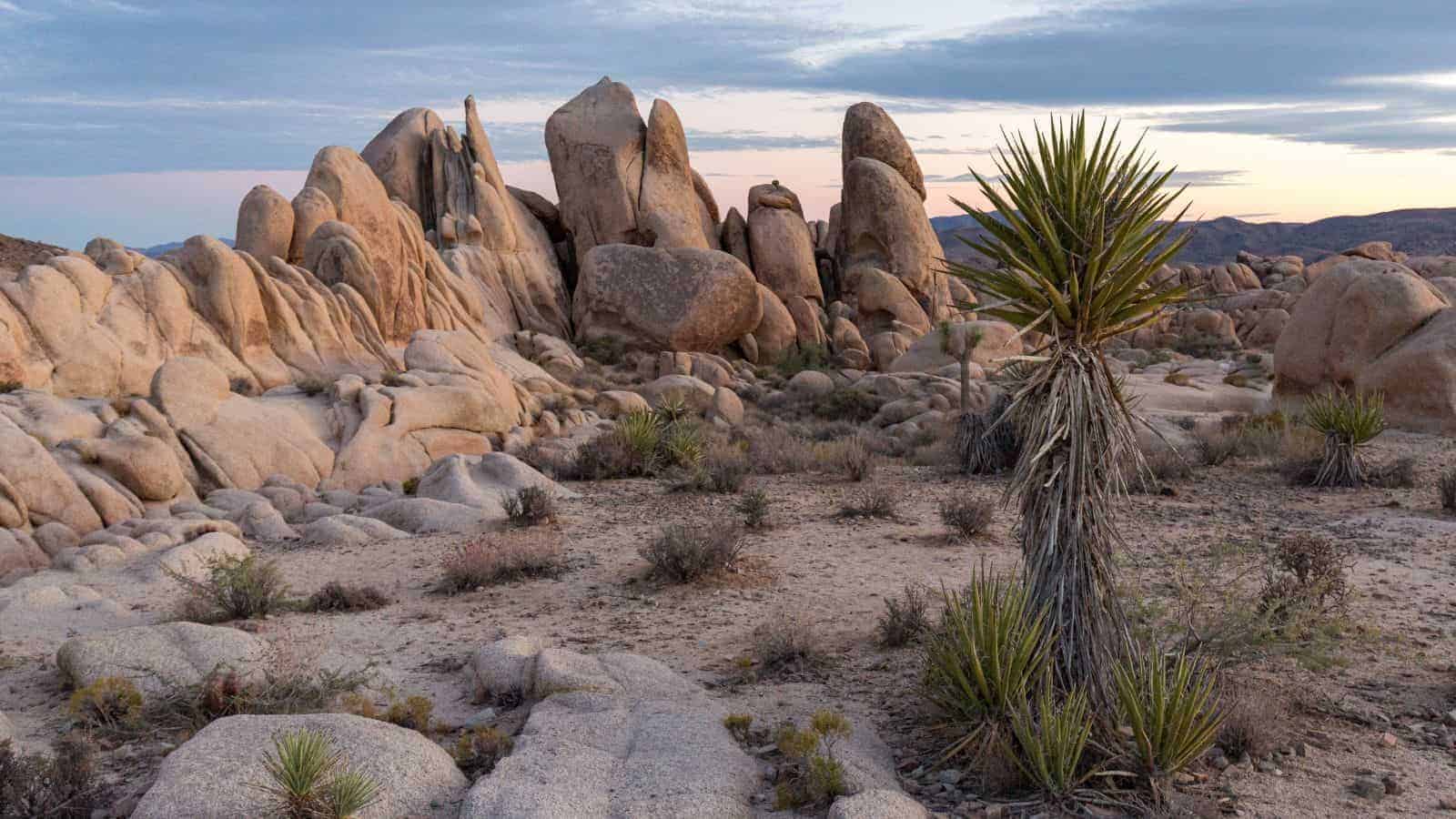
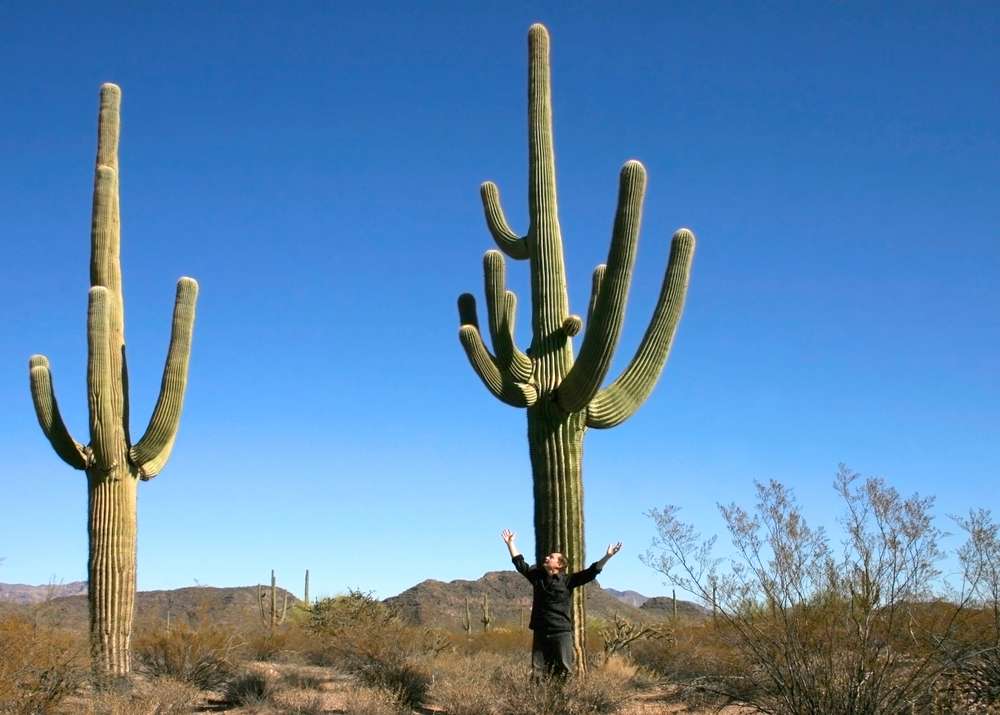
Joshua Tree is where two distinct desert ecosystems, the Mojave and the Colorado, converge, creating a unique landscape of rugged mountains and desert plains. The park’s namesake Joshua trees and fascinating rock formations, such as Skull Rock, provide a surreal environment for exploration. Renowned for its dark night skies, it’s a haven for stargazers and astrophotographers.
Olympic National Park, Washington
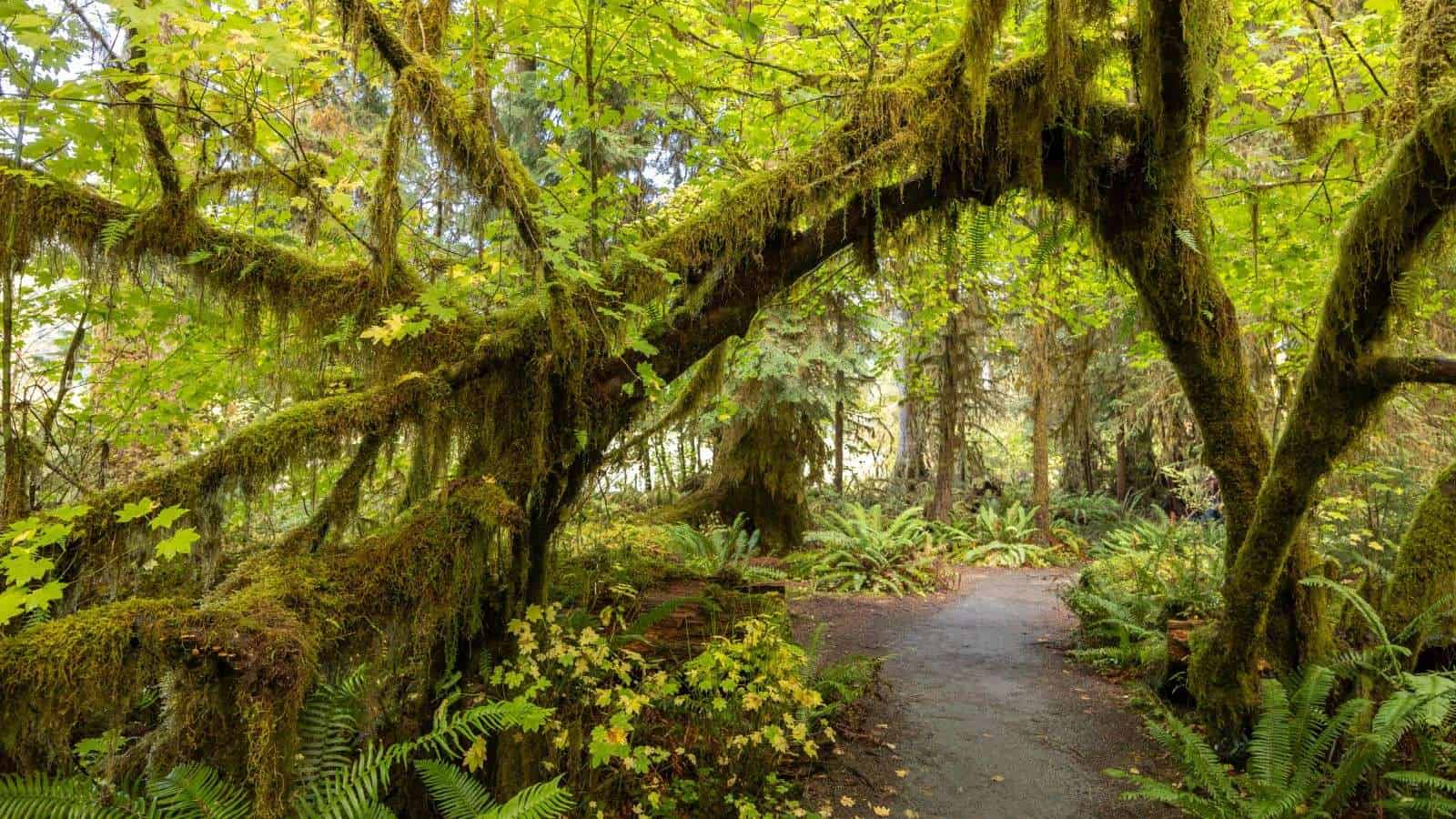
Olympic National Park encompasses diverse ecosystems, from temperate rainforests dripping with moss to rugged Pacific coastlines and glaciated mountain peaks. The Hoh Rainforest, one of the park’s most enchanting areas, receives over 140 inches of rainfall annually, creating a lush, green landscape. The park’s isolation has allowed many species to evolve uniquely, making it a biodiversity hotspot.
Hawaii Volcanoes National Park, Hawaii
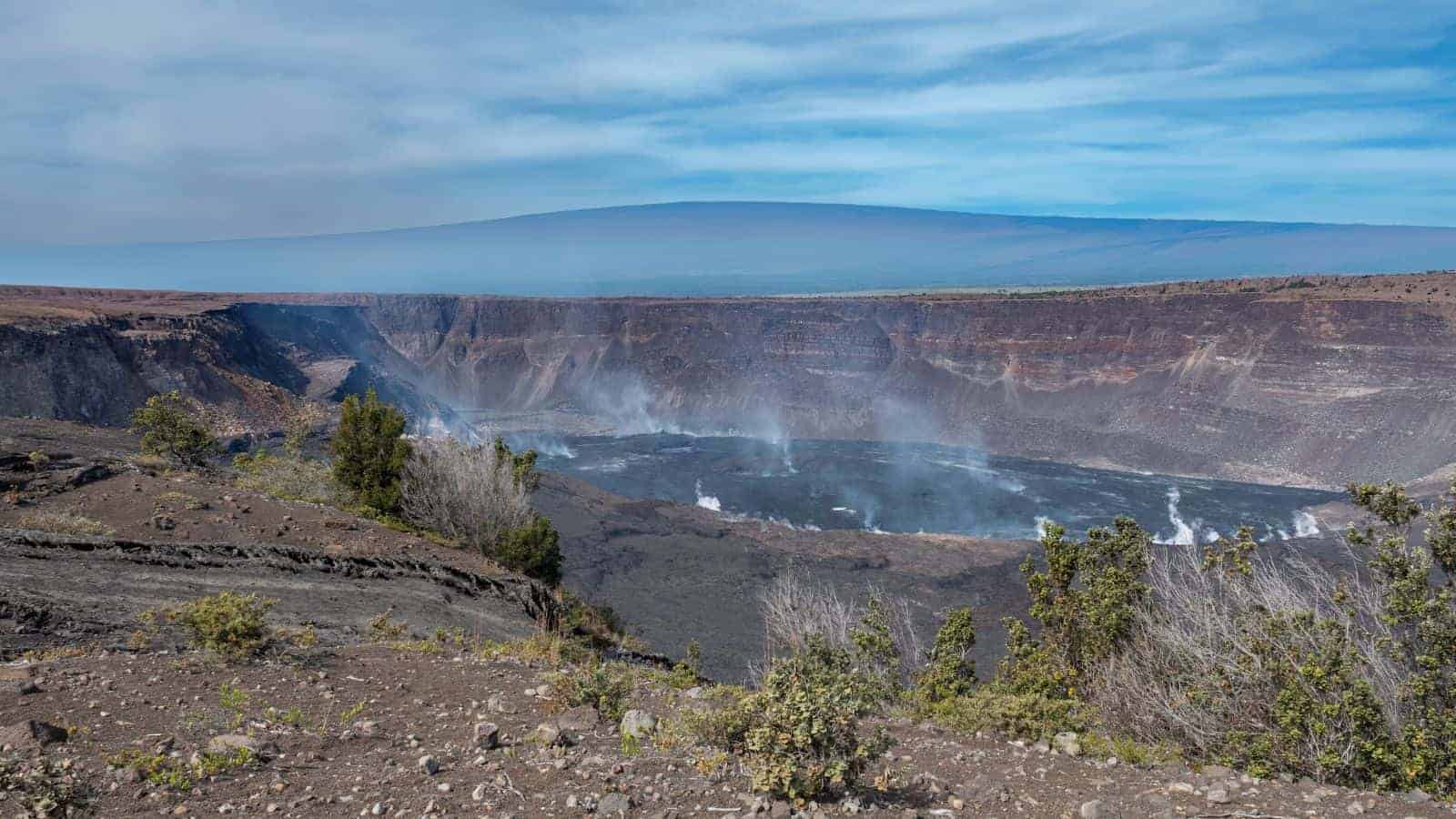
This park offers a unique opportunity to witness active volcanism, with Kīlauea and Mauna Loa being two of the world’s most active volcanoes. Visitors can explore lava tubes, watch new land being formed by lava flows, and learn about the rich cultural history of the Hawaiian people connected to these landscapes.
Everglades National Park, Florida

Everglades National Park is the largest tropical wilderness in the United States and is home to a vast network of wetlands, mangroves, and slow-moving rivers. The park is famous for its diverse ecosystem, which includes rare and endangered species such as the American crocodile, Florida panther, and manatees. Visitors can explore the park by airboat, kayak, or hiking trails, providing countless opportunities to experience its unique beauty up close.
Mount Rainier National Park, Washington

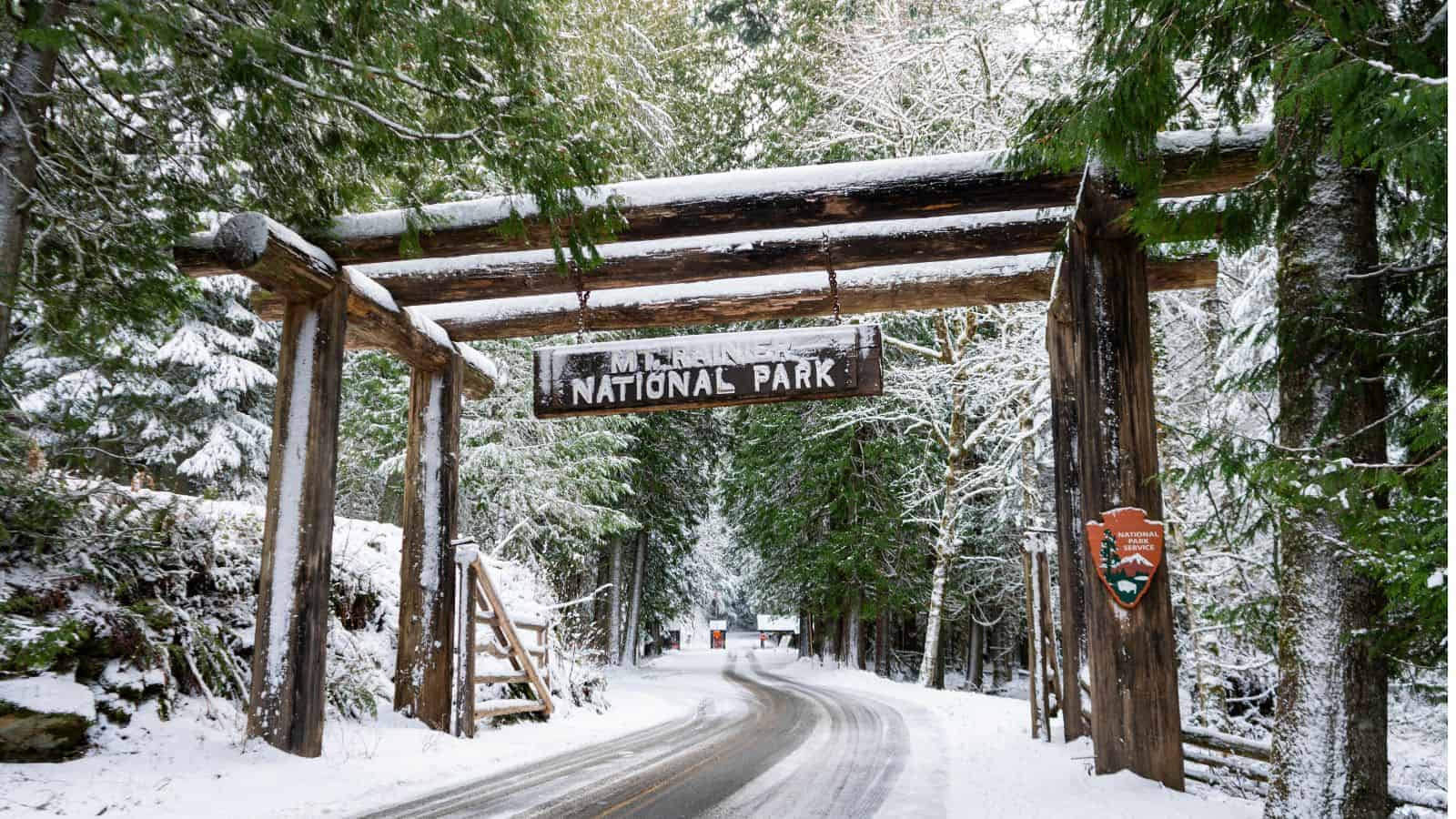
Mount Rainier National Park is dominated by its namesake peak, a towering 14,410-foot stratovolcano that serves as an iconic landmark of the Pacific Northwest. The park features vast subalpine meadows, ancient forests, and more than 25 major glaciers. During the summer, wildflowers blanket the meadows, creating a vibrant display of color. With its extensive hiking trails, waterfalls, and breathtaking mountain vistas, Mount Rainier is a paradise for outdoor enthusiasts and nature lovers alike.

Deborah Montiero is a seasoned travel writer and contributor to Probe the Globe. With a passion for uncovering hidden gems and sharing immersive travel experiences, Deborah’s work highlights must-visit destinations, insider tips, and practical advice for travelers of all types. Whether exploring bustling cities or remote escapes, her articles are crafted to inspire and inform, making her a trusted voice in the travel community.
Her storytelling weaves together cultural insights, logistical tips, and authentic experiences, making her a valuable resource for readers seeking unforgettable journeys.
When not writing, Deborah is likely researching the latest travel trends or planning her next adventure. Follow her work on Probe the Globe for fresh perspectives and up-to-date travel inspiration.