26 Places Where Nature Is Quietly Taking Everything Back
Nature doesn’t reclaim the world all at once; it does so quietly, patiently, and without ceremony. Roads crack, buildings soften, and silence replaces the sounds of human activity. Across the United States and beyond, places once shaped by ambition now exist in a slower rhythm dictated by weather, plants, and time. These destinations appeal to travelers seeking reflective experiences, forgotten landscapes, and a deeper sense of how travel intersects with impermanence. We look at 26 Places Where Nature Is Quietly Taking Everything Back
Bodie
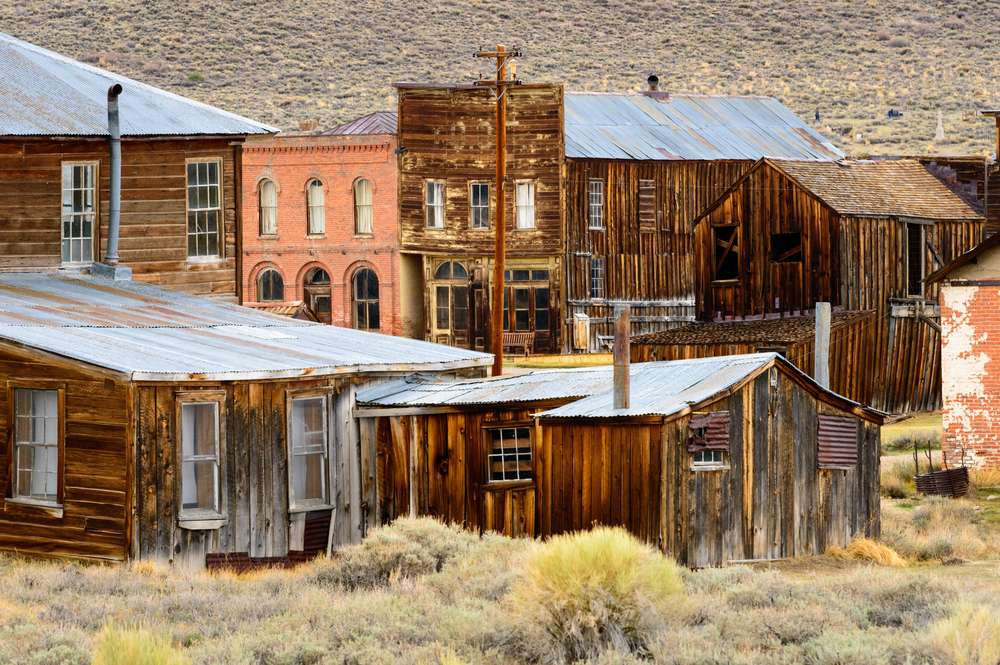
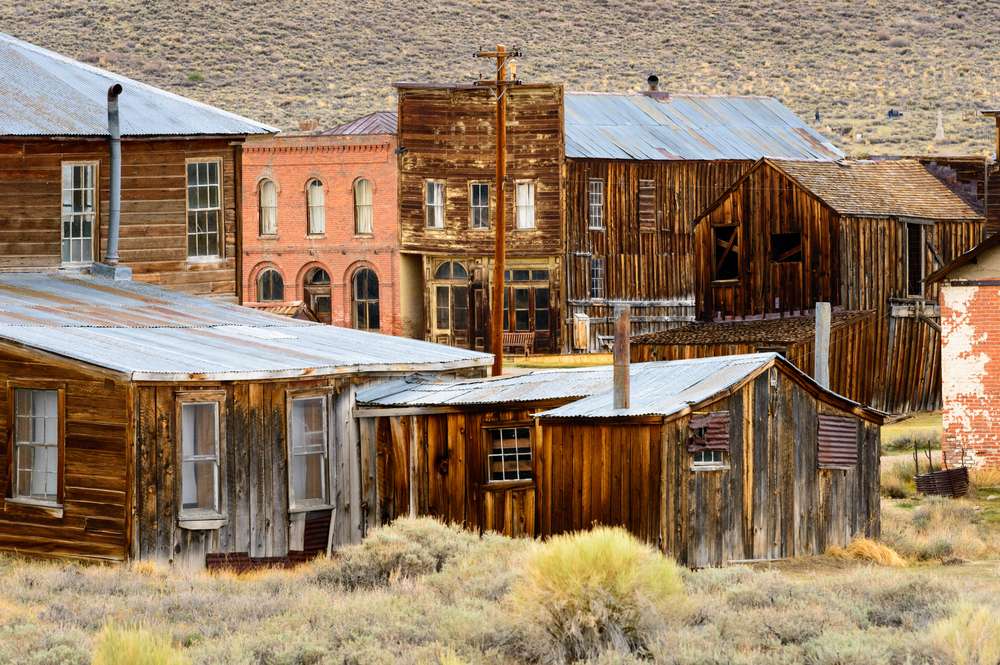
Bodie’s abandoned buildings stand in various stages of collapse, slowly yielding to wind, snow, and wildlife. Wooden floors sag, roofs cave inward, and wild grasses creep through once-busy walkways. The town’s preservation policy allows decay to continue naturally, making it a powerful destination for travelers interested in American history and environmental change. Nature doesn’t rush here, but its presence is unmistakable in every broken window and weathered wall.
Cahokia Mounds

Once a massive urban center, Cahokia Mounds now rises quietly beneath grass and sky. Trees and soil have softened the outlines of what was once a thriving civilization. Birds nest where people gathered, and silence dominates a place once filled with movement. For U.S. travel focused on ancient landscapes, Cahokia demonstrates how nature absorbs even the most complex human achievements over time.
Salton Sea

The Salton Sea’s abandoned shoreline tells a slow story of retreat and adaptation. Resorts crumbled as water levels changed, leaving structures exposed to heat and salt. Birds and hardy plant life now dominate the area, reshaping what remains. Travelers exploring California often find this destination unsettling yet fascinating, as nature rewrites the purpose of a place once built for leisure.
Packard Automotive Plant

Detroit’s Packard Plant illustrates how vegetation thrives amid concrete decay. Trees sprout from factory floors, vines crawl over steel beams, and birds occupy broken windows. The site reflects a broader narrative within U.S. travel about post-industrial landscapes. Nature doesn’t erase the past here; it integrates with it, creating a powerful visual contrast between growth and abandonment.
Overgrown Bunkers

Military bunkers along Puerto Rico’s coast now disappear beneath thick greenery. Salt air and vines soften harsh angles once built for defense. These structures slowly blend into the landscape, becoming part of the island’s ecosystem. Travelers seeking unusual U.S. territories experiences often find these sites quietly reflective rather than dramatic.
Fort Jefferson

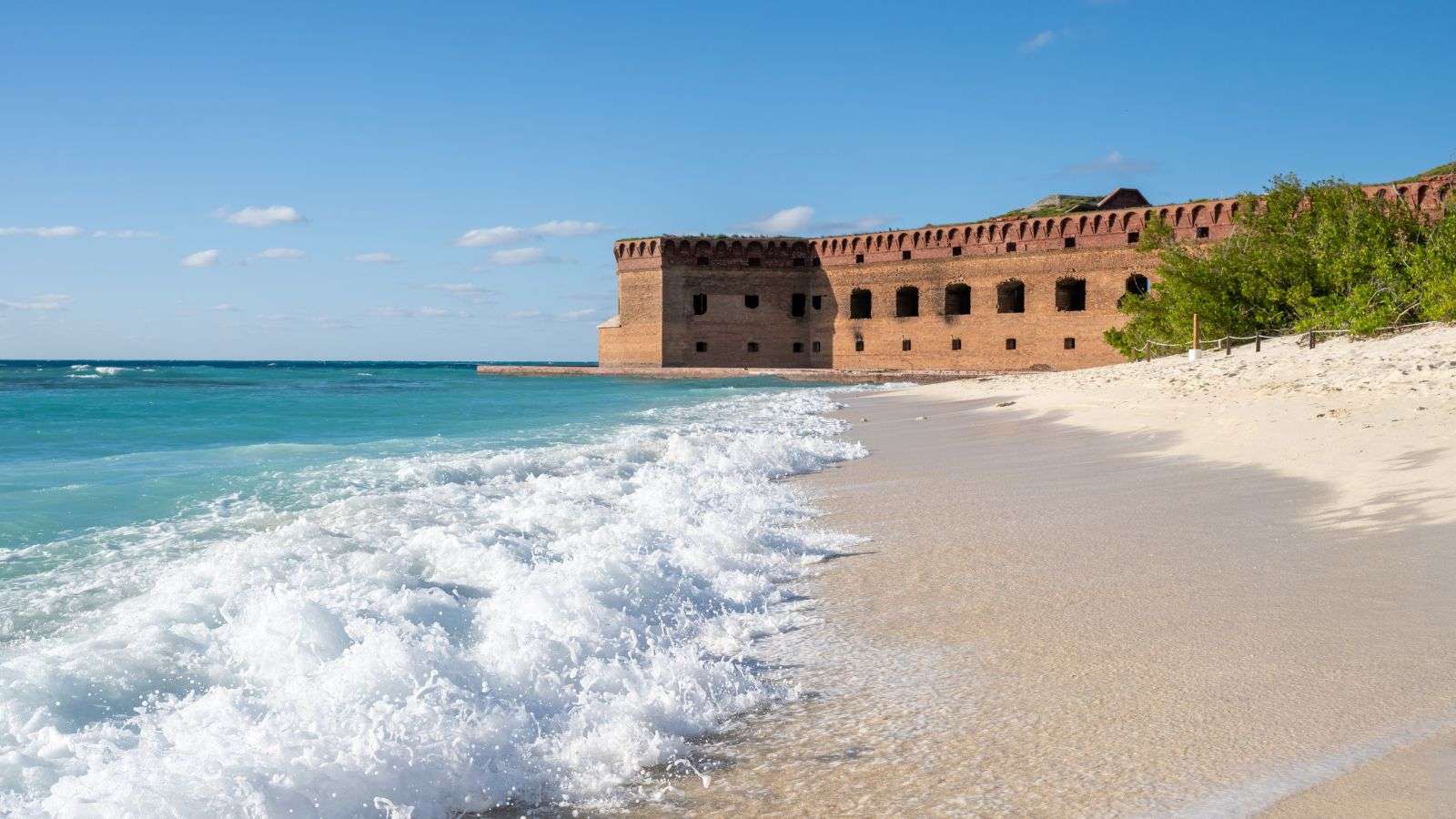
Surrounded by turquoise water, Fort Jefferson shows how ocean and weather steadily reshape human engineering. Salt corrosion, nesting birds, and shifting sand alter the structure year by year. The fort feels less like a monument and more like a transitional space between land and sea. It’s a compelling stop for Florida travel focused on nature and history intersecting.
Hashima Island

Concrete buildings on Hashima Island crumble under relentless sea air as plants claim balconies and rooftops. Once densely populated, the island now belongs to wind, waves, and seabirds. Travelers often describe an overwhelming stillness. The slow collapse emphasizes how nature reasserts itself even against reinforced structures.
Angkor Wat

Tree roots weave through stone walls at Angkor Wat, merging architecture with forest growth. The temples feel less abandoned than transformed. Nature does not destroy here; it collaborates. Travelers witness how centuries of rainfall and vegetation reshape sacred spaces without erasing their meaning.
Vintgar Railway

Tracks vanish beneath moss and wildflowers along this forgotten railway. Wooden ties rot slowly as birds and insects take over. The path feels reclaimed rather than ruined. For travelers interested in slow exploration, it’s a reminder that infrastructure fades when purpose disappears.
Centralia

Centralia is one of the most striking examples of nature and time erasing human presence in the United States. An underground coal fire has burned beneath the town for decades, forcing residents to leave and allowing plants to reclaim streets and foundations. Cracked pavement releases steam in cold weather, while graffiti fades under moss and vines. For U.S. travel enthusiasts interested in abandoned places, Centralia offers a haunting lesson in how land ultimately outlasts industry.
Kolmanskop

Sand fills former homes in Kolmanskop, turning rooms into dunes. Wind reshapes interiors daily, making decay an active process. Nature transforms the town into an extension of the desert. It’s a dramatic example of environmental reclaiming that resonates with global travel audiences.
Pripyat
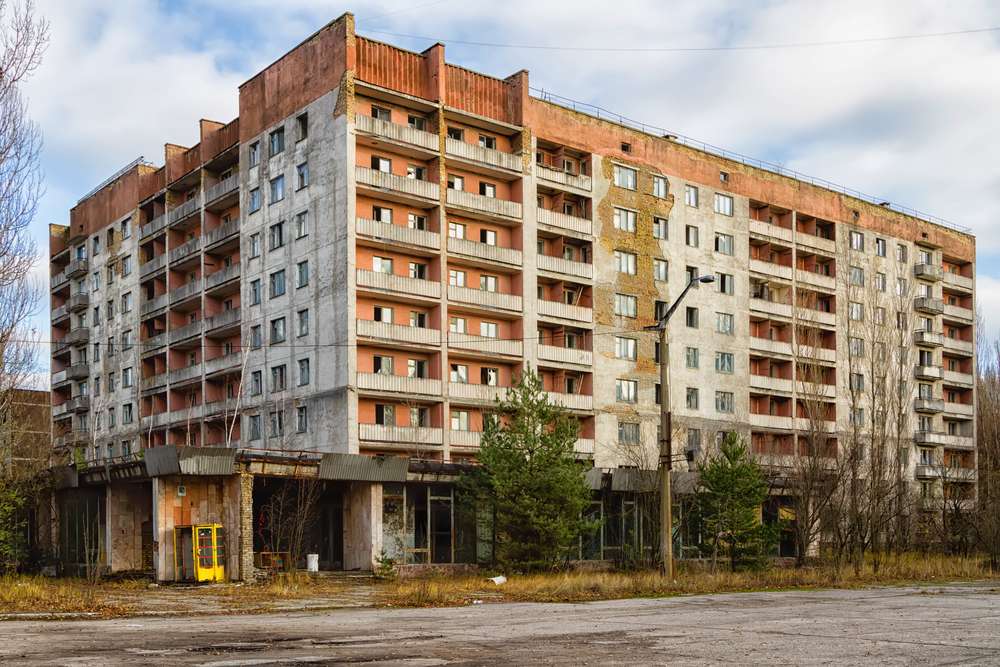
Forests now grow through streets and buildings in Pripyat. Wildlife flourishes where people once lived. Time has softened sharp edges, replacing urgency with quiet persistence. The city demonstrates how nature adapts rapidly when human activity stops.
Fort Ord
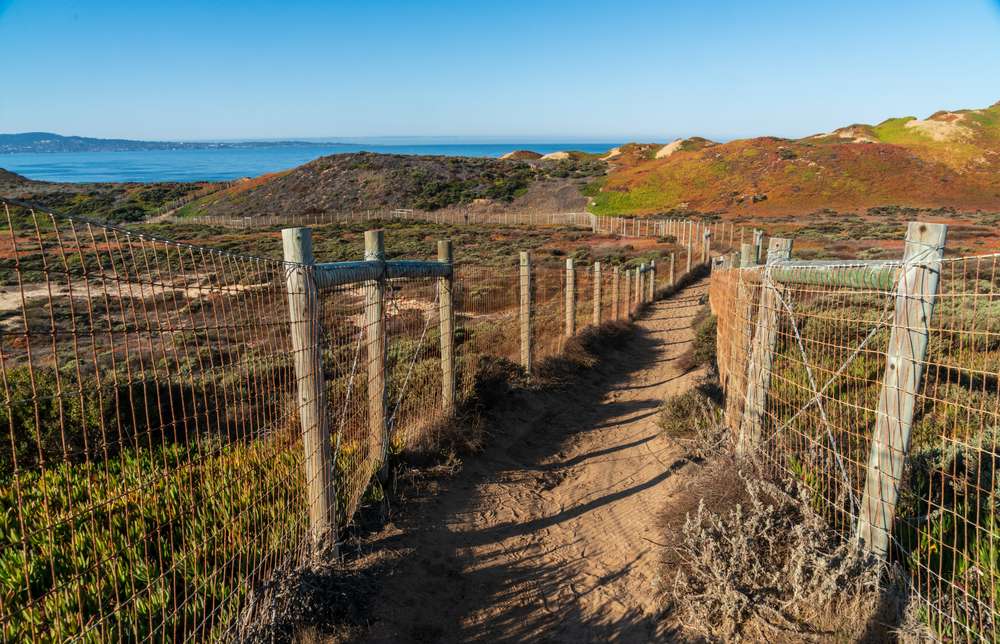
Once a military training ground, Fort Ord now supports wildflowers and coastal ecosystems. Concrete structures sit amid open land slowly reshaped by wind and rain. Nature repurposes space once dominated by drills and machinery. It’s a compelling California travel destination for environmental recovery.
Bannerman Castle

Vines creep across stone walls as weather chips away at Bannerman Castle. The structure feels suspended between ruin and landscape. Birds roost where soldiers once stored supplies. Travelers exploring New York’s Hudson Valley encounter a peaceful example of gradual natural reclaiming.
Plymouth

Volcanic ash froze Plymouth, on the Caribbean island of Montserrat, in time, allowing plants to slowly retake streets, rooftops, and empty public spaces. Nature’s reclaiming here is quiet but absolute, advancing without urgency or resistance. Trees grow through structures once meant for commerce and government. The city stands as a reminder of geological power guiding travel narratives and reshaping human ambition without warning.
Sanzhi Pod City

Concrete curves in Sanzhi Pod City erode under persistent humidity and aggressive vegetation that thrives in the coastal climate. Plants occupy interiors as if designed to be there, blurring boundaries between architecture and environment. Nature completes what humans abandoned, filling empty spaces with growth and decay. Travelers drawn to unusual architecture often find the site unsettling and unexpectedly serene.
Pyramiden

Located on on the Norwegian archipelago of Svalbard, Arctic silence envelops Pyramiden as snow and ice reclaim buildings. Wildlife roams freely among structures. Nature asserts dominance through temperature and isolation. It’s one of the most remote examples of environmental reclaiming.
Route 66 Abandoned Stops

Old gas stations, diners, and roadside motels along Route 66 slowly dissolve into surrounding desert and open plains, marking the quiet fading of America’s most famous road trip corridor. Paint peels under constant sun exposure, roofs sag or collapse, and weeds push through cracked parking lots where cars once lined up. Nature reshapes American road travel history mile by mile, softening nostalgia into landscape
Oradour-sur-Glane

Grass grows steadily through cobblestone streets in Oradour-sur-Glane as silence replaces voices that once filled the village. Nature does not erase memory here but instead softens it, allowing plants and weather to blur sharp edges without removing the past. Rusted objects remain where they were left, slowly integrating into the environment.
Elkmont

Cabins in Elkmont fade gradually into their forest surroundings as trees press close and shade overtakes former vacation paths. Wildlife reclaims porches, yards, and roads once filled with seasonal visitors, transforming leisure spaces into habitat. Nature moves gently here, allowing wood to weather naturally and vegetation to blend structures into the landscape.
Gulliver’s Kingdom

Vegetation steadily overtakes the rides and walkways of Gulliver’s Kingdom, turning once-bright attractions into muted shapes beneath layers of moss and leaves. Rain dulls painted surfaces, while trees push through cracked pavement and empty foundations. What was designed for laughter and movement now exists in silence, interrupted only by wind and wildlife. Nature rewrites amusement into quiet decay, giving the park a frozen, unfinished feeling that leaves travelers with the sense that the story ended abruptly and without explanation.
Varosha

Sand and fast-growing plants invade Varosha’s empty hotels, storefronts, and wide streets, slowly turning a once-glamorous resort district into an extension of the coastline. Nature erases luxury by softening sharp edges and filling open spaces with grass and debris carried by wind. Silence dominates areas built to hold crowds, pools, and nightlife. For travelers interested in abandoned urban landscapes, Varosha feels like an eerie transformation shaped entirely by time, absence, and environmental persistence.
Craco

Erosion and vegetation steadily hollow Craco’s stone structures, weakening walls and causing roofs to collapse inward. Rainwater carves channels through centuries-old foundations, while plants anchor themselves in every crack and ledge. Nature reshapes stone into texture, blending architecture into the surrounding terrain. Over time, the village becomes part of the hillside again rather than standing apart from it. Travelers witness a gradual surrender, where human construction fades quietly into the landscape that originally supported it.
San Zhi UFO Houses

The circular structures of the San Zhi UFO Houses slowly degrade under creeping vines, constant humidity, and seasonal storms that soften their once-futuristic appearance. Nature reshapes the sharp curves and bright surfaces, causing the buildings to feel organic rather than artificial over time. Moss spreads across walls, plants push through doorways, and interiors blur into the surrounding landscape.
Floating Forest

Trees rise from the water in the Floating Forest after natural flooding reshaped the landscape in southeastern Kazakhstan. The lake absorbed what was once solid ground, preserving tree trunks beneath the surface while their tops remain exposed. Located high in the Tian Shan Mountains, the area feels remote and suspended in time. It’s a peaceful takeover shaped by environment rather than human interference, and travelers encounter a quiet transformation that feels both surreal and deeply calming.
Chernobyl Red Forest

Radiation cleared human presence from the Red Forest surrounding Chernobyl, allowing trees, plants, and wildlife to expand without interruption. Nature adapted quickly and without hesitation, reclaiming roads, buildings, and open spaces once shaped by daily life. Wolves, deer, and rare bird species now thrive among crumbling structures and contaminated soil, creating an uneasy contrast between danger and renewal. For travelers drawn to dark tourism, the area is a sobering destination that demonstrates resilience while also reminding visitors of the long-term consequences of human impact.

Deborah Montiero is a seasoned travel writer and contributor to Probe the Globe. With a passion for uncovering hidden gems and sharing immersive travel experiences, Deborah’s work highlights must-visit destinations, insider tips, and practical advice for travelers of all types. Whether exploring bustling cities or remote escapes, her articles are crafted to inspire and inform, making her a trusted voice in the travel community.
Her storytelling weaves together cultural insights, logistical tips, and authentic experiences, making her a valuable resource for readers seeking unforgettable journeys.
When not writing, Deborah is likely researching the latest travel trends or planning her next adventure. Follow her work on Probe the Globe for fresh perspectives and up-to-date travel inspiration.