
20 Destinations That Connect You to Nature and Culture
In a world that’s always rushing forward, travellers are increasingly looking for destinations that offer deep connections. These 20 destinations are more than postcard-perfect; they immerse you in nature’s rhythms while letting you explore rich cultural traditions. Whether you’re hiking through ancient forests or sharing stories with locals over traditional meals, each of these locations offers a journey that nourishes the soul.
Kyoto, Japan

Kyoto invites you to slow down and embrace tradition. Surrounded by lush mountains and dense bamboo groves, the city is home to centuries-old temples, serene gardens, and quiet tea houses. In every season, nature weaves itself into local rituals, from cherry blossoms in spring to fiery maples in fall. Walking through the Arashiyama Bamboo Forest or meditating in a Zen garden connects you to Japan’s deep respect for balance and beauty.
Cusco, Peru

Cusco, once the capital of the Inca Empire, is where history and high-altitude adventure collide. You’ll find ancient stone streets and vibrant markets sitting beneath the towering Andes. Nearby, Sacred Valley villages preserve agricultural traditions, and trails lead to the legendary Machu Picchu. In Cusco, culture isn’t confined to museums, it’s experienced daily, woven into textiles, rituals, and the stories of local guides.
Queenstown, New Zealand

Set between the Southern Alps and Lake Wakatipu, Queenstown is both an adrenaline junkie’s playground and a gateway to Māori heritage. While the rugged terrain offers every kind of outdoor thrill, from hiking to paragliding, local experiences like a hangi feast or a Māori storytelling session create meaningful moments of cultural exchange. Nature is raw and powerful here, but the human stories are just as rich.
Chiang Rai, Thailand

This northern Thai city offers a peaceful alternative to tourist-heavy Chiang Mai. Surrounded by mountains and misty jungles, Chiang Rai is dotted with striking temples, hill tribe communities, and sprawling tea plantations. Trekking through its countryside brings encounters with Akha or Karen villages, where traditional crafts and beliefs are still part of everyday life.
Lofoten Islands, Norway
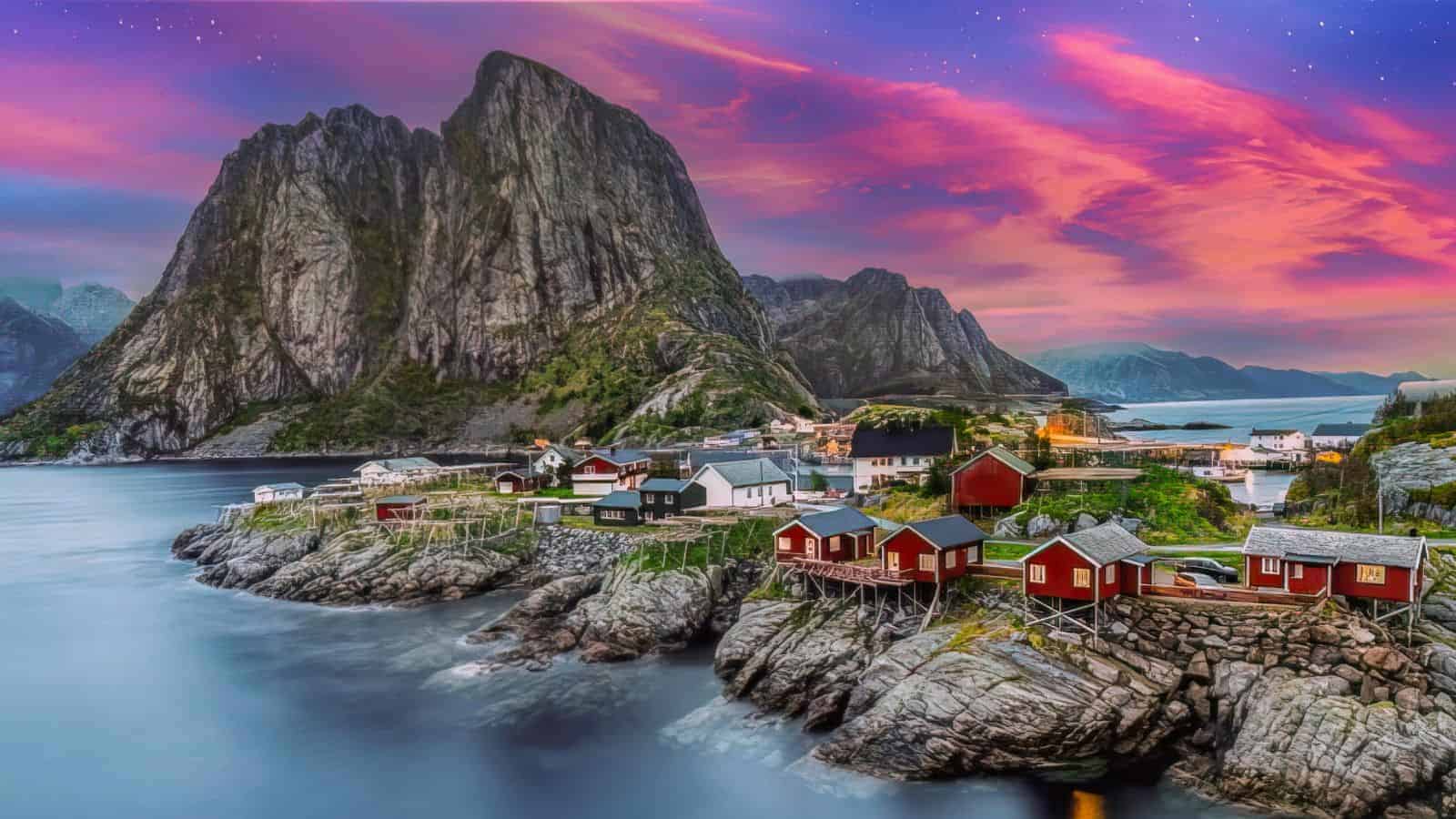
The Lofoten archipelago feels otherworldly, with dramatic fjords, Arctic beaches, and fishing villages that seem frozen in time. You’ll find locals living in harmony with the harsh yet breathtaking environment—raising sheep, drying cod, and welcoming guests into traditional red rorbu cabins. Whether you’re kayaking beneath the northern lights or joining a Sami cultural experience, Lofoten shows how tightly nature and heritage can intertwine.
Fez, Morocco

Fez is a labyrinth of culture, where artisans still dye fabrics by hand and cobblers craft shoes the old way. Nestled between rolling hills, this ancient city is deeply connected to the surrounding landscapes. Step outside the medina and you’ll find olive groves, cedar forests, and Berber villages in the Middle Atlas Mountains, where Fez’s traditions are rooted in the land, and every alleyway tells a story.
Banff, Canada
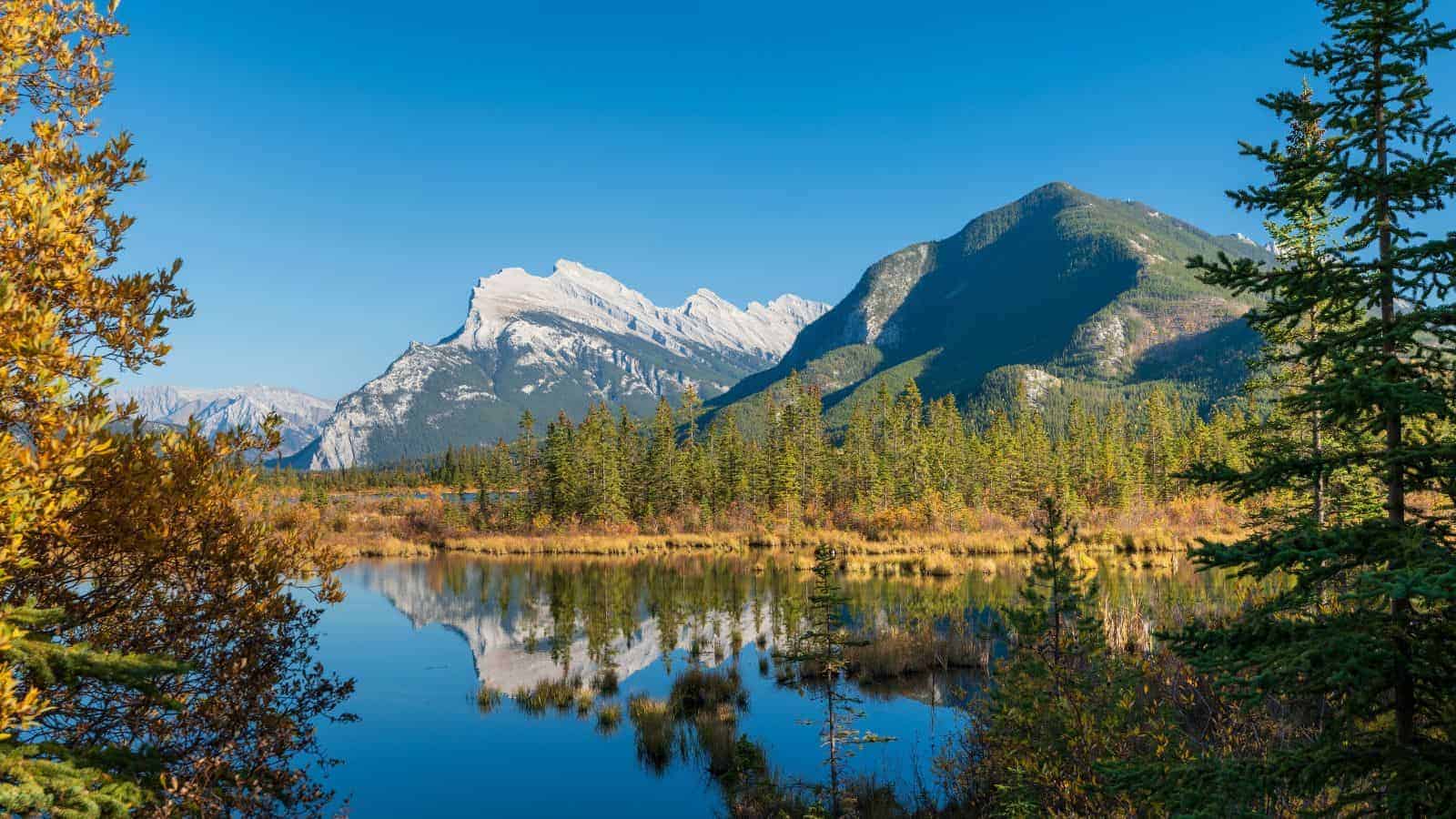
Banff National Park offers more than turquoise lakes and towering peak, it’s a place where Indigenous traditions and pristine nature come together. The Stoney Nakoda and Blackfoot peoples have called this land home for generations. Guided hikes and storytelling sessions provide cultural context to the landscapes. Whether you’re soaking in hot springs or spotting wildlife on a backcountry trail, Banff promotes the appreciation of nature and its wondrous beauty.
Luang Prabang, Laos

Tucked into a river valley surrounded by green hills, Luang Prabang pulses with spiritual calm and natural beauty. Buddhist monks in saffron robes walk quietly at dawn, and golden temples glow in the soft light. The Mekong River and nearby waterfalls invite reflection and adventure alike. Traditional weaving villages and Hmong markets keep local culture alive, offering insights into a way of life shaped by water, forest, and faith.
Rajasthan, India
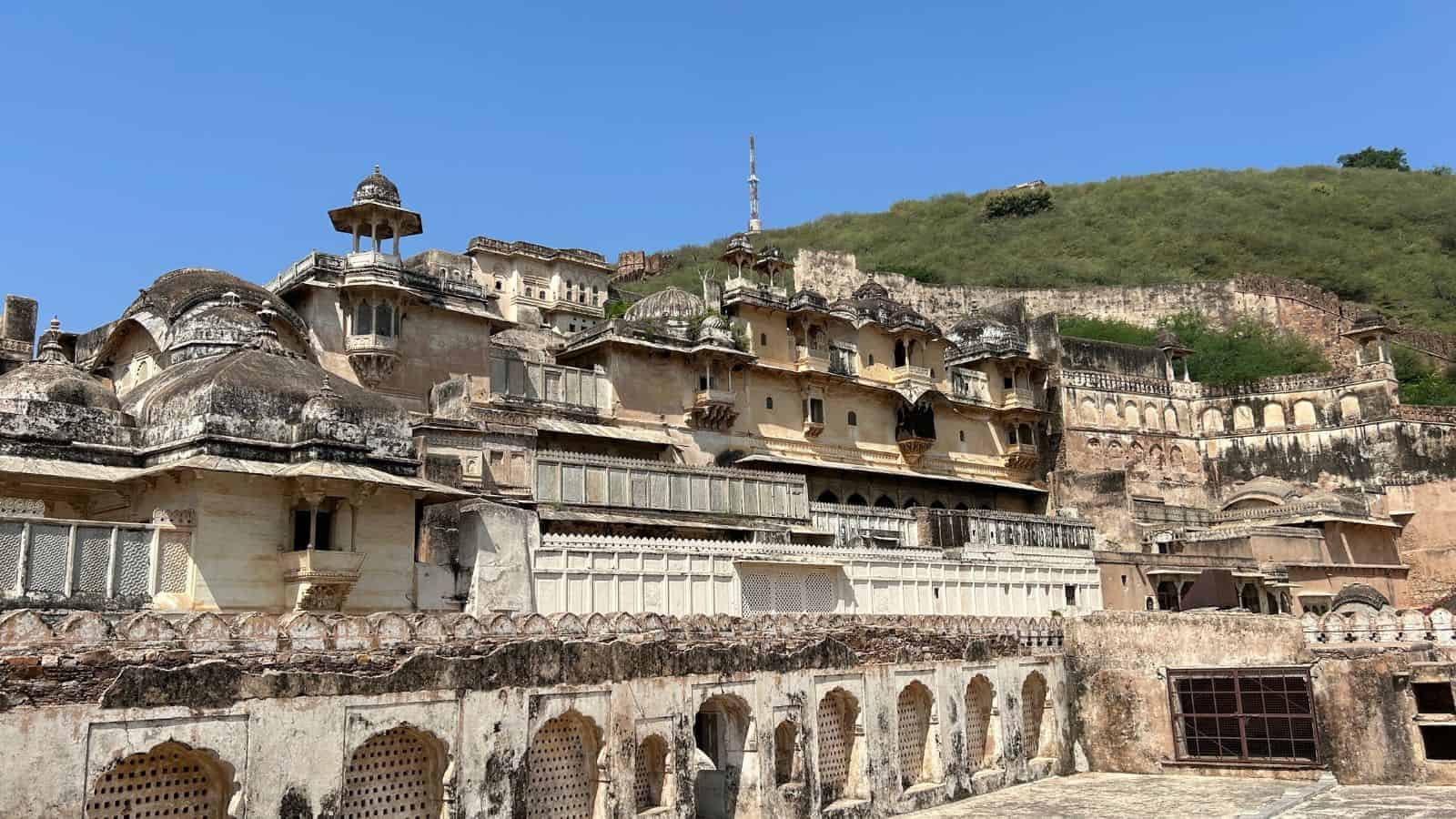
From the golden sands of Jaisalmer to the green hills of Udaipur, Rajasthan is a feast for the senses. The desert terrain is dotted with majestic forts, vibrant bazaars, and centuries-old palaces. Camel safaris take you deep into nomadic cultures, while villages like Bishnoi preserve unique ecological and spiritual customs.
Bali, Indonesia

Beyond its surf beaches and yoga retreats, Bali is a cultural haven infused with spirituality. Terraced rice fields and volcanoes form a living landscape tied to Balinese Hindu beliefs. Temples are part of every village, and daily offerings are left with care. Attend a traditional dance, join a local ceremony, or hike to a sacred waterfall, the connections between nature and culture here are visible and vibrant.
Oaxaca, Mexico
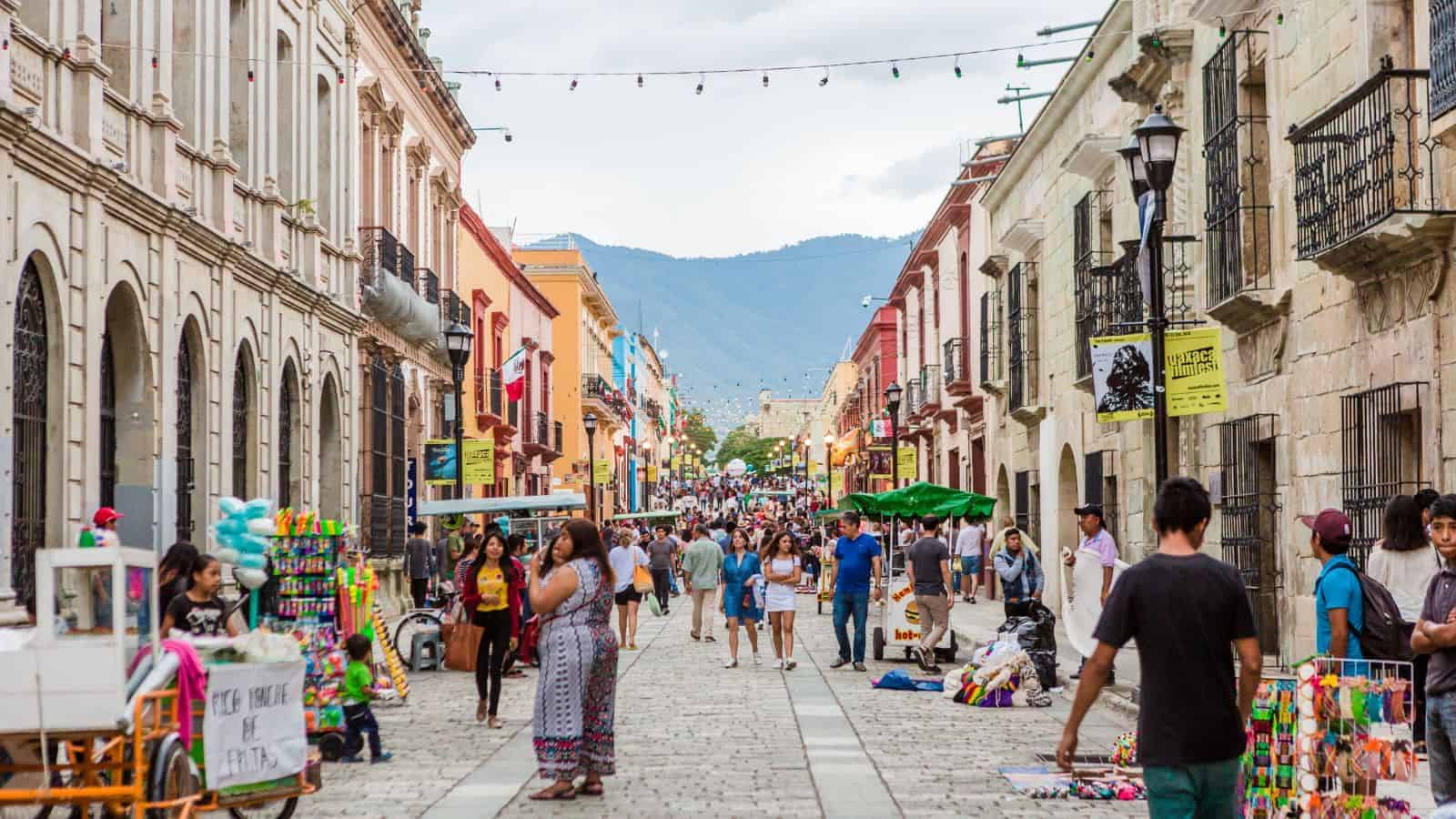
Oaxaca’s mountainous terrain nurtures some of Mexico’s richest cultural traditions. From Zapotec ruins to colorful folk art, the city and its surrounding valleys are steeped in indigenous heritage. Food is a window to history here, mole sauces, tlayudas, and mezcal each carry centuries of flavor and meaning. Hiking through agave fields or exploring ancient temples, you’ll feel the depth of Oaxaca’s roots in both soil and soul.
Lapland, Finland

In the far north, Lapland offers snow-laden forests, frozen lakes, and the flickering magic of the aurora borealis. But it’s also home to the Sámi people, whose reindeer herding and storytelling traditions are deeply connected to the land. Winter adventures, from dog sledding to ice fishing, are balanced by quiet cultural moments in Sámi villages. Here, survival and identity have always depended on nature’s rhythm.
Petra, Jordan

The rose-colored city of Petra is not just a UNESCO site,it’s a testament to the Nabataean people’s harmony with harsh desert surroundings. Carved into sandstone cliffs, this ancient city once thrived thanks to ingenious water systems and trade routes. Visiting Petra’s temples and canyons with local Bedouin guides adds layers of understanding and respect for the traditions that endure in Jordan’s vast landscapes.
Isle of Skye, Scotland

Misty, rugged, and hauntingly beautiful, the Isle of Skye is a place where nature and Celtic folklore still shape local identity. The dramatic cliffs and lochs are matched by stories of fairies, warriors, and ancient clans. Music, language, and storytelling remain vibrant. Hike through the Quiraing or sit in a traditional pub and you’ll feel a powerful connection to both land and legend.
Bwindi Impenetrable Forest, Uganda

This UNESCO World Heritage site is known for its mountain gorillas, but it also holds deep cultural significance for surrounding communities. The Batwa people once lived within the forest, and their traditions offer a different lens on conservation. Guided treks not only offer wildlife encounters but also highlight how culture and environment are inseparable in this lush, biodiverse region.
Tuscany, Italy

Rolling vineyards, medieval villages, and golden light—Tuscany’s charm lies in its seamless blend of nature and history. Every hillside tells a story, whether it’s a centuries-old wine tradition or a Renaissance painting preserved in a tiny chapel. Farmers, winemakers, and artisans sustain cultural legacies rooted in the land, meaning Tuscany is a place you taste, hear, and feel.
Hạ Long Bay, Vietnam

Towering limestone karsts rise from emerald waters, creating a landscape both surreal and sacred. Local fishing villages float along the bay, where generations have lived in harmony with the tides. Caves, temples, and folklore shape the region’s cultural identity, while eco-tours and community-run guesthouses offer intimate encounters with both the people and the environment they’ve preserved for centuries.
Andalusia, Spain

Andalusia’s white-washed towns, olive groves, and flamenco rhythms are rooted in a fusion of Moorish, Roman, and Spanish influences. The region’s natural parks, like Doñana and Sierra de Grazalema, offer protected landscapes where wildlife thrives. Whether you’re wandering through the Alhambra or hiking to a cliffside village, you’re experiencing centuries of cultural layering shaped by the contours of the land.
The Canadian Arctic, Nunavut

Remote and humbling, Nunavut is a place where Indigenous Inuit traditions remain strong despite a challenging climate. Vast tundras, glaciers, and sea ice define the geography, but it’s the oral histories, throat singing, and survival skills passed through generations that offer deep meaning. You can learn from local communities who continue to honor and protect their land and hear traditional stories from the past.
The Galápagos Islands, Ecuador

This remote archipelago is known for its biodiversity, but it also has a unique human culture shaped by isolation and conservation. The islands’ residents work in tandem with strict environmental protections to maintain balance. Guided tours often include community interactions where you’ll hear how locals adapt their traditions in one of the world’s most delicate ecosystems.

Deborah Montiero is a seasoned travel writer and contributor to Probe the Globe. With a passion for uncovering hidden gems and sharing immersive travel experiences, Deborah’s work highlights must-visit destinations, insider tips, and practical advice for travelers of all types. Whether exploring bustling cities or remote escapes, her articles are crafted to inspire and inform, making her a trusted voice in the travel community.
Her storytelling weaves together cultural insights, logistical tips, and authentic experiences, making her a valuable resource for readers seeking unforgettable journeys.
When not writing, Deborah is likely researching the latest travel trends or planning her next adventure. Follow her work on Probe the Globe for fresh perspectives and up-to-date travel inspiration.