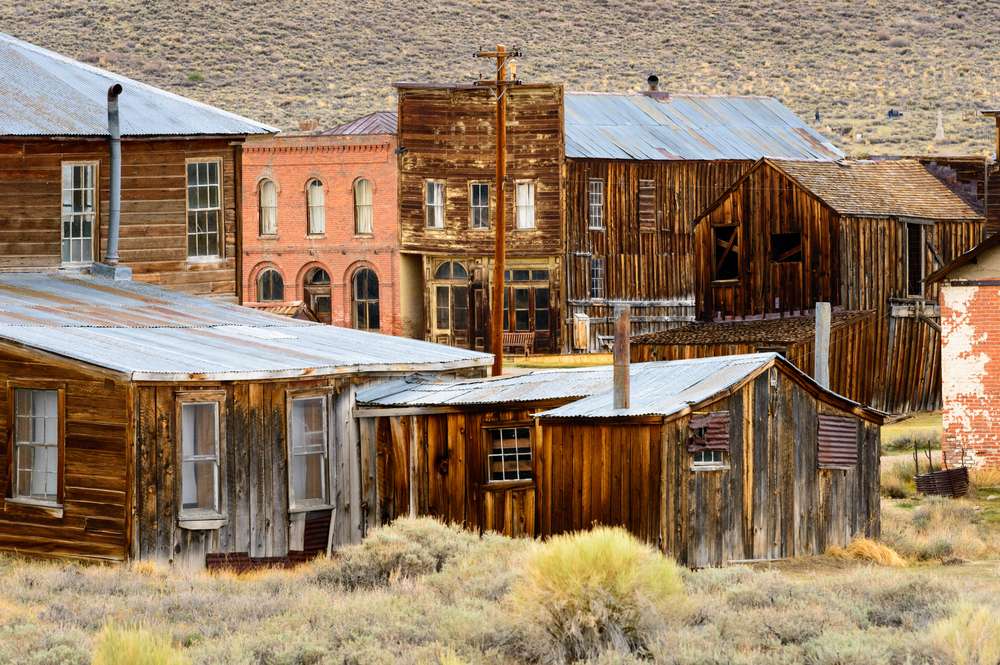
18 Ghost Towns Across the U.S. That Are Frozen in Time
Across the vast landscapes of the United States, entire communities have vanished, leaving behind haunting remnants of their former lives. From abandoned mining camps to once-thriving railroad hubs, these forgotten places tell the story of ambition, loss, and resilience. Exploring ghost towns offers a rare look into the nation’s history and the fleeting nature of prosperity. Join us on a journey to discover 18 Ghost Towns Across the U.S. that are frozen in time.
Cisco, Utah

Cisco began as a water refueling stop for steam trains before growing into a small community of ranchers and workers. When the railroad changed routes, the town was left behind. Its abandoned cars, gas station, and cabins create an otherworldly scene against Utah’s red desert backdrop. Some artists now use the site for installations, giving new life to the remains of a forgotten era.
Aurora, Nevada

Aurora once rivaled Virginia City as one of Nevada’s richest mining towns, boasting thousands of residents and dozens of saloons. When the gold played out, the town quickly emptied. Today, only scattered foundations and a cemetery remain. For those traveling through the Great Basin, Aurora offers a haunting reminder of how entire populations could vanish almost overnight.
Adamsville, Arizona

Located near Florence, Adamsville was once a small agricultural settlement dependent on irrigation from the Gila River. Floods destroyed much of the town in the late 1800s, forcing residents to relocate. Today, only a few adobe walls and artifacts hint at its brief existence. Standing among its remains, visitors can imagine the determination of early settlers who sought to make a living from Arizona’s challenging land.
Bodie, California
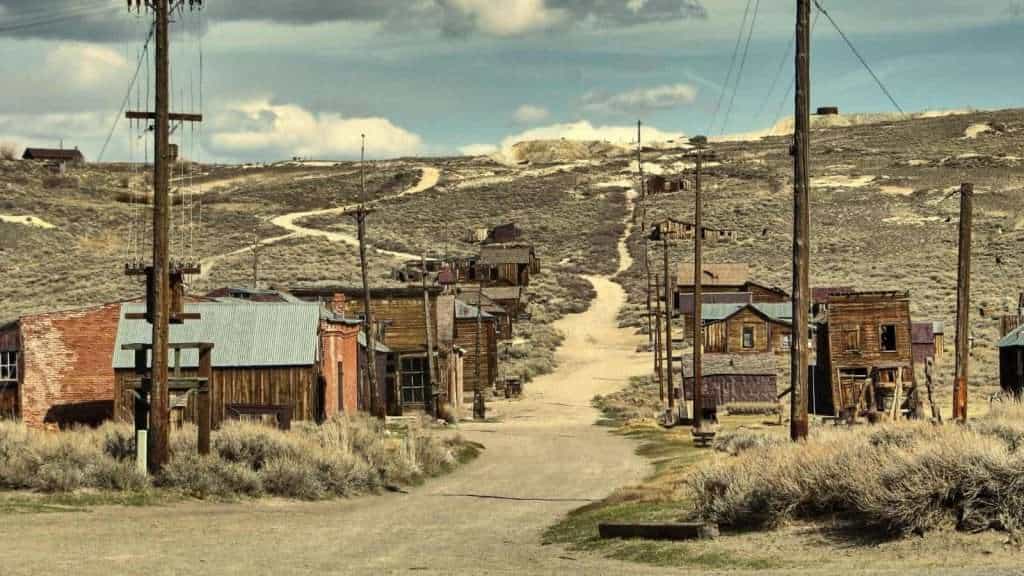
Once a booming gold-mining town in the Sierra Nevada Mountains, Bodie is now one of America’s best-preserved ghost towns. Founded during the Gold Rush, it grew to house thousands of residents before fire and decline left it deserted. Today, the wooden buildings stand as they were abandoned, with furniture and artifacts still inside. Visitors can wander its dirt streets and feel transported back to the rugged days of frontier life, making it a top stop for U.S. travel enthusiasts.
Rhyolite, Nevada

Rhyolite sprang up in the early 1900s during Nevada’s gold rush and quickly became a bustling town complete with a school, opera house, and stock exchange. Within just a decade, the boom ended, and Rhyolite was left to the desert winds. Today, its crumbling stone buildings and empty bottle house serve as eerie reminders of human ambition. The desert landscape around it amplifies the town’s haunting stillness.
Cairo, Illinois

Located at the confluence of the Mississippi and Ohio Rivers, Cairo once thrived as a trade and transportation hub. However, economic decline, racial tension, and changes in shipping routes led to its near abandonment. Visitors today can explore quiet streets lined with decaying 19th-century buildings and fading signs of prosperity. It stands as a stark testament to how progress can pass a once-vibrant town by.
Terlingua, Texas
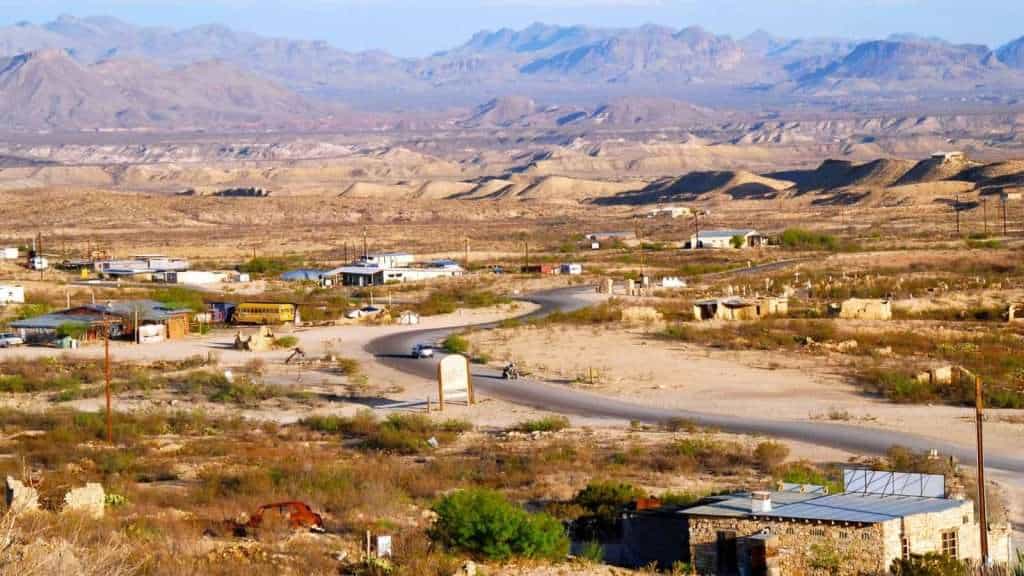
In the remote desert near Big Bend National Park, Terlingua was once a mercury mining town alive with workers and families. When mining ceased in the 1940s, residents moved on, leaving behind stone ruins and weathered wooden homes. Today, a small community has returned, opening rustic lodgings and a quirky chili cook-off that draws adventurous travelers. It’s a fascinating stop for anyone exploring offbeat U.S. travel destinations.
Jerome, Arizona
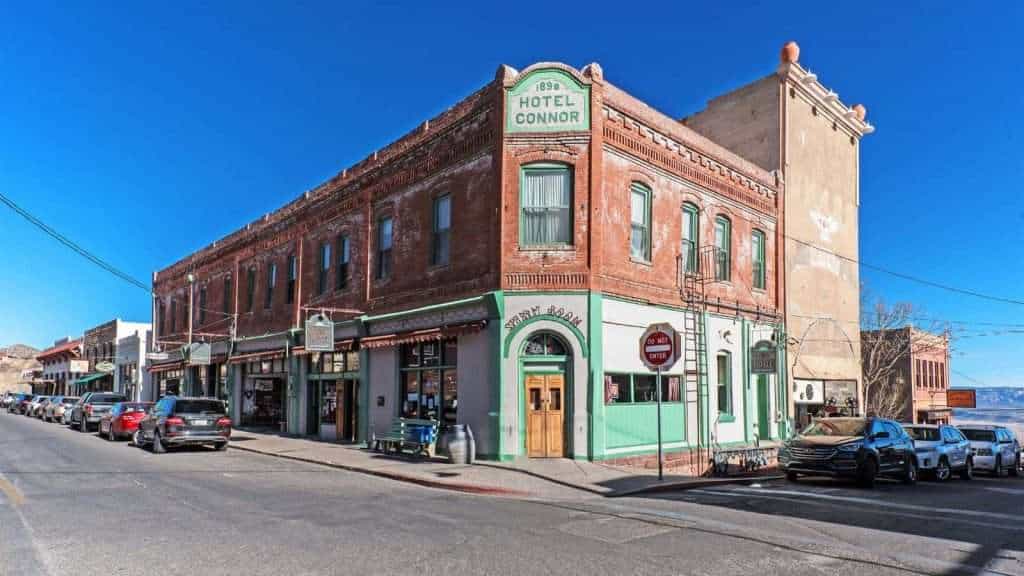
Perched high on Cleopatra Hill, Jerome was once known as “the wickedest town in the West” due to its saloons, gambling halls, and mining wealth. After the copper mines closed, Jerome became nearly deserted, but artists later revived it as a creative enclave. The ghostly remains of old buildings and steep winding streets give visitors a glimpse of its colorful past. Jerome’s blend of decay and revival makes it one of Arizona’s most unique destinations.
Calico, California
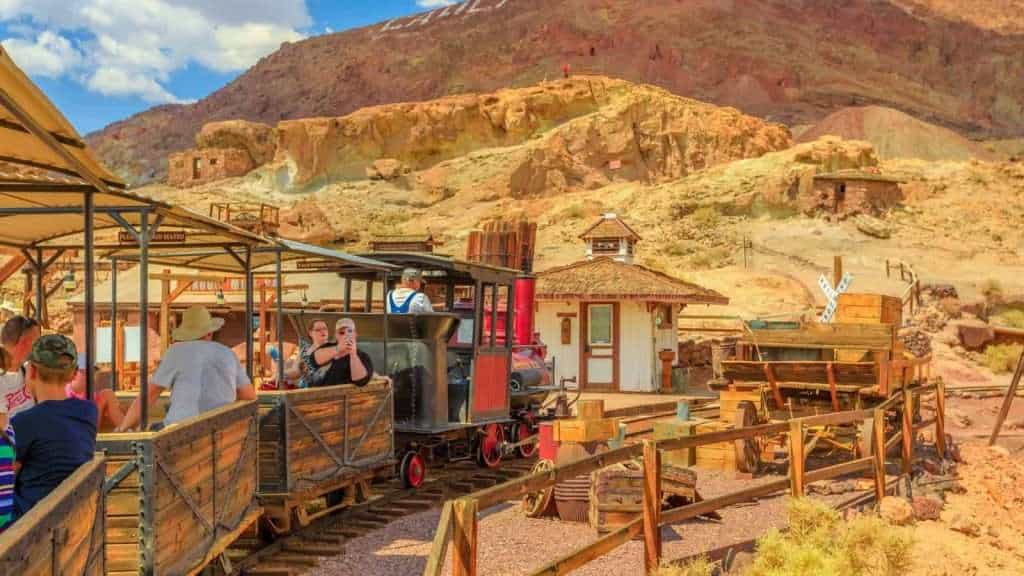
Founded during the silver boom of the 1880s, Calico was home to hundreds of miners seeking fortune in California’s Mojave Desert. When silver prices dropped, residents left almost overnight. Today, the restored buildings and mine tours bring its Wild West history to life for visitors. Calico offers an authentic, family-friendly ghost town experience and remains a fascinating glimpse into American frontier days.
Kennecott, Alaska
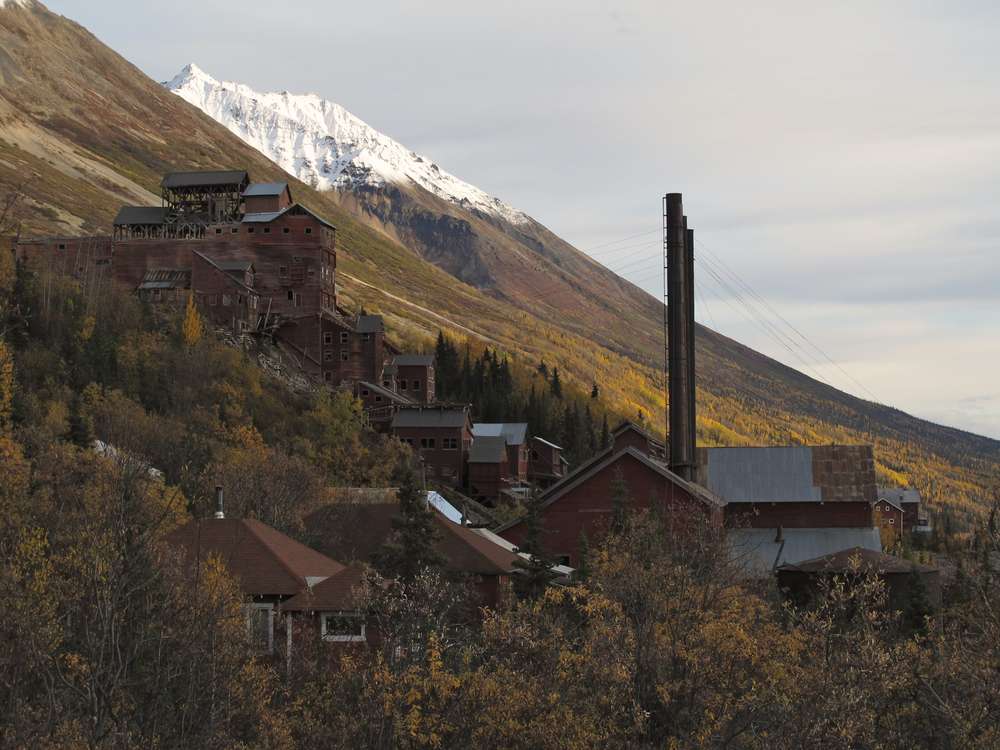
High in Alaska’s Wrangell-St. Elias Mountains lies Kennecott, once a thriving copper mining town in the early 20th century. The operation extracted millions of dollars’ worth of ore before closing in the 1930s. The massive red mill buildings still stand, preserved by the cold, dry climate. Surrounded by glaciers and towering peaks, Kennecott offers travelers both ghost town intrigue and breathtaking natural beauty.
Garnet, Montana

Hidden in Montana’s mountains, Garnet was once a lively gold-mining settlement of families and fortune seekers. Fires and dwindling resources led to its abandonment, but many of its log cabins and shops remain remarkably intact. Managed as a historic site, visitors can wander through homes and stores left just as they were. It’s a peaceful, contemplative stop for travelers interested in Montana’s mining heritage.
St. Elmo, Colorado

Once a booming supply hub for gold and silver mines, St. Elmo still feels alive despite being long deserted. Wooden storefronts line its main street, and its rustic charm draws photographers and history buffs alike. Some buildings have been carefully preserved, while others stand weathered by time. Surrounded by alpine scenery, St. Elmo is a highlight for travelers exploring the Rockies and U.S. mountain towns.
Bannack, Montana
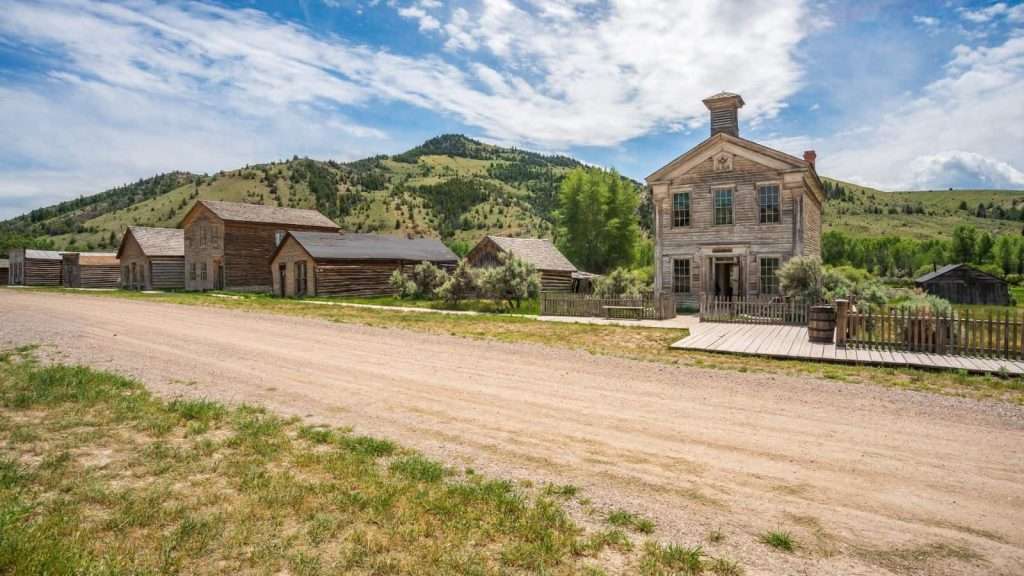
Bannack, the site of Montana’s first major gold discovery, became a lawless frontier settlement in the 1860s. It served briefly as the territorial capital before the mines dried up. Today, more than 60 wooden structures remain, creating an authentic ghost town atmosphere. Visitors walking its dusty streets can easily imagine the gunfights, miners, and pioneers that once defined the Wild West spirit of U.S. travel history.
Thurmond, West Virginia
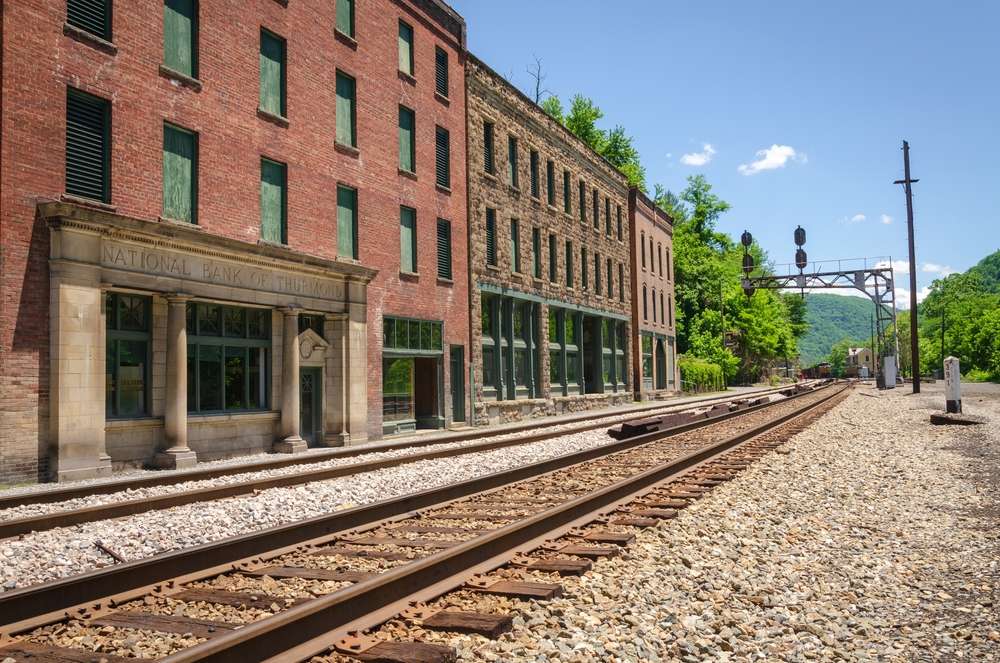
Thurmond thrived during the height of the coal and railroad industries, with hotels, shops, and busy train traffic. When steam engines were replaced and the mines closed, the town slowly faded. A handful of historic buildings still stand along the railroad tracks, cared for by the National Park Service. Visiting Thurmond feels like stepping into a preserved chapter of Appalachian industrial history.
Silver City, Idaho
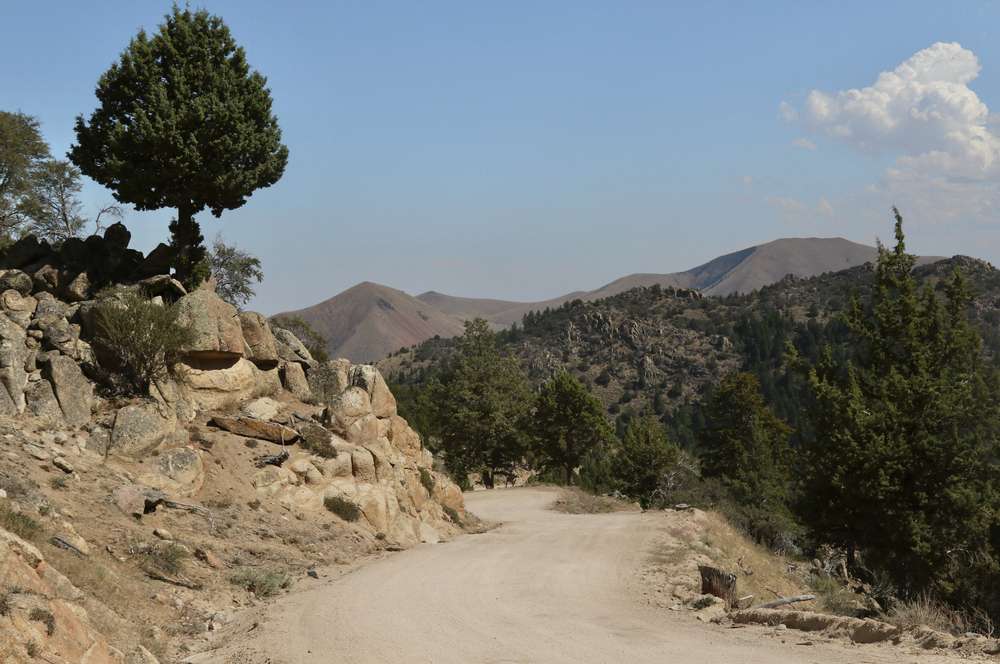
Silver City was a prosperous mining town in the late 1800s, boasting hundreds of buildings and a thriving community. As silver production declined, the population dwindled, leaving behind beautifully preserved architecture. Today, a few seasonal residents and visitors explore the saloons, churches, and schoolhouse that remain. It’s one of the most atmospheric ghost towns in the Pacific Northwest and a great stop for U.S. road trippers.
Chaco Canyon, New Mexico

Though not a ghost town in the modern sense, Chaco Canyon stands as a haunting archaeological site once home to the Ancestral Puebloans. The stone great houses and ceremonial structures date back over a thousand years. Walking among the ruins, visitors can sense the ingenuity and mystery of a civilization that flourished and faded long before European settlement. It’s a powerful addition to any Southwestern travel itinerary.
Goldfield, Nevada
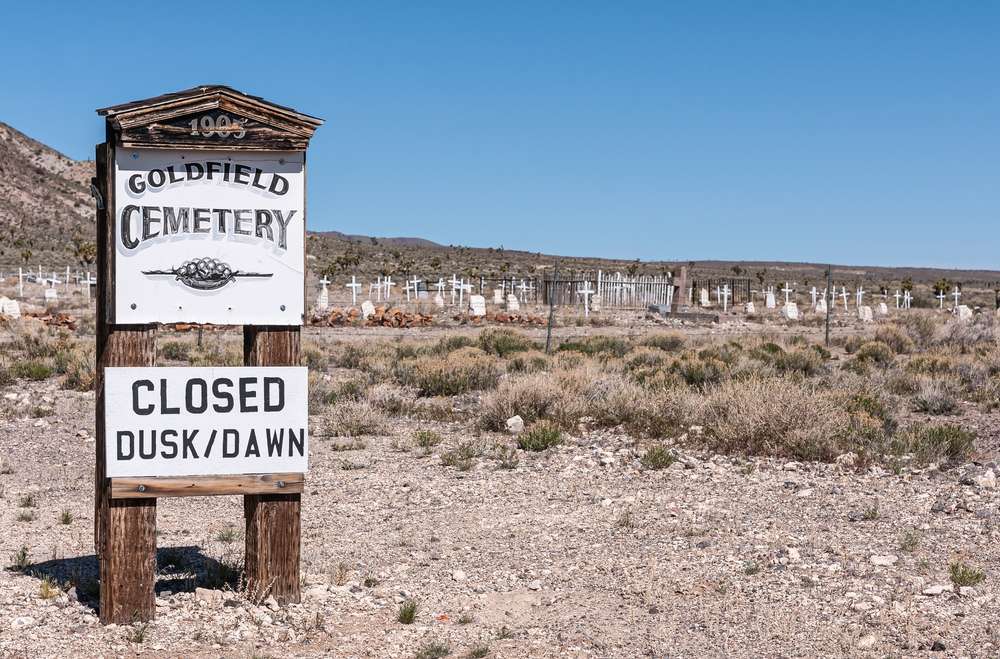
Goldfield rose from the desert during the early 1900s gold rush, quickly becoming one of Nevada’s largest towns. Once filled with saloons, hotels, and fortune seekers, it now sits in quiet decay. Many buildings remain, including an old hotel rumored to be haunted. Goldfield’s atmosphere of faded grandeur makes it a fascinating stop for anyone exploring the Nevada desert’s ghostly past.
Independence, Colorado

High in the Rockies near Aspen, Independence was founded during Colorado’s gold rush in the 1880s. Harsh winters and declining ore forced its residents to abandon it within a decade. The remaining cabins, framed by alpine meadows, tell a story of perseverance and isolation. It’s a stunning yet somber reminder of how quickly fortune could fade on the American frontie

Deborah Montiero is a seasoned travel writer and contributor to Probe the Globe. With a passion for uncovering hidden gems and sharing immersive travel experiences, Deborah’s work highlights must-visit destinations, insider tips, and practical advice for travelers of all types. Whether exploring bustling cities or remote escapes, her articles are crafted to inspire and inform, making her a trusted voice in the travel community.
Her storytelling weaves together cultural insights, logistical tips, and authentic experiences, making her a valuable resource for readers seeking unforgettable journeys.
When not writing, Deborah is likely researching the latest travel trends or planning her next adventure. Follow her work on Probe the Globe for fresh perspectives and up-to-date travel inspiration.