21 Places That Look Peaceful Until You Learn What Happened There
Travel has a way of lulling us into calm. Quiet landscapes, charming towns, and scenic parks often promise rest and escape, especially for travelers exploring iconic U.S. destinations. Yet some of the most serene places in America carry stories that are anything but peaceful, hidden beneath postcard-perfect views. Understanding the past adds depth to travel, transforming a simple visit into something more reflective and meaningful. These 21 locations remind us that history is always present, even when the setting feels calm and inviting.
Central Park, New York City

At first glance, Central Park feels like a green sanctuary in the middle of Manhattan, drawing millions of visitors seeking a break from city noise. Joggers, families, and tourists fill its paths daily, making it one of the most visited urban parks in the United States. Beneath this calm atmosphere lies a history of displacement, as entire communities were forced out during the park’s construction in the 19th century. Seneca Village, a thriving community of formerly enslaved people and immigrants, was erased to make way for the park. Today, the peaceful lawns quietly sit atop stories of loss and resilience.
Gettysburg National Military Park, Pennsylvania

Rolling hills and quiet fields define the landscape of Gettysburg today, making it a popular stop for U.S. road trips and history-focused travel. Birds chirp and tall grass sways gently, giving little indication of the violence once experienced here. In 1863, this land became the site of the bloodiest battle of the Civil War, with tens of thousands of soldiers killed, wounded, or missing. Walking these fields now, travelers often feel a strange contrast between the calm environment and the unimaginable suffering that unfolded over just three days.
Manzanar National Historic Site, California

Set against a dramatic desert backdrop, Manzanar appears vast and quiet, framed by mountains and open sky. For travelers exploring California beyond beaches and cities, it can feel meditative and still. During World War II, this site confined over 10,000 Japanese Americans who were forcibly relocated from their homes. Families lived under harsh conditions, guarded and isolated, despite having committed no crimes. The peaceful desert landscape today stands in stark contrast to the injustice endured here.
Wounded Knee Creek, South Dakota

The plains around Wounded Knee Creek feel open and serene, a place where time seems to slow down. Visitors often remark on the quiet beauty of the South Dakota landscape. In 1890, this site witnessed one of the most tragic events in Native American history, when hundreds of Lakota men, women, and children were killed by U.S. troops. The land now appears calm, but its history carries deep cultural and emotional weight. For many travelers, this stop reshapes their understanding of American history.
Alcatraz Island, California

Surrounded by shimmering waters and offering stunning views of San Francisco, Alcatraz can appear almost picturesque from afar. Ferries bring curious visitors daily, drawn by its unique location in the bay. The island once served as a notorious federal prison, housing inmates under harsh and isolating conditions. Prisoners endured extreme discipline, psychological strain, and limited contact with the outside world. What now feels like a scenic stop on a California travel itinerary was once a place defined by confinement and despair.
Salem, Massachusetts
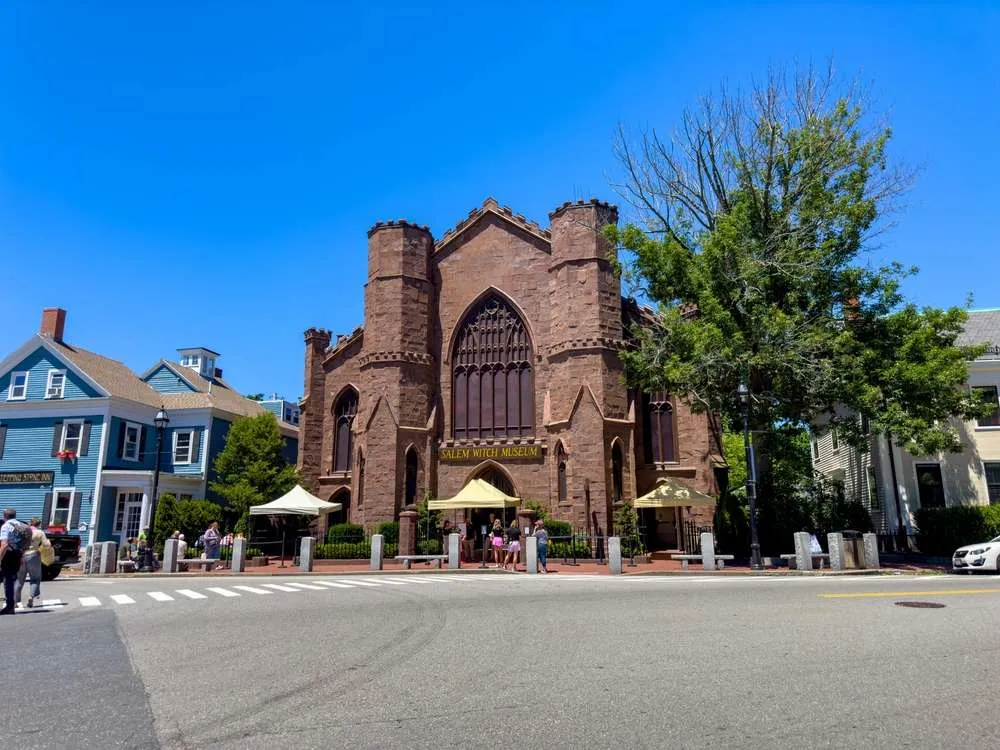
Salem’s charming streets, historic homes, and coastal New England atmosphere make it a popular destination for fall travel in the United States. Cafes, shops, and waterfront views give the town a welcoming feel. In the late 1600s, Salem became the center of mass hysteria, resulting in the execution of innocent people accused of witchcraft. Fear and suspicion overtook logic, leaving lasting scars on the community. The town’s peaceful appearance today masks a past shaped by paranoia and injustice.
Pearl Harbor, Hawaii

With calm waters and clear skies, Pearl Harbor looks like a serene tropical harbor, fitting perfectly into many Hawaii travel plans. Boats glide quietly across the water, and memorials stand in reflective silence. In 1941, this location was the site of a surprise military attack that thrust the United States into World War II. Thousands lost their lives in a matter of hours. The contrast between the tranquil harbor today and the devastation of that morning is deeply moving for visitors.
Andersonville National Historic Site, Georgia

The countryside around Andersonville feels rural and peaceful, with open land and tall trees shaping the scenery. Travelers exploring the American South might pass through without realizing its significance. During the Civil War, this was the site of a Confederate prison where Union soldiers suffered from overcrowding, disease, and starvation. Thousands died under brutal conditions. Today’s quiet fields serve as a solemn reminder of human suffering hidden within an otherwise calm setting.
Bodie State Historic Park, California

Bodie appears frozen in time, its abandoned buildings resting under wide open skies in eastern California. For travelers interested in ghost towns and unique road trip stops, it feels calm and strangely beautiful. In its gold rush heyday, Bodie was infamous for violence, lawlessness, and sudden death. Murders and accidents were common as fortune seekers clashed. The silence that fills the town now is a stark departure from its once-chaotic existence.
Mount St. Helens, Washington
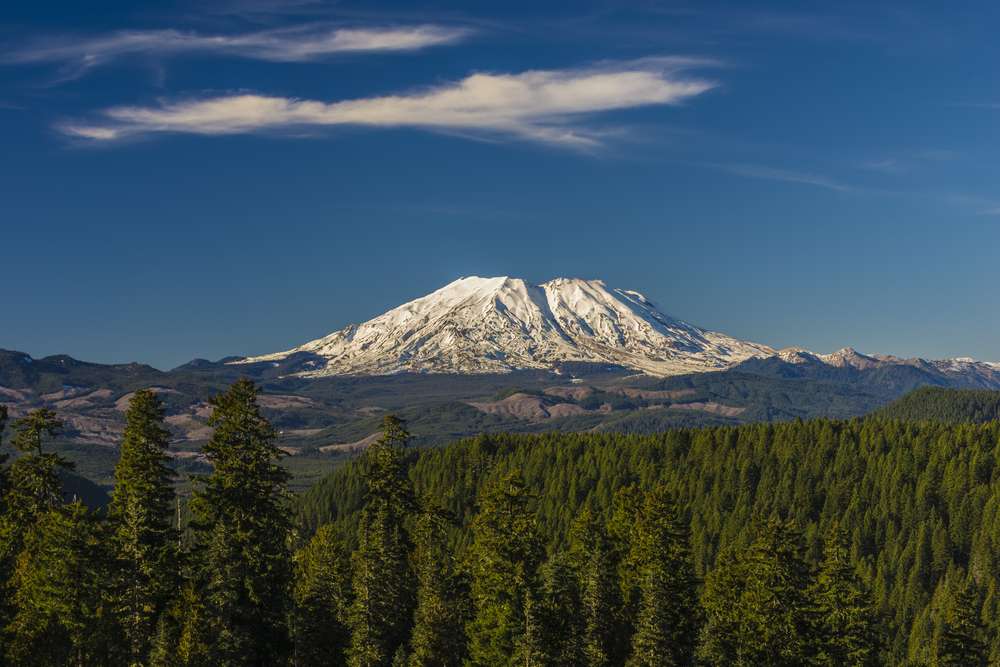
The landscape around Mount St. Helens feels expansive and quiet, especially when viewed from scenic overlooks popular with Pacific Northwest travelers. Forests and open terrain stretch outward, inviting contemplation. In 1980, the volcano erupted violently, killing dozens of people and reshaping the surrounding environment. Entire forests were flattened in minutes. The calm seen today exists because nature slowly rebuilt itself after massive destruction.
Triangle Shirtwaist Factory Site, New York City

Located in a busy part of New York City, this site blends into the urban environment, easily overlooked by travelers. The building itself appears ordinary, surrounded by shops and offices. In 1911, a factory fire here killed 146 garment workers, many of them young immigrant women. Locked doors and unsafe conditions turned the workplace into a death trap. The peaceful street today hides a tragedy that changed U.S. labor laws forever.
Harpers Ferry, West Virginia

Harpers Ferry sits at the meeting point of rivers, surrounded by lush hills that draw outdoor enthusiasts and history lovers alike. Hiking trails and scenic views define the experience today. In 1859, the town was the site of John Brown’s raid, an event that intensified tensions leading up to the Civil War. Violence and fear disrupted the quiet town. The calm charm visitors see now contrasts sharply with its turbulent past.
Cahokia Mounds, Illinois

The grassy mounds near present-day St. Louis appear peaceful, blending into the Midwestern landscape. Travelers often describe the area as serene and grounding. Centuries ago, this was the center of one of the largest pre-Columbian cities in North America, home to tens of thousands of people. The civilization eventually declined, leaving behind unanswered questions. What feels like a quiet park today was once a thriving urban center filled with life and eventual collapse.
Appomattox Court House, Virginia
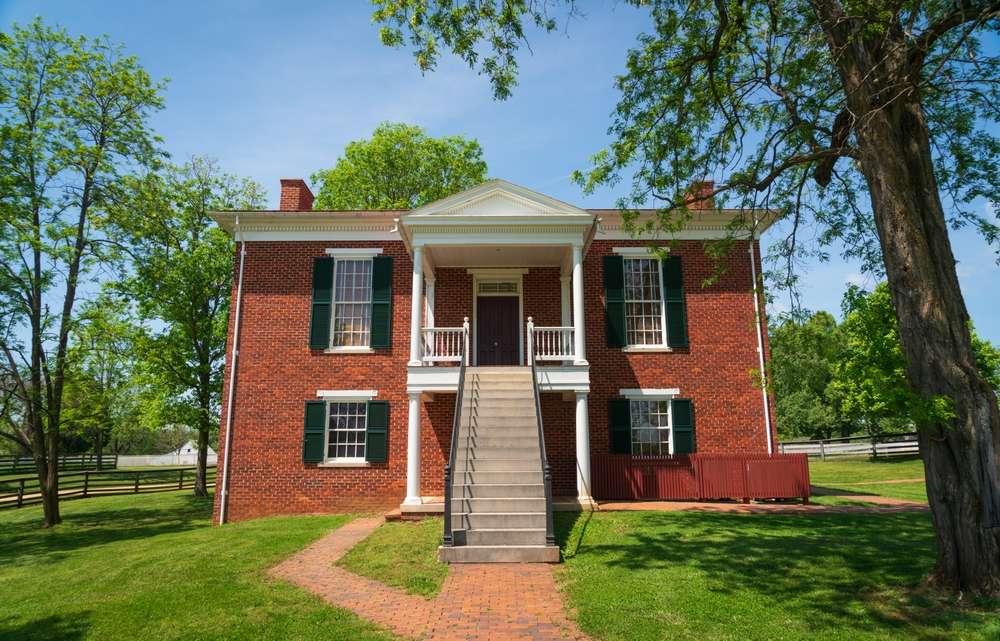
The village around Appomattox Court House feels calm and pastoral, making it a reflective stop for U.S. history travel. White fences and open land give the area a timeless feel. In 1865, this was where the Civil War effectively ended with General Lee’s surrender. The moment marked both relief and profound loss. The peaceful environment today contrasts with the emotional weight carried by that historic decision.
Topaz War Relocation Center, Utah

The Utah desert surrounding Topaz feels open and still, with vast skies and muted colors. Travelers seeking lesser-known U.S. travel destinations often find the area unexpectedly moving. During World War II, Japanese Americans were incarcerated here under harsh conditions. Families endured extreme temperatures and isolation. The quiet desert now stands as a powerful contrast to the fear and injustice once imposed.
Ford’s Theatre Area, Washington, D.C.

The streets around Ford’s Theatre blend into the familiar rhythm of Washington, D.C., filled with tourists and government buildings. The area feels lively yet orderly. In 1865, this was where President Abraham Lincoln was assassinated, shocking the nation. The moment altered U.S. history instantly. Today’s calm masks the chaos and grief that followed that night.
Kent State University Commons, Ohio

College campuses often feel peaceful, filled with green spaces and student activity. Kent State University is no exception, especially during quiet seasons. In 1970, the campus became the site of a deadly confrontation where National Guard troops killed four students during a protest. The event shook the country and changed how protests were viewed. The calm campus today carries the memory of that loss.
Fort Sumter, South Carolina
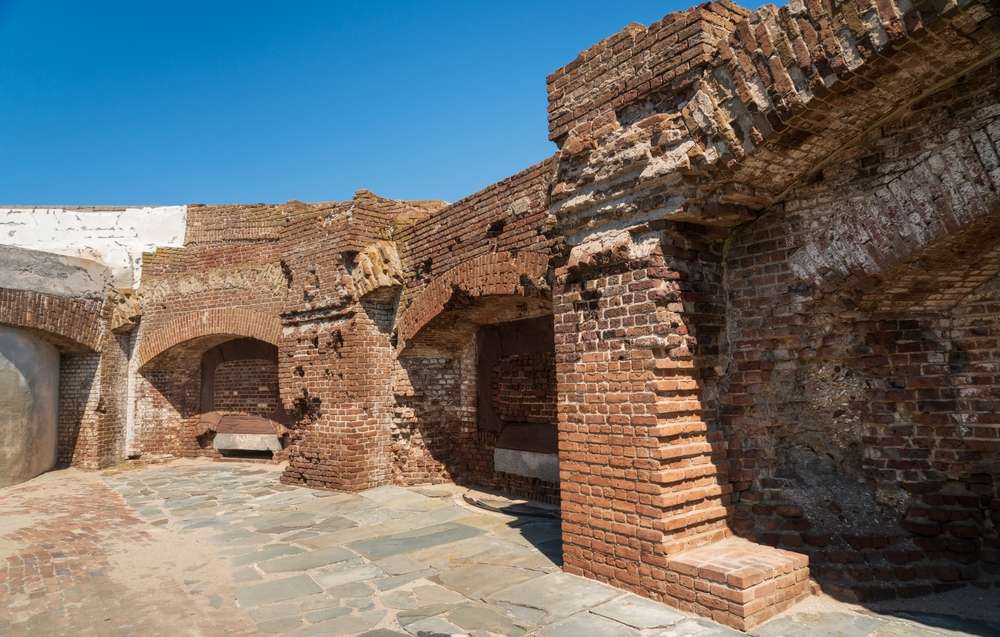
Fort Sumter sits quietly in Charleston Harbor, surrounded by water and coastal views popular with South Carolina travelers. Boats approach slowly, and seabirds circle overhead. In 1861, this fort was the site of the first shots of the Civil War. The conflict that followed claimed hundreds of thousands of lives. The stillness visitors experience now contrasts with the moment that ignited national upheaval.
Chimney Rock National Historic Site, North Carolina
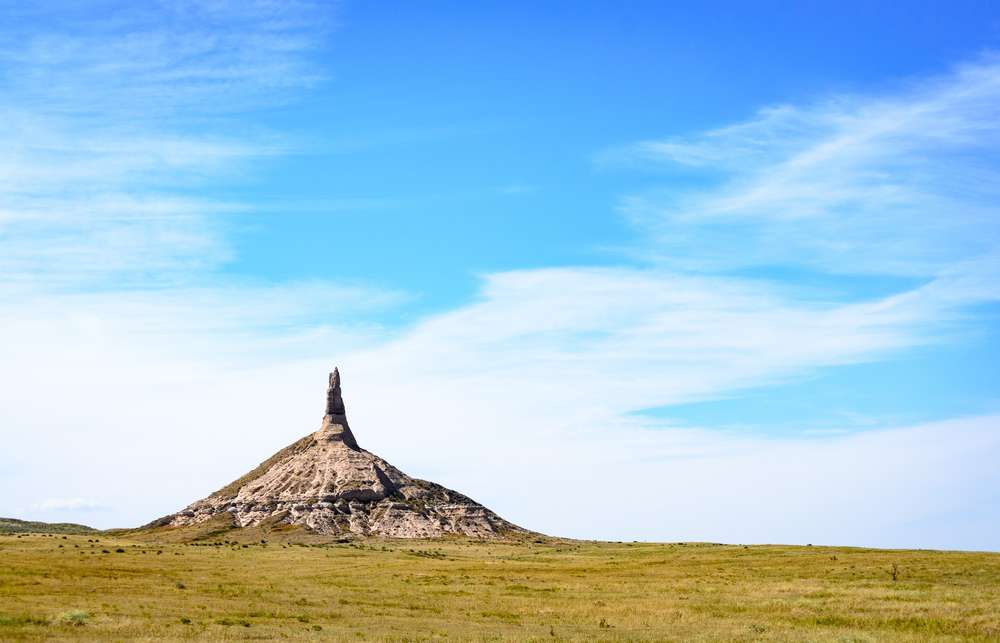
Rising above the surrounding landscape, Chimney Rock offers sweeping views and a sense of calm. Outdoor enthusiasts often visit for hiking and scenery. Nearby areas were affected by displacement of Native communities and later regional conflicts. While the rock itself feels timeless, the human history tied to the region includes forced removals and cultural loss. The peaceful views today exist alongside those layered stories.

Deborah Montiero is a seasoned travel writer and contributor to Probe the Globe. With a passion for uncovering hidden gems and sharing immersive travel experiences, Deborah’s work highlights must-visit destinations, insider tips, and practical advice for travelers of all types. Whether exploring bustling cities or remote escapes, her articles are crafted to inspire and inform, making her a trusted voice in the travel community.
Her storytelling weaves together cultural insights, logistical tips, and authentic experiences, making her a valuable resource for readers seeking unforgettable journeys.
When not writing, Deborah is likely researching the latest travel trends or planning her next adventure. Follow her work on Probe the Globe for fresh perspectives and up-to-date travel inspiration.