23 Border Places Where Cultures Collide in the Most Fascinating Way
Whether you’re planning a Southwest road trip, a Northern border adventure, or a regional getaway, border destinations add depth to American travel. They challenge assumptions and highlight how culture flows more freely than maps suggest. These locations reward curious travelers who slow down and observe the details. We take a look at 23 Border Places Where Cultures Collide in the Most Fascinating Way
San Diego, California and Tijuana, Mexico

San Diego’s southern edge blends seamlessly into the cultural energy of Tijuana, creating one of the most dynamic border regions in the United States. Spanish and English mix effortlessly, and food culture defines the experience, from Baja-style tacos to California seafood with Mexican influence. Cross-border family ties shape daily life, while art, music, and fashion reflect both cities. For U.S. travel enthusiasts, this region showcases how a border can divide countries yet unite communities.
El Paso, Texas and Ciudad Juárez, Mexico

El Paso and Juárez form a binational metro area where culture flows continuously across the Rio Grande. Street food, local music, and shared traditions create a strong sense of regional identity. Spanish dominates daily conversation, even on the U.S. side, and family histories often span generations across the border. Travelers exploring Texas destinations quickly notice how deeply interconnected these cities feel, offering one of the clearest examples of cultural blending in American border travel.
Brownsville, Texas and Matamoros, Mexico

Brownsville reflects a strong Mexican-American identity shaped by its proximity to Matamoros. Traditions, holidays, and cuisine closely mirror those across the border, creating a shared cultural rhythm. Local markets, festivals, and bilingual signage highlight the influence of cross-border life. For travelers interested in South Texas road trips, Brownsville offers insight into how borders shape identity without erasing heritage.
Nogales, Arizona and Nogales, Sonora

Divided by a border fence yet united by name and history, Nogales is a striking example of cultural continuity. Families, traditions, and commerce have long existed on both sides. Food, music, and local celebrations blur national lines. Travelers exploring Arizona travel routes often find Nogales to be a place where border dynamics feel personal rather than abstract, offering a deeply human perspective on cross-cultural living.
Laredo, Texas and Nuevo Laredo, Mexico

Laredo’s identity is inseparable from its Mexican roots, visible in architecture, language, and daily life. Border commerce fuels the economy, while shared traditions anchor the community. Spanish is widely spoken, and cultural festivals reflect regional pride. For U.S. travelers driving through South Texas, Laredo provides an immersive experience where American and Mexican cultures intersect naturally and confidently.
Calexico, California and Mexicali, Mexico

Calexico and Mexicali operate like twin cities divided by a line on the map. Residents cross daily for work, family, and shopping. Culinary traditions thrive, especially Chinese-Mexican cuisine unique to the region. Travelers on California road trips often find this border area unexpected, revealing how migration and trade shape local culture in lasting ways.
Douglas, Arizona and Agua Prieta, Mexico

Douglas carries deep historical ties to Agua Prieta, reflected in shared traditions and architecture. Once a major rail and mining hub, the town retains a strong cross-border character. Bilingual communities and shared celebrations highlight cultural overlap. For travelers interested in lesser-known U.S. border destinations, Douglas offers a quieter yet meaningful look at binational life.
Detroit, Michigan and Windsor, Ontario

Detroit and Windsor share more than a river; they share history, music, and industry. Cultural exchange runs deep, from Motown’s influence to shared sports fandoms. Accents, food, and traditions reflect both American and Canadian influences. For Midwest travel itineraries, this border region reveals how international boundaries can coexist with shared regional identity.
Buffalo, New York and Fort Erie, Ontario
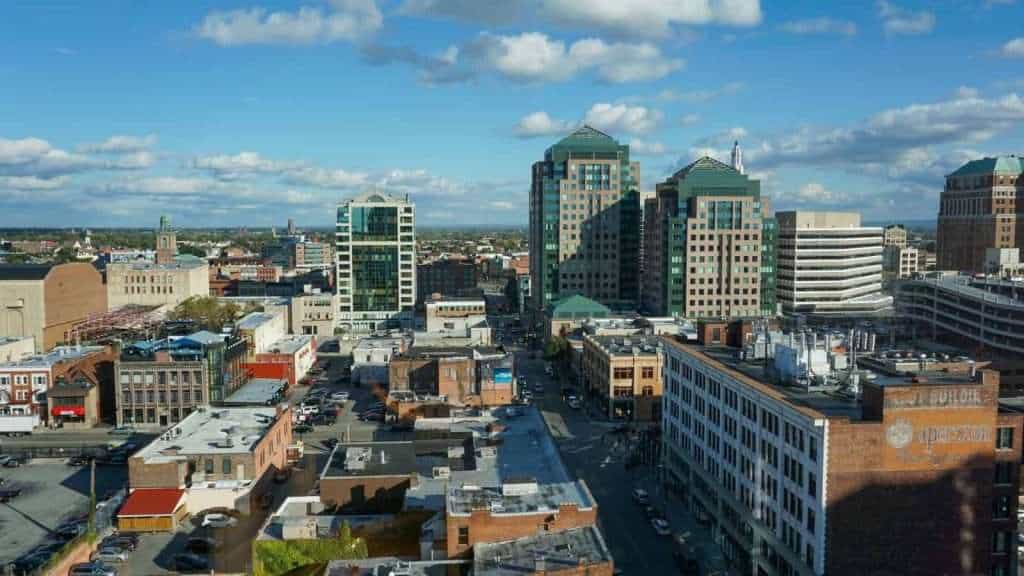
Buffalo’s proximity to Canada shapes everything from local slang to food traditions. Cross-border commuting and tourism are part of everyday life. Canadian and American influences mix in architecture and social customs. Travelers exploring New York State destinations often discover that Buffalo feels more international than expected, especially during major events and festivals.
Niagara Falls, New York and Niagara Falls, Ontario

The iconic waterfalls draw visitors from around the world, but the surrounding communities reflect a unique blend of cultures. Tourism, hospitality, and shared geography influence both sides of the border. Accents, food options, and entertainment styles overlap. For U.S. travelers, this destination offers a global atmosphere anchored by a shared natural landmark.
Portal, North Dakota and North Portal, Saskatchewan

This small border crossing highlights how rural communities maintain close ties despite national borders. Farming traditions, local events, and family connections span both sides. Travelers on Great Plains road trips often find these quiet border towns reveal authentic cultural blending rooted in shared landscapes rather than urban influence.
International Falls, Minnesota and Fort Frances, Ontario

International Falls and Fort Frances share industry, recreation, and family histories. Fishing culture, outdoor traditions, and seasonal festivals unite residents. Canadian and American customs merge naturally. Travelers exploring Minnesota’s northern destinations often find this region offers a slower, more intimate form of cross-border cultural exchange.
Point Roberts, Washington and Delta, British Columbia

Point Roberts is geographically isolated from the mainland U.S., making it heavily dependent on Canada. Residents cross the border regularly for groceries, work, and school. Cultural habits reflect Canadian influence despite American citizenship. For travelers exploring Washington State travel routes, this area highlights how geography can outweigh political boundaries.
Blaine, Washington and White Rock, British Columbia

Blaine and White Rock share coastal culture shaped by the Pacific Northwest. Seafood traditions, outdoor recreation, and relaxed lifestyles dominate both sides. Travelers driving near the U.S.-Canada border notice subtle differences alongside shared regional identity. This area feels international yet familiar, making it appealing for scenic road trips.
Sault Ste. Marie, Michigan and Sault Ste. Marie, Ontario

These twin cities share history tied to shipping and waterways. Cultural exchange thrives through festivals, museums, and family ties. Accents and traditions overlap, creating a seamless regional identity. For travelers interested in Great Lakes destinations, this border city pair offers rich historical context and cultural depth.
Pembina, North Dakota and Emerson, Manitoba

Pembina and Emerson reflect a blend of Midwestern and Canadian prairie culture. Agriculture shapes daily life, while cross-border travel remains routine. Travelers exploring northern U.S. highways often find these towns demonstrate how borders coexist with shared economic and cultural foundations built over generations.
Presidio, Texas and Ojinaga, Mexico

Presidio sits along the Rio Grande in a remote region where cultural ties remain strong. Spanish language, food, and traditions dominate local life. For travelers exploring West Texas destinations, Presidio offers a powerful example of border culture shaped more by geography and heritage than politics.
Del Rio, Texas and Ciudad Acuña, Mexico

Del Rio’s cultural landscape reflects deep connections to Ciudad Acuña. Music, food, and family ties shape everyday experiences. Spanish is widely spoken, and traditions cross freely. Travelers on Texas road trips often find Del Rio feels distinctly bicultural, offering insight into border life beyond major cities.
Yuma, Arizona and San Luis, Mexico

Yuma’s proximity to San Luis influences food, language, and commerce. Agricultural roots connect both sides, while daily border crossings shape routines. Travelers exploring Arizona travel routes often notice how cultural blending here feels practical and lived-in rather than performative.
Houlton, Maine and Woodstock, New Brunswick

Houlton’s border connection to Canada shapes local culture, accents, and traditions. Cross-border events and shared history define the region. Travelers exploring Maine road trips often discover this northern destination offers an unexpectedly international feel grounded in rural life.
Eagle Pass, Texas and Piedras Negras, Mexico

Eagle Pass thrives on cross-border movement, with shared markets, music, and family connections. Spanish language and Mexican traditions play a central role in daily life. For travelers seeking authentic border destinations, Eagle Pass offers a vivid look at cultural continuity across national lines.
Hidalgo, Texas and Reynosa, Mexico

Hidalgo’s culture reflects its close relationship with Reynosa. Commerce, food traditions, and bilingual communities define the area. Travelers exploring the Rio Grande Valley often find this region highlights how borders shape identity without limiting cultural expression.
Van Buren, Maine and St. Leonard, New Brunswick

Van Buren’s French heritage connects it closely with Canadian neighbors. Language, traditions, and festivals reflect Acadian influence. Travelers on New England road trips may be surprised by the strong Francophone culture present, making this border town a distinctive and enriching travel stop.

Deborah Montiero is a seasoned travel writer and contributor to Probe the Globe. With a passion for uncovering hidden gems and sharing immersive travel experiences, Deborah’s work highlights must-visit destinations, insider tips, and practical advice for travelers of all types. Whether exploring bustling cities or remote escapes, her articles are crafted to inspire and inform, making her a trusted voice in the travel community.
Her storytelling weaves together cultural insights, logistical tips, and authentic experiences, making her a valuable resource for readers seeking unforgettable journeys.
When not writing, Deborah is likely researching the latest travel trends or planning her next adventure. Follow her work on Probe the Globe for fresh perspectives and up-to-date travel inspiration.