20 Pristine Colonial Towns in Latin America Steeped in History
Latin America’s colonial past is etched into the cobblestone streets, colorful buildings and grand plazas of its historic towns. These preserved gems offer a glimpse into a bygone era, showcasing architectural treasures, vibrant cultures and long-lived traditions. We take a look at 20 stunning colonial towns in Latin America where history comes alive:
Antigua, Guatemala
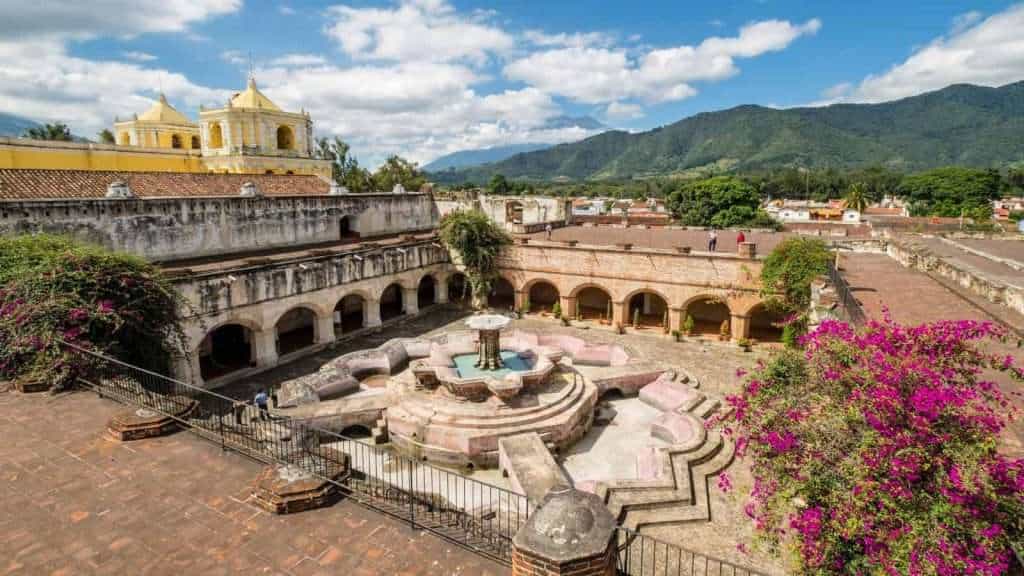
Nestled among volcanoes, Antigua is famed for its Spanish Baroque architecture and colorful streets. A UNESCO World Heritage Site, the town is dotted with well-preserved ruins, historic churches like La Merced and charming courtyards filled with bougainvillea.
Ouro Preto, Brazil
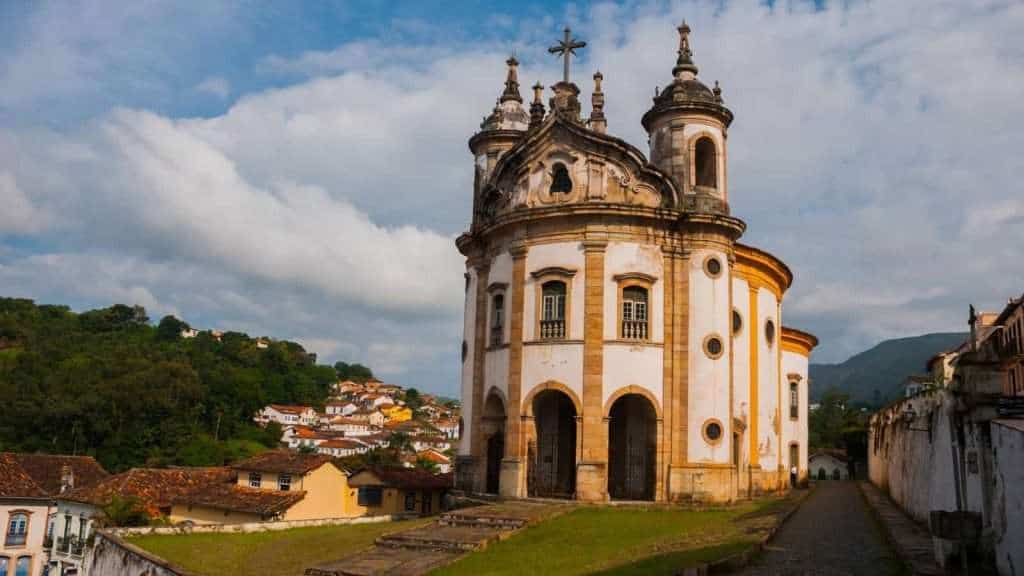
This Brazilian gem is a masterpiece of Baroque architecture. Ouro Preto was once a center of the gold rush and its ornate churches, like São Francisco de Assis, reflect the wealth of that era. The town’s steep streets and preserved colonial buildings make it a history lover’s dream.
Cartagena, Colombia

Cartagena’s walled city, a UNESCO World Heritage Site, is an enchanting blend of colonial charm and Caribbean vibrancy. Its pastel-colored facades, lush courtyards and historic sites like Castillo San Felipe de Barajas transport visitors back in time.
San Miguel de Allende, Mexico
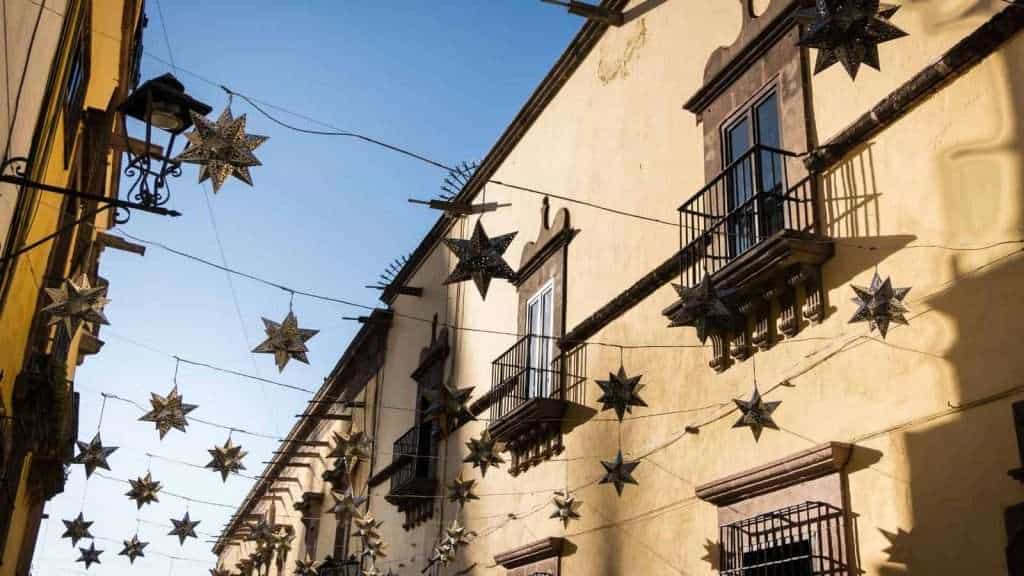
Known for its vibrant culture and artistic community, San Miguel de Allende is a jewel of colonial Mexico. The neo-Gothic Parroquia de San Miguel Arcángel dominates the town’s main plaza, while its cobbled streets are lined with galleries and boutiques.
Cusco, Peru
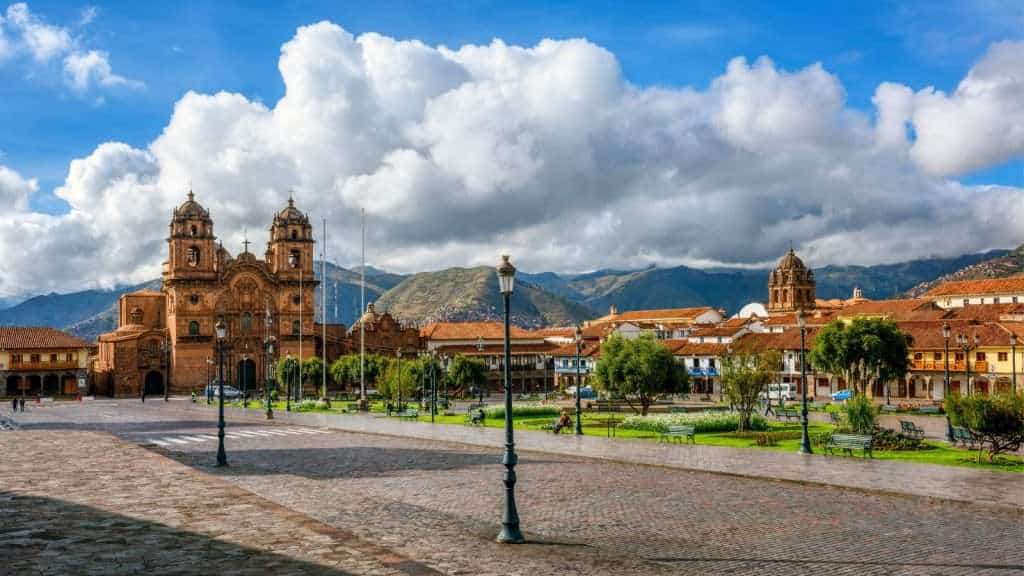
Once the heart of the Inca Empire, Cusco was transformed by Spanish colonization. Its stunning blend of Inca stone foundations and colonial architecture, seen in landmarks like the Cathedral of Santo Domingo, makes it one of South America’s most fascinating towns.
Granada, Nicaragua
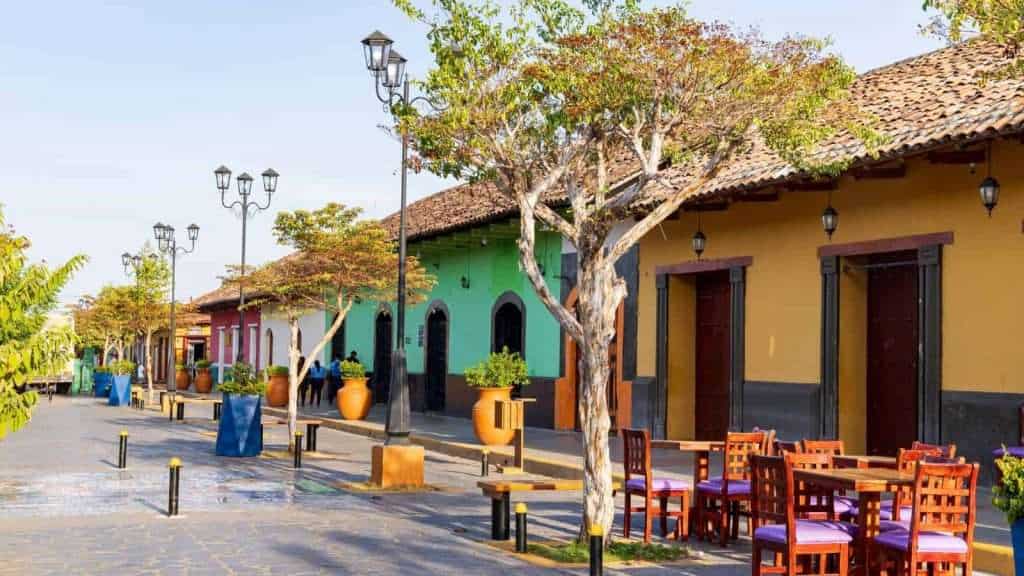
Granada’s striking colonial architecture is characterized by vibrant facades and grand churches like the Cathedral of Granada. Situated on the shores of Lake Nicaragua, this historic town also offers proximity to natural wonders like the Mombacho Volcano.
Trinidad, Cuba
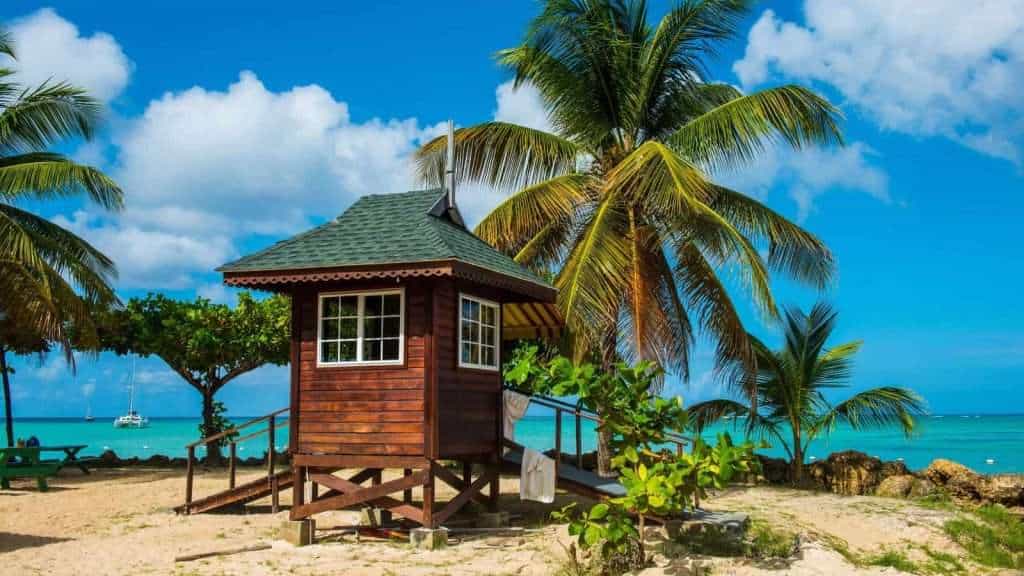
Time seems to stand still in Trinidad, with its cobblestone streets, pastel-colored homes and well-preserved colonial buildings. Once a hub for sugar trade, the town now charms visitors with its lively music scene and historic Plaza Mayor.
Arequipa, Peru
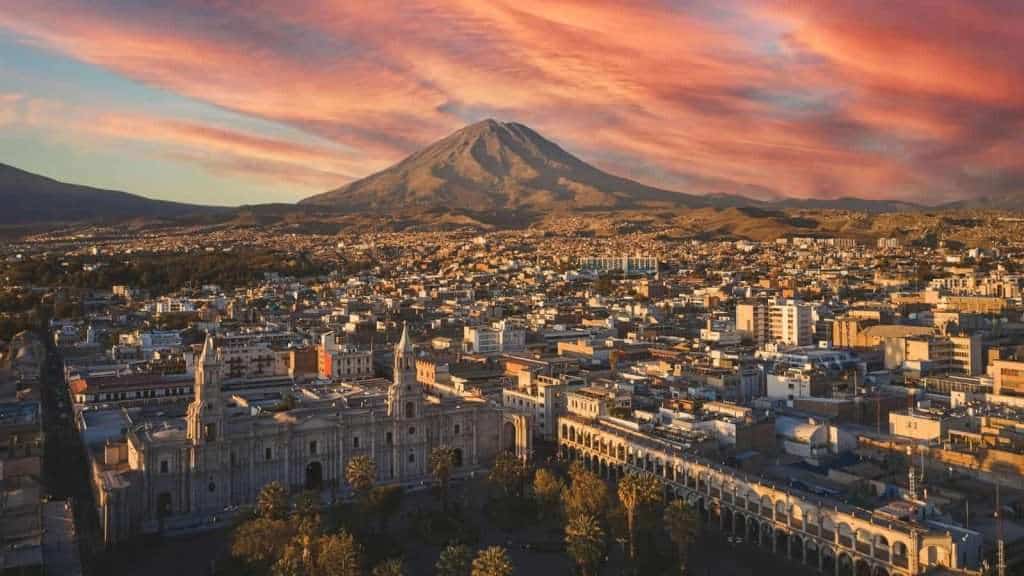
Known as the “White City” for its buildings made of volcanic sillar stone, Arequipa combines colonial elegance with dramatic mountain views. Its historic center, including the massive Santa Catalina Monastery, is a UNESCO World Heritage Site.
Colonia del Sacramento, Uruguay
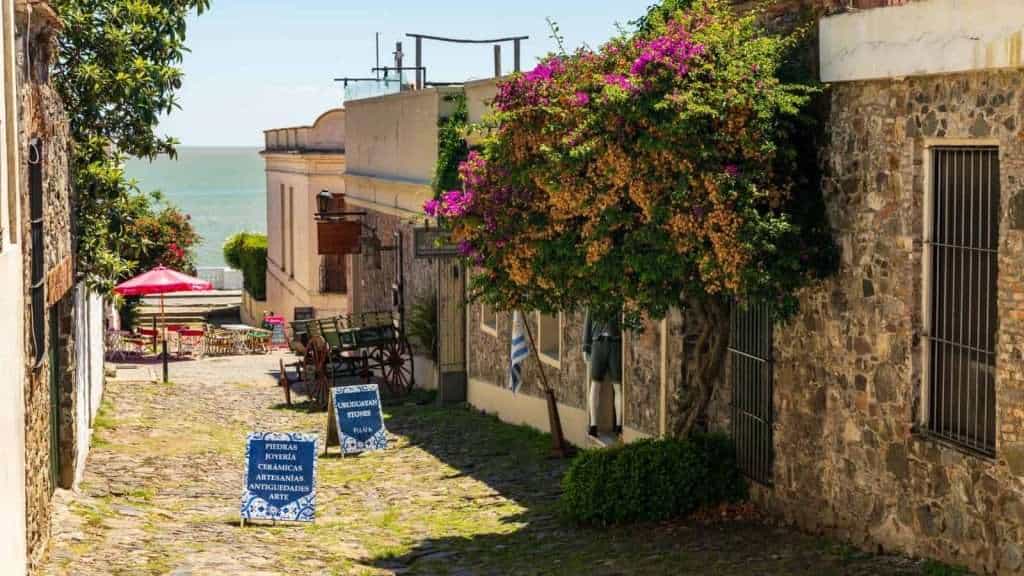
Located along the Río de la Plata, Colonia del Sacramento is a blend of Spanish and Portuguese colonial styles. Its quiet streets, historic lighthouse and well-preserved Barrio Histórico create an atmosphere of timeless serenity.
Guanajuato, Mexico
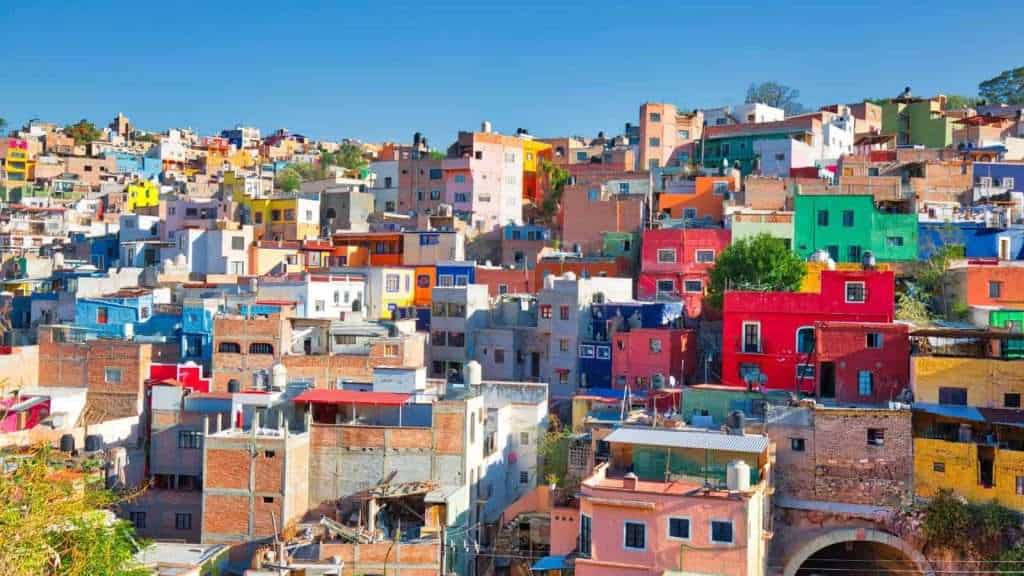
Famous for its narrow alleys, colorful facades and underground streets, Guanajuato is a colonial treasure. Its ornate churches, like the Basílica de Nuestra Señora de Guanajuato, reflect the town’s silver-mining wealth during the colonial period.
Quito, Ecuador
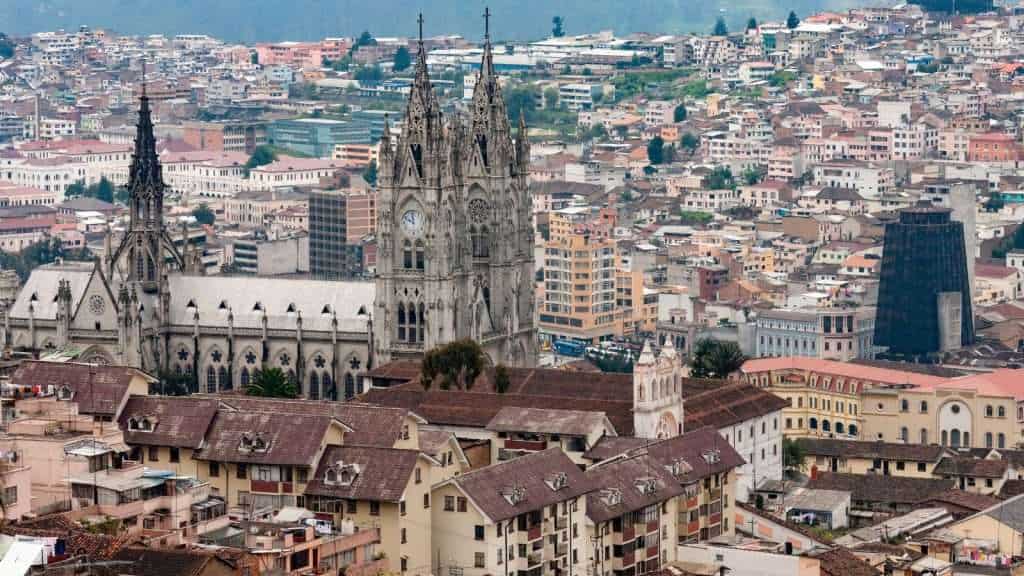
Ecuador’s capital boasts one of the largest and best-preserved historic centers in Latin America. The gold-filled interior of the Church of the Society of Jesus (La Compañía) and the grandeur of the Plaza Grande showcase Quito’s colonial splendor.
Puebla, Mexico
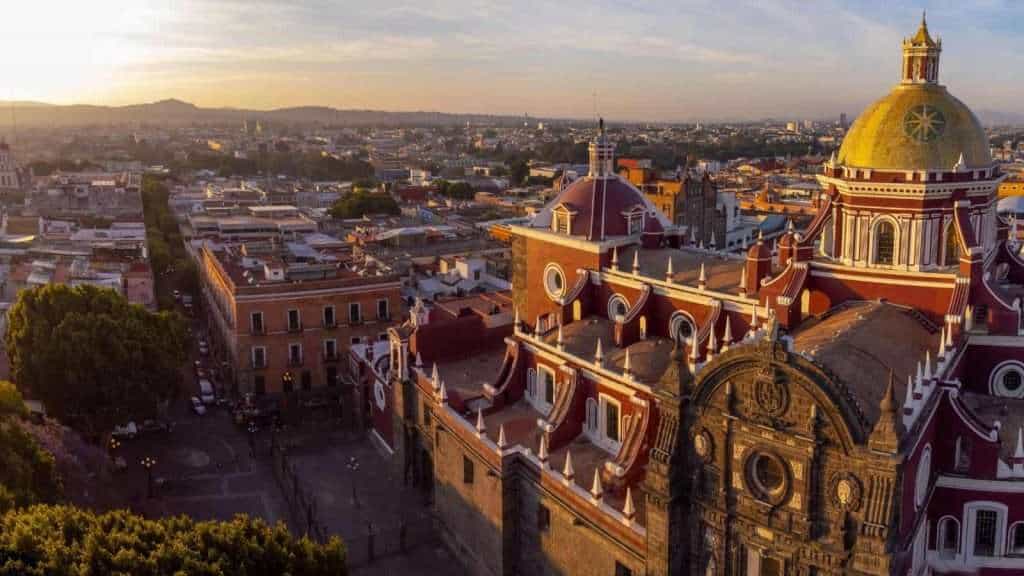
Puebla’s colonial charm lies in its iconic Talavera tiles, baroque churches and delicious cuisine. The city is home to the stunning Puebla Cathedral and the Rosario Chapel, a masterpiece of Mexican Baroque art.
Paraty, Brazil
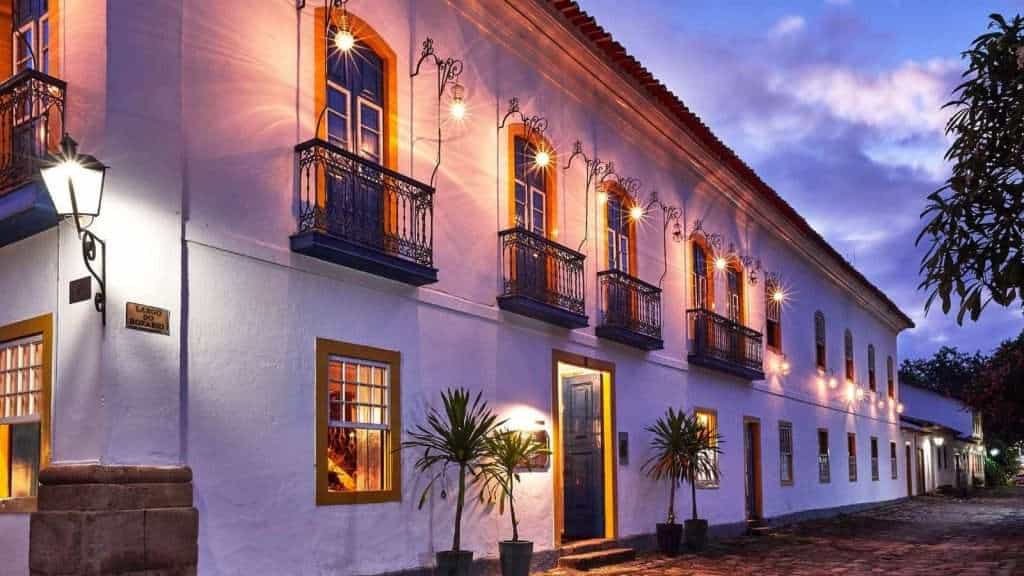
This seaside colonial town is surrounded by lush forests and pristine beaches. Paraty’s cobblestone streets and whitewashed buildings reflect its 18th-century prominence as a gold port, while nearby islands and waterfalls offer natural beauty.
León, Nicaragua
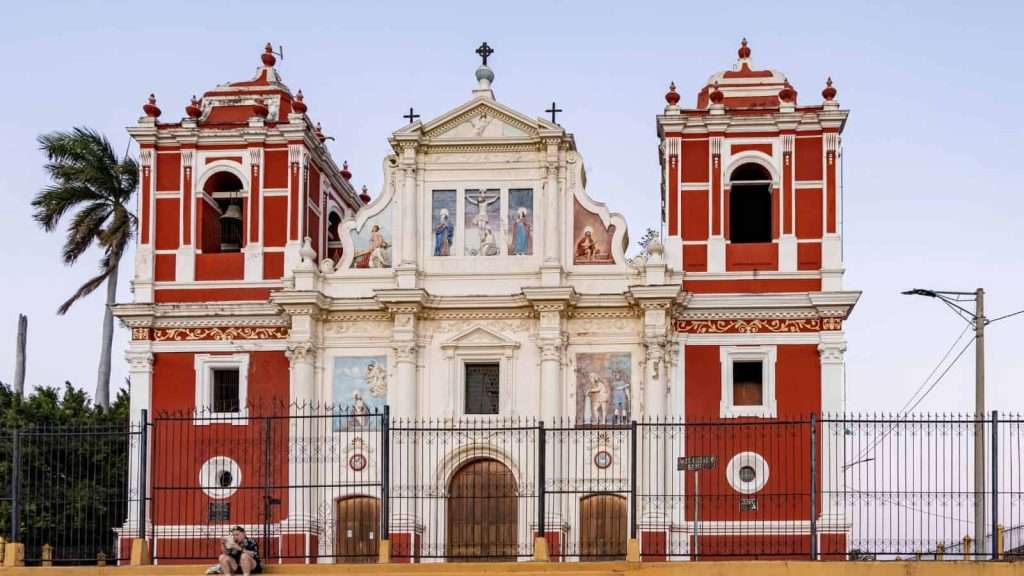
León is a cultural hub with a colonial core that includes the majestic Basílica de la Asunción, the largest cathedral in Central America. Its vibrant murals and thriving art scene reflect its revolutionary history and creative spirit.
Sucre, Bolivia
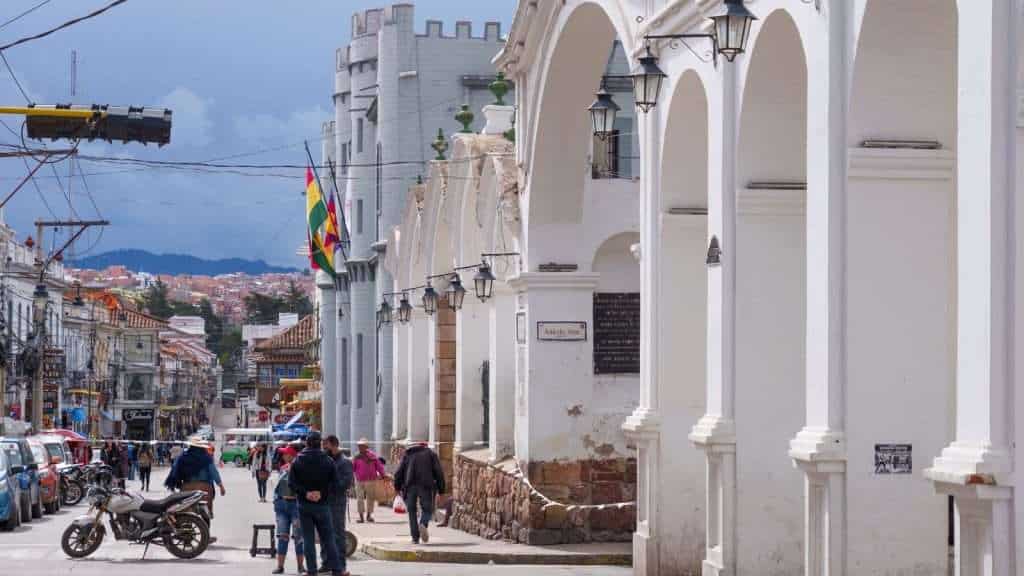
Known as Bolivia’s constitutional capital, Sucre is a whitewashed colonial jewel. Its historic center features grand churches, the Casa de la Libertad where Bolivia’s independence was declared and charming plazas steeped in history.
Salta, Argentina
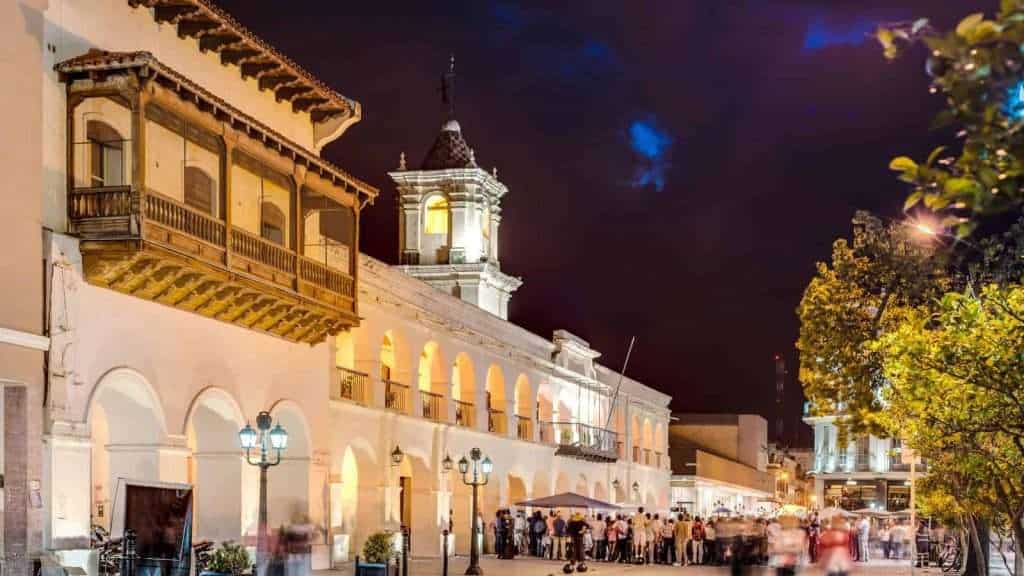
Nestled in the Andes, Salta combines colonial charm with breathtaking natural surroundings. Its pastel-colored buildings, such as the Salta Cathedral and rich folklore traditions make it a cultural and historical treasure.
Campeche, Mexico
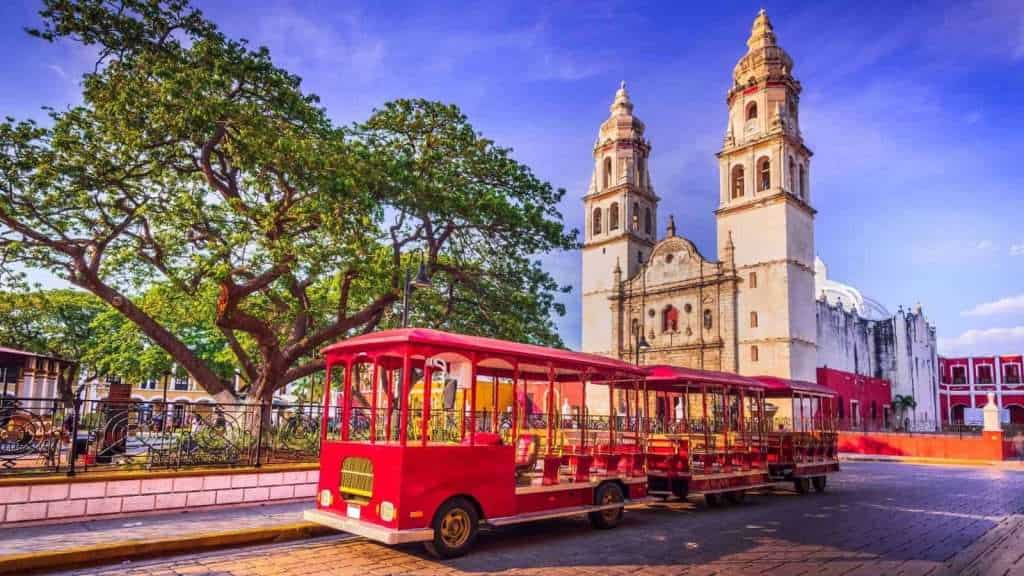
Campeche’s fortified walls, built to protect against pirates, enclose a beautifully preserved colonial town. Its pastel-hued streets and grand mansions reflect its prosperous history as a port city during Spanish rule.
Potosí, Bolivia
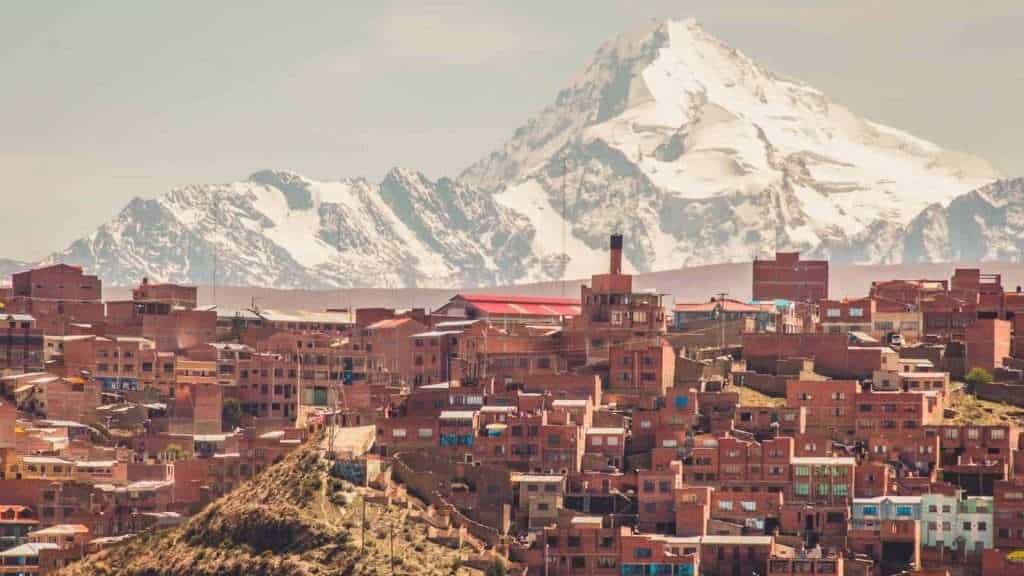
Once one of the richest cities in the world, Potosí was a key silver-mining center. The town’s colonial architecture, including the Cerro Rico mines and the baroque San Lorenzo Church, offers a poignant glimpse into its storied past.
Santiago de Cuba, Cuba
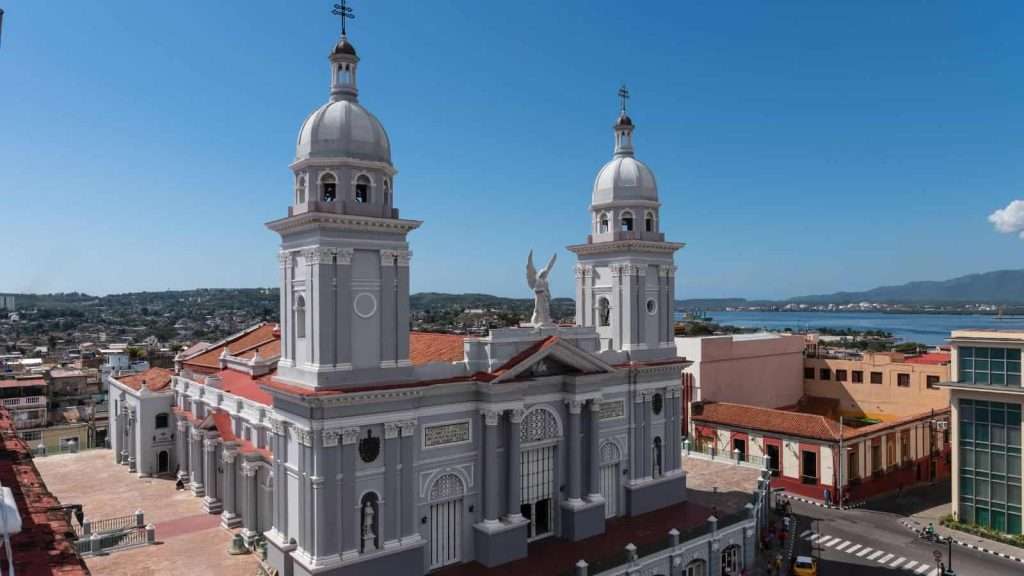
Known as the cradle of the Cuban Revolution, Santiago de Cuba also boasts a rich colonial history. Its Castillo de San Pedro de la Roca, a UNESCO World Heritage Site and its lively plazas are steeped in culture and heritage.
Villa de Leyva, Colombia
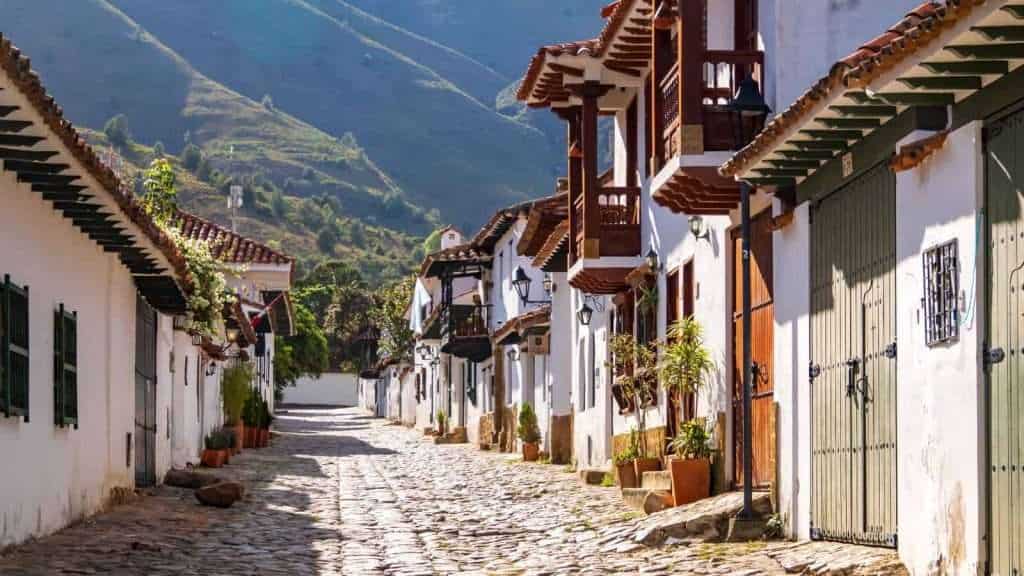
With its enormous cobblestone square and whitewashed buildings, Villa de Leyva feels frozen in time. This serene Andean village, surrounded by green mountains, is a favorite escape for those seeking history and tranquility.

Deborah Montiero is a seasoned travel writer and contributor to Probe the Globe. With a passion for uncovering hidden gems and sharing immersive travel experiences, Deborah’s work highlights must-visit destinations, insider tips, and practical advice for travelers of all types. Whether exploring bustling cities or remote escapes, her articles are crafted to inspire and inform, making her a trusted voice in the travel community.
Her storytelling weaves together cultural insights, logistical tips, and authentic experiences, making her a valuable resource for readers seeking unforgettable journeys.
When not writing, Deborah is likely researching the latest travel trends or planning her next adventure. Follow her work on Probe the Globe for fresh perspectives and up-to-date travel inspiration.