

21 Hidden Cold War Sites in America You Can Stumble Across Today
Across the United States, remnants of the Cold War remain quietly woven into everyday landscapes, often unnoticed by those passing by. From reinforced bunkers to radar stations and missile sites, these locations once played critical roles in national defense during decades of global tension. Today, many are abandoned, repurposed, or partially preserved, offering travelers a tangible connection to a pivotal era in American history. This guide explores 21 Hidden Cold War Sites in America You Can Stumble Across Today.
Greenbrier Bunker, West Virginia

Beneath a luxury resort lies one of the most ambitious Cold War contingency projects ever constructed. The Greenbrier bunker was designed to house members of Congress in the event of a nuclear attack. Built during the 1950s, it included dormitories, meeting rooms, and broadcast facilities. Though declassified in the 1990s, its existence remained secret for decades. For U.S. travel enthusiasts, it represents how ordinary places concealed extraordinary national security plans.
Nike Missile Site SF-88, California

Located within the Marin Headlands, this preserved missile site once protected the San Francisco Bay Area. During the Cold War, Nike missiles stood ready to intercept enemy aircraft. Today, restored launch pads and radar equipment remain visible. Visitors often stumble upon the site while hiking nearby trails. It serves as a rare example of how military defense infrastructure blended into public landscapes.
Cheyenne Mountain Complex, Colorado

Built deep inside a mountain, this fortified complex was designed to withstand nuclear blasts. While still partially operational, much of its original Cold War purpose has shifted. The massive blast doors and underground chambers remain iconic symbols of American defense strategy. Its presence reflects how geography shaped military planning during the Cold War era.
Titan Missile Museum, Arizona

This former intercontinental ballistic missile site once housed a nuclear-armed Titan II missile. Deactivated in the 1980s, the underground silo remains intact. Travelers interested in U.S. travel history can explore control rooms and launch facilities. The site offers insight into how close the nation stood to nuclear readiness on a daily basis.
Camp Hero, New York

Located on Long Island, Camp Hero functioned as a coastal defense and radar station. Its massive radar tower still stands, visible to visitors exploring the surrounding park. Locals often speculate about its past uses, though records show it played a critical role in early warning systems. The site demonstrates how Cold War defenses extended to America’s coastlines.
Mount Weather Emergency Operations Center, Virginia
This high-security facility was built to ensure continuity of government during emergencies. Though still active today, its Cold War origins shaped its design and secrecy. Located near public roads, it often goes unnoticed by travelers. The site highlights how preparedness became embedded into the national landscape.
Wendover Airfield, Utah

Once used for bomber training and nuclear testing support, Wendover played a role in Cold War military operations. Large hangars and runways remain largely unchanged. Travelers exploring western U.S. travel routes may encounter the site unexpectedly. Its isolation made it ideal for sensitive missions.
Bunker Hill Radar Station, Alaska

Part of the Distant Early Warning system, this station monitored potential Soviet aircraft approaching North America. Though decommissioned, remnants of radar equipment remain. The site illustrates how Cold War anxiety extended into remote regions. Alaska’s geography made it a frontline defense location.
Atlas Missile Silo, Kansas

Kansas once hosted multiple missile silos hidden beneath farmland. Some structures still exist, repurposed or abandoned. Travelers driving rural highways may pass over former launch sites without realizing it. These silos reveal how nuclear deterrence was integrated into ordinary American environments.
Former SAC Headquarters, Nebraska

Strategic Air Command coordinated nuclear bomber forces from this base. While still used by the military, older facilities reflect Cold War priorities. Massive runways and hardened buildings remain. The base underscores how air power dominated defense strategy during the era.
Fort Tilden, New York

Originally built for coastal defense, Fort Tilden evolved during the Cold War to include radar and missile operations. Today, concrete batteries and observation posts remain within a public park. Visitors often encounter them unexpectedly while exploring the shoreline. The site blends military history with modern recreation.
Radar Dome Sites, North Dakota
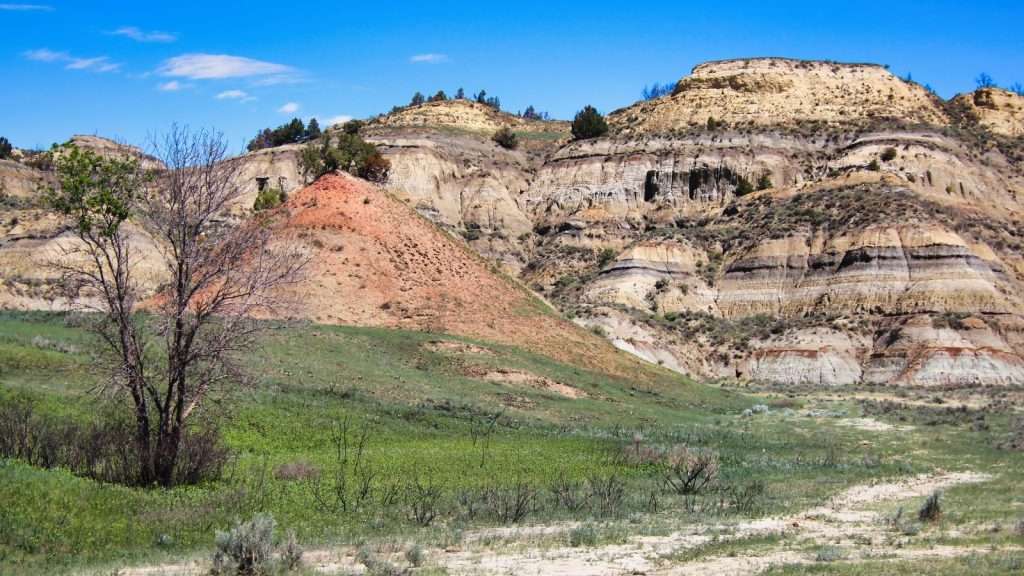
Large geodesic radar domes once monitored airspace for potential threats. Many still stand, though inactive. Travelers crossing open plains may spot these distinctive structures. They serve as visual reminders of early detection systems critical to Cold War defense.
Fort Ord, California
This former Army base trained troops during multiple conflicts, including the Cold War. After closure, parts of the base were abandoned while others were redeveloped. Bunkers, barracks, and training grounds remain visible. The site reflects how military communities shaped regional development.
Kings Bay Naval Submarine Base, Georgia

Developed during the Cold War, Kings Bay became a key base for nuclear submarines. While still active, early infrastructure remains. The base highlights the role of naval deterrence in national defense. Its coastal location was strategically selected for rapid deployment.
NORAD Radar Station, Minnesota

Once part of a regional defense network, this station monitored airspace over the Midwest. Decommissioned facilities remain scattered across the landscape. Travelers may encounter fenced structures and abandoned buildings. These sites illustrate how surveillance extended far beyond coastlines.
Fort Hancock, New Jersey

Originally a coastal artillery base, Fort Hancock adapted to Cold War needs with radar and missile installations. Many buildings remain preserved. Visitors exploring the area often stumble upon these structures. The site demonstrates continuity between earlier defenses and Cold War technology.
Idaho National Laboratory Facilities, Idaho

Some facilities were involved in nuclear research during the Cold War. Abandoned test structures remain within restricted zones. Travelers passing nearby may see remnants of experimental reactors. The site reflects how scientific advancement intertwined with defense priorities.
Dulce Radar Installations, New Mexico
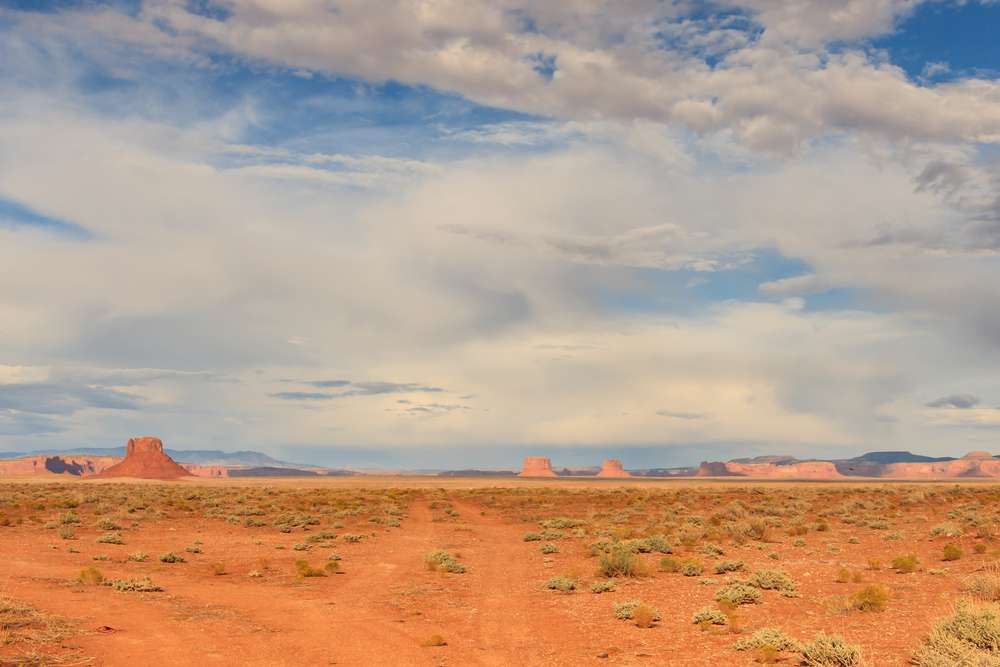
While surrounded by speculation, documented radar and monitoring facilities existed here during the Cold War. Infrastructure remains minimal but traceable. The area highlights how surveillance extended into remote terrain. Official records confirm military usage during the era.
McCarran Airport Underground Facilities, Nevada
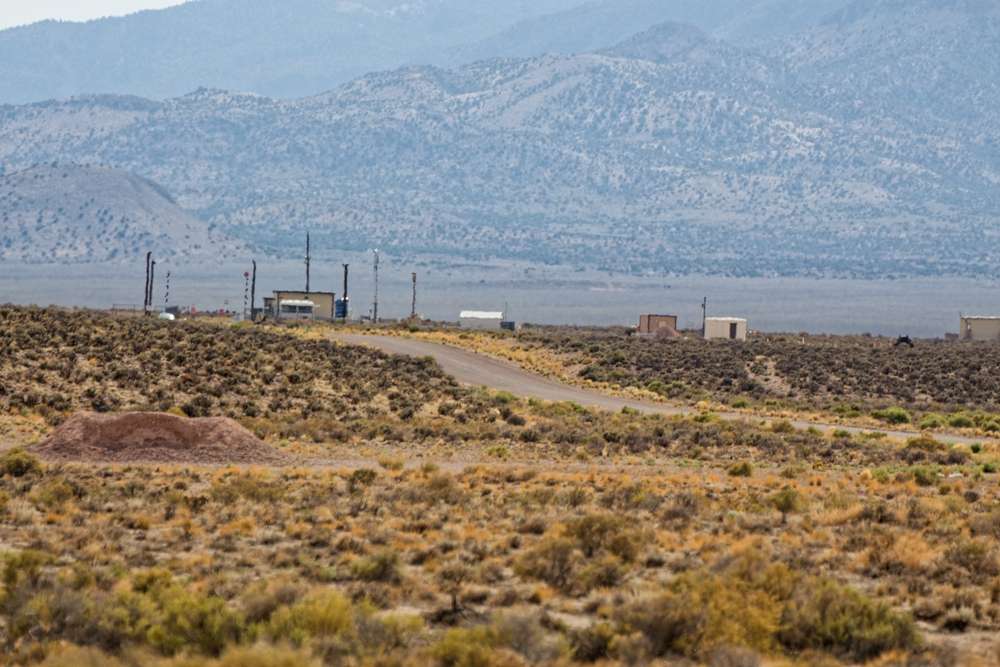
Portions of airport infrastructure were designed with Cold War contingencies in mind. Reinforced areas and communication systems remain. Travelers often pass through without awareness. These adaptations show how civilian infrastructure incorporated defense planning.
Raven Rock Mountain Complex, Pennsylvania
Built as an emergency command center, Raven Rock functioned alongside Mount Weather. Its underground facilities remain active today. Cold War design principles are still visible. The site emphasizes redundancy in national defense systems.

Deborah Montiero is a seasoned travel writer and contributor to Probe the Globe. With a passion for uncovering hidden gems and sharing immersive travel experiences, Deborah’s work highlights must-visit destinations, insider tips, and practical advice for travelers of all types. Whether exploring bustling cities or remote escapes, her articles are crafted to inspire and inform, making her a trusted voice in the travel community.
Her storytelling weaves together cultural insights, logistical tips, and authentic experiences, making her a valuable resource for readers seeking unforgettable journeys.
When not writing, Deborah is likely researching the latest travel trends or planning her next adventure. Follow her work on Probe the Globe for fresh perspectives and up-to-date travel inspiration.