25 Stunning American Spots That Look Illegal to Photograph (But Aren’t)
Across the United States, travelers often stumble upon landscapes so dramatic that they seem too surreal to be real. Some places look as though photographing them might violate some unspoken rule simply because their beauty feels almost forbidden. These destinations captivate visitors with colors, shapes, and environments that appear straight out of science fiction or fantasy worlds. Below is an exploration of 25 Stunning American Spots That Look Illegal to Photograph (But Aren’t).
Antelope Canyon – Arizona
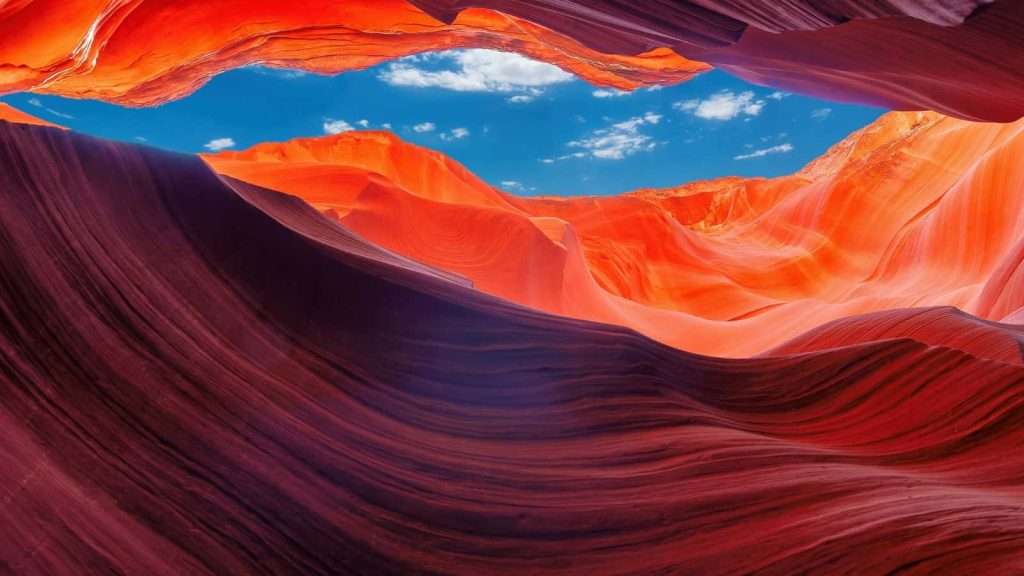
Antelope Canyon is one of the most photographed places in U.S. travel, yet many people remark that stepping inside feels like entering a forbidden dreamscape. The swirling sandstone walls glow in shades of orange, red, and purple as sunlight filters through the narrow openings above. The slot canyon’s sculpted curves look so perfect and fluid that they almost seem artificial. While the environment feels otherworldly, photographing its breathtaking chambers is completely allowed and has become a bucket-list experience.
The Wave – Arizona/Utah Border
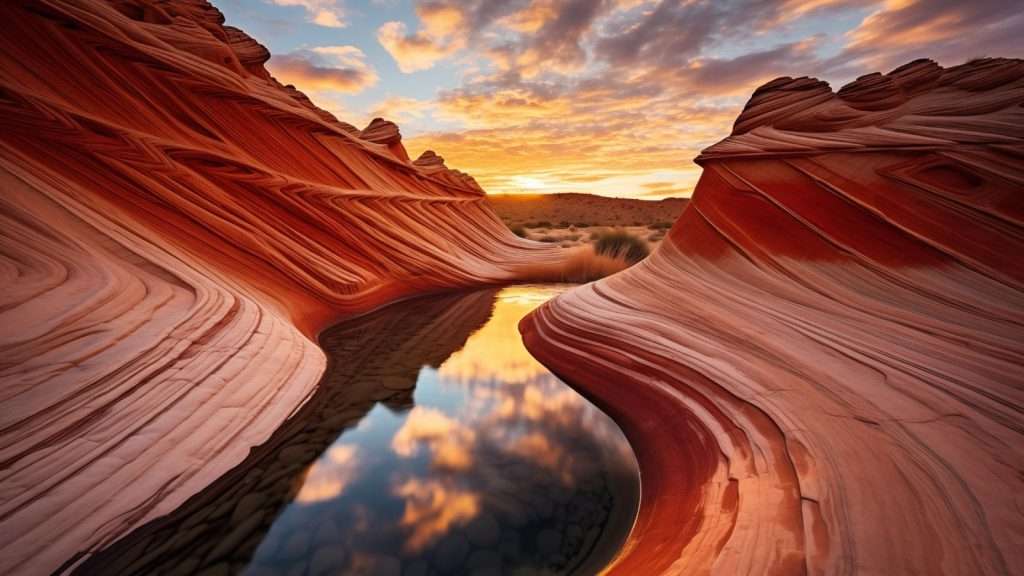
The Wave is a geological masterpiece featuring flowing lines and rippled sandstone that resemble a painted mural brought to life. Many travelers say the landscape is so striking that it feels almost illegal to capture on camera, as though nature created something too rare for the world to share. The vibrant stripes shift color depending on the angle of the sun, making each photo unique. Its remote setting and surreal beauty make it one of the most coveted sights in U.S. travel.
Hamilton Pool Preserve – Texas

Hamilton Pool Preserve stuns visitors with its turquoise water, towering limestone overhang, and dramatic waterfall that spills into a natural grotto. The scene is so cinematic that it looks like the set of a fantasy film, causing some travelers to wonder whether photographing it requires special permission. Yet its beauty is open for all to enjoy. With dramatic cliffs and lush surroundings, it remains one of the most visually striking locations in Texas.
Zabriskie Point – Death Valley, California
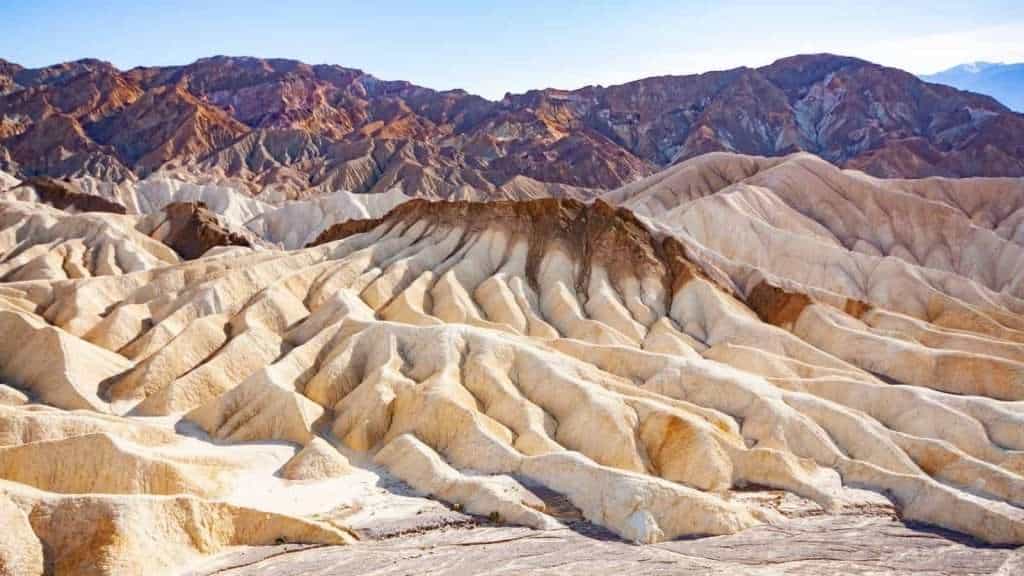
Zabriskie Point offers sweeping views of golden badlands shaped by thousands of years of erosion. The terrain is so unusual that many visitors feel like they’re staring at a top-secret desert landscape meant only for geological research. The hills appear folded and layered, creating a visual effect that looks impossible to capture accurately. Still, photography is not only allowed but encouraged due to its exceptional role in American natural history.
Thor’s Well – Oregon Coast
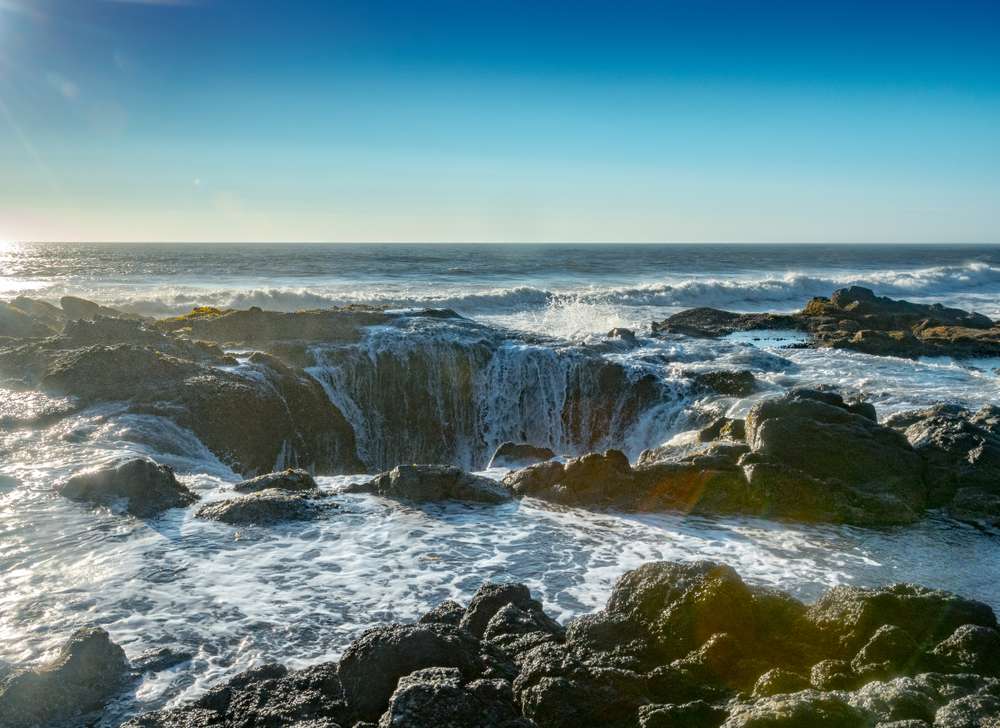
Thor’s Well is a mesmerizing ocean sinkhole that appears to swallow the sea during high tide. Waves crash around the edges and spill into the opening with immense force, creating dramatic photos that seem too wild to be real. Many travelers believe it looks like a dangerous and restricted zone, but visitors can photograph it freely from safe distances. The spectacle delivers one of the most unforgettable scenes along the Pacific coastline.
Grand Prismatic Spring – Yellowstone, Wyoming

Grand Prismatic Spring is the largest hot spring in the United States and one of the most recognizable features in U.S. travel photography. Its vibrant, rainbow-like rings look so perfectly colored that they seem digitally enhanced. The combination of deep blues, fiery oranges, and bright yellows makes the spring look almost unreal from every angle. Despite its intense geothermal activity, visitors can safely photograph this natural wonder from designated walkways.
Maroon Bells – Colorado
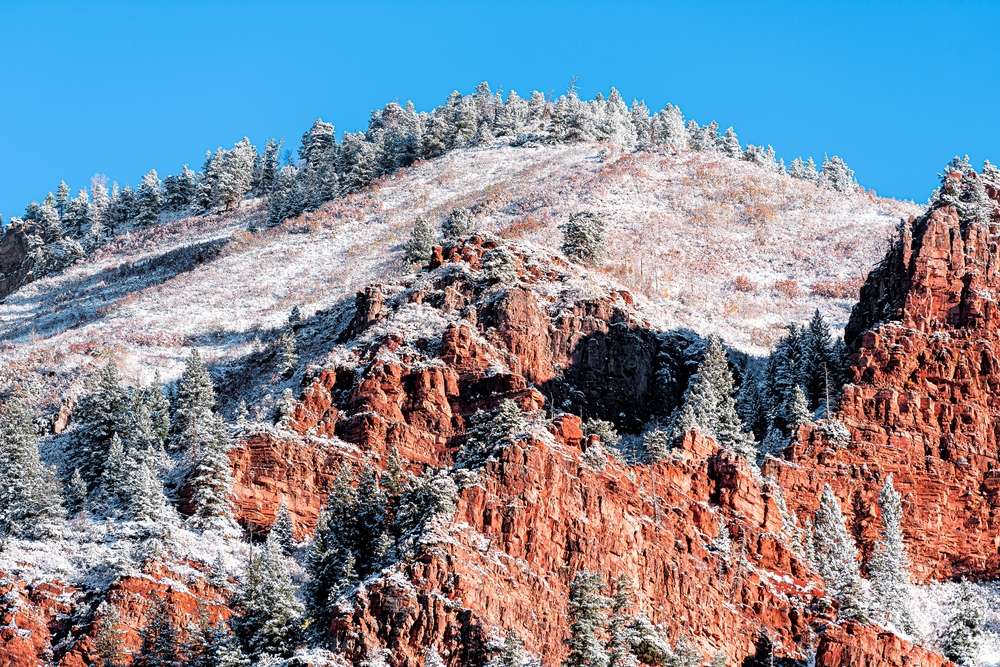
The Maroon Bells are two towering mountains framed by crystal-clear lakes and lush valleys, creating a mirror-like reflection that seems untouched by time. The view is so pristine that photographers often feel they’ve stepped into restricted territory meant for preservationists only. Yet the area welcomes travelers who admire the changing seasons and dramatic alpine scenery. It remains one of the most iconic and visually stunning places in the Rockies.
Bonneville Salt Flats – Utah
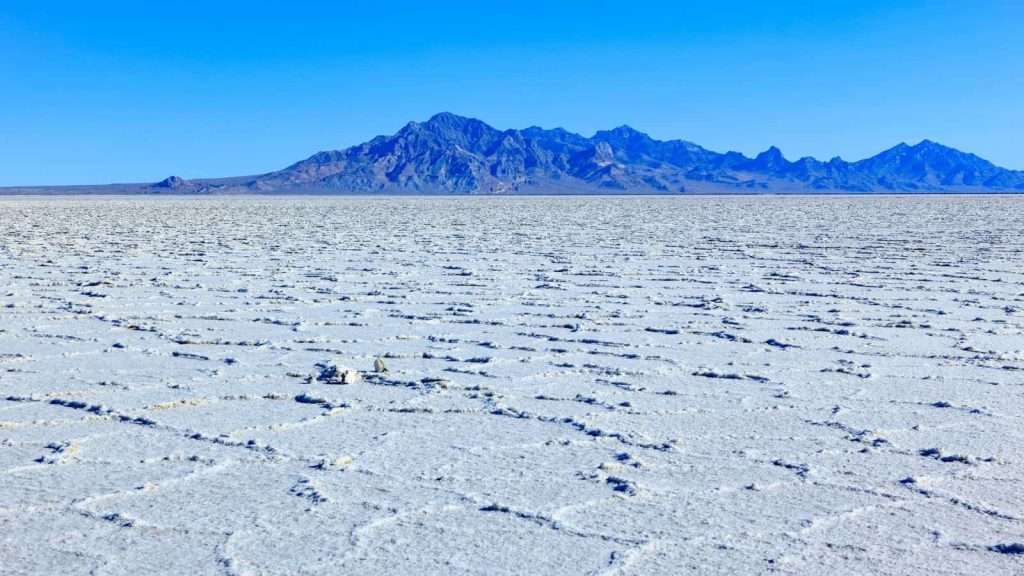
The Bonneville Salt Flats stretch endlessly toward the horizon, creating a shimmering surface that reflects the sky like a giant mirror. The landscape looks so perfectly flat and symmetrical that photos often seem digitally altered. Travelers frequently describe the area as feeling like an alien world or a classified testing ground. Still, visitors can freely walk across the flats and capture its remarkable photographic illusions.
Dry Tortugas National Park – Florida
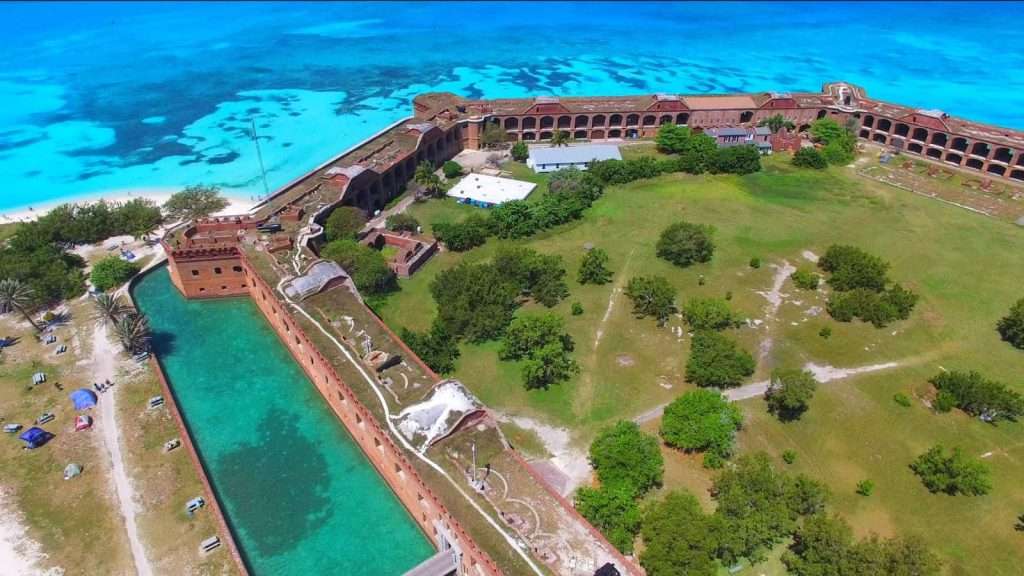
Surrounded by turquoise water and dotted with coral reefs, Dry Tortugas National Park feels like a deserted island out of a lost explorer’s journal. The historic fort rising from the sea appears so grand and isolated that some visitors assume photography might be restricted. In reality, the park encourages capturing its beauty from every angle, whether underwater or above. Its remote Caribbean-like scenery enhances its appeal among U.S. travel enthusiasts.
Horseshoe Bend – Arizona
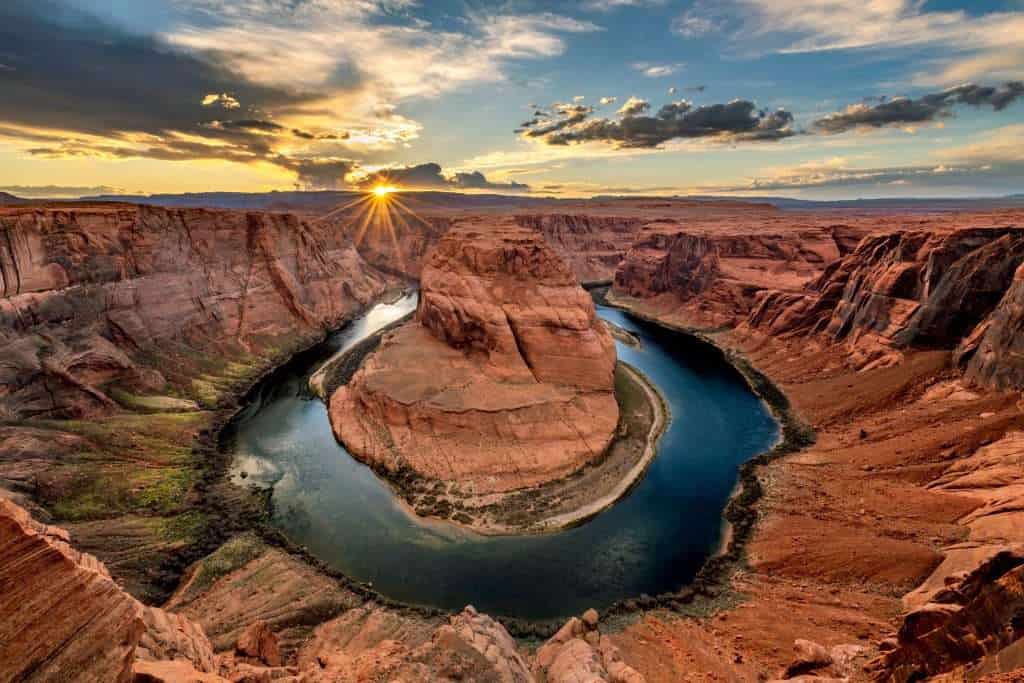
Horseshoe Bend offers a sweeping view of the Colorado River carving a perfect U-shaped curve into towering cliffs. The dramatic drop-offs and vibrant colors create a scene so iconic that first-time visitors sometimes believe they’ve stepped into a location where photography would be limited for safety reasons. The overlook is fully open for public photography. Its natural symmetry makes it one of the most photographed river bends in the world.
Crater Lake – Oregon
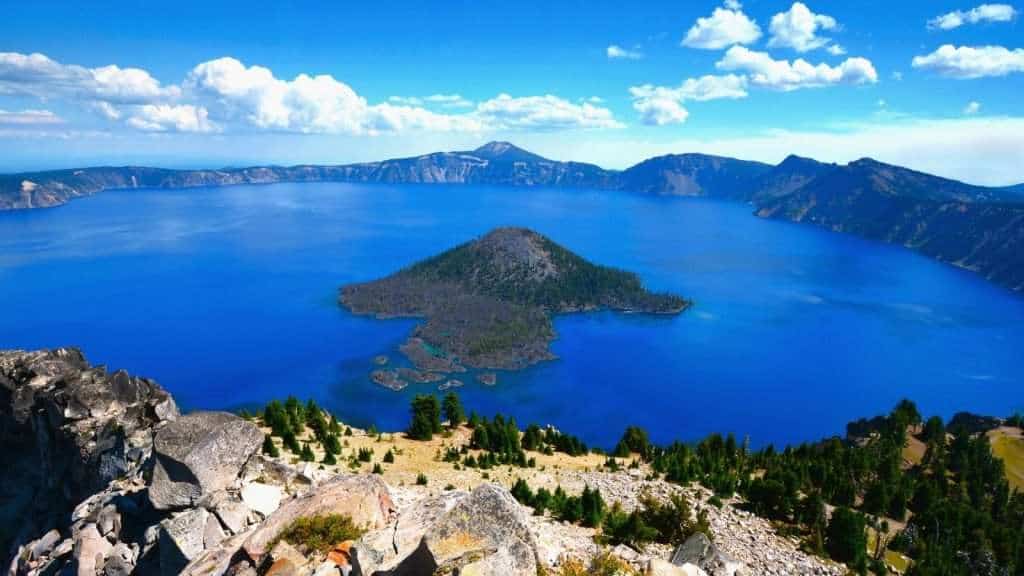
Crater Lake fascinates travelers with its impossibly deep blue color and pristine clarity, making it look like a protected research site rather than an accessible national park. The lake’s volcanic origins add a dramatic backdrop, and the surrounding cliffs enhance the dreamlike quality. Many visitors remark that the view seems too perfect to be casually photographed. Yet the lake is one of the most welcoming destinations for nature lovers and photographers.
White Sands National Park – New Mexico
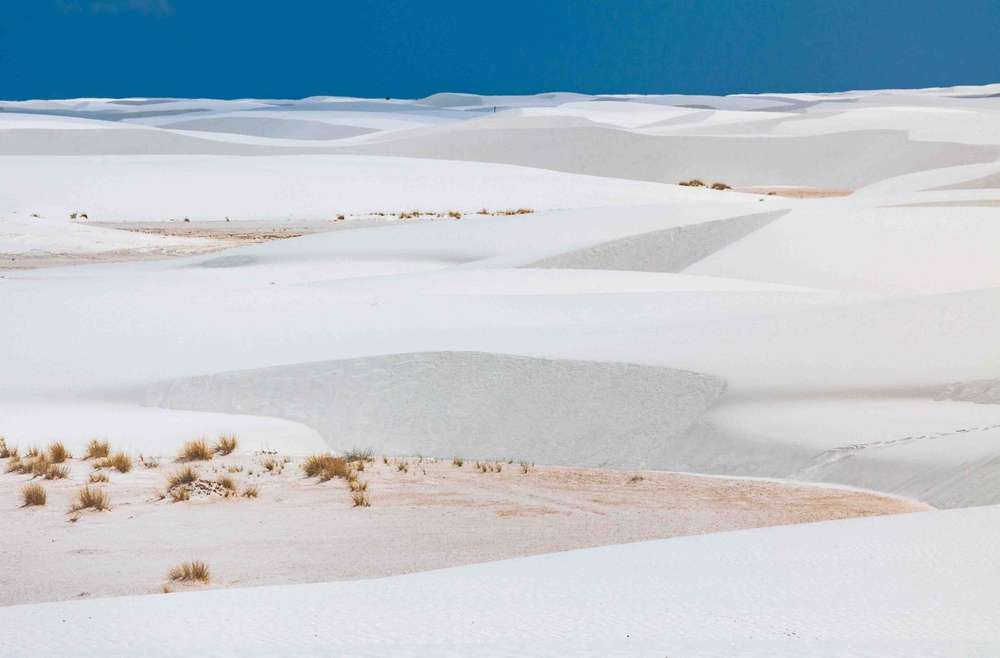
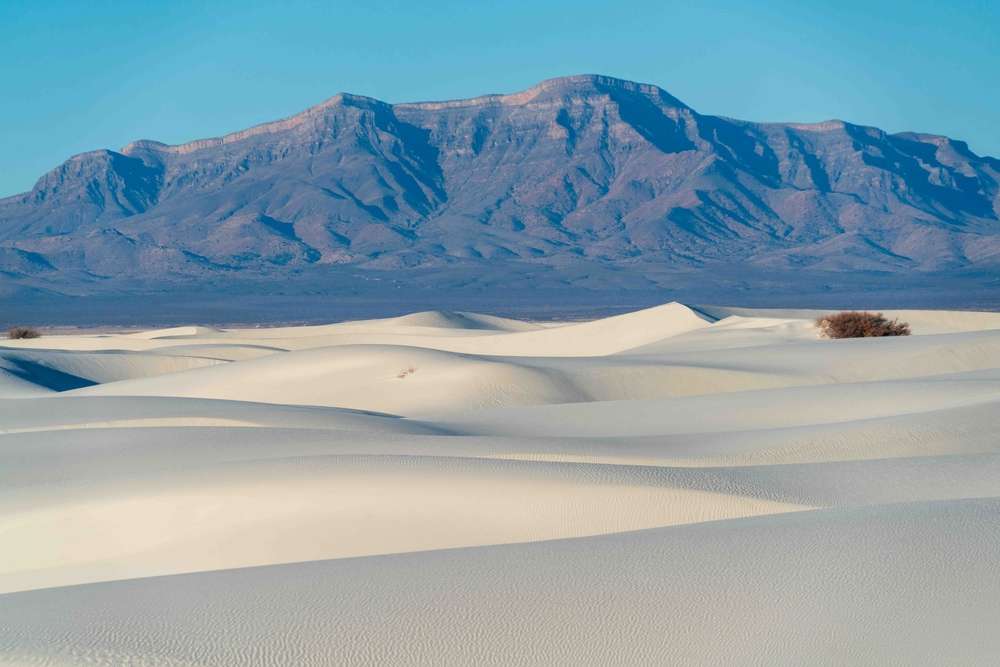
White Sands features rolling dunes made of gypsum crystals that create an otherworldly, glowing white desert. The landscape feels like it belongs in a sci-fi movie, making many people wonder if photography might be restricted because of the area’s military proximity. The park, however, offers full access for visitors wanting to capture the shimmering dunes at sunrise or sunset. The scenery is both surreal and unforgettable.
Mount Rainier’s Wildflower Meadows – Washington

During peak bloom, the meadows around Mount Rainier explode with vibrant wildflowers beneath the towering glacial peak. The colors are so intense and the mountain so imposing that the scene appears almost staged. Visitors sometimes question whether photography rules might apply, but the area is open for capturing its natural splendor. It remains one of the most breathtaking seasonal views in U.S. travel.
The Badlands – South Dakota
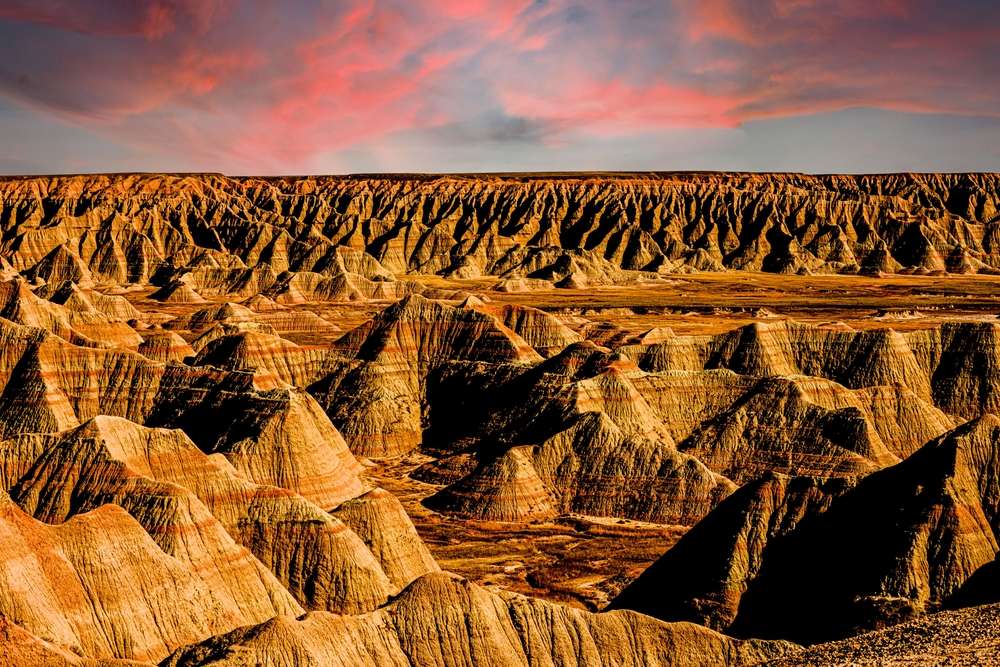
The Badlands present jagged cliffs, colorful rock layers, and dramatic ridges that seem carved with impossible precision. The landscape looks like a protected archaeological site meant strictly for research, yet visitors are free to photograph every angle. The shifting colors at sunrise and sunset make the terrain even more surreal. Its eerie beauty and rugged formations continue to amaze photographers.
Multnomah Falls – Oregon
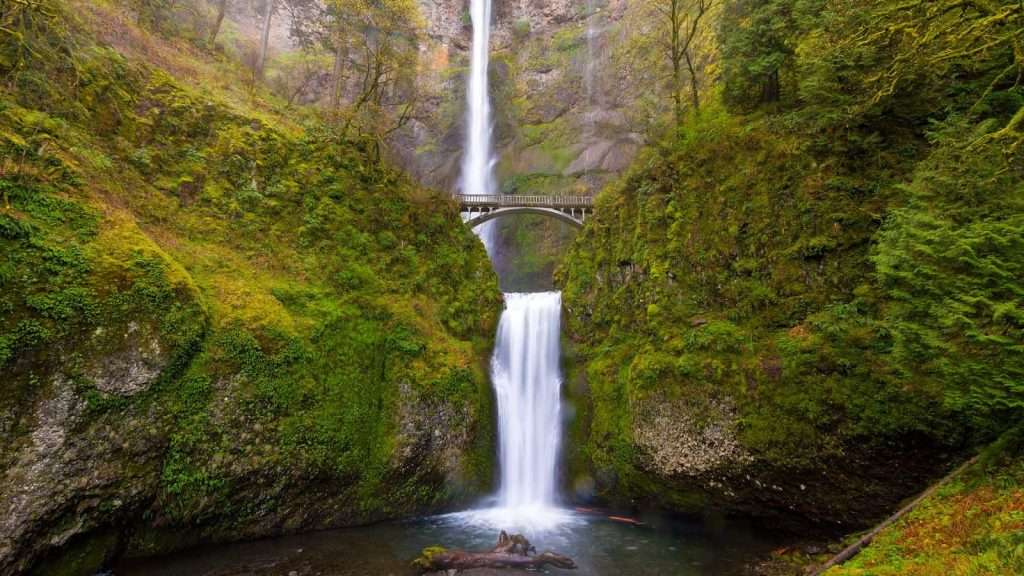
Multnomah Falls cascades in two tiers down a sheer cliff, with a charming footbridge creating a perfectly framed photo opportunity. The waterfall’s dramatic height and misty veil make it look like a location where professional permits might be required. Fortunately, anyone can capture its beauty without restriction. The falls remain one of the most iconic sights in Pacific Northwest travel.
Devils Tower – Wyoming
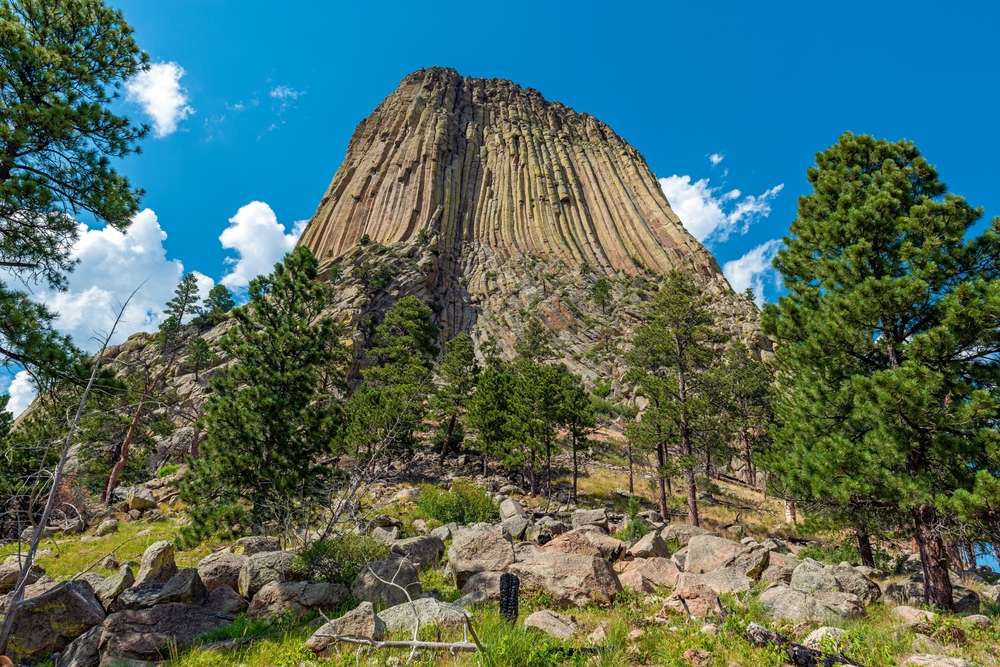
Devils Tower rises dramatically from the surrounding plains, its columned surface looking like a massive monument crafted by careful human design. Many visitors say the formation looks too unusual to be naturally occurring, giving it an air of mystery. The national monument welcomes photography from all distances, whether at the base or from scenic overlooks. Its geological origins continue to inspire curiosity.
Painted Hills – Oregon
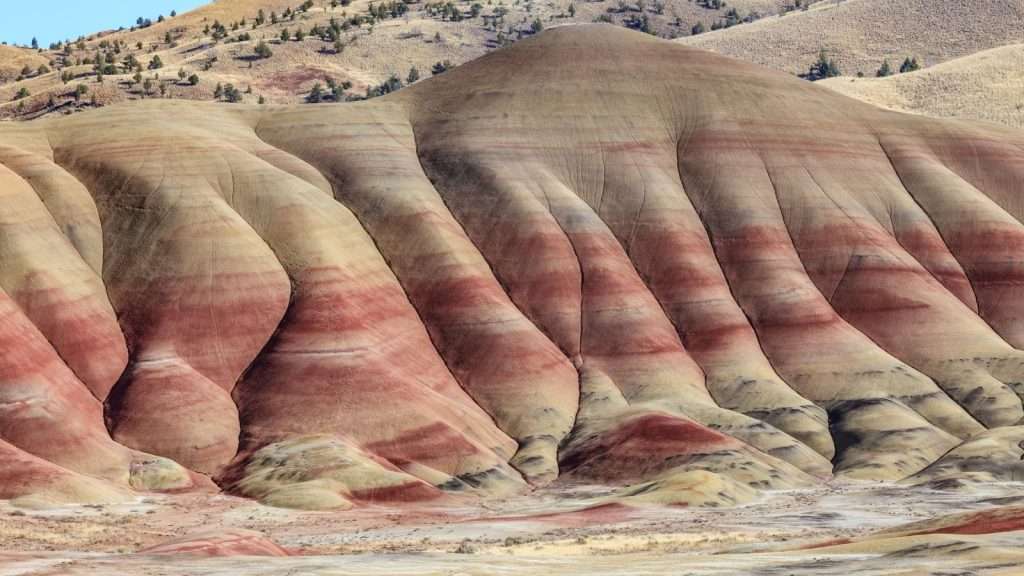
The Painted Hills feature colorful stripes of gold, red, black, and green that appear as though an artist brushed them onto the landscape. The colors shift with moisture levels and daylight, creating an effect so magical that people often assume it’s a protected area with strict rules. In reality, photographers can capture the hills freely from designated viewpoints. This natural palette is one of the most underrated gems in U.S. travel.
Lake Tahoe – California/Nevada
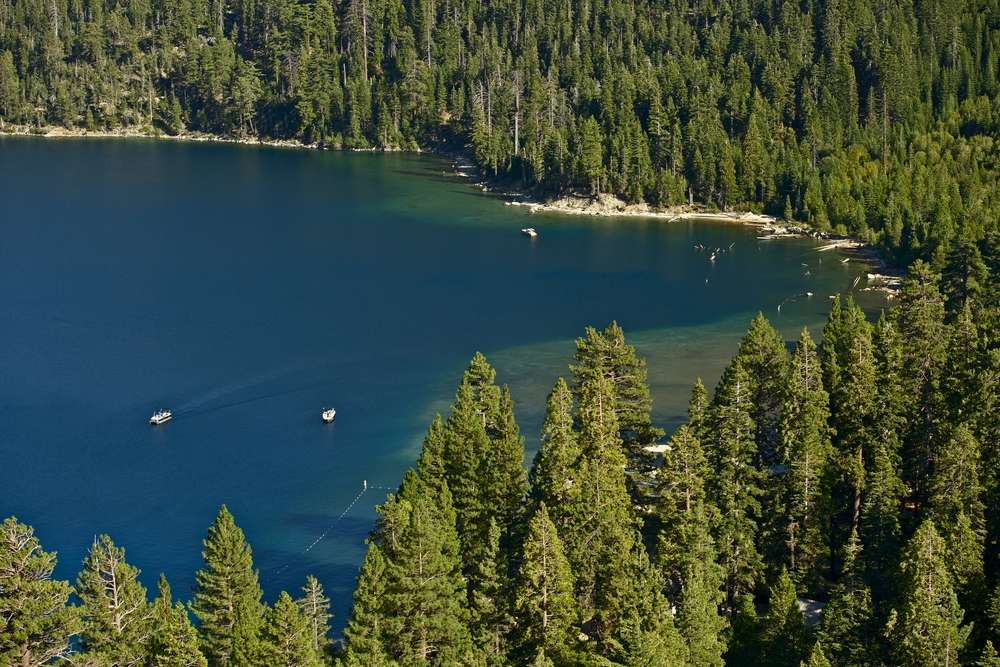
Lake Tahoe’s crystal-clear water reflects the mountains with near-perfect clarity, giving photos an unreal quality that resembles digital artwork. The colors range from deep cobalt to bright turquoise depending on weather and light. Many visitors are astonished that such vibrant scenery is fully open to public photography. Its clarity and alpine backdrop make Tahoe one of the most photogenic lakes in America.
Mono Lake Tufa Towers – California

Mono Lake’s limestone tufa formations look like structures from another planet. Rising from the water in irregular shapes, they create a scene so strange that first-time visitors often believe photographing them may be restricted. Yet the area welcomes anyone who wants to capture these eerie formations. The lake’s unique chemistry and striking appearance make it an essential stop for curious travelers.
Garden of the Gods – Colorado

Garden of the Gods features towering red rock formations that resemble sculptures placed deliberately across a valley. The dramatic shapes and rich colors make the site feel like a protected geological exhibit. However, the park allows photography throughout its trails and viewpoints. Its alien-like structures and panoramic vistas draw millions of travelers seeking unforgettable images.
Salar de Uyuni–like Racetrack Playa – California

The Racetrack Playa’s mysterious “sailing stones” leave long tracks across the dried lakebed, creating patterns that look engineered rather than natural. Visitors often believe photographing the stones might be forbidden due to their scientific significance. Instead, the area is open for exploration, provided visitors avoid touching the rocks. The playa’s cracked surface and moving-stone phenomenon remain one of America’s greatest natural curiosities.
Mendenhall Ice Caves – Alaska

Inside the Mendenhall Glacier lie glowing blue ice caves that feel like stepping into a frozen cathedral. The vibrant color and crystal-like walls create a scene so surreal that many travelers assume photography might be banned for preservation. While safety can limit access, photographing the caves is allowed when conditions permit. Their shimmering beauty continues to draw adventurous photographers from around the world.
Grand Staircase–Escalante – Utah

The vast landscape of Grand Staircase–Escalante showcases layered cliffs, remote slot canyons, and sweeping desert views that seem untouched by human presence. The terrain feels so pristine and cinematic that visitors sometimes assume the area is restricted. Yet the monument’s trails and overlooks offer photographers complete freedom to capture its rugged expanses. It remains a highlight for anyone exploring U.S. travel through the Southwest.
Skagit Valley Tulip Fields – Washington

During spring, the Skagit Valley bursts into endless rows of brilliant tulips that look too orderly and vibrant to be freely photographed. The bright swaths of red, yellow, and purple resemble a massive living painting. Many visitors wonder if such beauty must be protected from cameras, but the fields welcome photographers who stay within designated areas. The colors create one of the most visually stunning scenes in the Pacific Northwest.
Valley of Fire State Park – Nevada
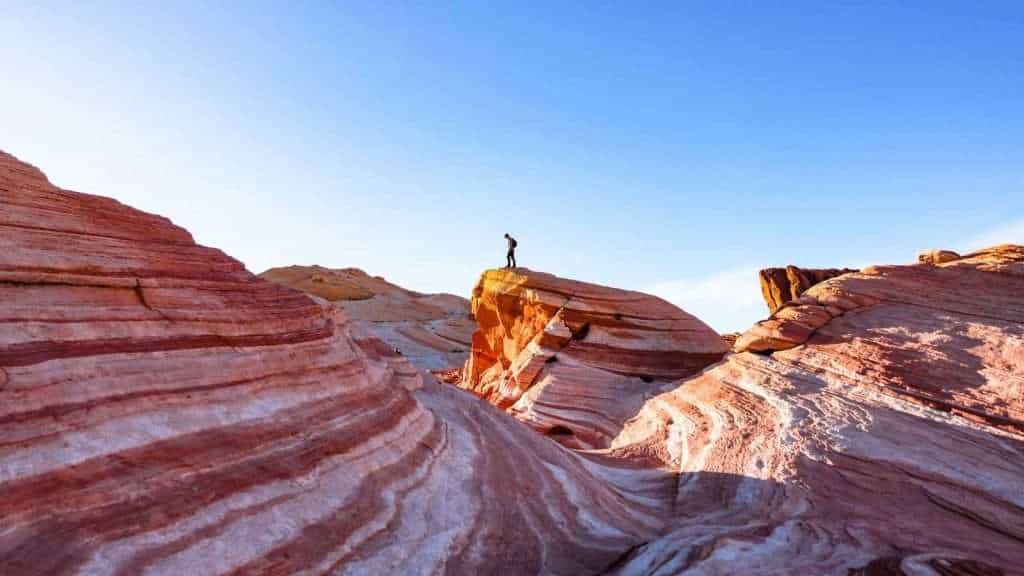
Valley of Fire displays vivid red sandstone formations shaped by millennia of wind and water. The rocks glow intensely at sunrise and sunset, giving them an almost molten appearance that feels too dramatic to be casually documented. Travelers can photograph the swirling patterns, arches, and towering walls without restriction. Its fiery hues and ancient petroglyphs make it an unforgettable stop for nature enthusiasts.

Deborah Montiero is a seasoned travel writer and contributor to Probe the Globe. With a passion for uncovering hidden gems and sharing immersive travel experiences, Deborah’s work highlights must-visit destinations, insider tips, and practical advice for travelers of all types. Whether exploring bustling cities or remote escapes, her articles are crafted to inspire and inform, making her a trusted voice in the travel community.
Her storytelling weaves together cultural insights, logistical tips, and authentic experiences, making her a valuable resource for readers seeking unforgettable journeys.
When not writing, Deborah is likely researching the latest travel trends or planning her next adventure. Follow her work on Probe the Globe for fresh perspectives and up-to-date travel inspiration.