
22 American Prisons Turned Tourist Attractions With Stories That Stick
Prisons occupy a complicated place in American history, representing justice, punishment, reform, and often controversy. Across the United States, many former correctional facilities have been closed, preserved, and reopened to the public as museums or historical attractions. These sites now draw travelers interested in crime history, architecture, and the social realities of incarceration. Exploring them offers a sobering perspective on how the justice system has evolved and how these institutions shaped local communities.
We take a look at 22 American Prisons Turned Tourist Attractions With Stories That Stick
Eastern State Penitentiary, Pennsylvania

Eastern State Penitentiary in Philadelphia is one of the most influential prison designs in the world. Opened in 1829, it pioneered solitary confinement as a form of rehabilitation, a practice that later drew criticism for its psychological impact. Today, visitors can walk through decaying cellblocks and learn about daily life for inmates, including famous prisoners like Al Capone. As a major U.S. travel destination for history-focused travelers, the site offers educational exhibits that explore prison reform and long-term consequences.
Alcatraz Federal Penitentiary, California

Located on Alcatraz Island in San Francisco Bay, this former federal prison held some of the most notorious criminals in U.S. history. Operating from 1934 to 1963, Alcatraz was known for strict discipline and harsh living conditions. Today, it is one of the most visited historical attractions in the country. Visitors explore cellhouses, recreation yards, and learn about escape attempts, making it a standout destination in American travel itineraries.
Ohio State Reformatory, Ohio
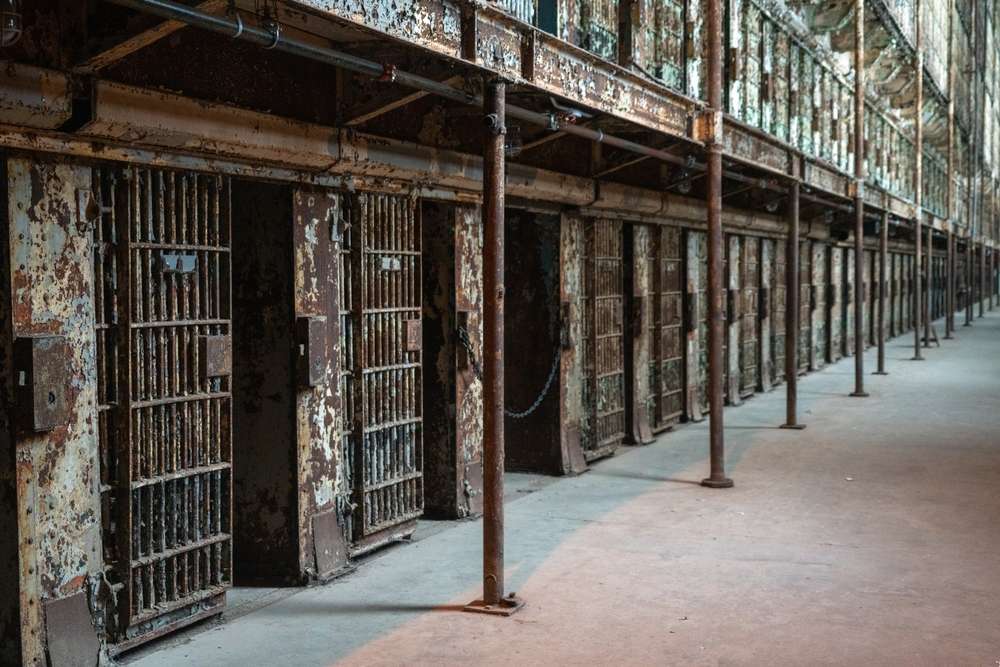
The Ohio State Reformatory in Mansfield was built in the late 1800s and originally intended to focus on rehabilitation. Over time, overcrowding and deteriorating conditions became major issues. The prison closed in 1990 and later gained fame as a filming location. Tours now highlight inmate life, prison architecture, and reform efforts, offering travelers insight into how ideals often conflicted with reality in correctional history.
Old Idaho State Penitentiary, Idaho
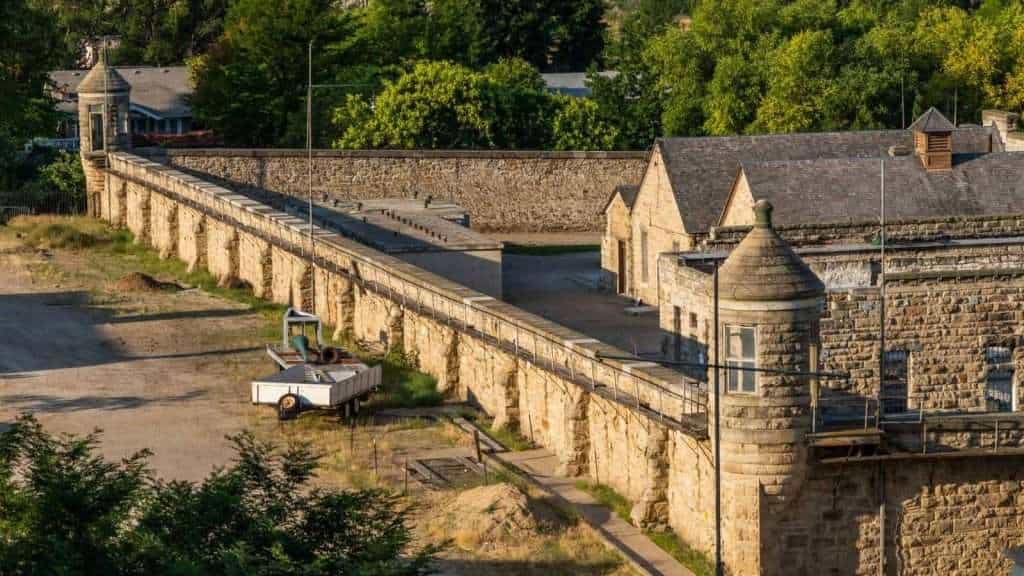
Operating from 1872 to 1973, the Old Idaho State Penitentiary housed some of the state’s most dangerous criminals. Visitors can explore solitary confinement cells, execution areas, and women’s quarters. Interpretive exhibits focus on punishment methods and daily routines. As a U.S. travel attraction, it offers an educational look at frontier justice and evolving prison standards.
Missouri State Penitentiary, Missouri

Known as one of the oldest operating prisons west of the Mississippi River, Missouri State Penitentiary functioned from 1836 to 2004. The facility became notorious for overcrowding and violence. Today, guided tours share documented stories of inmate life, prison riots, and reforms. It remains a powerful destination for travelers interested in criminal justice history.
Kilby Prison, Alabama
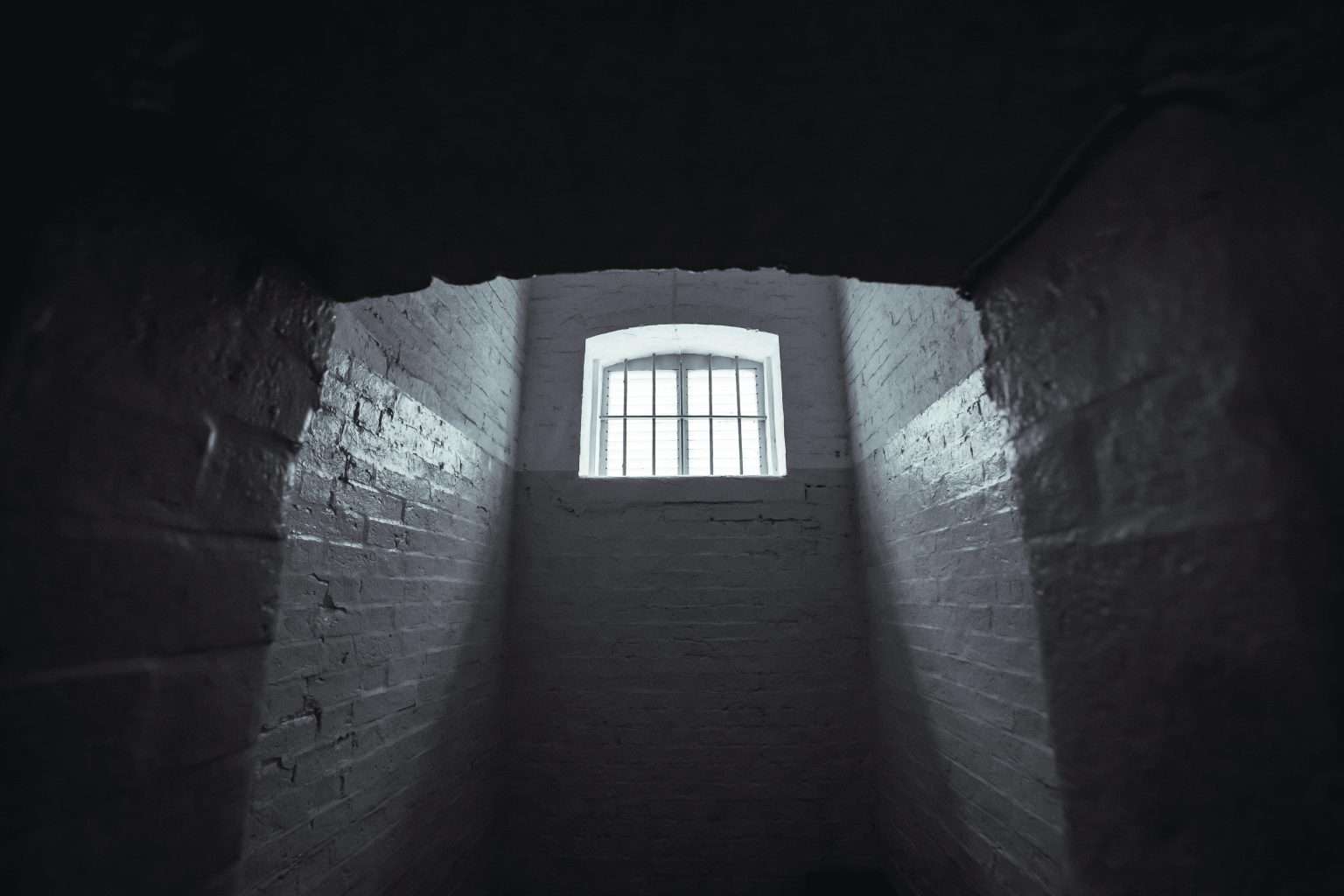
Although most structures were demolished, the remaining elements of Kilby Prison are preserved through exhibits and markers. Opened in 1923, it played a significant role in Alabama’s correctional system. Visitors learn about segregation-era incarceration and systemic issues. Its inclusion in U.S. travel discussions highlights how even partially preserved sites can tell impactful stories.
West Virginia Penitentiary, West Virginia

This gothic-style prison operated from 1876 to 1995 and became known for harsh punishment practices. Overcrowding led to court-ordered closure. Today, tours focus on inmate living conditions, riots, and legal changes. Travelers often find the experience educational and sobering, emphasizing accountability and reform.
Old Montana Prison, Montana

The Old Montana Prison housed inmates from 1871 until 1979. Exhibits explore escape attempts, executions, and daily routines. Visitors can view preserved cellblocks and gallows. As part of U.S. travel routes through the Rocky Mountain region, the prison offers historical context tied to frontier law enforcement.
Nevada State Prison, Nevada
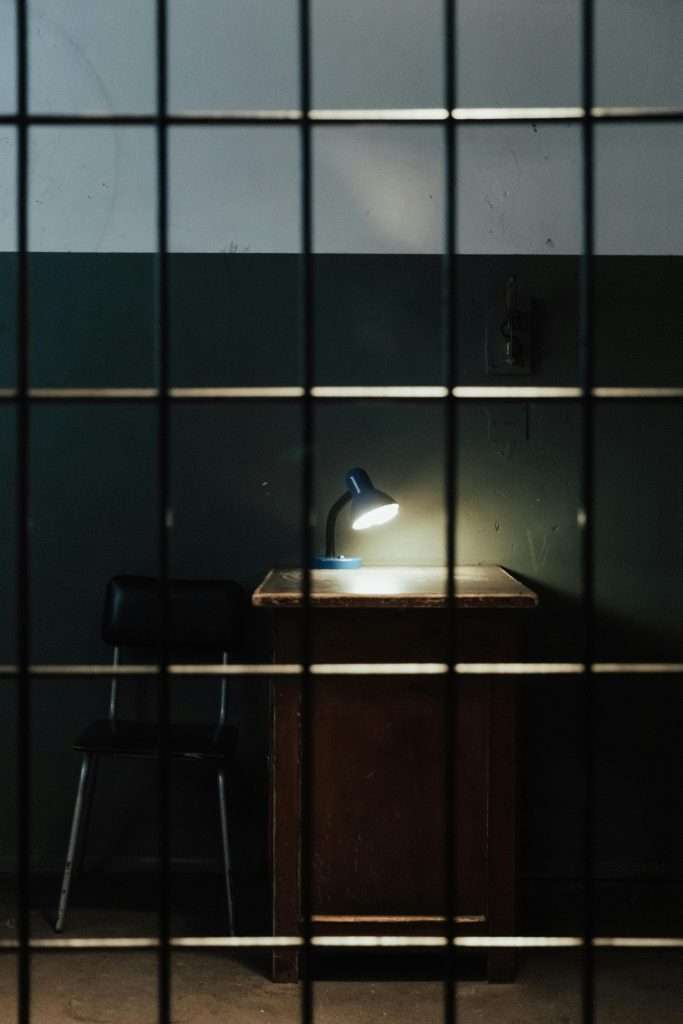
Operating for over 150 years, Nevada State Prison closed in 2012. Portions of the site are accessible through guided tours. Exhibits focus on inmate labor, execution practices, and prison reforms. Travelers interested in Western justice history often include it as part of regional exploration.
Joliet Prison, Illinois
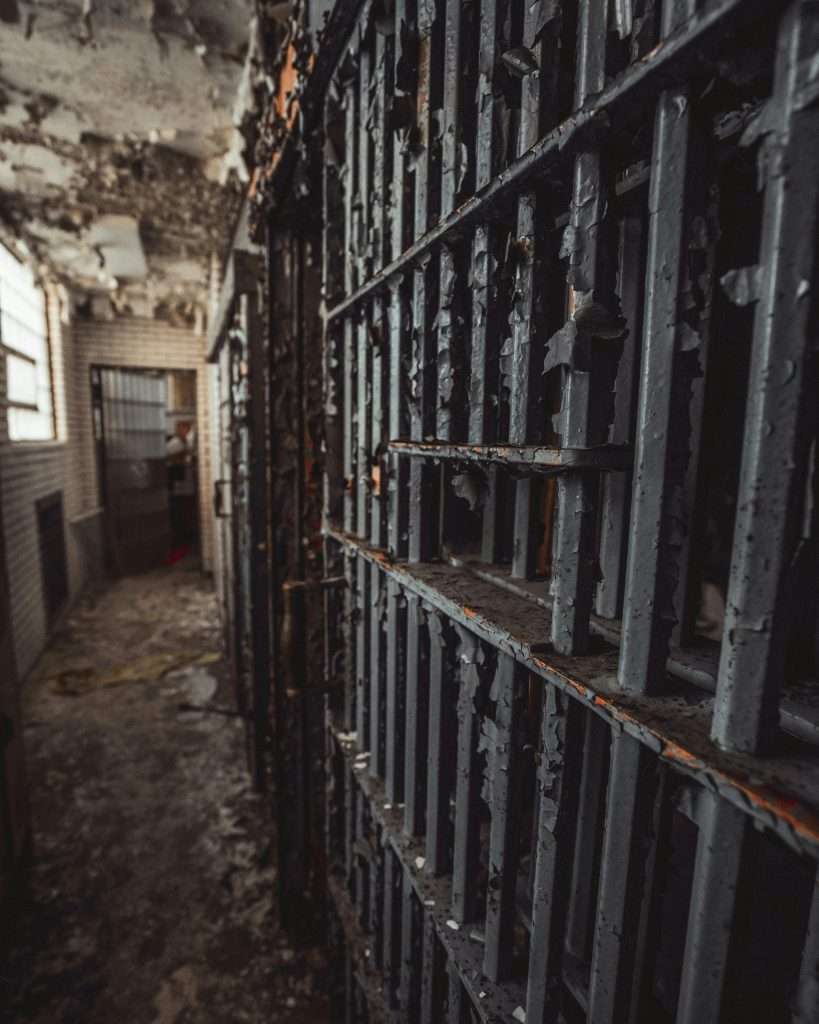
Opened in 1858, Joliet Prison served as a major correctional facility until 2002. It gained recognition through film and television appearances. Tours today focus on inmate experiences, prison labor, and architectural design. The site has become a notable stop for U.S. travel enthusiasts interested in cultural landmarks.
Clink Prison Museum (U.S. Exhibit Influence)
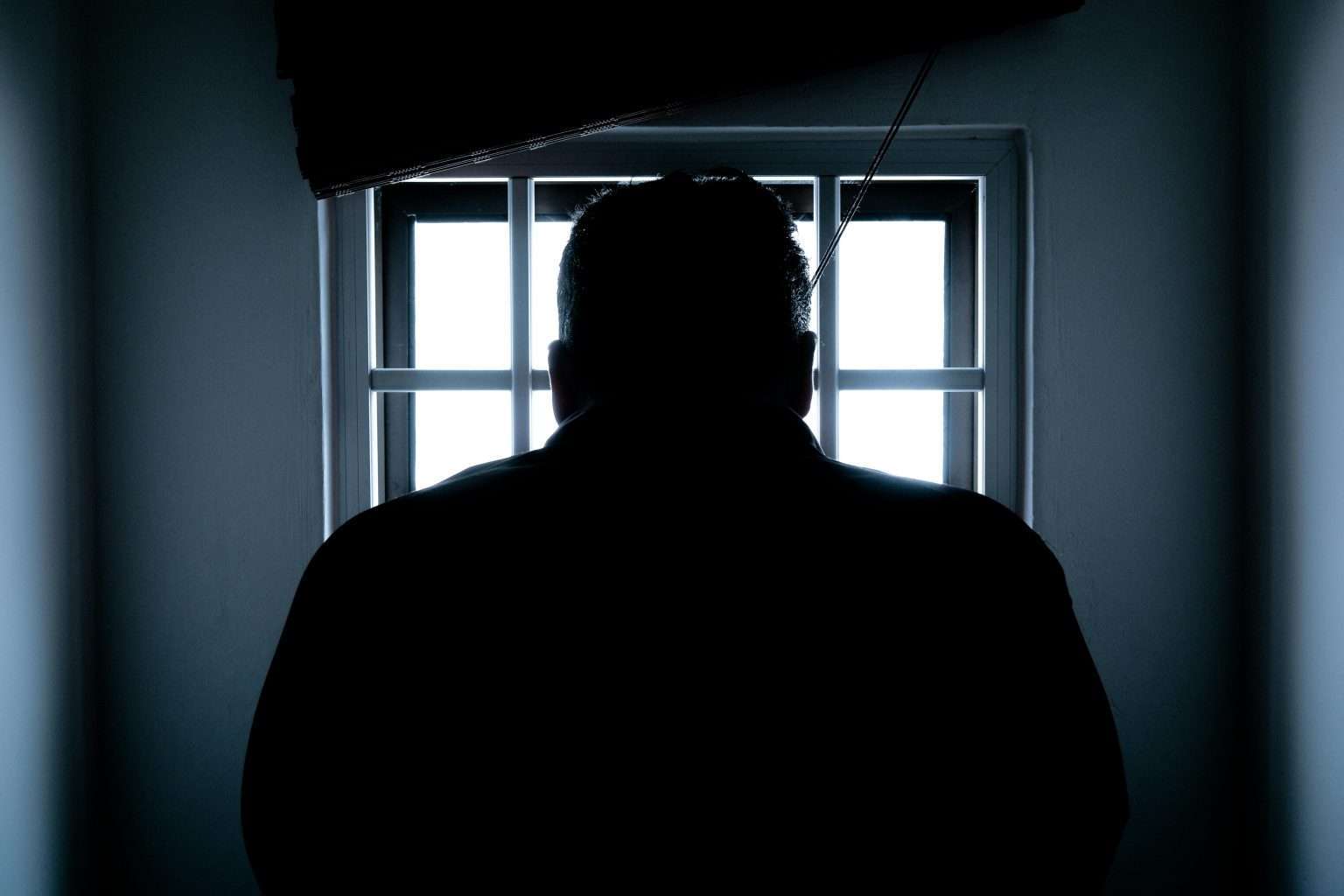
While inspired by international history, American exhibits modeled after early prisons like the Clink emphasize colonial-era incarceration. These exhibits highlight early detention practices and their influence on American justice systems. Visitors gain context on how confinement evolved across centuries.
Brushy Mountain State Penitentiary, Tennessee

Operating from 1896 to 2009, Brushy Mountain housed high-risk inmates. Today, it functions as a museum and event venue. Exhibits explore prison labor, isolation practices, and rural incarceration challenges. Travelers find its remote location adds perspective to the prison’s operational difficulties.
Fort Delaware, Delaware

Originally a military fort, Fort Delaware served as a Civil War prison for Confederate soldiers. Visitors learn about wartime incarceration conditions and medical challenges. As part of U.S. travel focused on military history, the site bridges correctional and wartime narratives.
Yuma Territorial Prison, Arizona

Open from 1876 to 1909, Yuma Territorial Prison is now a state historic park. Exhibits detail daily inmate life, punishment methods, and desert survival. Visitors can walk through preserved cells while learning about frontier justice in the Southwest.
Pentridge Prison Exhibit (U.S. Comparative History)
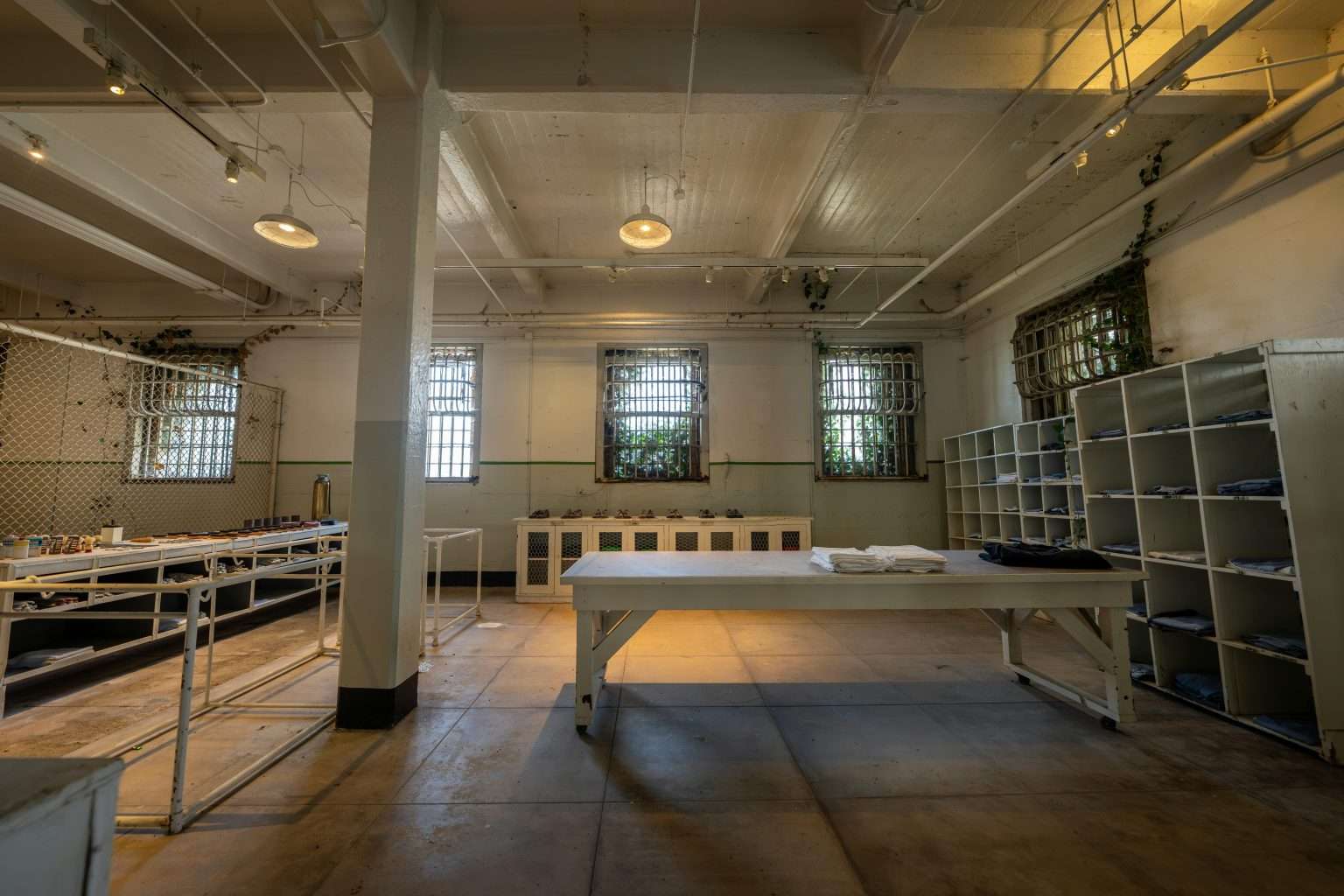
American prison museums often reference international counterparts to provide comparative context. Exhibits focus on shared challenges such as overcrowding and reform efforts. These educational displays enhance understanding of U.S. incarceration history.
Old Charleston Jail, South Carolina

Built in 1802, this jail housed criminals, pirates, and Civil War prisoners. Tours focus on legal practices, incarceration conditions, and notable inmates. It remains a popular stop for travelers interested in early American justice systems.
Wyoming Frontier Prison, Wyoming

Operating from 1901 to 1981, this prison held inmates serving hard labor sentences. Visitors explore cellblocks, infirmaries, and exercise yards. Exhibits emphasize rehabilitation efforts and frontier justice, making it a valuable U.S. travel destination for history-minded visitors.
Crumlin Road Gaol U.S. Influence Exhibit
American museums often include exhibits inspired by overseas prisons to compare reform movements. These displays provide broader educational context for U.S. incarceration practices and evolving standards.
Old Las Vegas Jail, Nevada

Although no longer operational, preserved elements of the Old Las Vegas Jail offer insight into early law enforcement in a rapidly growing city. Exhibits focus on crime during the city’s formative years, appealing to travelers exploring Nevada history.
Florida State Prison Museum, Florida
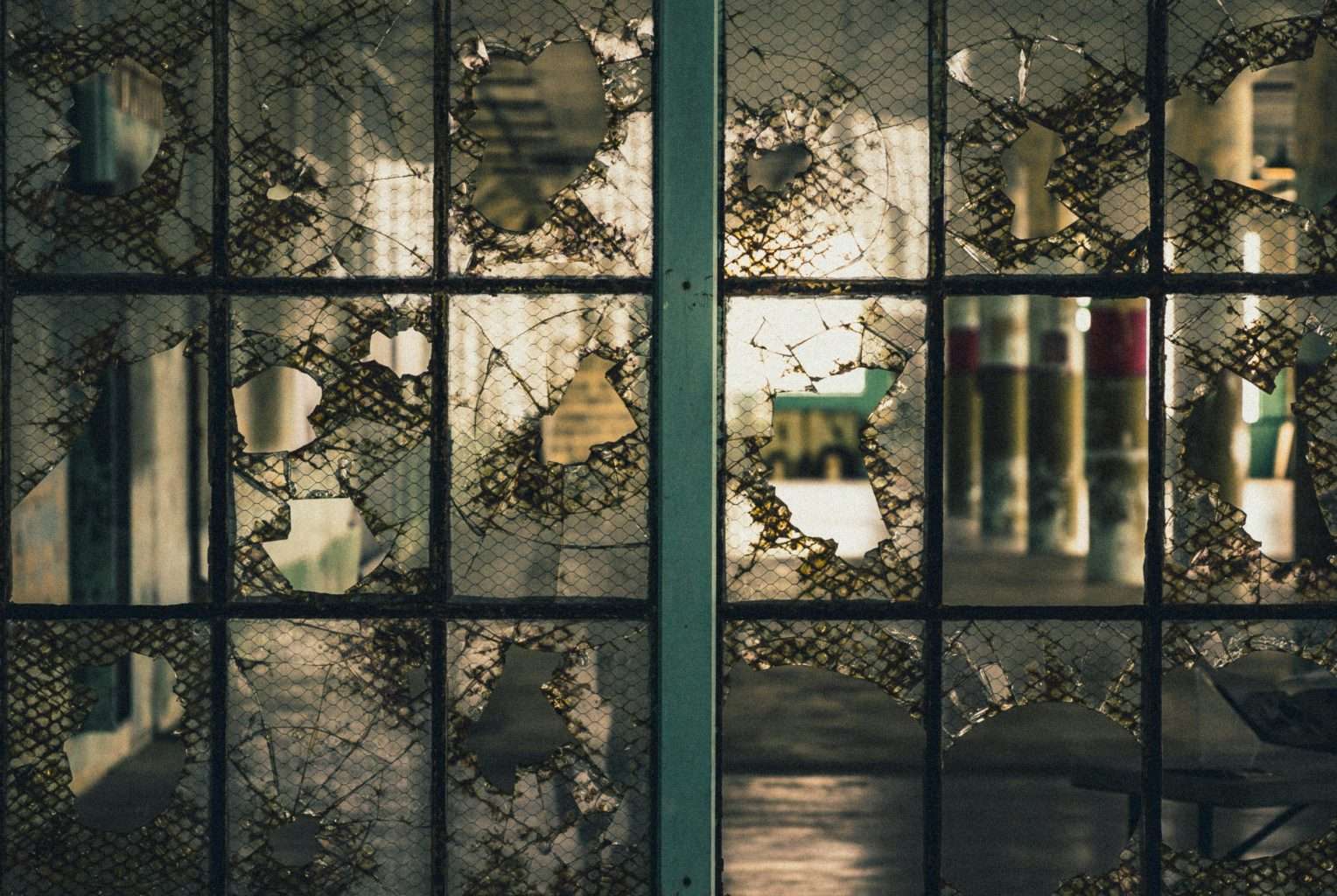
This museum examines the history of incarceration in Florida, including capital punishment practices. Exhibits focus on documented cases and legal evolution. It provides educational value for U.S. travel itineraries centered on social history.
Colorado Territorial Prison, Colorado
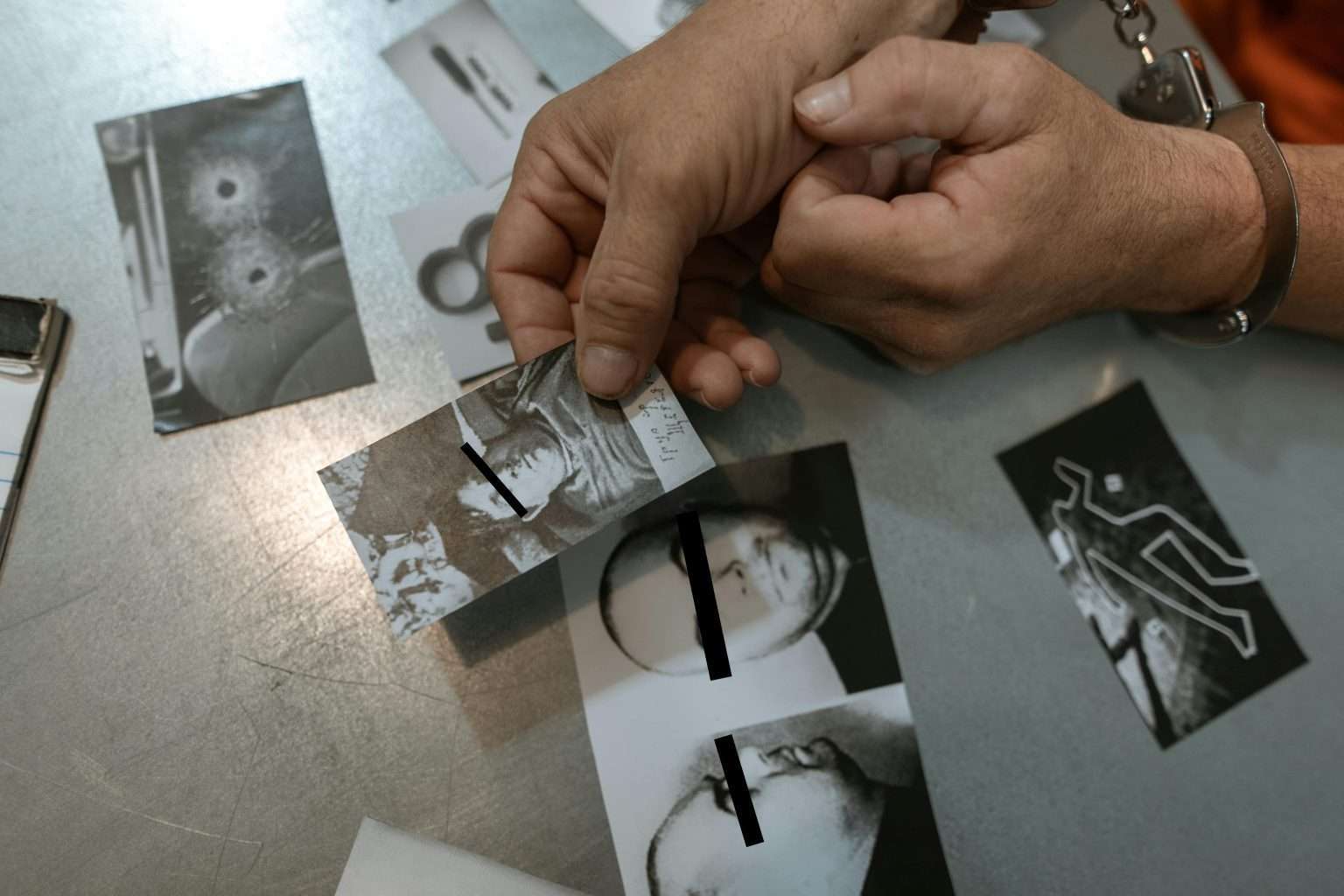
Operating from 1871 to 1939, this prison housed notorious criminals. Visitors explore preserved structures and learn about inmate labor and reform attempts. Its mountainous setting adds historical depth rather than aesthetic appeal.
Old New Mexico State Penitentiary, New Mexico
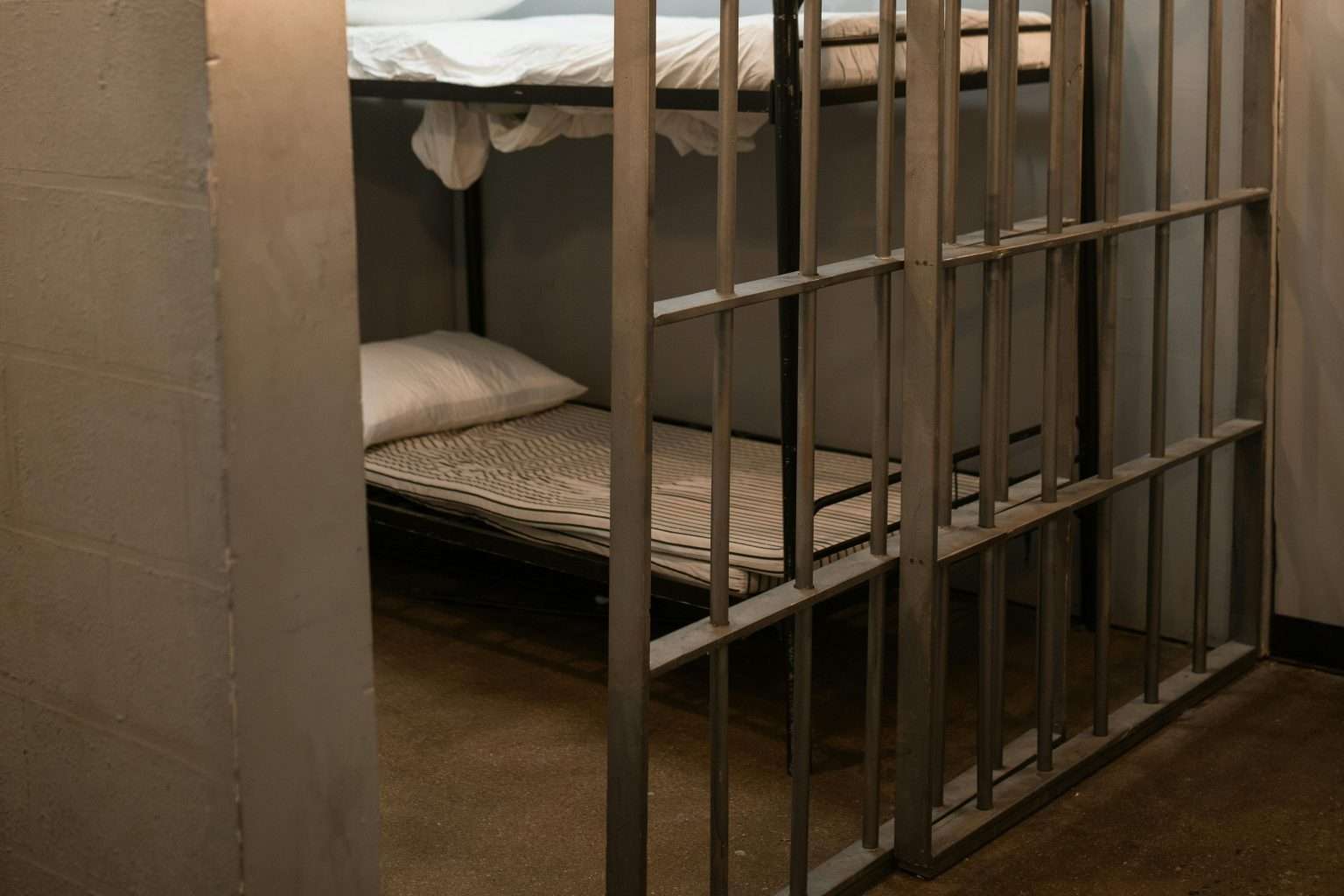
Known for a major riot in 1980, this prison’s history is explored through exhibits and educational programs. Visitors learn about systemic failures and reform efforts, making it a meaningful stop for those interested in justice reform during U.S. travel.

Deborah Montiero is a seasoned travel writer and contributor to Probe the Globe. With a passion for uncovering hidden gems and sharing immersive travel experiences, Deborah’s work highlights must-visit destinations, insider tips, and practical advice for travelers of all types. Whether exploring bustling cities or remote escapes, her articles are crafted to inspire and inform, making her a trusted voice in the travel community.
Her storytelling weaves together cultural insights, logistical tips, and authentic experiences, making her a valuable resource for readers seeking unforgettable journeys.
When not writing, Deborah is likely researching the latest travel trends or planning her next adventure. Follow her work on Probe the Globe for fresh perspectives and up-to-date travel inspiration.