25 Coldest Places People Actually Live (And Why They Stay)
Cold doesn’t scare everyone away. In fact, some of the most resilient and fascinating communities on Earth exist where winter dominates most of the year. These are places where frozen air shapes architecture, culture, food, and daily routines—and where people adapt rather than retreat. For travelers interested in extreme climates, winter travel, and off-the-map destinations (including U.S. cold-weather travel), these locations offer powerful stories and surprising appeal. We take a look at 25 Coldest Places People Actually Live (And Why They Stay)
Yakutsk

Located deep in eastern Siberia, Yakutsk is widely recognized as the coldest major city on Earth. Winter temperatures routinely drop below −40°F, yet the city supports a population of over 300,000 people. Residents remain because Yakutsk serves as the economic and cultural center of the Sakha Republic, driven by diamond mining, education, and government services. Daily life is carefully engineered around permafrost and extreme cold, with elevated buildings and seasonal routines that prioritize survival without sacrificing community life.
Oymyakon

In the remote reaches of northeastern Siberia sits Oymyakon, a small settlement famous for its record-breaking cold. Despite winter temperatures that can fall below −60°F, families stay rooted to this land due to generations of reindeer herding, fishing, and subsistence living. Isolation plays a major role in daily life, but it also fosters self-reliance. For travelers interested in extreme environments, Oymyakon represents one of the purest examples of human adaptation to cold.
Norilsk

Above the Arctic Circle in northern Russia, Norilsk endures long winters marked by heavy snowfall and prolonged darkness. The city exists largely because of its vast mineral resources, particularly nickel and palladium, which provide stable employment. Residents build their lives around indoor connectivity, enclosed walkways, and winter-ready infrastructure. Despite environmental challenges, Norilsk maintains cultural institutions that keep the city active year-round.
Verkhoyansk

Situated along the Yana River in northeastern Siberia, Verkhoyansk is one of the coldest inhabited towns on the planet. Winter dominates most of the year, shaping livestock practices, transportation, and housing design. People remain here because of family heritage, local governance roles, and deep ties to the land. Summer arrives briefly but intensely, providing a critical window for agriculture and preparation before winter returns.
Utqiagvik

On Alaska’s northern coastline, where the Arctic Ocean meets frozen tundra, Utqiagvik experiences months of darkness and extreme cold. As the northernmost city in the United States, it plays a vital role in Arctic research and Indigenous culture. The Inupiat community continues subsistence hunting traditions alongside modern infrastructure. Residents stay for cultural preservation, family ties, and a strong sense of place that defines life in Arctic Alaska.
Fairbanks
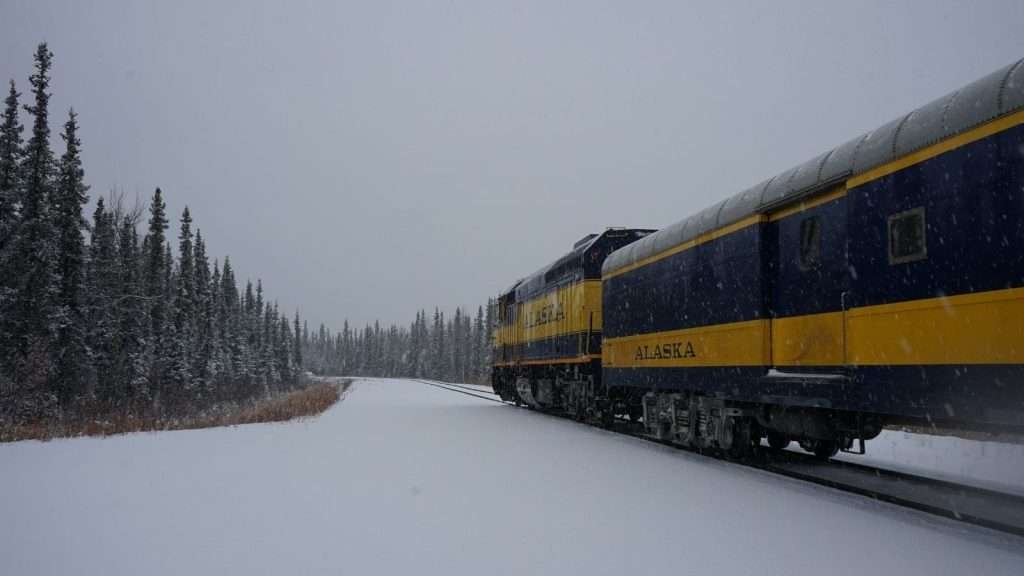
Located in central Alaska, far from the moderating influence of the ocean, Fairbanks is one of the coldest cities in the U.S. Winter temperatures frequently dip below −30°F, yet the city remains a hub for education, military employment, and tourism. Residents embrace seasonal living, with winter activities centered around Northern Lights viewing and cold-weather recreation. For travelers exploring Alaska in winter, Fairbanks offers both accessibility and authenticity.
International Falls

Along the U.S.–Canada border in northern Minnesota lies International Falls, a city known nationwide for extreme cold. Long winters define daily routines, but residents stay for affordability, outdoor access, and strong community bonds. Ice fishing, snowmobiling, and winter festivals shape the local calendar. The cold is a defining feature of identity rather than a deterrent, especially for travelers seeking true Midwest winter experiences.
Duluth

Set along the western shore of Lake Superior, Duluth experiences cold intensified by lake-effect winds. Despite harsh winters, the city thrives on tourism, shipping, and an active arts scene. Residents value access to hiking trails, scenic overlooks, and winter sports. The lake influences both weather and lifestyle, making Duluth a standout destination for northern U.S. travel year-round.
Minot

In north-central North Dakota, Minot faces relentless winter wind chills that push temperatures to dangerous levels. People remain because of steady employment tied to the nearby air force base and energy industries. Life revolves around preparation, from winterized vehicles to indoor recreation spaces. The cold fosters resilience and close-knit neighborhoods, shaping a lifestyle built around mutual support.
Fargo

Positioned along the Red River in eastern North Dakota, Fargo combines extreme winter cold with a growing urban culture. Residents stay for education, healthcare access, and expanding economic opportunities. Winter-friendly infrastructure and community events make the cold manageable. Fargo demonstrates how modern planning can soften even the harshest Great Plains winters.
Yellowknife

On the shores of Great Slave Lake in northern Canada, Yellowknife experiences long, dark winters paired with stunning aurora displays. Residents stay for mining jobs, government roles, and access to wilderness. Ice roads become lifelines during winter months, reinforcing the city’s seasonal rhythm. Cold weather is woven into daily routines rather than treated as an inconvenience.
Whitehorse

Along the Yukon River, Whitehorse serves as the territorial capital of Canada’s Yukon. Winters are long and cold, but the dry climate makes temperatures more tolerable. Residents value independence, outdoor recreation, and strong community ties. The city attracts those who prioritize lifestyle over climate comfort, including winter travelers seeking northern adventure.
Iqaluit

Iqaluit sits on Baffin Island above the Arctic Circle, where winter darkness and extreme cold define much of the year. As the capital of Nunavut, it plays a central role in governance and Inuit culture. Residents stay because of heritage, employment, and regional leadership. Life here is shaped by ice conditions, subsistence hunting, and cooperation.
Nuuk

Along Greenland’s southwestern coast, Nuuk balances Arctic cold with modern urban life. Coastal conditions moderate temperatures slightly, allowing fishing and administration to thrive. Residents stay for employment, education, and cultural preservation. Nuuk offers a glimpse into Arctic city living without the isolation many travelers expect.
Longyearbyen

High in the Arctic Ocean, Longyearbyen is one of the northernmost settlements on Earth. Residents stay for research, tourism, and historical mining operations. Strict safety rules reflect the surrounding wilderness and wildlife. Winter darkness and cold are part of daily life, accepted rather than resisted.
Murmansk

Located above the Arctic Circle in northwestern Russia, Murmansk experiences severe cold but remains ice-free due to ocean currents. As a major port and military center, it supports a sizable population. Cultural institutions and universities keep city life active year-round. The cold shapes routines without halting urban activity.
Rovaniemi

Near the Arctic Circle in northern Finland, Rovaniemi has built an economy around winter tourism and Arctic research. Residents stay for employment opportunities and strong social systems. Cold weather is marketed as an experience rather than endured quietly. Infrastructure supports comfortable living despite long winters.
Harbin

In northeastern China near the Russian border, Harbin experiences brutally cold winters that rival Siberian cities. Millions of residents remain due to industry, universities, and a thriving cultural scene. Seasonal ice festivals transform winter into economic opportunity. The city proves that extreme cold doesn’t limit scale or creativity.
Mohe

Farther north in China’s Heilongjiang province, Mohe is the country’s coldest city. Residents stay for forestry, tourism, and regional pride. Daily life revolves around winter preparedness, with homes and transportation adapted for prolonged cold. The town attracts travelers curious about China’s northern extremes.
Ulaanbaatar

Situated in north-central Mongolia, Ulaanbaatar endures long, bitter winters combined with seasonal air inversions. Despite environmental challenges, people continue migrating to the city for economic opportunity. It remains Mongolia’s cultural and political heart. Cold weather drives innovation in heating and housing solutions.
Astana

On the Central Asian steppe in northern Kazakhstan, Astana experiences some of the coldest winter temperatures of any capital city. Residents stay for government employment and modern infrastructure. Architectural design helps counter intense winds and freezing conditions. Urban planning plays a critical role in livability.
Reykjavík

Along Iceland’s southwestern coast, Reykjavík manages cold through geothermal heating and strong social systems. Residents enjoy a high quality of life despite long winters. Cold weather is integrated into everyday routines. Comfort remains high even during the darkest months.
Sisimiut

On Greenland’s western coast, Sisimiut experiences long winters shaped by sea ice and snow. Residents stay for fishing, education, and cultural continuity. Outdoor winter activities remain central to daily life. The cold reinforces a strong community identity.
Churchill

Located on the western shore of Hudson Bay, Churchill is famous for polar bears and extreme winter cold. Residents stay for tourism, research, and local pride. Winter dictates transportation and supply chains. The town’s global reputation is built entirely around cold-weather survival.

Deborah Montiero is a seasoned travel writer and contributor to Probe the Globe. With a passion for uncovering hidden gems and sharing immersive travel experiences, Deborah’s work highlights must-visit destinations, insider tips, and practical advice for travelers of all types. Whether exploring bustling cities or remote escapes, her articles are crafted to inspire and inform, making her a trusted voice in the travel community.
Her storytelling weaves together cultural insights, logistical tips, and authentic experiences, making her a valuable resource for readers seeking unforgettable journeys.
When not writing, Deborah is likely researching the latest travel trends or planning her next adventure. Follow her work on Probe the Globe for fresh perspectives and up-to-date travel inspiration.