19 Places in America Where You Can Still Pan for Gold
Gold has captivated explorers for centuries, inspiring journeys through rugged mountains, shimmering rivers, and wild frontiers across the United States. While the major gold rushes of the past have faded into history, the thrill of discovery is still alive in many regions. Travelers exploring U.S. travel destinations can still experience the excitement of swirling a pan through cool riverbeds in search of glittering treasures. This guide reveals the 20 Places in America Where You Can Still Pan for Gold.
California’s American River

The American River remains one of the most iconic gold-panning destinations in the country. This historic waterway was the birthplace of the California Gold Rush when James Marshall made his famous discovery in 1848. Today, modern prospectors visit the region to relive a piece of that past, swirling pans through gravel bars that continue to yield flakes and small nuggets. With scenic beauty, accessible locations, and guided experiences available in nearby towns, the American River continues to draw travelers who want to blend outdoor adventure with U.S. travel history.
Alaska’s Crow Creek

Crow Creek in Alaska offers visitors a chance to experience gold prospecting in a dramatic frontier landscape. Surrounded by towering mountains, cold rivers, and thick forest, this region has been producing gold for more than a century. Visitors can tour historic mining areas and try their luck in waters known for larger nuggets. The site’s rugged charm, combined with knowledgeable local guides, gives travelers an unforgettable look into Alaska’s mining heritage while providing a real chance of striking gold.
South Dakota’s Black Hills

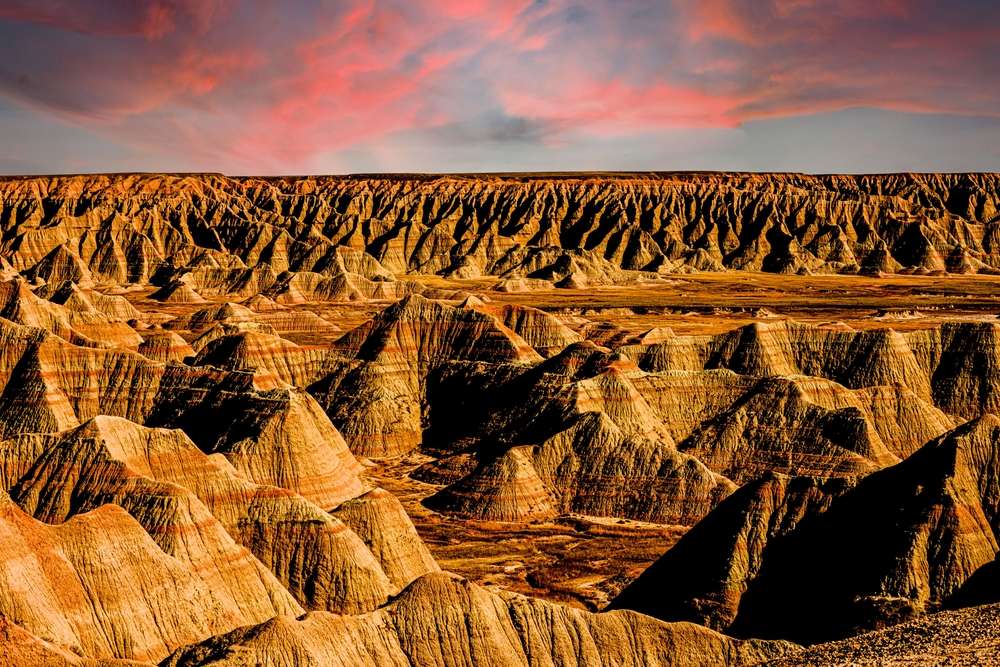
The Black Hills region of South Dakota is famous for its gold-filled past, most notably the discovery in Deadwood that sparked a major rush. Today, travelers can explore multiple panning sites where gold still flows through creeks carrying sediment from ancient deposits. Many operations offer lessons and equipment rentals, making it accessible for beginners. This region blends vibrant lore, natural beauty, and rich geological resources, offering an ideal stop for those traveling through South Dakota in search of adventure.
North Carolina’s Reed Gold Mine

Reed Gold Mine is celebrated as the location of America’s first documented gold discovery in 1799, long before the California rush. Visitors today can explore underground tunnels, tour the historic grounds, and pan for gold in designated areas. The experience provides a rare glimpse into early mining life while allowing guests to try their hand at finding flakes. North Carolina’s warm climate, accessible roads, and strong heritage make this a unique U.S. travel destination for history enthusiasts.
Georgia’s Dahlonega Region

Dahlonega was the heart of America’s first major gold rush in the early 1800s, and its rivers are still productive today. This charming mountain region offers multiple streams open for recreational prospecting, giving visitors an opportunity to discover gold in areas known for consistent deposits. Guided tours and panning lessons make the experience beginner-friendly. Dahlonega’s atmospheric landscapes and rich heritage create a rewarding and educational adventure for travelers exploring the South.
Colorado’s Arkansas River
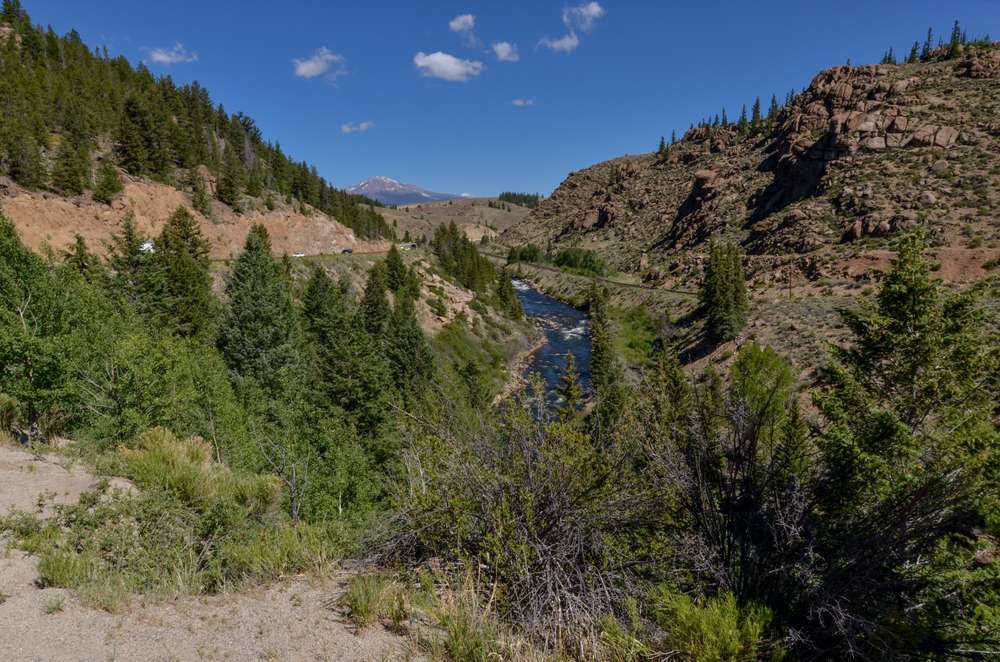
Colorado’s Arkansas River attracts gold seekers who appreciate both natural beauty and reliable panning opportunities. The river flows through rocky canyons and open plains, carrying traces of gold from ancient deposits in the surrounding mountains. Many public access sites allow visitors to pan freely, while some small operations offer pay-to-pan experiences. The region’s crisp air, mountain views, and strong outdoor recreation culture make it an appealing stop for U.S. travel explorers.
Arizona’s Lynx Creek

Lynx Creek is one of the most productive gold-panning locations in Arizona. Visitors regularly find flakes and occasional small nuggets in this region known for its warm climate and desert scenery. The area is popular among both casual prospectors and more dedicated hobbyists who enjoy the challenge of searching for gold in dry washes or near creekbeds. Its accessibility, free panning zones, and scenic environment make it a rewarding stop for those drawn to the Southwest.
Montana’s Libby Creek

Libby Creek in Montana provides a unique public gold-panning area where visitors can search for gold at no cost. This well-maintained region offers scenic forested landscapes, clear running water, and a mining culture that stretches back generations. Prospectors are known to find fine gold and occasional nuggets, especially after seasonal runoff. With abundant wildlife and spacious surroundings, Libby Creek offers a relaxing blend of outdoor recreation and hands-on history.
Idaho’s Yankee Fork

Yankee Fork in Idaho is a region steeped in frontier-era mining history. Visitors can explore historic structures and then head to the water to try their luck panning for gold in gravel-rich streams. Local experts often share stories of the area’s past, adding depth to the experience. Surrounded by mountain views and quiet wilderness, Yankee Fork offers travelers a peaceful yet adventurous stop during their U.S. travel journeys.
Oregon’s Bohemia Mining District

Oregon’s Bohemia Mining District is a remote mountain region known for its historical gold production. Modern visitors come for both the chance to prospect and the rugged beauty of the surrounding forests. Streams in this area often contain fine gold, encouraging patient and careful panning. The district’s combination of wilderness scenery and authentic mining history creates an appealing escape for those who enjoy outdoor exploration with a purpose.
Nevada’s Rye Patch

Rye Patch in Nevada is especially popular with metal-detecting enthusiasts, though panning opportunities also exist in the region’s washes and dry streambeds. Known for producing small nuggets, the area draws prospectors seeking gold in a quiet desert landscape. Visitors appreciate its wide-open spaces and the possibility of discovering gold that has surfaced after seasonal weather changes. Its remote atmosphere makes it a rewarding destination for adventure-minded travelers.
Wyoming’s South Pass

South Pass, located along the historic Oregon Trail, has a long-standing reputation for gold discoveries. The region includes old mining towns and open areas where visitors can pan in streams that still carry gold. Travelers exploring the site experience a mix of history, geology, and frontier spirit. With broad prairies, wind-swept landscapes, and remnants of mining culture, South Pass offers a compelling stop for U.S. travel enthusiasts.
New Mexico’s Ortiz Mountains

The Ortiz Mountains in New Mexico are known for their striking landscapes and mining history stretching back centuries. Prospectors visit to pan in streams and washes that often contain fine gold. The combination of desert views, rugged trails, and cultural heritage draws visitors interested in both natural beauty and hands-on exploration. Those who spend time here often describe it as a peaceful yet exciting gold-panning destination.
Vermont’s Gold Brook

Gold Brook in Vermont offers a scenic, forested location where travelers can try finding gold in cold mountain water. The region’s streams contain fine gold that originated from ancient glacial movement. Visitors often enjoy pairing panning with hiking and nature exploration. With its vibrant greenery, quiet settings, and historically rich environment, Gold Brook provides a refreshing gold-panning experience in New England.
Maine’s Swift River

The Swift River in Maine is well-known among East Coast prospectors for its reliable gold deposits. Visitors search for gold in shallow bends and gravel bars, often finding flakes and occasionally larger pieces. The river flows through impressive forest landscapes, offering both adventure and tranquility. Travelers exploring this region enjoy combining outdoor recreation with the thrill of uncovering natural treasures.
Virginia’s Rapidan River

Virginia’s Rapidan River is a historic region where gold mining once played a significant role in local industry. Today, recreational panners explore its waters in search of gold that remains from older deposits. The river’s scenic pathways, accessible shoreline, and gentle currents make it ideal for beginners. Combined with its historical significance, the Rapidan River is a rewarding stop for U.S. travel enthusiasts exploring the Mid-Atlantic.
Washington’s Skagit River

Washington’s Skagit River offers a beautiful and accessible location for panning, with tall evergreens, mountain peaks, and flowing water that carries fine gold particles. Visitors often enjoy the area for both its natural appeal and its prospecting opportunities. The river’s environment is relaxing yet energizing, making it a favorite among outdoor travelers. Its combination of wilderness and adventure ensures a memorable experience.
Colorado’s Clear Creek
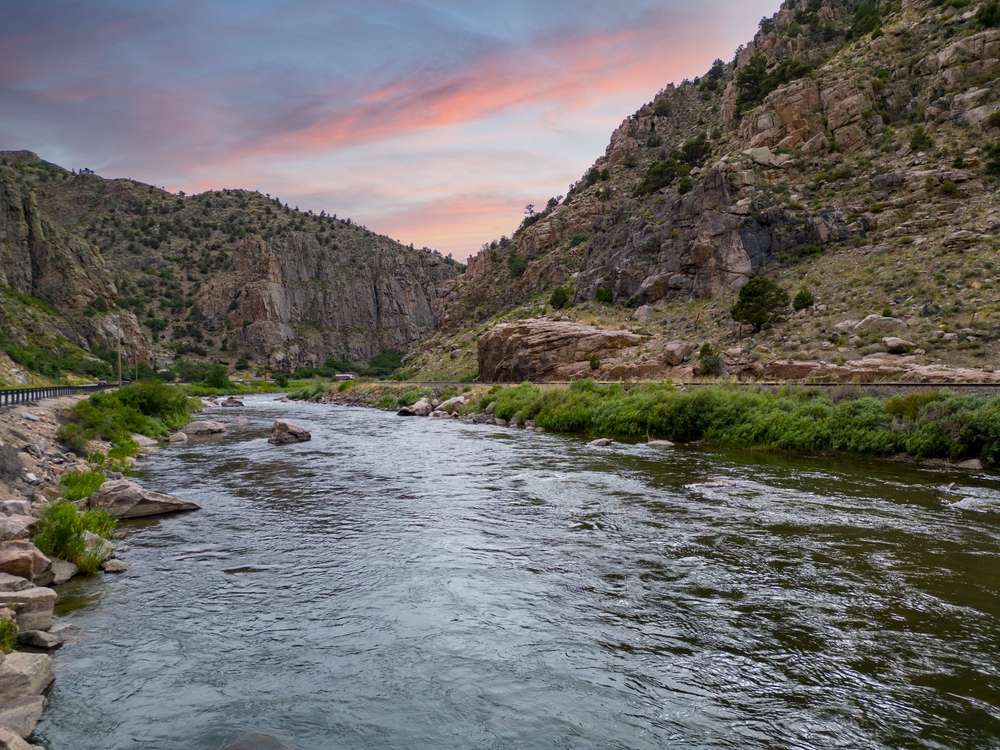
Clear Creek flows through the Colorado mountains and offers a popular panning destination close to major travel routes. Visitors often find fine gold in its gravel bars, especially during warm months when water levels are ideal. Surrounding trails, historic towns, and mountain views add to the experience. This combination of accessibility and adventure draws many travelers who want to pair outdoor recreation with a bit of prospecting fun.
Arizona’s Gold King Creek
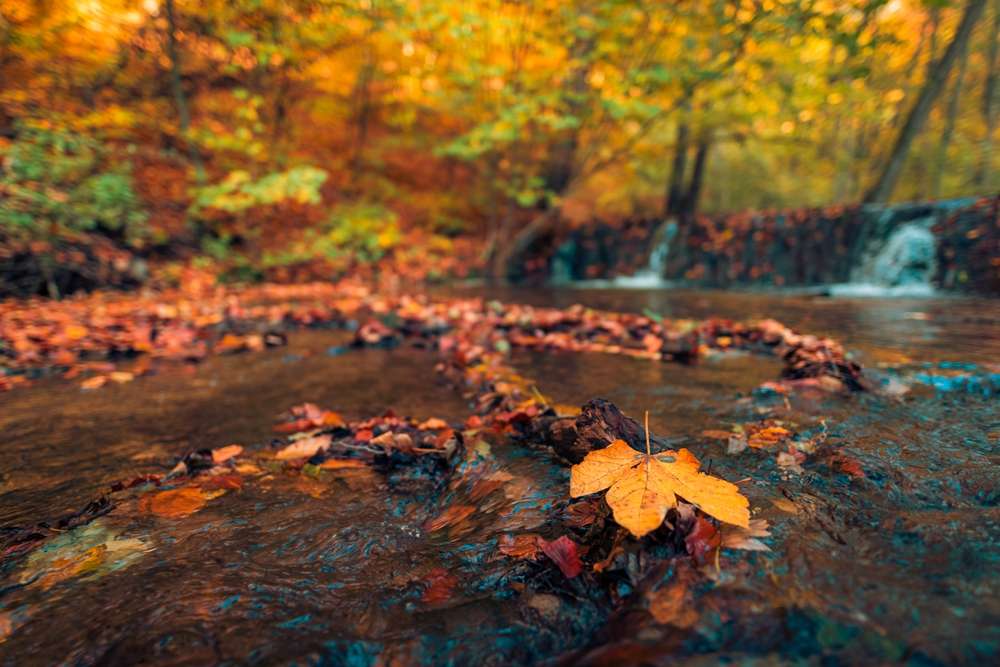
Gold King Creek in Arizona provides prospectors with a chance to search for gold in a region known for its desert beauty and mining legacy. The area’s warm climate and open spaces make it attractive to visitors who enjoy exploring remote landscapes. Though much of the gold is fine, the experience of searching in authentic gold country is highly rewarding. Travelers looking for a true Southwestern gold-panning experience often find this spot a compelling choice.

Deborah Montiero is a seasoned travel writer and contributor to Probe the Globe. With a passion for uncovering hidden gems and sharing immersive travel experiences, Deborah’s work highlights must-visit destinations, insider tips, and practical advice for travelers of all types. Whether exploring bustling cities or remote escapes, her articles are crafted to inspire and inform, making her a trusted voice in the travel community.
Her storytelling weaves together cultural insights, logistical tips, and authentic experiences, making her a valuable resource for readers seeking unforgettable journeys.
When not writing, Deborah is likely researching the latest travel trends or planning her next adventure. Follow her work on Probe the Globe for fresh perspectives and up-to-date travel inspiration.