20 “Do Not Enter” Areas Tourists Keep Sneaking Into Anyway
Tourists are famously curious, and sometimes that curiosity crosses clearly marked lines. Around the world — and especially across popular U.S. travel destinations — there are places posted with warnings, fences, guards, or outright bans that still manage to attract rule-breaking visitors. Whether driven by social media clout, urban legends, or a desire to experience something “exclusive,” travelers continue to sneak into locations that authorities strongly discourage. These areas are often dangerous, culturally sensitive, environmentally fragile, or legally restricted, yet they remain irresistible to some. We take a look at 20 “Do Not Enter” Areas Tourists Keep Sneaking Into Anyway
Area 51, Nevada, USA
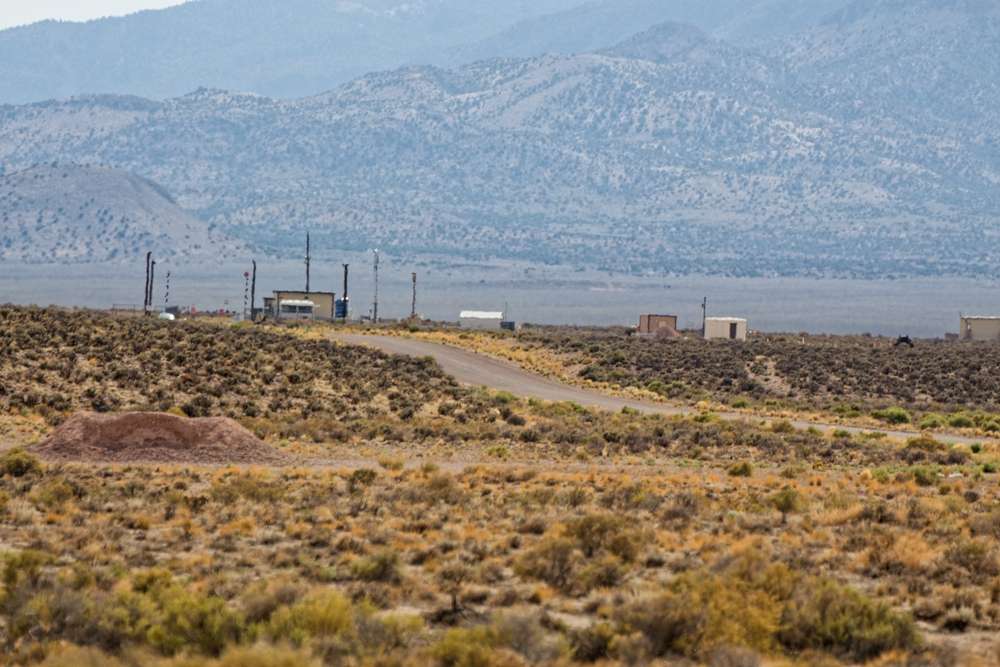
Few restricted places in U.S. travel culture are as famous as Area 51. Officially a highly classified U.S. Air Force facility, the site has long fueled conspiracy theories involving UFOs and secret aircraft. Despite heavy surveillance, warning signs, and federal penalties, tourists still attempt to approach the perimeter. Some hope for alien encounters, while others simply want a photo near the infamous gates. Trespassers are often intercepted quickly, and the legal consequences can include fines or arrest. The desert environment itself also poses risks such as extreme heat and lack of water.
The White House Grounds, Washington, D.C.
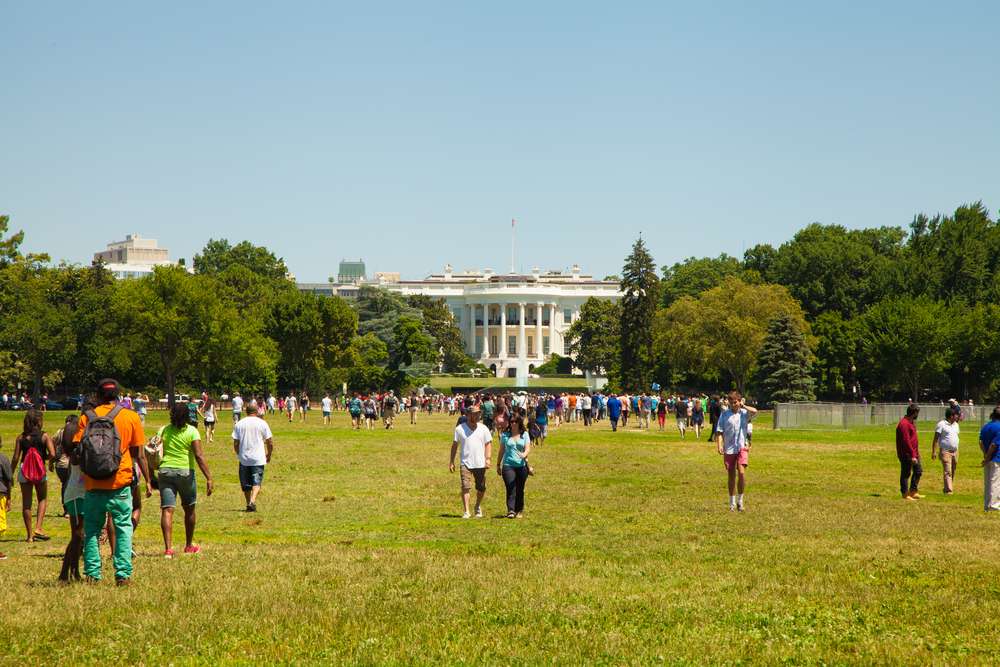
Although parts of the White House are open for guided tours, many areas remain strictly off-limits. Visitors occasionally test boundaries, trying to cross barriers or wander into restricted zones for photos or stunts. Given the site’s importance in U.S. government and national security, these actions are taken very seriously. Secret Service agents respond swiftly, and even innocent curiosity can lead to detainment. For travelers interested in American history, the permitted areas already offer plenty without risking serious legal trouble.
Chernobyl Exclusion Zone, Ukraine
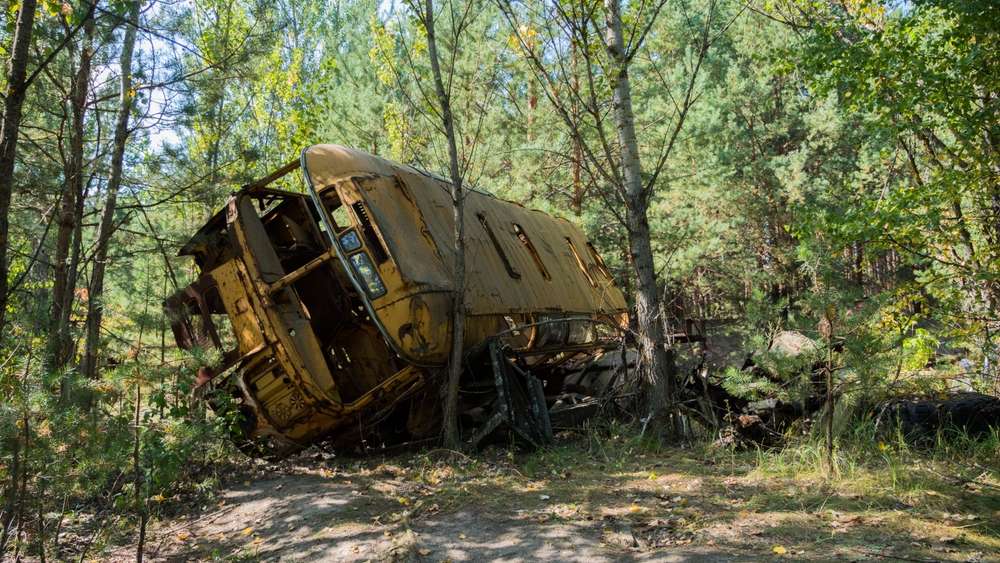
Despite being officially restricted due to lingering radiation, the Chernobyl Exclusion Zone attracts thrill-seeking tourists from around the world. While some guided visits are legally permitted, many people sneak into unapproved areas to explore abandoned buildings and ghost towns. Exposure to radiation, unstable structures, and wildlife contamination make this incredibly dangerous. Authorities frequently remind travelers that the risks extend beyond immediate health issues, as radiation effects can be long-term. Illegal entry can also result in heavy fines or criminal charges.
Alcatraz Closed Cells, California, USA
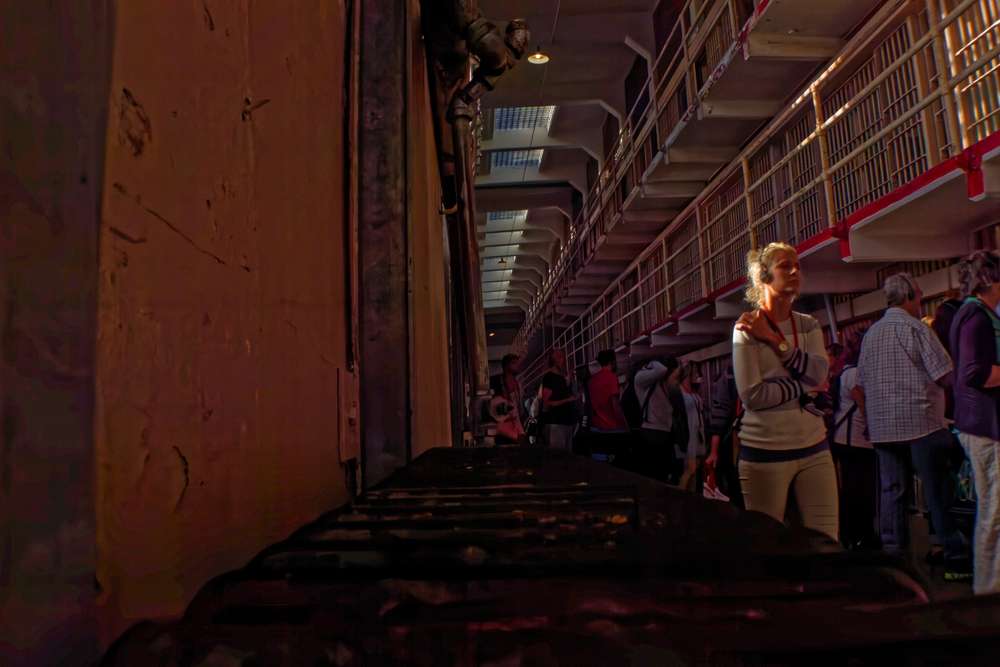
Alcatraz Island is one of the most iconic U.S. travel attractions, but not all areas are open to the public. Certain cell blocks and maintenance tunnels remain closed due to safety concerns. Still, some visitors attempt to slip past barriers to explore hidden corners of the former prison. Deteriorating infrastructure, poor lighting, and narrow passageways make these areas hazardous. National Park Service rangers routinely escort violators out and may impose penalties for ignoring posted restrictions.
The Vatican Secret Archives, Vatican City

Officially renamed the Vatican Apostolic Archive, this area is closed to the general public except for select scholars. Tourists often attempt to gain access, believing it contains hidden religious secrets or forbidden texts. In reality, the archive houses sensitive historical documents that require controlled preservation. Unauthorized entry is treated as a serious offense, and security is tight. Even within one of the world’s most visited destinations, not every door is meant to be opened.
Antarctica’s Protected Wildlife Zones
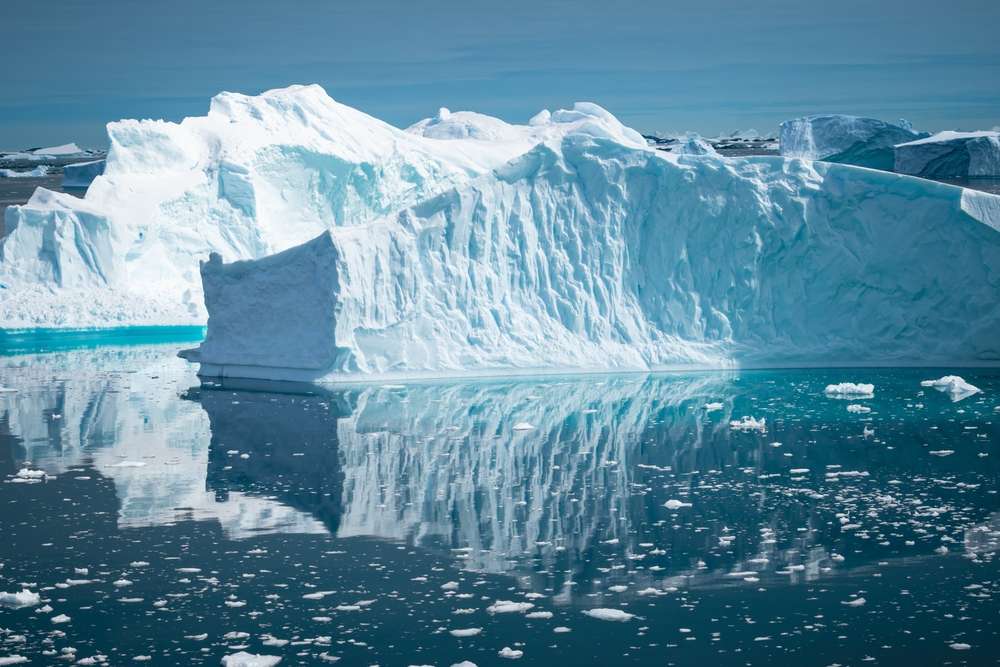
Antarctica may seem vast and empty, but many regions are designated as strictly protected areas. Tourists occasionally step beyond approved paths to get closer to penguins or seals, violating international environmental agreements. These fragile ecosystems are easily disrupted by human presence. Travel operators and governments emphasize strict compliance, yet curiosity often wins out. Penalties can include fines and bans from future Antarctic travel expeditions.
The Lascaux Caves, France
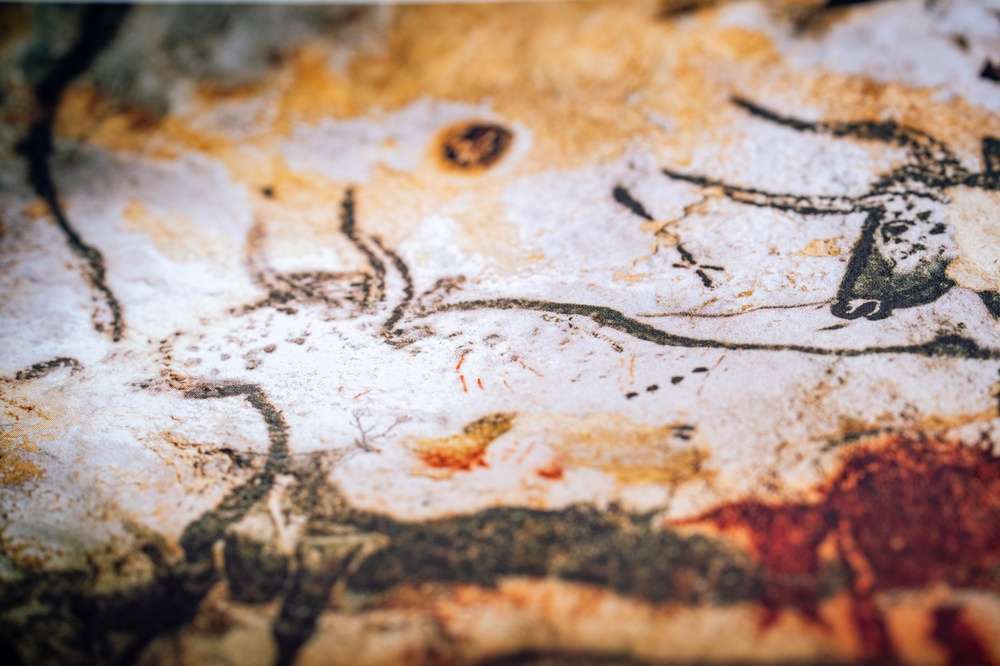
The original Lascaux caves, famous for prehistoric paintings, have been closed to the public for decades. Human breath and bacteria were damaging the artwork, prompting authorities to seal the site. Despite this, some tourists have attempted illegal entry, driven by a desire to see the authentic paintings rather than replicas. These acts threaten irreplaceable cultural heritage. Preservationists stress that even brief exposure can cause irreversible harm.
Navajo Nation Sacred Sites, Arizona, USA
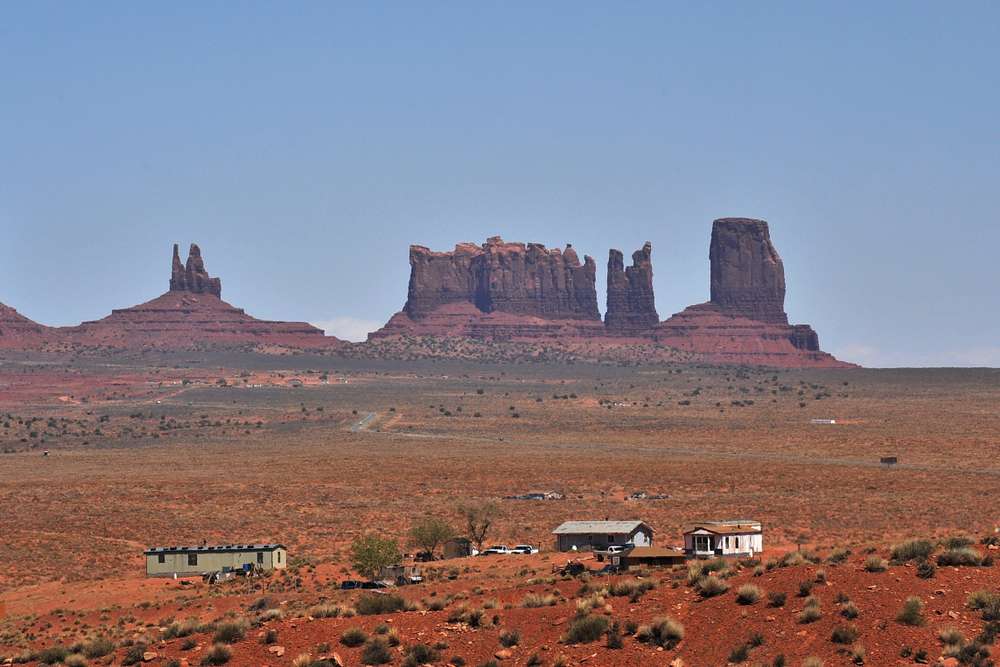
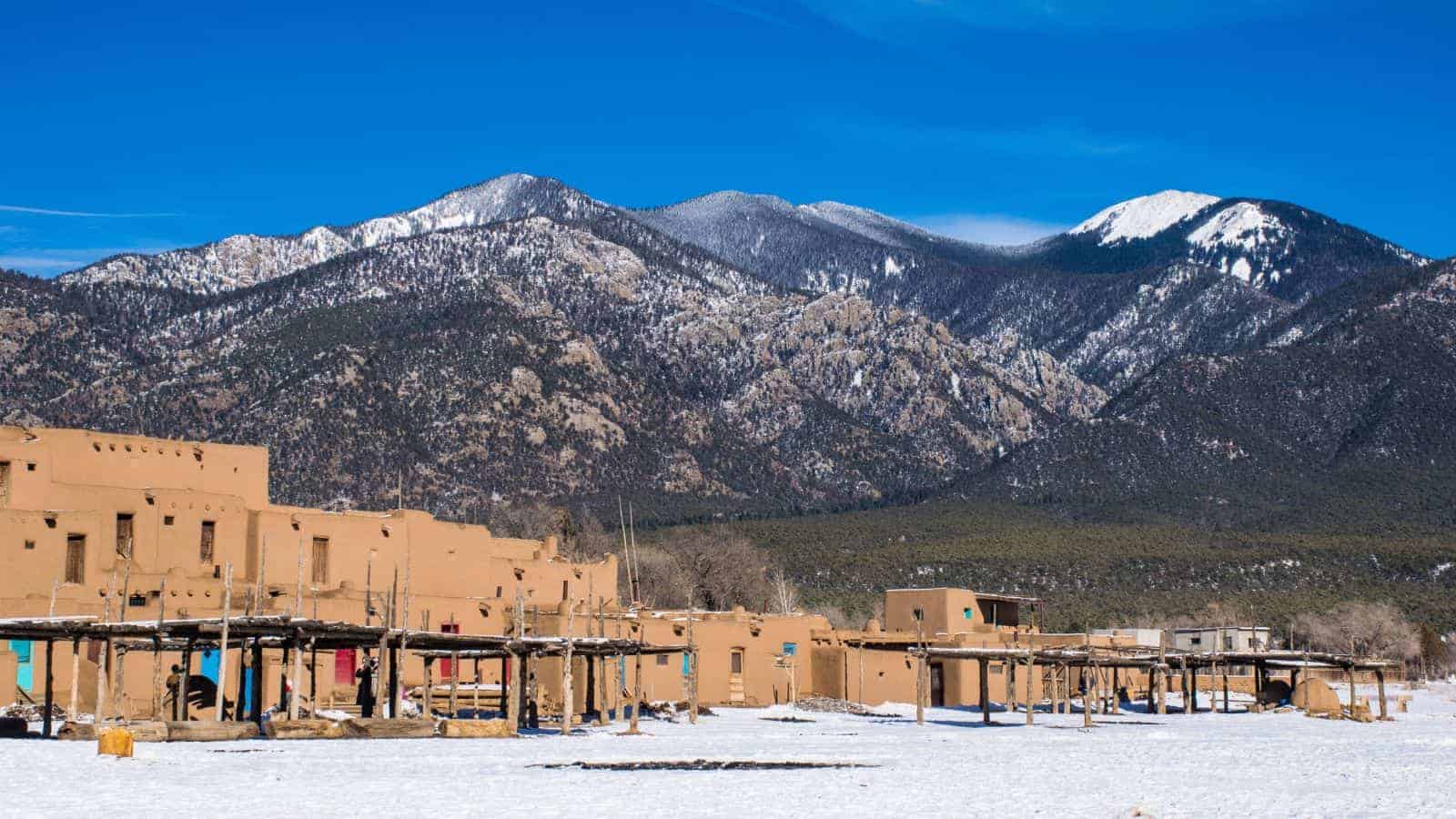
Across the American Southwest, many sacred sites on Navajo land are closed to tourists. Yet hikers and photographers frequently ignore signage, seeking dramatic views or social media content. These locations hold deep spiritual significance and are not meant for casual visitation. Trespassing is not only disrespectful but illegal under tribal law. Responsible U.S. travel includes respecting Indigenous sovereignty and cultural boundaries.
Snake Island, Brazil
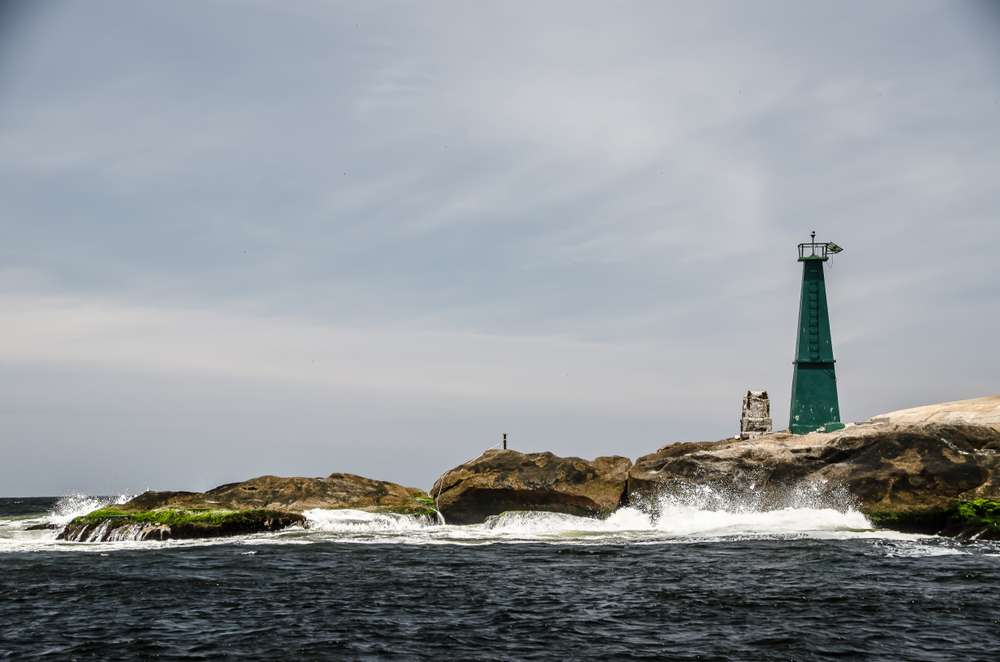
Officially off-limits due to its extreme danger, Snake Island is home to one of the highest concentrations of venomous snakes in the world. Entry is restricted to researchers and military personnel. Still, thrill-seeking tourists attempt to land on the island illegally. A single snakebite can be fatal within hours. Authorities strictly enforce the ban, emphasizing that curiosity here can easily become deadly.
Disney Abandoned Attractions, Florida, USA
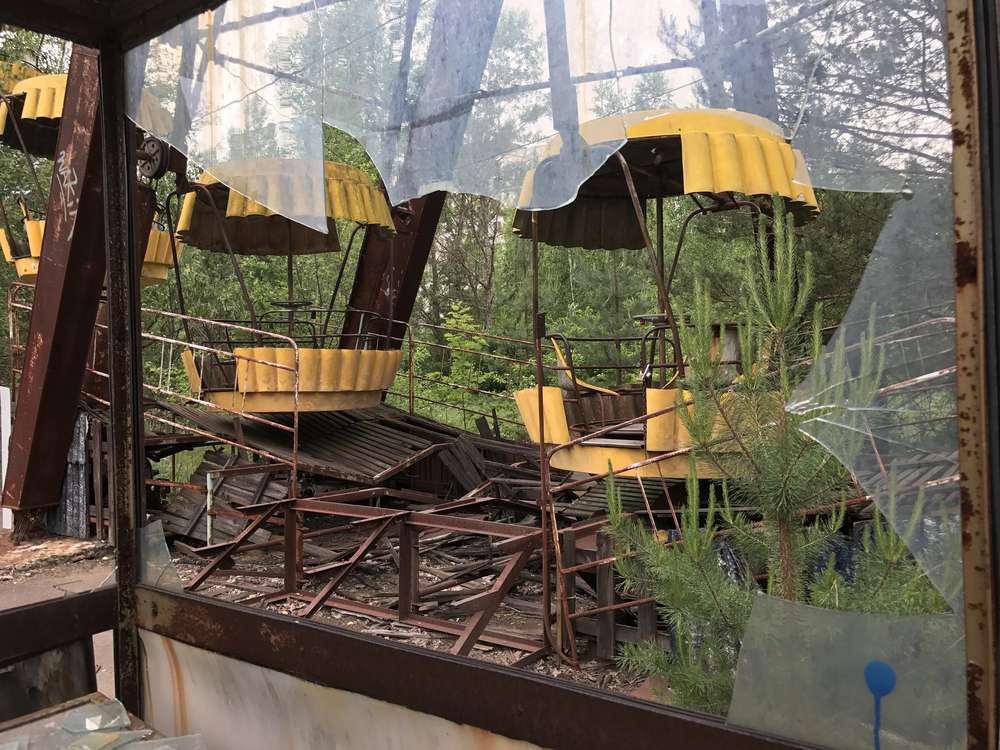
Even within heavily managed theme parks, restricted zones exist. Abandoned rides and backstage areas at major Florida attractions attract urban explorers who sneak in after hours. These locations are unsafe due to exposed wiring, unstable structures, and lack of lighting. Disney security actively monitors trespassing, and violators can face lifetime bans. For families planning U.S. travel, the magic is best enjoyed where access is permitted.
The Paris Catacombs Restricted Tunnels
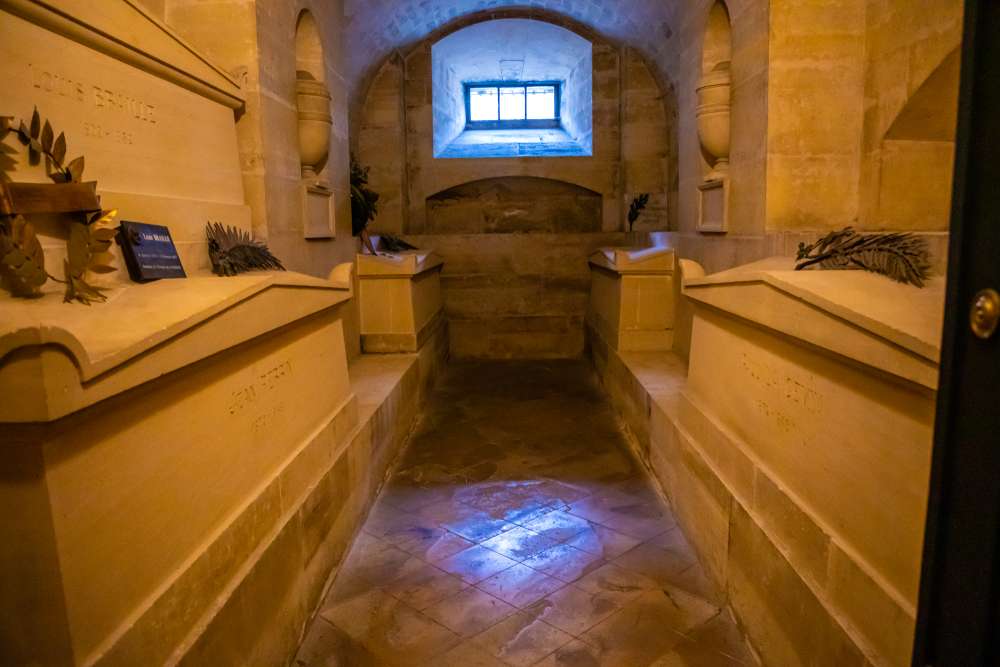
While parts of the Catacombs are open to visitors, most of the underground tunnel system is illegal to enter. Tourists sneak in through hidden entrances, often getting lost for hours or days. Structural collapses, flooding, and disorientation are real threats. French authorities regularly rescue stranded explorers and issue fines. The romantic image of secret tunnels quickly fades when safety becomes a concern.
North Sentinel Island, India
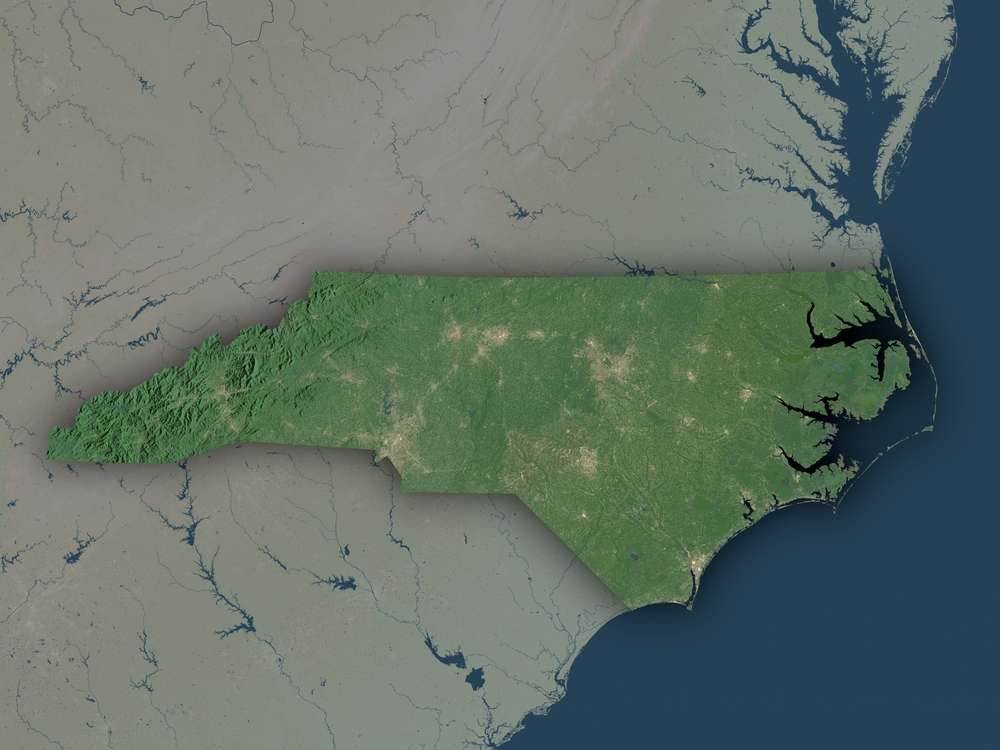
This island is strictly protected to preserve the isolation of the Sentinelese people. Entry is banned under Indian law, yet adventurers still attempt contact. The tribe has repeatedly demonstrated hostility toward outsiders, making visits extremely dangerous. Beyond personal risk, unauthorized contact threatens the community’s health due to lack of immunity to modern diseases. Respecting isolation is crucial for their survival.
Havasupai Waterfalls Closed Trails, Arizona, USA
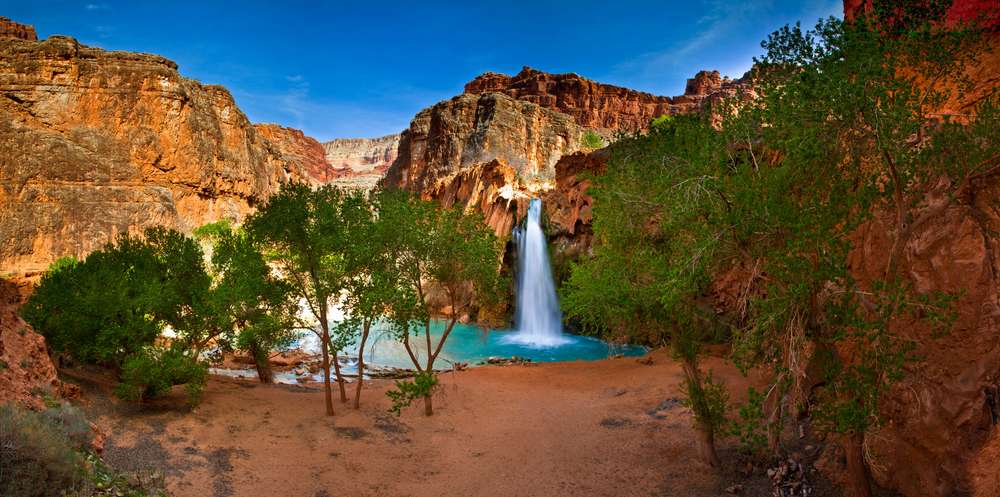
Certain trails around the famous Havasupai waterfalls are periodically closed due to flash flooding or erosion. Tourists sometimes ignore closures to reach lesser-known viewpoints. The canyon environment can change rapidly, turning a scenic hike into a life-threatening situation. Tribal authorities emphasize that closures exist for visitor safety. Violators may face fines or removal from the reservation.
Mount Fuji Off-Season Routes, Japan
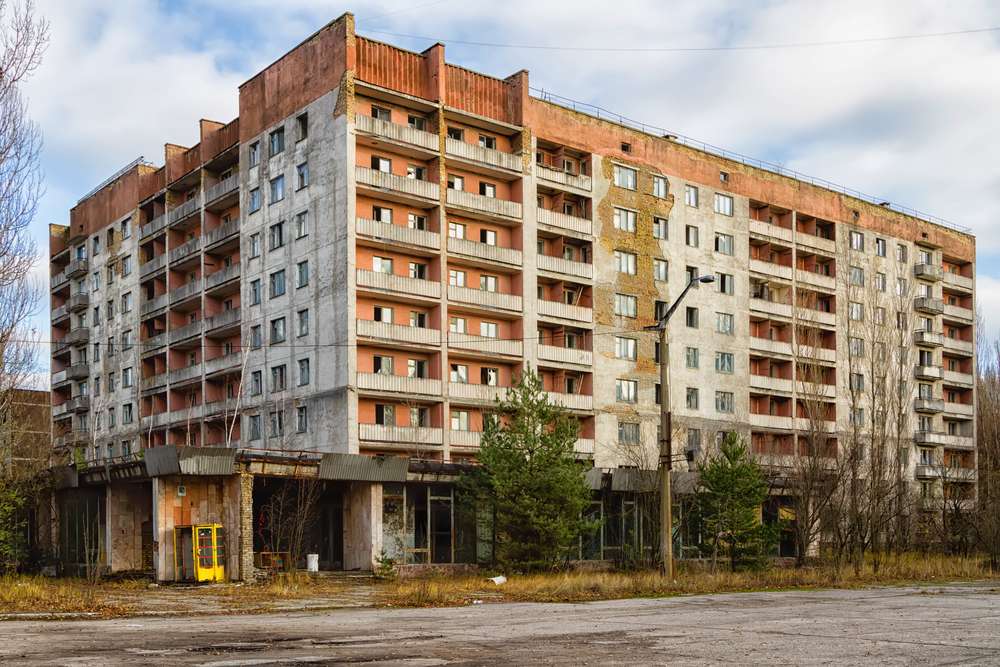
During the official climbing season, Mount Fuji is well regulated. Outside that window, many trails are closed due to severe weather and rescue limitations. Tourists still attempt ascents during off-season months. Sudden storms, icy paths, and altitude sickness cause frequent emergencies. Local authorities urge travelers to respect seasonal restrictions designed to save lives.
Las Vegas Storm Drain Tunnels, Nevada, USA

Urban explorers are drawn to the vast tunnel system beneath Las Vegas. These storm drains are extremely dangerous, especially during flash floods. Despite warnings, tourists sneak in to document graffiti and underground communities. Sudden rainfall can fill tunnels within minutes, leaving no escape. Law enforcement regularly issues citations to discourage entry.
The Taj Mahal Inner Chambers, India
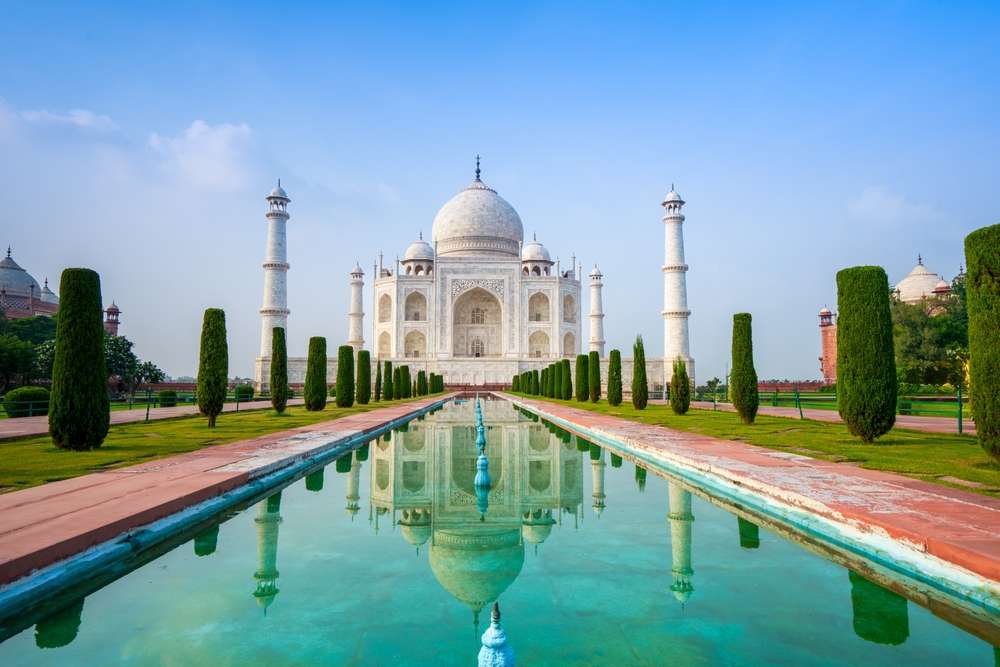
While the main mausoleum is open to visitors, certain inner chambers are closed for structural preservation. Some tourists attempt to cross barriers to access restricted rooms. These areas are delicate and vulnerable to damage from humidity and vibration. Security staff closely monitor visitor movement. Protecting the monument ensures future generations can experience it.
Bonneville Salt Flats Closed Zones, Utah, USA
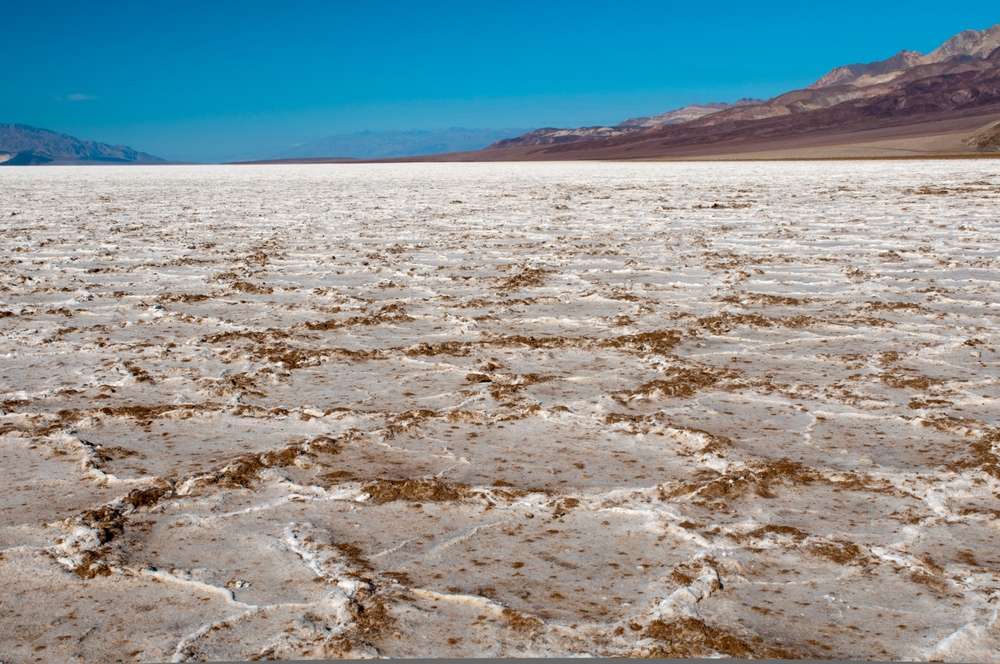
Parts of the Bonneville Salt Flats are restricted during racing events or conservation periods. Tourists sometimes ignore signs to drive or walk into closed sections. The salt crust can be deceptively fragile, causing vehicles to sink or damage the surface. Officials stress that responsible U.S. travel includes preserving unique natural landscapes.
Machu Picchu Restricted Trails, Peru
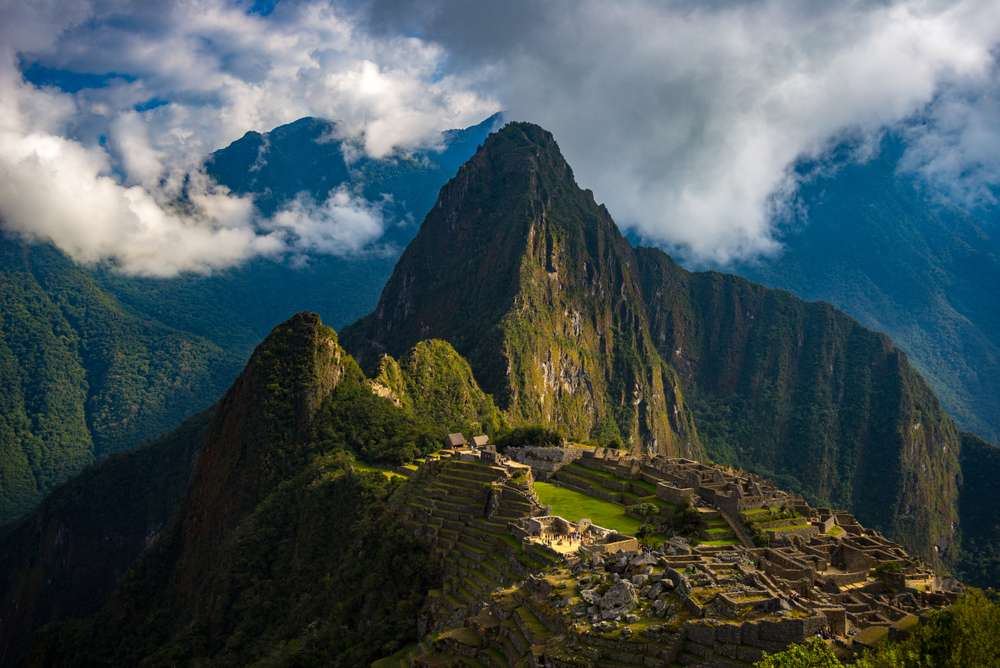
Certain trails and ruins at Machu Picchu are closed to prevent erosion and overcrowding. Visitors occasionally bypass guards to reach forbidden viewpoints. This accelerates wear on ancient stonework and creates safety hazards. Authorities strictly enforce access rules to protect the site’s integrity. Sustainable tourism depends on respecting these limits.
Hawaii Volcano Restricted Crater Areas, USA
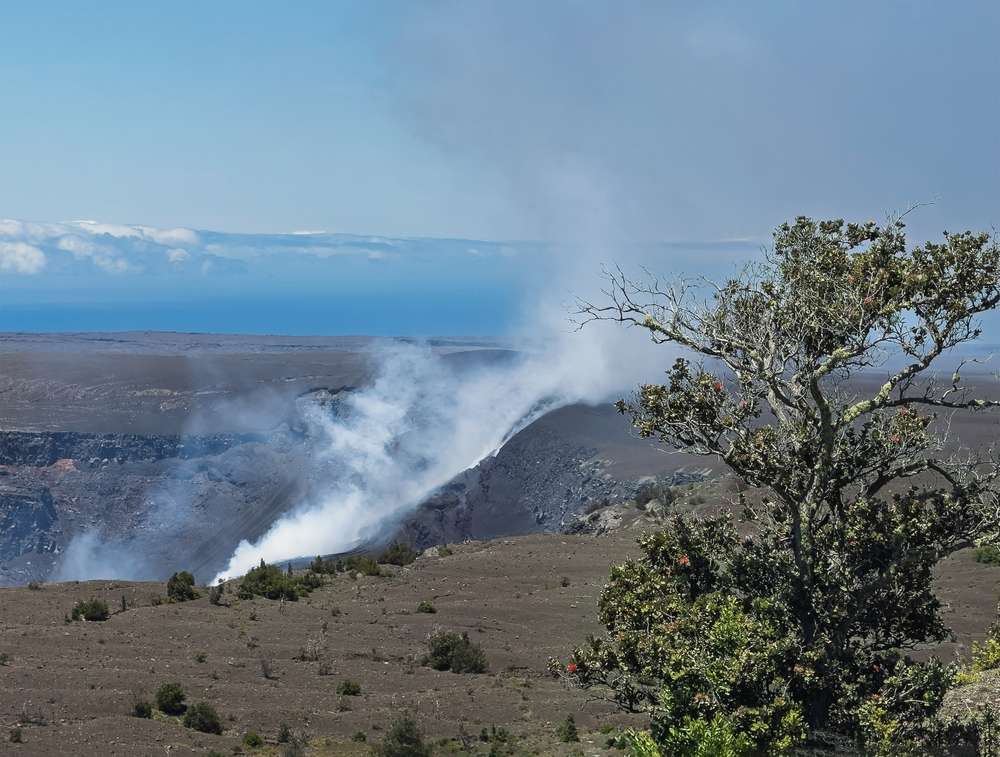
Active volcanic zones in Hawaii are carefully monitored, with some craters closed due to toxic gases and unstable ground. Tourists sometimes cross barriers for dramatic photos of lava fields. Sudden gas releases and collapses can be fatal. Park rangers emphasize that closures shift frequently based on conditions. Ignoring them can have irreversible consequences.
Times Square Construction Zones, New York City, USA

Even in one of the busiest U.S. travel hubs, restricted areas exist. Construction zones around Times Square are often breached by tourists seeking unique vantage points. Heavy machinery, falling debris, and electrical hazards make these areas unsafe. New York City enforces strict penalties to prevent accidents. Iconic photos aren’t worth serious injury.

Deborah Montiero is a seasoned travel writer and contributor to Probe the Globe. With a passion for uncovering hidden gems and sharing immersive travel experiences, Deborah’s work highlights must-visit destinations, insider tips, and practical advice for travelers of all types. Whether exploring bustling cities or remote escapes, her articles are crafted to inspire and inform, making her a trusted voice in the travel community.
Her storytelling weaves together cultural insights, logistical tips, and authentic experiences, making her a valuable resource for readers seeking unforgettable journeys.
When not writing, Deborah is likely researching the latest travel trends or planning her next adventure. Follow her work on Probe the Globe for fresh perspectives and up-to-date travel inspiration.