18 American River Towns Living With the Constant Threat of Disaster
Across the United States, rivers have shaped commerce, culture, and settlement for centuries, drawing communities to their banks with promises of opportunity and connection. At the same time, these waterways carry constant risk, bringing floods, erosion, storms, and environmental uncertainty that locals must face year after year. For travelers interested in U.S. travel stories rooted in resilience and history, these towns reveal a powerful balance between beauty and vulnerability. This article explores 18 American River Towns Living With the Constant Threat of Disaster.
Cairo, Illinois

Cairo sits at the dramatic confluence of the Mississippi and Ohio Rivers, making it both strategically important and dangerously exposed. Levees surround the town, serving as its primary defense against catastrophic flooding. When rivers swell, residents live with the awareness that a single breach could reshape their lives. Travelers passing through southern Illinois often sense the tension between Cairo’s historic architecture and the constant vigilance required to protect it.
Greenville, Mississippi
Greenville has long relied on the Mississippi River for trade, agriculture, and identity. Seasonal flooding remains a major concern, especially during heavy rainfall upstream. The town’s levee system is critical, yet memories of past floods remain vivid among residents. Visitors exploring Mississippi River towns quickly learn how deeply water management influences daily life and long-term planning in this historic Southern community.
Davenport, Iowa

Davenport’s scenic riverfront attracts travelers seeking Midwest charm, but flooding is a recurring reality. The Mississippi River regularly rises above flood stage, sometimes inundating streets and public spaces. Instead of retreating, the town has adapted with flood-resilient infrastructure and flexible urban design. For U.S. travel enthusiasts, Davenport offers insight into how modern river towns learn to coexist with unpredictable water levels.
Vicksburg, Mississippi
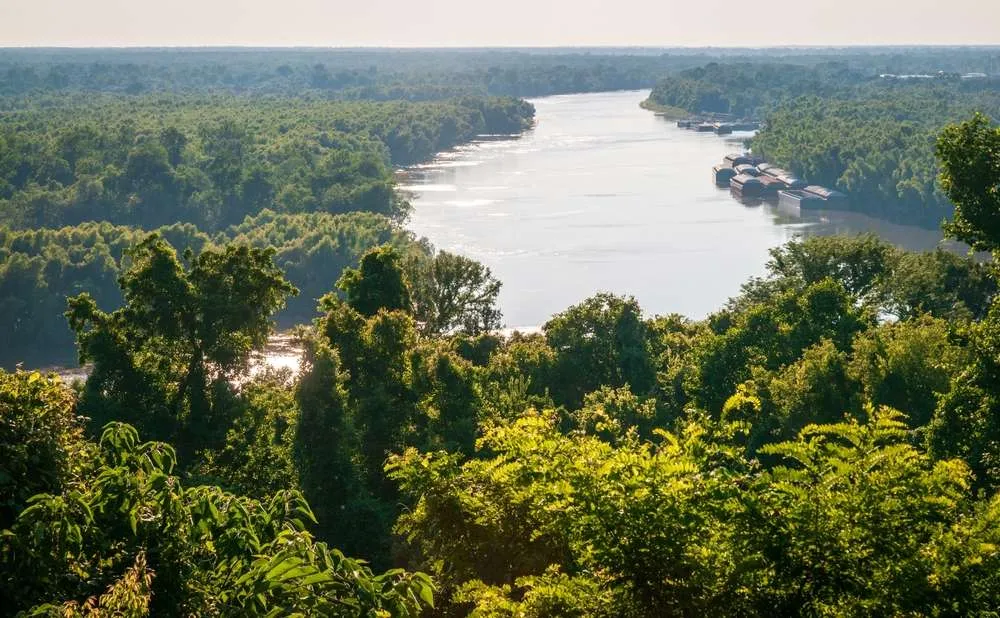
Vicksburg’s steep bluffs once provided natural defense, but flooding and erosion still pose challenges along lower areas of the city. The Mississippi River’s shifting course historically altered trade routes and reshaped the town’s economy. Today, residents remain watchful as storms and rising water threaten infrastructure. Travelers visiting for Civil War history also encounter stories of survival against nature’s forces.
Hannibal, Missouri

Best known as Mark Twain’s hometown, Hannibal owes much of its character to the Mississippi River. Flooding remains an ongoing concern, particularly in low-lying districts near the waterfront. Protective barriers and emergency planning are part of everyday life. For travelers interested in American literary heritage, Hannibal also offers a lesson in how river towns adapt while preserving cultural identity.
Baton Rouge, Louisiana

As Louisiana’s capital, Baton Rouge balances urban growth with river-related risks. The Mississippi River’s immense power presents ongoing threats of flooding, especially during hurricane season. Extensive levees and spillways protect the city, but residents remain alert during severe weather events. Travelers exploring Louisiana’s river culture quickly see how infrastructure and preparedness shape life along the water.
Natchez, Mississippi
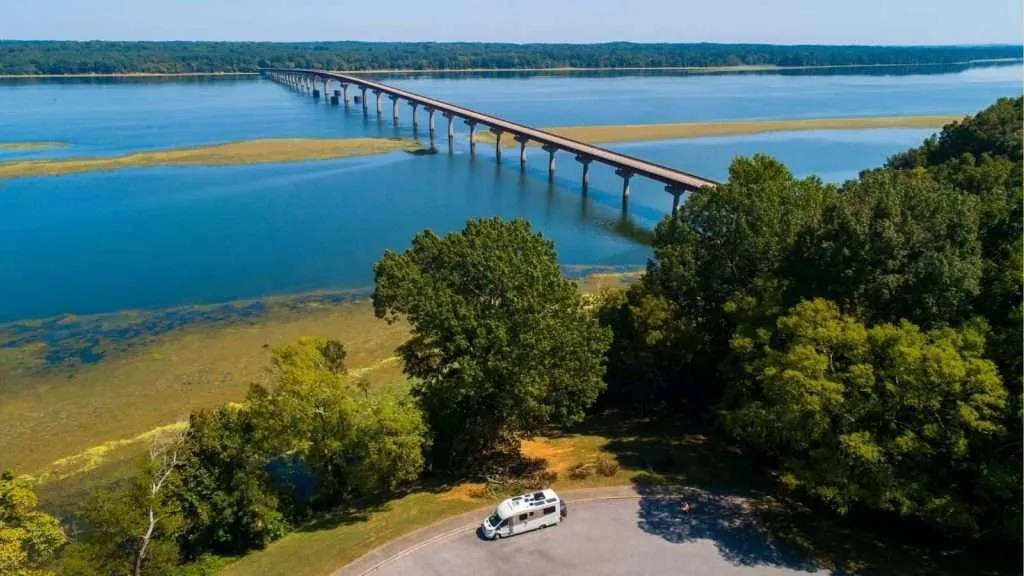
Natchez sits atop high bluffs overlooking the Mississippi River, yet lower areas remain vulnerable to flooding and landslides. The river’s erosion has reshaped sections of the shoreline over time. Residents understand that natural beauty comes with inherent risk. U.S. travel visitors drawn to Natchez’s historic homes also learn about the constant balance between preservation and protection.
Red Wing, Minnesota

Red Wing’s location along the Upper Mississippi brings both scenic charm and seasonal flooding. Snowmelt and heavy rainfall can cause river levels to rise quickly, affecting parks and neighborhoods. The town invests heavily in monitoring systems and emergency planning. Travelers exploring Minnesota’s river towns often witness how climate patterns directly influence local life.
Alton, Illinois

Alton’s proximity to the Mississippi and Missouri Rivers places it in a high-risk flood zone. Levees and floodwalls line parts of the city, serving as vital defenses. Despite these measures, residents have experienced repeated evacuations during major flood events. For U.S. travel routes along historic river corridors, Alton represents resilience shaped by repeated challenges.
Fargo, North Dakota

Fargo experiences annual flood anxiety from the Red River. Locals participate in sandbagging and emergency planning regularly. Development patterns reflect lessons learned. Community cooperation is essential. For American travel observers, Fargo represents collective resilience.
Harrisburg, Pennsylvania
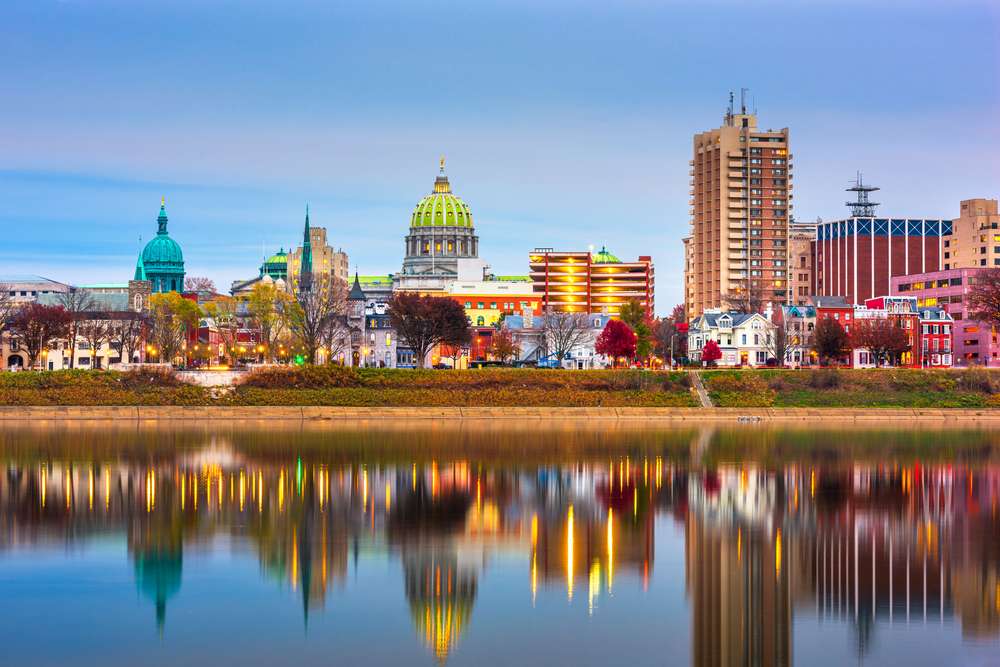
Harrisburg lies along the Susquehanna River, where flooding can isolate neighborhoods. Locals track upstream rainfall carefully. Floodwalls protect parts of the city but not all areas. Emergency readiness is ingrained. As an American travel destination, Harrisburg shows how rivers shape capital cities.
Ellicott City, Maryland
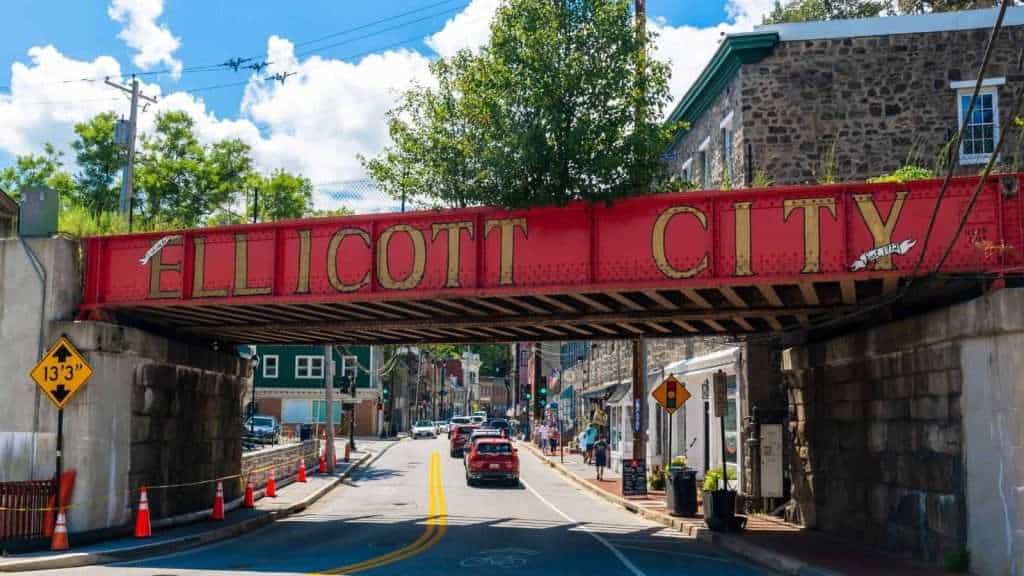
Ellicott City’s historic district sits along narrow waterways prone to flash floods. Locals have endured repeated disasters in recent years. Infrastructure redesign aims to divert water flow. Businesses rebuild with resilience in mind. As a U.S. travel destination, Ellicott City shows determination amid risk.
Baton Rouge, Montana (Fort Benton nearby)

Fort Benton, often considered one of Montana’s oldest settlements, sits along the Missouri River and faces flood threats tied to snowmelt and storms. Riverbank erosion and rising water levels require constant monitoring. Residents maintain strong ties to river management practices. For travelers exploring western U.S. travel routes, Fort Benton illustrates frontier resilience.
Harpers Ferry, West Virginia

Harpers Ferry sits at the confluence of the Potomac and Shenandoah Rivers. Locals expect flooding to impact lower town areas regularly. Historic preservation complicates mitigation efforts. Seasonal closures are common. For American travel lovers, Harpers Ferry blends history with vulnerability.
Wilmington, North Carolina

Although coastal influences add complexity, Wilmington’s position along the Cape Fear River increases flood risks during hurricanes. Storm surge combined with river flooding can overwhelm defenses. Residents have become highly skilled at evacuation planning and recovery. Travelers visiting the region often learn how rivers amplify disaster potential during extreme weather.
Marietta, Ohio
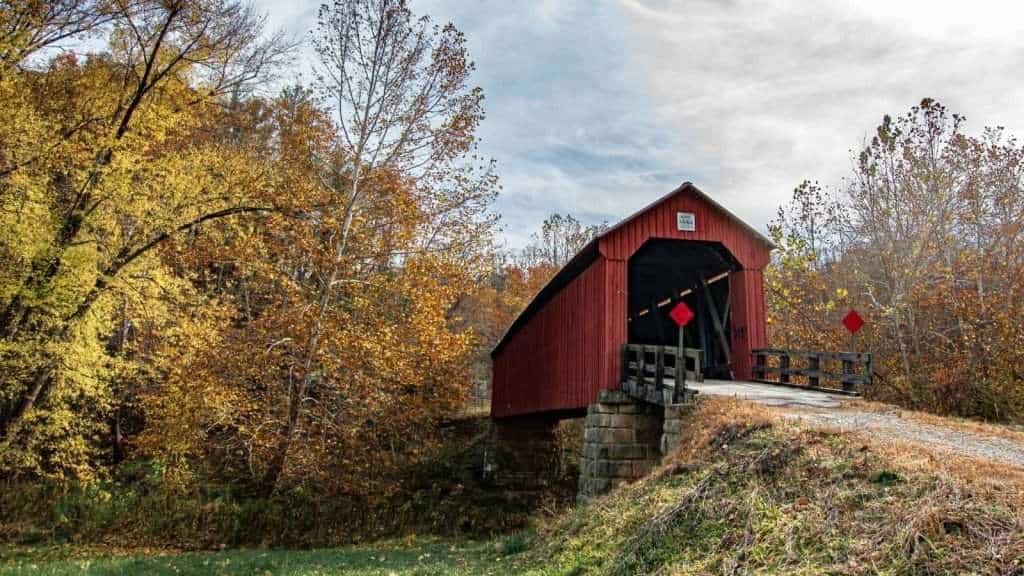
Marietta’s location at the confluence of the Ohio and Muskingum Rivers places it in a historically flood-prone area. The town has endured repeated water disasters since its founding. Floodwalls and pumps are now part of daily infrastructure. U.S. travel visitors interested in early American settlements find Marietta’s resilience compelling.
New Madrid, Missouri

In addition to flood risk from the Mississippi River, New Madrid faces seismic threats due to the New Madrid Fault Zone. Flooding combined with earthquake vulnerability creates unique challenges. Residents live with layered disaster preparedness. Travelers exploring the Mississippi Valley often find New Madrid’s resilience particularly striking.
Des Moines, Iowa
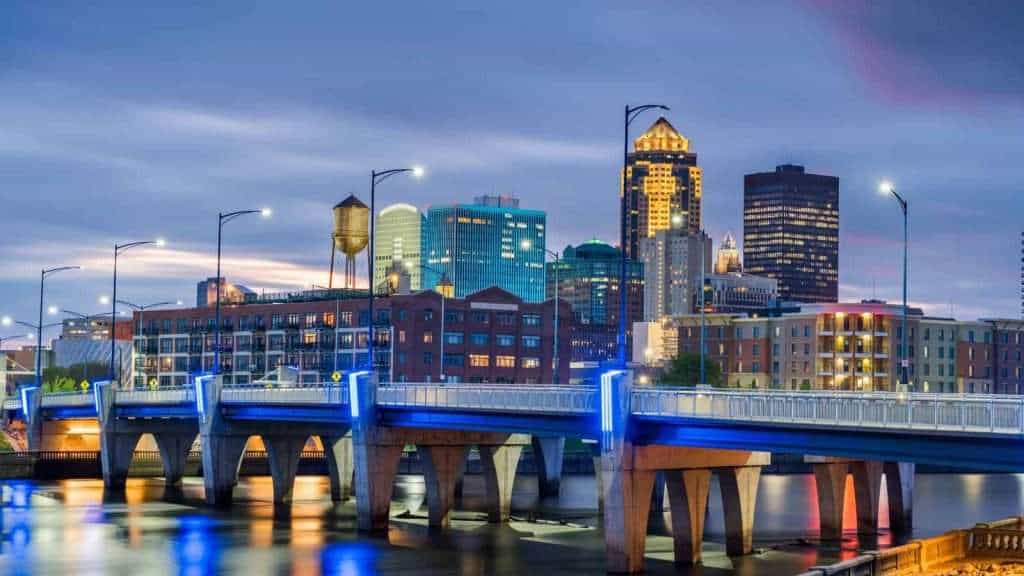
Des Moines faces flood threats from the Des Moines and Raccoon Rivers. Locals remember damaging floods that reshaped downtown development. Green spaces now double as flood buffers. Awareness remains high during storm seasons. For U.S. travel lovers, Des Moines reflects adaptation through design.

Deborah Montiero is a seasoned travel writer and contributor to Probe the Globe. With a passion for uncovering hidden gems and sharing immersive travel experiences, Deborah’s work highlights must-visit destinations, insider tips, and practical advice for travelers of all types. Whether exploring bustling cities or remote escapes, her articles are crafted to inspire and inform, making her a trusted voice in the travel community.
Her storytelling weaves together cultural insights, logistical tips, and authentic experiences, making her a valuable resource for readers seeking unforgettable journeys.
When not writing, Deborah is likely researching the latest travel trends or planning her next adventure. Follow her work on Probe the Globe for fresh perspectives and up-to-date travel inspiration.