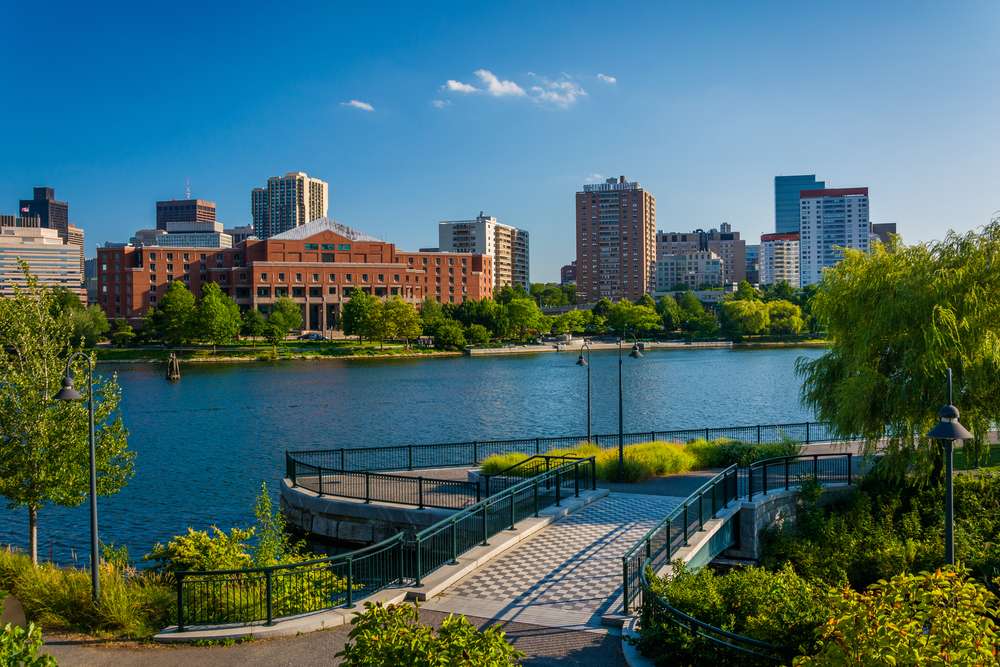

Travel That Works for Everyone: 12 Accessible Destinations to Visit This Year
As the world embraces more inclusive travel practices, accessibility is finally becoming a defining feature of great destinations. From barrier-free public spaces to innovative adaptive experiences, more cities and countries are prioritizing universal design to ensure that everyone, regardless of ability, can enjoy the beauty of travel and exploration. These 12 destinations go above and beyond to welcome travellers with mobility, sensory, and cognitive challenges.
Copenhagen, Denmark

Copenhagen stands out not only for its Scandinavian charm and progressive urban planning but also for its commitment to accessible travel. The city has made a deliberate effort to ensure that public transportation, attractions, and pedestrian areas are open and inclusive. Almost all buses and metro trains are low-floor and wheelchair accessible, and stations are equipped with elevators and clear signage. Sidewalks are wide and level, making them easier to navigate with mobility devices. Major tourist sites like Tivoli Gardens and Rosenborg Castle offer step-free entry points, tactile models, and guided tours adapted for various needs.
San Diego, California, USA

San Diego offers a unique blend of coastal relaxation, outdoor adventure, and accessible design that caters to travellers of all abilities. Its extensive boardwalk system along beaches like Mission Beach and Coronado features smooth, wide paths perfect for wheelchairs and scooters. Beach wheelchairs are available for loan at several waterfront locations, while attractions such as the San Diego Zoo and Balboa Park include ramps, elevators, sensory-friendly experiences, and visual interpretation services. The city’s reliable public transportation system and accessible taxi fleet add an extra sense of convenience for travelers seeking independence and ease.
Vienna, Austria

Vienna has long been celebrated for its cultural heritage, but it also leads Europe in accessible tourism infrastructure. Almost all museums, theaters, and palaces—including the Belvedere and Schönbrunn Palace—provide elevators, tactile exhibits, audio descriptions, and step-free access. Public transportation across the city is nearly 100% barrier-free, and trams are equipped with low floors and visual announcements. Even the historic city center has been updated with accessible paths and curb cuts, making it easier for travellers to explore its cobbled streets without worry.
Buenos Aires, Argentina
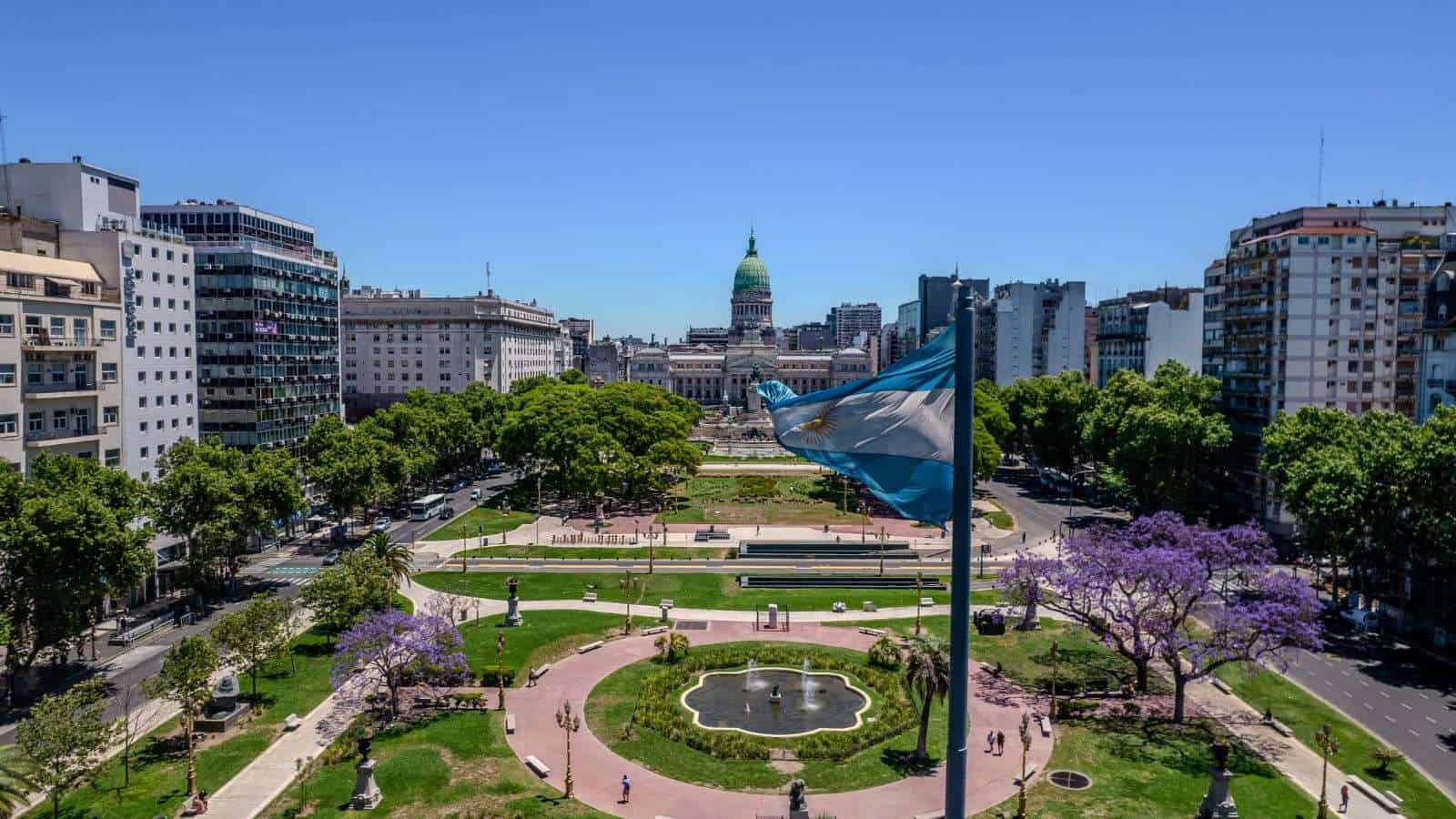
As one of South America’s most vibrant capitals, Buenos Aires is increasingly accommodating travelers with diverse accessibility needs. From adapted city buses to inclusive tango shows, the city embraces the concept of travel for all. The accessible subway system includes elevators and clear signage, while parks and plazas have been redesigned to include smoother pathways and inclusive playgrounds. Museums and public buildings often provide accessible entrances, audio guides, and interpreters for the hearing impaired. In neighborhoods like Palermo and Recoleta, visitors will find flat surfaces and easily navigable paths that make exploring the local culture both enjoyable and practical.
Osaka, Japan

While Tokyo often steals the spotlight, Osaka has quietly become one of Japan’s most accessible cities for travellers with disabilities. The Kansai region has prioritized barrier-free tourism, with major train lines featuring elevators, tactile floor indicators, and step-free boarding platforms. Attractions such as Osaka Castle and Universal Studios Japan offer accessible routes, wheelchair rentals, and guided assistance for visitors who request it. Sidewalks throughout the city are clean and spacious, making movement with mobility aids far more manageable.
Amsterdam, Netherlands

Amsterdam’s commitment to accessibility is visible in its widespread infrastructure improvements and thoughtful approach to inclusive tourism. Despite the city’s historic architecture and cobblestone streets, many popular attractions like the Van Gogh Museum, Anne Frank House, and Rijksmuseum now offer accessible entrances, guided services for those with visual or hearing impairments, and barrier-free pathways throughout. The city’s tram system features low-entry cars and designated spaces for mobility devices. Adaptive canal tours provide wheelchair-friendly boarding, allowing everyone to experience the iconic waterways and local cafes and hotels have joined the movement by implementing ramps, adapted restrooms.
Dubai, United Arab Emirates

Dubai exemplifies futuristic design and innovation, and that mindset extends to its accessibility features as well. The city’s public transportation network includes modern, air-conditioned metro trains with elevators, level boarding platforms, and accessible taxis available on demand. Shopping malls, such as the Dubai Mall and Mall of the Emirates, are fully barrier-free and provide a range of amenities including braille signage, audio navigation apps, and dedicated support services for travellers with disabilities. Attractions like the Burj Khalifa and the Dubai Frame offer accessible viewing platforms and tactile exhibits, and even beach areas have introduced matting and special mobility equipment for water access.
Helsinki, Finland

Helsinki is a shining example of how thoughtful urban planning can make a city truly inclusive for all. The city’s commitment to barrier-free design is evident in its well-maintained public transportation system, which features low-floor buses and trams, audible stop announcements, and accessible stations. Sidewalks are snow-cleared promptly in winter, with wide ramps and lowered curbs to accommodate wheelchairs and scooters. Cultural venues such as the Helsinki City Museum and Oodi Library offer tactile displays, sensory-sensitive environments, and interactive programs designed for travellers of all abilities.
Melbourne, Australia

Melbourne blends artistic flair with impressive inclusivity, offering visitors a destination where access to culture, nature, and relaxation is equitable. The city’s tram and train networks are fitted with ramps, priority seating, and visual alerts to serve passengers with mobility and sensory needs. Accessible walking tours of street art neighborhoods, wheelchair-friendly river cruises, and adapted excursions to the Great Ocean Road reflect Melbourne’s diverse offerings. Public venues, including Federation Square and the National Gallery of Victoria, include braille guides, elevators, and induction loop systems. The city’s hospitality sector is equally tuned in, with many hotels offering adaptive room features and on-call assistance.
Seville, Spain

Seville may be steeped in history, but it has made significant modern advances in accessibility. The city’s flat layout makes it easier for wheelchair users and travelers with mobility concerns to explore iconic landmarks like the Seville Cathedral and the Alcázar. Newer developments include ramps, tactile paving, and wide pedestrian zones throughout the city center. Accessible public transport options connect key attractions, and tour operators offer adapted sightseeing experiences. Restaurants and cafes are becoming increasingly responsive to accessibility requirements, offering menus in braille and audio, as well as accommodating entryways and restrooms.
Toronto, Canada

Toronto has prioritized inclusive tourism through ongoing infrastructure improvements and policy-driven accessibility initiatives. The Toronto Transit Commission has made every subway station accessible, including elevators, wide turnstiles, and visual/audio alerts. Major attractions such as the Royal Ontario Museum, Ripley’s Aquarium, and the Art Gallery of Ontario have implemented extensive adaptive resources ranging from tactile exhibits and ASL interpretation to sensory rooms for guests with autism or PTSD. Parks like High Park and Harbourfront Centre offer inclusive recreational programs and paved trails that ensure everyone can participate in outdoor enjoyment.
Rotorua, New Zealand
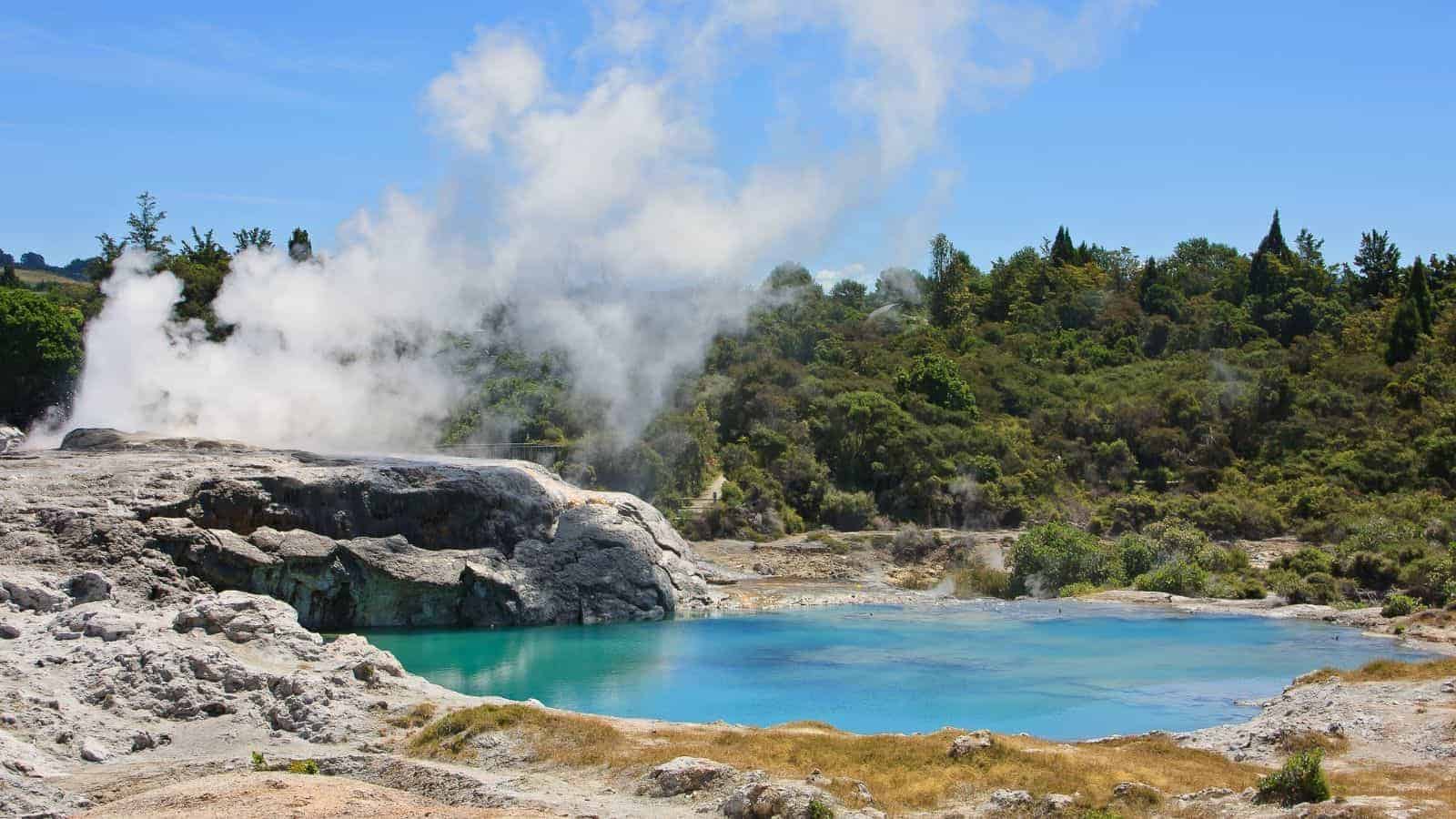
Rotorua offers something truly unique: geothermal adventure and Indigenous culture, all wrapped in an accessible experience. The town has worked closely with local organizations to ensure that its thermal parks, Māori cultural centers, and forest trails are welcoming to everyone. Wheelchair-accessible paths lead through geyser fields and along volcanic lakes, while cultural performances and museums offer visual aids, braille signage, and adaptive seating. Adventure parks provide inclusive ziplining and off-road experiences with specially designed gear, so nobody has to miss out.

Deborah Montiero is a seasoned travel writer and contributor to Probe the Globe. With a passion for uncovering hidden gems and sharing immersive travel experiences, Deborah’s work highlights must-visit destinations, insider tips, and practical advice for travelers of all types. Whether exploring bustling cities or remote escapes, her articles are crafted to inspire and inform, making her a trusted voice in the travel community.
Her storytelling weaves together cultural insights, logistical tips, and authentic experiences, making her a valuable resource for readers seeking unforgettable journeys.
When not writing, Deborah is likely researching the latest travel trends or planning her next adventure. Follow her work on Probe the Globe for fresh perspectives and up-to-date travel inspiration.