20 Stargazing Spots in the U.S. That Will Blow Your Mind
Stargazing has long been one of the simplest yet most awe-inspiring ways to connect with the natural world. Across the United States, there are countless destinations where dark skies, high elevation, and minimal light pollution create breathtaking conditions for observing the cosmos. From desert landscapes to high mountain peaks, each location offers its own distinct beauty and celestial wonders. If you’re planning your next adventure under the stars, here are 20 stargazing spots in the U.S. that will blow your mind.
Bryce Canyon National Park, Utah
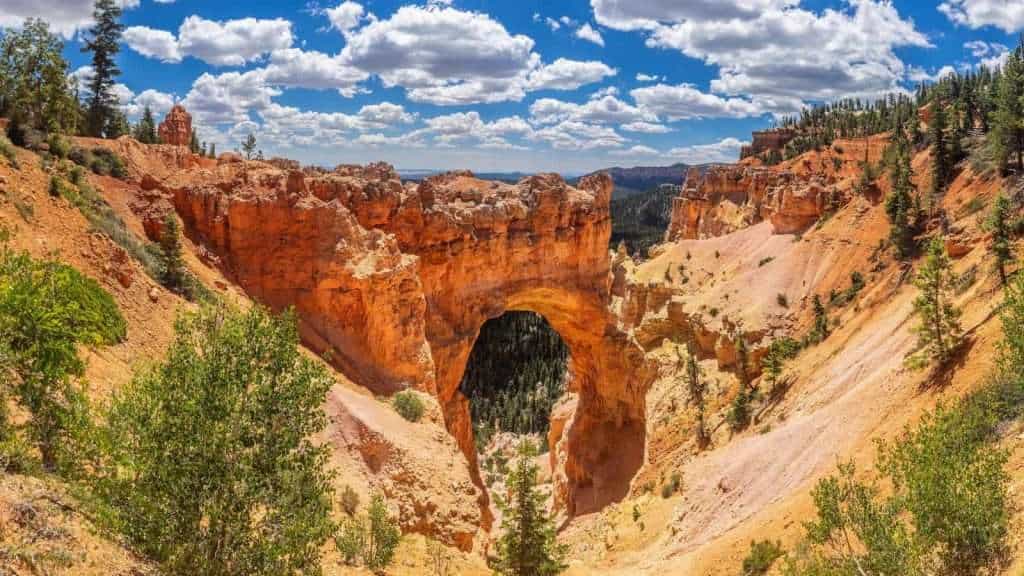
Utah is famous for its rugged desert landscapes, and Bryce Canyon National Park stands out as a stargazer’s dream. Its high elevation of 8,000 feet combined with crystal-clear desert air creates pristine viewing conditions for spotting the Milky Way and countless constellations. Visitors can attend ranger-led astronomy programs and even join annual events like the Bryce Canyon Astronomy Festival. Whether you set up camp or join a guided telescope tour, Bryce Canyon offers unforgettable views of the night sky.
Cherry Springs State Park, Pennsylvania

Known as one of the best places on the East Coast for stargazing, Cherry Springs State Park in northern Pennsylvania is designated a Gold Level International Dark Sky Park. This 82-acre park sits atop a remote mountain plateau, where the skies are remarkably free of light pollution. Amateur astronomers flock here to spot galaxies, planets, and meteor showers. With dedicated overnight astronomy viewing fields, Cherry Springs provides a magical escape into the universe.
Big Bend National Park, Texas

Big Bend National Park, located along the Rio Grande in southwest Texas, is one of the darkest places in the country. Its remote desert location means the stars shine brilliantly against the night sky, often producing views of the Milky Way that stretch from horizon to horizon. The park has earned recognition from the International Dark-Sky Association for its natural darkness. From canyons to desert mesas, Big Bend offers both stunning daytime hikes and nighttime celestial wonders.
Great Basin National Park, Nevada
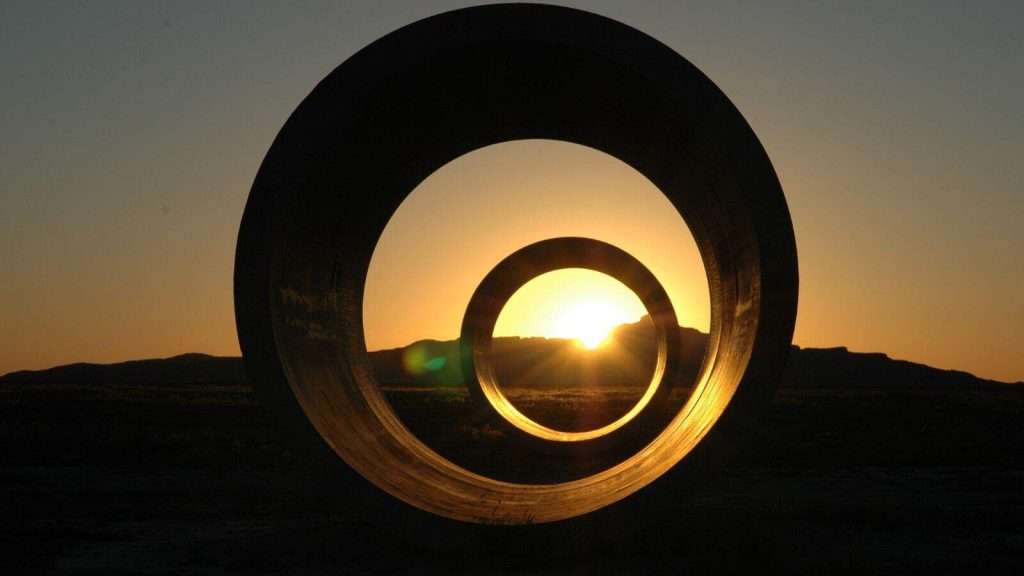
Situated in eastern Nevada, Great Basin National Park is a hidden gem for outdoor adventure and stargazing. Far from major cities, the park has some of the darkest skies in the continental U.S. Visitors can attend ranger-led astronomy programs or explore the Lehman Caves by day and enjoy the starry heavens by night. With views of the Andromeda Galaxy and clear shots of meteor showers, Great Basin offers an unspoiled cosmic playground.
Mauna Kea, Hawaii

Standing nearly 14,000 feet above sea level, Mauna Kea is the highest peak in Hawaii and one of the world’s premier sites for astronomy. Its summit is home to a cluster of international observatories that take advantage of the crystal-clear skies above the Pacific. Visitors can join guided stargazing tours, explore visitor centers with telescopes, and marvel at breathtaking views of the Milky Way. The thin atmosphere and lack of light pollution make Mauna Kea an extraordinary celestial destination.
Death Valley National Park, California and Nevada
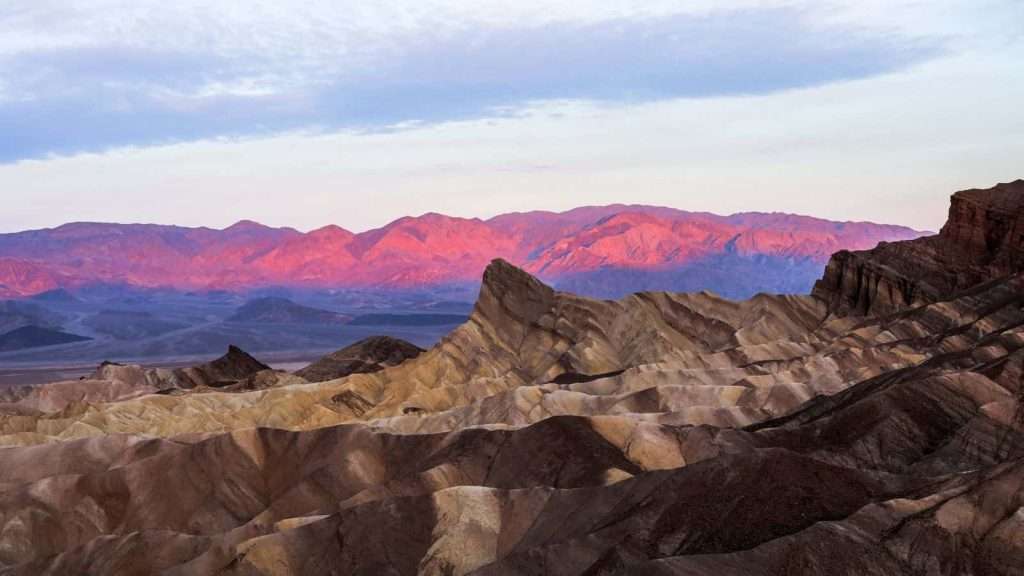
Death Valley National Park might be famous for its extreme heat, but by night, it transforms into a stargazer’s paradise. As the largest Dark Sky National Park in the U.S., Death Valley offers sweeping desert views paired with star-filled skies that seem to stretch on forever. Stargazing programs at Furnace Creek and Mesquite Flat Sand Dunes bring the universe closer to visitors. The dry desert air makes this park an excellent choice for those seeking brilliant views of constellations.
Acadia National Park, Maine
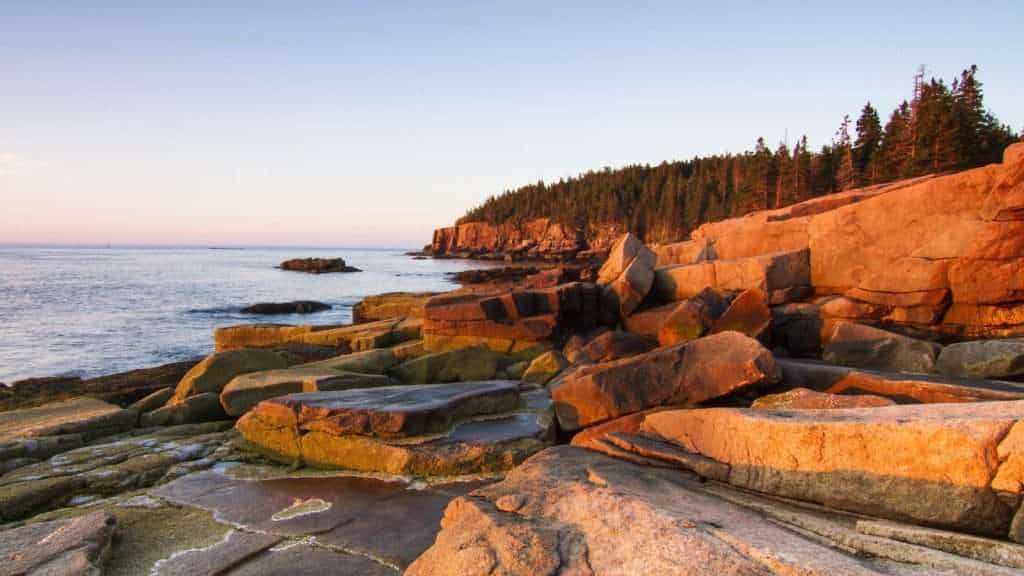
On the rocky coast of Maine, Acadia National Park offers not only ocean views but also a window into the cosmos. Its remote location and rugged coastline make it one of the best stargazing spots in New England. The park hosts the annual Acadia Night Sky Festival, celebrating the beauty of dark skies with expert-led programs. From Cadillac Mountain, one of the first places to see sunrise in the U.S., the night sky reveals constellations and galaxies with dazzling clarity.
Glacier National Park, Montana
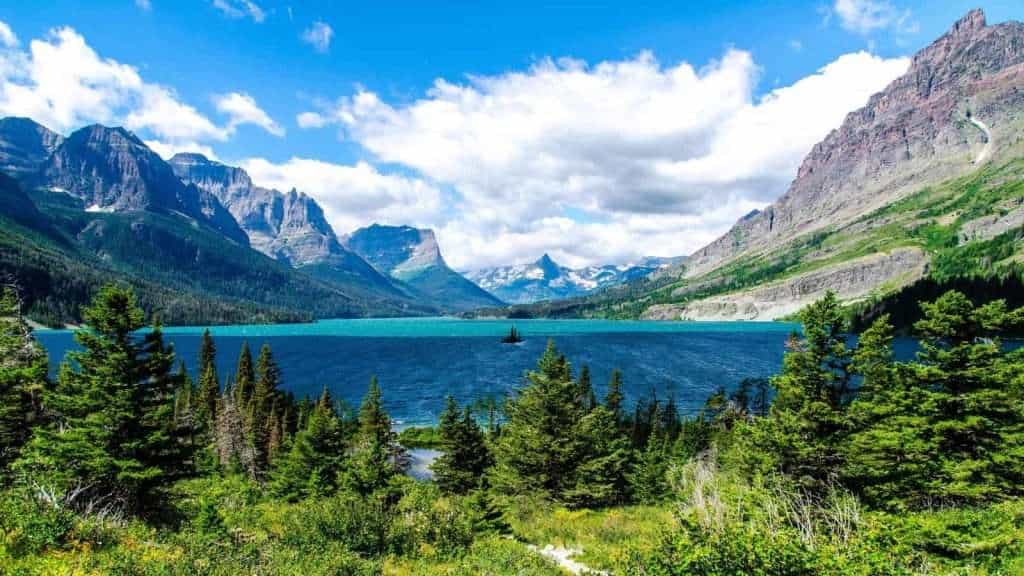
Montana is known as “Big Sky Country,” and Glacier National Park lives up to that name when the sun sets. With vast wilderness areas far from urban centers, the park offers unobstructed views of constellations, planets, and meteor showers. The combination of alpine lakes and towering peaks provides stunning backdrops for night photography. Visitors can also enjoy stargazing programs hosted by park rangers and local astronomy clubs. Glacier is truly a place where nature and the cosmos collide.
Joshua Tree National Park, California

Joshua Tree National Park, with its otherworldly desert landscapes, is a natural fit for stargazing. The park is designated a Dark Sky Park, offering minimal light pollution and wide-open skies. The twisted Joshua trees and rugged rock formations create surreal silhouettes against a star-filled backdrop. Visitors often come to watch the Milky Way arch across the desert sky, making it a favorite for astrophotographers and nature lovers alike.
Grand Canyon National Park, Arizona

While the Grand Canyon is a bucket-list destination by day, its nighttime skies are equally breathtaking. The park’s high elevation and remote location make it an International Dark Sky Park. Visitors can attend the Grand Canyon Star Party each June, where telescopes and astronomy talks open up the mysteries of the universe. Whether you’re gazing from the South Rim or camping along the North Rim, the night sky here is truly unforgettable.
Arches National Park, Utah

Home to over 2,000 natural stone arches, this park transforms into a celestial wonderland once the sun sets. Arches National Park has some of the darkest skies in Utah, making it possible to view planets, meteor showers, and the dazzling Milky Way. The dramatic rock formations provide a perfect foreground for night photography. With ranger-led astronomy programs, it’s an incredible destination for families and serious stargazers alike.
Mount Rainier National Park, Washington
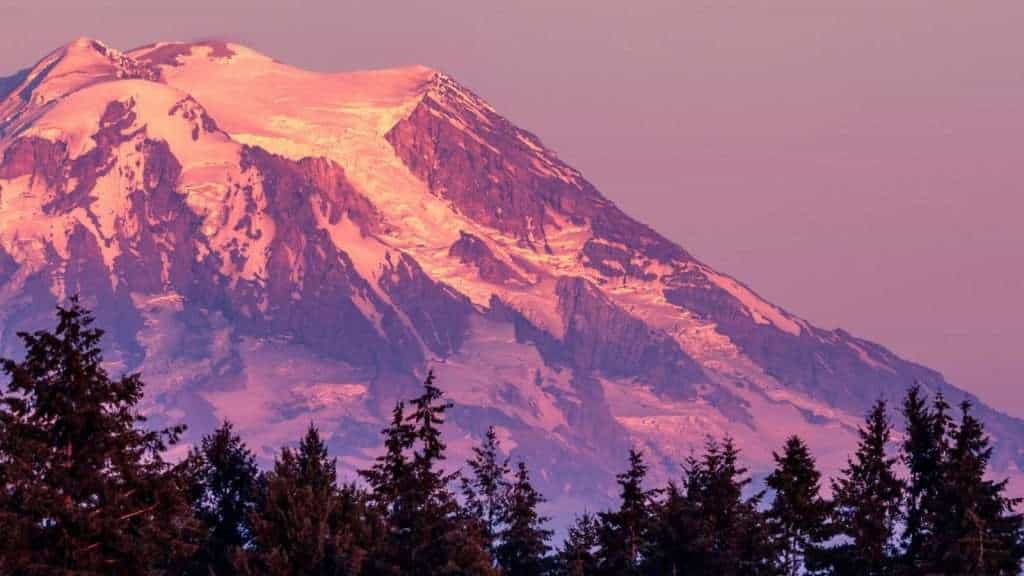
Towering over the Pacific Northwest, Mount Rainier provides stargazers with a dramatic backdrop of glaciers and alpine meadows. On clear nights, visitors can see countless stars glittering above the massive volcanic peak. Sunrise and Paradise, two of the park’s most accessible areas, are popular for stargazing and night photography. The high elevation and crisp mountain air make Mount Rainier a captivating spot for observing the heavens.
White Sands National Park, New Mexico

New Mexico has a rich tradition of astronomy, and White Sands National Park is one of its most unique stargazing locations. The park’s shimmering gypsum sand dunes glow under moonlight, creating an ethereal setting for stargazing. With low light pollution and wide-open skies, visitors can enjoy meteor showers and crystal-clear constellations. The park frequently hosts Full Moon Nights and ranger-led stargazing events, making it an unforgettable desert experience.
Rocky Mountain National Park, Colorado

Rocky Mountain National Park offers high-altitude stargazing with a backdrop of jagged peaks and alpine lakes. At over 12,000 feet along Trail Ridge Road, the stars shine brighter than almost anywhere else in the Rockies. The park is popular for meteor shower viewing and Milky Way photography. With its blend of accessibility and pristine wilderness, Rocky Mountain is a top destination for travelers seeking both daytime adventure and nighttime wonder.
Badlands National Park, South Dakota
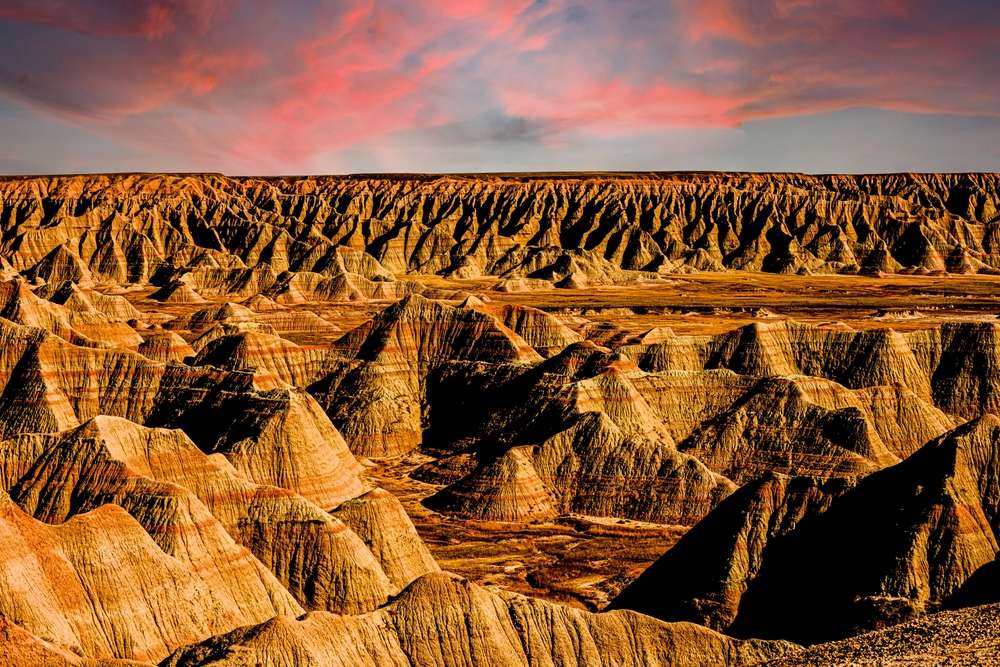
Badlands National Park’s rugged formations make it one of the most unique stargazing locations in the U.S. Far from urban light pollution, the park’s skies are filled with stars, planets, and the glow of the Milky Way. Each summer, the Badlands Astronomy Festival brings together astronomers, families, and nature lovers for stargazing and telescope programs. The combination of colorful rock layers and starry skies makes for stunning nighttime scenery

Deborah Montiero is a seasoned travel writer and contributor to Probe the Globe. With a passion for uncovering hidden gems and sharing immersive travel experiences, Deborah’s work highlights must-visit destinations, insider tips, and practical advice for travelers of all types. Whether exploring bustling cities or remote escapes, her articles are crafted to inspire and inform, making her a trusted voice in the travel community.
Her storytelling weaves together cultural insights, logistical tips, and authentic experiences, making her a valuable resource for readers seeking unforgettable journeys.
When not writing, Deborah is likely researching the latest travel trends or planning her next adventure. Follow her work on Probe the Globe for fresh perspectives and up-to-date travel inspiration.