Forget Small Talk: 10 Destinations That Lead to Deep and Provocative Connections
In an age of constant digital connection, many people still struggle with loneliness. One way of combating loneliness is to connect with others through travel. Travel can also encourage cultural immersion, and a deeper relationship with yourself. Here are 10 destinations, both popular and under-the-radar, that offer travelers the chance to connect in genuine and lasting ways.
Lefkara, Cyprus

Situated in the Troodos foothills, Lefkara is a small Cypriot village known for its lacework and silver craftsmanship, but its real charm lies in its strong sense of community and tradition. The village pace is slow, and life still revolves around the town square, family-run cafes, and workshops passed down through generations. You can joining in conversations with artisans or be welcomed into homes for a coffee and a slice of glyko tou koutaliou (a traditional sweet). Whether you’re learning lace-making from a local elder or sipping wine under a vine-covered pergola, this village fosters a feeling of belonging that lingers long after you leave.
Ikaria, Greece

Ikaria, one of Greece’s so-called “Blue Zones,” is famous not just for its longevity but also for its sense of community. Life here is unhurried, with daily routines centered around shared meals, neighborly chats, and festivals that draw entire villages together. Travelers are often welcomed like locals. If you’re feeling isolated, Ikaria offers a template for life where no one is ever truly alone, and where connection is built into the rhythm of the day.
Chiang Rai, Thailand

While Chiang Mai often draws crowds of digital nomads and tourists, its quieter cousin, Chiang Rai, offers a more peaceful and personal experience. It’s a place where the pace slows down and interactions with locals, many of whom still live traditional lifestyles, feel more authentic. You can visit community-run farms, meditate with monks, or explore hill tribe villages, where relationships matter more than Wi-Fi speeds.
Guna Yala (San Blas Islands), Panama

The Guna Yala region, an autonomous territory of the Guna people, is a chain of islands off Panama’s Caribbean coast. Tourism here is community-based and limited, offering a rare chance to engage with a culture that deeply values kinship and respect. There’s no resorts, just simple cabins, traditional food, and time spent with hosts who often share stories of their history and traditions. It’s an ideal place for you to disconnect from devices and reconnect with people.
Portland, Maine, USA

Not all healing destinations are remote. Portland, Maine, offers small-city charm with a surprisingly strong community vibe. With its emphasis on local everything, from food to bookstores to art, it fosters human connection in everyday experiences. Farmers markets, poetry readings, and neighborhood gatherings are common. It’s a place where people smile at strangers, and where you might end up sharing a lobster roll with someone you just met.
Ubud, Bali, Indonesia
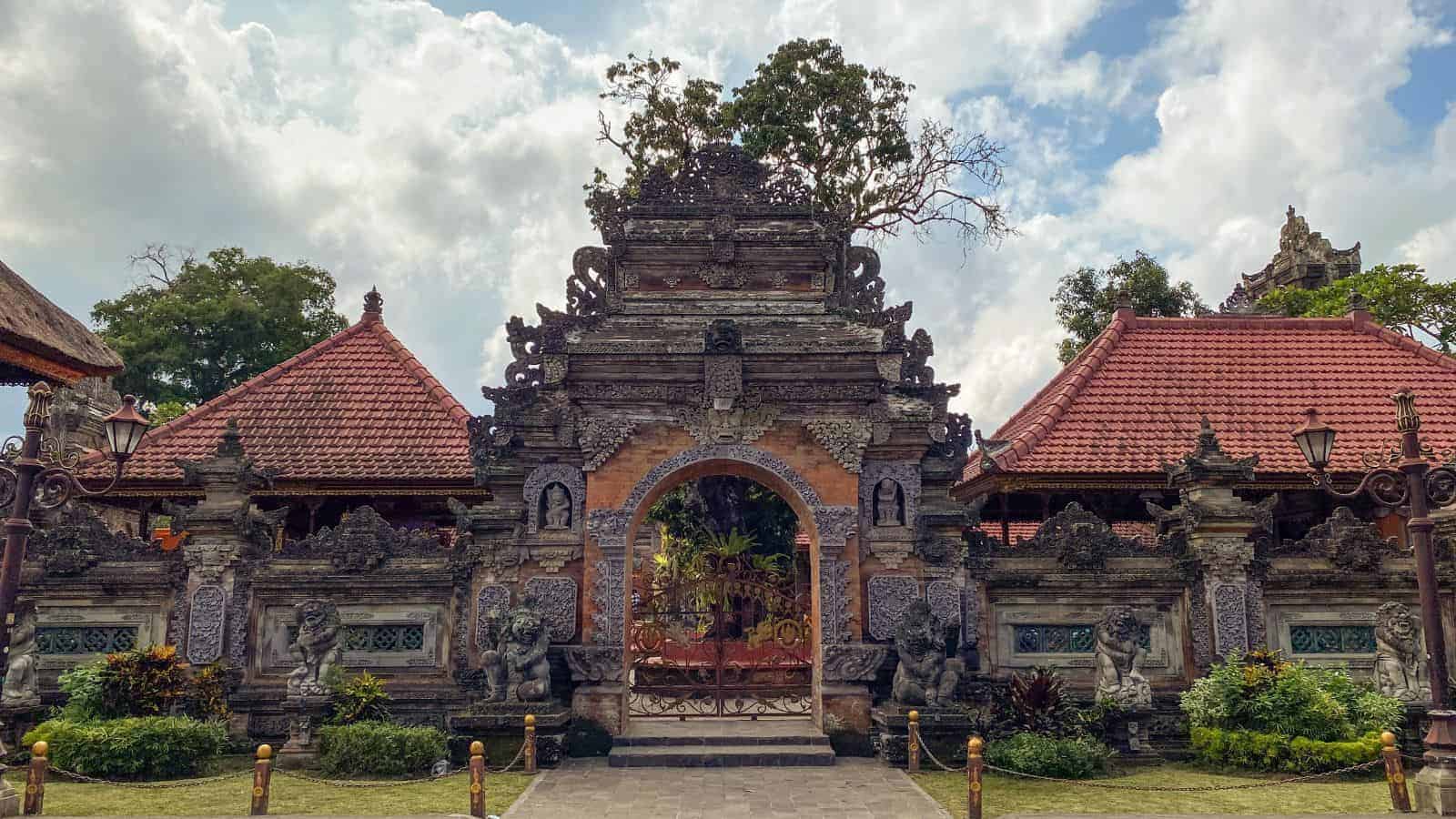
While Bali is firmly on the tourist map, Ubud manages to retain its reputation as a spiritual and artistic hub. It’s also a hotspot for travelers seeking personal growth and community. Yoga retreats, writing residencies, and spiritual workshops create spaces where people can open up and form deep connections. While some parts can feel commercialized, a little exploration leads to peaceful homestays and local-run wellness centers where the focus remains on healing and connection.
Isle of Eigg, Scotland

With a population of around 100, this community-owned island off Scotland’s west coast is a model of sustainable and cooperative living. Life on Eigg runs on shared responsibility. energy is renewable, decisions are made collectively, and visitors often find themselves invited to participate in daily life. If you’re a solo traveler, it’s a chance to be part of a functioning micro-community, to talk around a fire, help in a garden, or walk windswept paths with a friendly local.
Takayama, Japan

Tucked in the Japanese Alps, Takayama blends preserved tradition with understated hospitality. It’s less hectic than Kyoto, but just as rich in history and culture. What sets it apart is its strong sense of continuity, generations still run family inns, craftshops, and markets. Staying in a ryokan (traditional inn) here often includes shared meals and warm conversations. Festivals bring people together, not in spectacle, but in shared identity.
Cabo Polonio, Uruguay
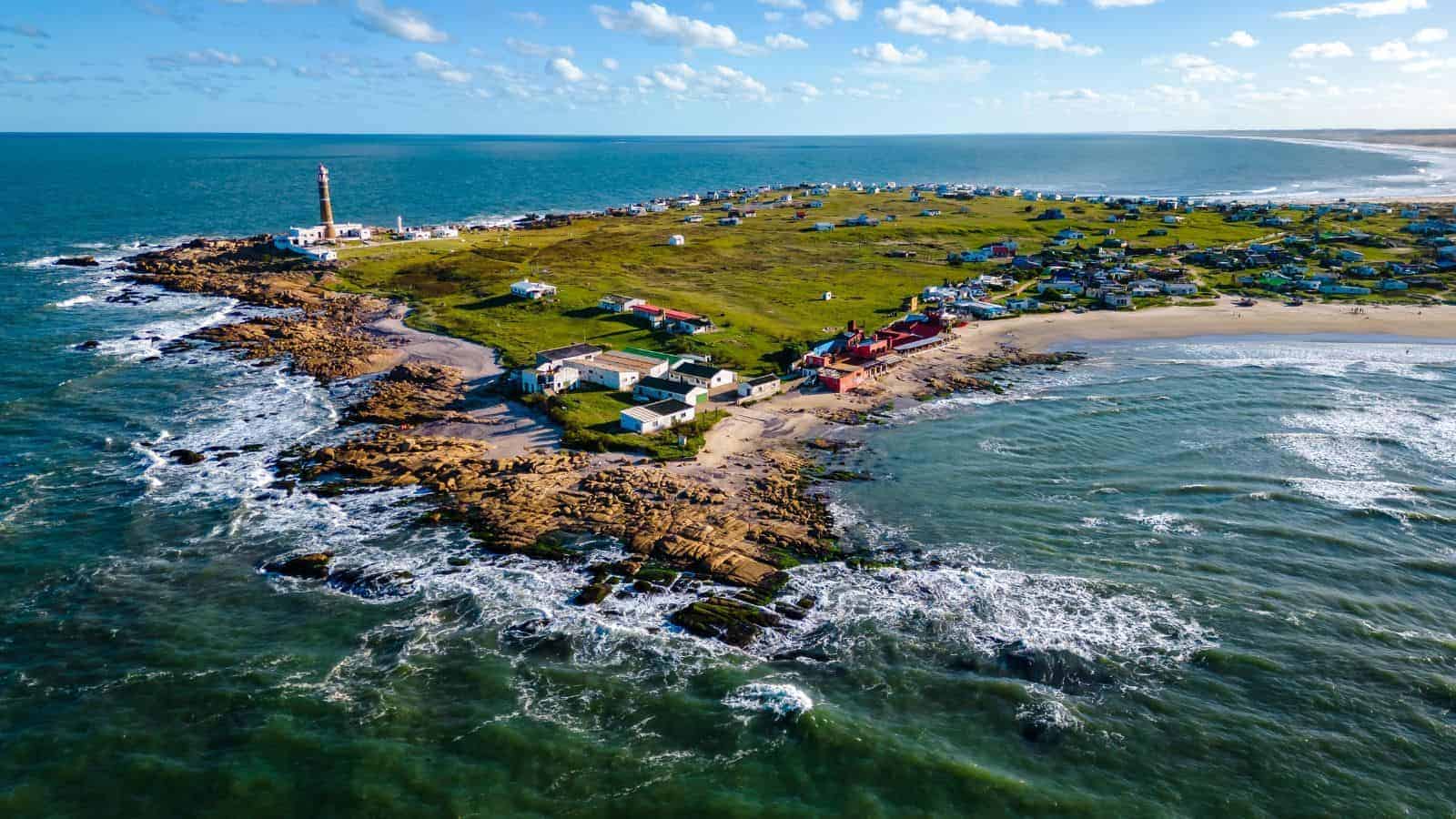
Accessible only by 4×4 trucks across sand dunes, Cabo Polonio is a secluded village without cars or streetlights. There’s no internet in most places, and electricity is limited. But that’s the point. Life here centers on small inns, fireside meals, and beach walks under stars. Conversations are long and lingering. Travelers bond over shared remoteness and the unique charm of a place that feels truly off the map.

Deborah Montiero is a seasoned travel writer and contributor to Probe the Globe. With a passion for uncovering hidden gems and sharing immersive travel experiences, Deborah’s work highlights must-visit destinations, insider tips, and practical advice for travelers of all types. Whether exploring bustling cities or remote escapes, her articles are crafted to inspire and inform, making her a trusted voice in the travel community.
Her storytelling weaves together cultural insights, logistical tips, and authentic experiences, making her a valuable resource for readers seeking unforgettable journeys.
When not writing, Deborah is likely researching the latest travel trends or planning her next adventure. Follow her work on Probe the Globe for fresh perspectives and up-to-date travel inspiration.