
16 Underrated Historical Sites in the U.S. You Need to See
When it comes to historical sites in the United States, many travelers flock to landmarks like the Statue of Liberty, the Grand Canyon, or Mount Rushmore. However, the country is full of hidden gems that are equally rich in history but often overlooked. From ancient Native American settlements to pivotal Civil War battlegrounds, these underrated sites offer a deeper understanding of America’s past. We take a look at 16 historical places that deserve more attention.
Cahokia Mounds State Historic Site, Illinois
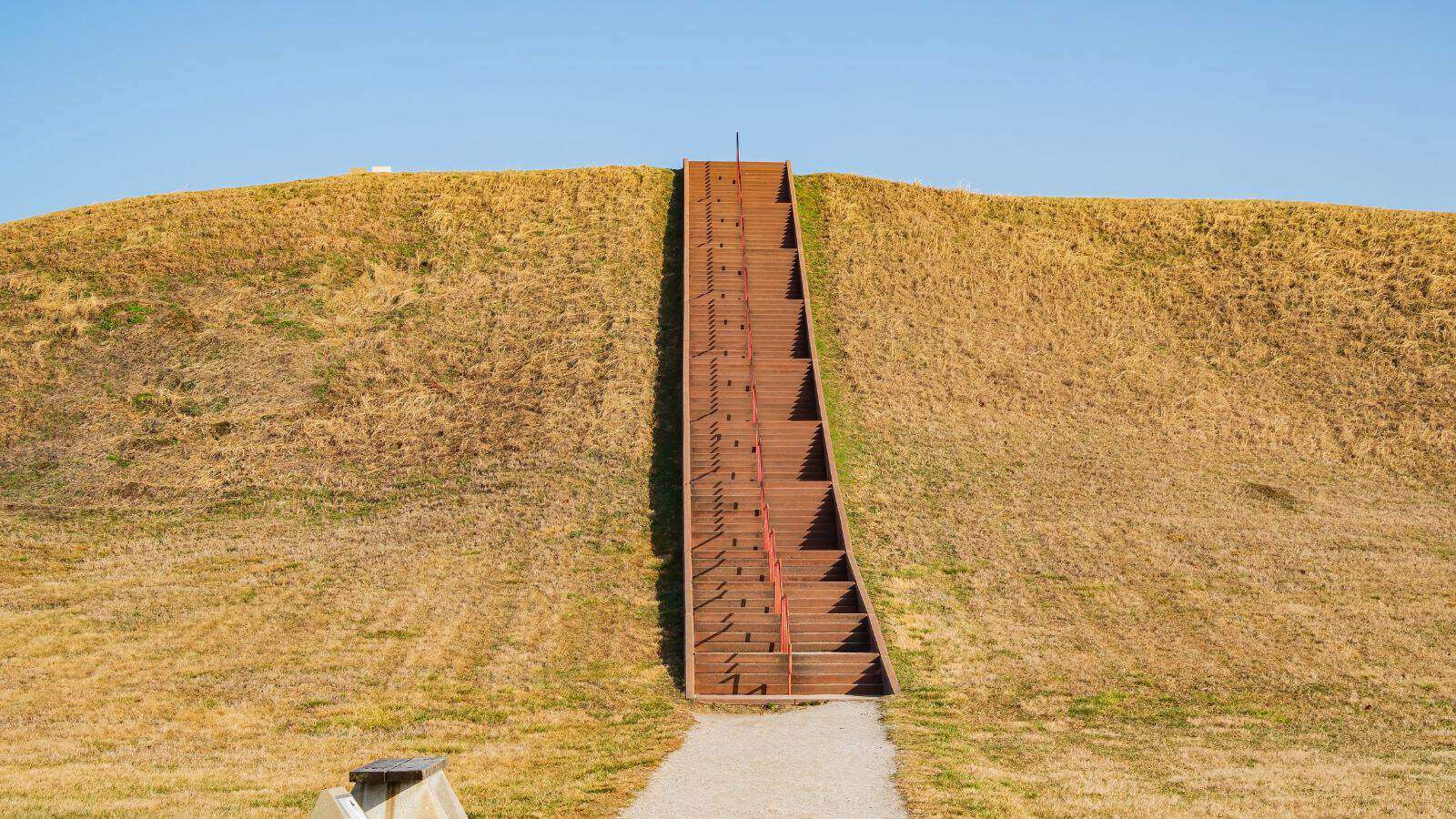
Cahokia Mounds is the site of the largest pre-Columbian city north of Mexico, built by the Mississippian culture between 1050 and 1350 AD. This UNESCO World Heritage site features massive earthen mounds, including Monks Mound, which stands 100 feet tall. The site offers insight into the complex society of the Mississippians, with evidence of large-scale trade, political hierarchy, and advanced engineering.
Angel Island Immigration Station, California
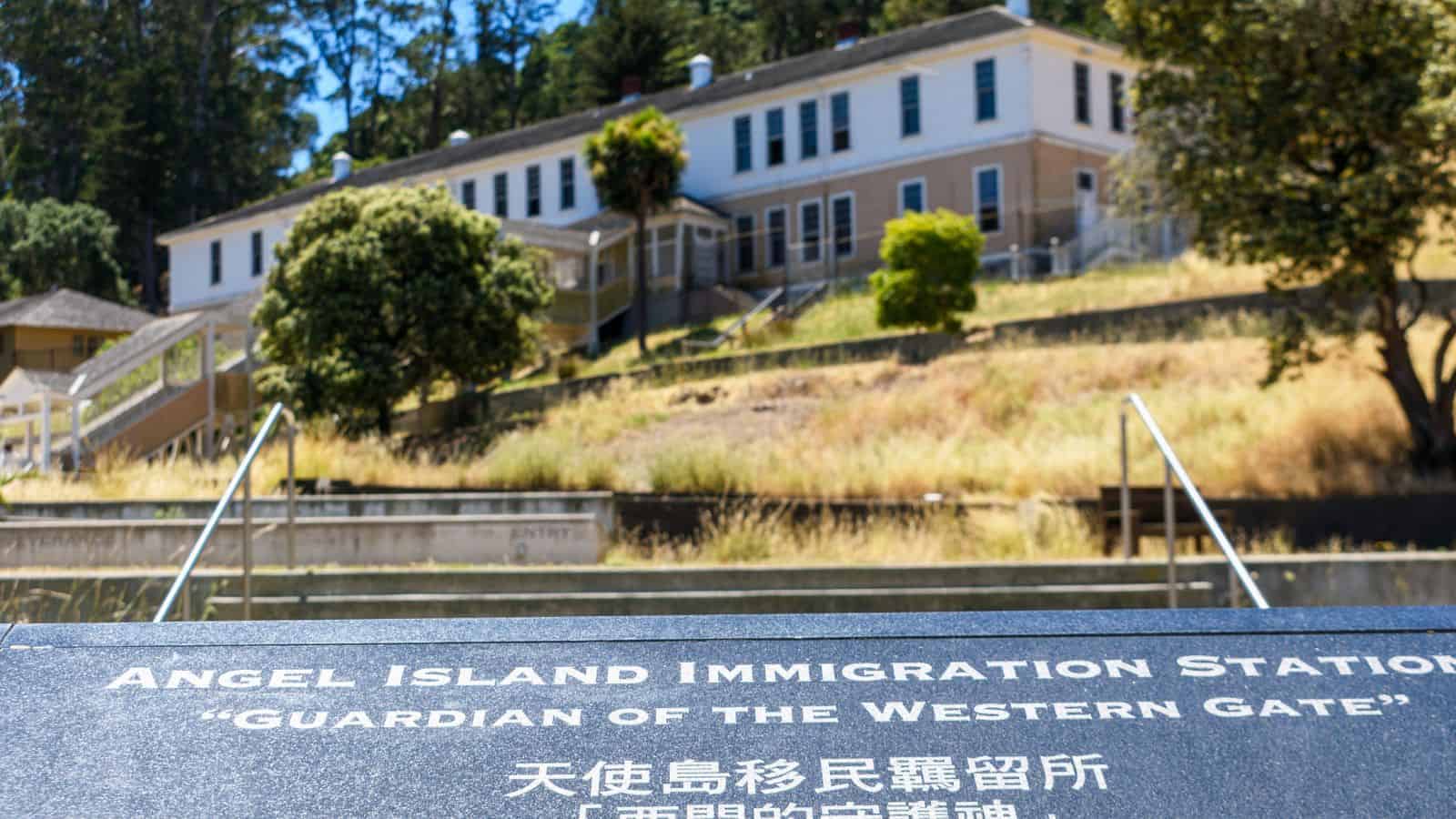
Often referred to as the “Ellis Island of the West,” Angel Island processed thousands of immigrants, primarily from China, between 1910 and 1940. Unlike Ellis Island, Angel Island’s history is marked by exclusion and hardship, as Chinese immigrants faced intense scrutiny under discriminatory laws. Today, visitors can explore the restored barracks and see poetry carved into the walls by detained immigrants.
Fort Union Trading Post, North Dakota/Montana
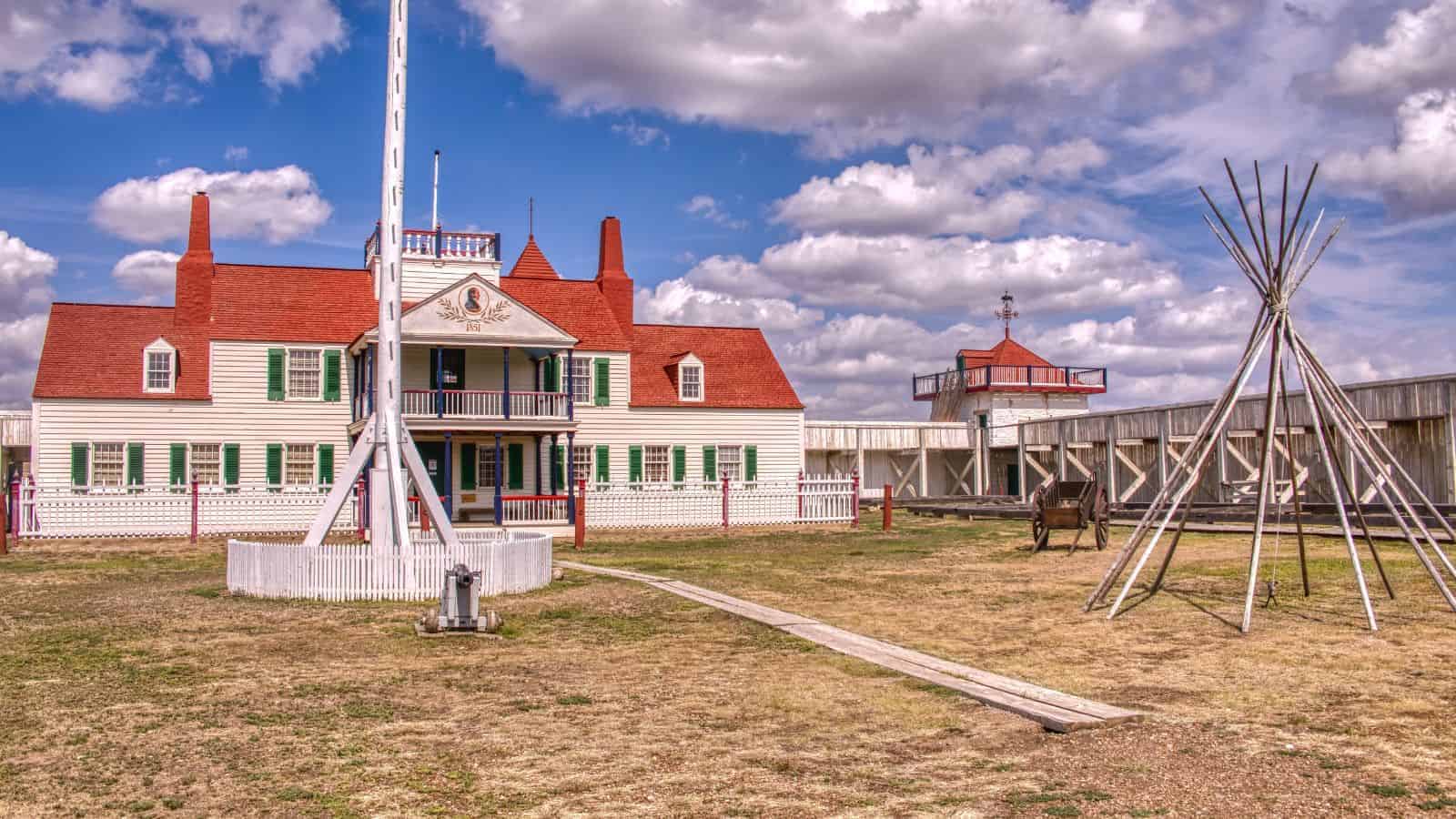
This reconstructed 19th-century fur trading post was one of the most important centers of commerce on the Upper Missouri River. Between 1828 and 1867, Fort Union facilitated trade between European-American trappers and Native American tribes like the Assiniboine. The site includes exhibits on the fur trade, Native cultures, and the interactions that shaped the region’s economy.
San Xavier del Bac Mission, Arizona
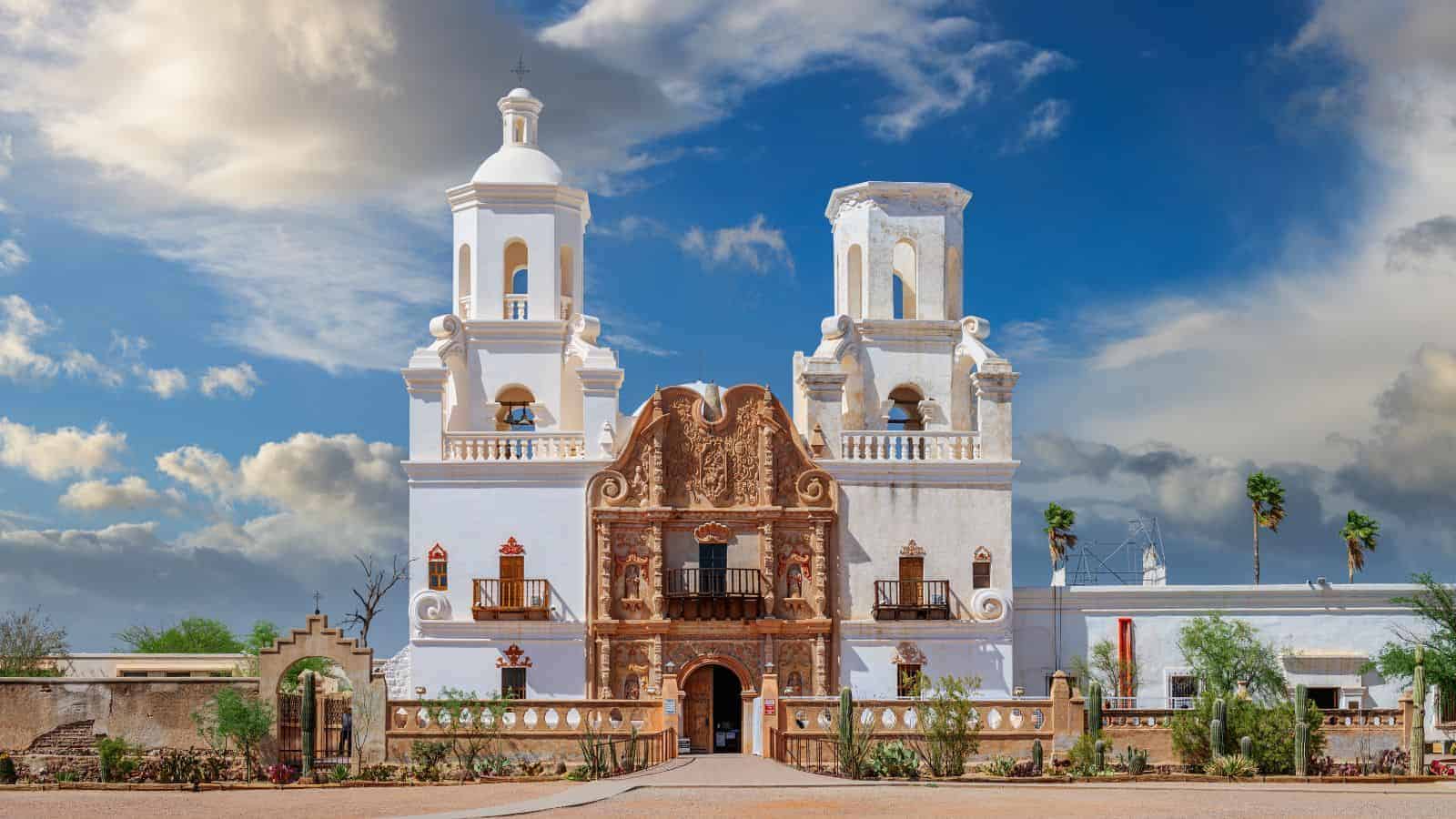
Nicknamed the “White Dove of the Desert,” this Spanish Catholic mission was founded in 1692 and remains an active place of worship. The mission’s baroque architecture, intricate frescoes, and well-preserved interior make it a stunning example of Spanish colonial influence in the Southwest. Visitors can explore its rich history and experience its serene, spiritual atmosphere.
Portsmouth Naval Shipyard, Maine
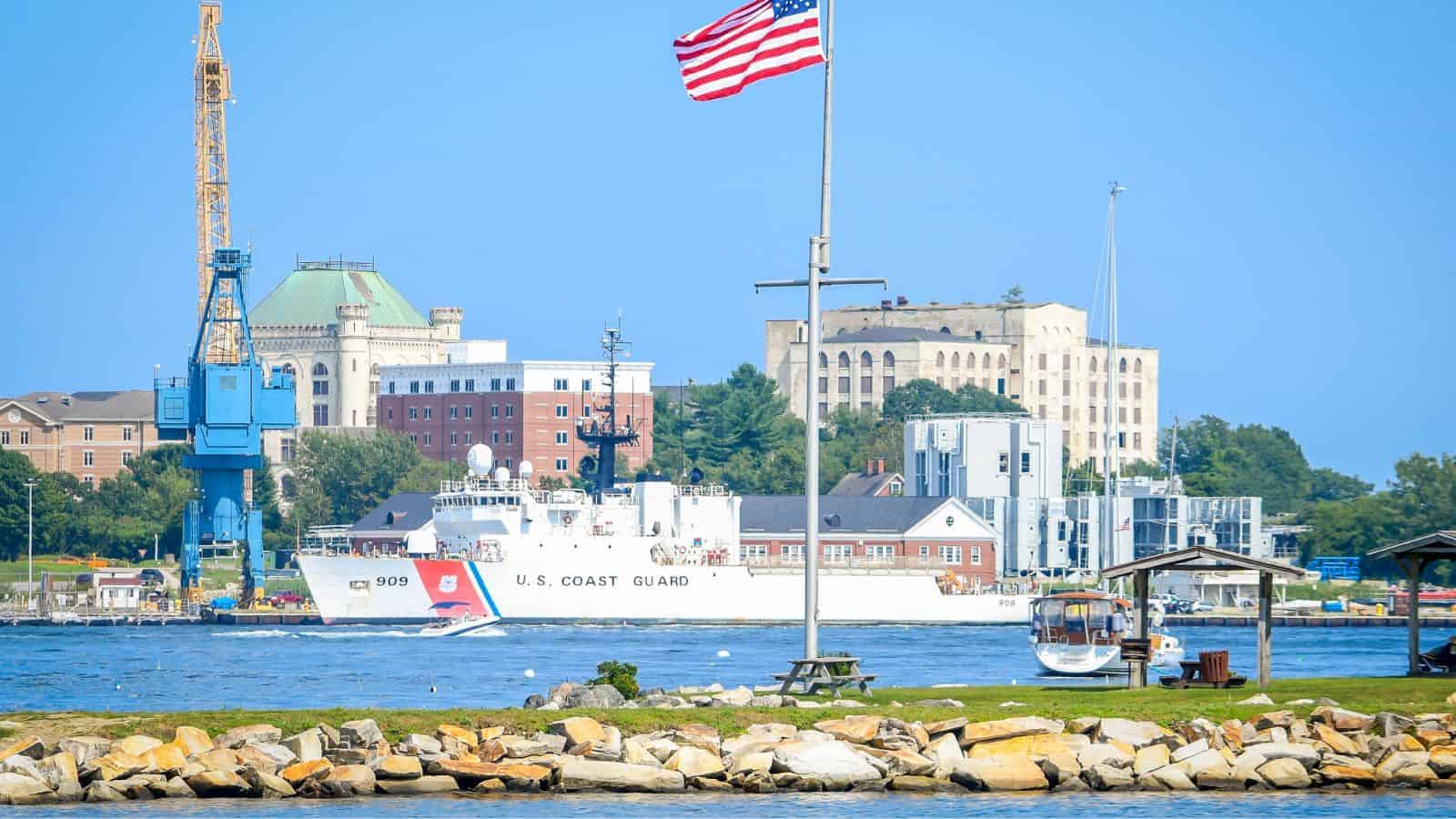
Established in 1800, this naval shipyard played a crucial role in the construction and maintenance of U.S. Navy vessels, particularly during World War II. Though still an active military site, parts of it are open for tours, where visitors can learn about submarine history and the role the shipyard played in naval innovation and defense.
The National Museum of Industrial History, Pennsylvania
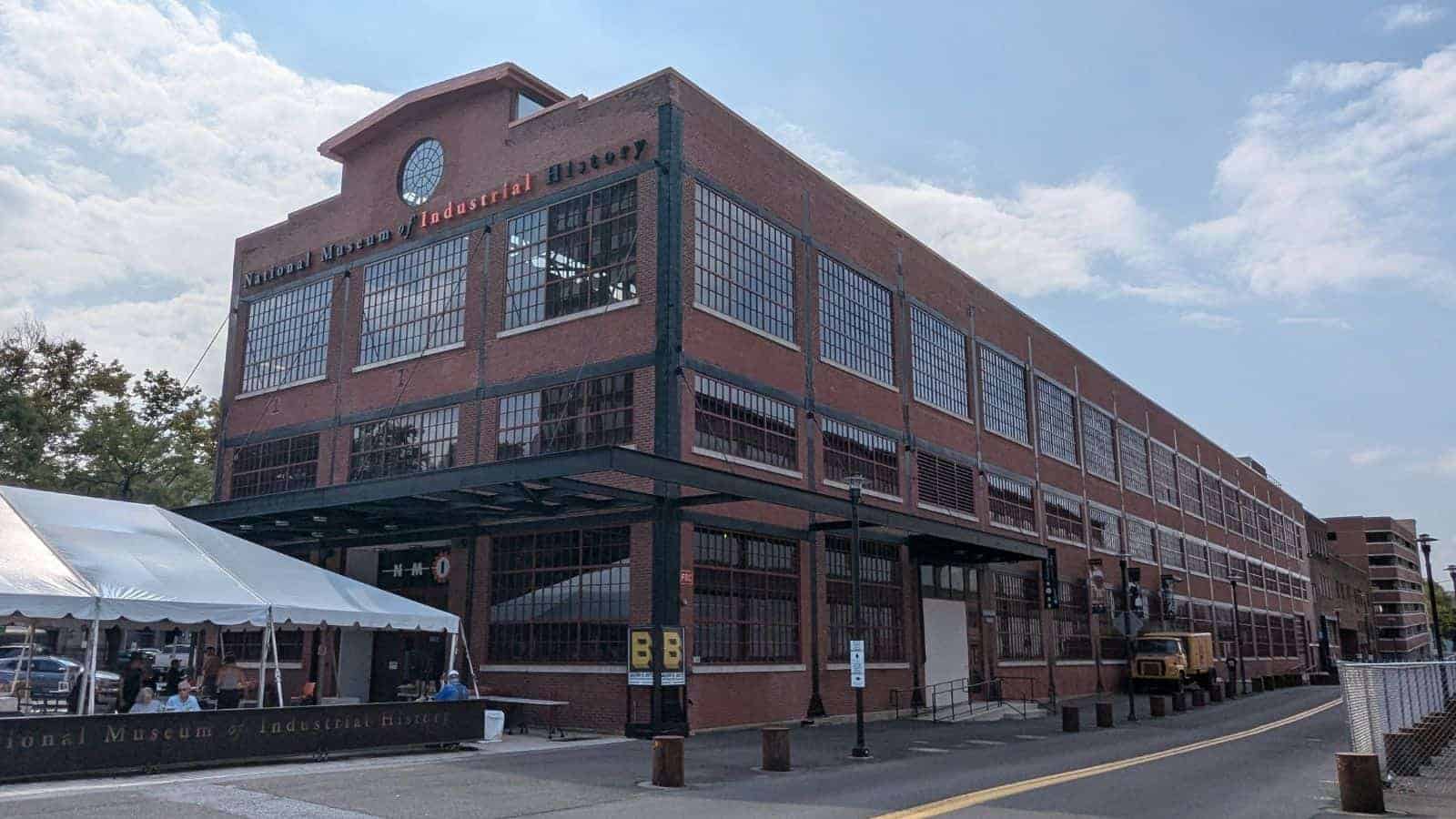
Located in Bethlehem, this museum is housed in a former Bethlehem Steel facility, offering a fascinating look into America’s industrial past. Exhibits showcase machinery, steel production, and how industrial advancements shaped the modern world. The site is particularly valuable for understanding the rise of American manufacturing and labor movements.
Manzanar National Historic Site, California
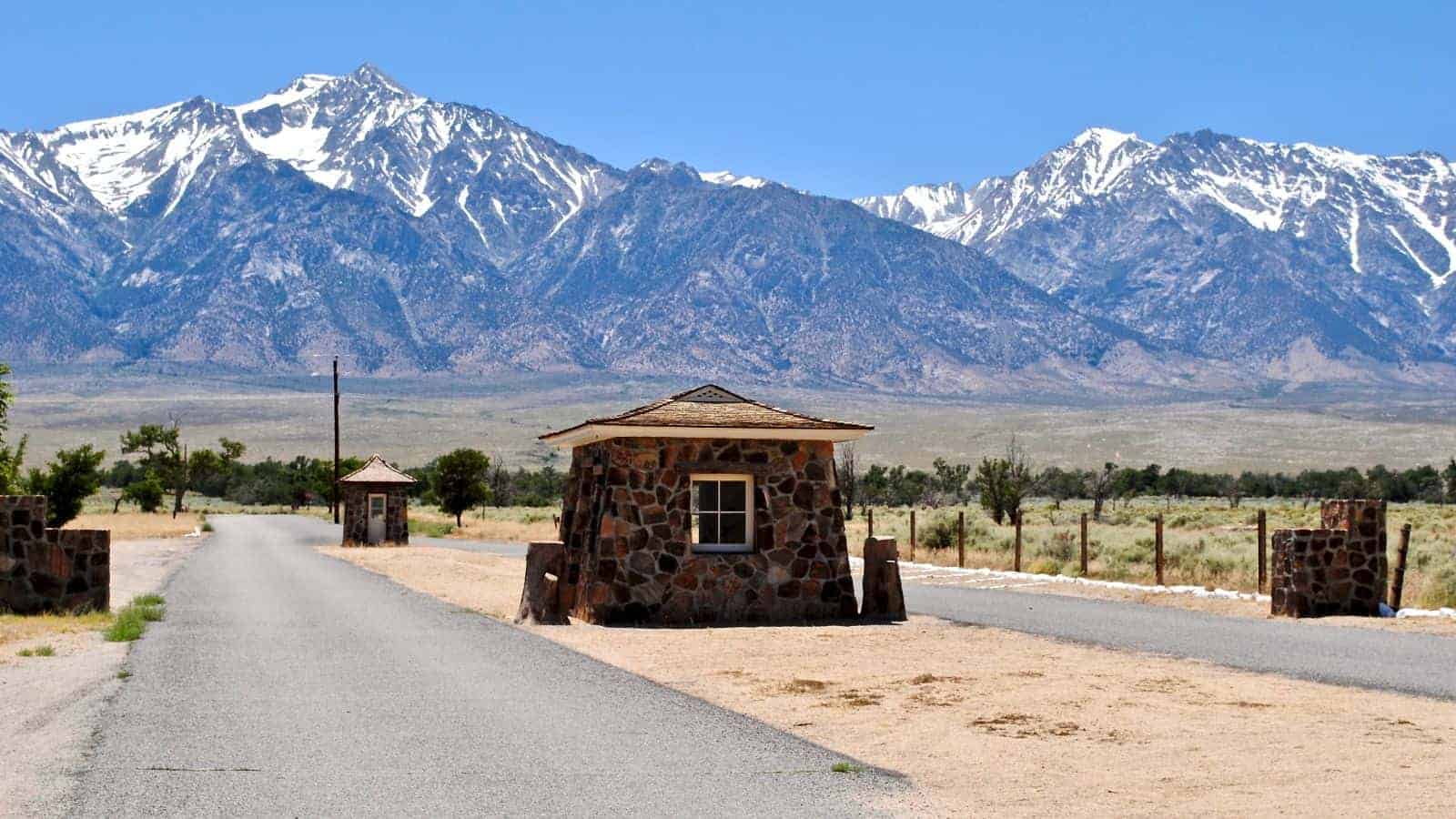
One of ten internment camps used to detain Japanese Americans during World War II, Manzanar serves as a stark reminder of wartime prejudice. The site includes restored barracks, a visitor center, and interpretive exhibits detailing the experiences of those interned. Walking through the camp’s remains offers a sobering yet important lesson in civil liberties.
Castillo de San Marcos, Florida
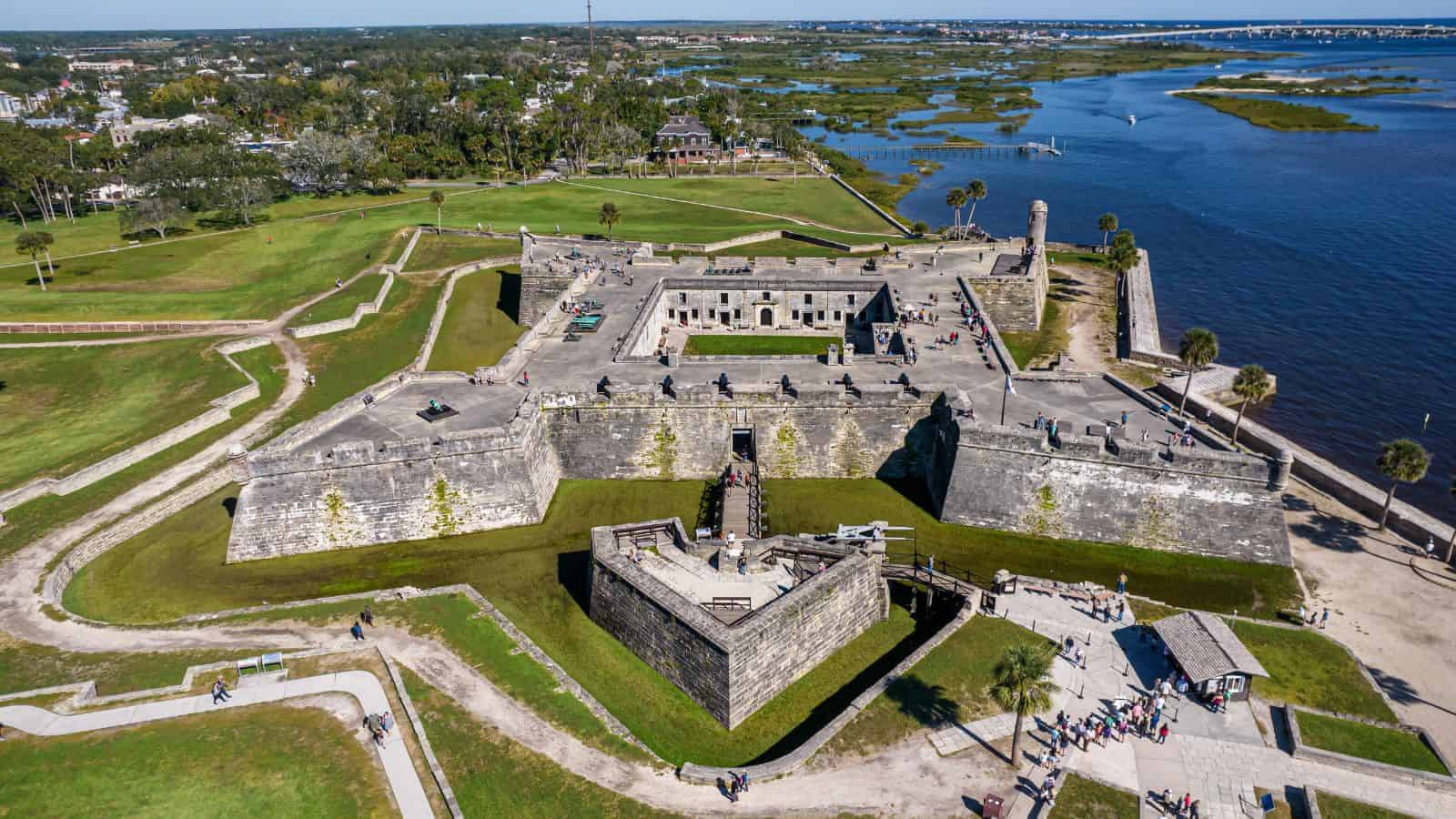
Built in the late 1600s, this fortress in St. Augustine is the oldest masonry fort in the continental U.S. Constructed by the Spanish, the fort played a role in various colonial conflicts and later the American Revolution. Its unique coquina stone construction made it nearly indestructible, and visitors can still explore its well-preserved bastions and barracks today.
Poverty Point, Louisiana
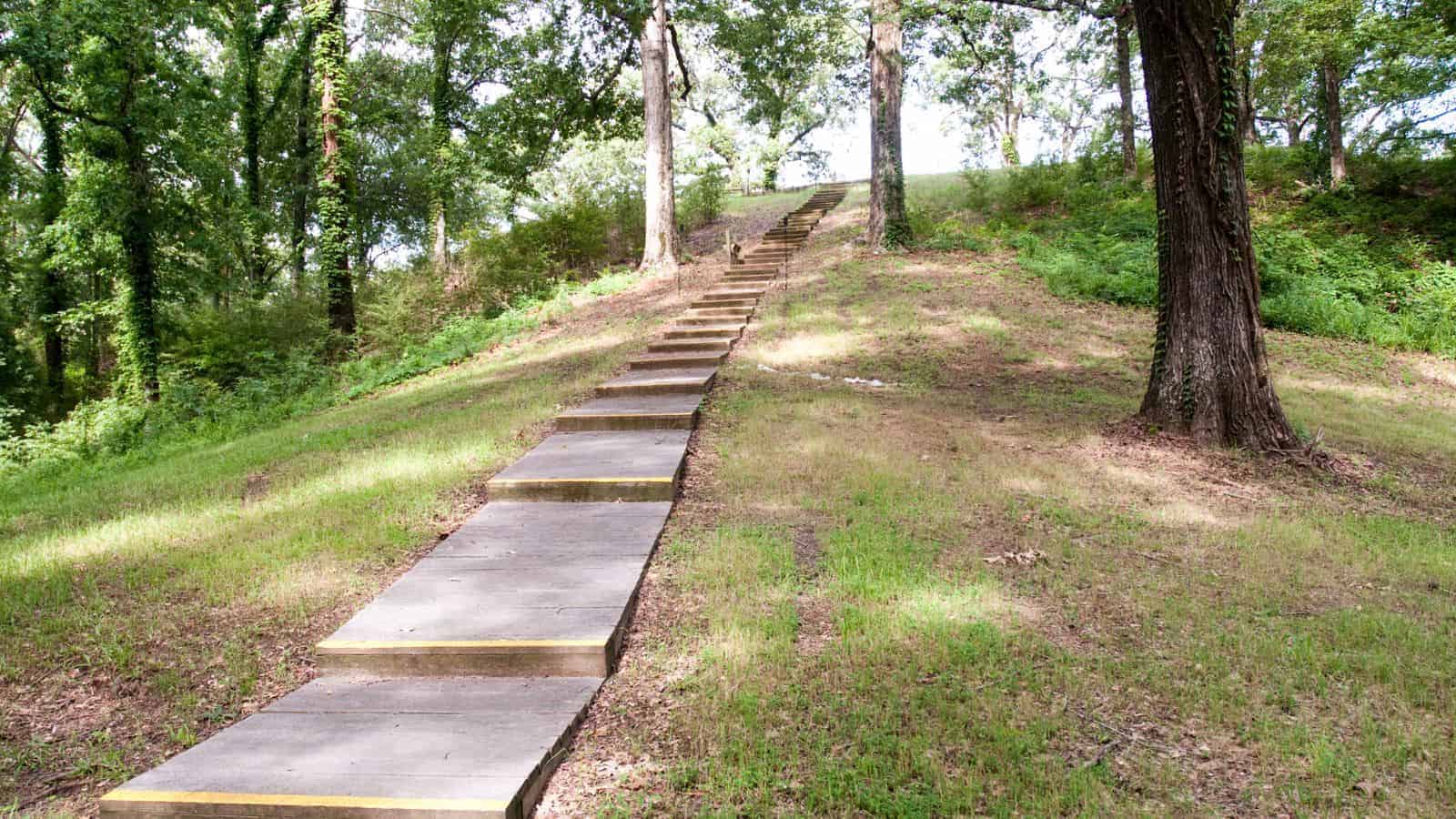
A prehistoric archaeological site dating back over 3,000 years, Poverty Point was a major trading hub for Indigenous cultures. The massive earthworks, including concentric ridges and mounds, remain a mystery in terms of their exact purpose. The site provides valuable insight into early engineering and the extensive trade networks of ancient North American civilizations.
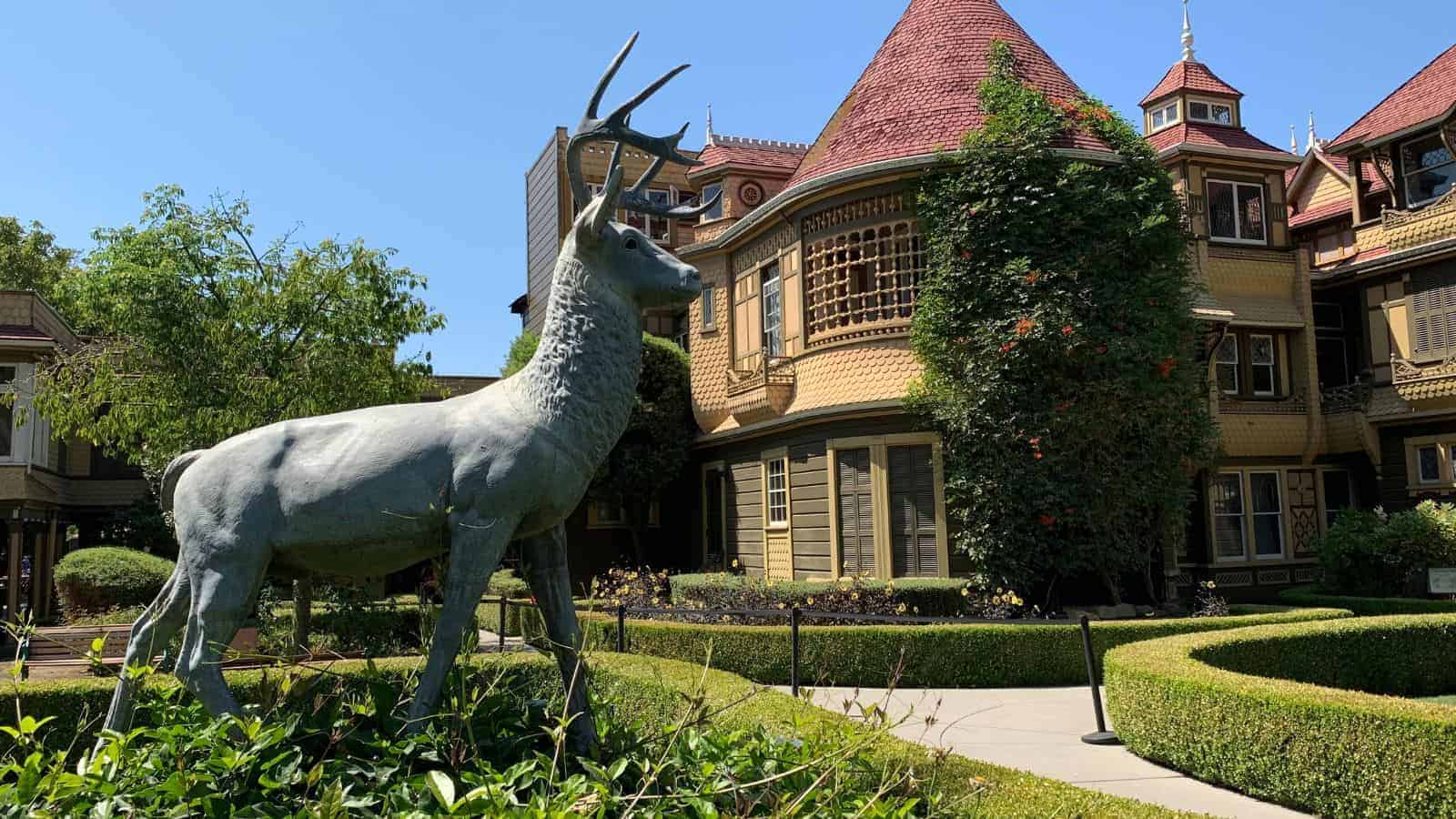
The Whaley House, California
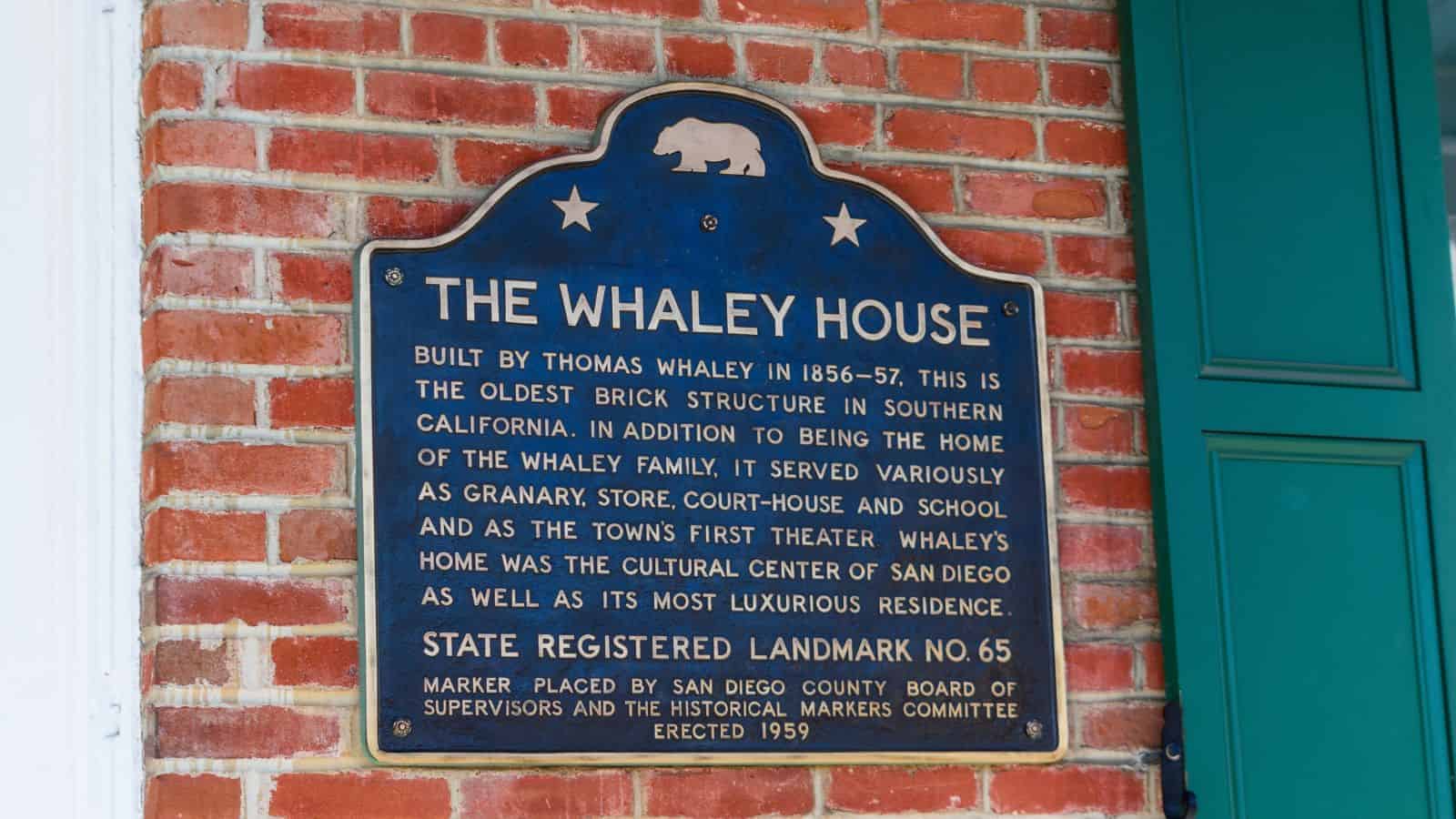
Located in San Diego, the Whaley House is one of America’s most haunted historic homes. Built in 1857, it served as a family residence, courthouse, and general store. Its eerie reputation stems from tragic events that occurred there, including hangings and unexplained deaths. Today, it operates as a museum offering historical and ghost tours.
The Homestead National Historical Park, Nebraska
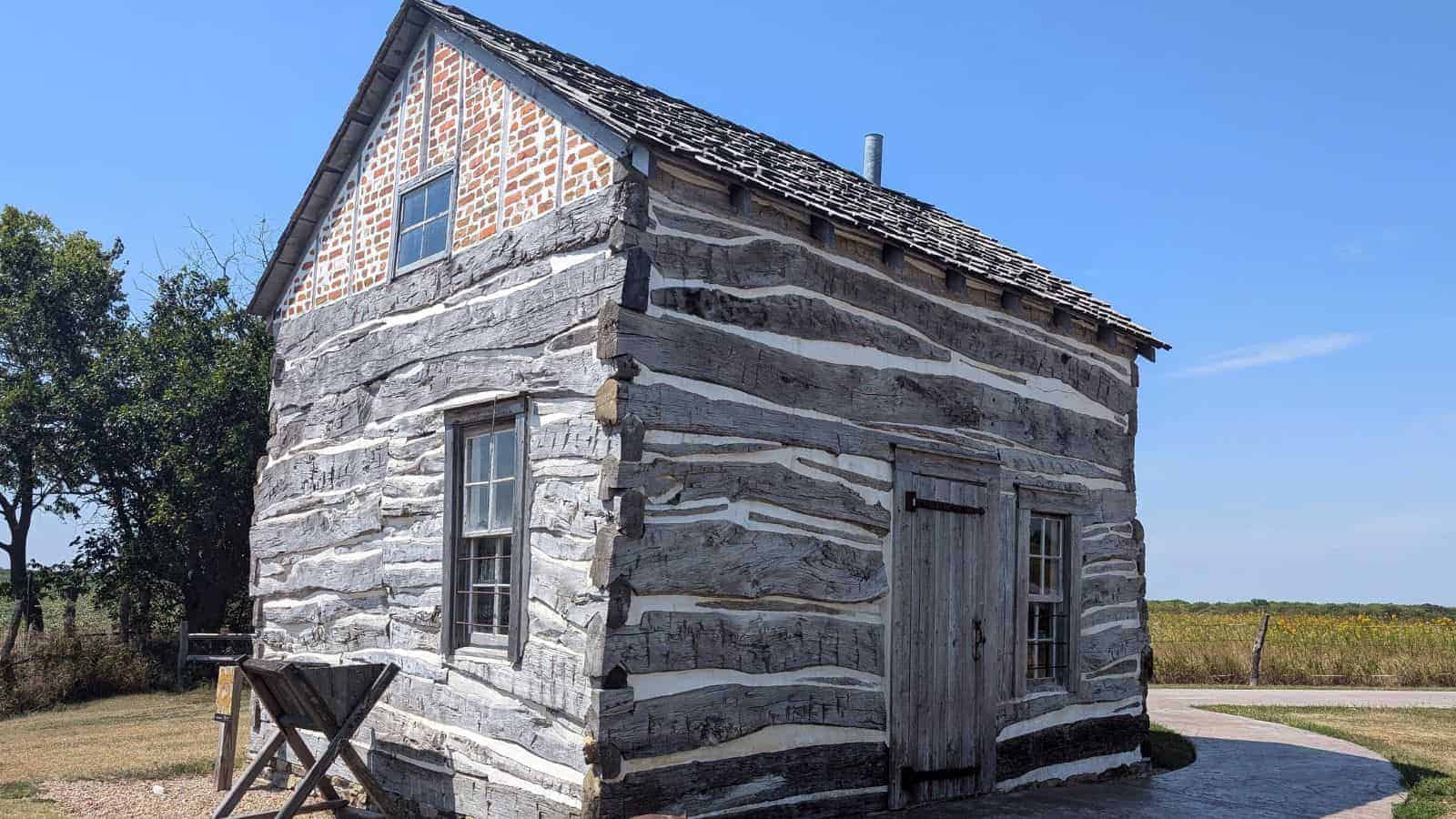
This park commemorates the Homestead Act of 1862, which provided settlers with land in exchange for developing it. The site includes a museum, preserved homesteads, and prairie landscapes that illustrate the challenges faced by pioneers. Visitors can learn about early American agriculture and westward expansion through interactive exhibits and original homesteader artifacts.
Andersonville National Historic Site, Georgia
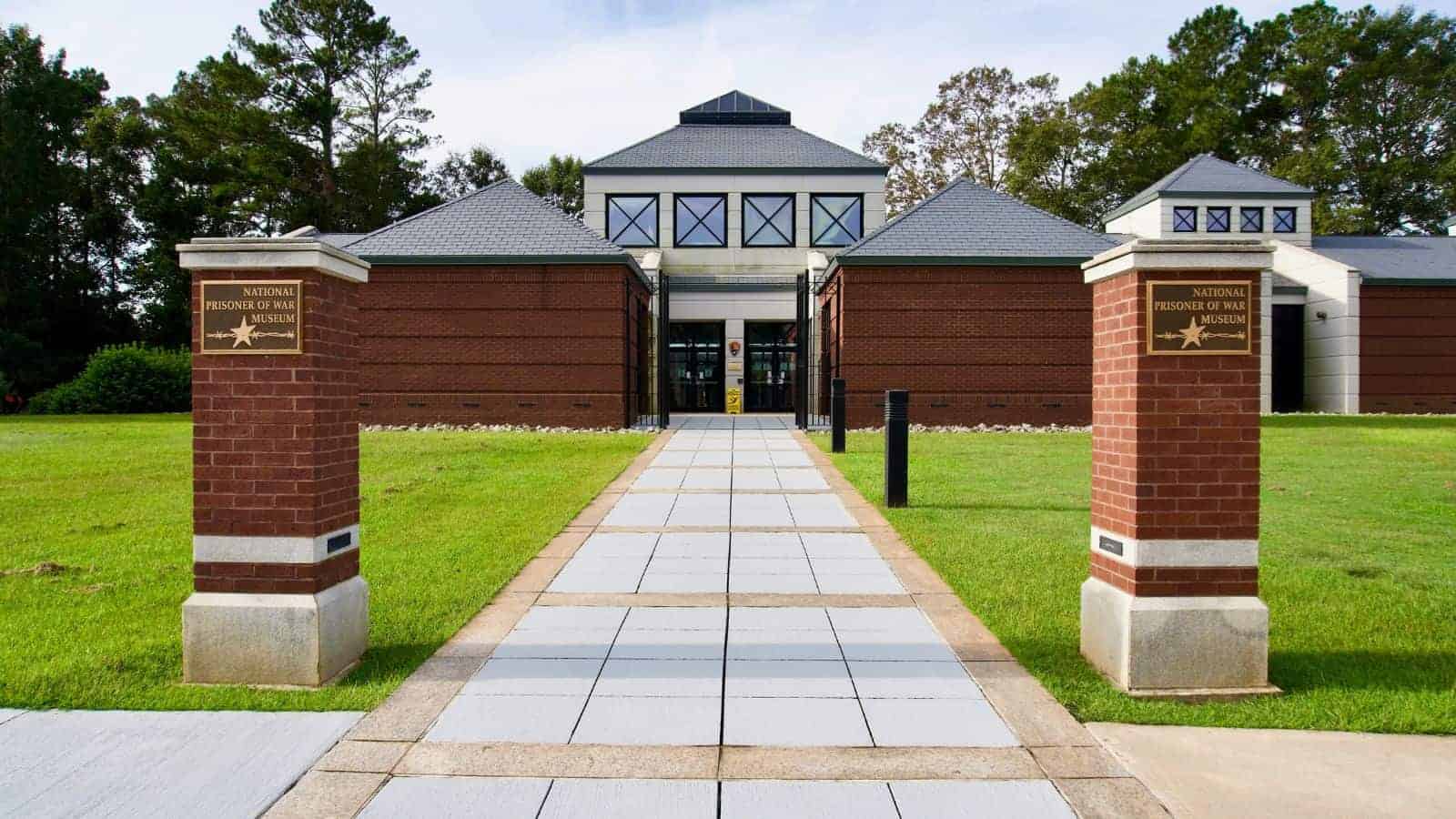
Andersonville was a Confederate prisoner-of-war camp during the Civil War, notorious for its brutal conditions. Nearly 13,000 Union soldiers perished due to malnutrition and disease. Today, the site serves as a memorial with a preserved section of the camp, a national cemetery, and a museum dedicated to American prisoners of war.
The Hubbell Trading Post, Arizona
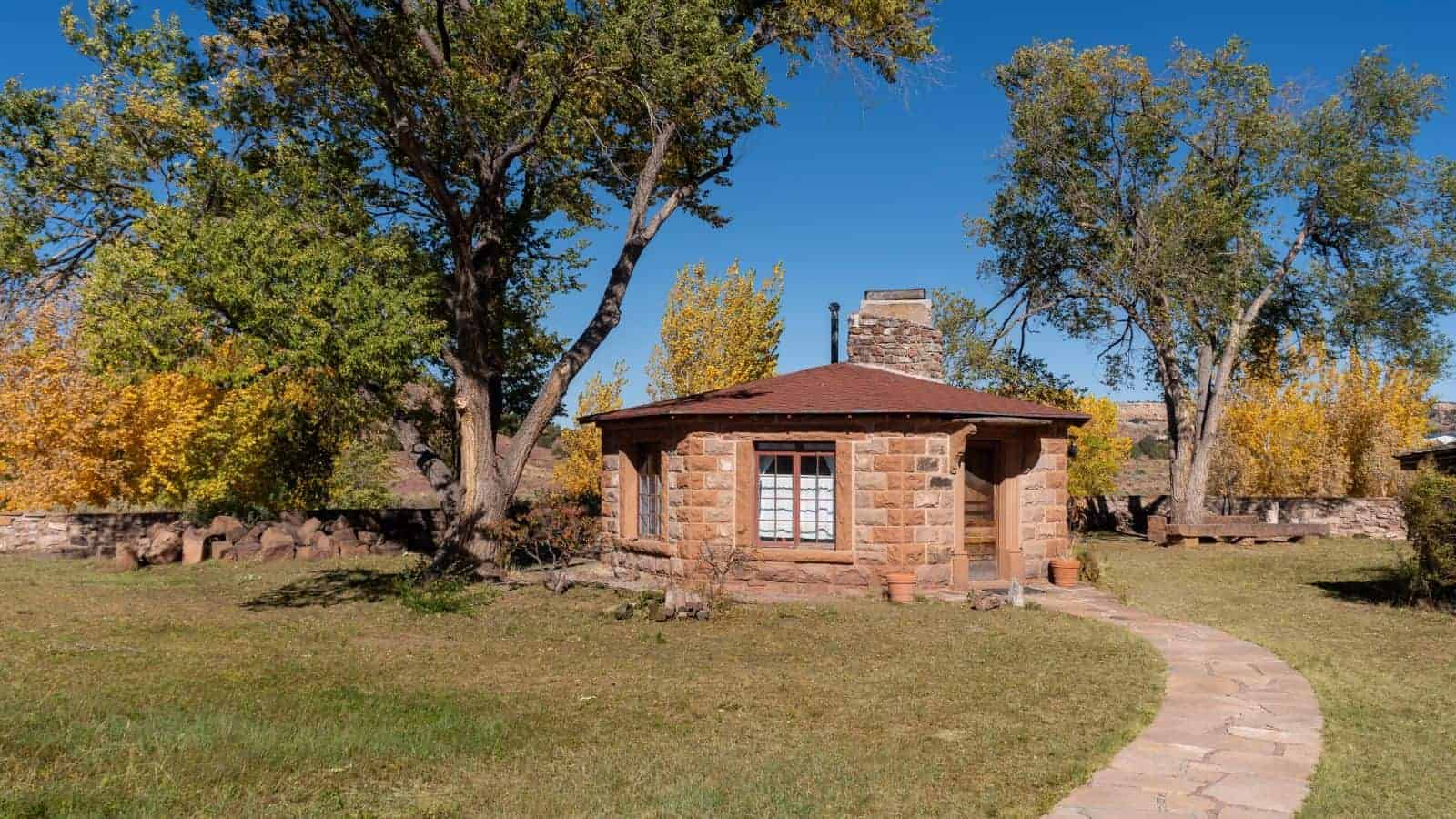
This historic trading post has been in operation since 1878 and remains a vital part of Navajo culture. Visitors can explore the original store, which still sells Native American crafts, and learn about the interactions between Navajo people and early traders. The site is an excellent place to gain insight into Southwestern commerce and cultural exchange.
Roosevelt Cottage at Campobello Island, Maine/Canada Border
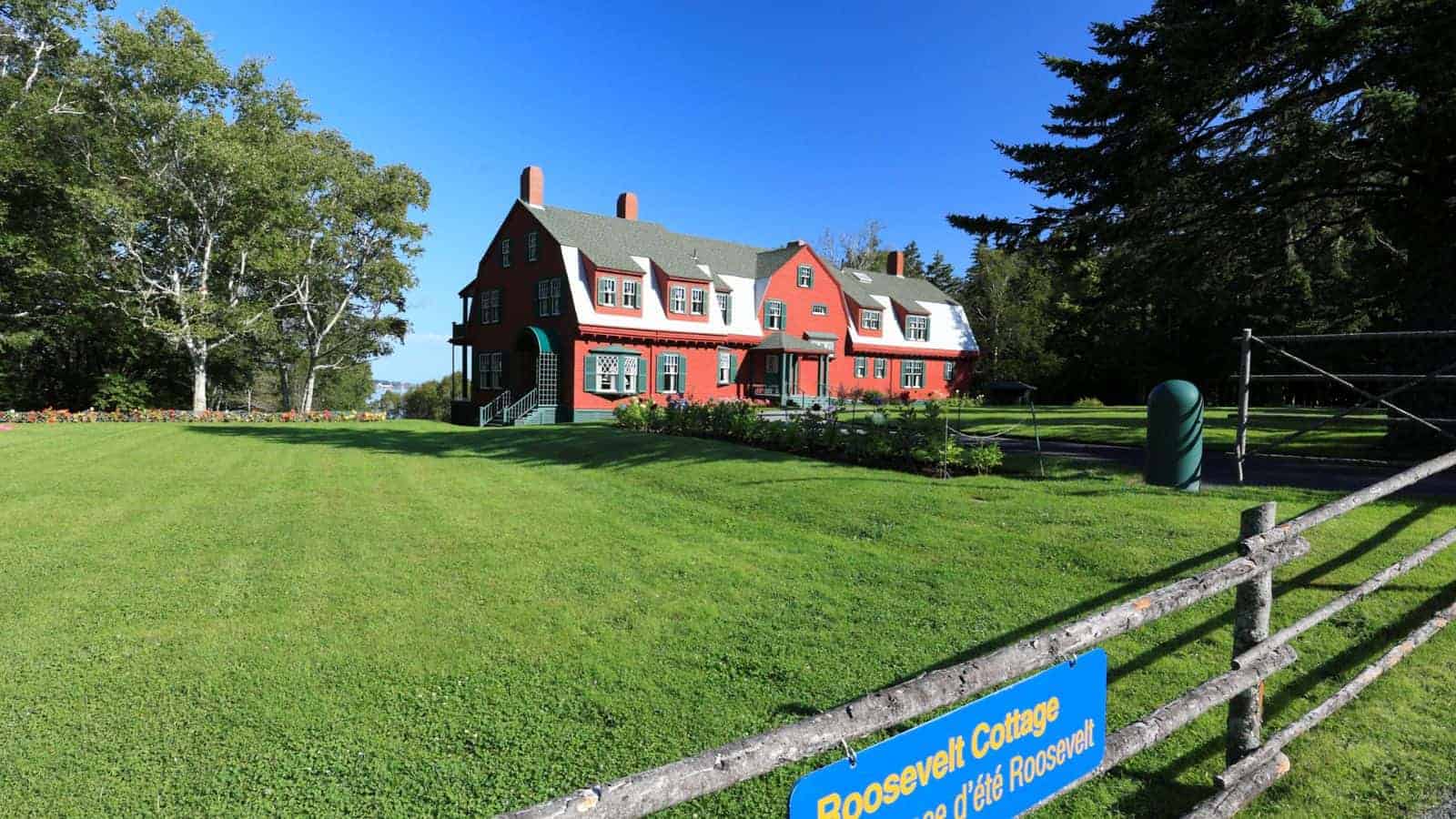
Franklin D. Roosevelt’s summer retreat, located on Campobello Island, offers a glimpse into the personal life of one of America’s most influential presidents. The preserved 34-room cottage is filled with Roosevelt family artifacts, and the surrounding park provides stunning views of the Bay of Fundy. This site highlights Roosevelt’s connection to nature and relaxation.
Bent’s Old Fort, Colorado
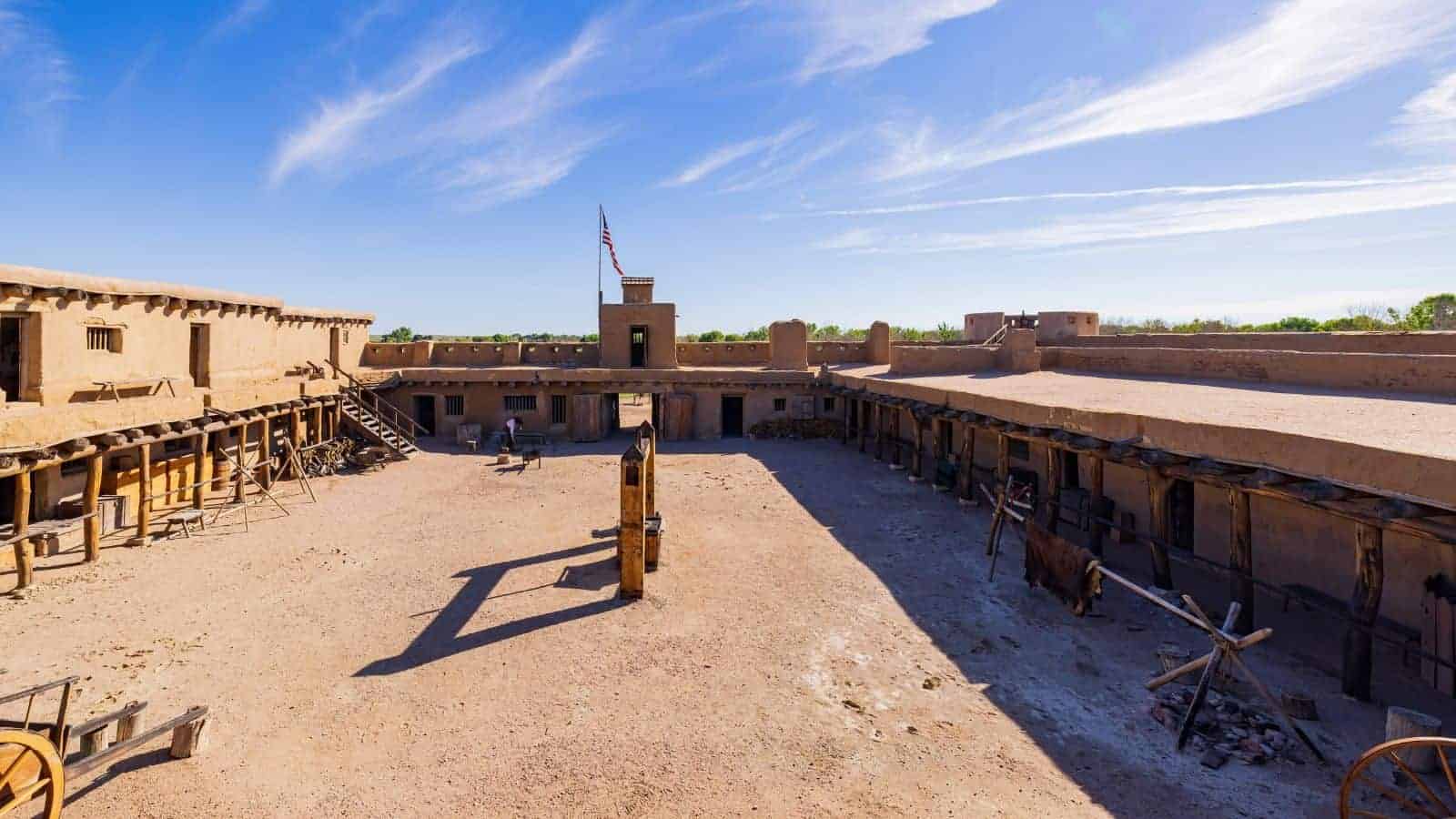
Bent’s Old Fort was a key trading hub on the Santa Fe Trail in the 1830s and 1840s, facilitating trade between settlers and Native American tribes. This adobe-style reconstruction allows visitors to experience what life was like for traders, explorers, and soldiers. The fort hosts live reenactments and demonstrations of frontier life.
Allegheny Arsenal, Pennsylvania
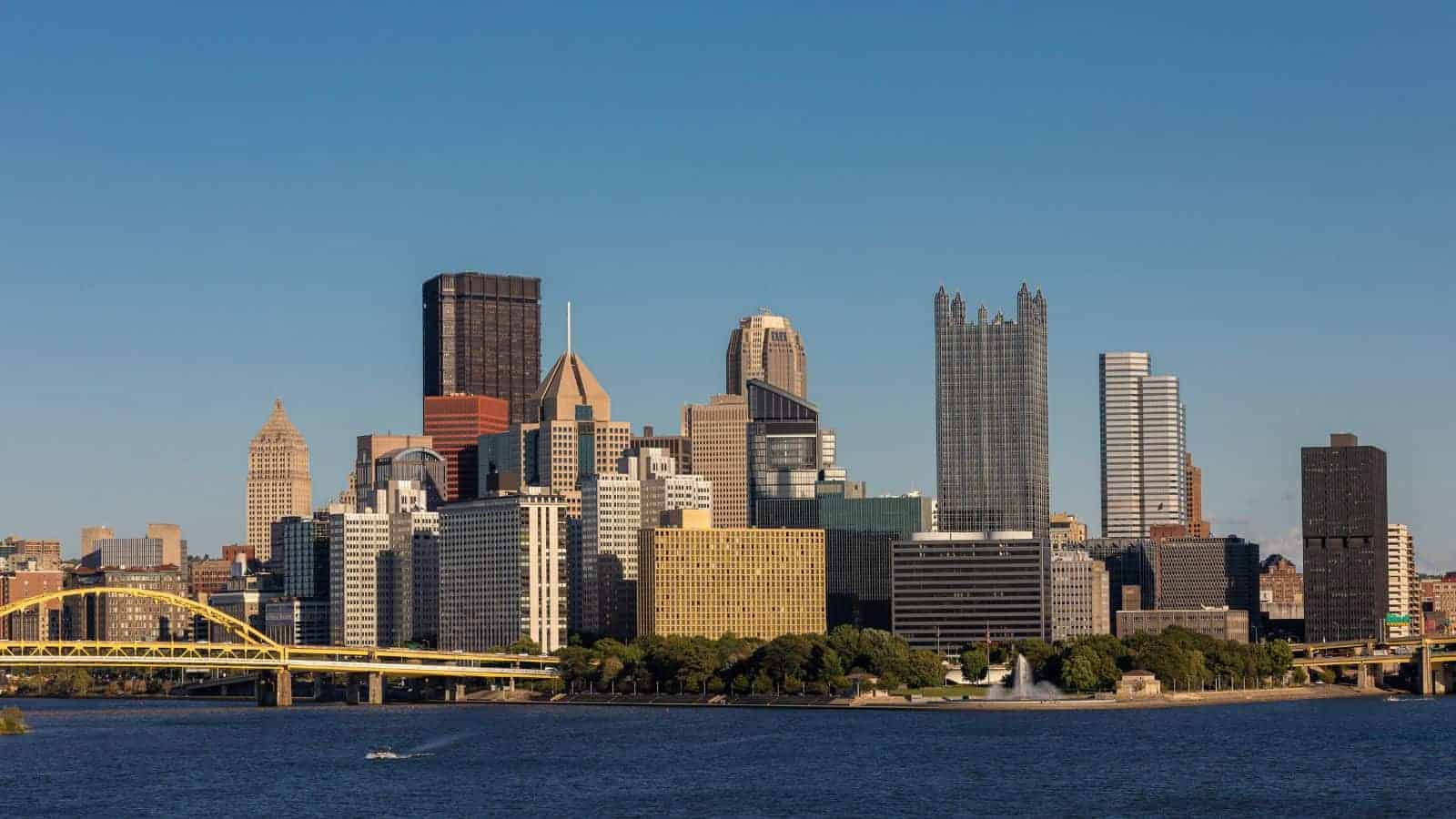
Located in Pittsburgh, the Allegheny Arsenal was a significant supplier of munitions during the Civil War. In 1862, an explosion at the site killed 78 workers, mostly young women, making it one of the deadliest industrial accidents in U.S. history. Today, remnants of the arsenal remain in Lawrenceville, where visitors can reflect on the impact of war production and industrial safety.

Deborah Montiero is a seasoned travel writer and contributor to Probe the Globe. With a passion for uncovering hidden gems and sharing immersive travel experiences, Deborah’s work highlights must-visit destinations, insider tips, and practical advice for travelers of all types. Whether exploring bustling cities or remote escapes, her articles are crafted to inspire and inform, making her a trusted voice in the travel community.
Her storytelling weaves together cultural insights, logistical tips, and authentic experiences, making her a valuable resource for readers seeking unforgettable journeys.
When not writing, Deborah is likely researching the latest travel trends or planning her next adventure. Follow her work on Probe the Globe for fresh perspectives and up-to-date travel inspiration.